The winners of the 2026 Architecture Today Test of Time Awards were announced on Thursday 12 November at the National Theatre’s Buffini Chao Deck in London. See the winning projects across this year’s award categories.
Now in their fifth year, the Architecture Today Test of Time Awards, sponsored by The Concrete Centre, The Society Building and VMZINC, celebrate buildings and places that have proved their value over time. Rather than focusing on newness, the awards recognise projects that have demonstrated lasting environmental, functional, community and cultural value.
Awards were presented across 12 main categories: Residential; Mixed Use; Hospitality, Sport & Leisure; Healthcare; Workplace; Religion & Culture; Education; Landscape & Public Realm; Individual House; Transport & Infrastructure; International; and the Student Prize, delivered in partnership with VMZINC. Two special Editor’s Awards were also presented. The winners’ plaques were fabricated by VMZINC.
Winning projects
Residential – winner
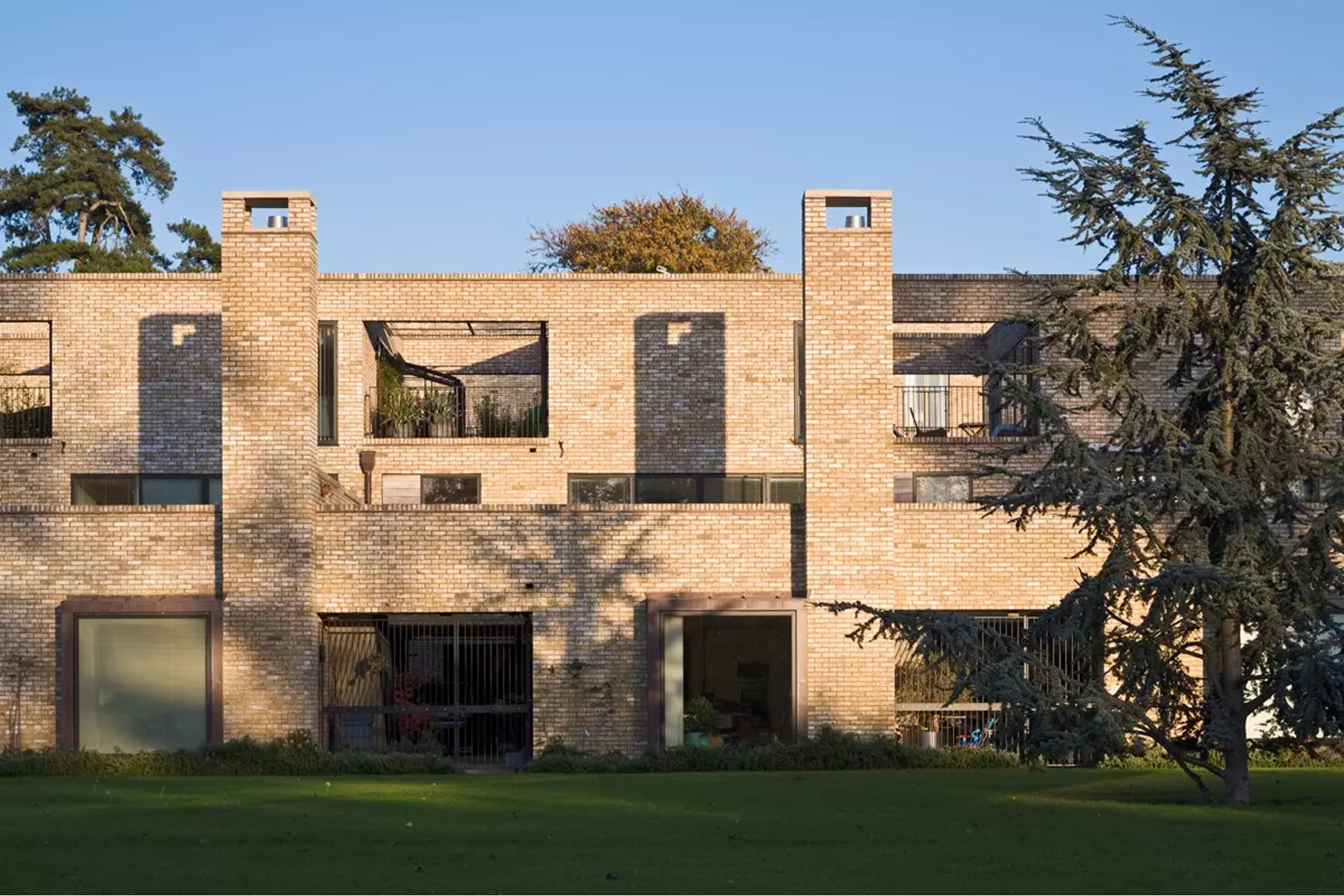
Project: Accordia
Architect: FCBStudios with Grant Associates, Maccreanor Lavington and Alison Brooks Architects
The judges said:
“The first residential scheme to win the Stirling Prize, Accordia raised the game for high-density housing not just in Cambridge but across the UK. And still feels ahead of the game today.”
Mixed Use – winner
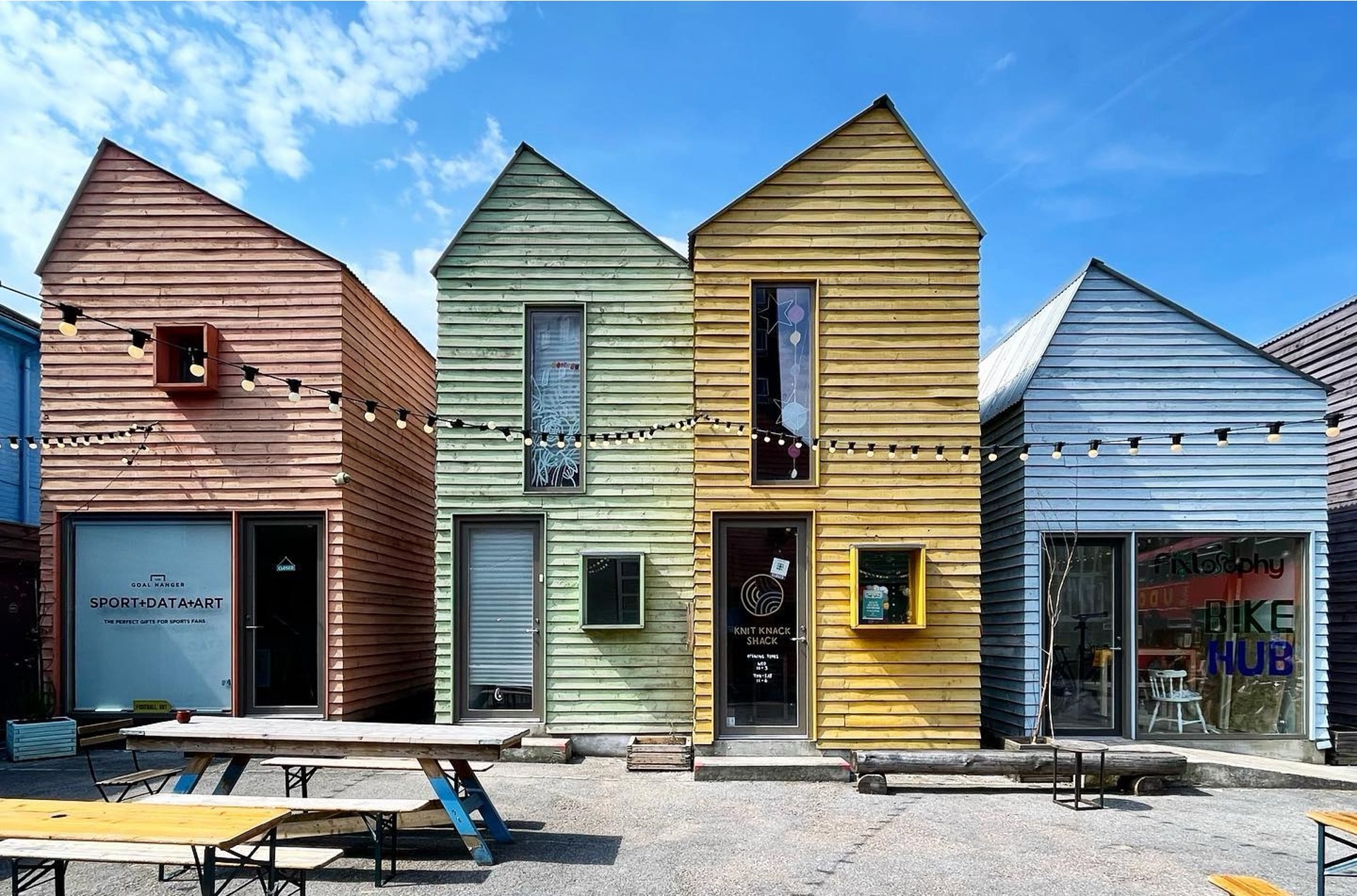
Project: Blue House Yard
Architect: Jan Kattein Architects
The judges said:
“With no budget for a contractor, Jan Kattein Architects worked with students, residents and future tenants to deliver a self-build project with no clear distinction between design, procurement, delivery and performance in use. Conceived as a meanwhile project back in 2016, Blue House Yard is still going strong, providing affordable, flexible workspace and a much-needed community hub.”
Hospitality, Sport & Leisure – winner
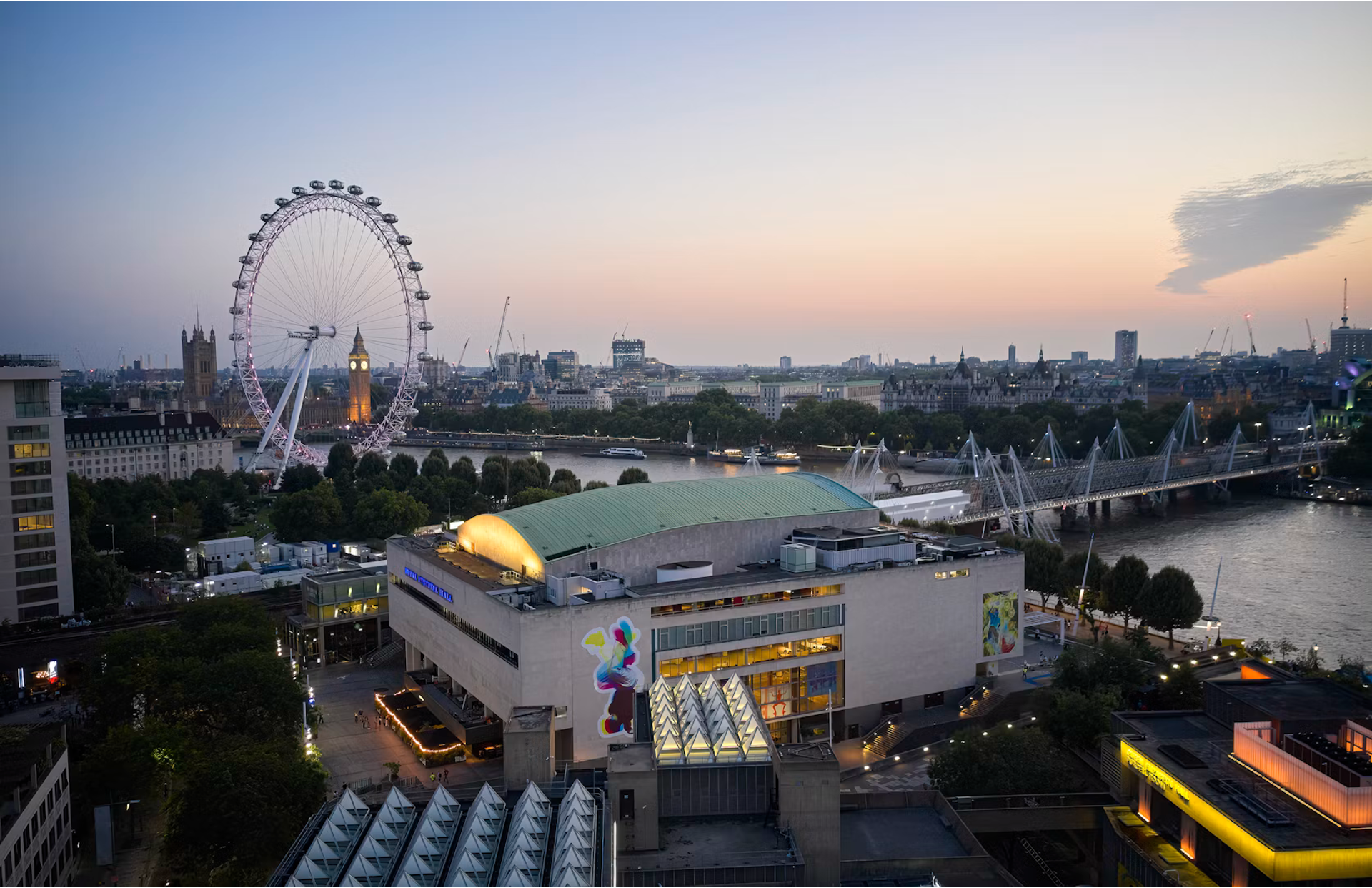
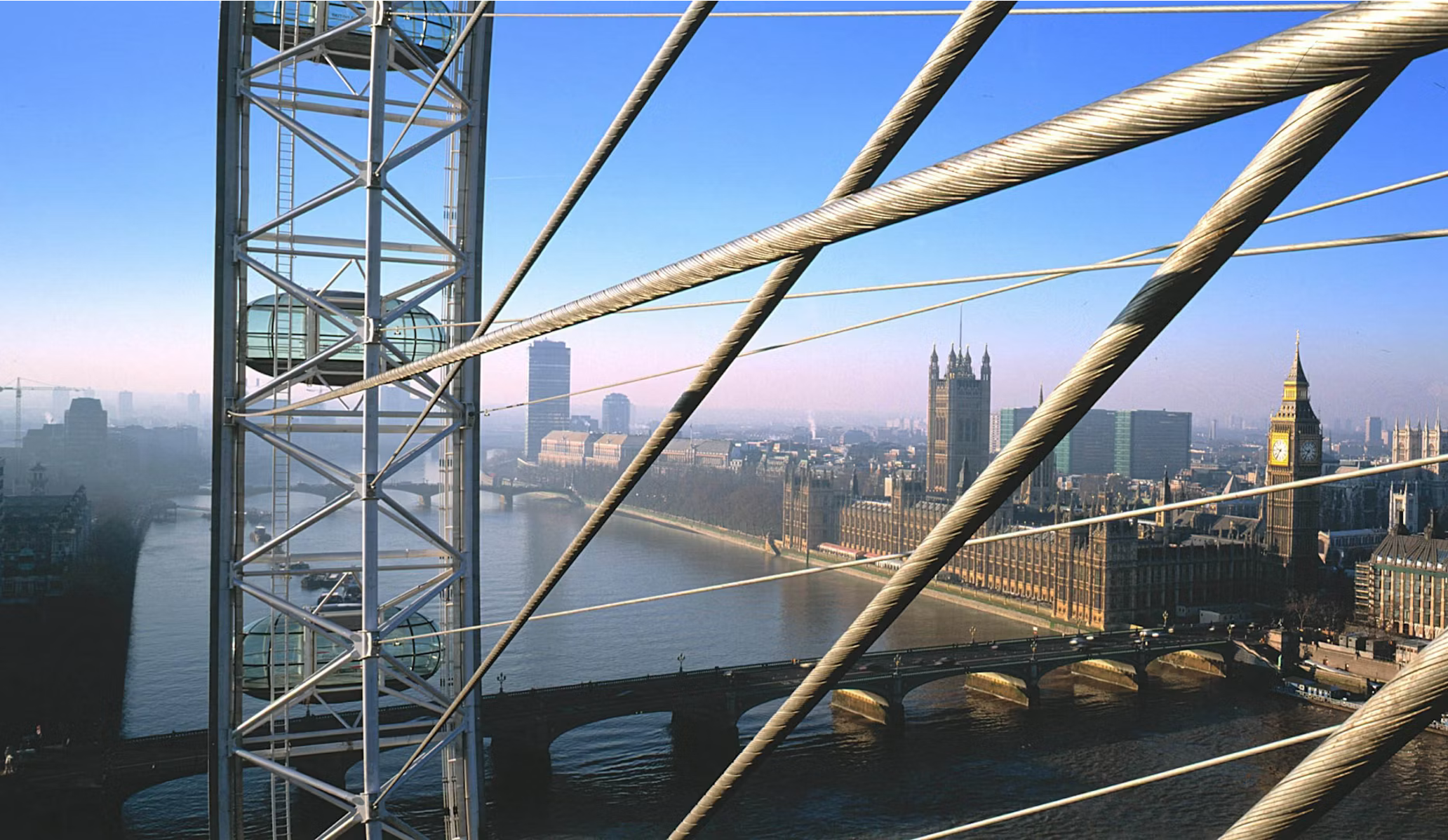
Project: The London Eye
Architect: Marks Barfield Architects
The judges said:
“The Millennium Wheel, as it was then called, initially won consent for a measly five years. Twenty five years – and 100 million visitors – later it has defeated all doubters, to become a celebrated, international landmark that keeps London on the world stage.”
Healthcare – winner
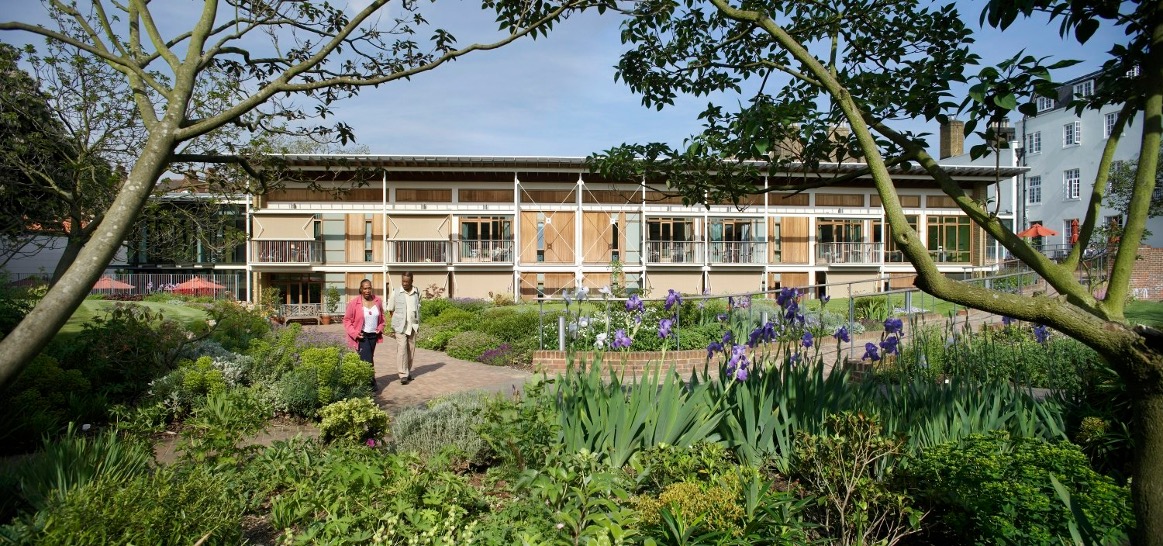
Project: Royal Trinity Hospice
Architect: tp bennett
The judges said:
“A simple, elegant scheme with humanity and spirit. We were particularly impressed by the way the building – and the organisation – manages to thread a ‘live every minute’ mentality through the provision of end-of-life care.”
Workplace – winner
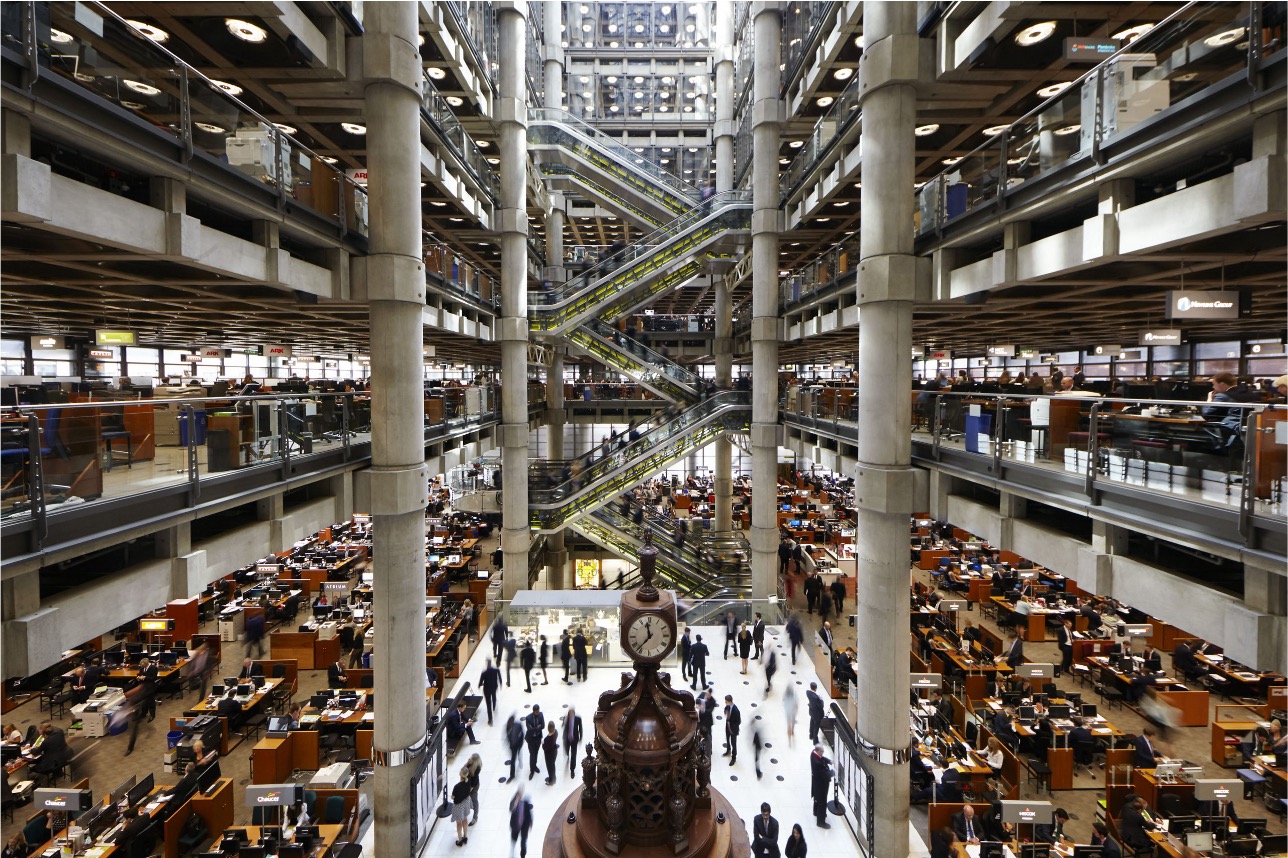
Project: Lloyd’s of London
Architect: RSHP
The judges said:
“An audacious experiment in high-tech, the Lloyds building was described in early reviews as an oil rig, a coffee percolator, a motor-cycle engine and a building on life support. But its inside-out diagram has proved flexible and resilient, and its status as a much-loved landmark has been fundamental to Lloyds of London’s status and success. It is also the youngest ever structure to have been awarded Grade I listed status. Celebrating its 40th birthday this year, the young pretender has become a National Treasure.”
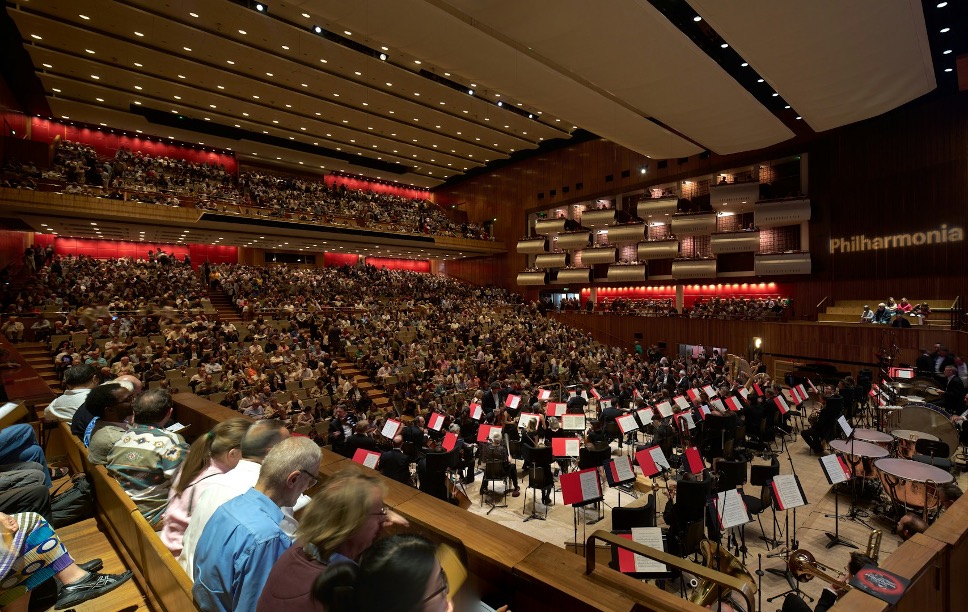
Religion & Culture – winner
Project: The Royal Festival Hall
Architect: Allies & Morrison
The judges said:
“Allies & Morrison’s thoughtful restoration of Leslie Martin’s 1951 masterpiece made Britain’s first Grade I-listed post-war building not just an important part of the nation’s history, but a key driver behind the revival of London’s South Bank.”
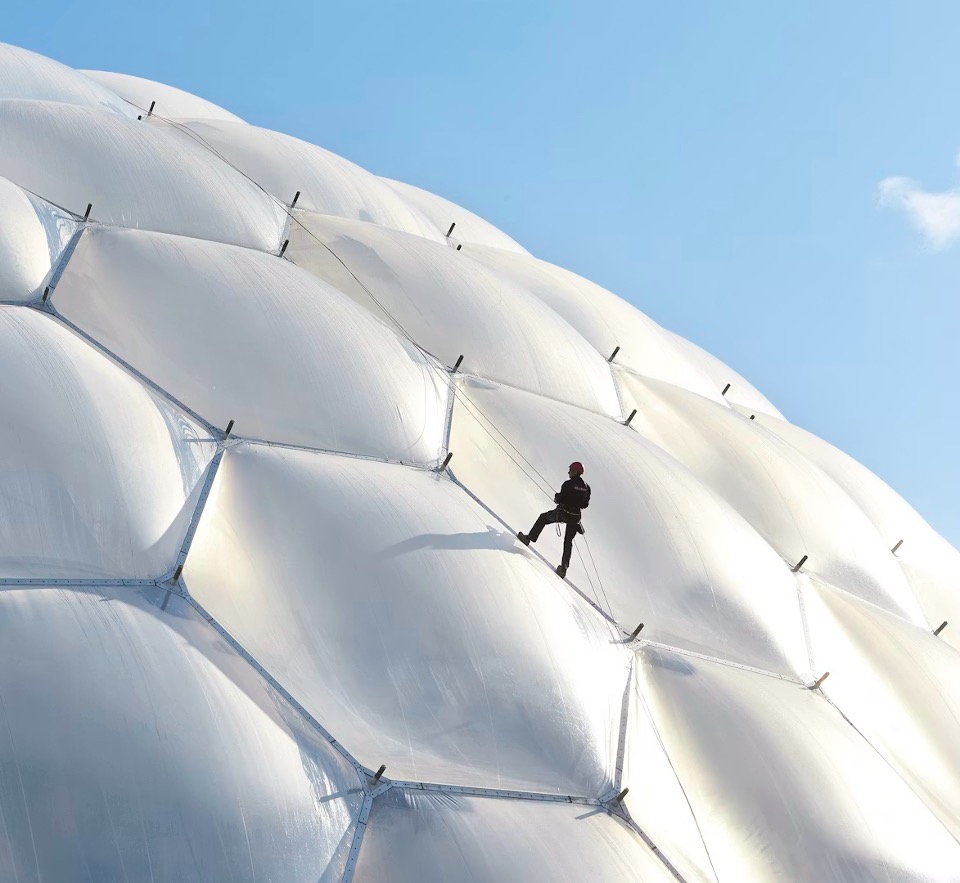
Religion & Culture – winner
Project: The Eden Project
Architect: Grimshaw
The judges said:
“Ahead of its game in terms of technical brilliance and biophilic design, the Eden Project has also been transformational in terms of economic regeneration, social impact and civic pride, while its fundamental raison d’etre – to inspire planetary action by reconnecting humans with the natural world – becomes more relevant and more urgent with every passing day.”
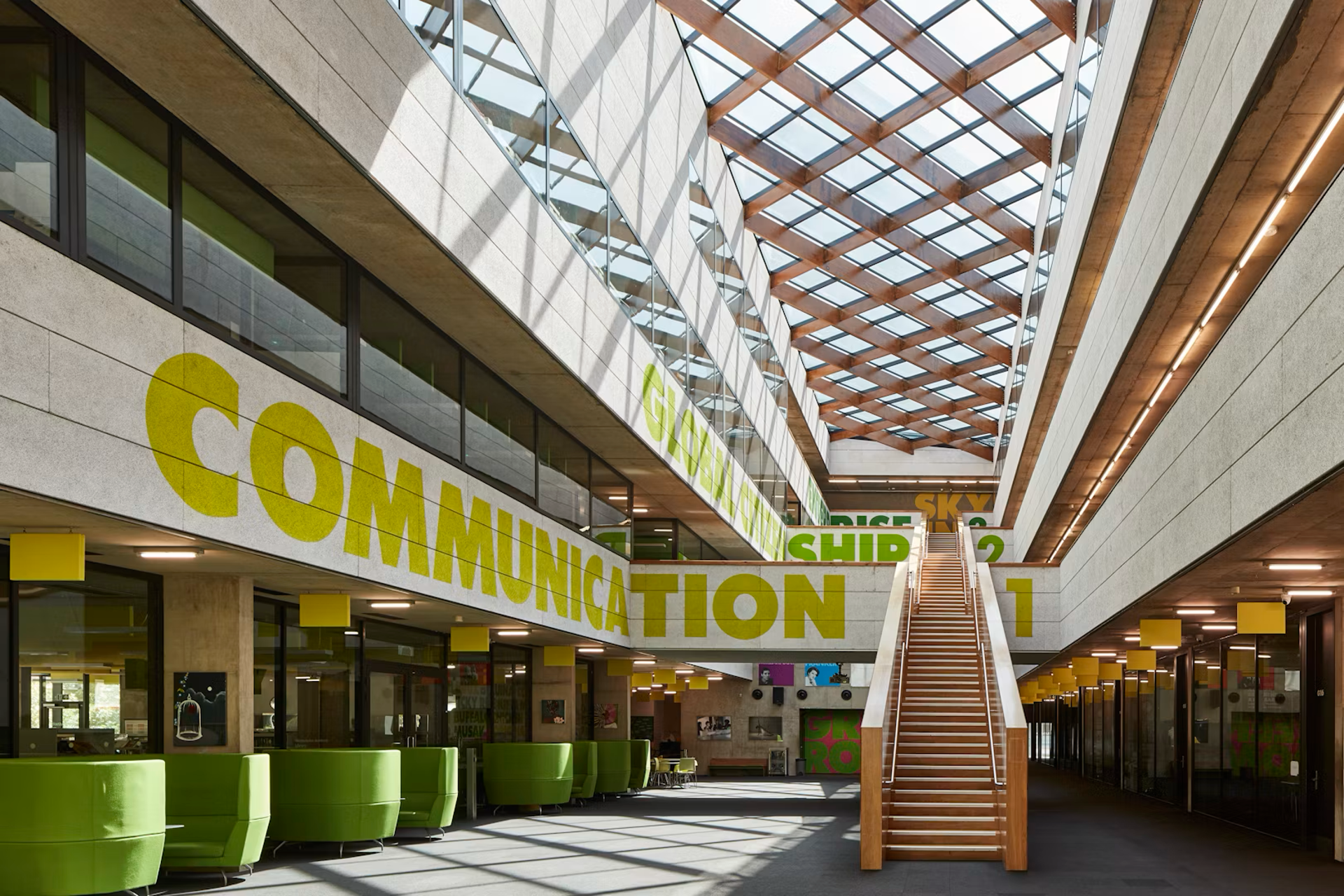
Education – winner
Project: Westminster Academy
Architect: Allford Hall Monaghan Morris (AHMM)
The judges said:
“Westminster Academy immediately established itself as a vibrant, civic landmark in its gritty urban environment. And quickly went on to have a transformative effect on the lives of those lucky enough to work or study there. The impact of this optimistic, generous-spirited building will be felt for generations to come.”
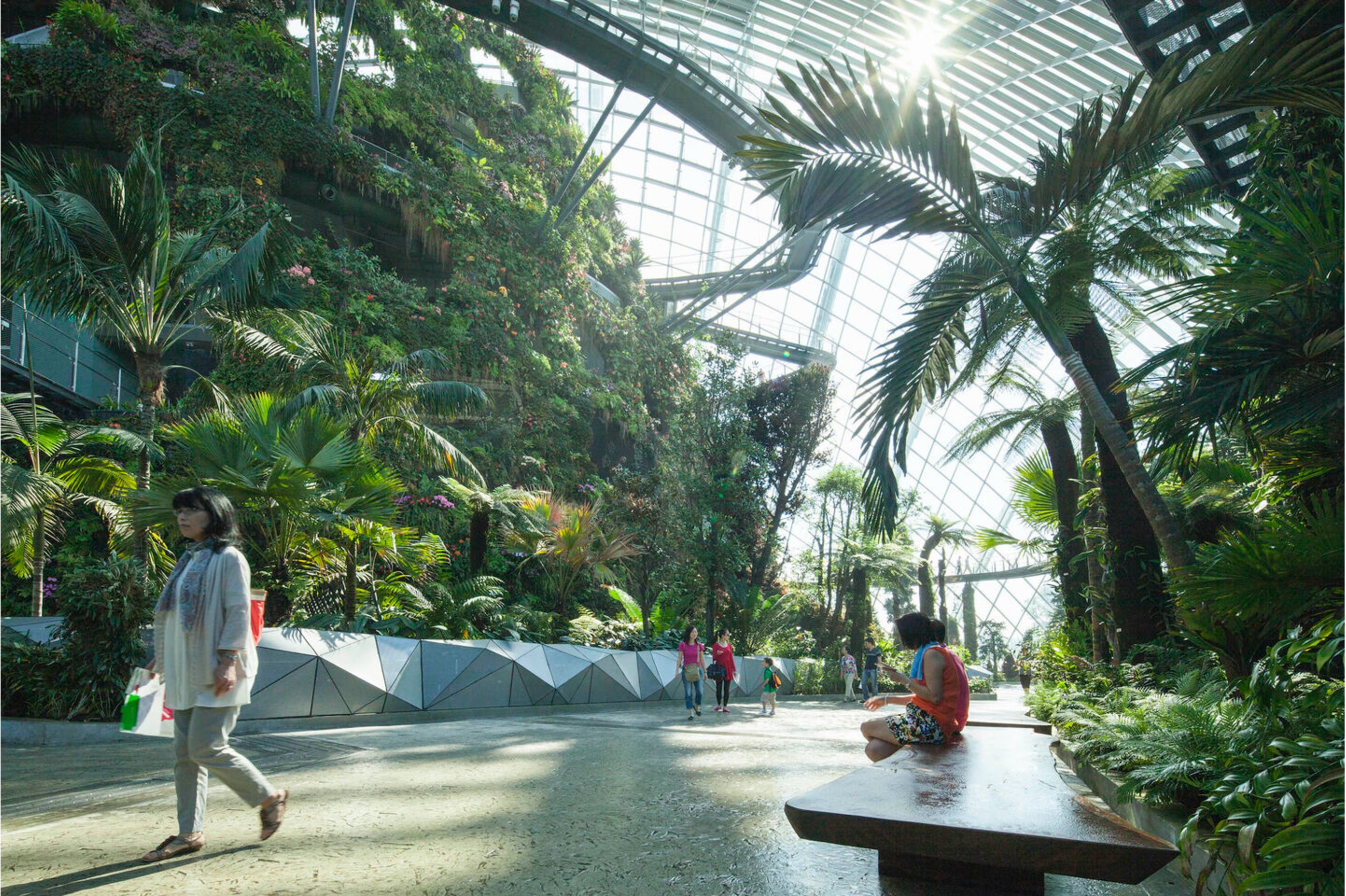
Landscape & Public Realm – winner
Project: Gardens by the Bay
Architect: Grant Associates with WilkinsonEyre, Atelier One and Atelier Ten
The judges said:
“Currently the world’s third most popular visitor attraction, Gardens by the Bay welcomed 16 million visitors last year and 140 million since its completion in 2012. That a British design team working in Asia should create something so globally – and locally – popular is a spectacular achievement for UK design.”
Individual House – winner
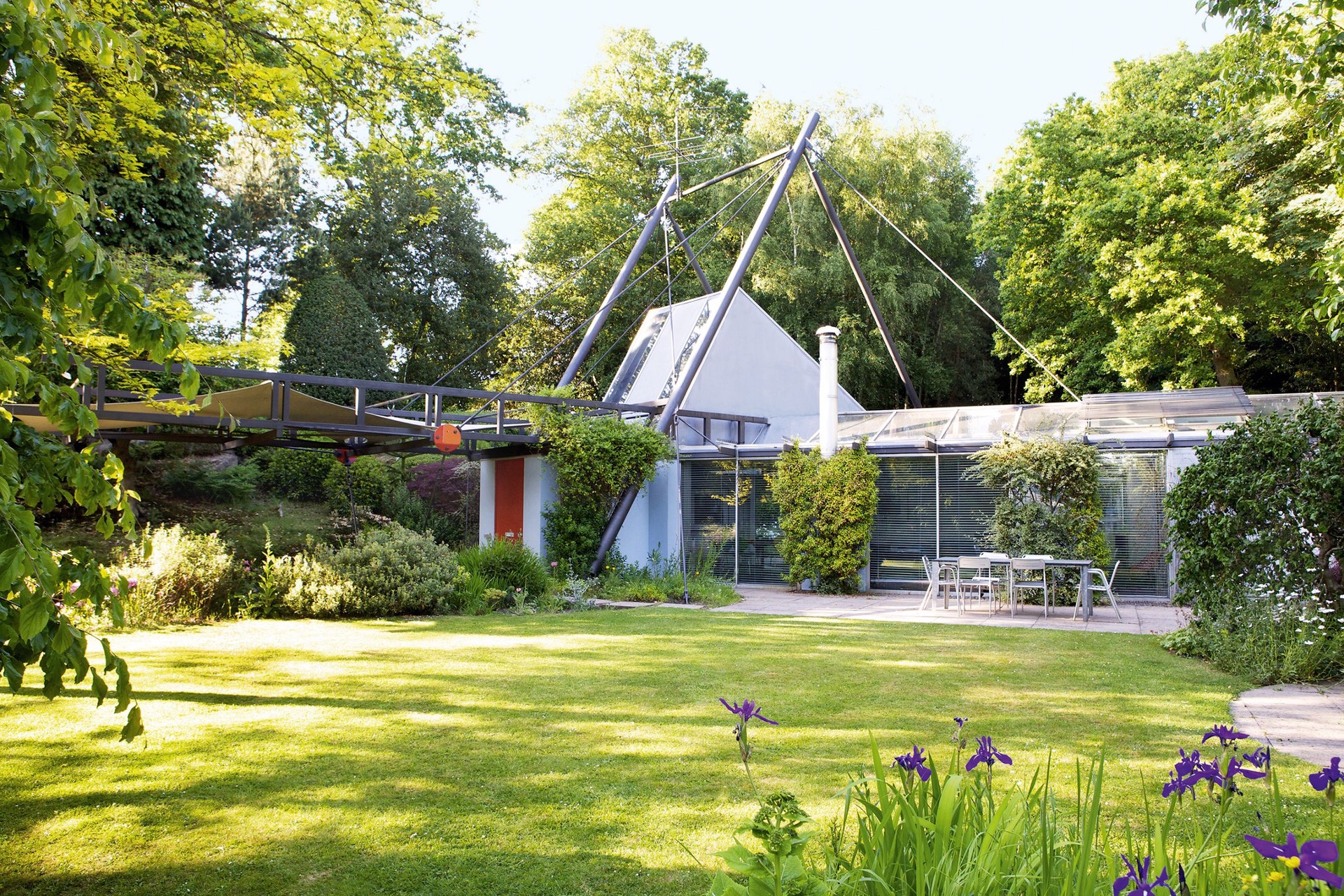
Project: Eagle Rock House
Architect: ritchie studio
The judges said:
“Poetic, and highly idiosyncratic, this radical structure expresses a delight in experimentation, a fascination with the process of making, and a close, creative collaboration between architect and engineer. A pin-up project when it was was built, it’s a joy to hear how the home has been updated, lived in and loved by its new owners, and that the radical design has stood the test of time.”
Individual House – winner
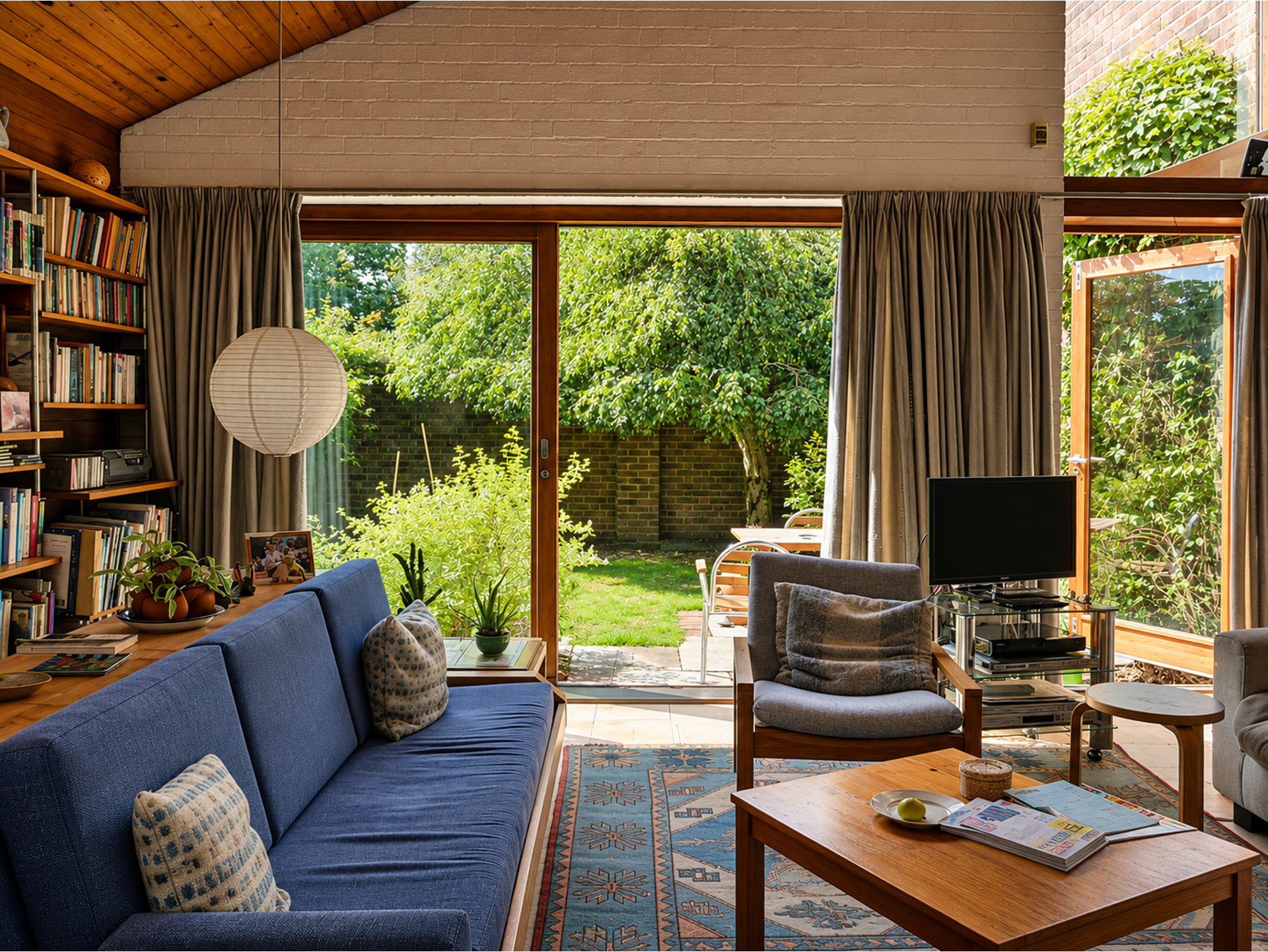
Project: Dove House (129 Maze Hill)
Architect: Myles and Deirdre Dove
The judges said:
“Myles Dove – with his wife Deirdre – built this house in 1968; worked and raised their children there, and continued to live in the house as a wheelchair user with a carer at the end of his life. The Doves two architect children presented the project at the live finals, demonstrating the extent to which the family feels an ongoing sense of custodianship, affection and pride for this extraordinary ordinary house.”
Transport & Infrastructure – winner
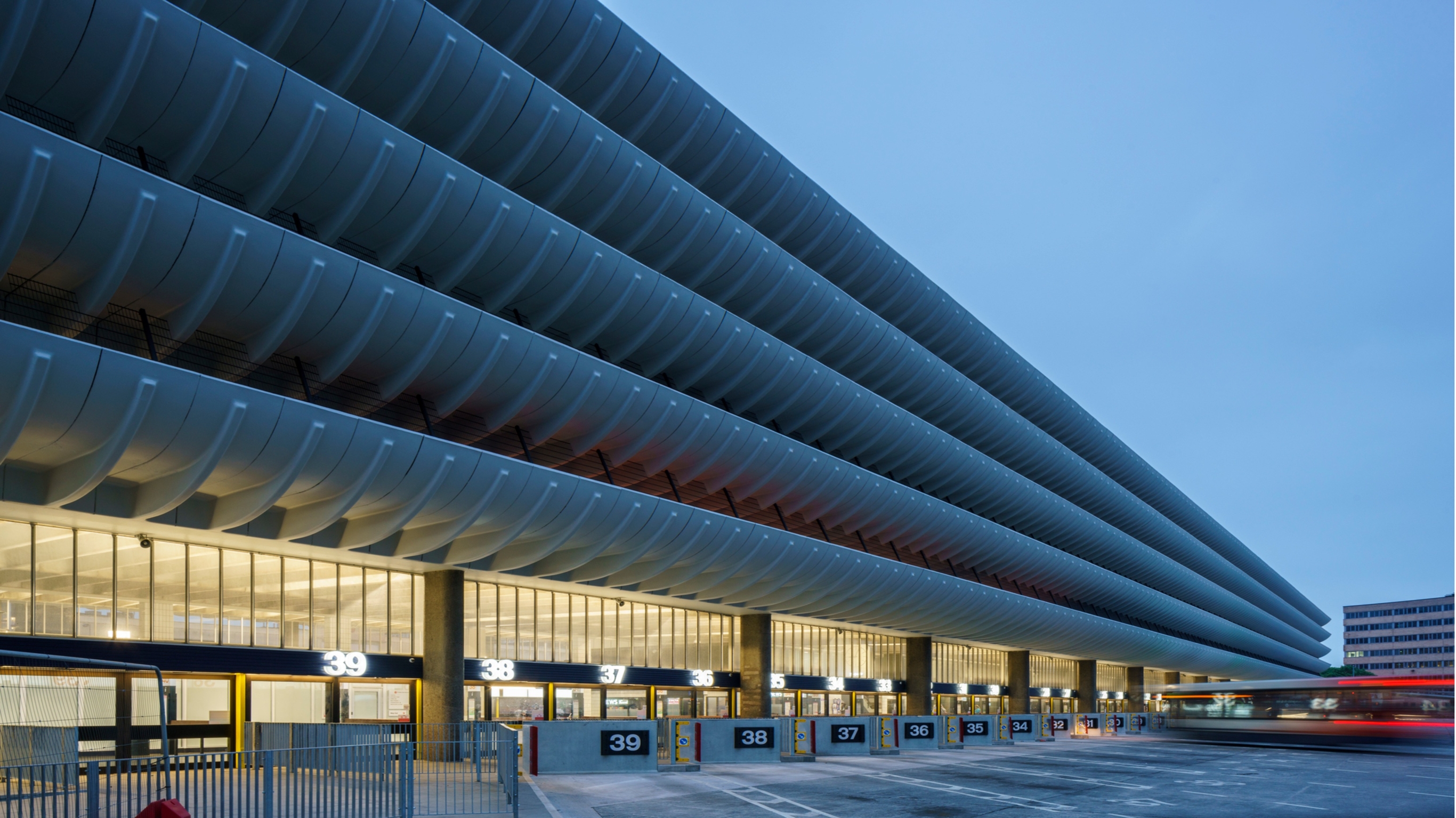
Project: Preston Bus Station
Architect: John Puttick Associates (originally designed by BDP)
The judges said:
“Preston Bus Station was almost demolished on numerous occasions, before being Grade II listed in 2013. Thank goodness it survived. John Puttick’s logical, sensitive, thorough approach has reconnected the building with the city centre, and brought this iconic Brutalist structure back to life.”
International – winner
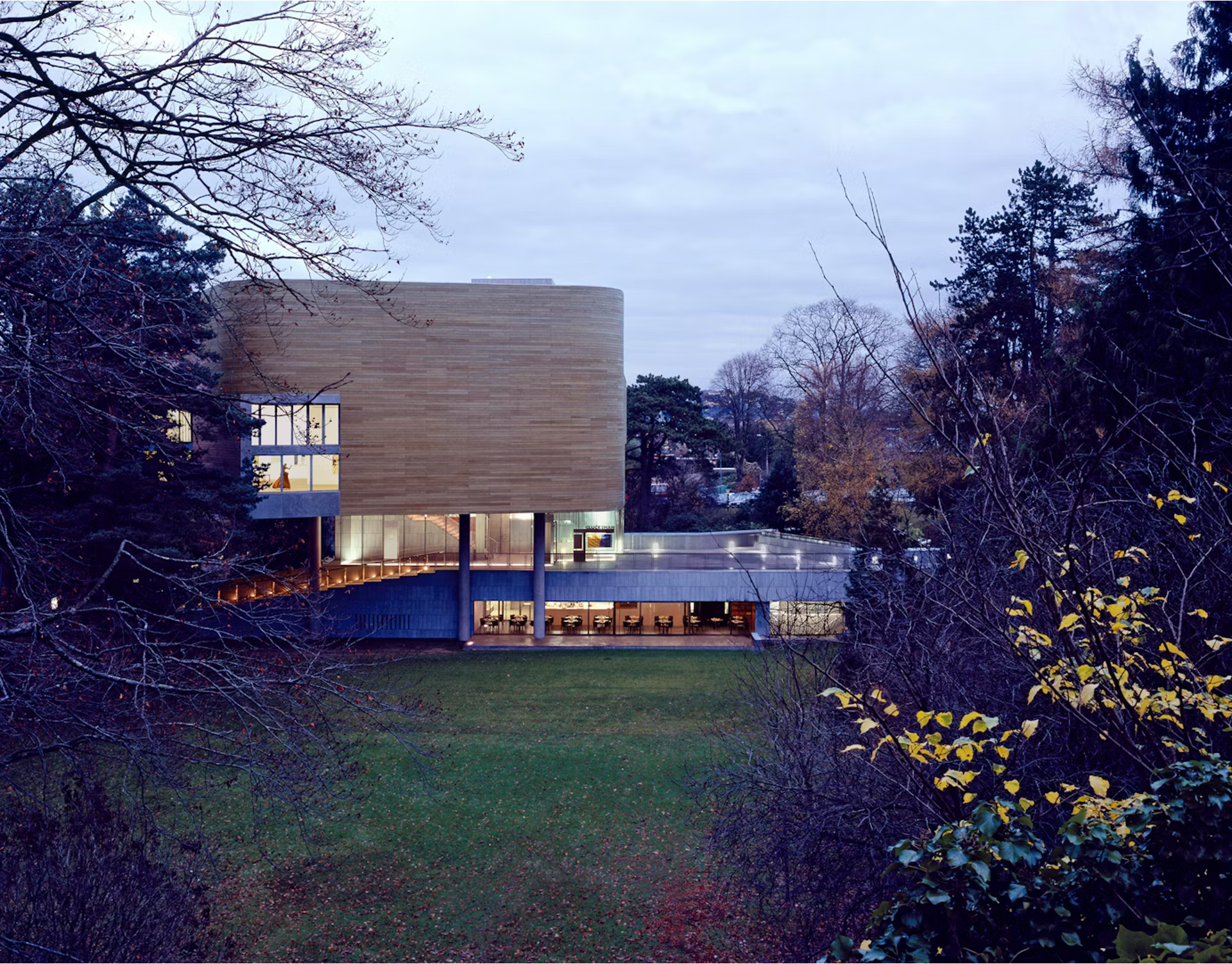
Project: The Glucksman, University College Cork
Architect: O’Donnell + Tuomey
The judges said:
“An amazing set of spaces, that have clearly weathered the test of time. But perhaps what impressed us most was the wonderful relationship between architect and client. Founding director Fiona Kearney has cared for the building since its inception. We particularly enjoyed her observation that “the building breathes with us””
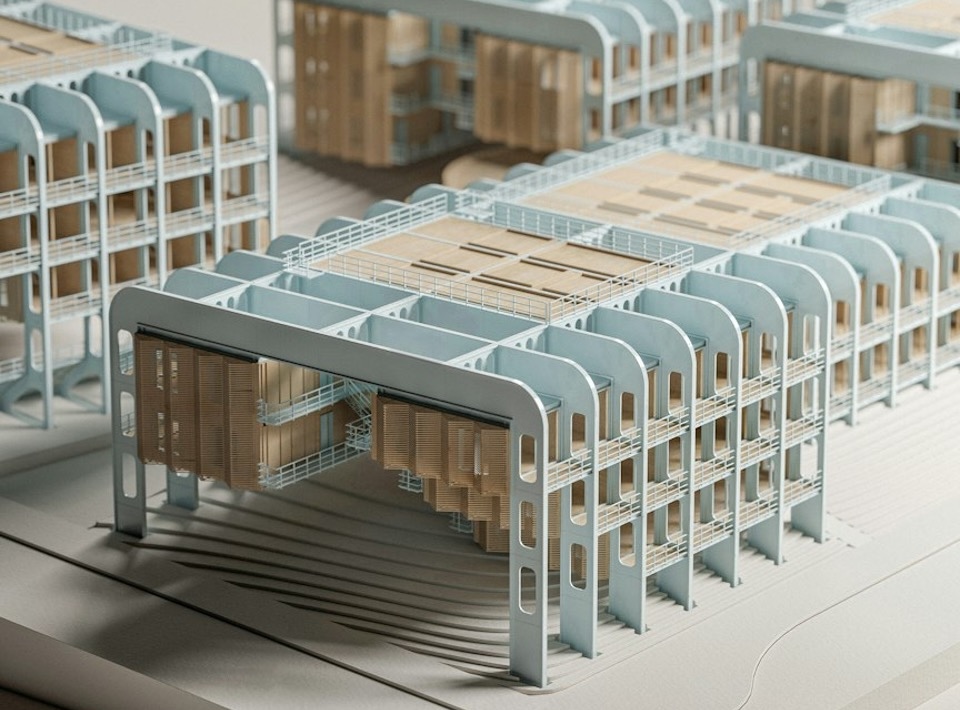
Student Prize – winner
Project: Theseus: A New Housing Typology
Students: Joe Russell and Emma Sheffer, Harvard University
The judges said:
“A self-assured project that synthesises a number of contemporary concerns – circularity, modularity, affordability, flood resilience – in one, surprising, big idea. Student work at its best.”
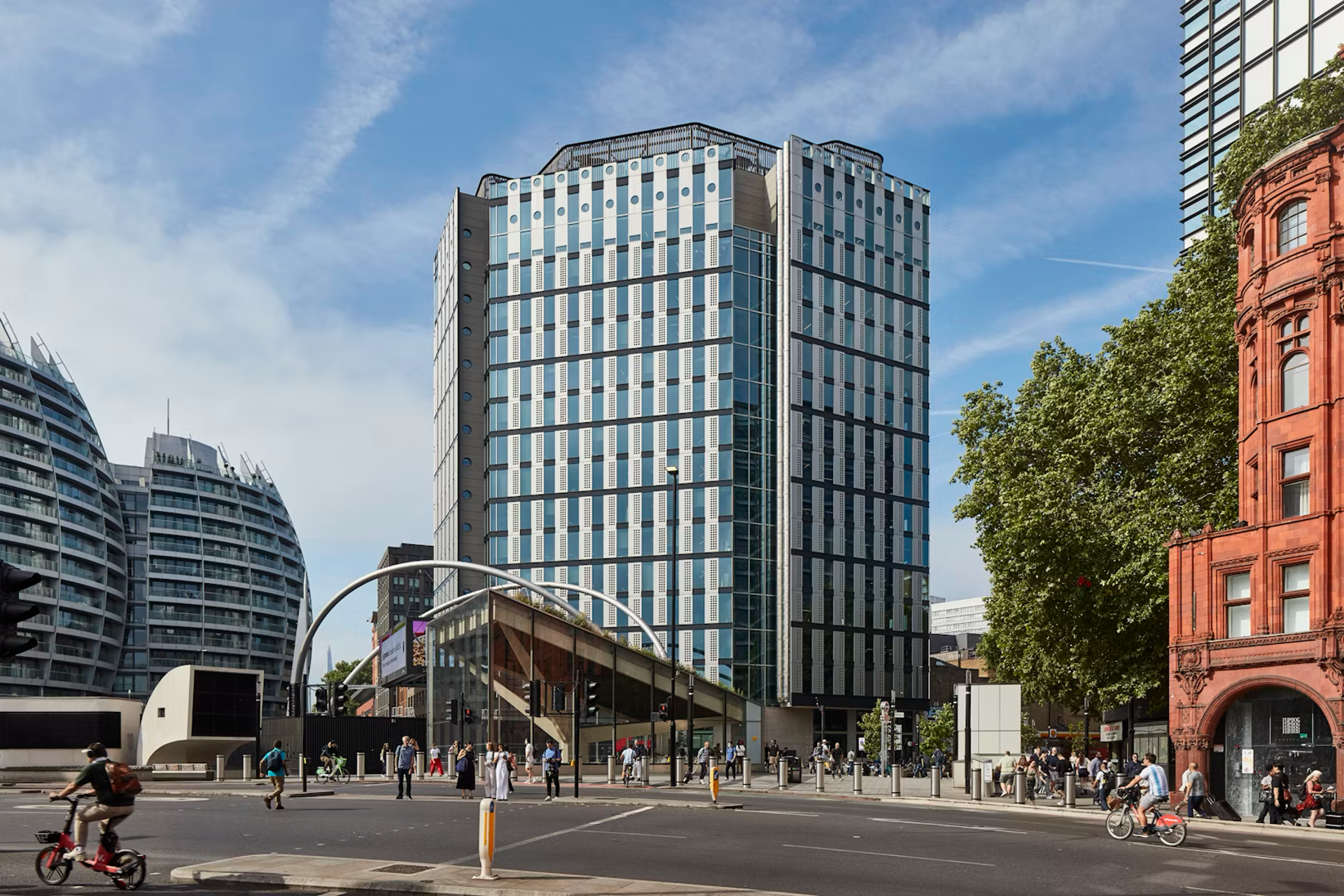
Editor’s Award – winner
Project: White Collar Factory
Architect: Allford Hall Monaghan Morris (AHMM) for Derwent London
The judges said:
“By showing how the raw, functional logic of the 19th century warehouse can be applied to commercial development, Derwent London and AHMM paved the way for a generation of flexible, future-proofed office space that has transformed working life.”
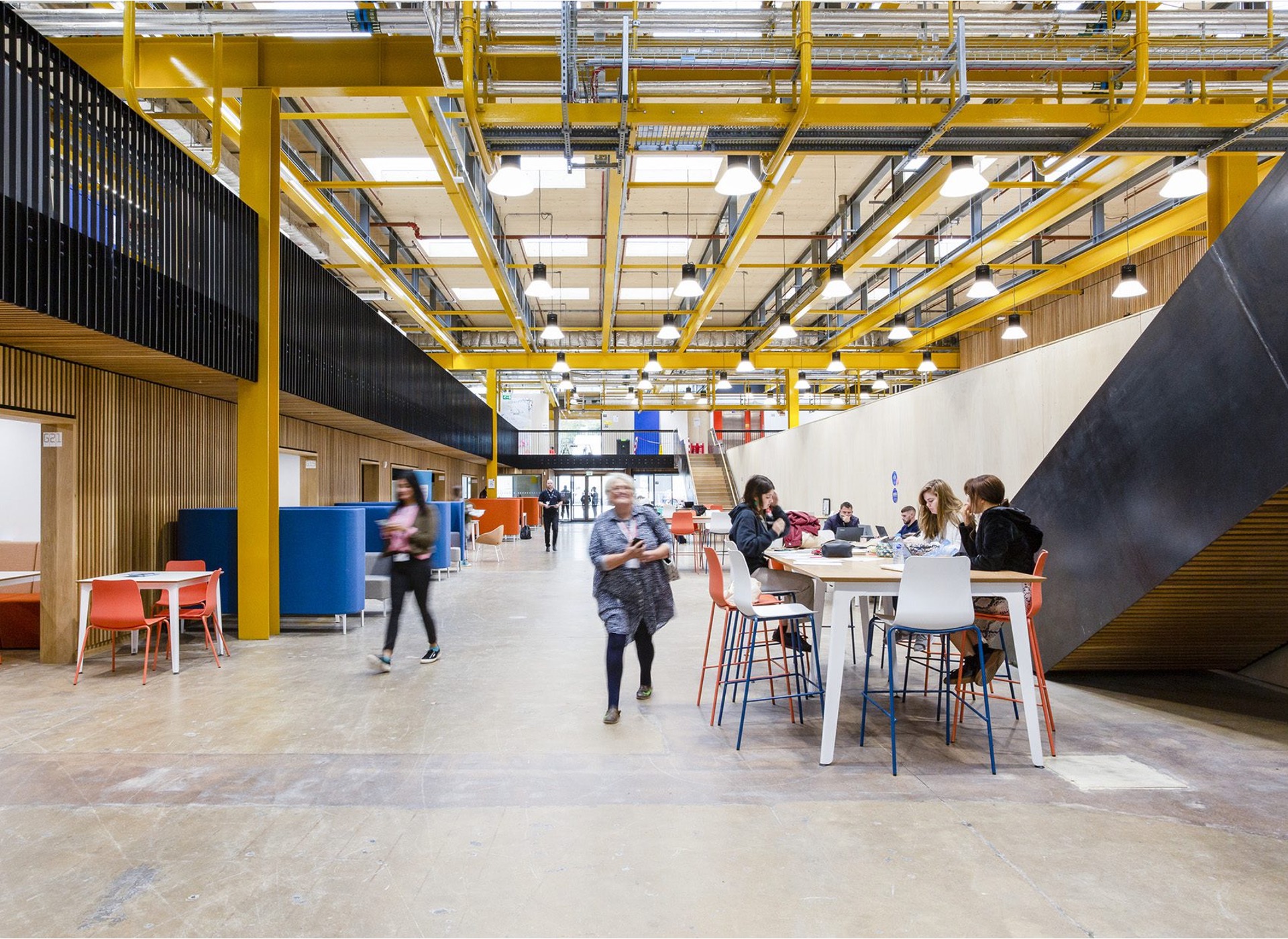
Editor’s Award – winner
Project: Bath Schools of Art & Design
Architect: Farrell/Grimshaw partnership; reworked by Grimshaw
The judges said:
“Built by the Farrell/Grimshaw partnership in 1976 and reworked in 2019 – by Grimshaw – but for a different client and a very different use, this project epitomises the ethos of adaptability and long-term custodianship enshrined in the Test of Time Awards.”