

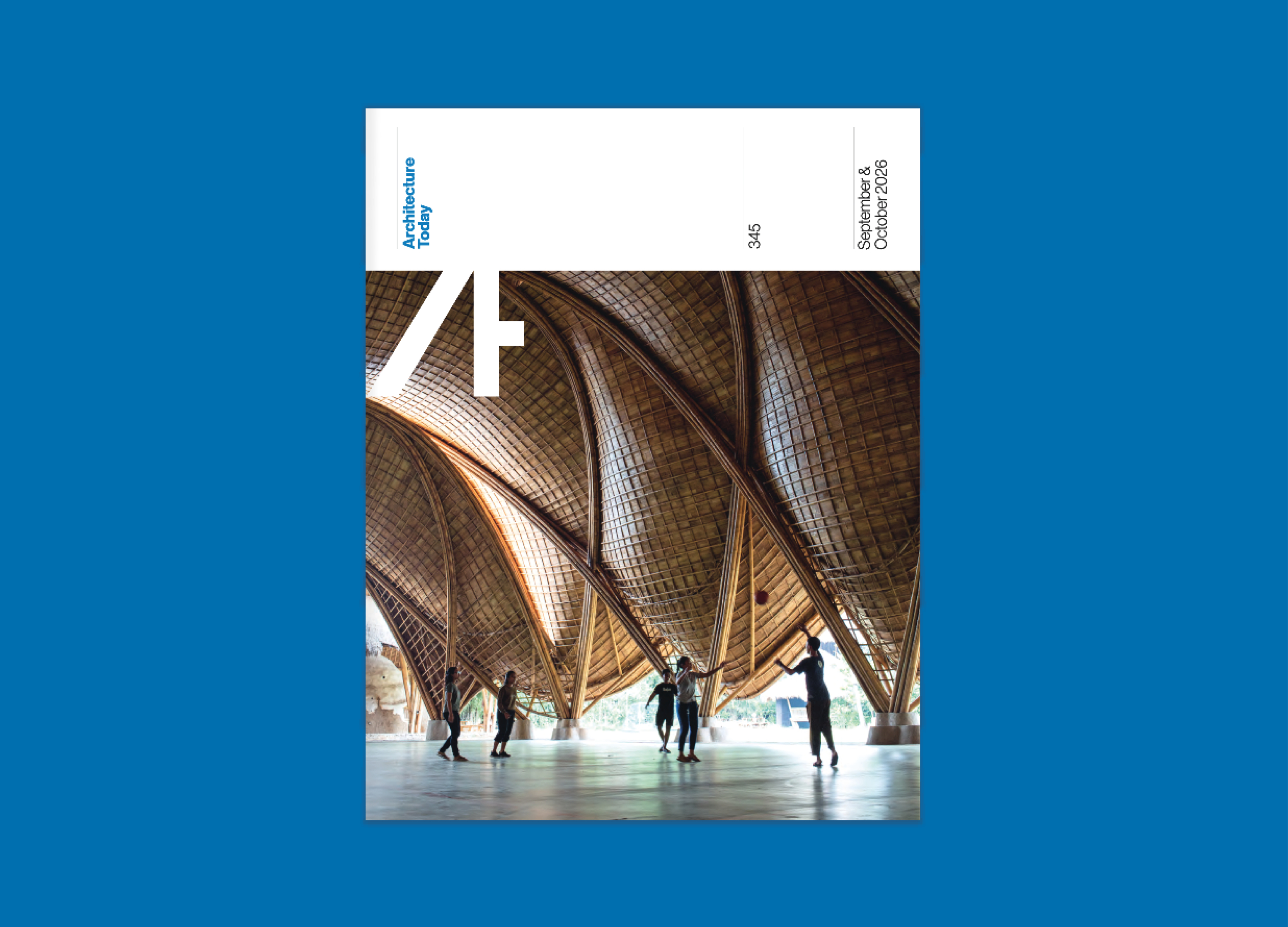
In this issue: The Regenerative Architecture Index 2026 is unveiled; Collective Architecture's Gerry Hogan and Studio Saar on being good ancestors; Ian Poole from Elliott Wood and Neil Thomas from Atelier One on co-evolving with nature, Birds Portchmouth Russum and DSDHA's Tom Greenall and Nicole Abernethy on creating just spaces for people; and Stephen O'Malley on why Dublin is his kind of town.
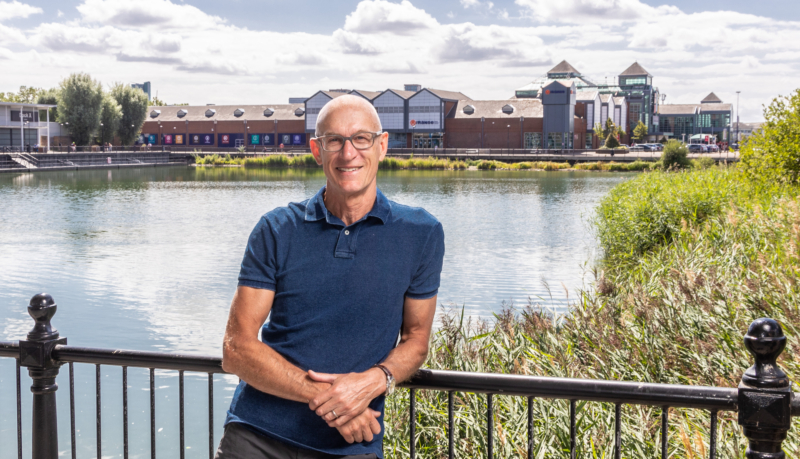
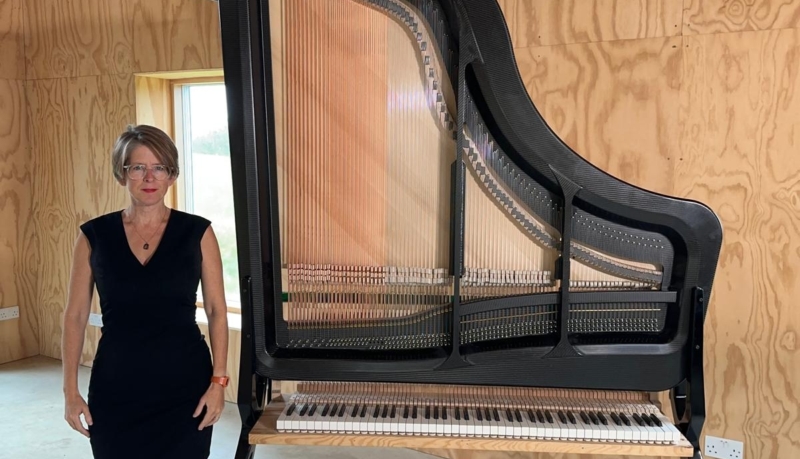
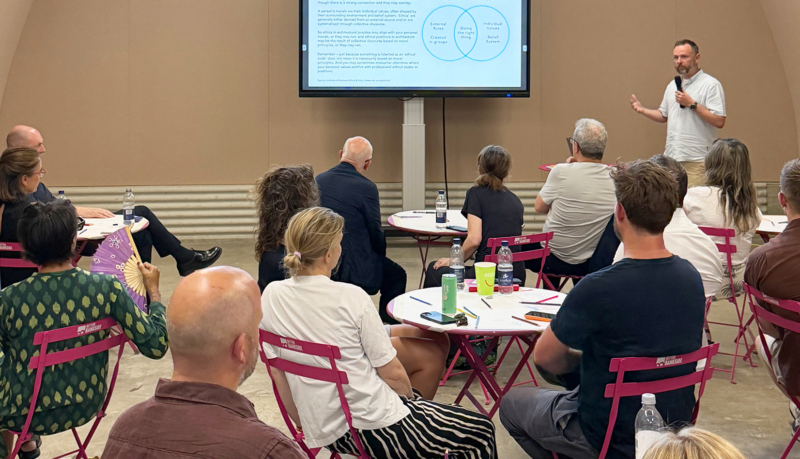




Kicking off Regenerative Design 2026
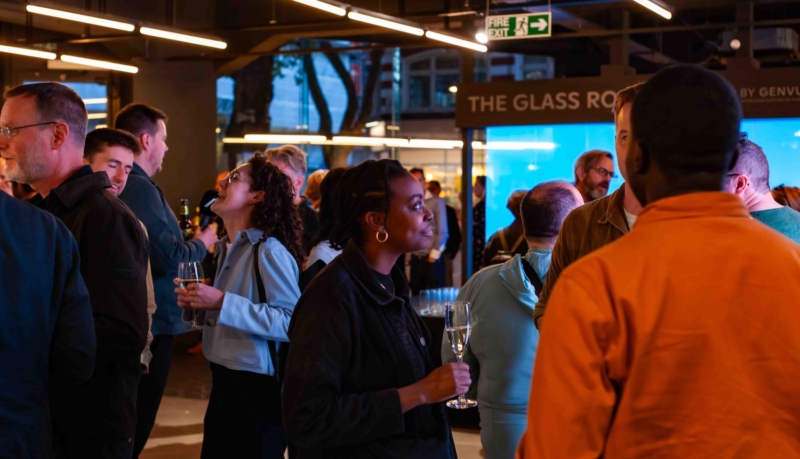
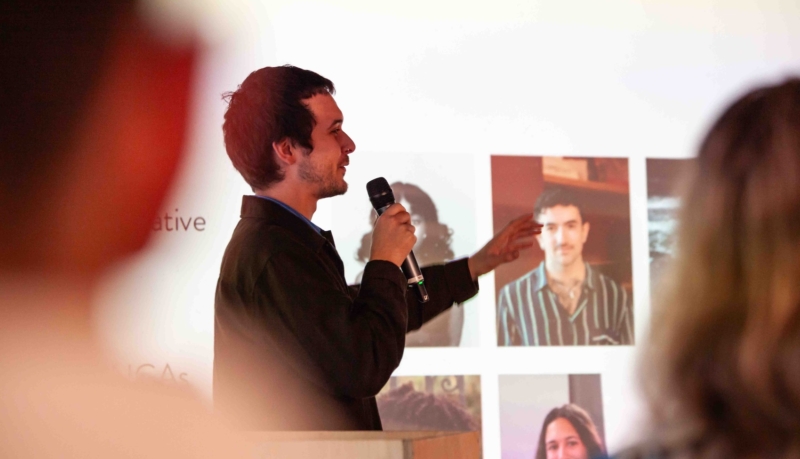
Architecture Today has launched Regenerative Design 2026, a month-long programme of exhibitions and events at the Building Centre in central London.
Regenerative Architecture Index 2026: front-runners announced
The front-runners in this year's Regenerative Architecture Index were announced on Thursday 1st October at the launch party for Regenerative Design 2026.
Regenerative Design 2026 launches at the Building Centre
Architecture Today has launched Regenerative Design 2026, a month-long programme of exhibitions and events at the Building Centre in London.
Subscribe to our newsletter
Learning from what works
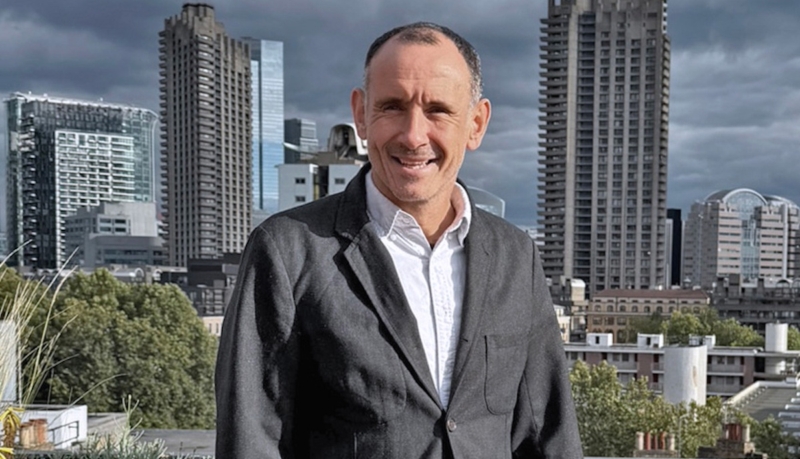
AHMM Associate Director and Head of Sustainability Craig Robertson talks to AT about supporting the Regenerative Design 2026 Case Studies exhibition, sharing knowledge across the profession, and the practice’s journey towards regenerative design.
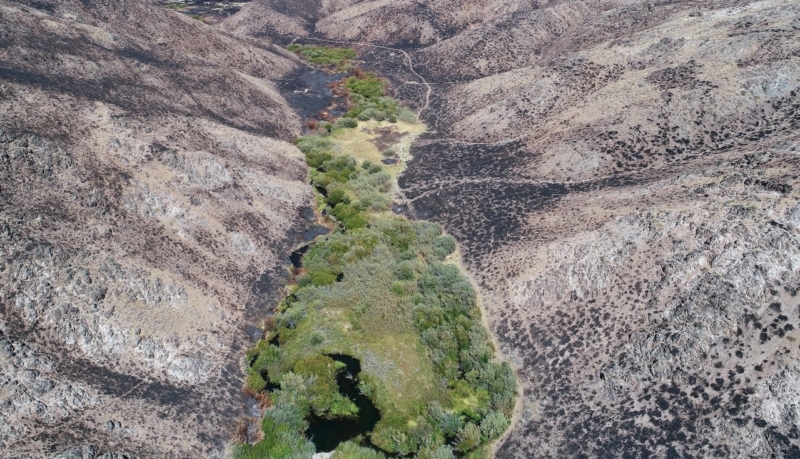
Designing as nature
Ahead of his keynote talk for Regenerative Design 2026, Michael Pawlyn, founder of Exploration Architecture, explores how rethinking our relationship with nature could help unlock the systemic change needed for regenerative design.
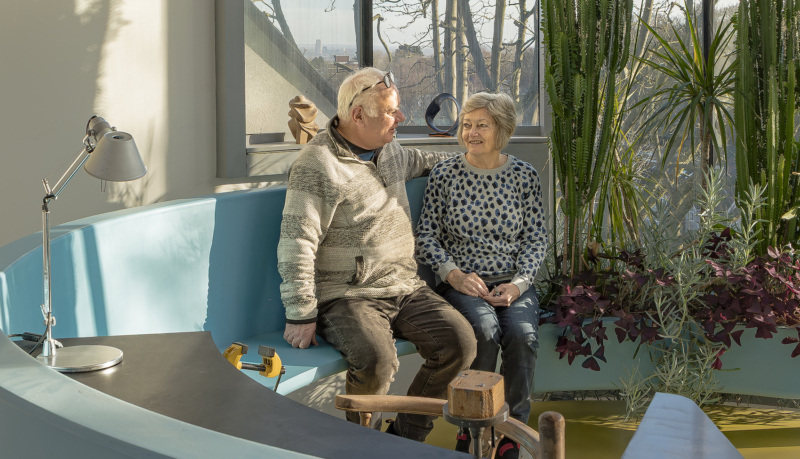
Mike Russum
For Mike Russum of Birds Portchmouth Russum, regeneration starts with joy: bringing together climate, water, planting and biomimicry to create adaptable places that work more like healthy ecosystems than isolated buildings.


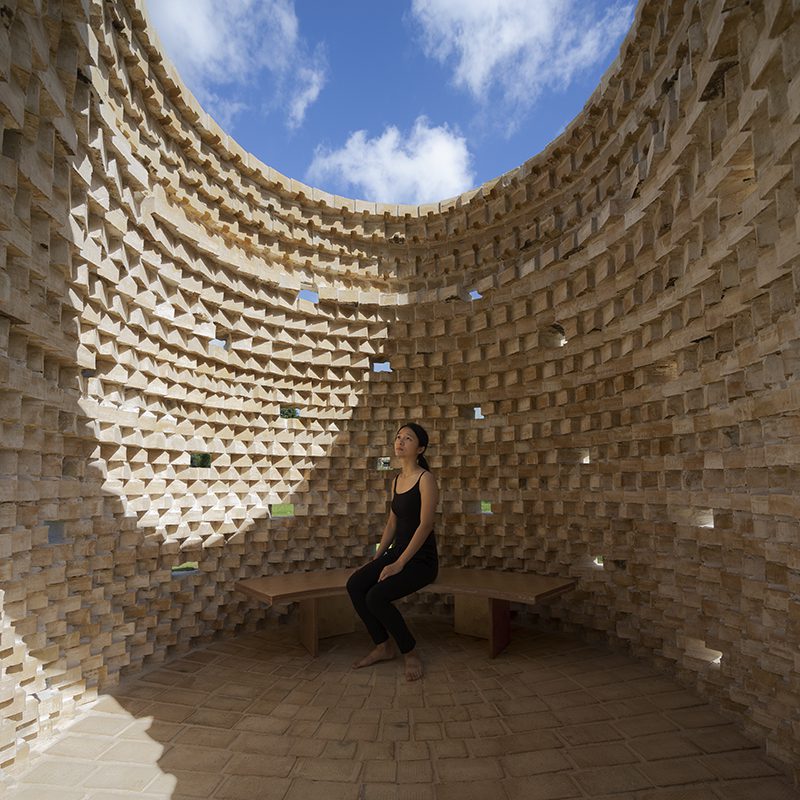


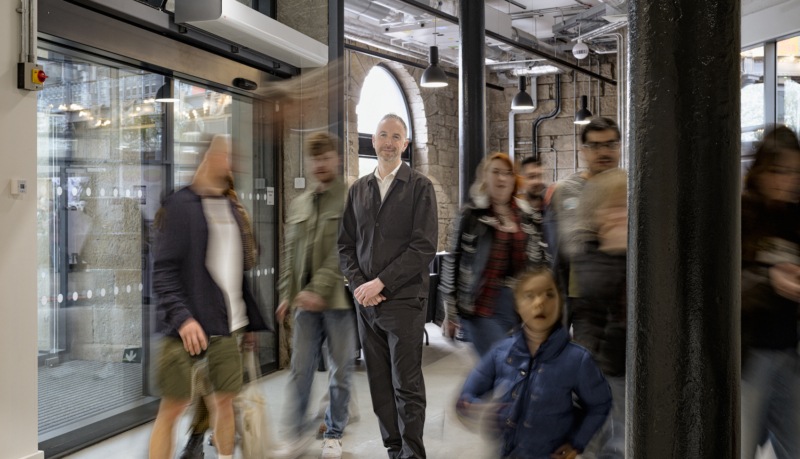
Gerry Hogan
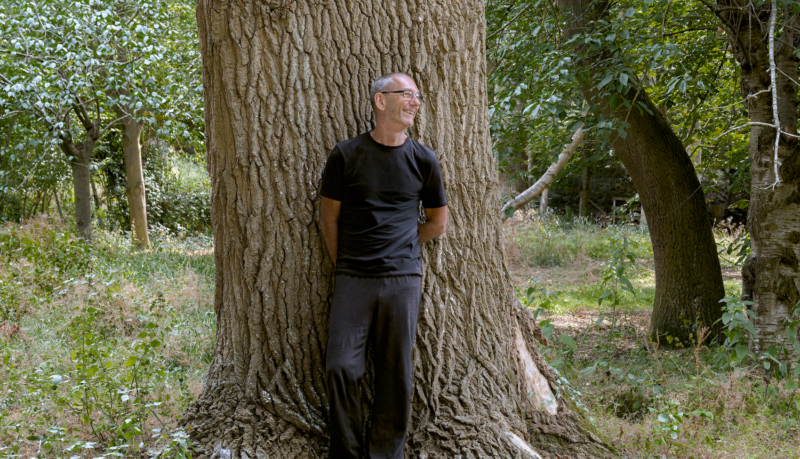
Gerry Hogan of Collective Architecture asks what it means to be a steward rather than an owner, embedding social and environmental responsibility in the practice’s legal structure, succession and everyday culture.
Neil Thomas
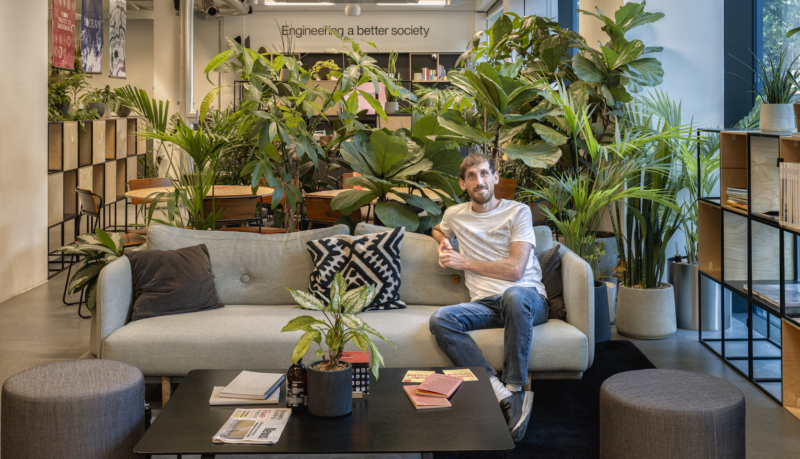
Bamboo: vegetable carbon fibre, climate solution and a British crop. Neil Thomas of Atelier One asks what we can learn from nature’s 400-million-year head start in engineering.
Ian Poole
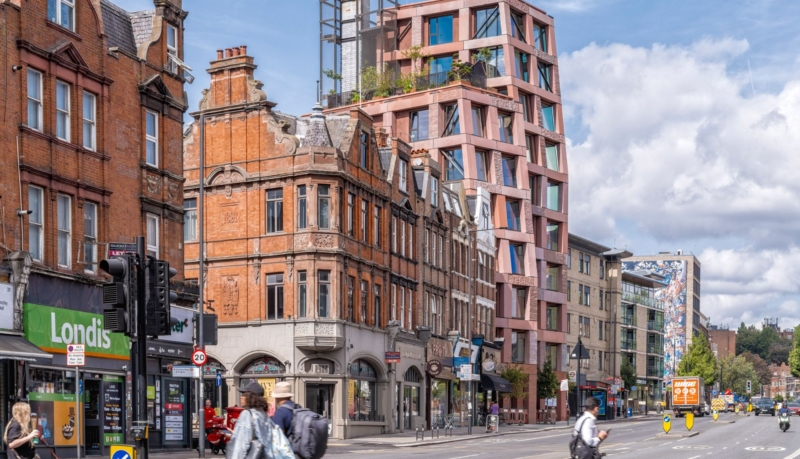
What can a soap film teach us about concrete construction? Ian Poole of Elliott Wood discusses biomimicry, material reuse in a push to make structural engineering less extractive and more regenerative.
Free RD26 seminar: Specifying natural and sustainable construction materials
BakerBrown Studio, Collective Works, Groupwork, Webb Yates, UKGBC and Rowland Keable of Rammed Earth join the line-up at a seminar on whole life carbon and adaptive reuse delivered in partnership with HG Matthews on the morning of Tuesday 20th October as part of Regenerative Design 2026.
DSDHA
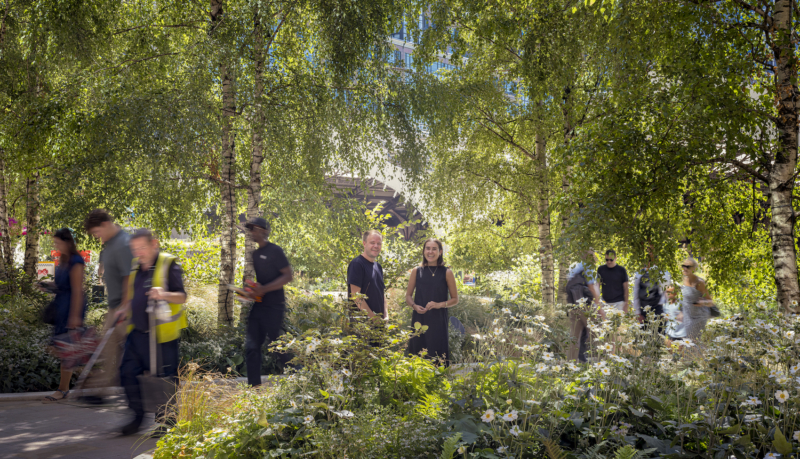
From Broadgate to the studio garden and experimental earth construction, Tom Greenall and Nicole Abernethy of DSDHA explore how testing ideas at different scales can turn landscape, biodiversity and material innovation into everyday practice.
Dispatches: Cooke Fawcett
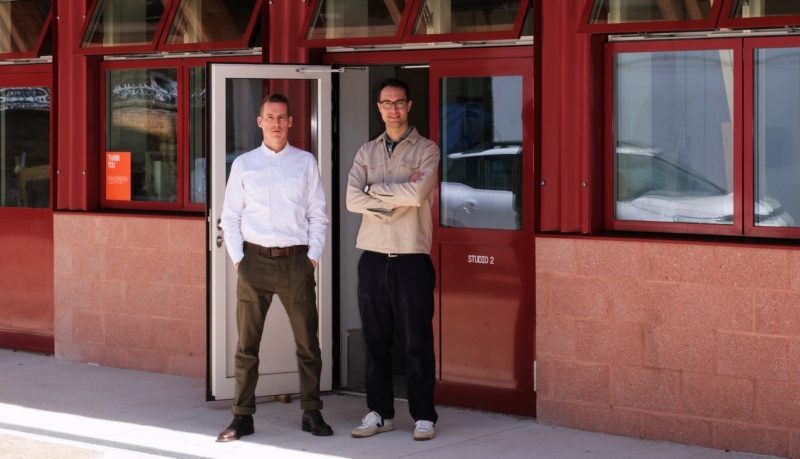
Oliver Cooke and Francis Fawcett, founders of Cooke Fawcett, discuss leaving Herzog & de Meuron, building a practice from scratch, and their evolving approach to heritage, retrofit and cultural projects.
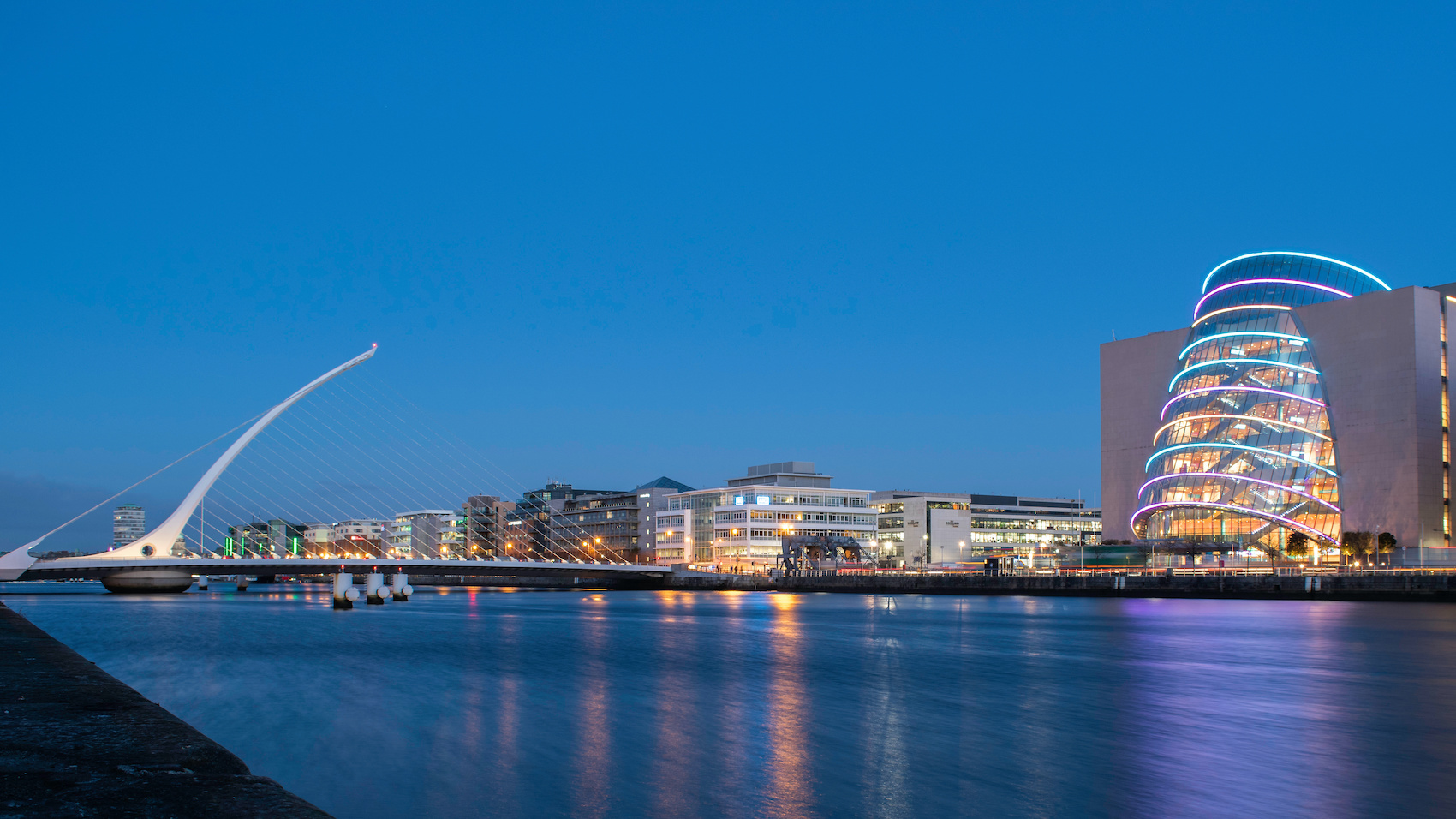
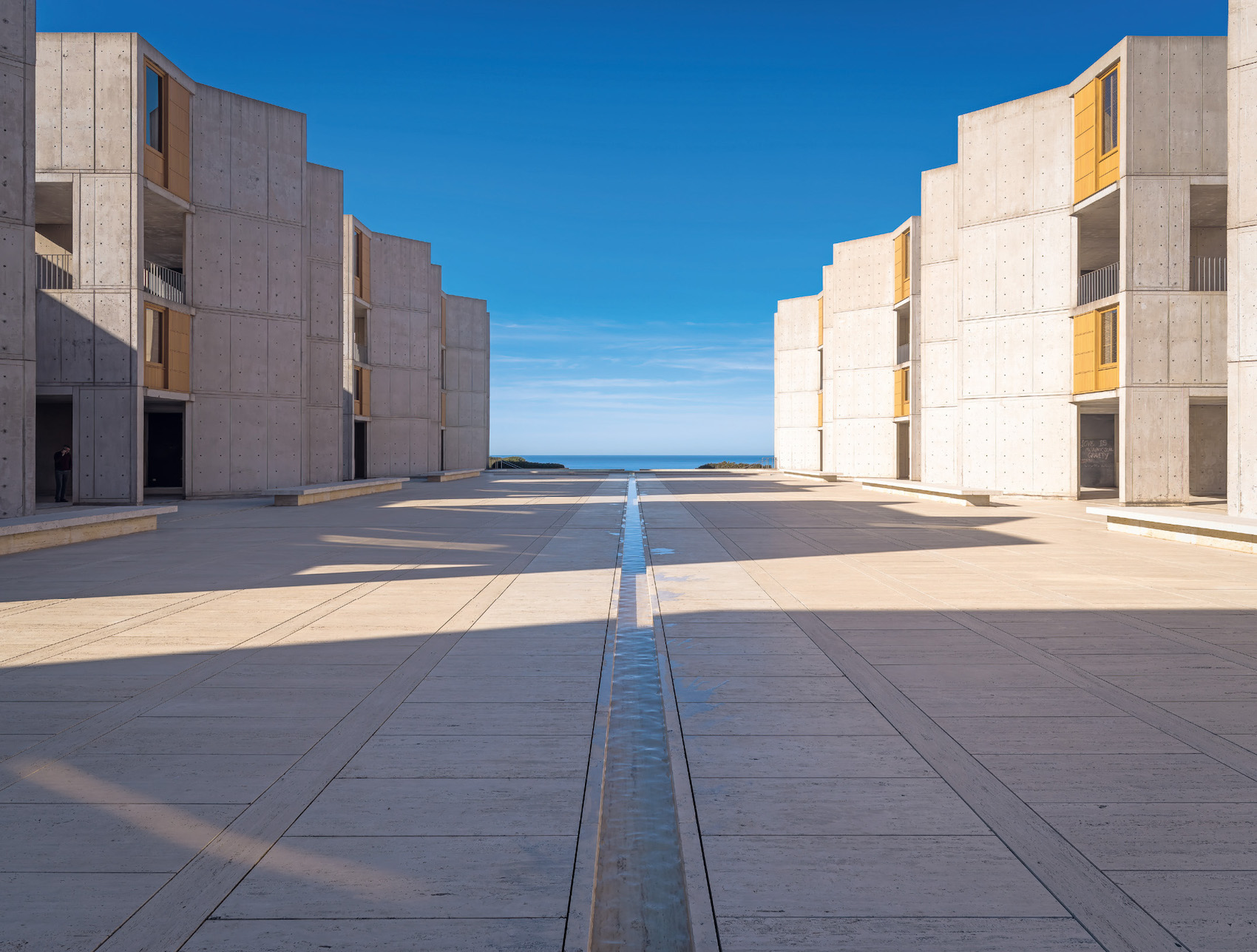


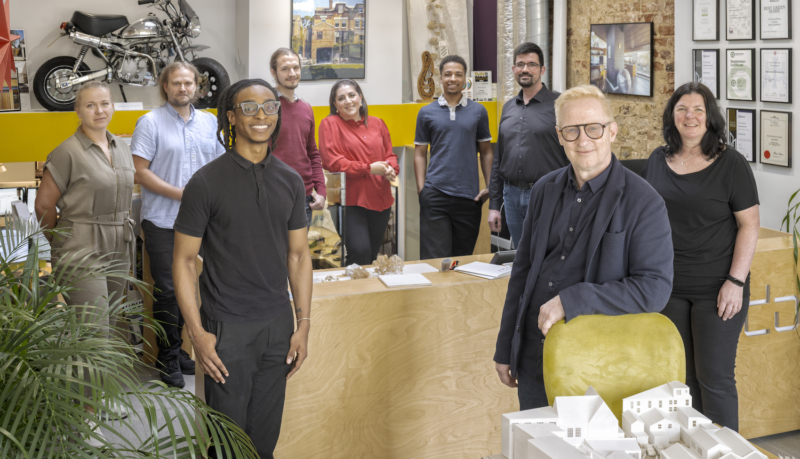
RDA Architects
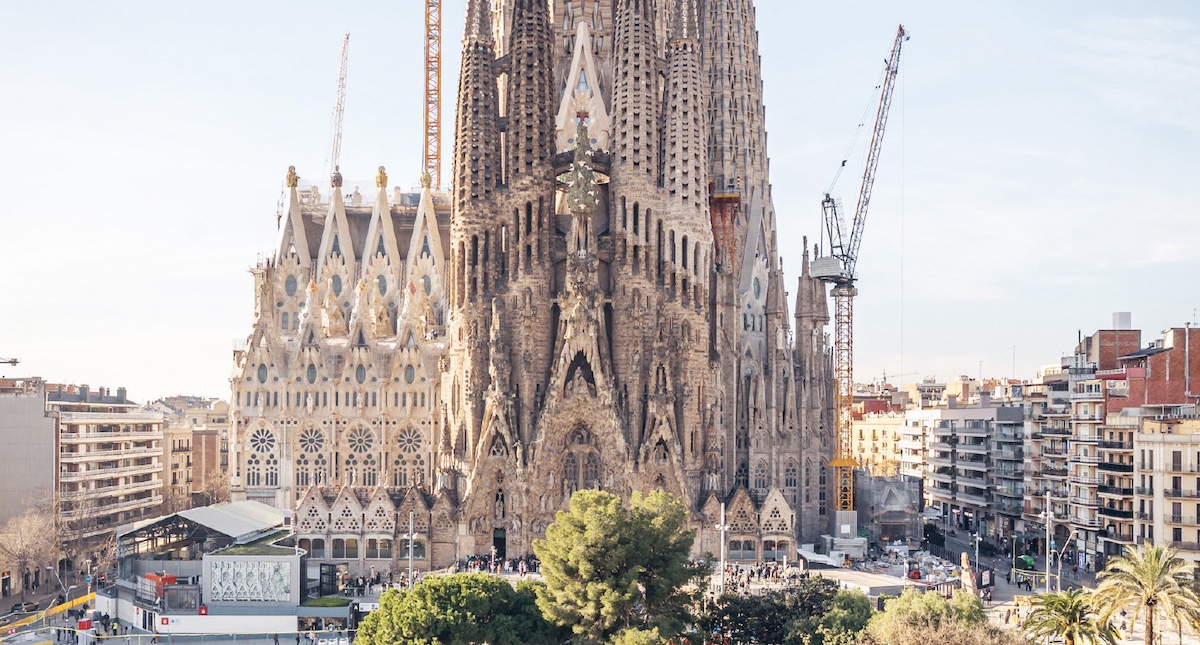
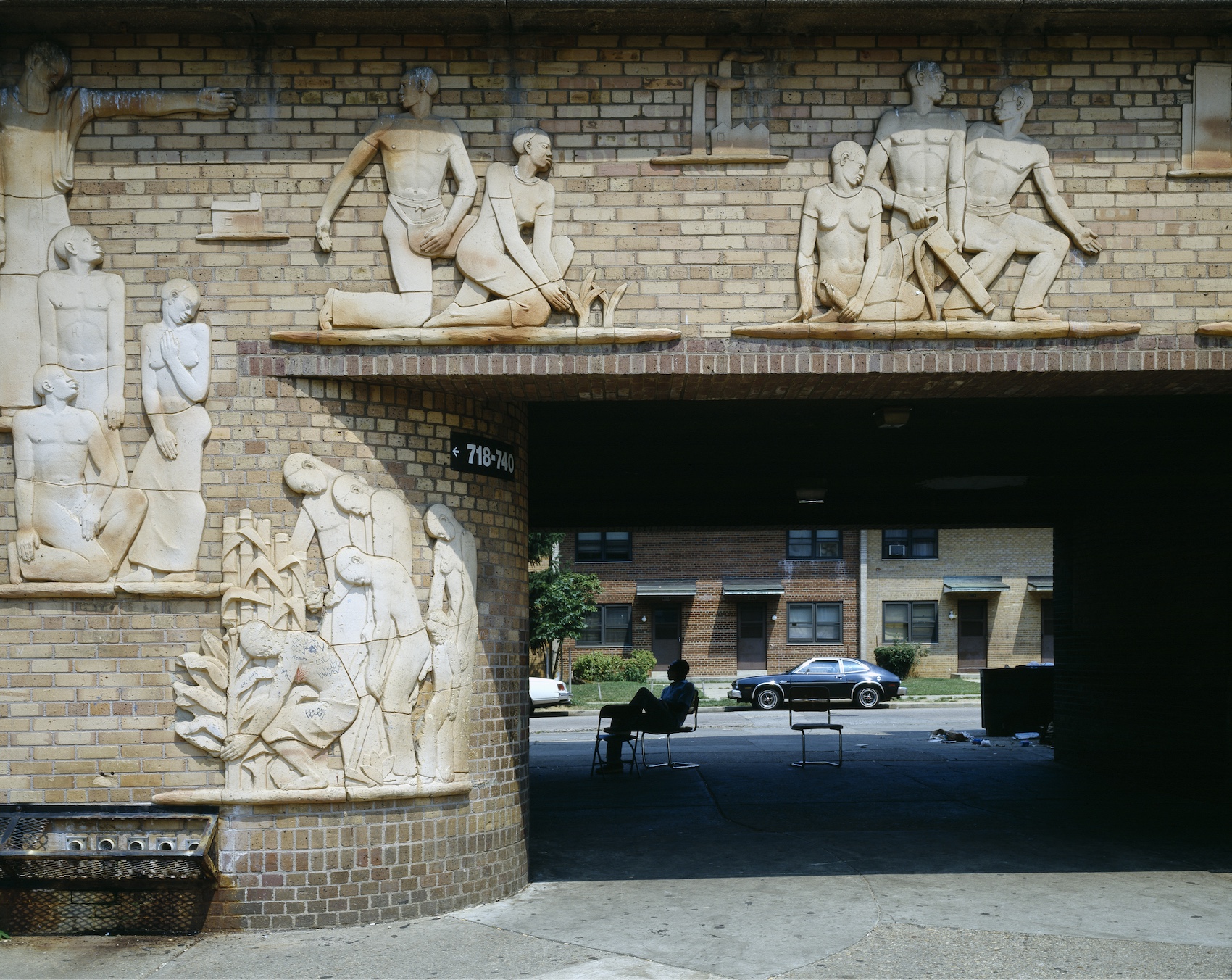
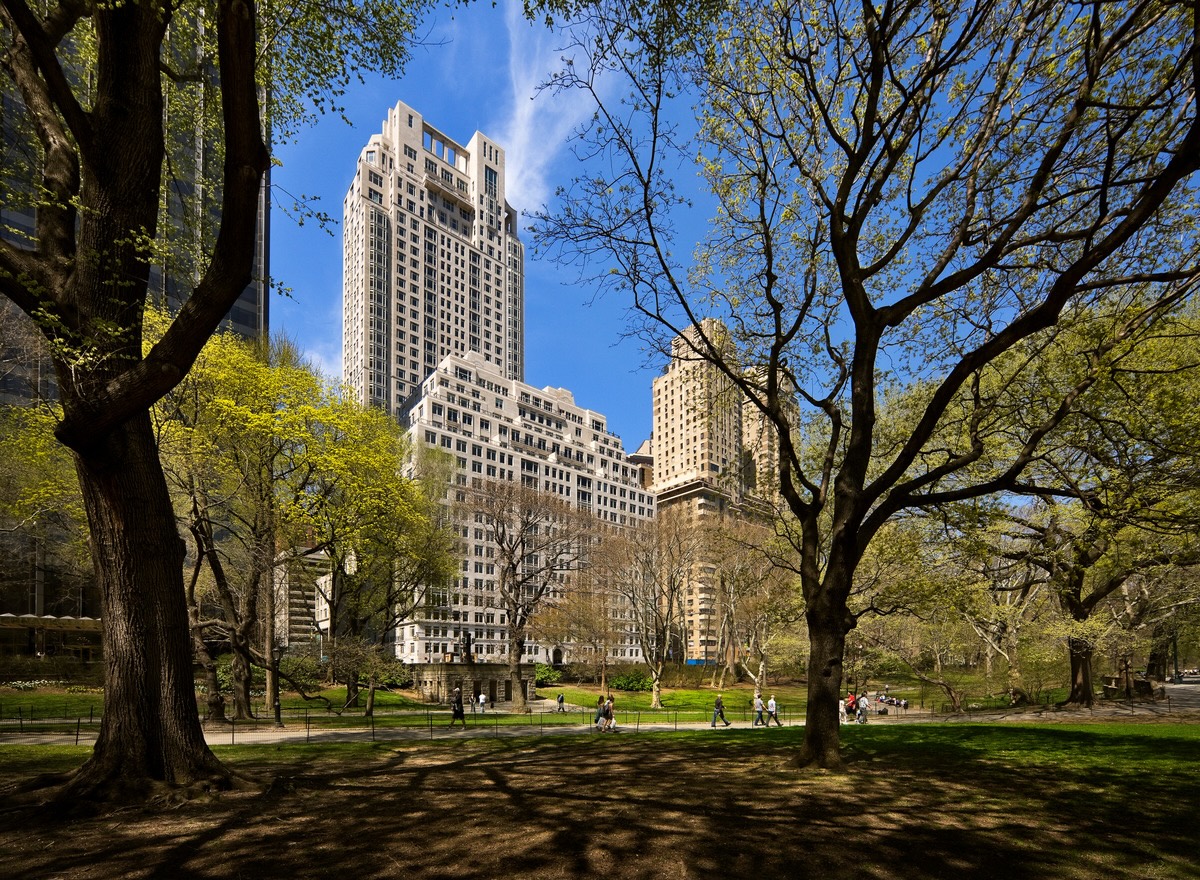
Richard Dudzicki tells AT how cinema, Passivhaus principles and London’s constraints shape a practice focused on retaining what exists, using fewer resources and finding inventive ways to make lasting homes.
Free RD26 seminar: Whole life carbon and adaptive reuse
Max Fordham, HLM Architects, Grimshaw, Elliott Wood, PDP and Esther Robinson Wild join the line-up at a seminar on whole life carbon and adaptive reuse that takes place on the morning of Thursday 15th October as part of Regenerative Design 2026.
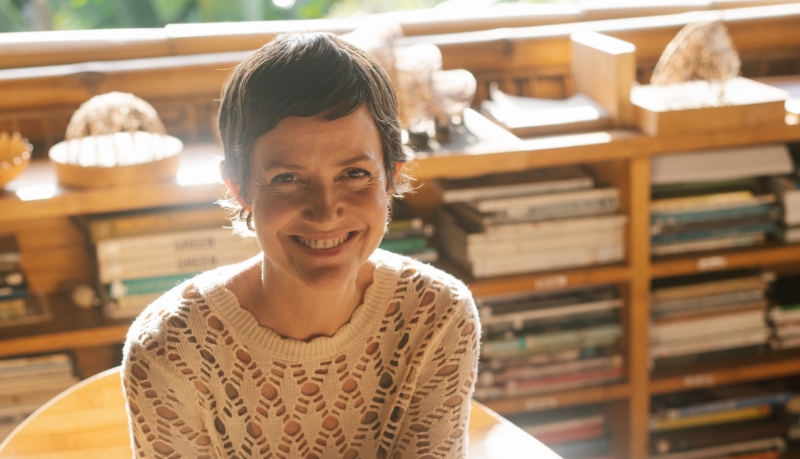
Elora Hardy to give opening talk at Regenerative Design 2026
TED Talk speaker, founder of radical design studio IBUKU and the designer behind some of the most extraordinary structures in the world, will kick off the events programme at Regenerative Design 2026 with a keynote talk on the morning of Monday 5th October.
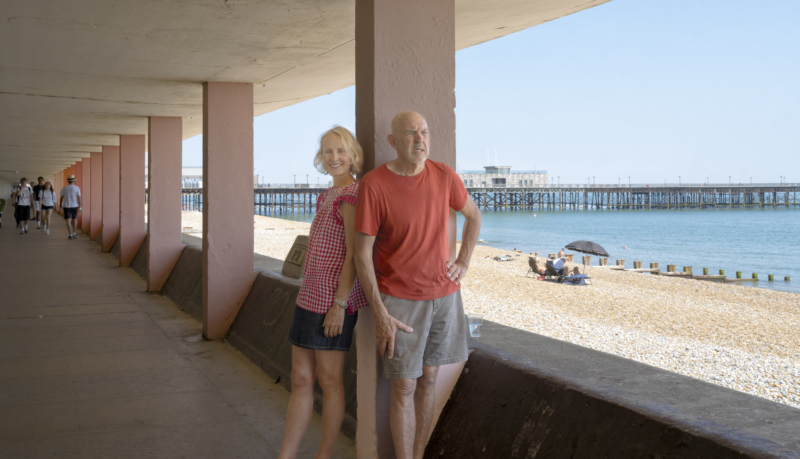
Corinna Dean
Corinna Dean of ARCA considers how architecture can foster care for human and non-human life, drawing on collaborative projects from floating reed beds on the River Lea to bio-receptive bricks that expose the environmental costs of making.

Architects Declare’s Next Gen Ambassadors present: Regenerative Design – What Now?
What does it look like when a generation of architects witness their profession fundamentally change over the course of their training – and, more importantly, what happens when we stop waiting for the industry to catch up and start changing it ourselves?

Paul Ruff
Paul Ruff reflects on a career shaped by resourcefulness, reinvention and a growing conviction that architecture must take responsibility for its impact.

Navigating the gateway process
Adam Eaton, Director at Trigon Fire Safety, and Jayne Hall, Associate at Hunters, have produced a School of Specification module on navigating the Gateway process. Here, they explore architects’ responsibilities, Gateway 2 submissions, change control and demonstrating compliance at Gateway 3.
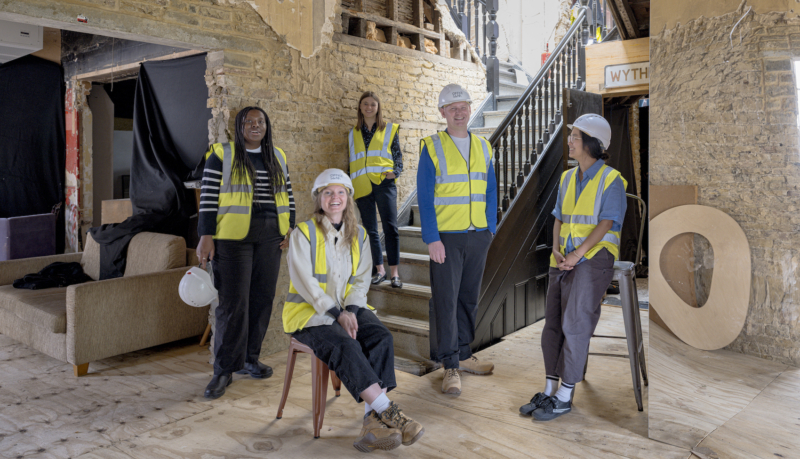
Office S&M
From their annual 'Plants and Pints' to a house designed for trees and cats, Office S&M are making regenerative design fun, creative, and an intuitive characteristic of contemporary practise.

Daniel Libeskind wins 2026 Praemium Imperiale Award
Polish-American architect Daniel Libeskind wins the Architecture category of the Praemium Imperiale Awards – the 'Nobel Prize of the Arts', established to fulfil the wish of the late Prince Takamatsu of Japan "to contribute to the enhancement and promotion of the cultures and arts of the world."
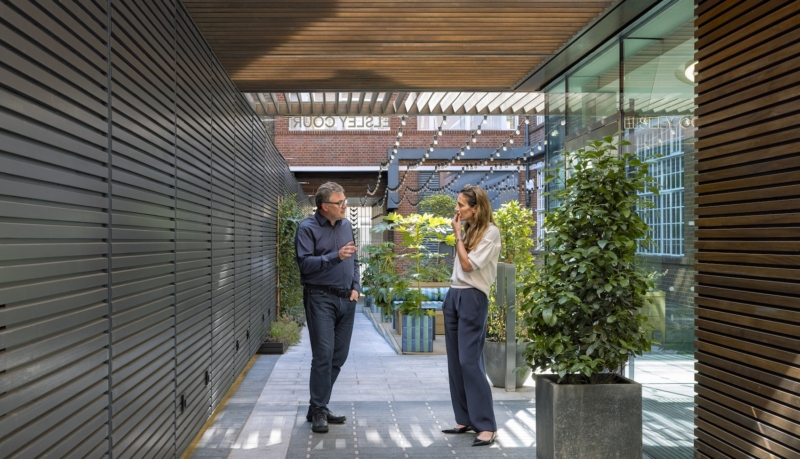
Gary Clark, HKS
For Gary Clark of HKS using regenerative principles as a design driver yields long-term benefits, not just for communities and the environment, but for business too.
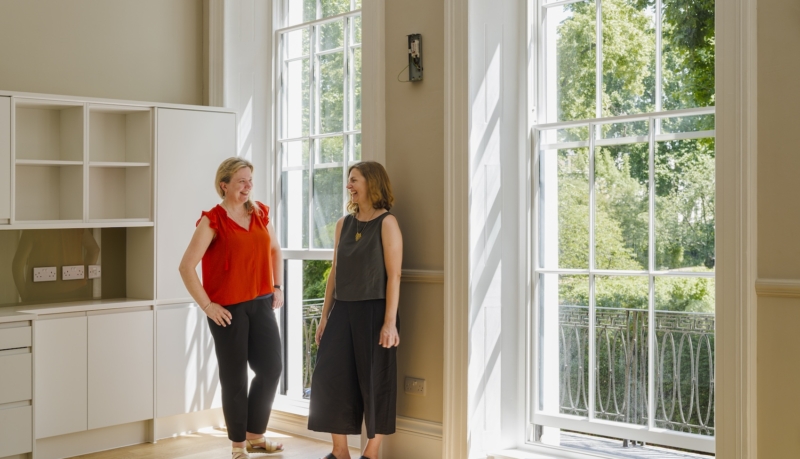
Mandy Franz, MICA
Mandy Franz's approach to architecture has been shaped by the romantic castles and brutalist architecture of her East German childhood, Santiago Calatrava and a focus on striking a balance between respect for heritage and a hunger for progress.
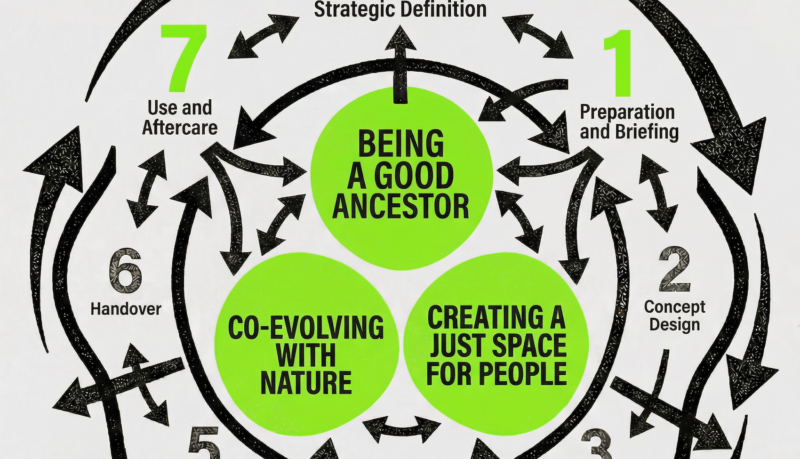
Reserve your place for the launch of UK Architects Declare’s updated Regenerative Design Primer
As UK Architects Declare prepares to launch its updated Regenerative Design Primer at Regenerative Design 2026, Anna Pamphilon of Within Planetary Boundaries Studio explains why – if we are to bring people with us – regenerative practice must be collaborative and ambitious, but also hopeful and fun.
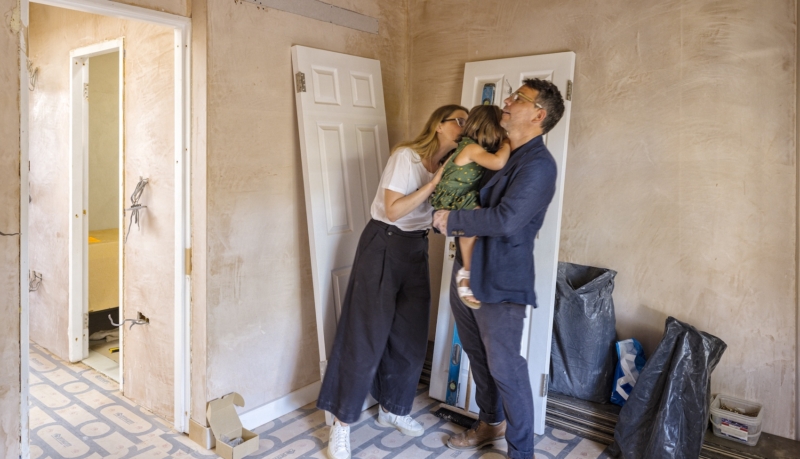
Pardini Hall
Elisa Pardini and Robert Hall's approach to architecture is shaped by a mix of English and Italian influences including the countryside around Lucca in Pardini's native Italy.

Why bamboo? A UK Bamboo Summit Spotlight Event at Regenerative Design 2026
Join Atelier One, the University of Westminster and Bamboo in the UK at a live workshop on Wednesday 21st October to explore the potential of bamboo as a low-carbon mainstream building material in the UK.
How Should We Innovate?
RIBA London Ethical Practice Special Interest Group to host a seminar entitled 'How Should We Innovate?' on the afternoon of Wednesday 7th October at the Building Centre in central London as part of Regenerative Design 2026.