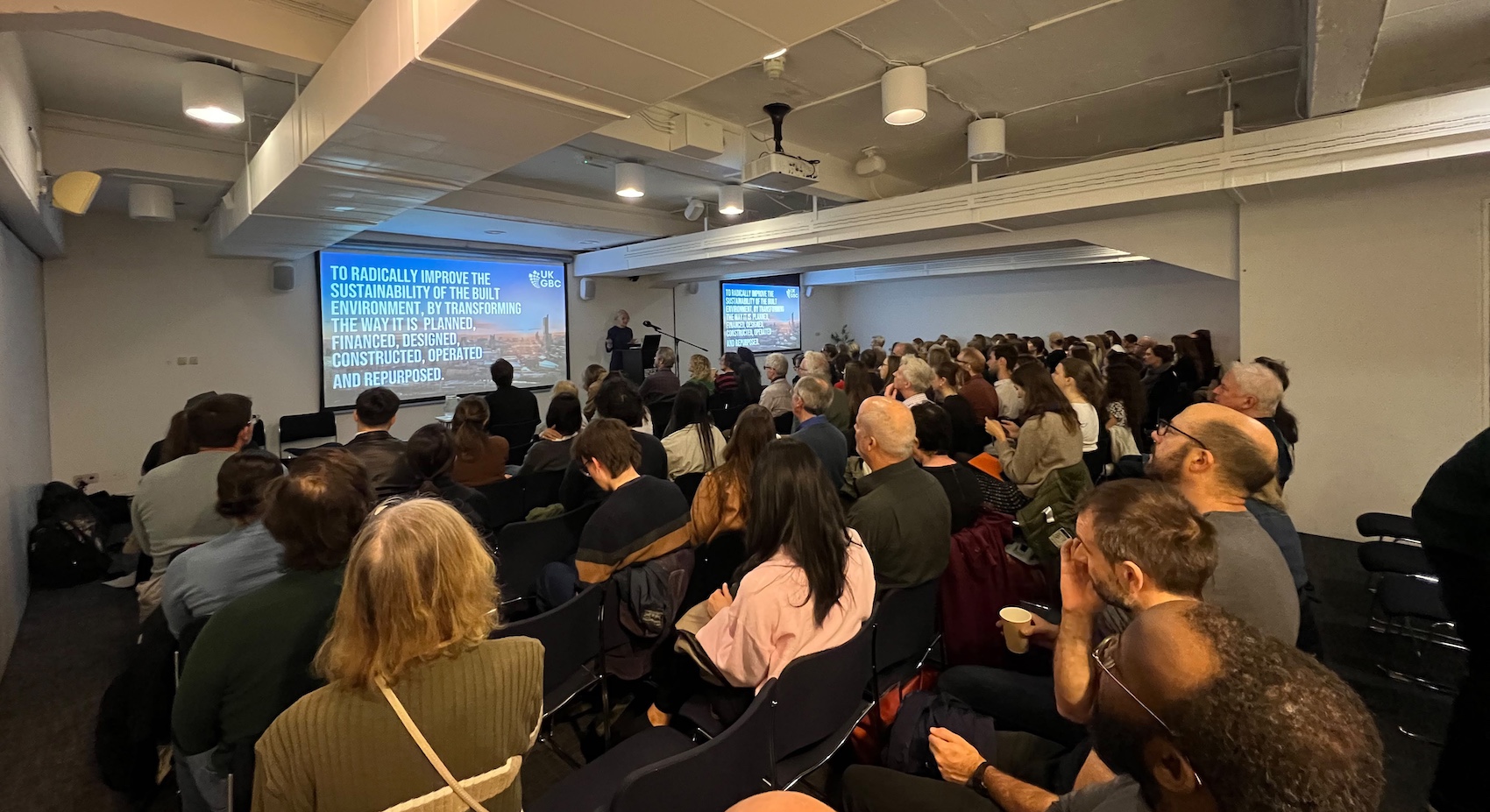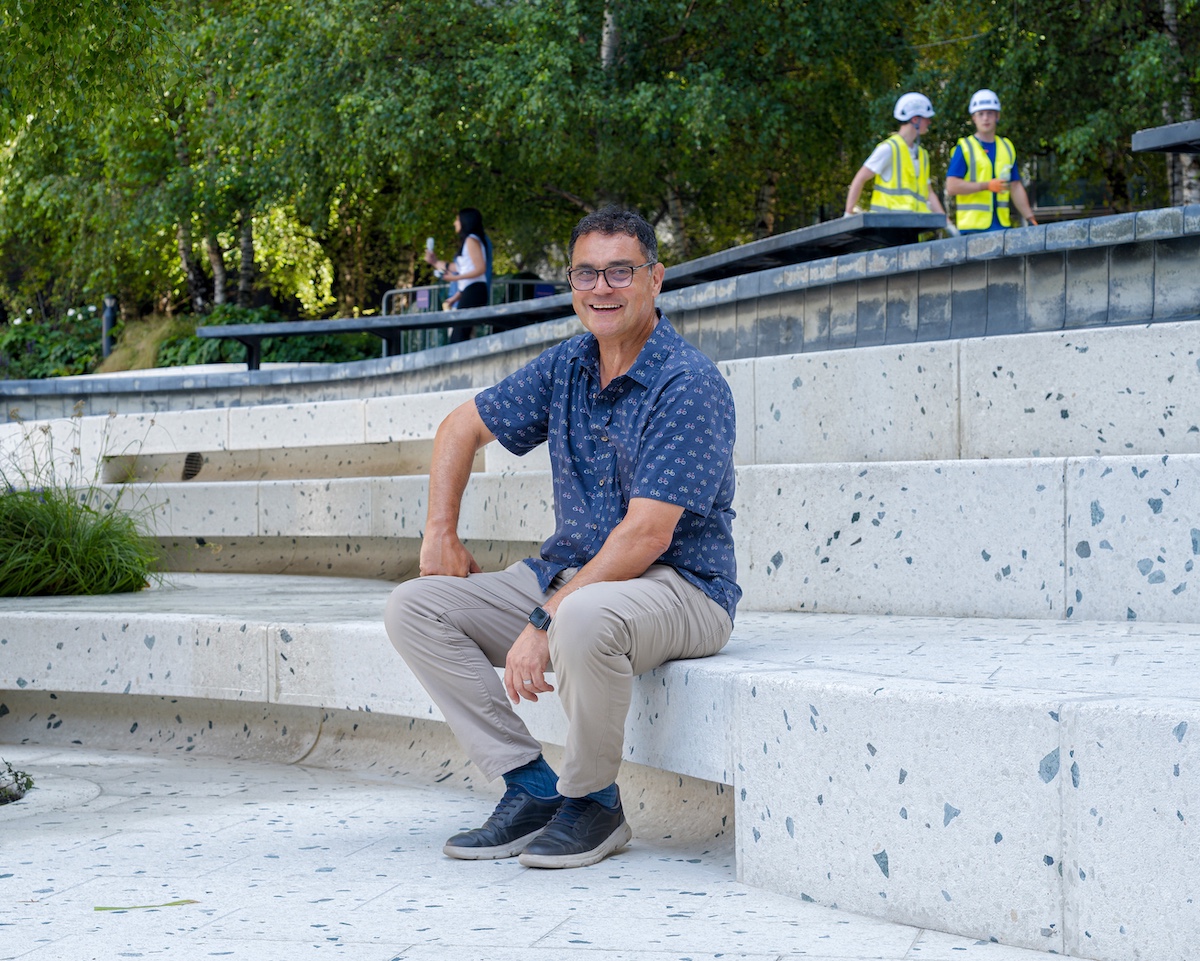
As part of Regenerative Design 2026, Architecture Today, in partnership with Heidelberg Materials, hosted a round table discussion exploring the barriers to closed loop design and the opportunities for systemic change.
In association with

Round table participants
Craig Robertson
Associate Director & Head of Sustainability, AHMM
Sophia Ceneda
Associate & Sustainability Lead, HowellsW
Loreana Padron
Architect and Sustainability Consultant
Emma Armstrong
Partner, JTP
Anthony Silby
Architectural Designer, AP Design & Management
Daniel Bianchi
Partner, Project Director, Cullinan Studio
Nikos Derleres
Discipline Technical Lead, Ridge and Partners
Catherine Ramsden
Founding Director, Useful Studio
Jonathan Shaw
Project Architect, ritchie*studio
Isabella Bhoan
Landscape Lead, WW+P
Elliot Wellbelove
Head of Circularity, Heidelberg Materials
Hayley Chivers
Plan A Consultant
Isabel Allen
Editor, Architecture Today (chair)
The construction industry is increasingly recognising that reducing embodied carbon and minimising waste are only part of the challenge. A genuinely regenerative approach must also consider how materials retain their value, how buildings can be adapted and dismantled, and how development can contribute positively to biodiversity and the wider environment.
But translating these ambitions into practice raises difficult questions. How can clients be persuaded to prioritise long-term value over short-term costs? What needs to change in procurement, regulation and insurance to make material reuse a viable option? And who should take responsibility for ensuring that information about buildings and their components survives long after handover?
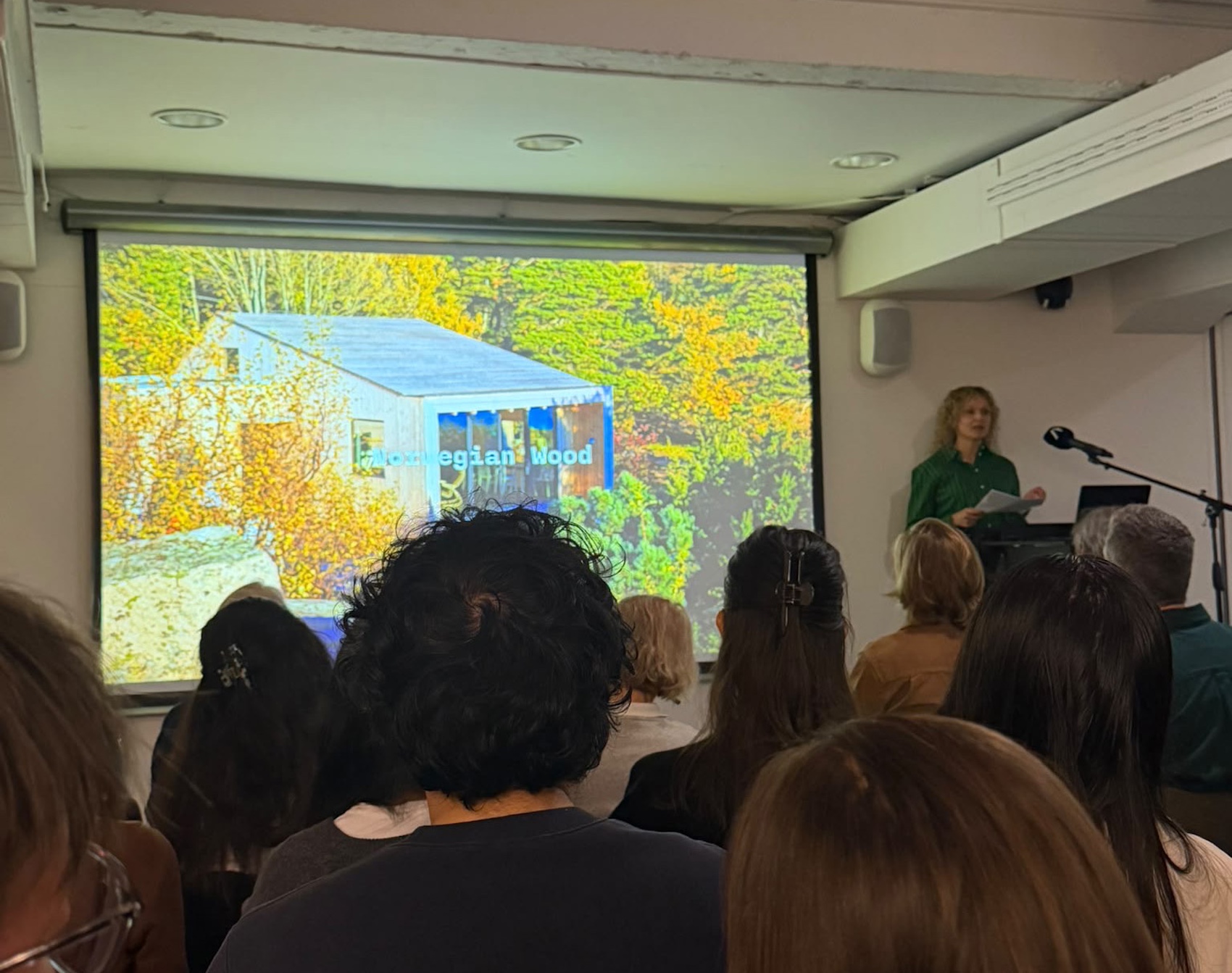
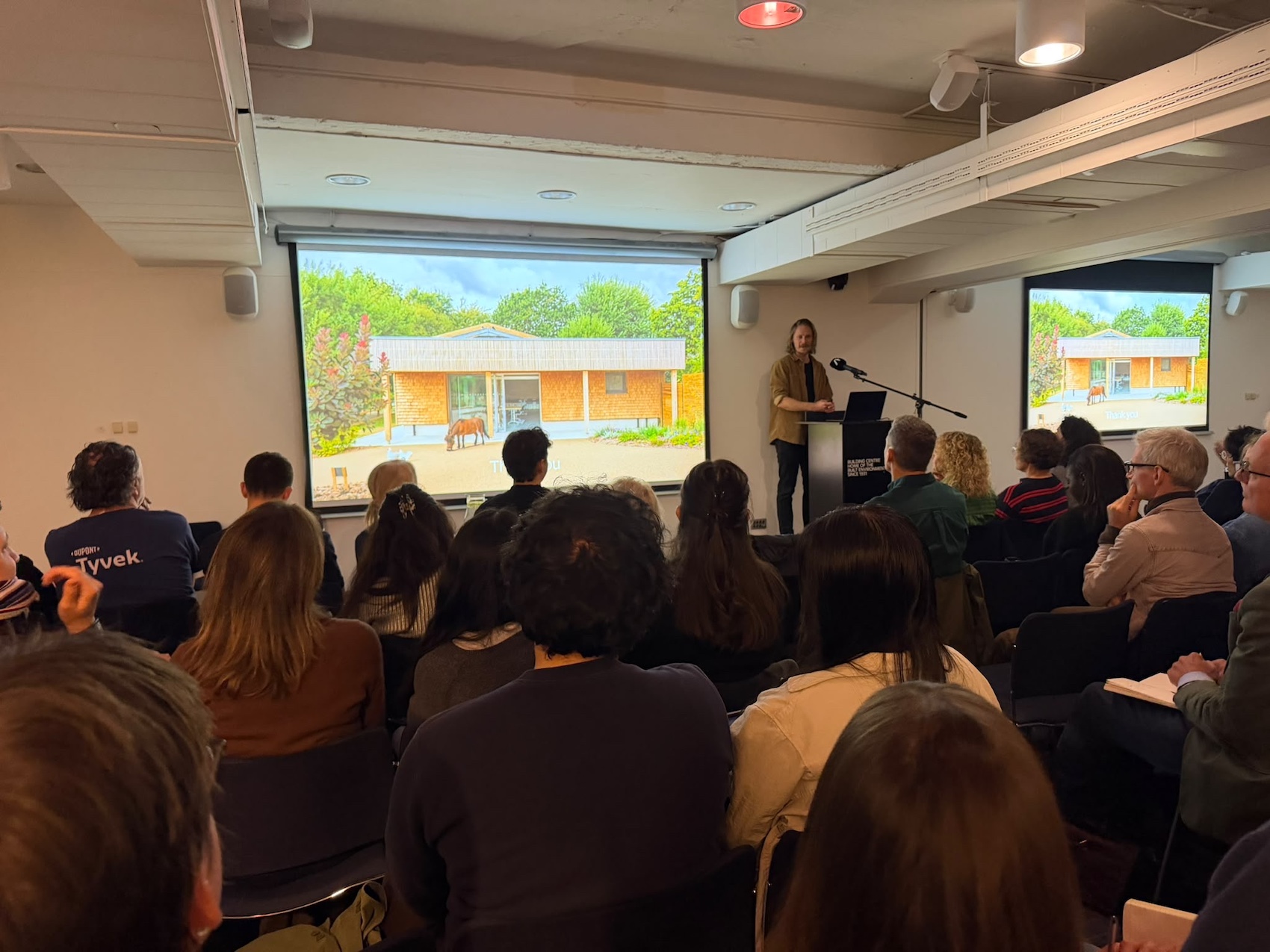
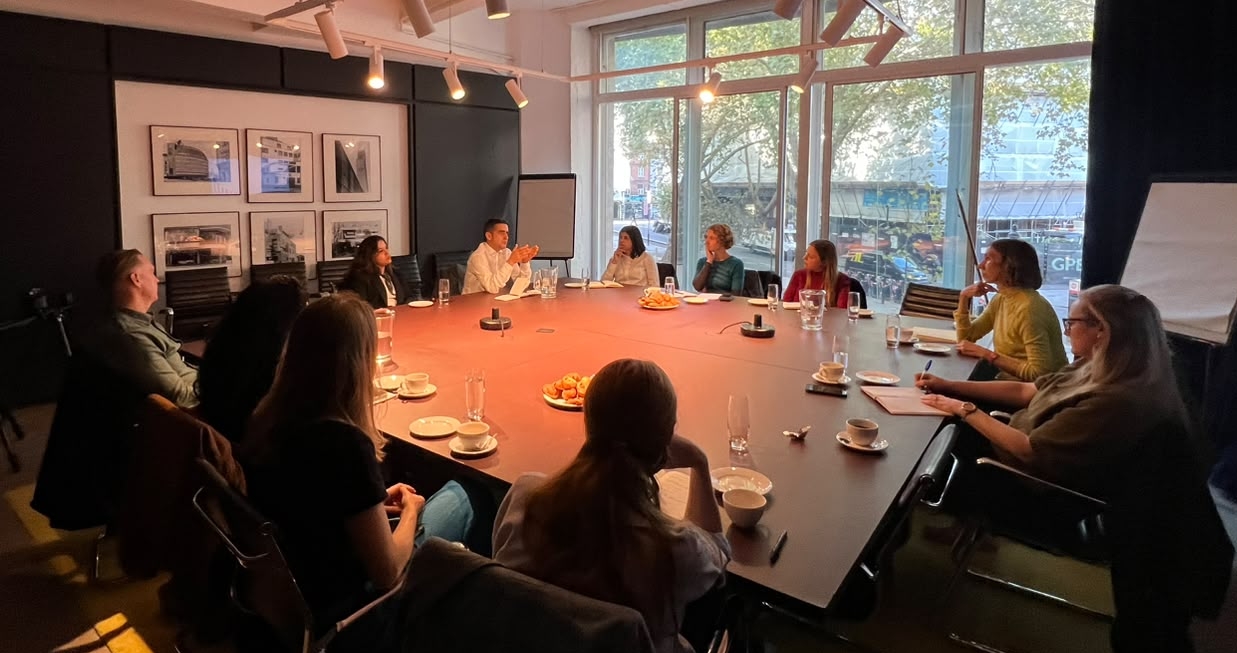
These questions were explored at a round table discussion hosted by Architecture Today, in partnership with Heidelberg Materials, at the Building Centre in London as part of Regenerative Design 2026. Bringing together architects, engineers, sustainability specialists, landscape architects and a major materials manufacturer, the discussion examined the practical and systemic changes needed to make circularity, biodiversity and closed loop design an integral part of the built environment.

Sophia Ceneda, Emma Armstrong, Jonathan Shaw, Loreana Padron, and Hayley Chivers.
Changing the conversation with clients
Isabel Allen kicked off the discussion by asking how the construction industry can persuade clients to prioritise long-term environmental and social value when budgets and programmes are under increasing pressure. For Craig Robertson, the answer begins with understanding the client’s business model. Developers seeking to sell an asset quickly can have fundamentally different priorities from organisations intending to own and operate a building for decades. Anthony Silby argued that conversations about material selection, durability and long-term financial benefits need to begin at the earliest briefing stages. Asking clients how long they expect a building to last can open up a wider discussion about the implications of their decisions.
Loreana Padron agreed, highlighting the importance of building a business case for benefits that are not always easily quantified, including biodiversity, health and wellbeing. These considerations can be difficult to communicate when capital cost remains the dominant measure of value. Hayley Chivers suggested that even the term ‘client’ can be misleading. Large organisations contain multiple stakeholders with competing priorities, and identifying those individuals can reveal opportunities that might otherwise be overlooked. She cited work with the London School of Economics, where the institution’s intellectual commitment to sustainability and its reputation as a thought leader helped support discussions about circularity. Cost remained important, but certainty about the investment was often more significant than achieving the lowest possible price.
Sophia Ceneda also identified universities as clients with a particular interest in the long-term performance of their estates. Their ongoing responsibility for buildings, together with the financial consequences of inefficient space and energy use, can make them more receptive to innovative approaches. However, she acknowledged that many clients remain unconvinced. In these circumstances, forming alliances across the design team, particularly with engineers and landscape architects, can strengthen the case for regenerative design.
Nikos Derleres questioned how the industry could influence clients who have no intention of occupying the buildings they commission. For these clients, the financial incentives associated with long-term performance may be less immediate, making it necessary to communicate benefits through different measures of value.

Catherine Ramsden.
Making regeneration commercially relevant
Several participants argued that changing attitudes requires designers to become more fluent in the commercial language of their clients. Isabella Bhoan highlighted the importance of considering risk over time. A decision that appears inexpensive today may expose a building owner to increasing costs associated with climate change, supply chain disruption or the deterioration of landscapes and ecosystems.
Catherine Ramsden described how her practice has approached infrastructure and energy projects by concentrating on cost, risk and programme rather than leading with sustainability. The objective is to demonstrate how relatively small, repeatable interventions can improve project outcomes at scale. For Emma Armstrong, the key is to identify opportunities to create value at each stage of a development. On masterplanning projects, this might mean demonstrating how landscape-led design can accelerate planning, improve land values or create more commercially attractive environments. Rather than presenting biodiversity as an additional expense, it can become part of a strategy for delivering the client’s wider objectives.
Robertson illustrated the importance of understanding motivation through an example of a commercial client who was less interested in detailed sustainability metrics than in being able to show visitors a visibly reused element within a building. Recognising this priority allowed the design team to develop an approach to reuse that the client could champion.
Padron suggested that even short-term residential developers can be encouraged to adopt circular and bio-based materials if the benefits are framed around market differentiation, customer demand and the potential to sell properties more effectively. Jonathan Shaw, meanwhile, argued that procurement processes need to consider more than the capital cost. Whole-life cost, embodied carbon and the residual value of materials should be embedded in contracts, allowing buildings to be assessed as assets capable of retaining value beyond their initial use. This requires a different understanding of the building itself: not as a product with a fixed expiry date, but as an evolving collection of components and resources.

Elliot Wellbelove, Daniel Bianchi, Nikos Derleres, and Craig Robertson.
From recycling to genuine material reuse
The discussion then turned to the practical difficulties of creating closed loop material systems. Chivers described the existing market as fragmented. While individual products and suppliers offer circular solutions, there is often no coherent process connecting the removal of materials from buildings with their assessment, certification, storage and eventual reuse. The distinction between recycling and reuse was particularly important. Recycling can recover material value, but often requires additional processing and energy. Reusing a component in its existing form can preserve substantially more of the resources and carbon already invested in it.
Ceneda pointed to developments in reclaimed structural steel as an example of how the industry could progress. Stock-matching systems developed by engineers can help designers identify available sections and incorporate them into new buildings, provided they understand what is available early enough in the design process.
Derleres argued that existing buildings should increasingly be regarded as inventories of components rather than obstacles to development. If the properties and condition of materials can be verified, there is an opportunity to recover and reuse them with minimal reprocessing rather then recycling. Silby suggested that systems for grading reclaimed materials could help determine whether components are suitable for immediate reuse or require modification. Such an approach would provide greater clarity around the work and costs involved.
For Ramsden, however, the greatest opportunities may lie with the people who physically handle these materials. Contractors, demolition specialists, factory managers and waste processors possess knowledge that can inform how buildings are designed for disassembly. Engaging these stakeholders early would allow designers to understand how components can be recovered, transported and prepared for another life.
Elliot Wellbelove agreed that manufacturers need to become involved much earlier in the process. Heidelberg Materials is increasingly examining how materials recovered from construction and demolition can be brought back into productive use, but this depends on stronger relationships across the value chain. Large infrastructure projects can involve particularly complicated networks of stakeholders, making coordination essential if circular material flows are to become more than isolated initiatives.

Isabella Bhoan
Information, evidence and the barriers to specification
Access to reliable information emerged as another major obstacle. Padron described the difficulty designers face when trying to evaluate material provenance, toxicity, environmental performance and impacts on ecosystems. Researching every available product in sufficient depth is simply unrealistic within conventional project programmes. The risk is that specification becomes influenced by manufacturers with the largest marketing budgets rather than those offering the most responsible solutions.
Silby advocated clearer communication about material health, including the use of red lists identifying potentially harmful substances. Such tools can make complex technical issues more understandable to clients and help them recognise the consequences of particular choices. The participants also questioned whether existing certification systems adequately support circularity. Robertson warned that Environmental Product Declarations, while valuable, can inadvertently favour established manufacturers. Producing an EPD is expensive, and smaller suppliers or businesses developing innovative products may struggle to provide the same level of documentation. Reclaimed materials face additional difficulties because their original specifications and performance information may be incomplete or unavailable. The result can be a paradox: regulations and assessment frameworks intended to improve environmental performance can make it harder to specify products that potentially offer substantial environmental benefits.
Shaw emphasised the importance of educating architects about the materials and reuse systems already available. Designers cannot propose solutions they do not know exist, and early conversations with structural engineers and suppliers are essential. Sharing knowledge between practices could also reduce duplication. Robertson suggested that common databases of suppliers, products and project experience would make it easier to reassure clients and support more informed decisions. The difficulty, as the group acknowledged, is not necessarily a lack of willingness to collaborate. It is the absence of consistent platforms and processes through which knowledge can be exchanged and applied.

Isabel Allen, John Ramshaw (reporting for AT), Anthony Silby, Elliot Wellbelove, and Daniel Bianchi.
Regulation, risk and the need for joined-up thinking
The limitations of current regulation prompted a wider discussion about government leadership. Ceneda pointed to European examples where legislation has accelerated the adoption of bio-based construction materials. Establishing clearer requirements can create demand, support investment and make unfamiliar products commercially viable. However, participants agreed that there would be a need to implement requirements that cannot be easily revoked with changing political priorities.
Silby highlighted the challenges posed by regulatory systems that have not kept pace with developments in material technology. Building control officers and other statutory authorities may be unfamiliar with newer products, placing additional responsibility on designers to explain their performance and suitability. For Bhoan, the difficulty is not simply the absence of regulation, but the need to understand how different requirements interact. Fire safety, environmental performance, planning and biodiversity objectives cannot be considered independently if they are to support better outcomes.
Insurance was identified as a particularly significant barrier to innovation and reuse. Daniel Bianchi introduced Integrated Project Insurance (IPI), a procurement and insurance model that Cullinan Studio has used on several projects. Unlike conventional arrangements, in which individual consultants and contractors insure their own liabilities, IPI provides insurance for the project as a whole. The approach brings architects, engineers, contractors, clients and insurers together from the outset. Risks are examined collectively throughout design and construction rather than being addressed through separate contractual relationships.
Bianchi explained that this changes the culture of project delivery. With shared responsibility and financial incentives, participants are encouraged to solve problems collaboratively rather than protect their individual positions. Although IPI was not developed specifically for circularity, he saw considerable potential for its application to unfamiliar or reclaimed materials. Involving insurers directly in design discussions could allow teams to investigate and resolve concerns before they become reasons for rejecting a specification.
The model does, however, require substantial early commitment. Contractors and other specialists must be engaged well before construction begins, and clients need to understand the value of investing in that collaboration. Bianchi reported positive results from projects delivered using the approach, including greater cost certainty and a less adversarial working environment. Nevertheless, the wider industry has been slow to adopt it, reflecting the persistence of conventional procurement structures.

Anthony Silby and Elliot Wellbelove.
Who looks after a building’s information?
If buildings are to become material banks for future generations, accurate information about their components must survive beyond practical completion. But who should be responsible for maintaining it? Wellbelove acknowledged that this is an area where manufacturers could potentially play a greater role. He raised the possibility of alternative commercial models, including retaining greater involvement with materials throughout their life cycle, to support better decisions about their eventual recovery.
Shaw suggested that information about a building should ultimately sit with its owner. Accurate records of materials and components could become part of an asset’s value, particularly when it is sold or adapted. Padron argued that although ownership of the information may rest with the building owner, responsibility for maintaining it must pass between organisations throughout the building’s life. Material data should develop from the earliest design stages and continue to be updated through construction, operation, maintenance and refurbishment.
The challenge is considerable. Robertson described post-occupancy evaluations in which facilities managers struggled to access even basic building performance information, sometimes lacking the passwords needed to retrieve data from building management systems. Chivers noted that the problem is partly one of continuity. Facilities managers frequently inherit buildings without having participated in their design or construction, while changes in personnel can result in further losses of knowledge.
Participants discussed the potential for material passports, digital twins and building information models to address these shortcomings. Such systems could record component specifications, provenance, maintenance requirements and replacement cycles, creating a more useful resource for future building owners and designers. Derleres suggested that the necessary technology is increasingly available, but maintaining accurate information requires clear responsibilities for data ownership and maintenance together with effective change management.
Silby saw opportunities for architectural technologists to take a greater role in organising and maintaining digital building information, supported by more consistent workflows and education. However, the group also cautioned against creating databases so complicated that they become impractical. Chivers argued that different users require different information. Facilities managers need operational data, insurers and regulators need reliable records of compliance, while architects may want to compare the performance of materials and systems across projects. A single platform attempting to satisfy every requirement could become unwieldy. The priority should be identifying what information is genuinely useful, who needs it and how it can be kept accurate.

Jonathan Shaw, Loreana Padron and Hayley Chivers.
Making circularity part of the process
The discussion revealed that the obstacles to circularity are as much organisational as technical. The industry already possesses many of the materials, technologies and skills required to recover components, reduce waste and create more biodiverse places. What remains fragmented are the processes connecting them. Early engagement, more collaborative procurement, reliable material information and clearer long-term responsibilities could all help close those gaps. Equally important is the ability to communicate circularity and biodiversity in terms that clients, contractors, manufacturers and building operators understand.
The challenge is therefore not simply to design buildings that can be dismantled or materials that can be recycled. It is to establish the relationships, infrastructure and incentives that make those outcomes practical and commercially viable. Only then can closed loop design move beyond individual demonstration projects and become a normal part of how buildings are commissioned, constructed, maintained and ultimately transformed.