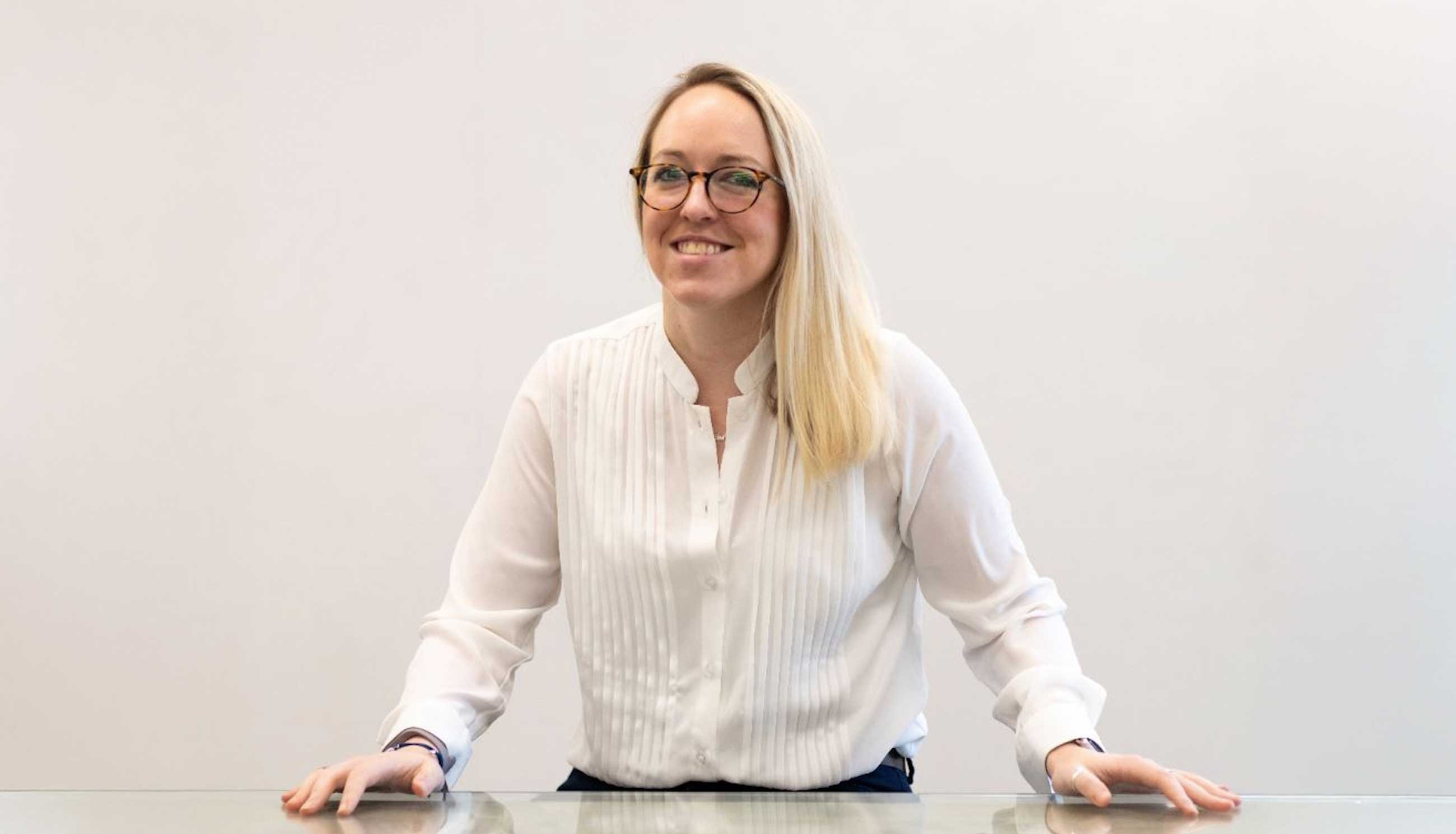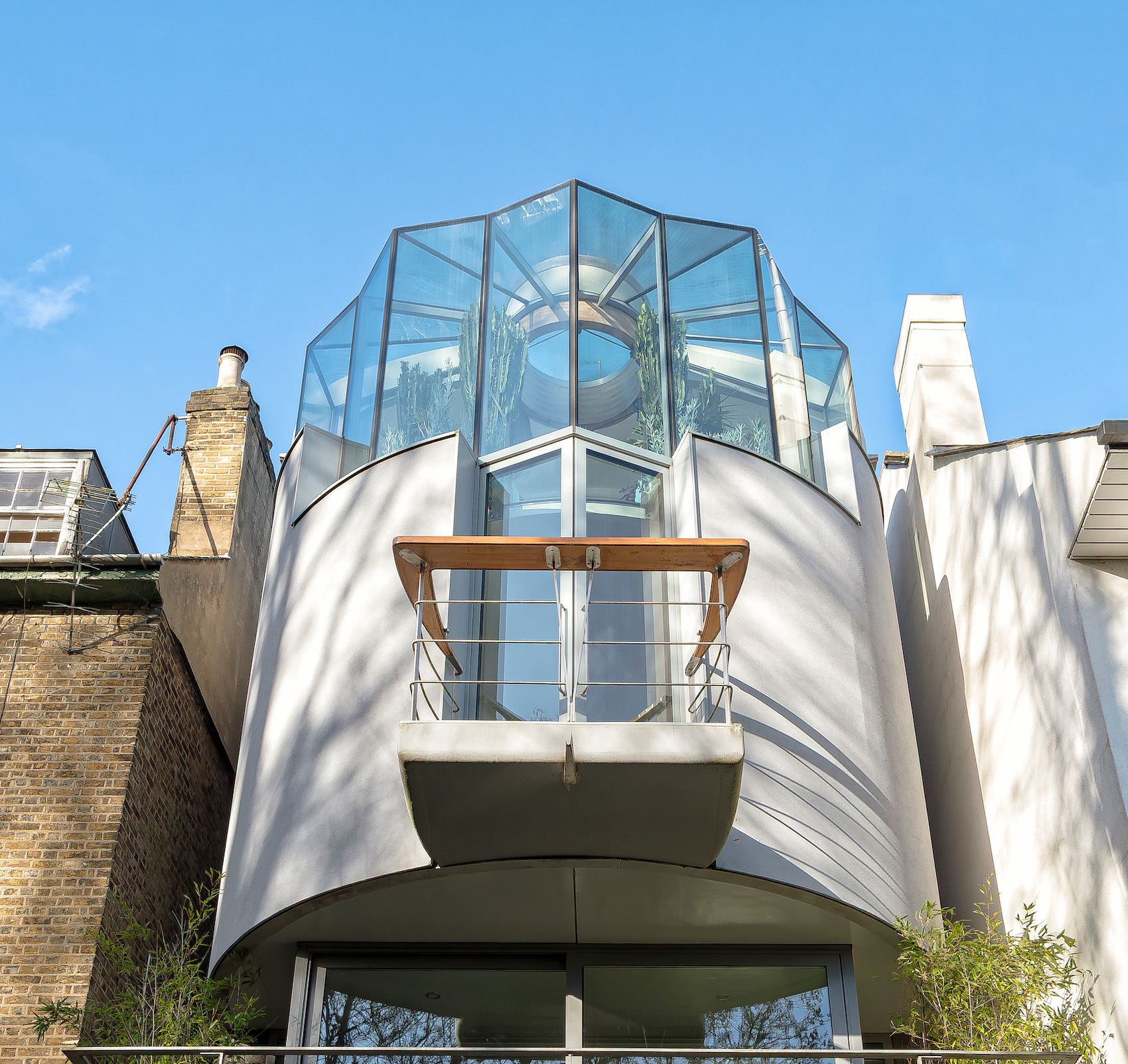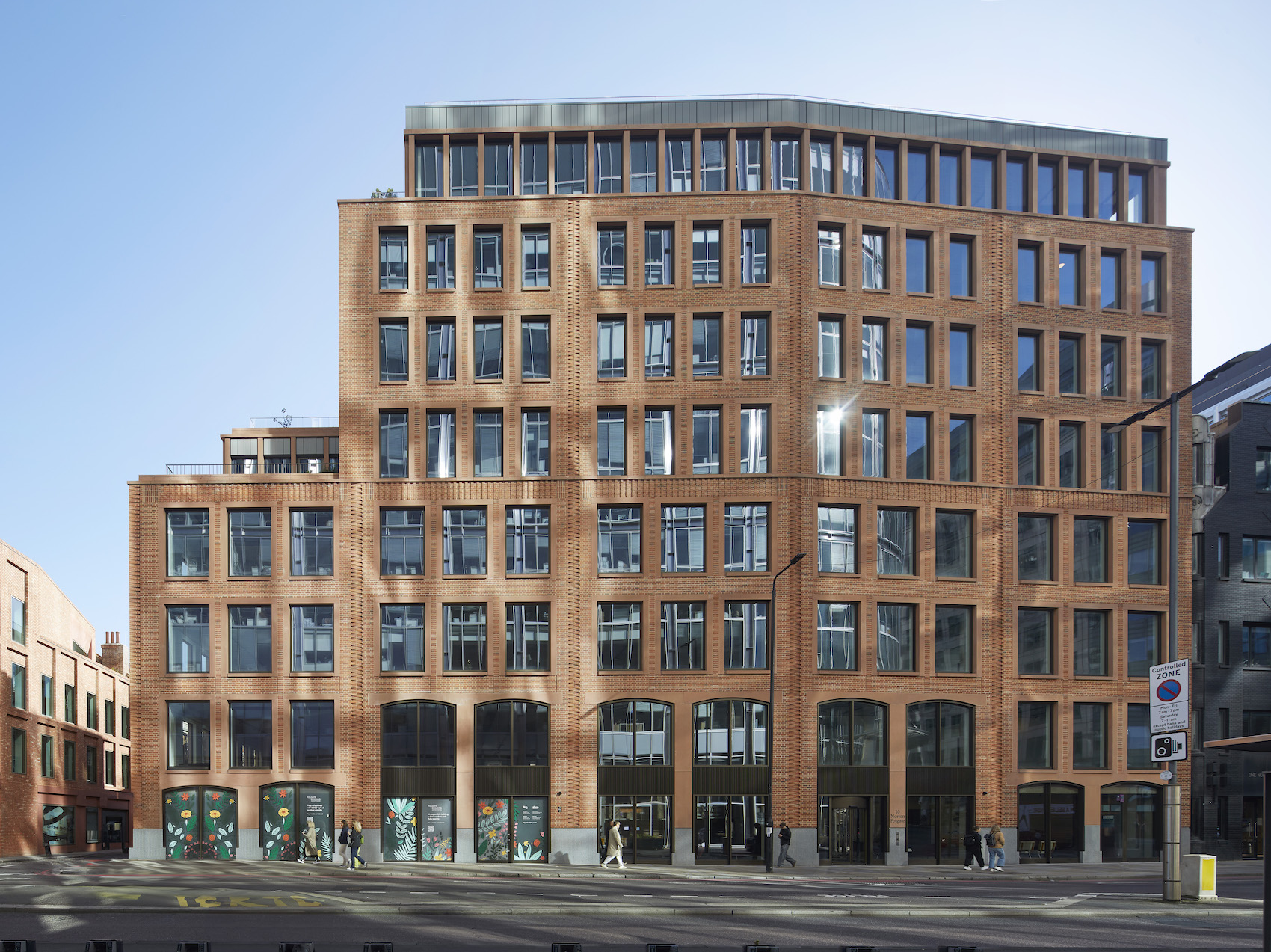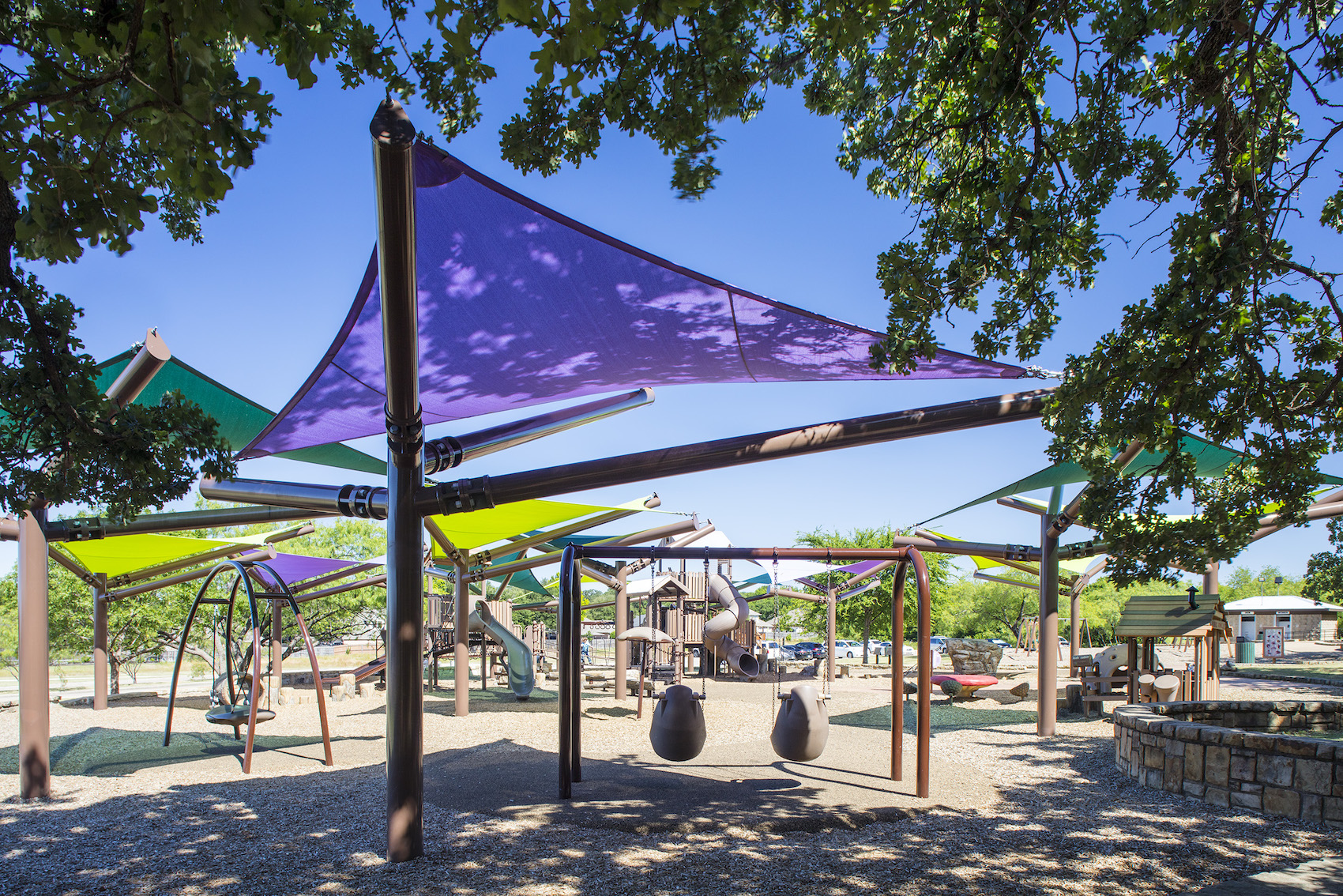
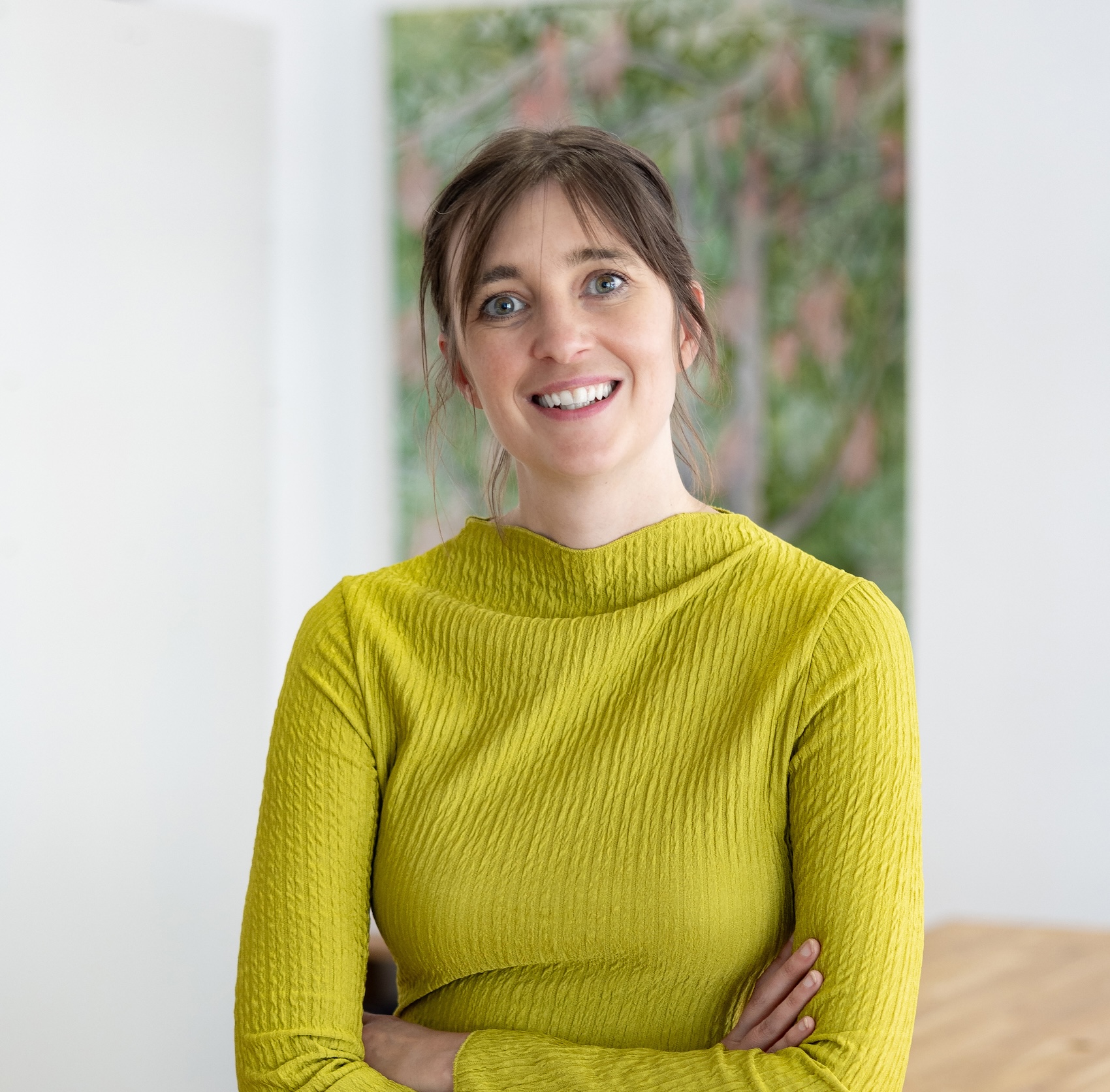
Heather Macey discusses the challenges involved in taking on the role of Principal at Makower Architects and shares her ambitions for the practice as it embarks on a new chapter of its life.
What brings you to MIPM and what do you hope to achieve?
I’ve just taken on the role of Principal at Makower Architects, with responsibility for leading the practice into its next phase. So MIPIM is all about catching up with collaborators and clients, making new connections and generally taking time to focus on the issues and opportunities in the marketplace, and having as many conversations as possible to help to shape my thinking about the next chapter in the practice’s development.
That’s big news. How did it come about, and is Tim Makower still involved?
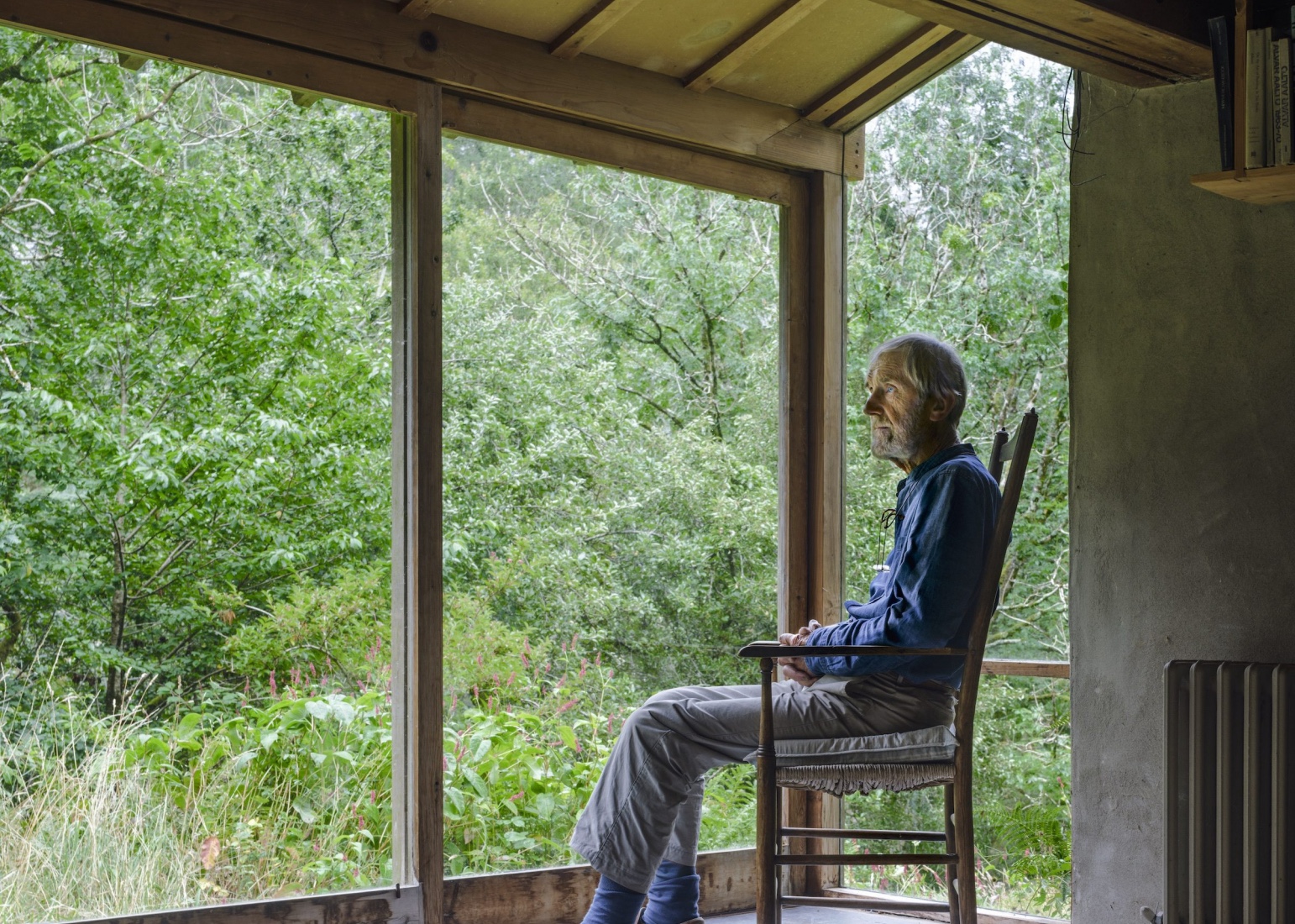
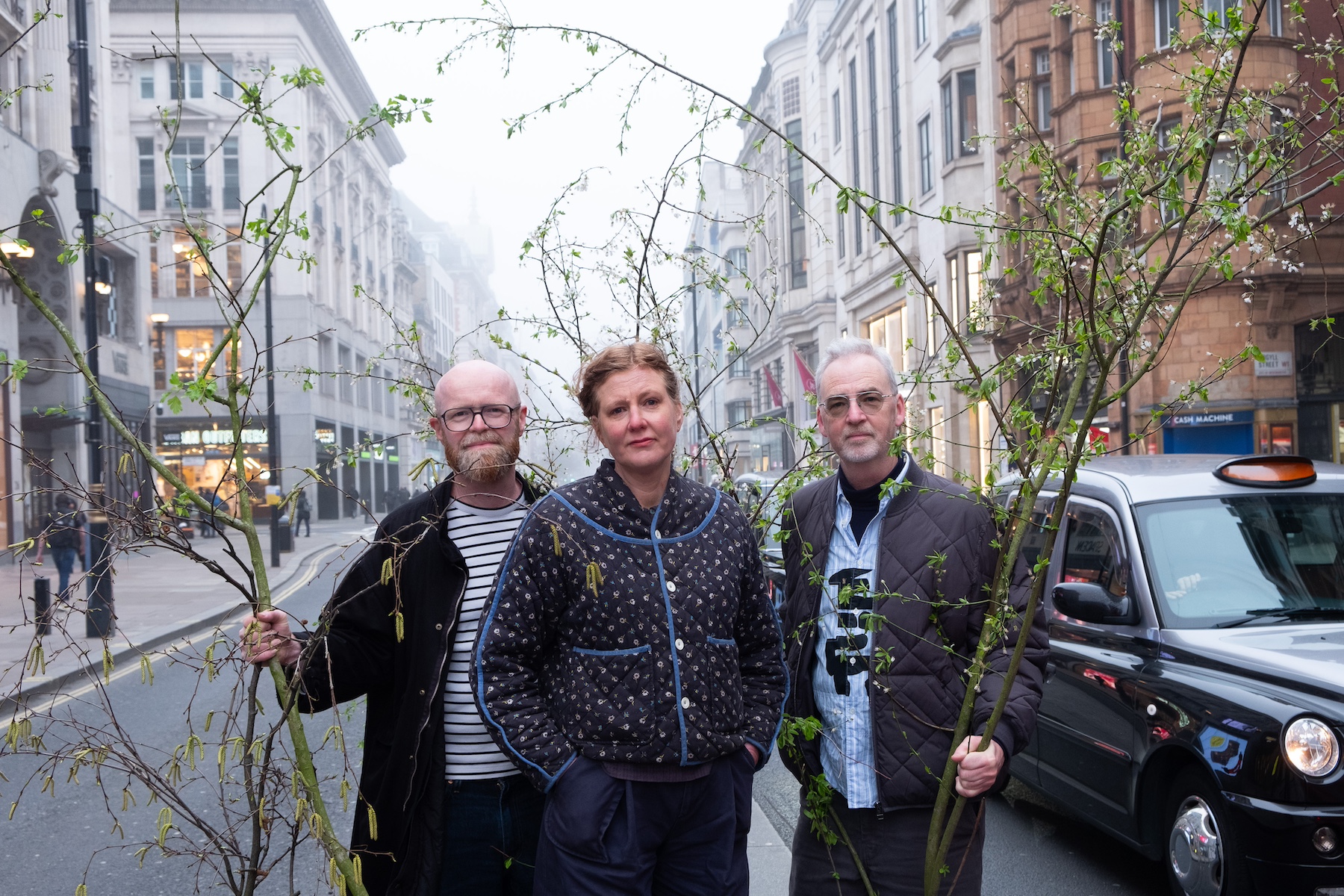
Very much so. After a decade spent building the practice, Tim Makower will take a step back to three days a week as Founding Principal, continuing to mentor the studio and contribute to key projects. Architecture practices evolve and innovate through moments of renewal and growth, and this has been a deliberate and carefully executed transition. I joined the studio three years ago to help shape the strategy and direction of the business, and over that time we have steadily built the foundations for the next chapter.
What do you see as the key challenges in taking the practice into the future?
The context for architecture today is challenging. Economic pressures are real, development cycles are slower, and the delivery of housing and infrastructure has become increasingly complex. Yet within that environment there remains a clear opportunity for practices willing to think carefully about where they add value. Our ambition remains grounded in a simple idea: to help shape better, healthier and more places for people. The practice has always believed that architecture sits within a wider civic framework. Our work has its roots in contextual urbanism — an approach shaped over many years by Tim, which sees buildings not as isolated objects but as part of the broader life of streets, neighbourhoods and communities. At its heart is a belief that contextual urbanism should empower healthy communities – shaping places that support wellbeing, identity and belonging. In a difficult economic climate, that way of thinking becomes even more important. Good places require patience, care and clarity of vision. Our role as architects is not only to design buildings, but to help shape the conditions around them — influencing the brief, the strategy and the long-term thinking behind projects. We take the responsibility of being custodians of place very seriously. The way we work with clients and communities is as important as the architecture itself. We must ensure that what we build today remains meaningful and valuable for generations to come.
Are you focussing on any specific sectors?
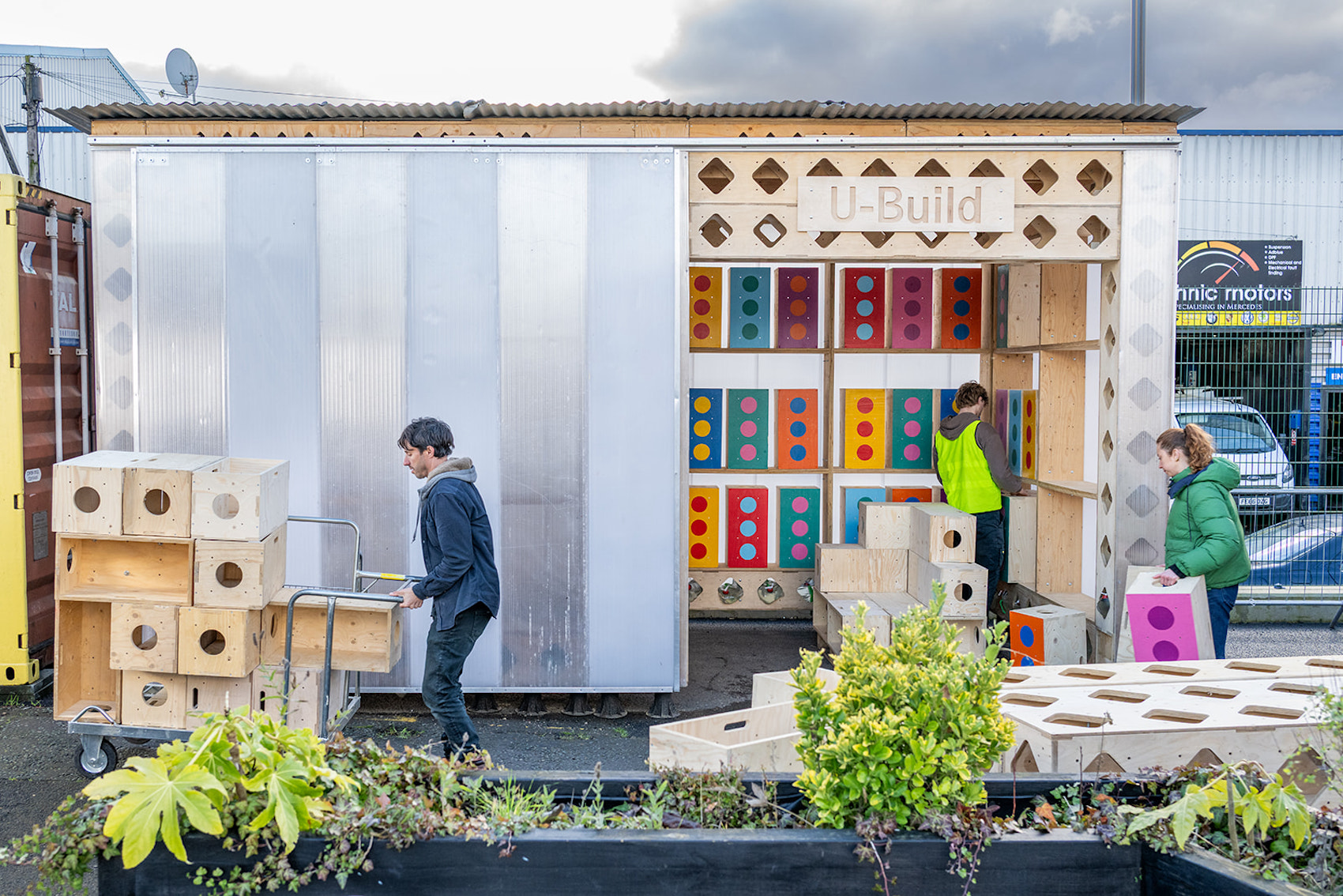
The practice will continue to deepen its work around health and the built environment. Every project should be able to say that it improved people’s lives in a meaningful way and did not take away more than it gave. The design of cities has a direct impact on human health. Loneliness, connectedness, agency and belonging are all shaped by the environments we create. Many of the issues affecting health and wellbeing – access to green space, opportunities for movement, air quality, social infrastructure, and the design of public realm – are fundamentally spatial problems. When these are poorly addressed the consequences are visible in health outcomes, from obesity and respiratory illness to rising levels of anxiety, isolation and poor mental health. Increasingly, these challenges must be understood as spatial challenges not medical ones. Through projects, research partnerships and initiatives such as our Homestead non-profit work, we will continue to advocate for a stronger role for health within the planning and design of our cities. The practice will also continue to engage with urbanism at an international scale, particularly in regions undergoing rapid transformation. Working internationally allows us to place our work within a broader conversation about how cities evolve — learning from different contexts while bringing a design approach grounded in the urban traditions we have developed over many years.
Are you planning any changes to the way the practice is run?
Just as important as what we do externally is how we operate internally. Architecture is a collective discipline. The success of the practice depends on the curiosity, commitment and collaboration of the whole team. One of the principles we are developing within the studio is to encourage people to engage more actively with the wider urban world. We have introduced a policy allowing members of the practice to work remotely for up to one month each year, encouraging them to spend time in other cities and contexts. The aim is simple: observe, learn and bring ideas back. Cities constantly evolve, and architects must remain curious about them. Looking ahead, our ambition is to continue building a practice that is design-led, collaborative and outward-looking.
Does the practice have a five-year plan?
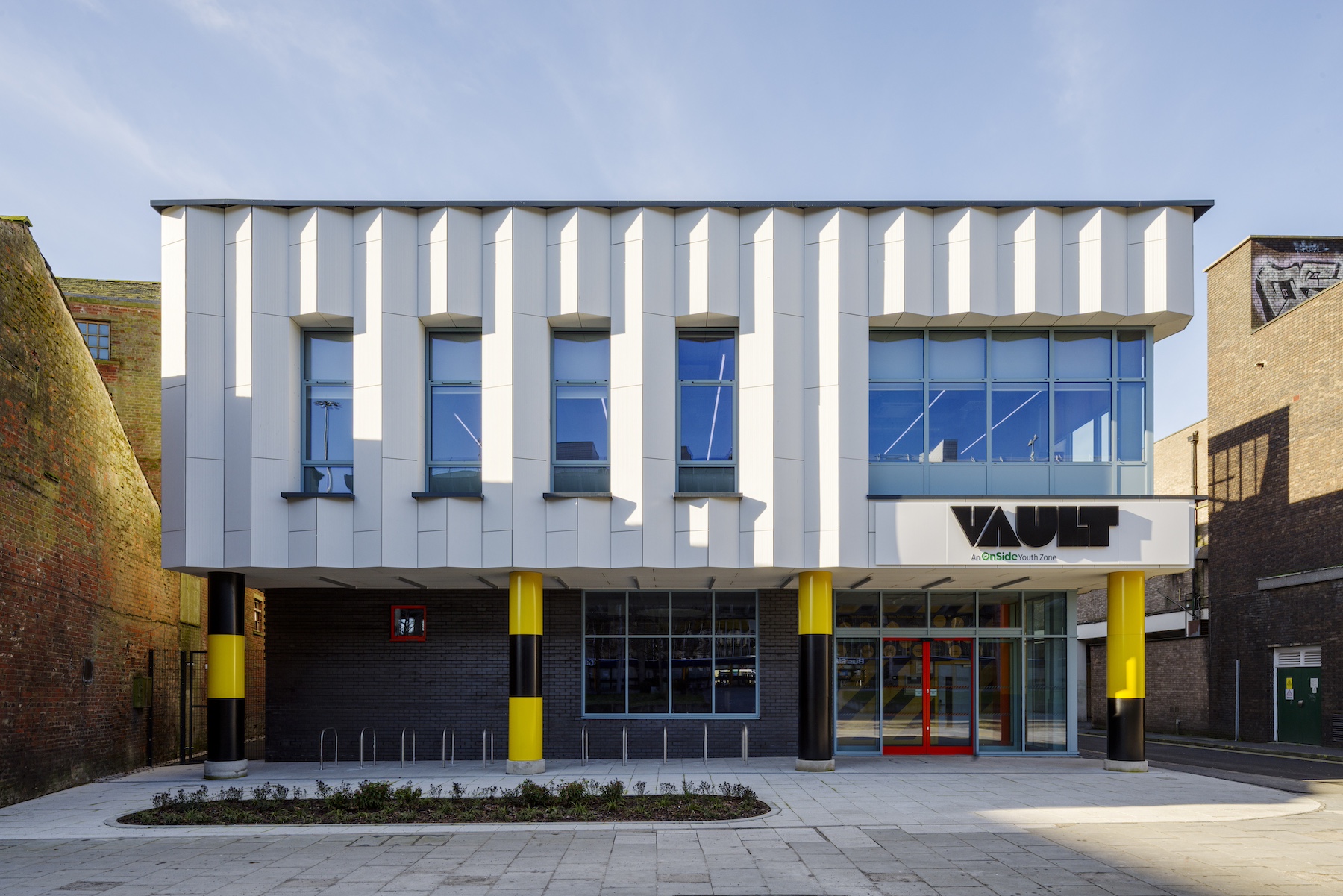
Over the next five years we want to strengthen our reputation for thoughtful urban thinking — working across scales from early strategy and masterplanning through to the delivery of carefully crafted buildings and public spaces. I do not pretend to have all the answers. Leadership in architecture is less about individual vision and more about creating the conditions for others to do their best work.
How would you define your role as Principal?
My role as Principal is to act as a custodian of the practice — building on the foundations that Tim has established, while opening new opportunities for the team and for the work we do. The success of the practice will depend not on individuals, but on the strength of the whole studio and the ideas we develop together. The challenges facing cities today are significant. But they also present a moment for architecture to think more holistically about its role. Our task now is to build on the foundations already in place — and to continue shaping places that genuinely contribute to the life of cities.