Head of design Chloe Oades outlines Mount Anvil’s resident-first approach to the regeneration of Friary Park in Acton, where a tenure-blind housing strategy, extensive community engagement and a partnership with Peabody are delivering over 1,300 homes alongside new green spaces, amenities and long-term biodiversity gains.

What’s going on in Friary Park, Acton?
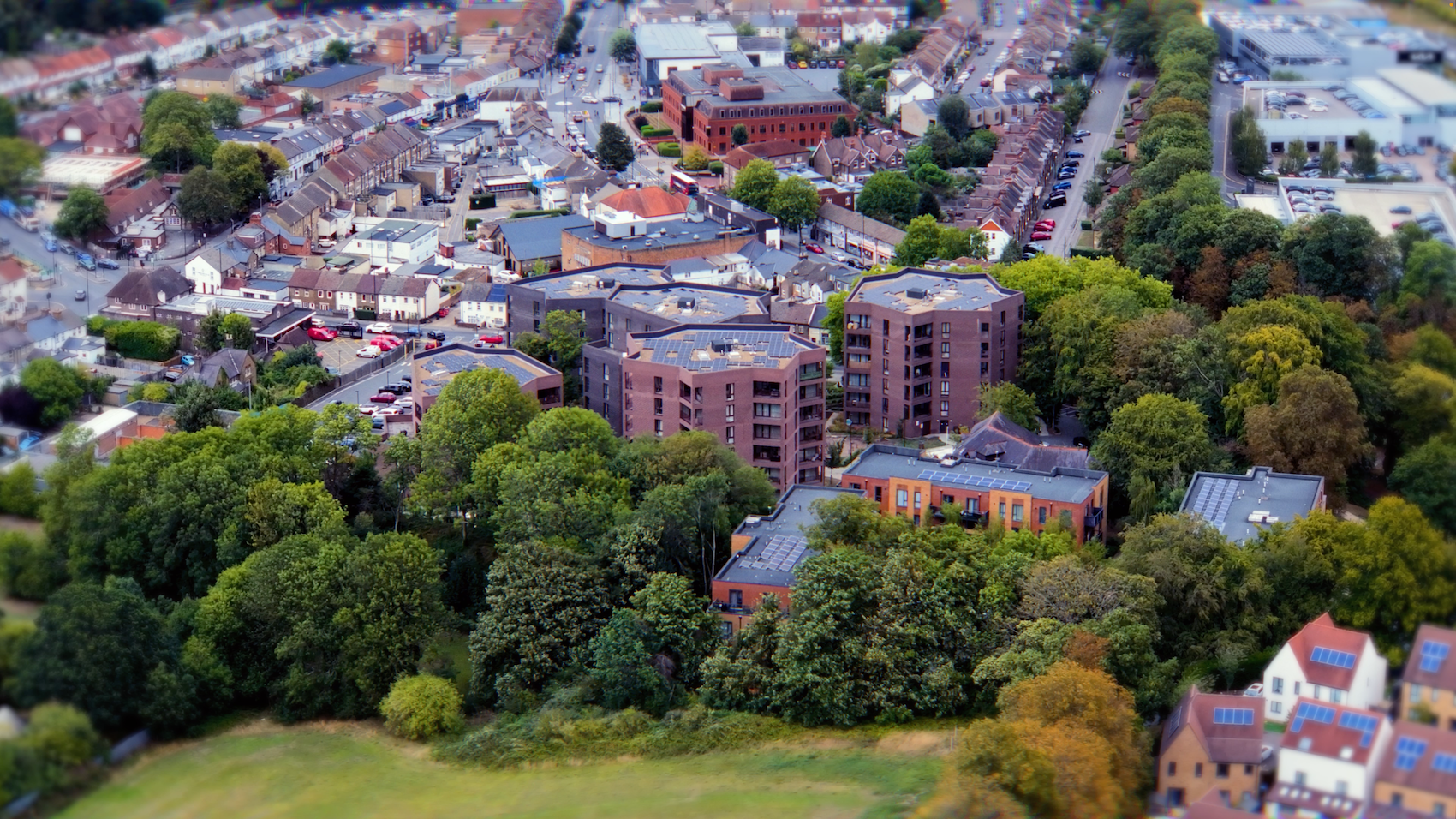
We’re out on-site delivering the final phase of our major estate regeneration project in partnership with Peabody. The site is well-connected, just a stone’s throw away from the Acton Main Line station on the Elizabeth Line. Upon completion, Friary Park will provide more than 1,300 new, high-quality homes for the community.
Providing more affordable homes within the estate is a key part of the plan, but there is plenty more to the development. More than a third of the six-acre development will be landscaped green space, and the estate will gain access to amenities like a new community centre. We’re proud to be partnering with Royal Botanic Gardens, Kew on scientific research around the projects biodiversity and landscaping, making sure the development boosts the local environment.
Can you tell me more about your tenure-blind and resident-first approach? What did that specifically entail and what were the results (so far)?
We want to do the right thing by creating high-quality homes that meet both our standards as a developer and residents’ needs for the future. Friary Park demonstrates this commitment in action through a tenure‑blind approach, with all homes – whether for private sale, affordable or social rent – designed and delivered to the same rigorous quality standards.
This reflects our resident‑first approach which has been grounded in inclusivity and collaboration from day one. We prioritised the delivery of affordable homes so existing residents could return first, with 85 homes allocated for original households and 50 for families on Ealing Council’s waiting list. Throughout the process, we’ve spent hundreds of hours working with residents to co‑design play areas, communal facilities and green spaces.
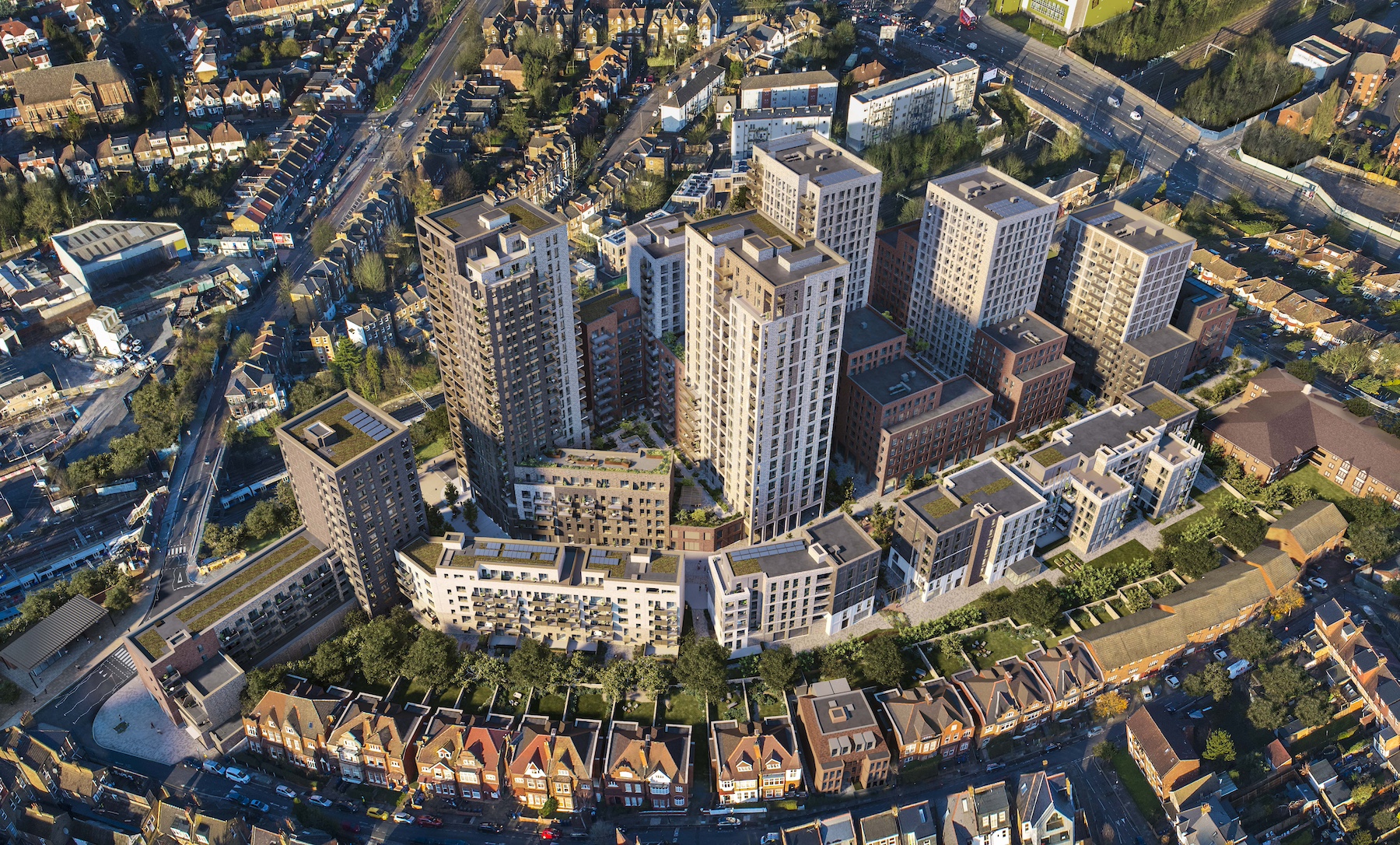
Render of the Friary Park masterplan. (Credit: HTA Design)
Friary Park, as I understand it, originally had 225 social rent homes – and all existing buildings are to be demolished. How many new social rent homes will be included in the new scheme, how many affordable units will be included – and how many homes will be sold at market rate?
The regeneration is being delivered in three phases. We’ve increased the density onsite to ensure we can deliver the project in tandem with the community benefits.
We’re providing 315 low-cost rented homes onsite, a 40% increase, along with 140 shared ownership homes. Overall, 40% of homes across the site will be affordable by habitable room.
In total, the entire Friary Park development will deliver around 1,345 homes. More than 160 homes have been completed, and more than 330 sold. The third phase is planned for market release this year.
What factors led to the decision to not retain any buildings on the site?
The estate was originally built in the 1980s and mainly consisted of low-rise, walk-up apartment blocks which were poor quality. The homes fell well below modern standards. The bedrooms were small or insufficient in number, insulation and heating were inadequate, and there was no outside space. Beyond the condition of the buildings, the estate’s layout was inefficient and did not meet resident’s needs. It was arranged as a maze of cul-de-sacs and winding streets, dominated by car parking areas. Bin stores were located in dark corners and lacked natural surveillance, and there was little meaningful amenity space for residents.
Given these challenges, we decided not to retain the existing buildings. Instead, we chose to deliver larger, better-quality homes that meet modern standards, with improved heating, insulation, and thoughtfully designed layouts. Our focus is on building homes that will last, that are purpose-built and fit for the future, that have improved community facilities and feature a better use of space.
Can you tell me more about how you chose the amenities that also contribute as part of the estate regeneration? How did you select certain businesses, shops etc.?
The selection process was guided by extensive community engagement. We wanted amenities that would serve the needs of Friary Park residents and the wider local area. For example, we’ve brought in By Max, a local resident-run coffee shop, to occupy a prime spot opposite the Elizabeth Line station. By Max is more than just a café, it has become a community hub where local residents can meet. We’ve brought in an Asda Express to provide a convenient, much-needed local store for everyday essentials. And to support residents’ health, a new dental practice is also part of the plans.
We are proud to be partnering with the Jamal Edwards Self Belief Trust and Peabody on the Self Belief Community Hub, which opens in late spring 2026. Created in honour of Jamal Edwards, who grew up on the Friary Park Estate, the hub will provide music and podcast studios, co‑working spaces and employability support for young people aged 18 to 31.
To do our part in helping to nurture and retain artists and creatives within London, we’re also offering affordable creative workspaces managed by Creative Land Trust. The whole approach reflects a commitment to building a vibrant, inclusive community, with amenities that matter.
In addition to this, there are plenty of new community facilities including a walking and cycling hub, community kitchen and an enhanced community square. We’re also introducing a significant amount of new outdoor amenities for residents and the wider community to enjoy across the site which have the added benefit of enhancing biodiversity outcomes while also connecting residents with green spaces.
What is the expected biodiversity net gain and how are you looking to achieve this?
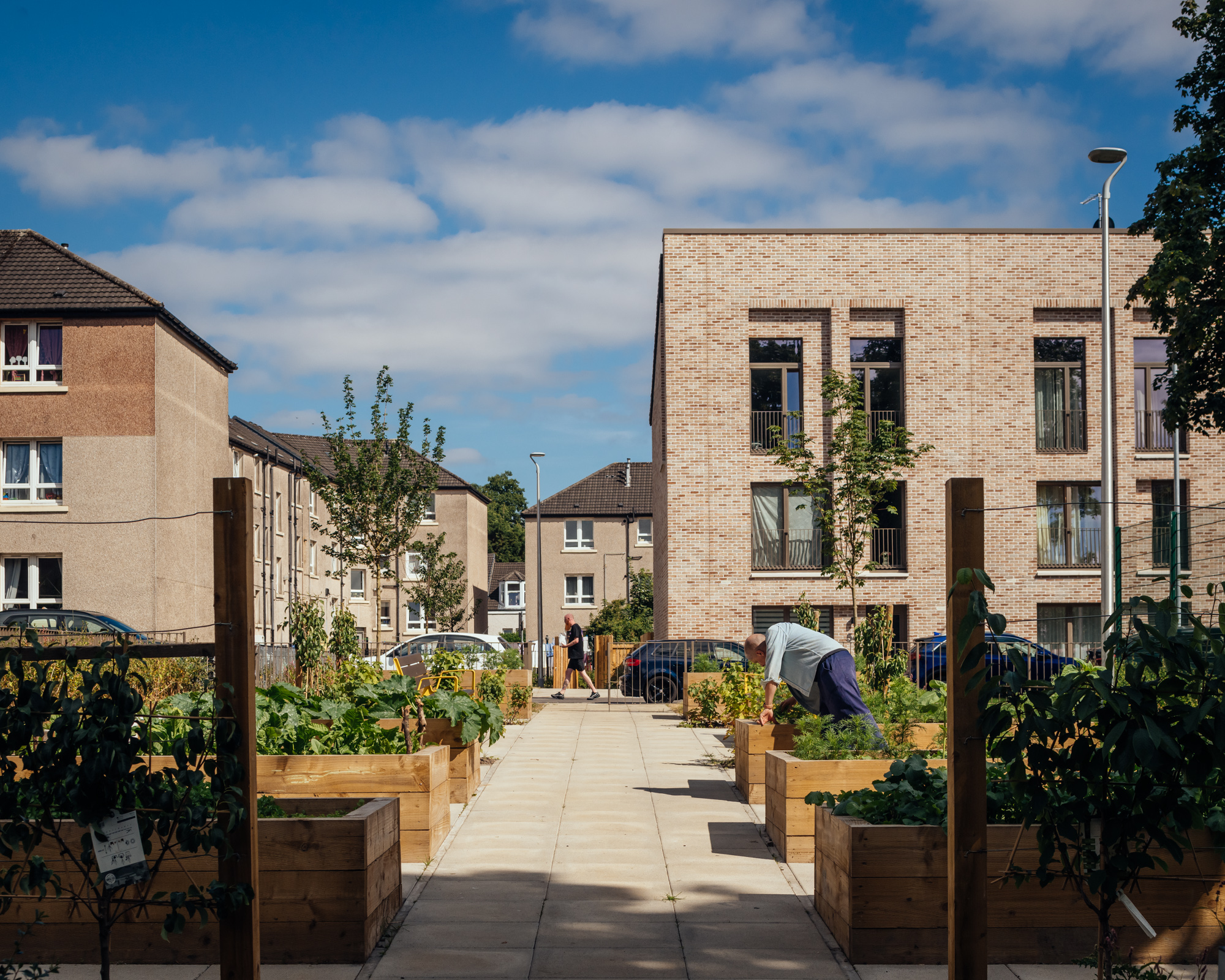
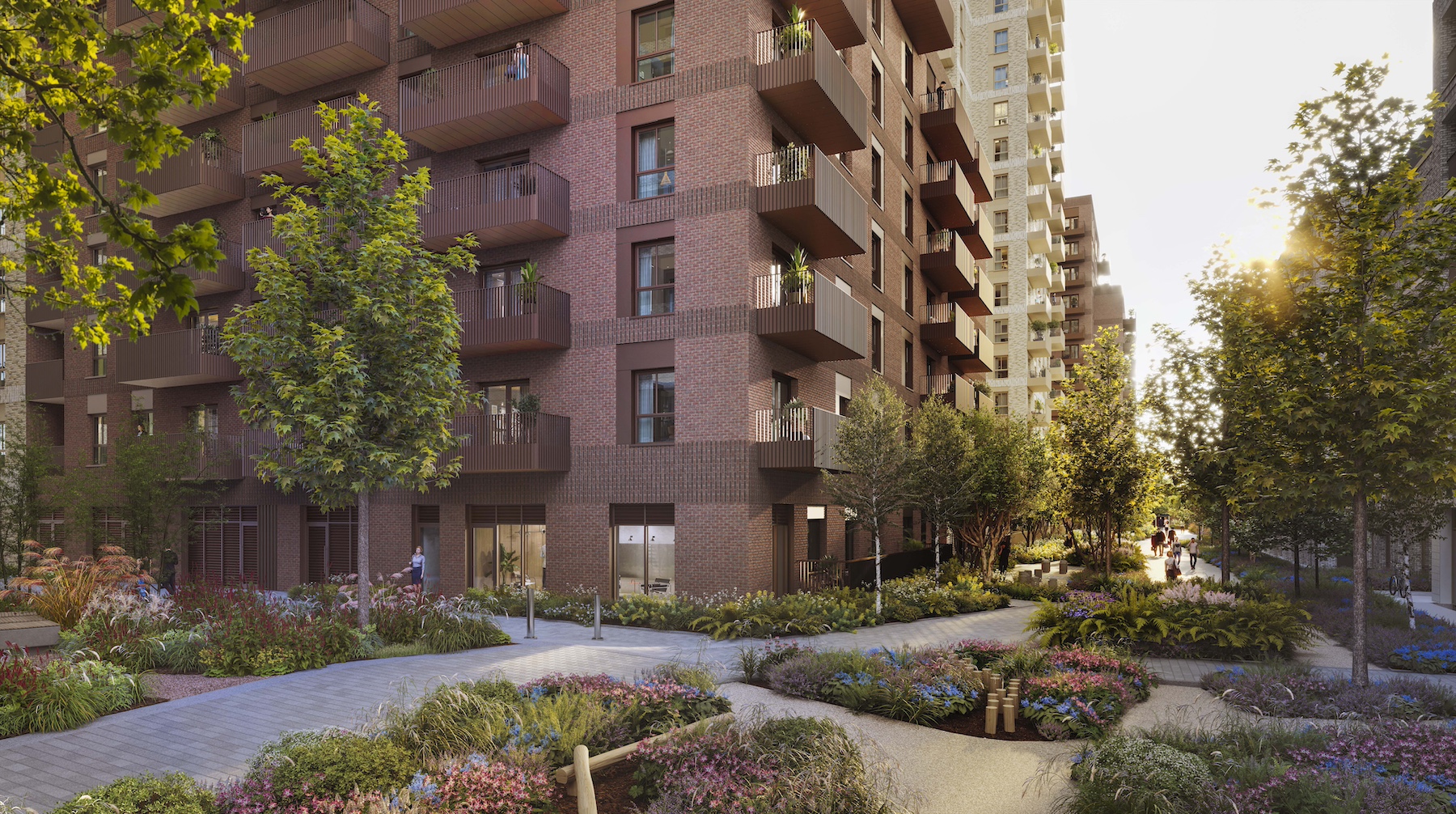
We’ve developed a detailed ecology and biodiversity strategy for the six-acre site, dedicating more than a third of the site to landscaped green spaces, including courtyard gardens, woodland pockets, allotments, an eco-walk, and Sustainable Drainage Systems (SuDS) with habitat-based planting.
Working with The Royal Botanic Gardens, Kew we’re taking a fresh approach to landscaping and biodiversity, integrating water management with habitat creation to deliver a range of ecosystem benefits. This collaboration allows us to go beyond simply minimising harm. Instead, we’re achieving more than three times the minimum requirement for biodiversity net gain.
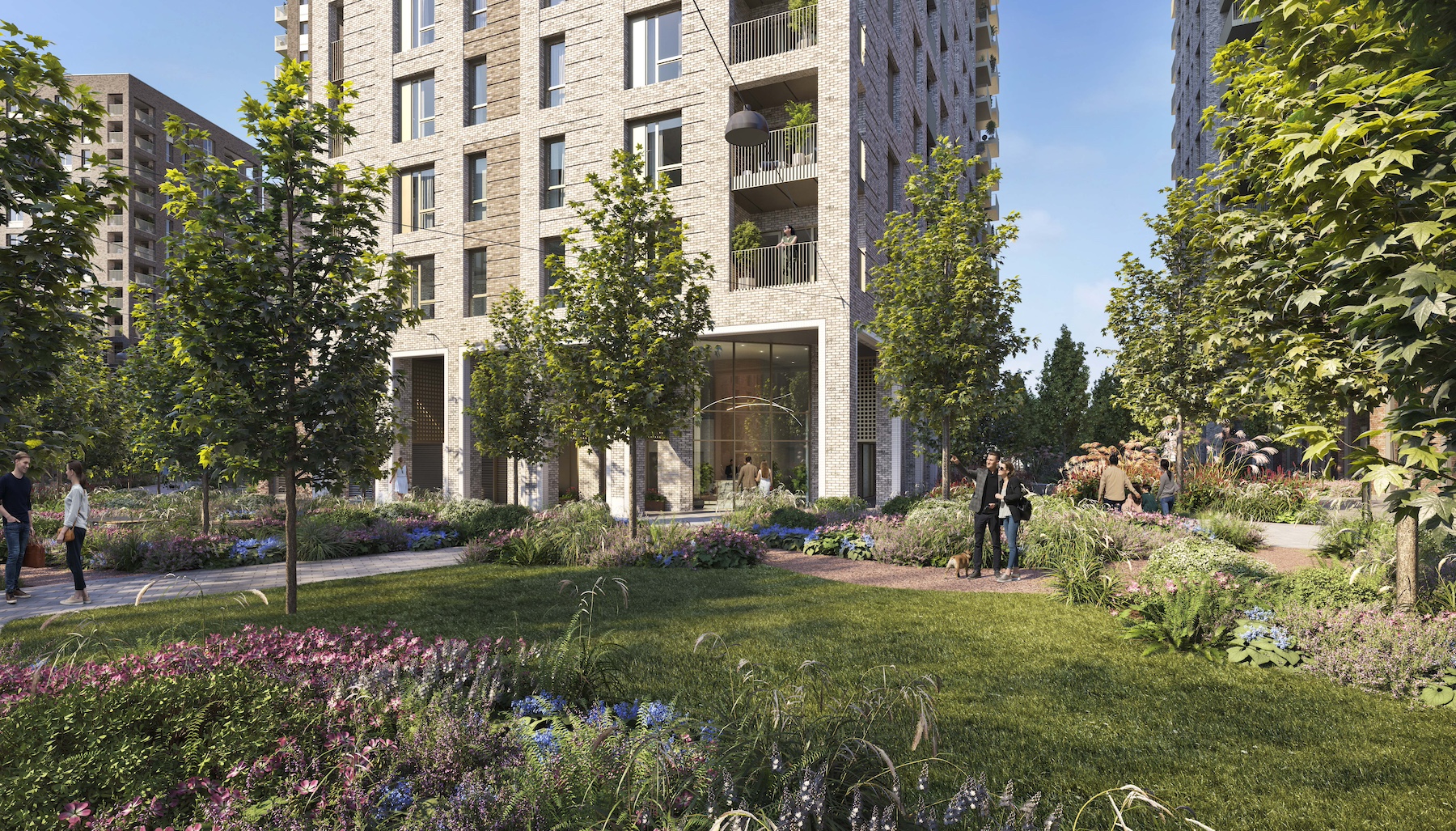
Landscaped garden areas within Friary Park. (Credit: HTA Design)
What else are you working with Peabody on and what originally led to this joint venture?
Our partnership with Peabody has grown stronger over the past decade and been the foundation for several joint ventures.
Beyond Friary Park, we’re collaborating on a number of schemes, including Three Waters in Bromley-by-Bow, which is now complete, as well as St Johns in Clapham Junction and Watermeadow Court in Kensington and Chelsea, both of which are seeing residents move in this year.
How do you spot a development opportunity and how do you generate value?
We focus on Zones 1-3 in London, using our local knowledge to identify areas where we can create strong, connected communities. By working closely with joint venture partners and local authorities, we deliver much-needed homes that meet the needs of Londoners. We also invest in open spaces, making neighbourhoods more attractive and improving the quality of life for those living on our developments.
How do you go about selecting architects to work with?
We choose architects who have a strong track record of working with housing associations and on estate regeneration projects. It’s important to us to work with a team that understands the challenges and knows how to deliver results efficiently.
What is the one thing an architect could say or do that would make you disinclined to work with them?
We value trust, openness, and a shared ambition to create great places. An architect who prioritises personal design signature or ego over what’s best for the residents wouldn’t be the right fit for us. We want collaborators who take ownership and accountability, stand by their work, communicate clearly, and work alongside us to solve challenges.
It’s important that everyone is ‘all in’, sharing the table and genuinely caring about the outcome. If an architect can’t embrace this collaborative mindset, it’s unlikely we’d want to do business with them.