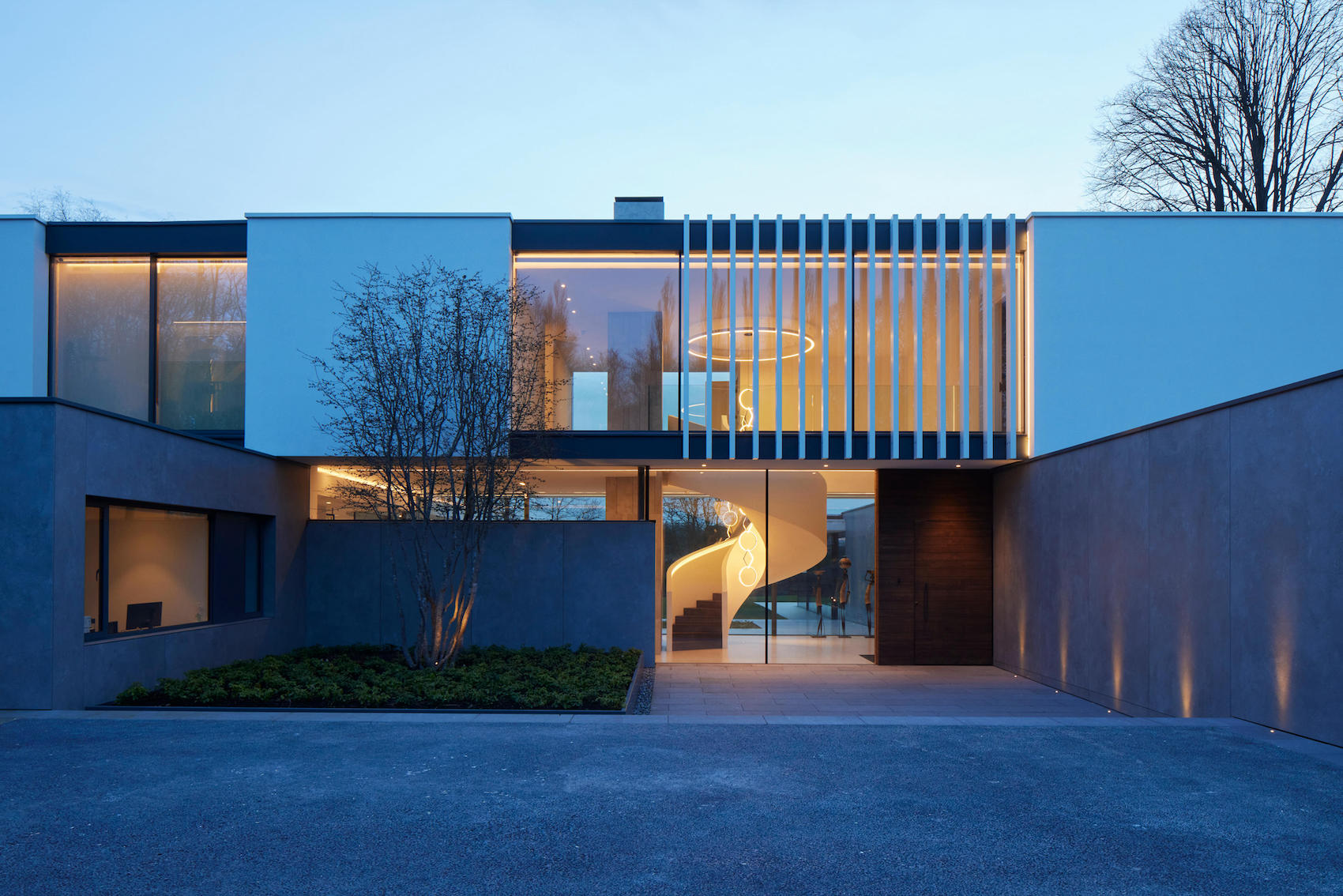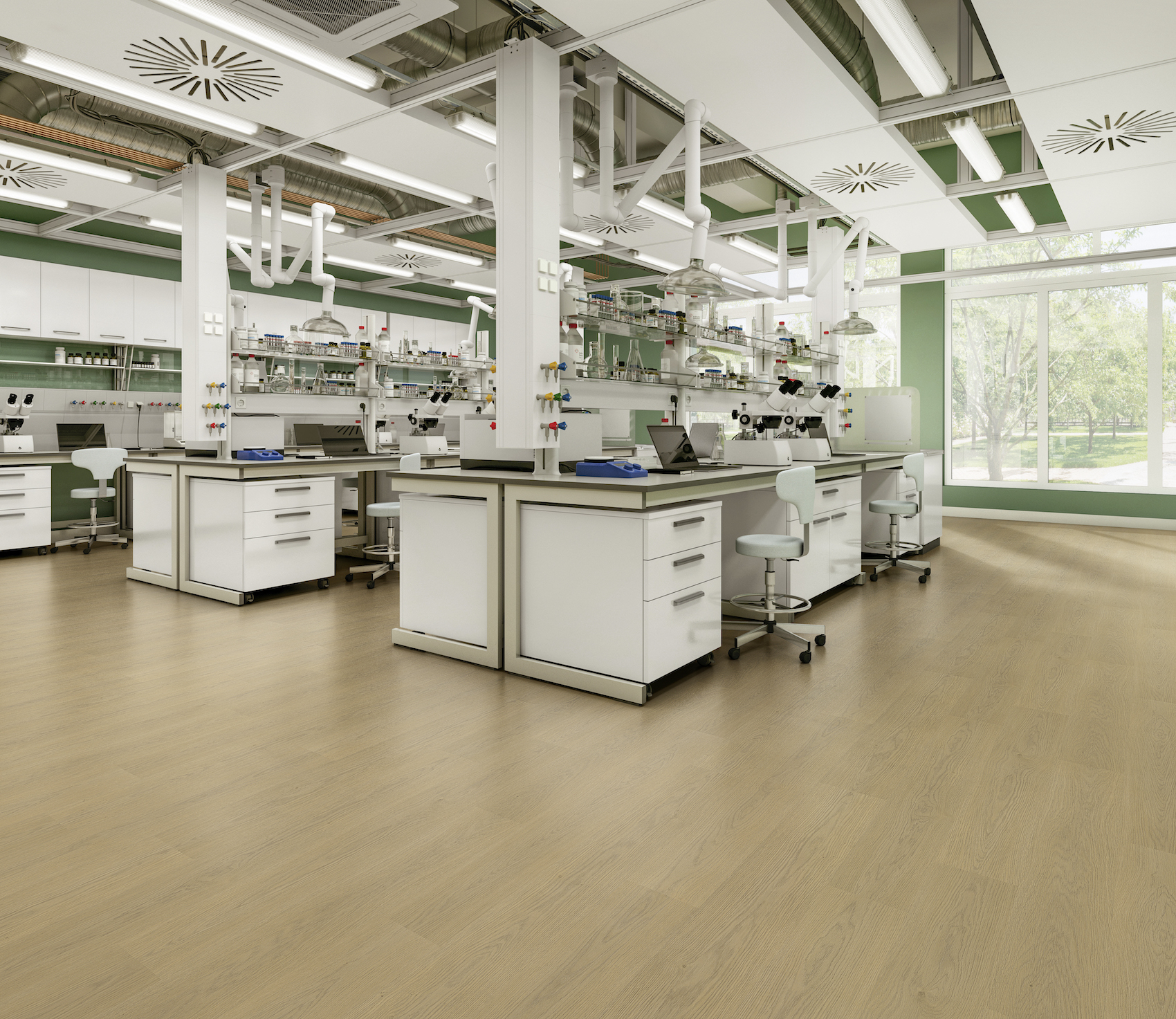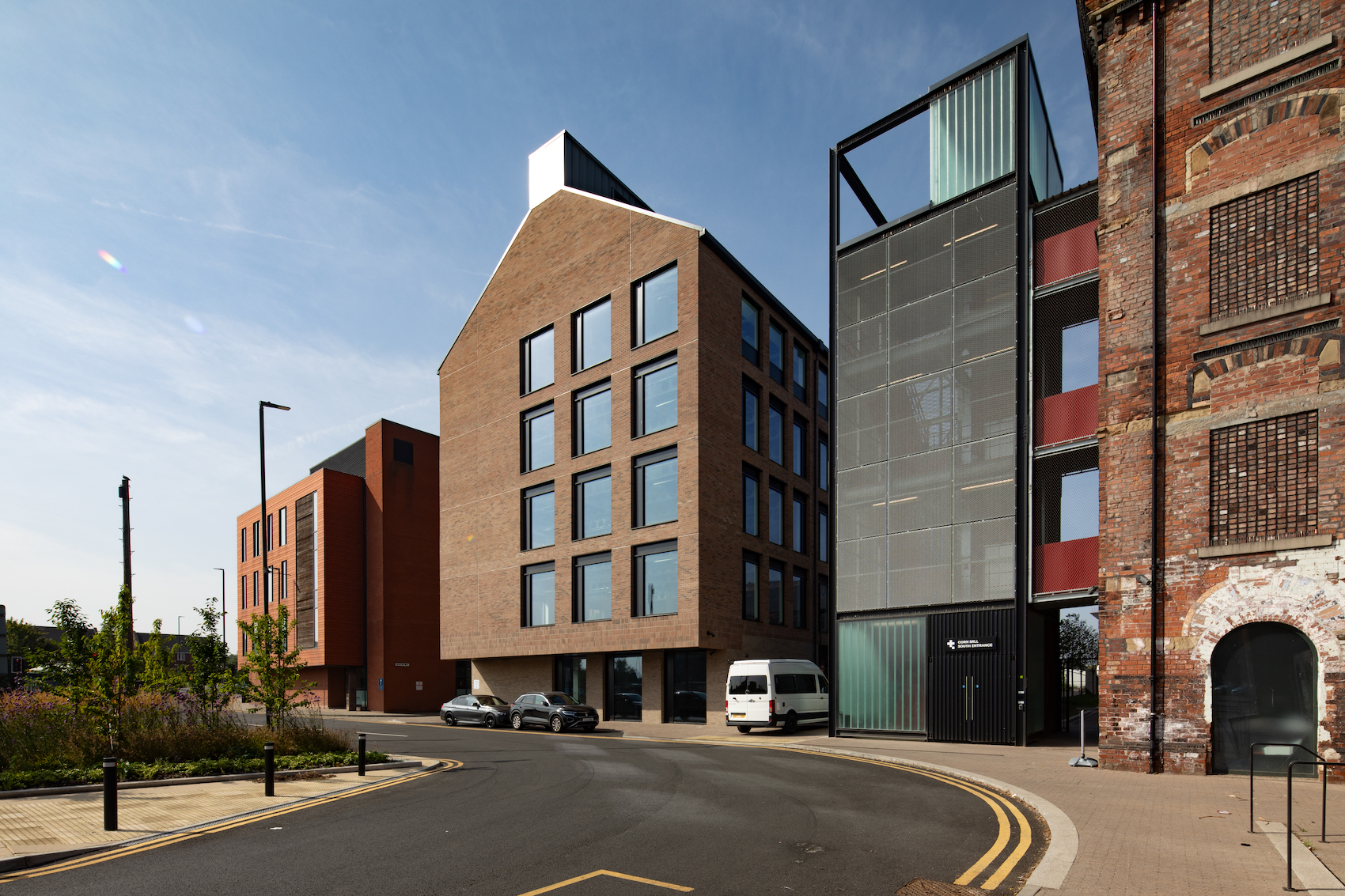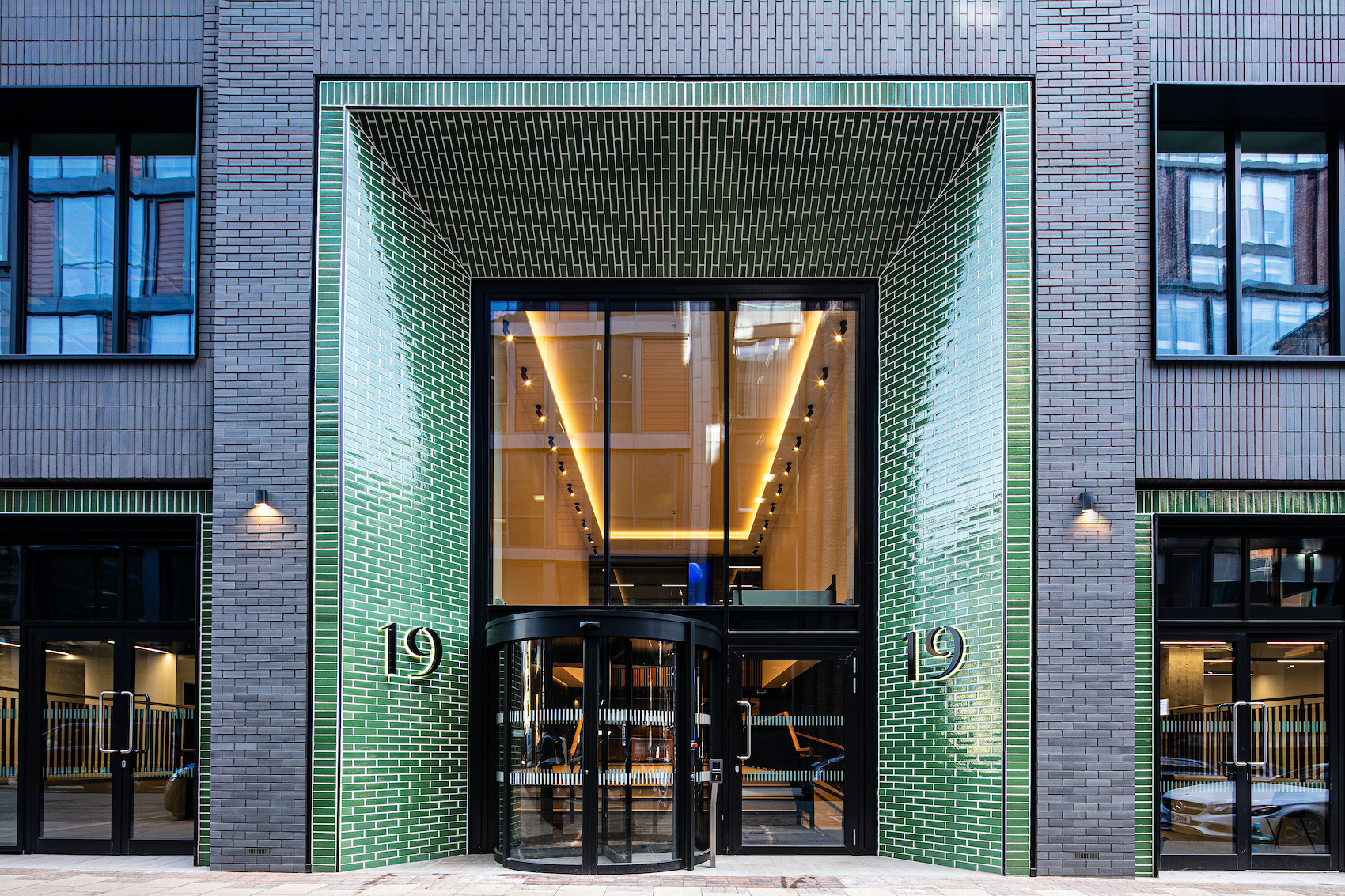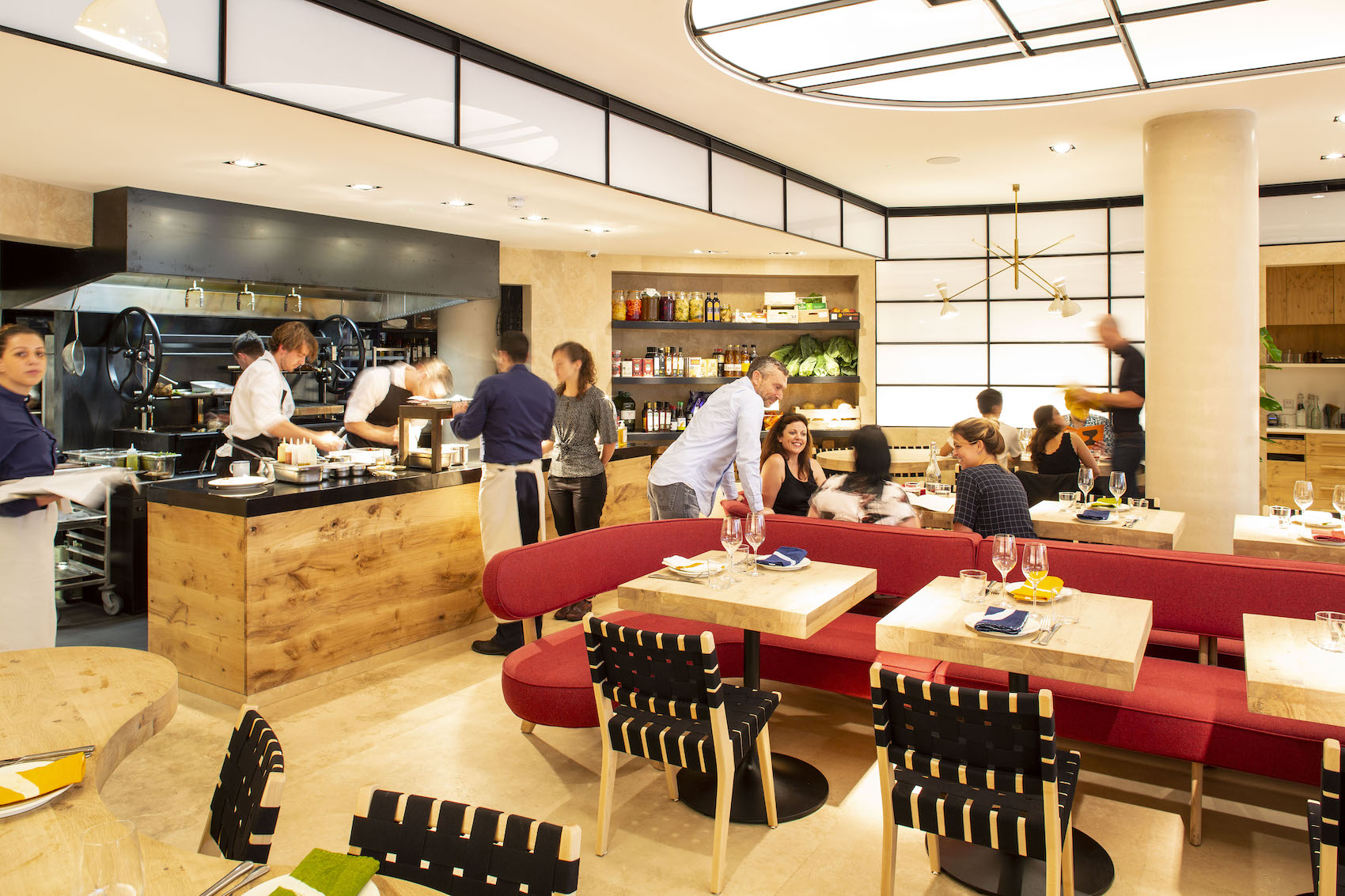
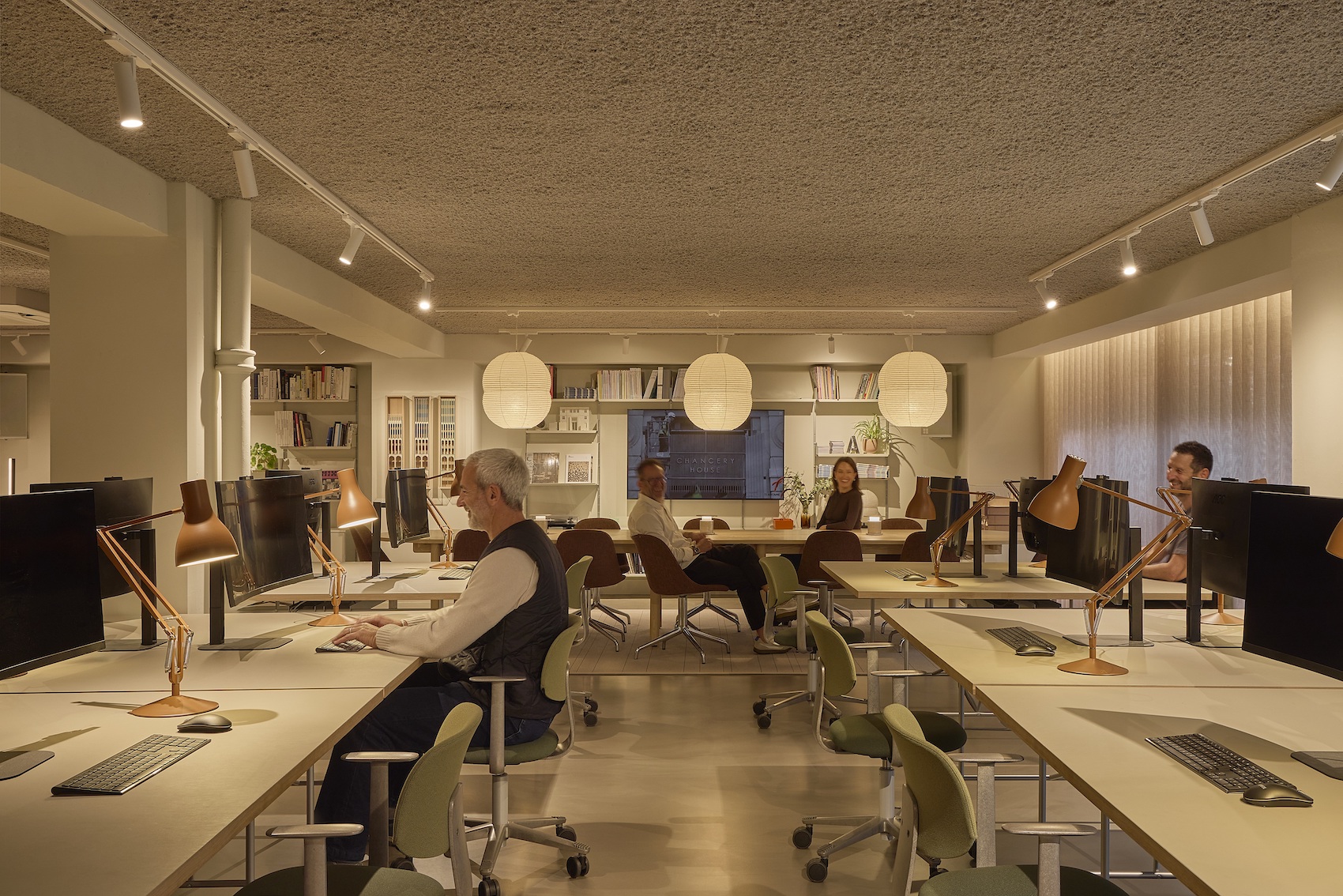
SonaSpray Eco+ acoustic ceiling spray in ‘Downstairs at dMFK’ (photo: Ed Reeve).
Poor acoustics are an invisible user experience failure, responsible for £40 billion in lost productivity and staff turnover across UK businesses. They reduce focus, harm wellbeing, and increase employee turnover, yet they are almost always overlooked in workplace design.
Walk into most offices and everything seems designed to perfection: lighting, ventilation, furniture, and spatial layout are carefully planned. But noise, the factor that shapes how people actually work and feel, is rarely treated as a design priority.
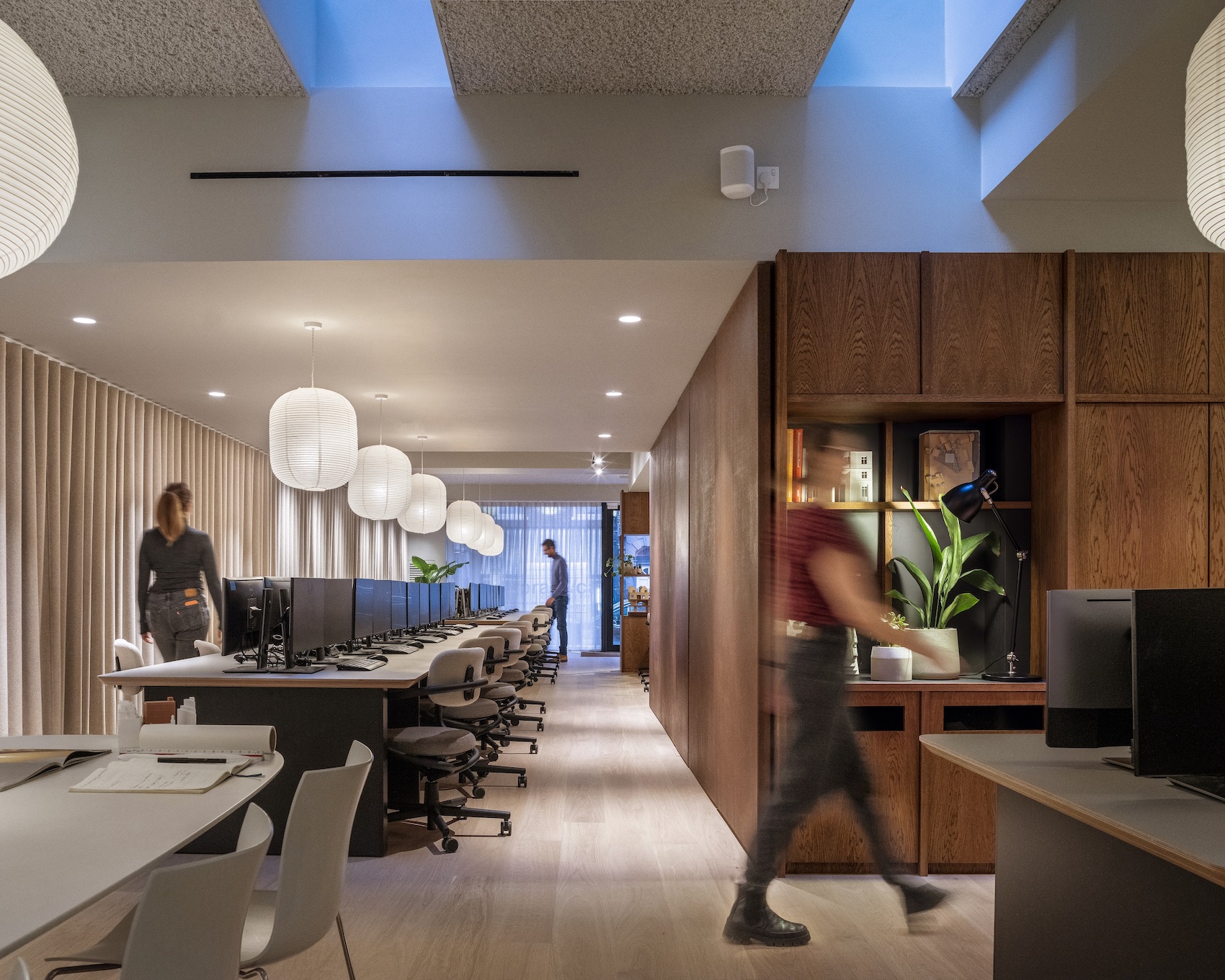
SonaSpray in dMFK’s HQ at 76 Charlotte Street, London (photo: Killian O’Sullivan).
Oscar Acoustics surveyed 2,000 UK office workers to measure the impact. The findings highlight both the productivity and human cost:
Productivity impact
- Employees lose an average of 26 minutes per workday due to noise distractions.
- That totals over two hours per week per person, or more than a month of lost productivity per year.
- Almost half of workers cite excessive noise or lack of quiet spaces as their main barrier to focus.
- Two-thirds struggle to concentrate.
- One in three report lower-quality work due to poor acoustic conditions.
Human impact
- Fatigue, stress, headaches, and anxiety are common side effects.
- Nearly half of employees have considered leaving a role because of noise.
- Two-thirds of job seekers now treat acoustic comfort as a key factor when evaluating potential employers.
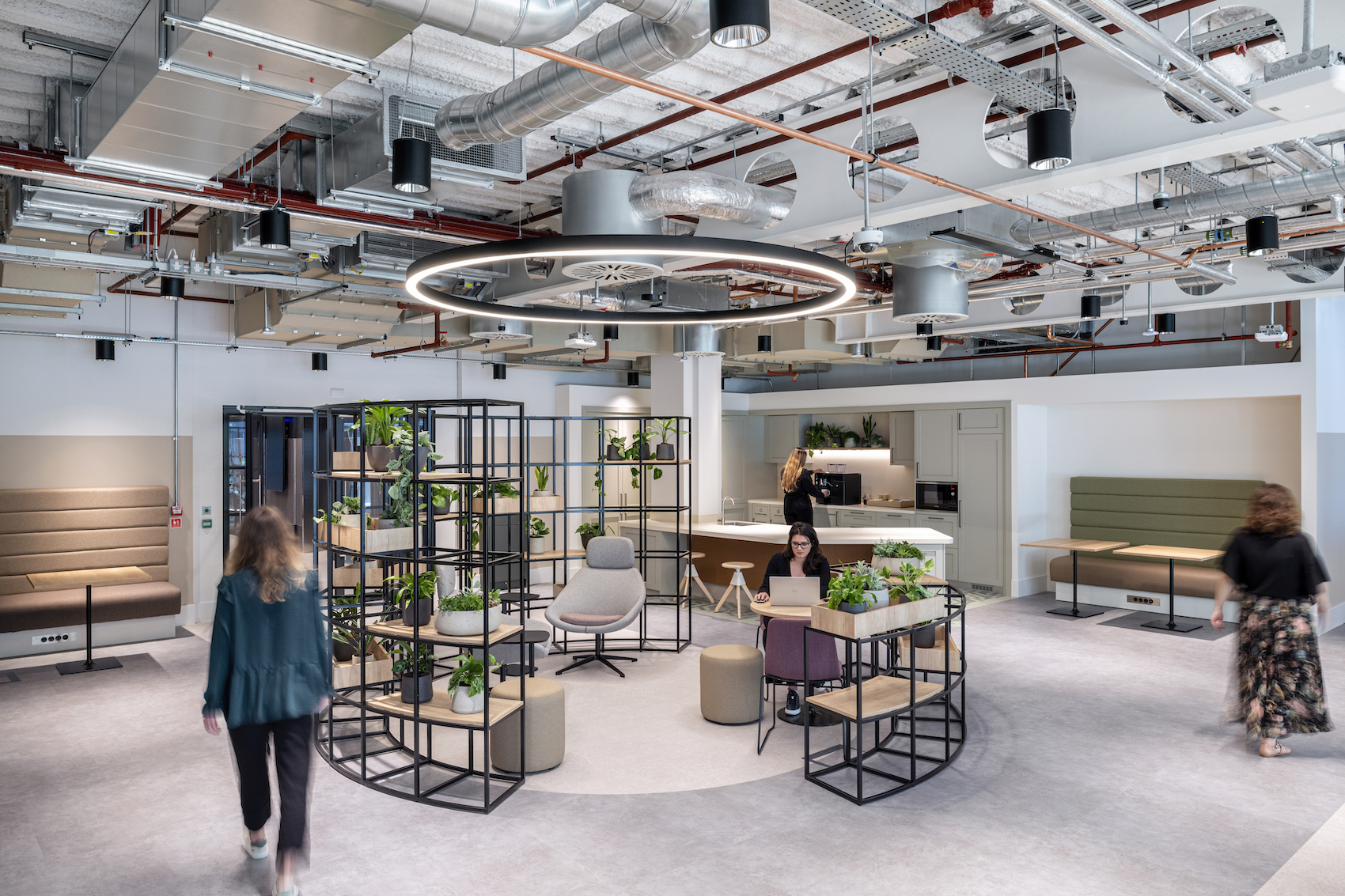
SonaSpray acoustic spray in 20 Water Street offices (photo: Jonathan Banks).
Despite these clear costs, Oscar Acoustics’ survey found that fewer than one in ten employers have invested in acoustic treatments. This reveals a clear disconnect between the scale of the problem and how seriously it is addressed in workplace design. Architects and designers have a critical role to play in closing this gap. When integrated properly, it transforms how a space performs. Conversations become clearer, cognitive load is reduced, and people can focus and collaborate more effectively.
Acoustic design is also central to inclusivity. Around 30 per cent of the UK population are noise-sensitive, including neurodiverse individuals and those with hearing and visual challenges. Designing spaces that accommodate these needs is becoming a baseline expectation, not just best practice.

SonaSpray throughout offices of a global NGO client (photo: Hufton+Crow).
Architects can now demonstrate audio-inclusivity in a clear, measurable way through Sownd Certification. Developed by Sownd Affects, it is the world’s first framework to provide independent accreditation for proven acoustic performance. This gives design teams a credible way to show clients that their spaces support productivity and wellbeing while accommodating the one in three people who are noise-sensitive.
Projects that use Oscar Acoustics’ acoustic sprays or acoustic plasters automatically qualify for Bronze level Sownd Certification, validated by the Institute of Sound and Vibration Research (ISVR) at the University of Southampton. This provides architects with a practical, measurable pathway to inclusive design while enhancing long-term value and return on investment for clients.

SonaSpray in Oscar Acoustics HQ & products showroom. Tours available (photo: Antonia Stuart).
Architects should treat acoustics as they would lighting, ventilation, or accessibility. They are an essential element of successful design. Offices with poor soundscapes are costly, while well-designed spaces protect productivity, wellbeing, and talent retention.
Noise shapes how people engage, work, and how long they choose to stay. It cannot be left to chance. The impact of good acoustic design resonates across every aspect of a space.
Click here to discover how to embed audio-inclusivity in your projects with Oscar Acoustics.