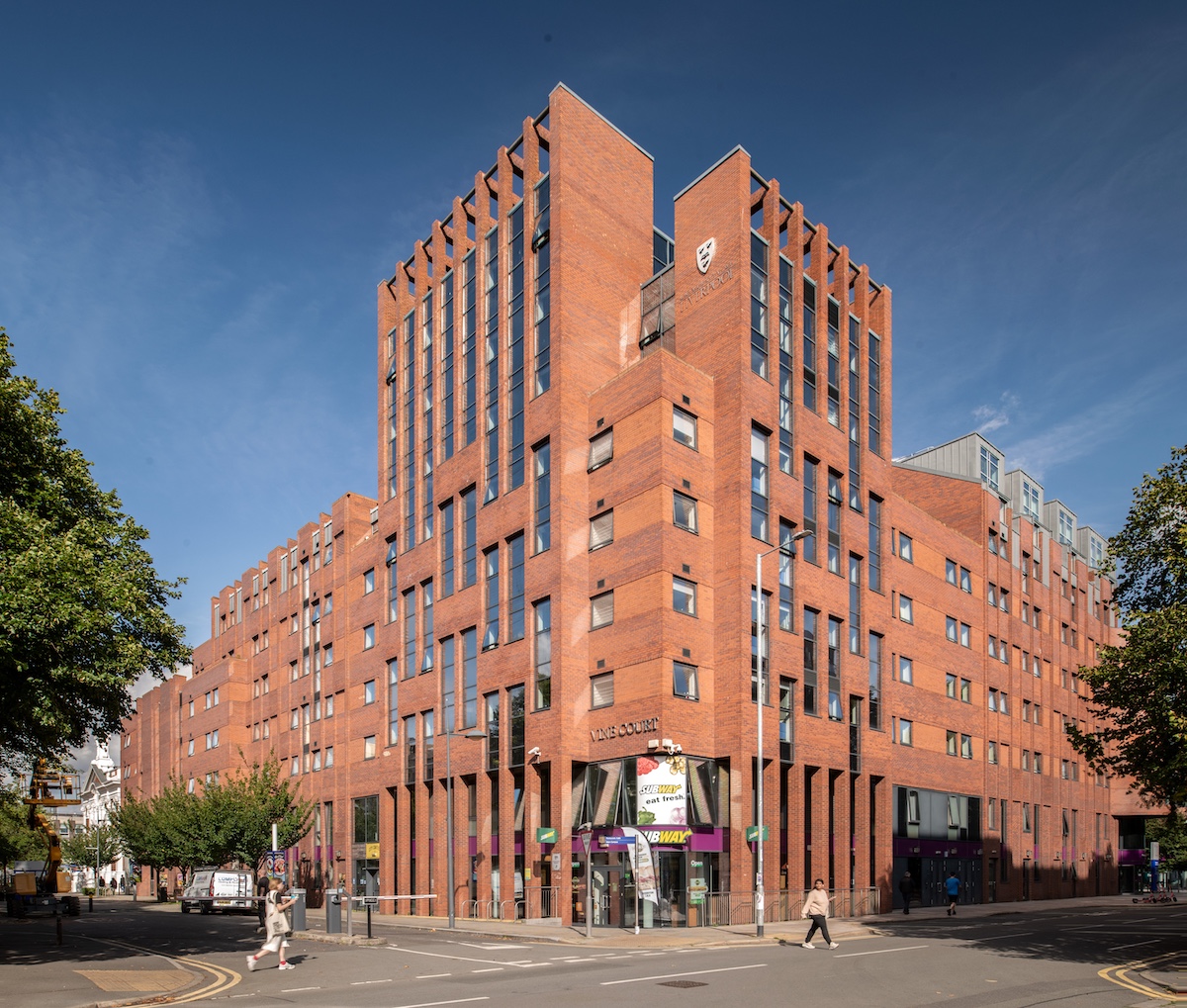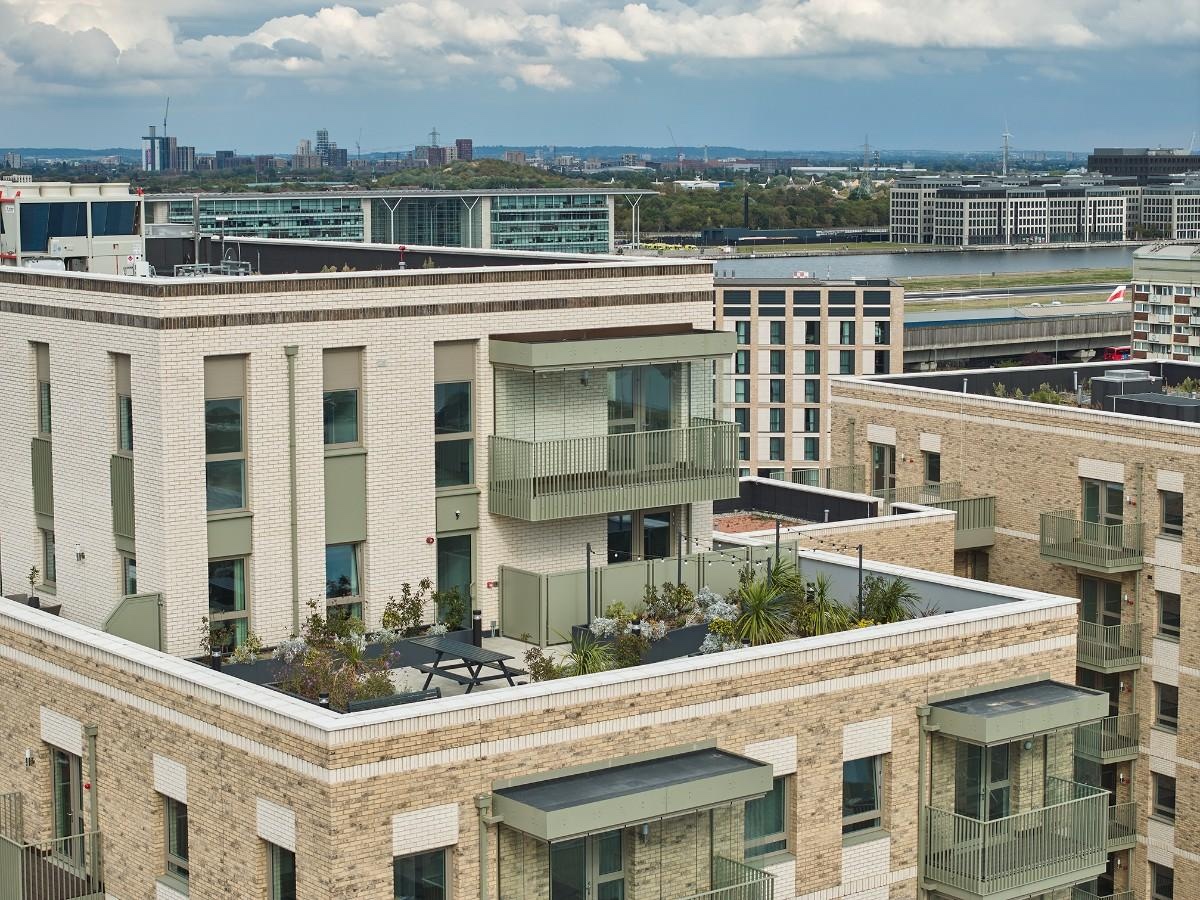
Clay brick has been used in construction for centuries, valued for its reliability, versatility and quiet strength in the built environment. From historic cityscapes and conservation areas to contemporary housing and large-scale commercial schemes, brick continues to play a central role in shaping the appearance, performance, and longevity of our built environment. Whether used as a traditional facing brick or as part of a modern brick cladding system, brick offers designers and specifiers a material that strikes a balance between aesthetic quality and long-term performance.
The benefits of brick
One of brick’s greatest strengths is its durability. Properly specified and installed, brickwork can last for generations with minimal maintenance. This longevity contributes directly to its cost efficiency over a building’s lifetime, reducing the need for replacement or intensive repair. Brick is also a robust and repairable material. Individual units can be replaced without affecting the wider façade, supporting long-term adaptability and offering re-usability that aligns with circular economy principles. Many clay bricks can be reused or recycled at the end of a building’s life, reducing environmental impact.
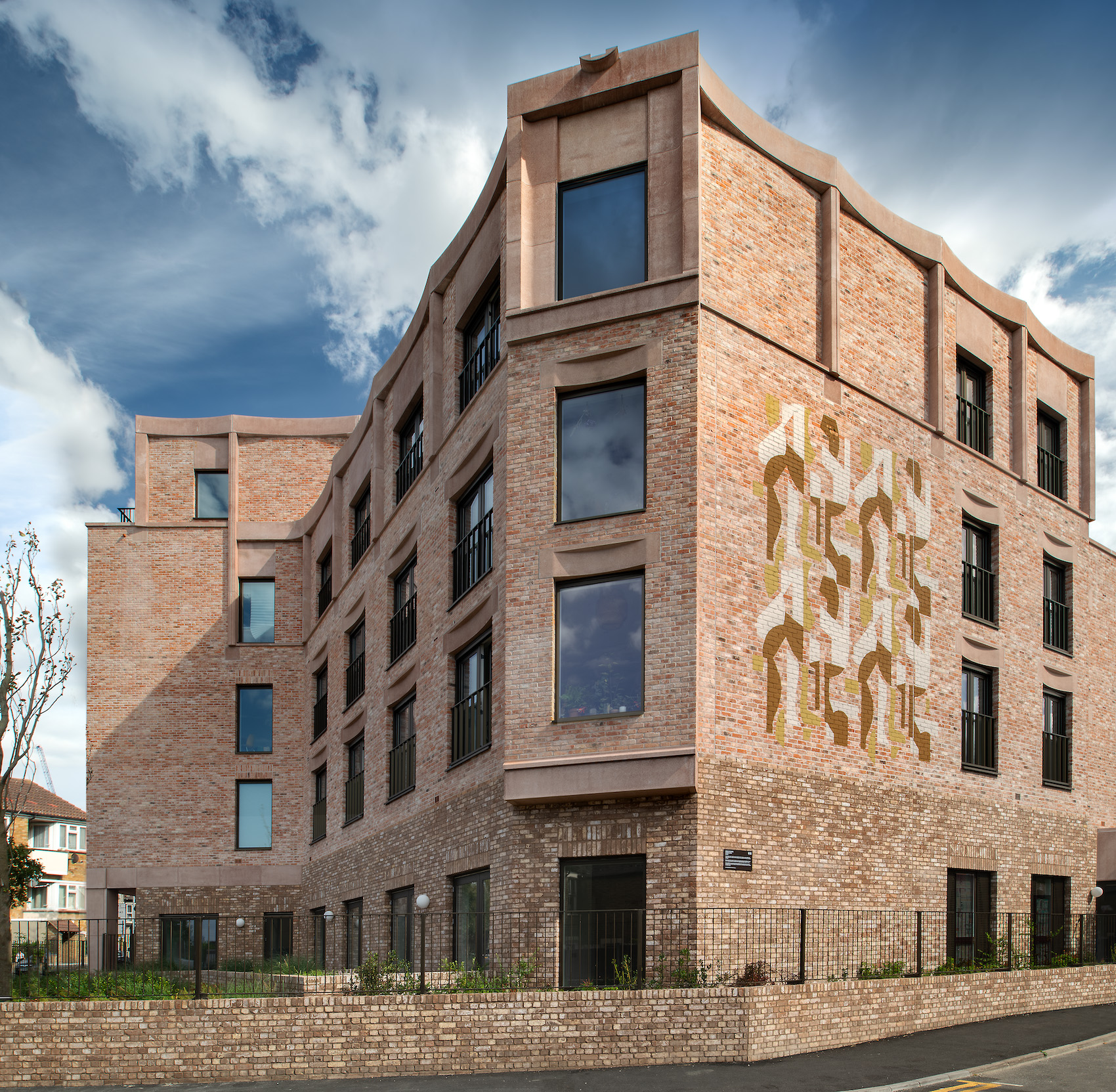
From a sustainability perspective, clay brick performs well thermally, helping to regulate internal temperatures by absorbing and releasing heat gradually. Combined with modern insulation strategies, brick façades support the creation of efficient and comfortable buildings.
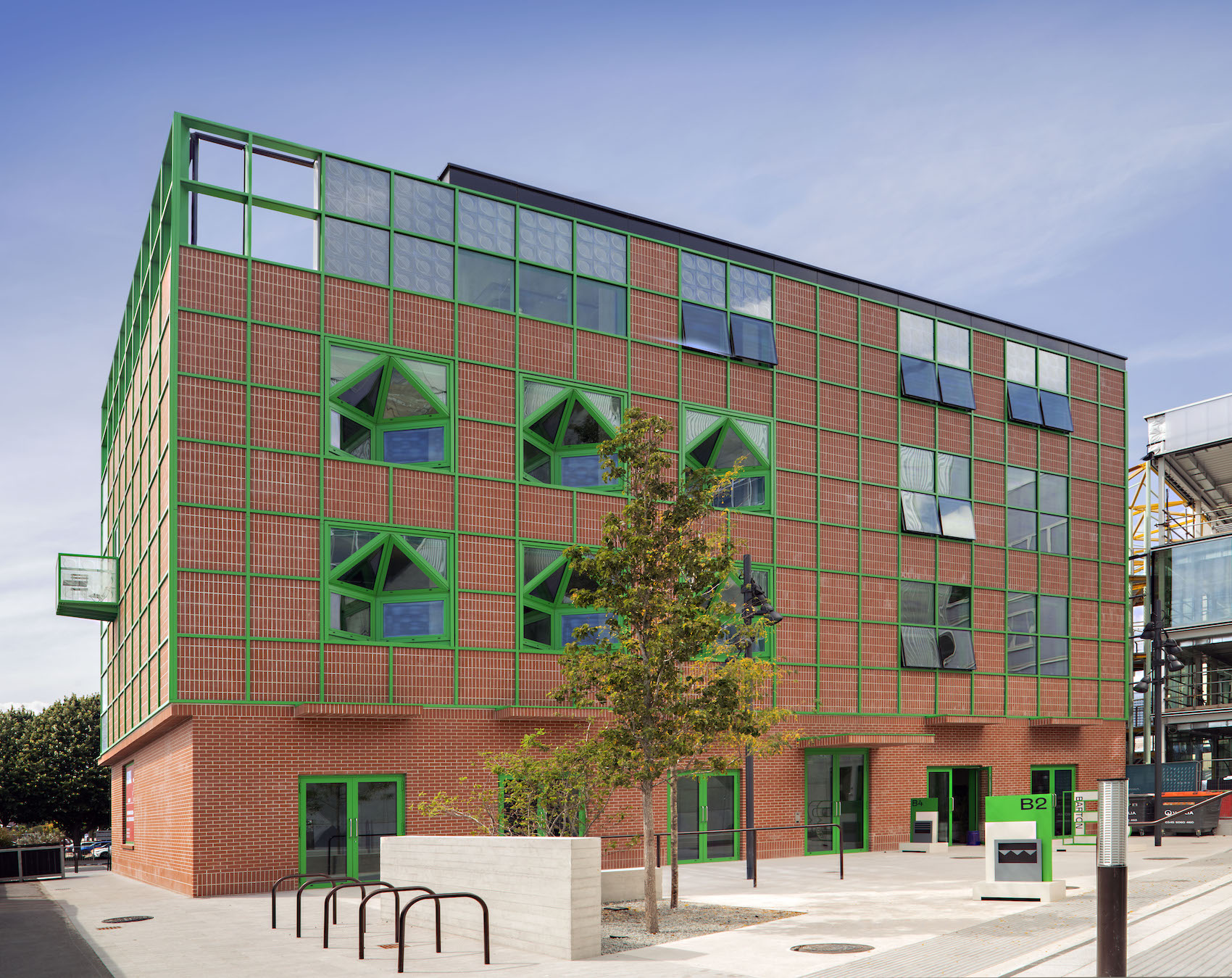
Aesthetically, clay brick offers exceptional variety. A wide range of natural colours, textures, sizes and finishes allows designers to respond sensitively to context or make a bold, deliberate architectural statement. Whether the goal is to blend seamlessly into a historic setting or introduce contrast and rhythm to a contemporary elevation, brick provides flexibility without compromise.
Choosing the right brick
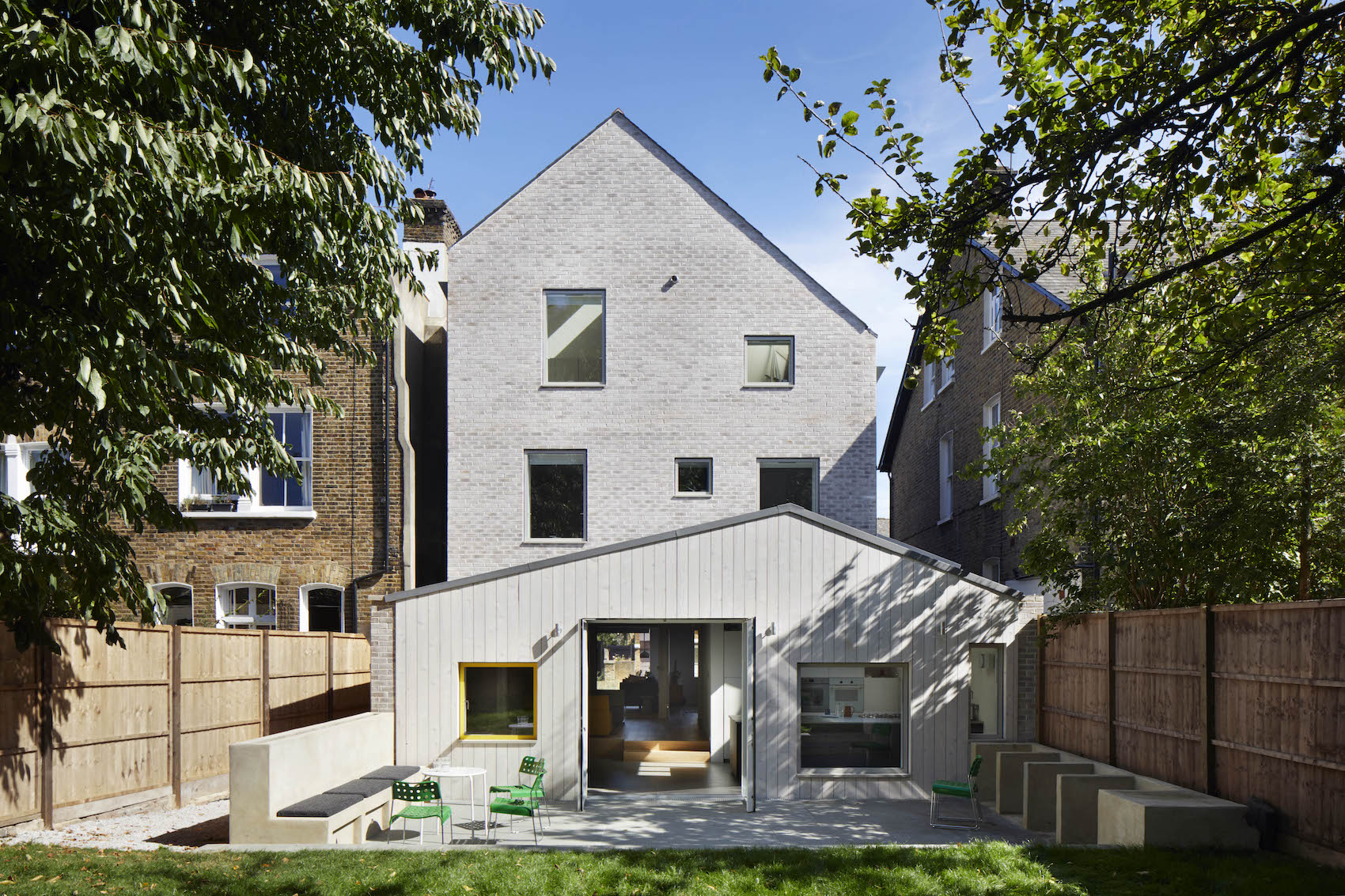
Selecting the right brick begins with understanding context. In conservation areas, matching tone, texture and format is often essential, ensuring new development respects its surroundings. Traditional colours and handmade or stock finishes are frequently chosen to achieve visual continuity. Colour, size and bond all influence how a building is perceived, making early and informed selection an important part of the design process.
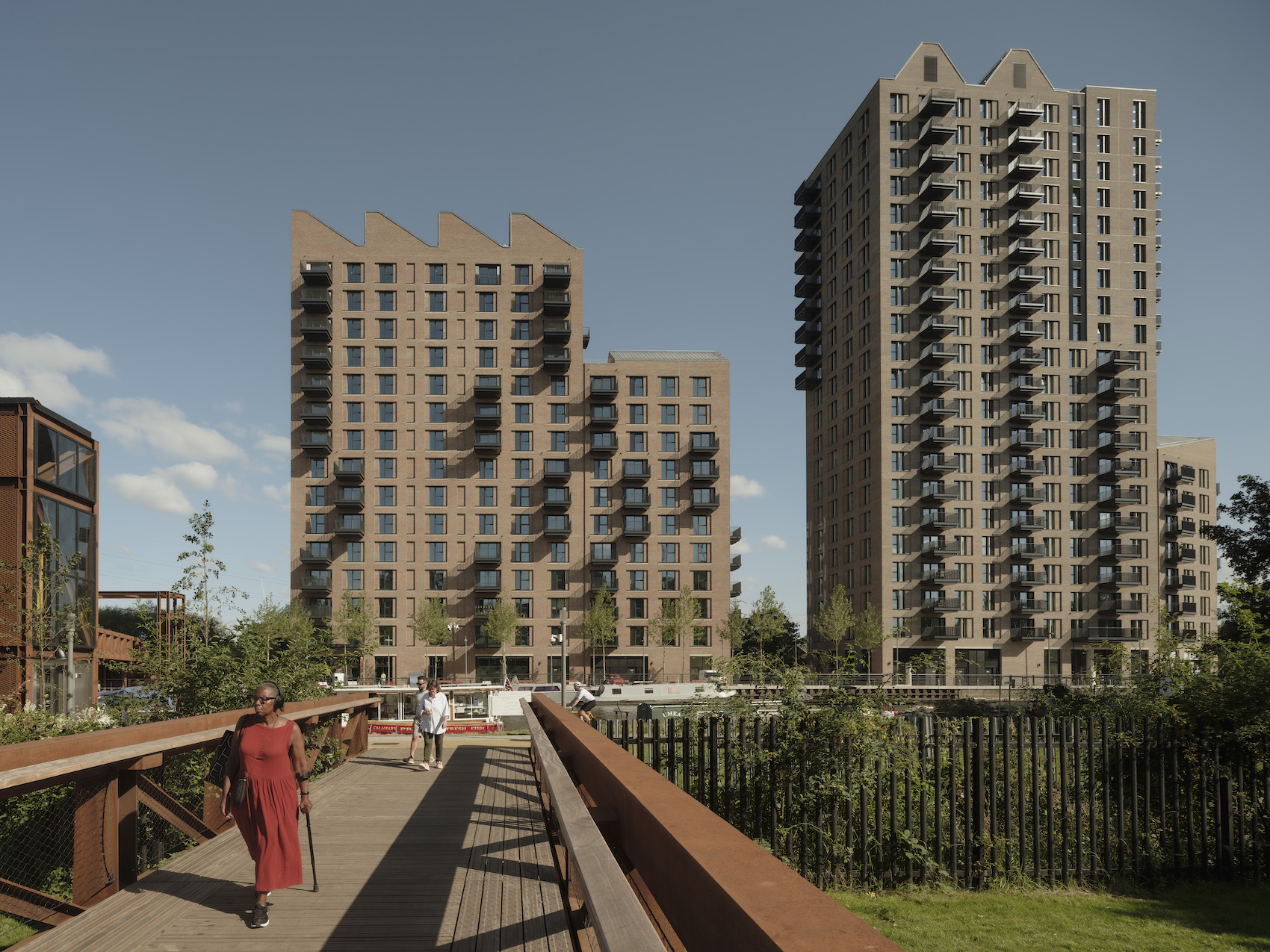
For modern builds, designers may explore bolder colours, smoother textures or elongated formats to create clean lines and strong architectural identity. Brick cladding systems also offer solutions where speed of construction or restricted site conditions are critical. FabSpeed’s range of brick façade panels, for example, allows the visual quality of brick to be delivered efficiently where space is limited or programmes are tight.
Tools that support confident specification
Finding the right brick is supported by a range of practical tools. Michelmersh’s Swatchbook allows specifiers to assess colour, texture and technical info on the go and case studies provide valuable inspiration, demonstrating how bricks perform across different sectors and architectural styles.
Behind these resources is a team of skilled and knowledgeable staff who understand both product and application. High-resolution brick scans available via the website further support accurate visualisation and informed decision-making.
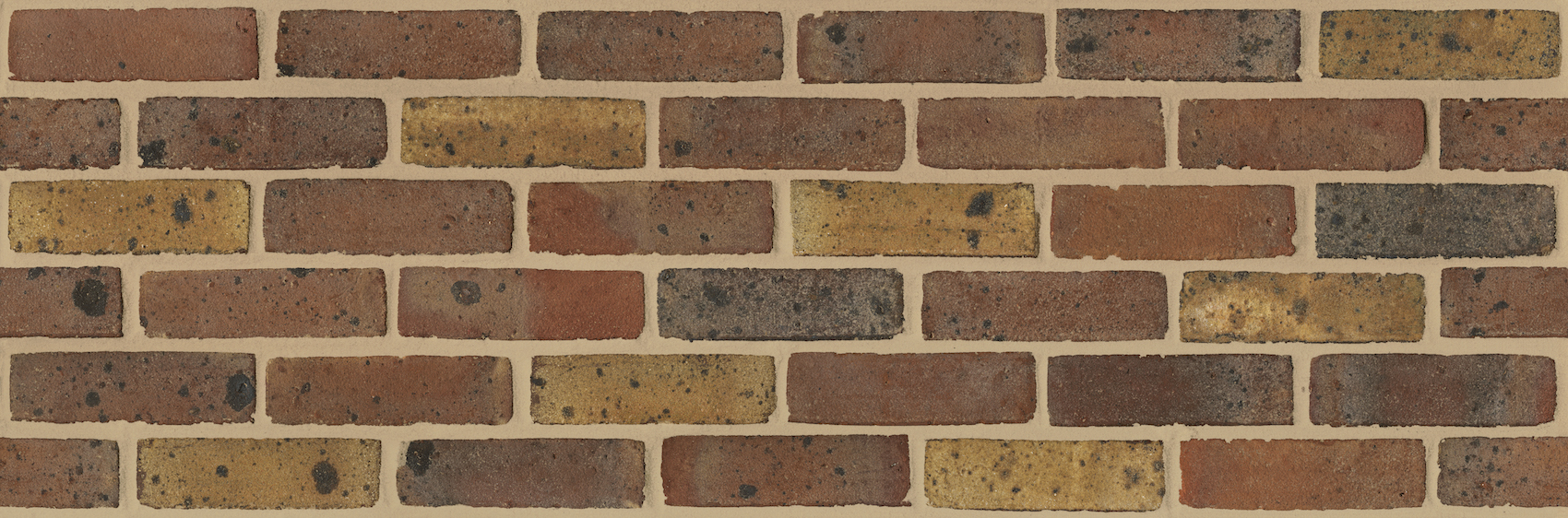
Brick remains a trusted material because it has proven itself over time. Its established heritage, combined with an unmatched range of colours and textures, makes it suitable for almost any setting.
Discover more reasons to pick brick at mbhplc.co.uk.