Regenerative Futures: A panel discussion at UKREiiF from Architecture Today and UK Architects Declare focused on delivering enduring value through heritage, low-carbon interventions, and inclusive governance.
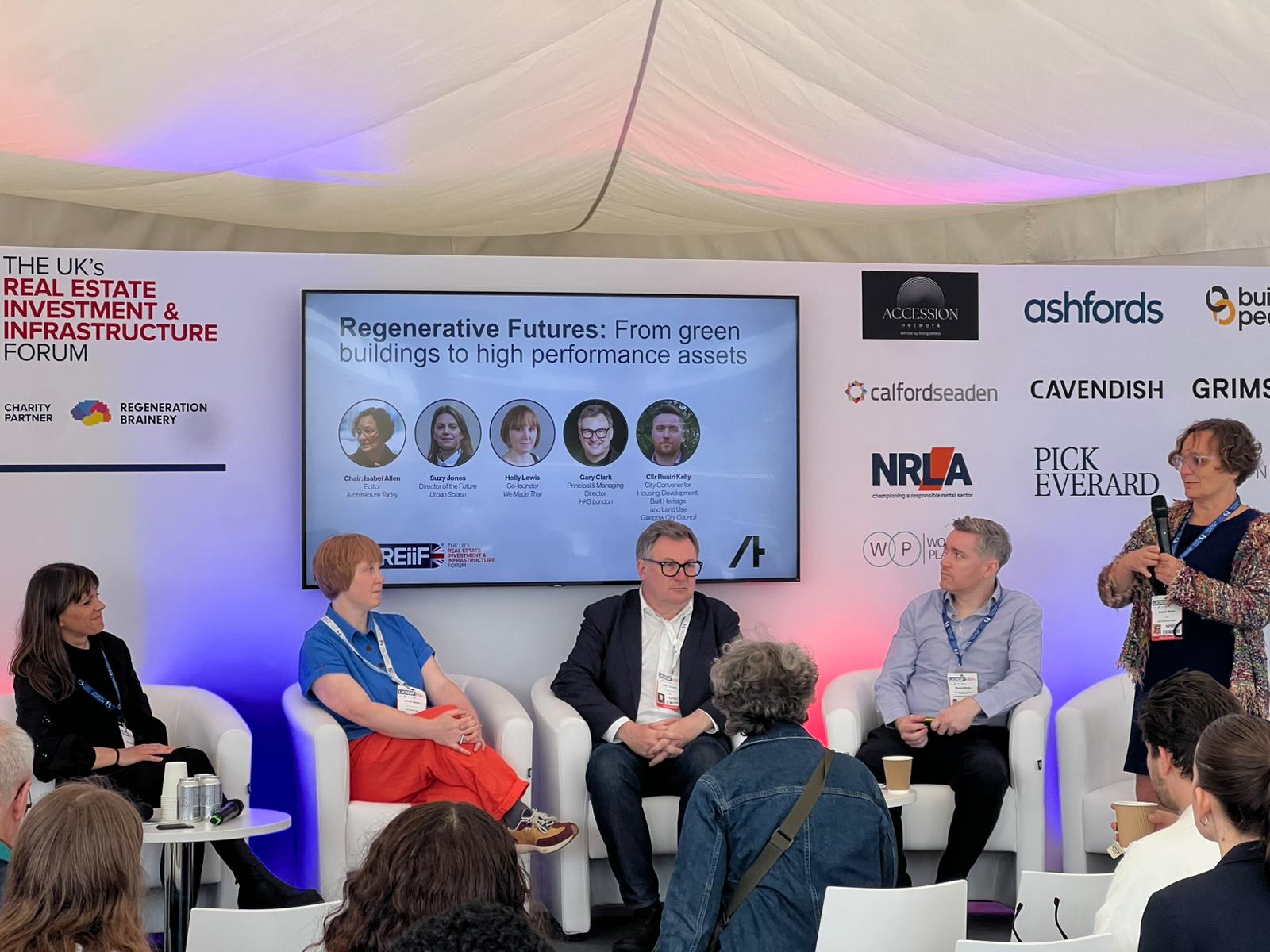
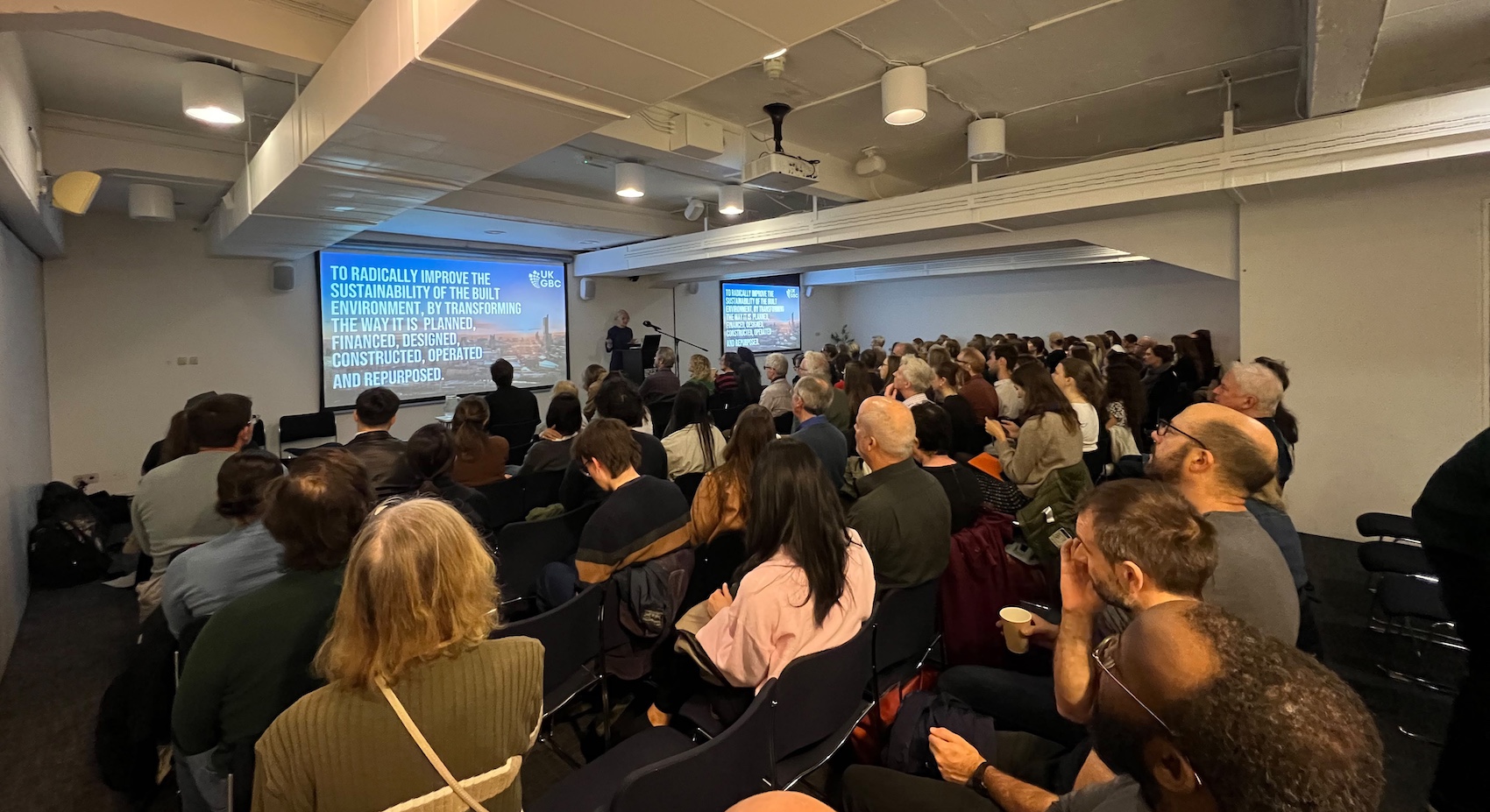
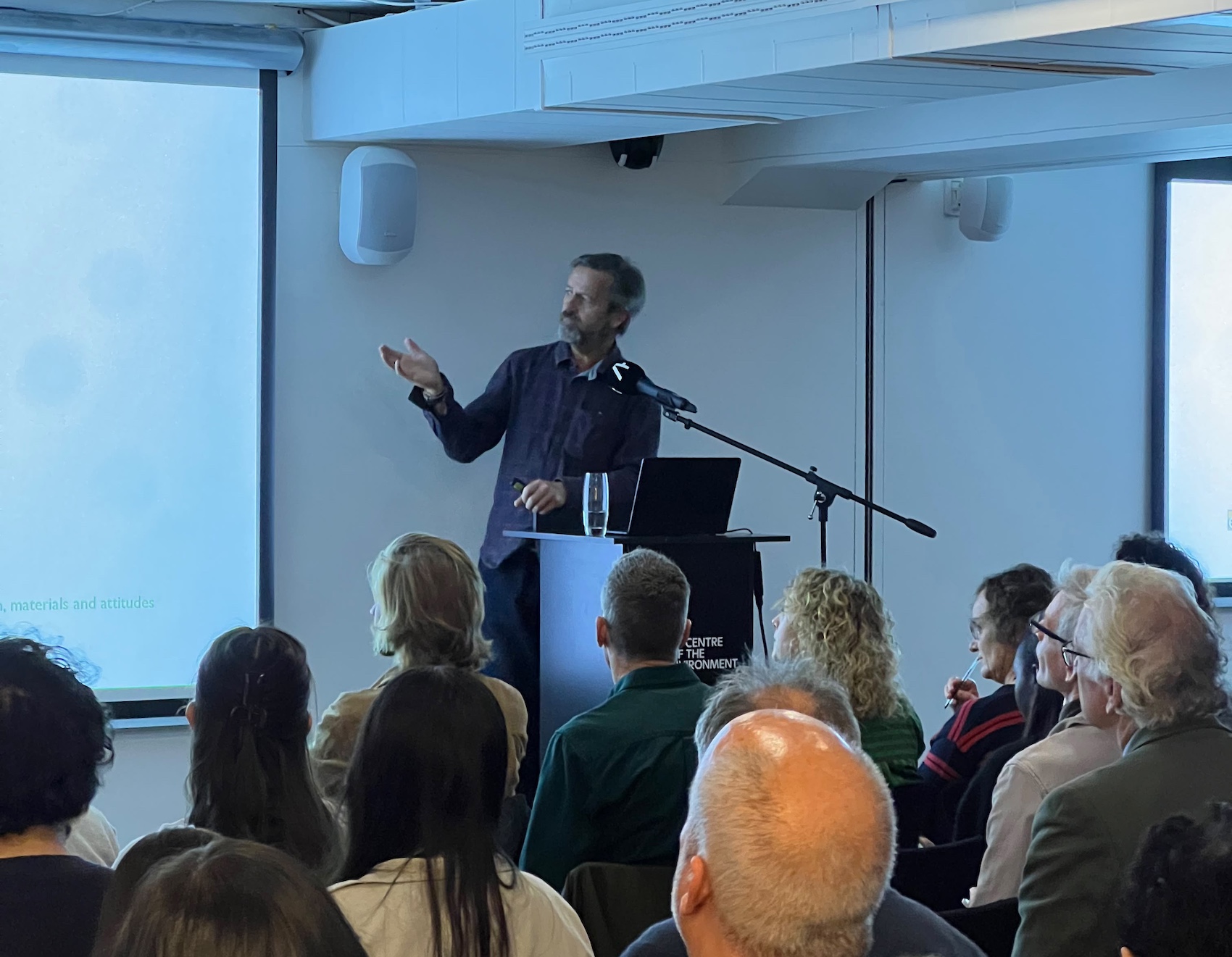
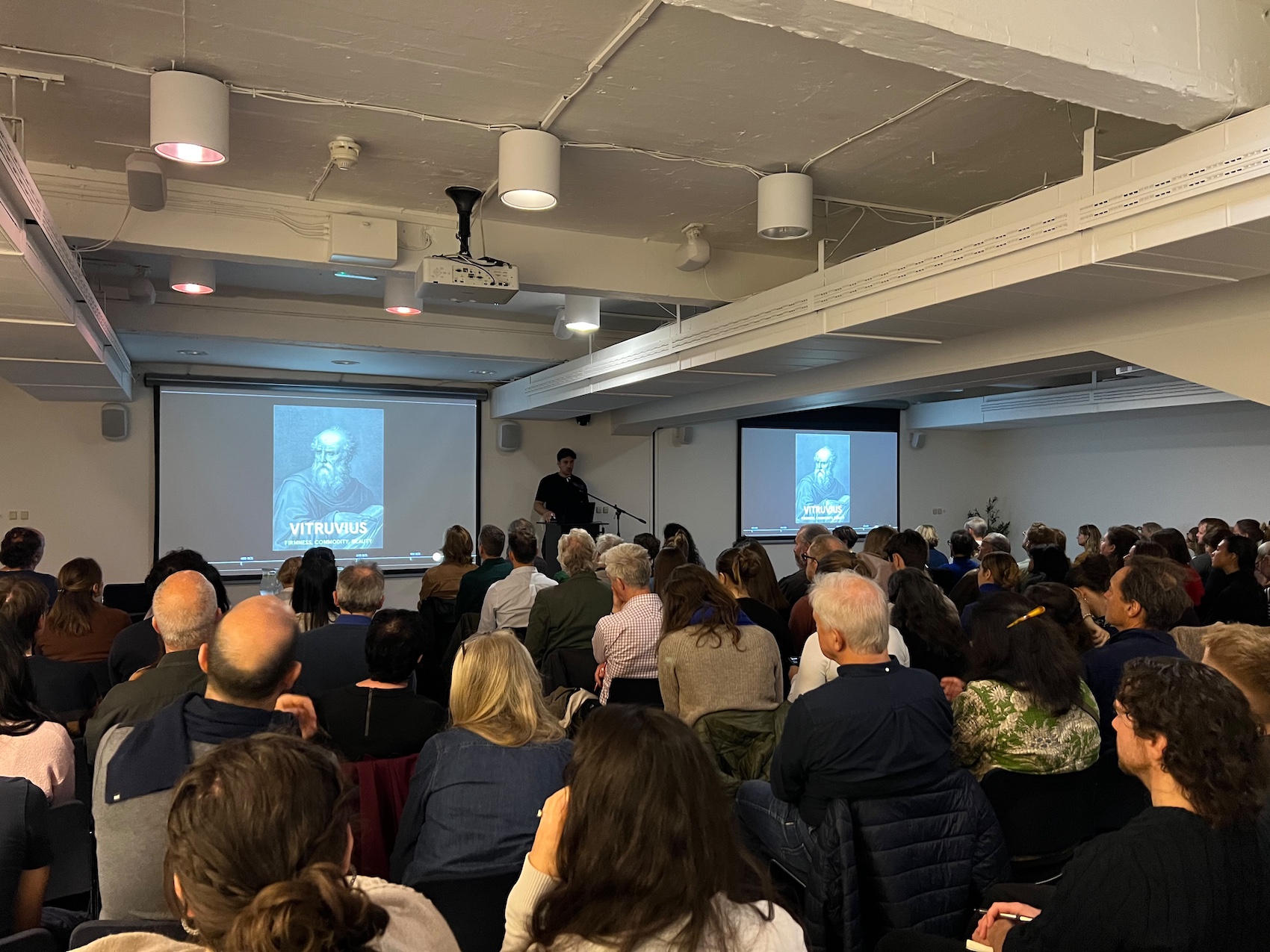
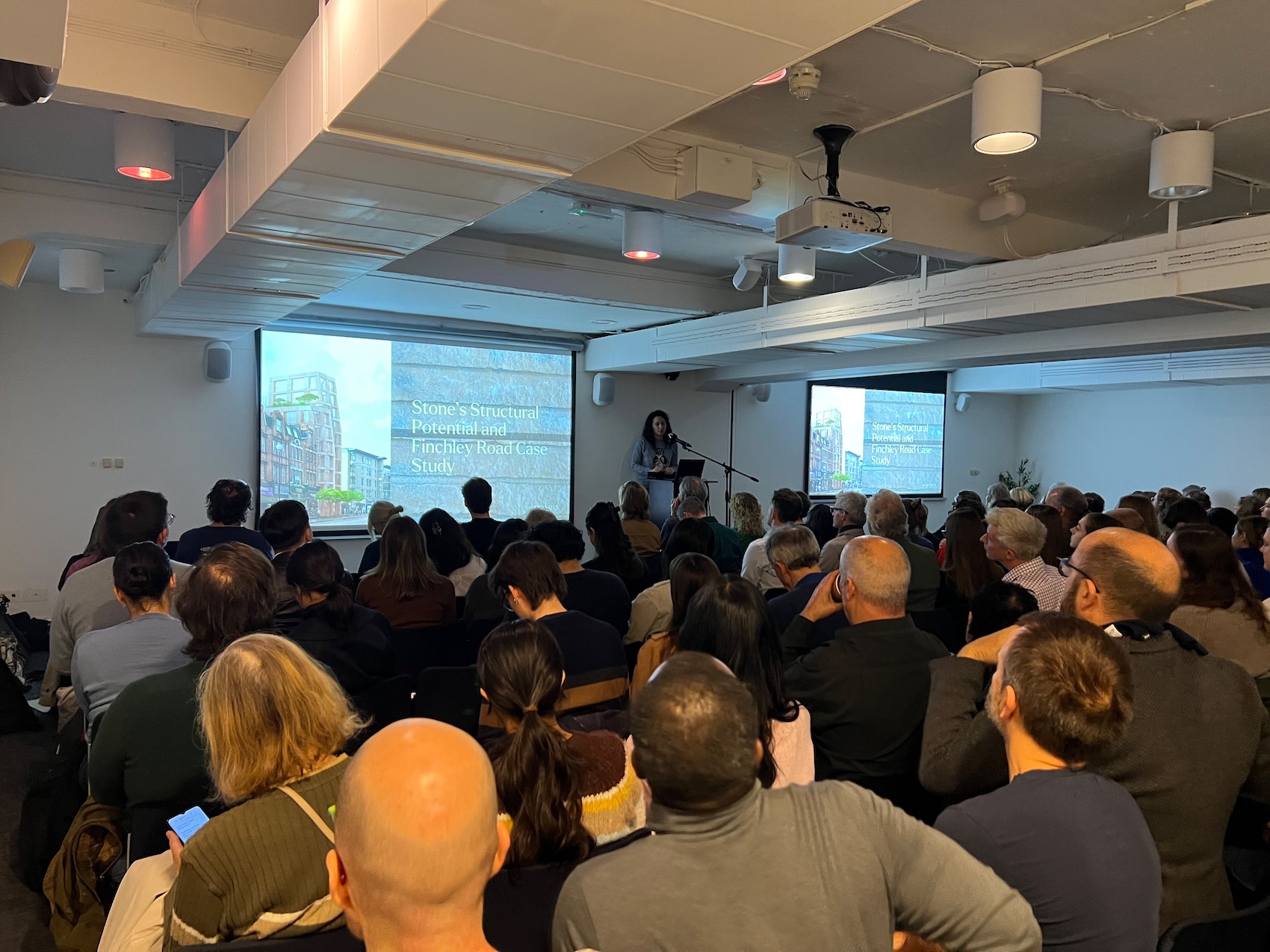
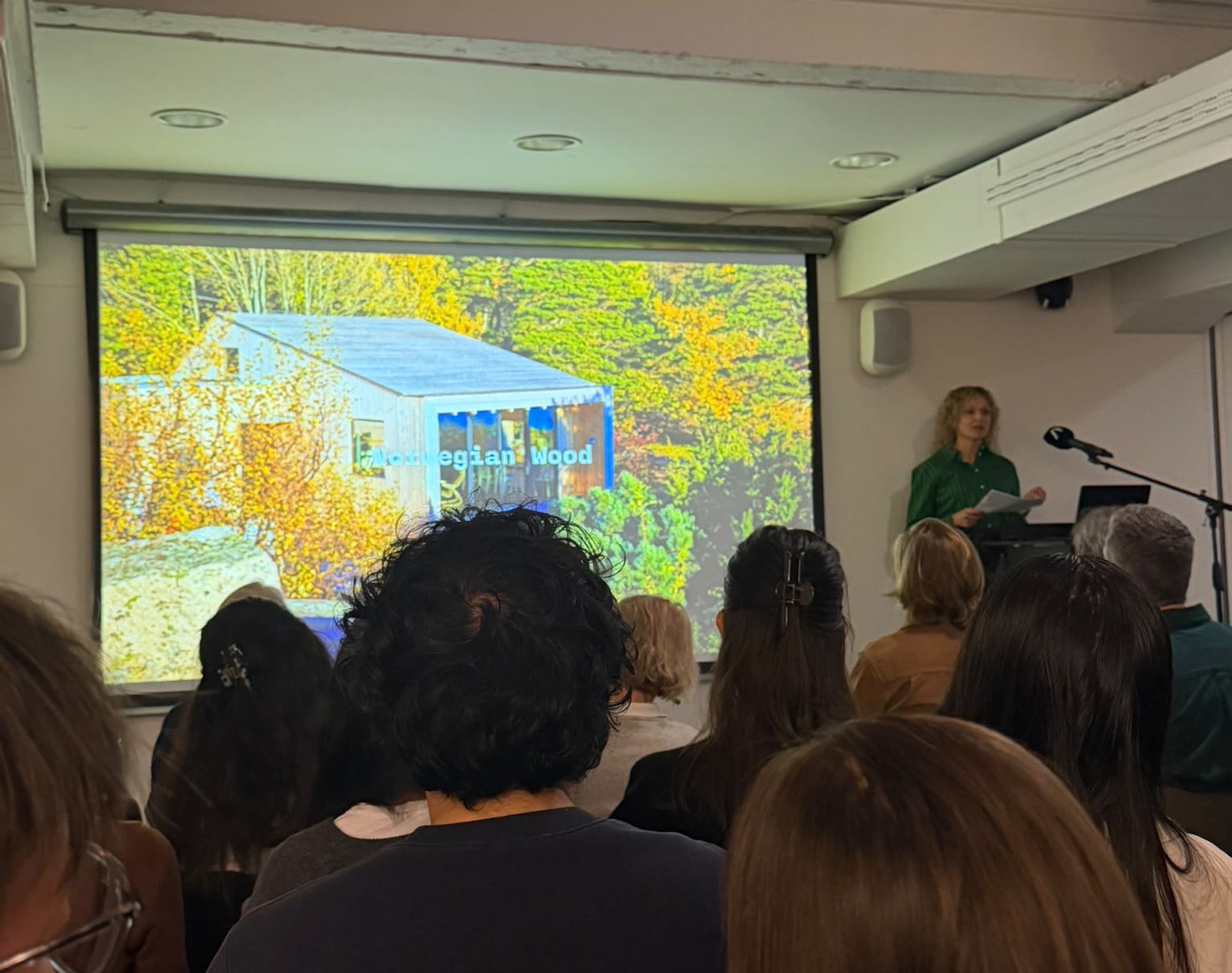
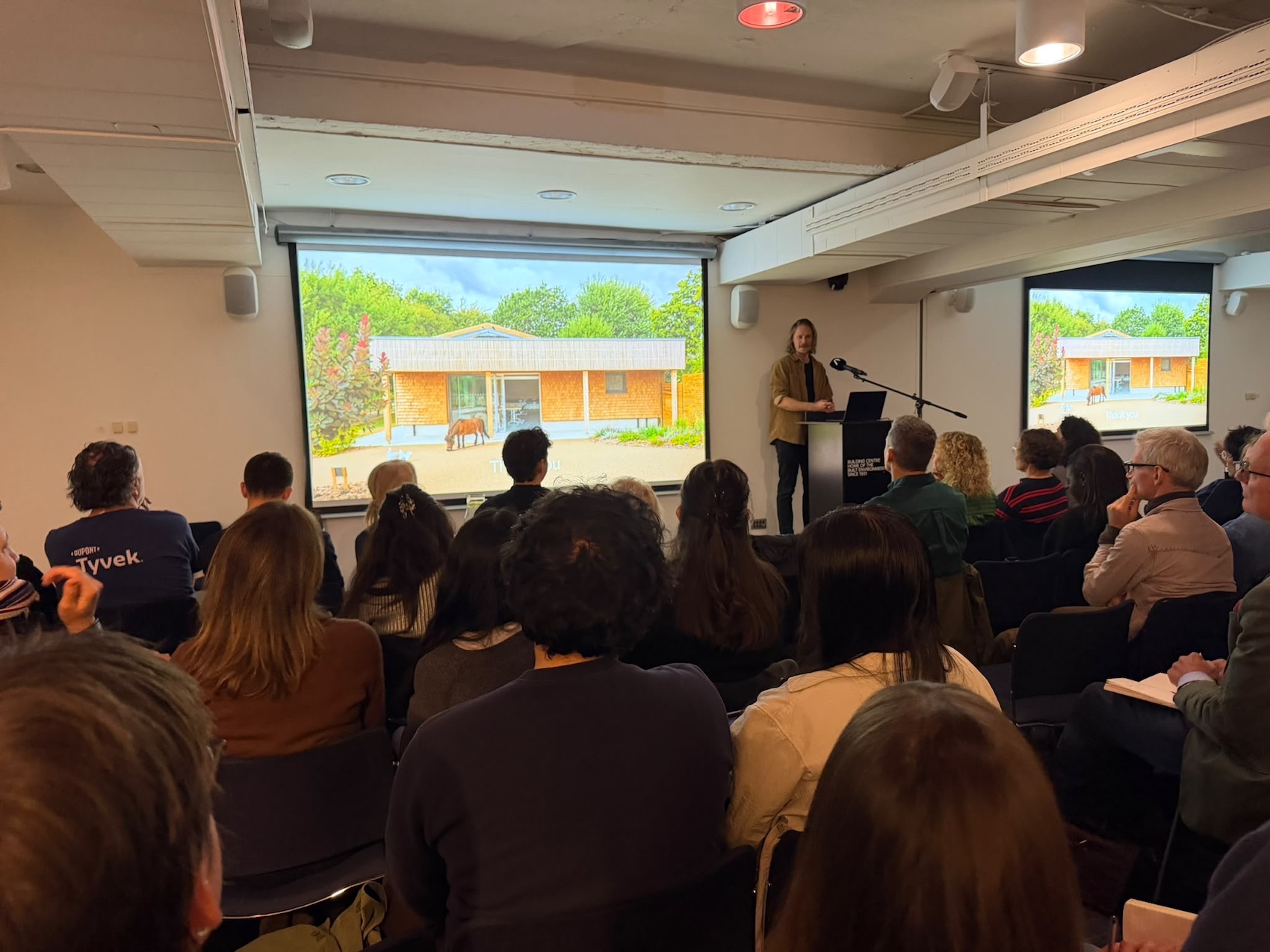
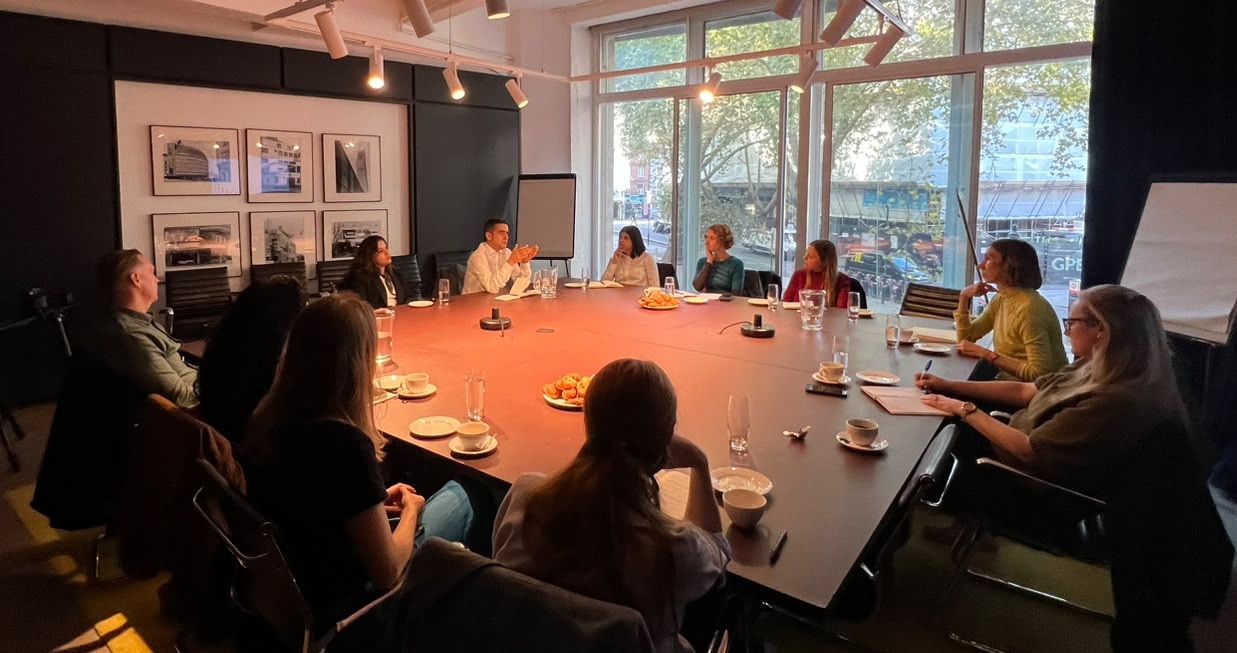
On 21 May, Architecture Today and UK Architects Declare hosted Regenerative Futures: From Green Buildings to High-Performance Assets at the Dockside Pavilion during UKREiiF. The session explored how regenerative design delivers long-term value across heritage retrofits, low-carbon interventions, governance, and nature-led strategies. Chaired by AT Editor Isabel Allen, the panel featured representatives from Glasgow City Council, Urban Splash, and two practices from the Regenerative Architecture Index: We Made That, and HKS, all of who sharing practical examples and research-backed insights.
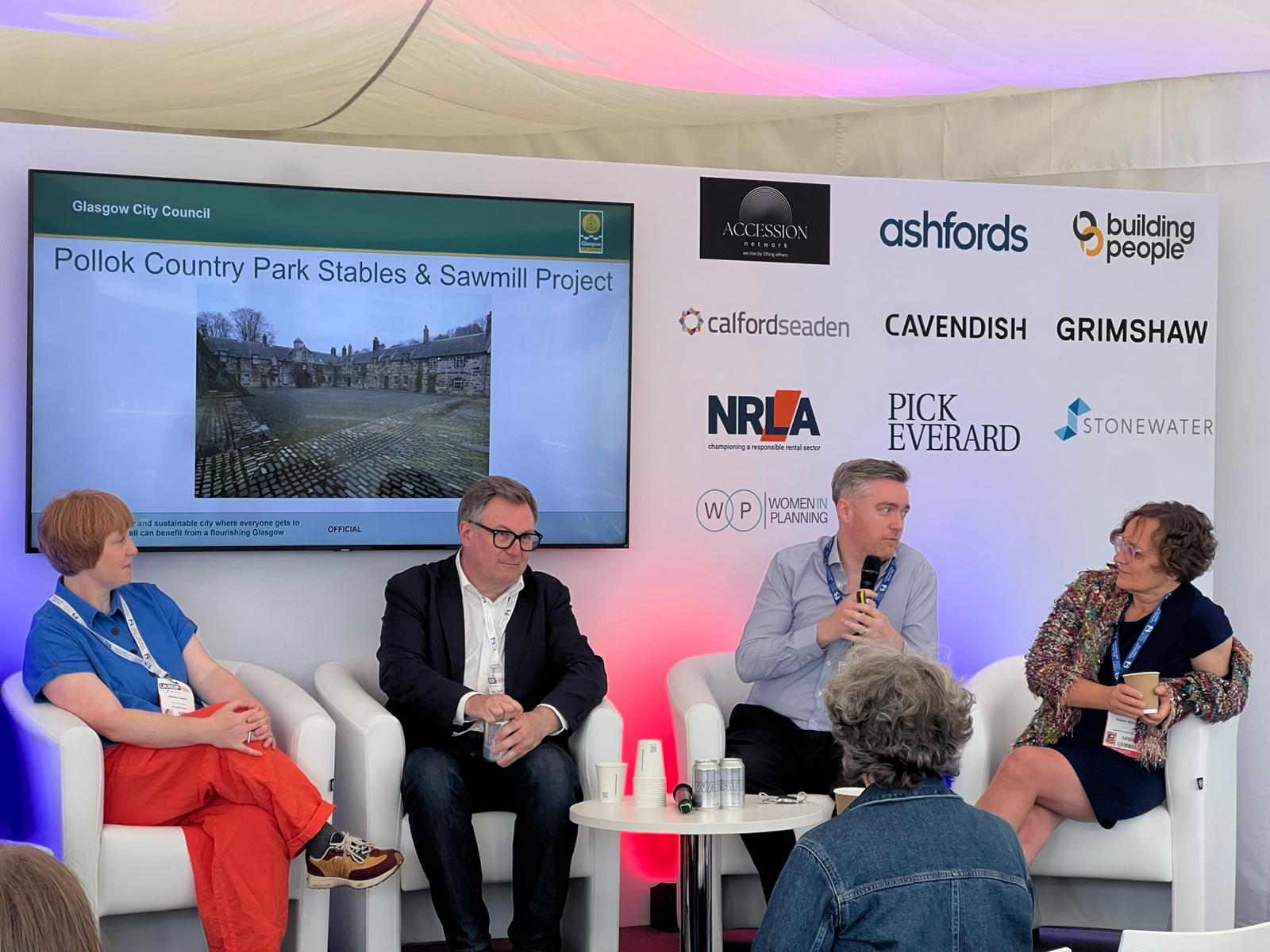
Councillor Ruairi Kelly, City Convener for Housing and Development, Glasgow City Council highlighted Glasgow’s heritage-aligned net-zero projects, such as Kelvin Hall and St. Tiernan’s School. He explained how integrating heat pumps, hydro turbines, solar panels, and battery storage into historic buildings can preserve cultural value while achieving operational sustainability. “The buildings that were built in the 1700s and 1800s are the greenest we have, they’ve stood the test of time. Our role is to make them net-zero without losing that heritage,” he said. These projects, he argued, combine energy efficiency with creative industry support and public access, demonstrating that sustainability and heritage preservation can co-exist.
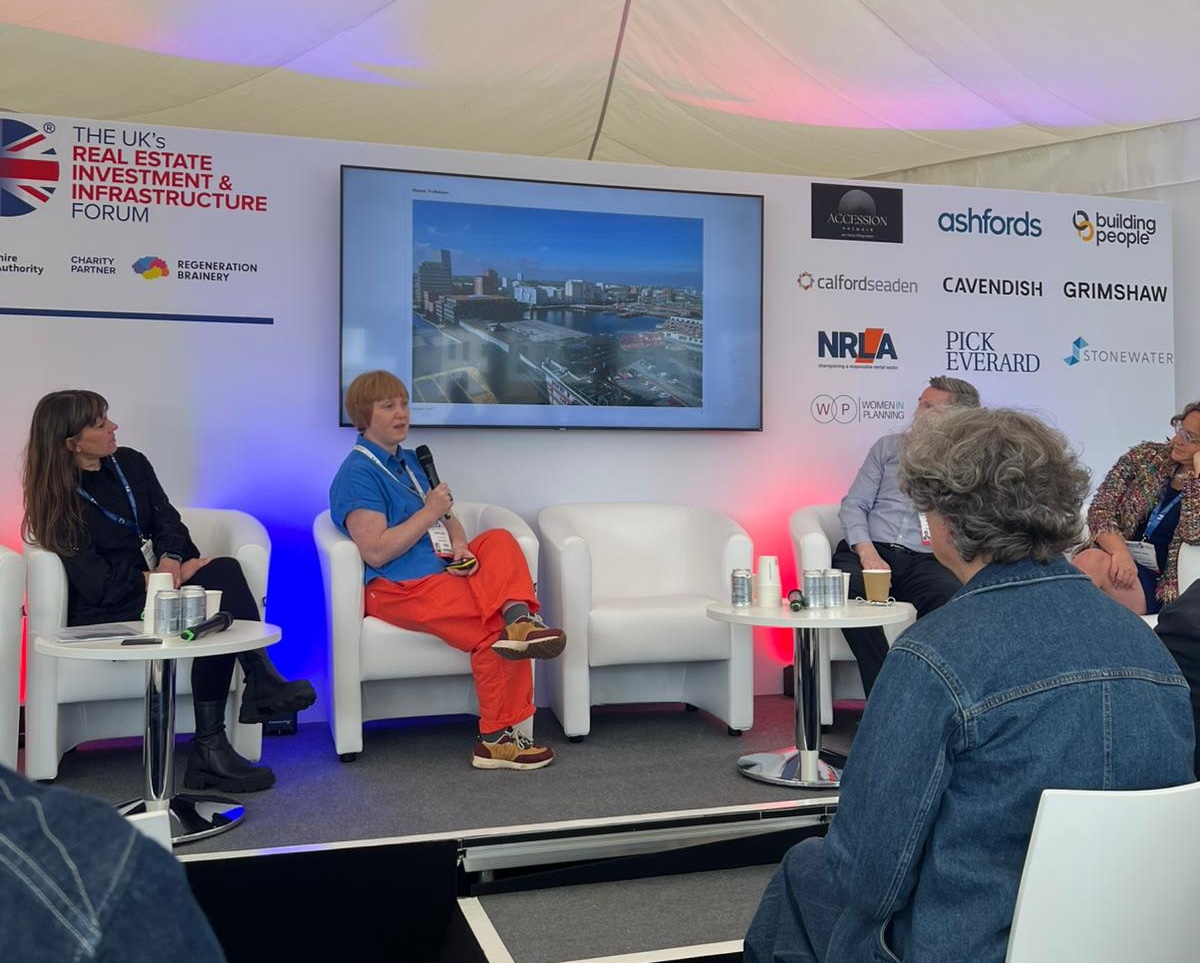
Holly Lewis, co-founder of We Made That described adaptive reuse and low-budget strategies, focusing on projects in Malmö where timber retention strategies annd targeted refurbishments can deliver lifecycle carbon of around 130 kgCO2e/m², up to 74 per cent lower than typical UK delivery.
Looking at her studio’s work for Enfield New Town, Lewis also highlighted inclusive governance initiatives such as peer-led safety audits and youth shadow boards. “Communities hold knowledge we don’t; engaging them is not optional, it’s the core of regenerative practice,” she said. Lewis also illustrated district-scale projects, including Canning Town/Cody Road and new town rewilding in Enfield, showing how ecological and social value can be embedded into urban planning, and be used to leverage rewilding and flood management for nature access and community well-being.
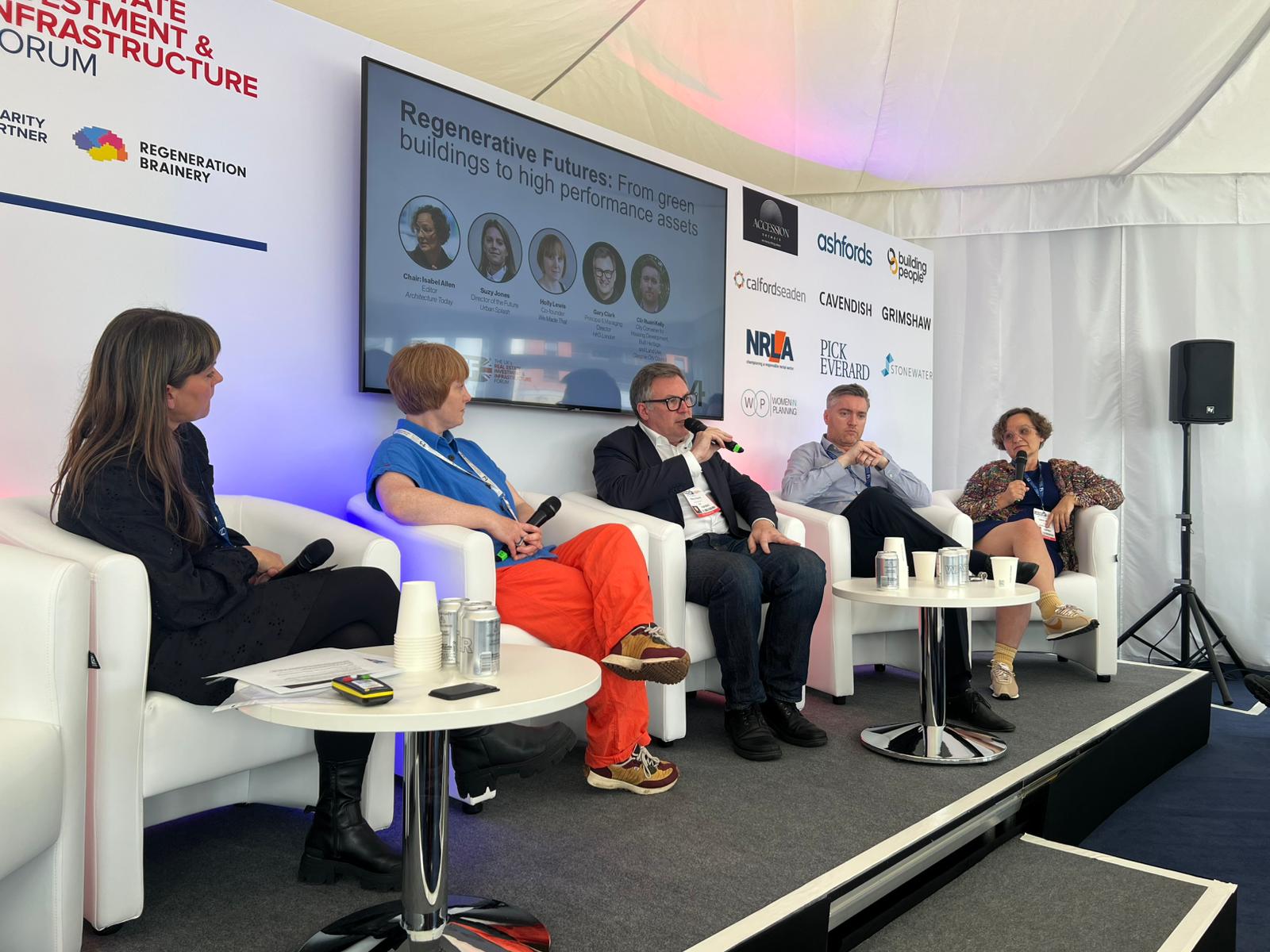
Principal and Managing Director at HKS London, Gary Clark shared the company’s systems-based approach, emphasising early-stage decision-making. He explained how the firm embeds sustainability from the very start of a project, linking initial design decisions to long-term operational outcomes.
“Our aim is to design buildings that are net-positive, not just in energy, but in health, social value, and community outcomes,” said Clark, touching on post-occupancy evaluation, whole-life carbon accounting, and social impact metrics.
In doing so, he illustrated this approach with examples including the Midland Met Hospital and Energiesprong retrofits, highlighting how integrated design teams, stakeholder engagement, and measurable targets create buildings that perform beyond conventional expectations. Clark also spoke about training staff in regenerative principles to ensure knowledge is embedded across all levels of the practice.
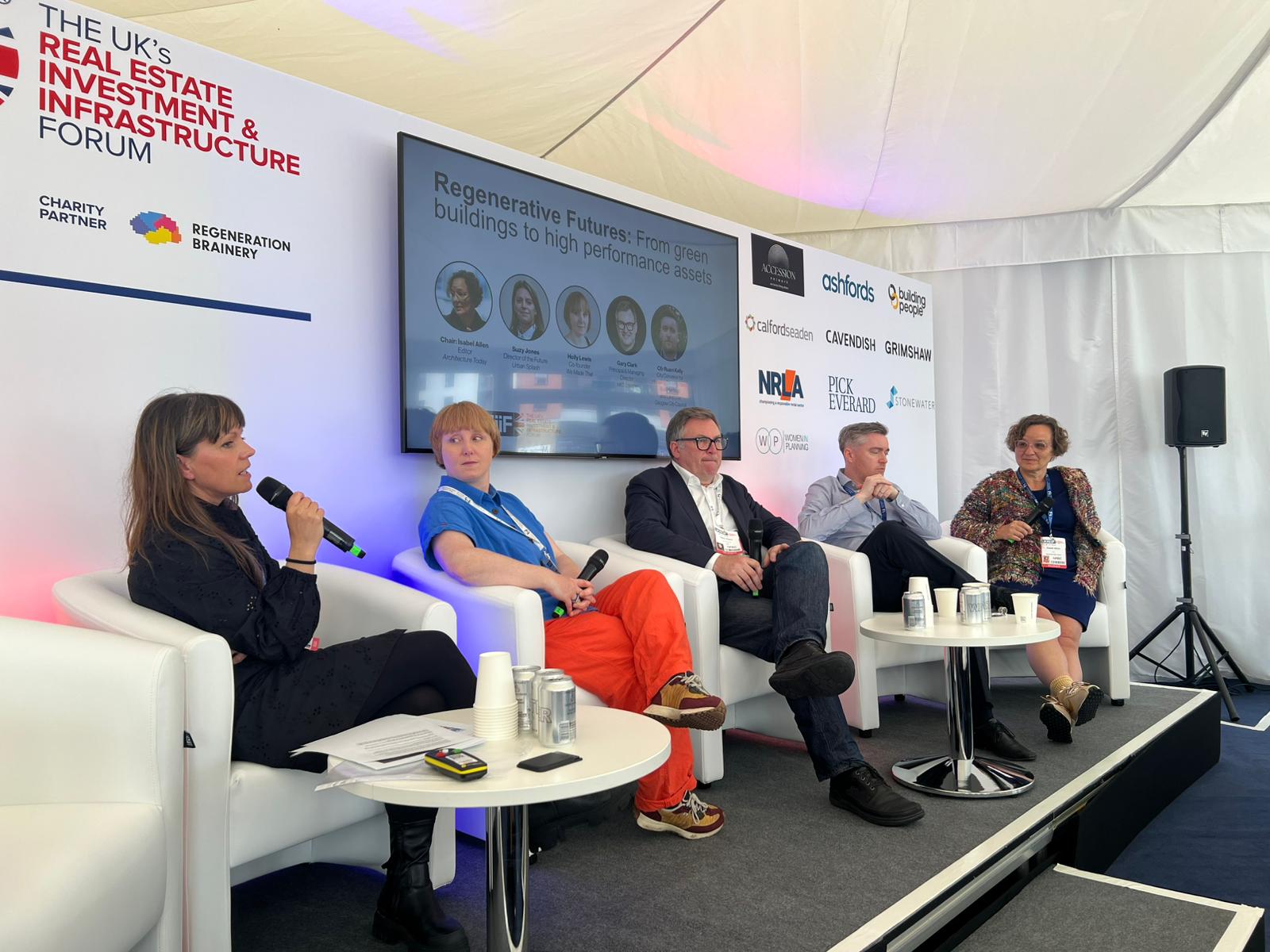
Suzy Jones, Director of the Future at Urban Splash rounded off the presentations by talking about how regenerative thinking is embedded in corporate strategy through incremental, community-first interventions.
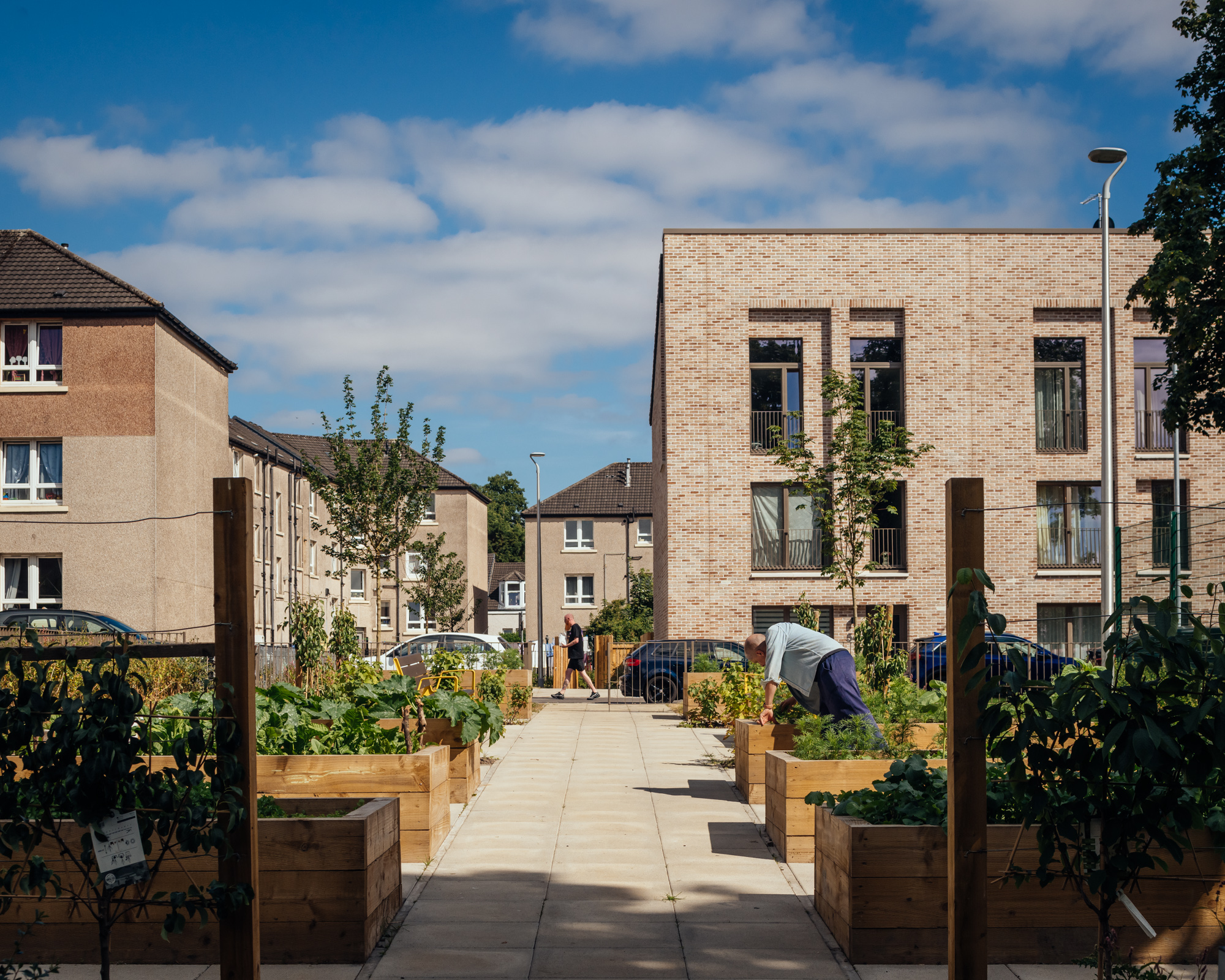
She described pilot projects where co-owned shared spaces, urban gardens, and local water systems enhance ecological and social outcomes while maintaining financial viability. Jones stressed the importance of learning from living systems, cultural continuity, and humility in design. “The future is not just buildings, it’s the way communities live, adapt, and thrive,” she said, adding how small-scale demonstrator projects generate measurable impact, provide data for scaling interventions, and allow communities to co-create solutions that are contextually appropriate and resilient.
Jones, though, was keen to stress how resilient projects cannot work in isolation. In one striking example, Jones brought the audience’s attention to Californian architect Greg Chasen’s home in Pacific Palisades, Los Angeles – a property which famously survived the region’s recent wildfires. But, as Jones was quick to point out, one-off projects like this are essentially ineffectual if the community around them doesn’t take a similar approach.
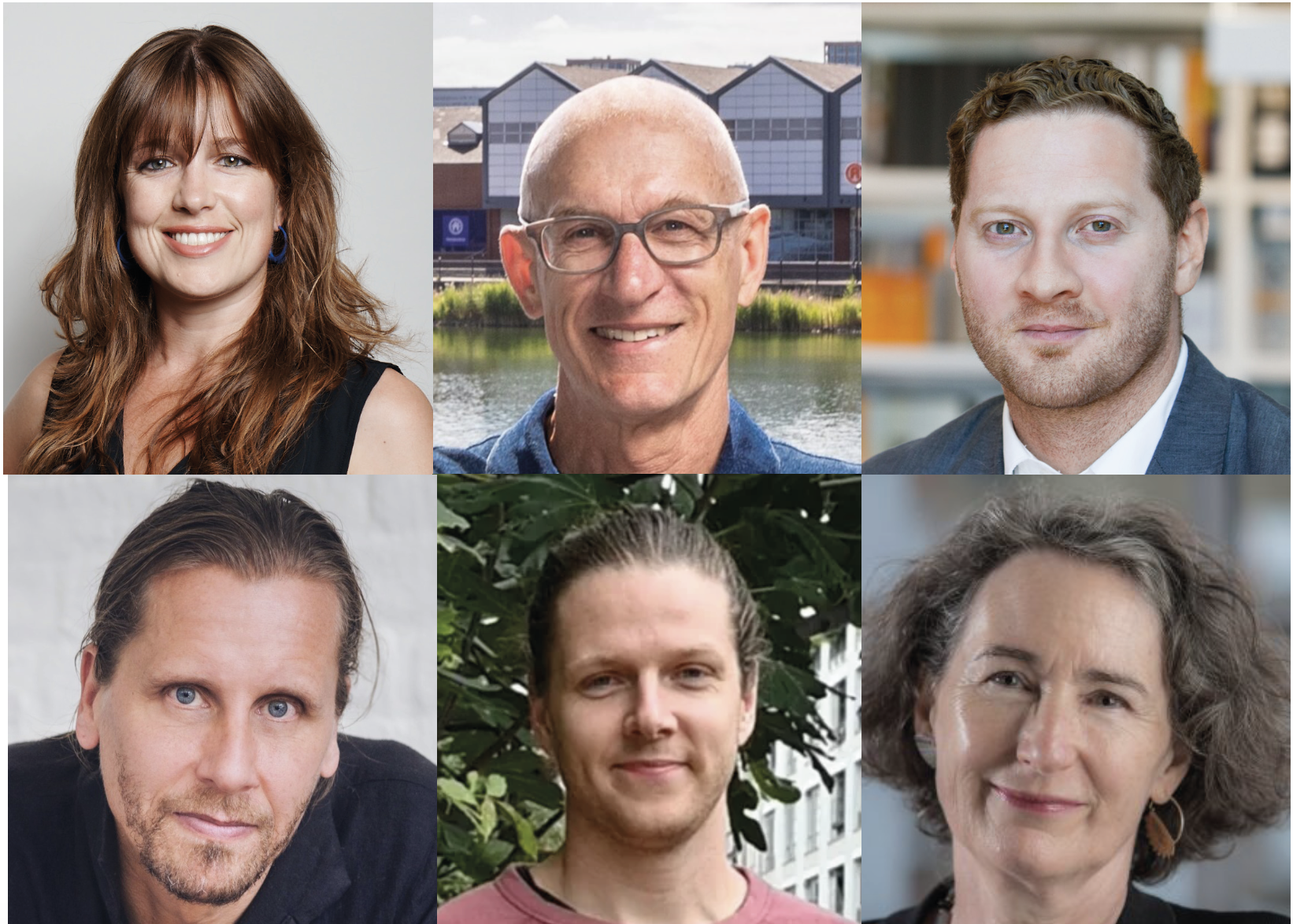
Speakers
Isabel Allen (Chair)
Editor, Architecture Today
Councillor Ruairi Kelly
City Convener for Housing and Development, Glasgow City Council
Holly Lewis
Founding Partner, We Made That
Gary Clark
Principal and Managing Director, HKS London
Suzy Jones
Director of the Future, Urban Splash