For Enzo Favro, regenerative design is about looking beyond a building’s immediate impact to the legacy it leaves behind. The Director of In Opera Group explains why natural stone, terrazzo and a long-term approach to material value are central to creating places that last.
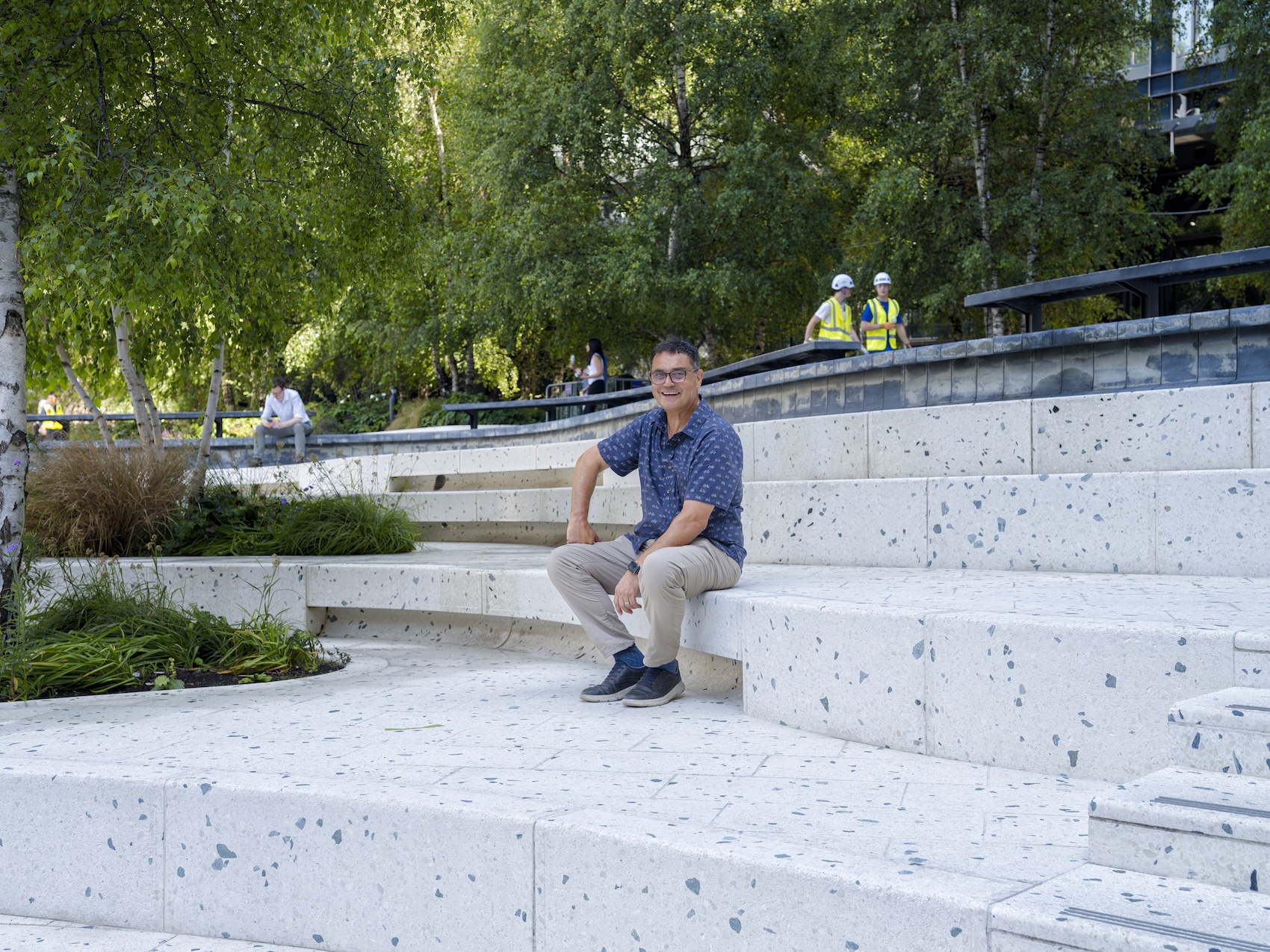
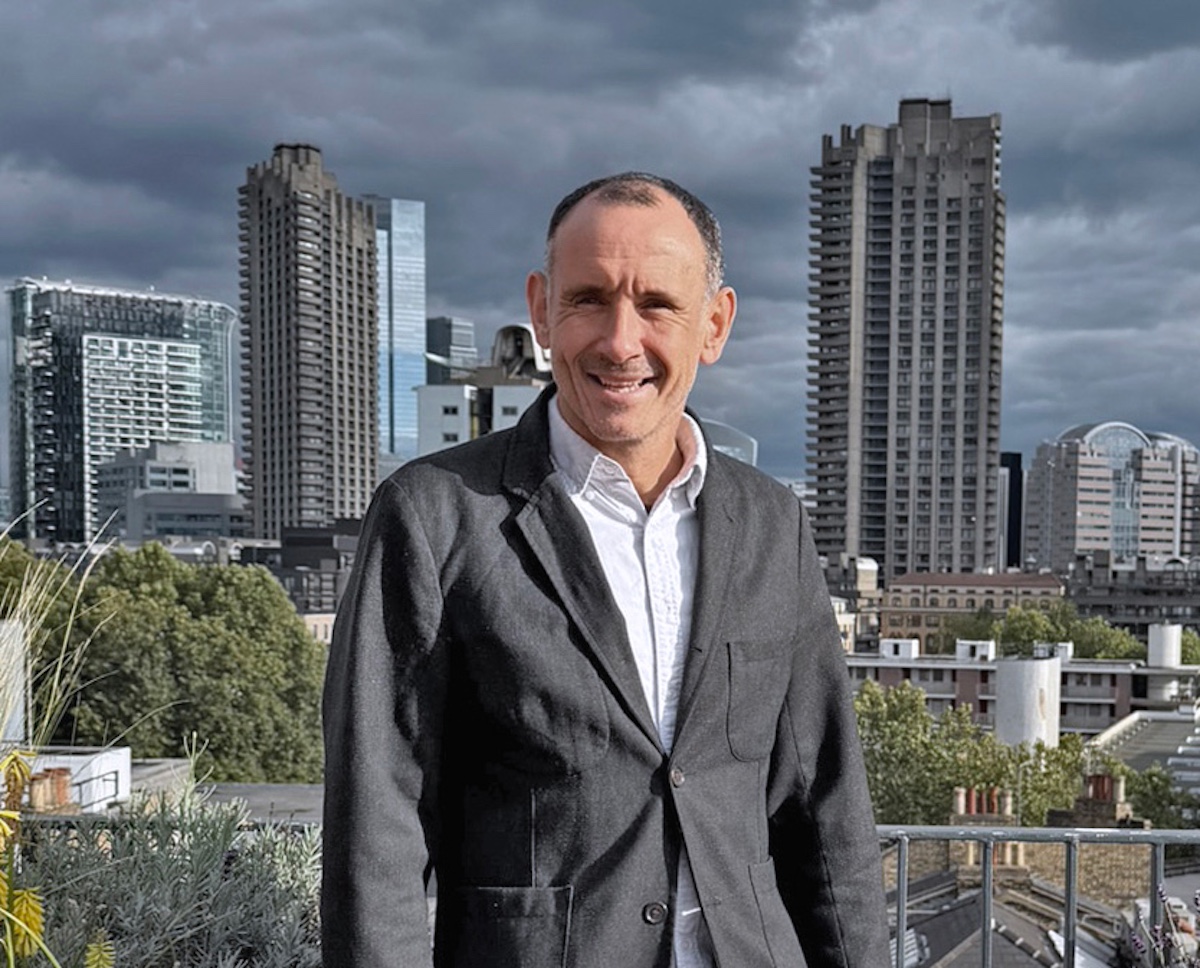
Enzo Favro photographed at Exchange Square, Broadgate, London, by DSDHA.
I believe architecture should create a positive legacy. Regenerative design challenges us to consider not only what we build today, but what we leave behind for future generations.
Stone and terrazzo are regenerative by nature. Their durability, adaptability and longevity mean they can continue to serve buildings and communities for generations. Terrazzo is a particularly resourceful material, giving new life to leftover pieces of natural stone to create beautiful, durable surfaces that often outlast the buildings they are installed in.
When materials are selected for their whole life value rather than simply their initial cost, they become an investment in sustainability and longevity. Natural materials have an inherent beauty that connects us with the natural world, and thoughtful design elevates that quality to create enduring places where people flourish.
The challenge is helping the construction industry move beyond measuring value by upfront cost alone. We need to consider longevity, adaptability, embodied carbon and the lasting contribution materials make to people and place. Through education, collaboration and a clear understanding of regenerative design, we can create buildings that not only meet today’s needs, but leave a lasting positive legacy for future generations.
Reinventing practice features participants in the Regenerative Architecture Index.