

Kidbrooke Park Road
AT Editor2026-10-26T14:47:35+00:00HTA Design has completed Kidbrooke Park Road in south London, delivering 452 homes for social rent across a landscape-led neighbourhood of brick buildings, gardens and community spaces.
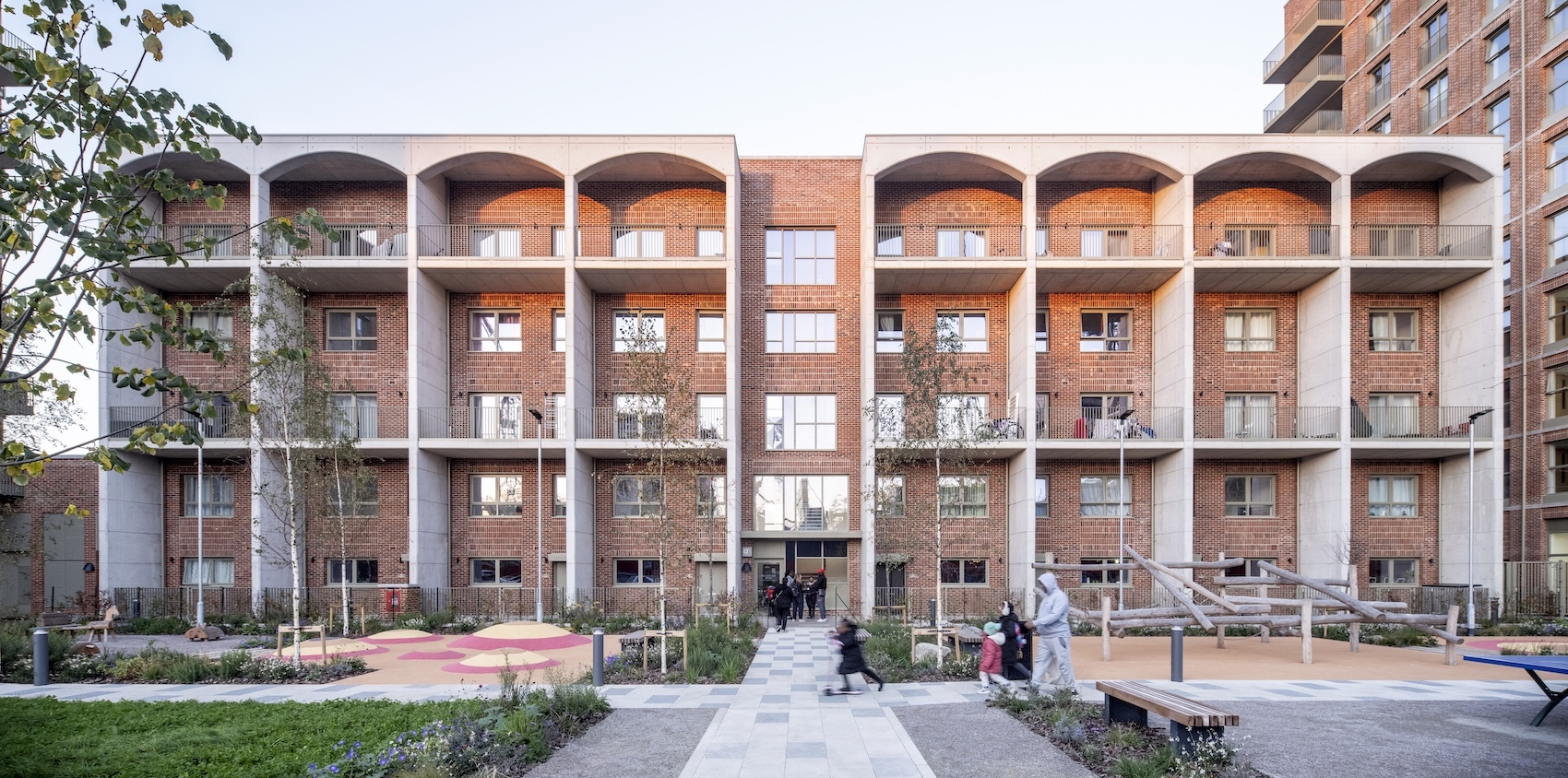
HTA Design has completed Kidbrooke Park Road in south London, delivering 452 homes for social rent across a landscape-led neighbourhood of brick buildings, gardens and community spaces.
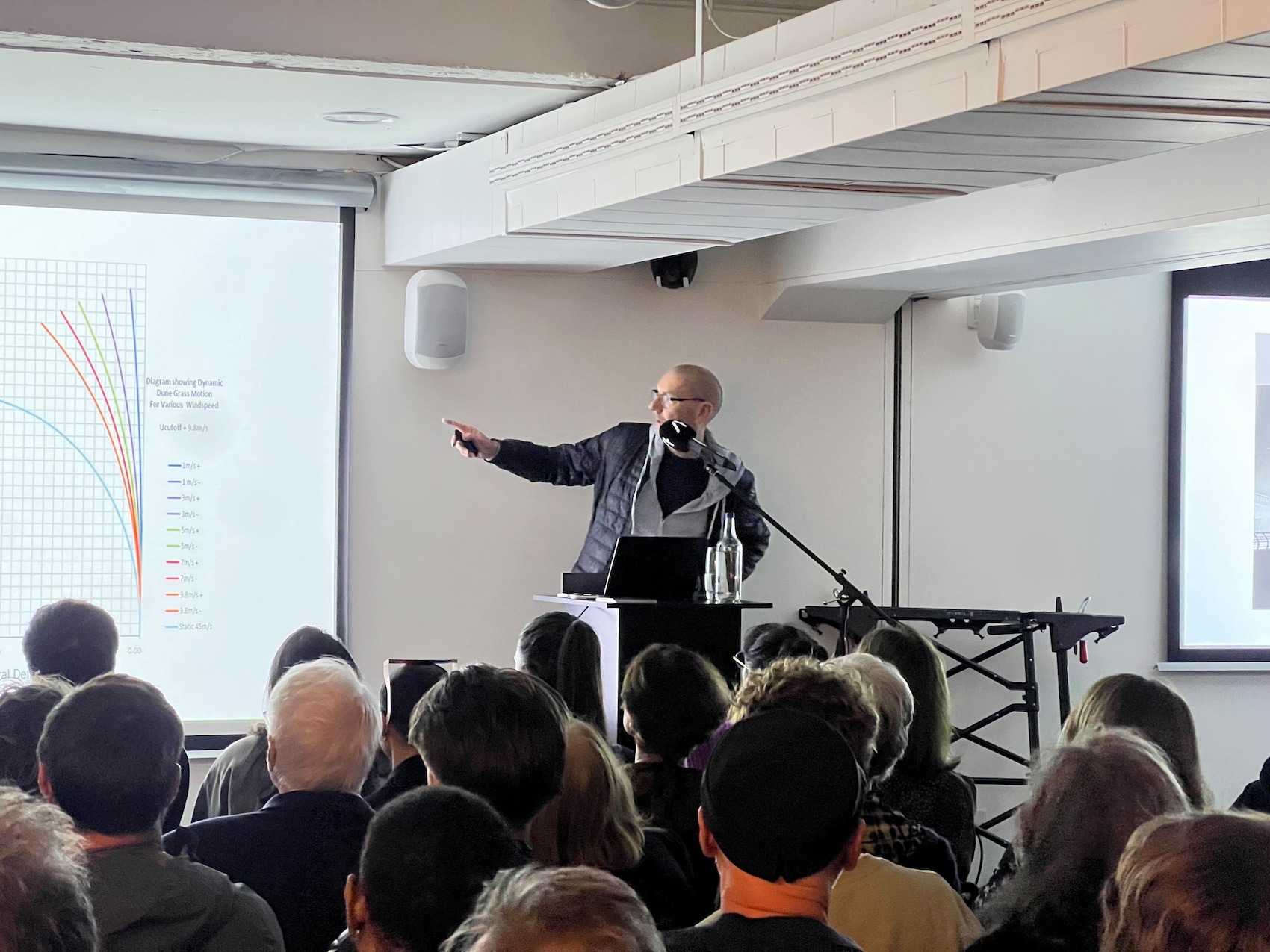
At Regenerative Design 2026, Atelier One founder Neil Thomas explored how trees, bamboo and the natural world can transform our approach to structural engineering, materials and design, with contributions from artist Barnaby Steel, pianist Sarah Nicolls and Atelier One’s Ralph Saade.
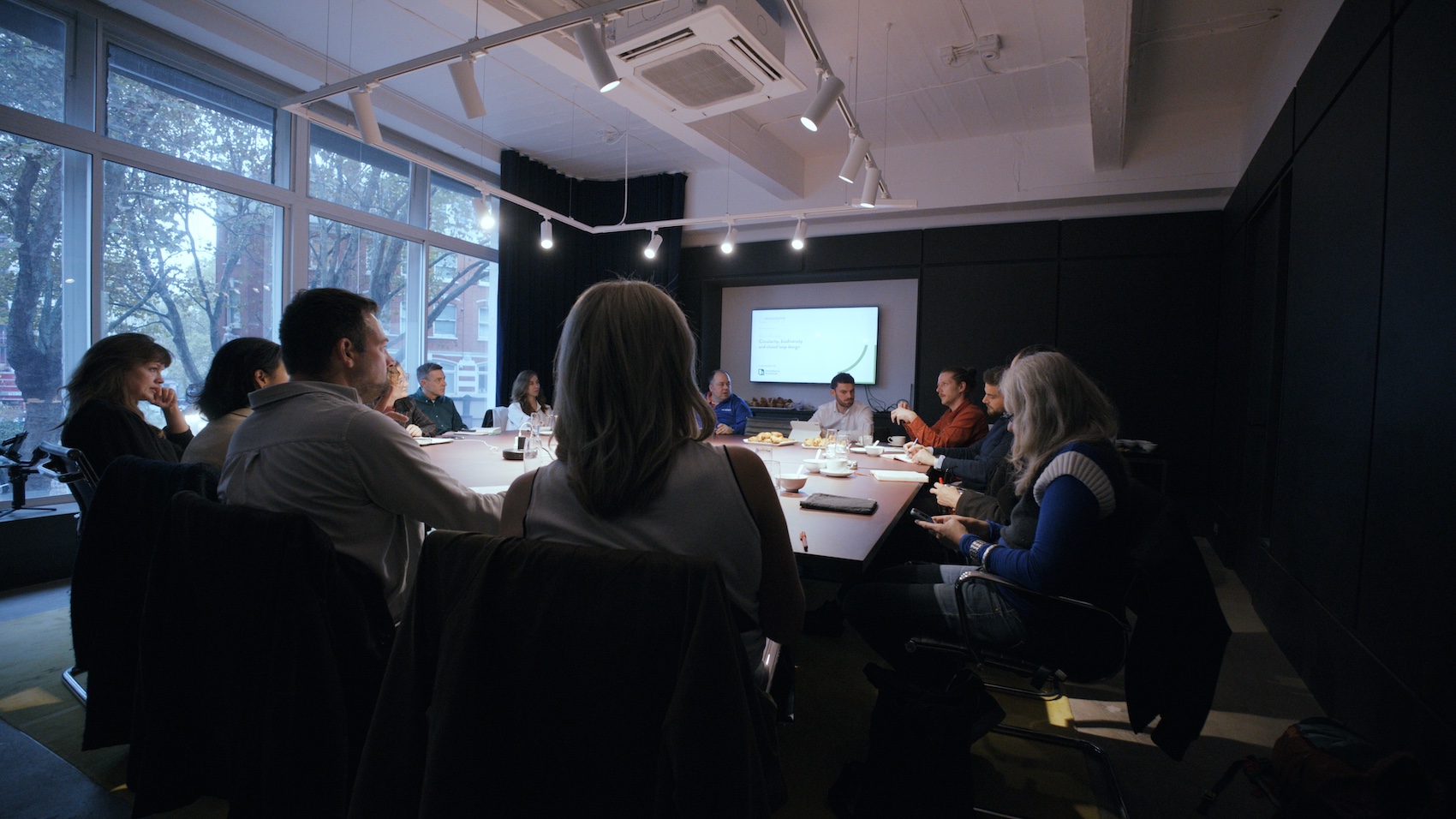
As part of Regenerative Design 2026, Architecture Today, in partnership with Heidelberg Materials, hosted a round table discussion exploring the barriers to closed loop design and the opportunities for systemic change.
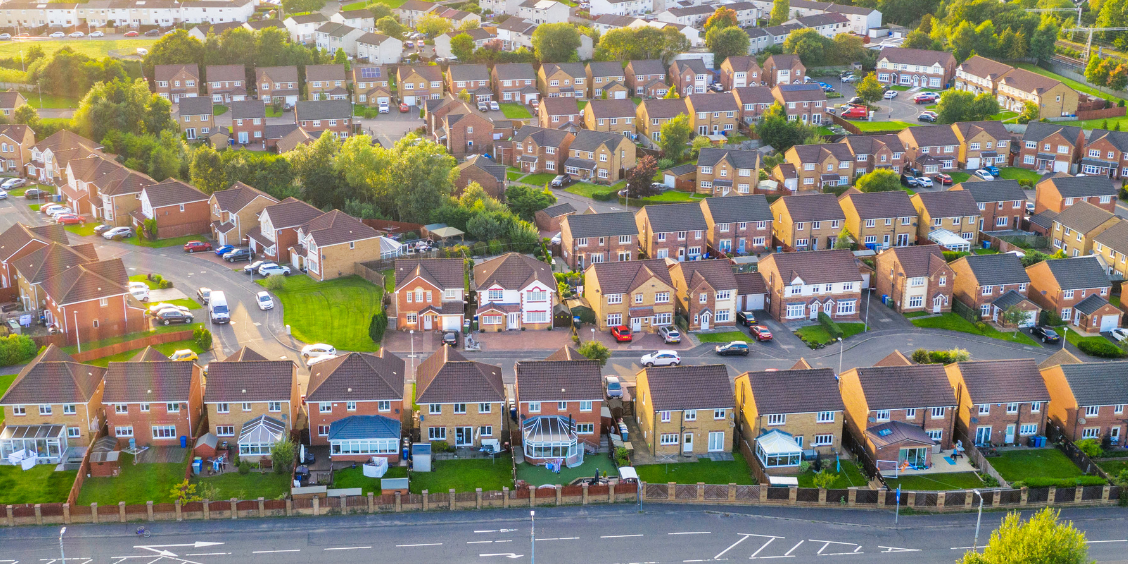
Join us on Wednesday 18th November to discover how Planning Portal's new AI-powered Application Check tool can help architects identify potential issues with planning applications before submission, reducing avoidable validation issues and the need for further rework.
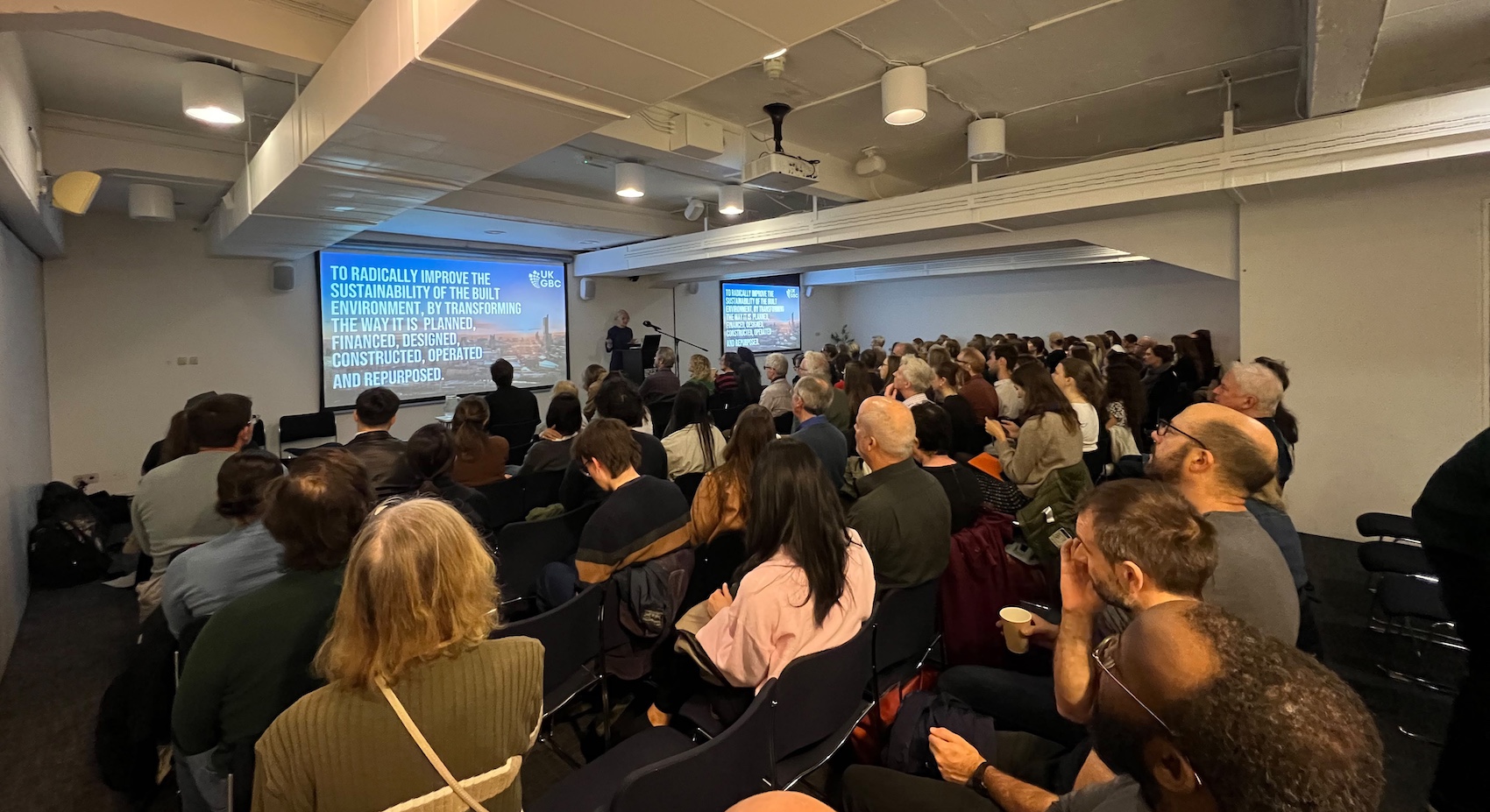
Anna Hollyman, Co-Director of Policy and Industry Intelligence at UKGBC, sets out why scaling the use of natural and sustainable materials demands a coordinated approach to policy, procurement, skills and supply chains. Watch Anna's talk in full here.
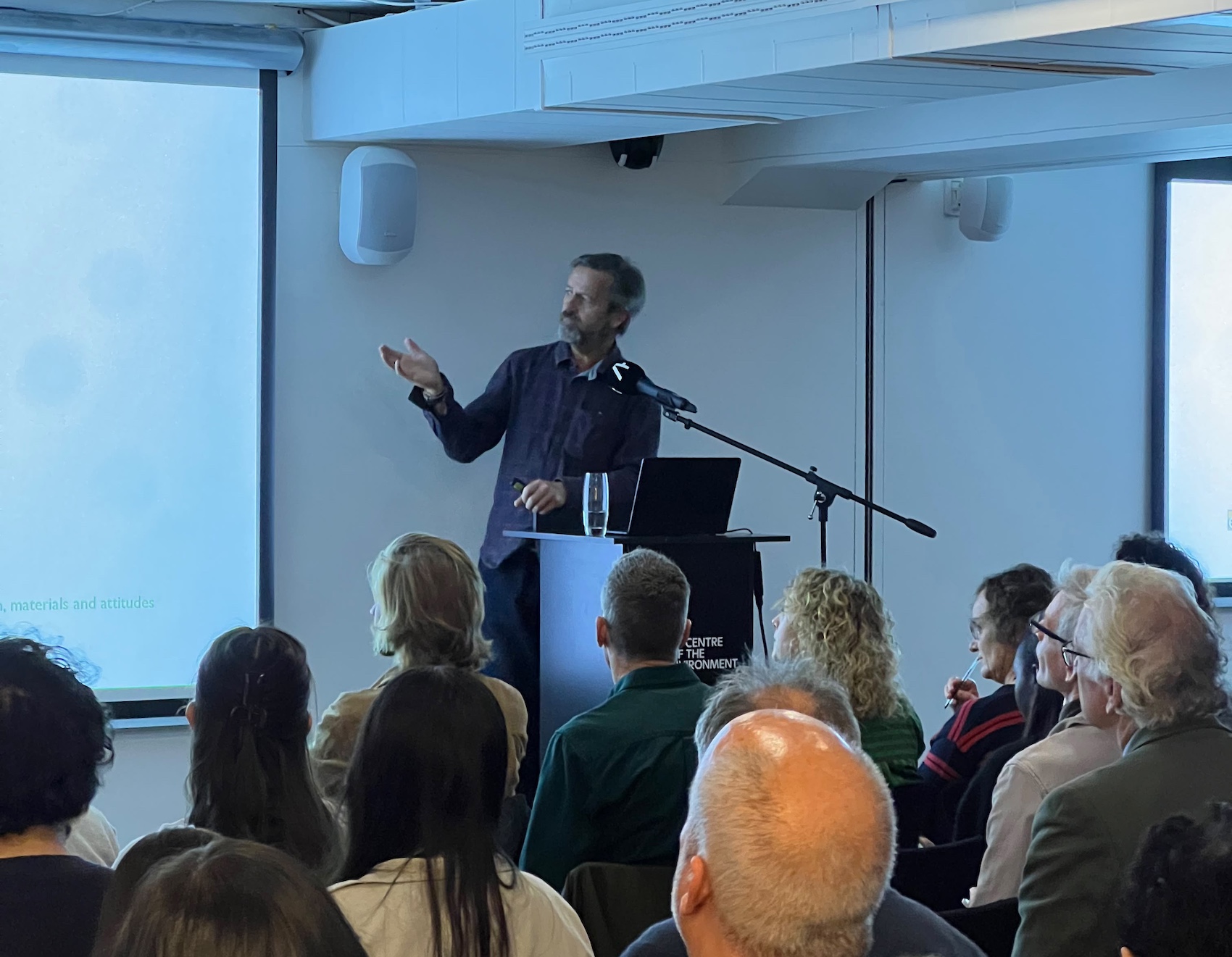
Rowland Keable, Director of Rammed Earth Consulting, makes the case for earth as an overlooked construction material, demonstrating how locally-sourced clay and soil can create durable, adaptable and genuinely circular buildings. Find out more by watching Rowland's talk here.
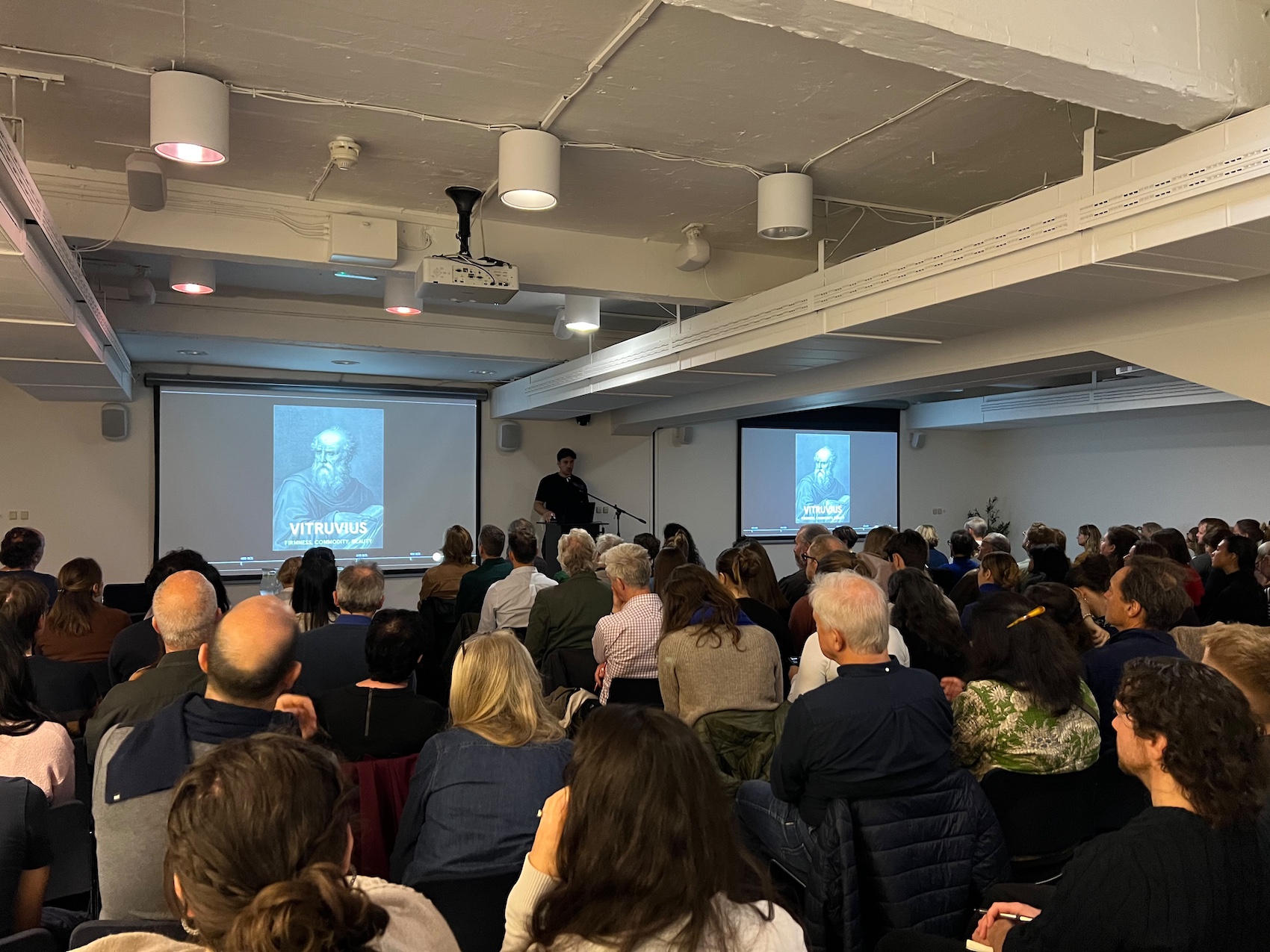
Jordan Panayi, Part II Architectural Assistant at Groupwork, explores how structural stone and timber can replace carbon-intensive construction systems, drawing on the practice's experience of designing and delivering buildings with natural materials. Watch Jordan's talk here.
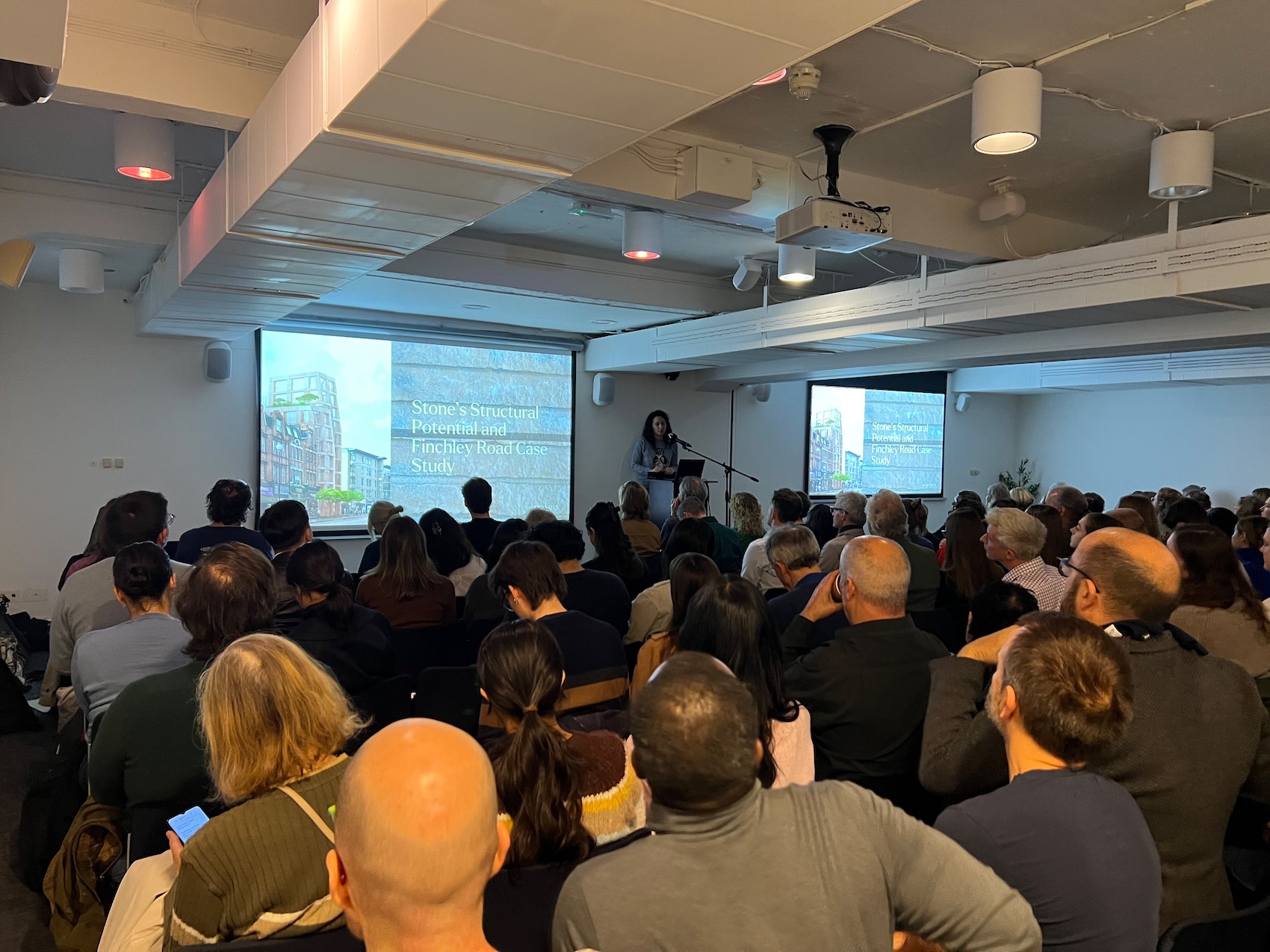
Eleonora Regni, Associate at Webb Yates Engineers, examines the structural potential of natural stone, explaining how innovative engineering can reduce embodied carbon without compromising performance. Find out more by watching Eleonora's talk here.
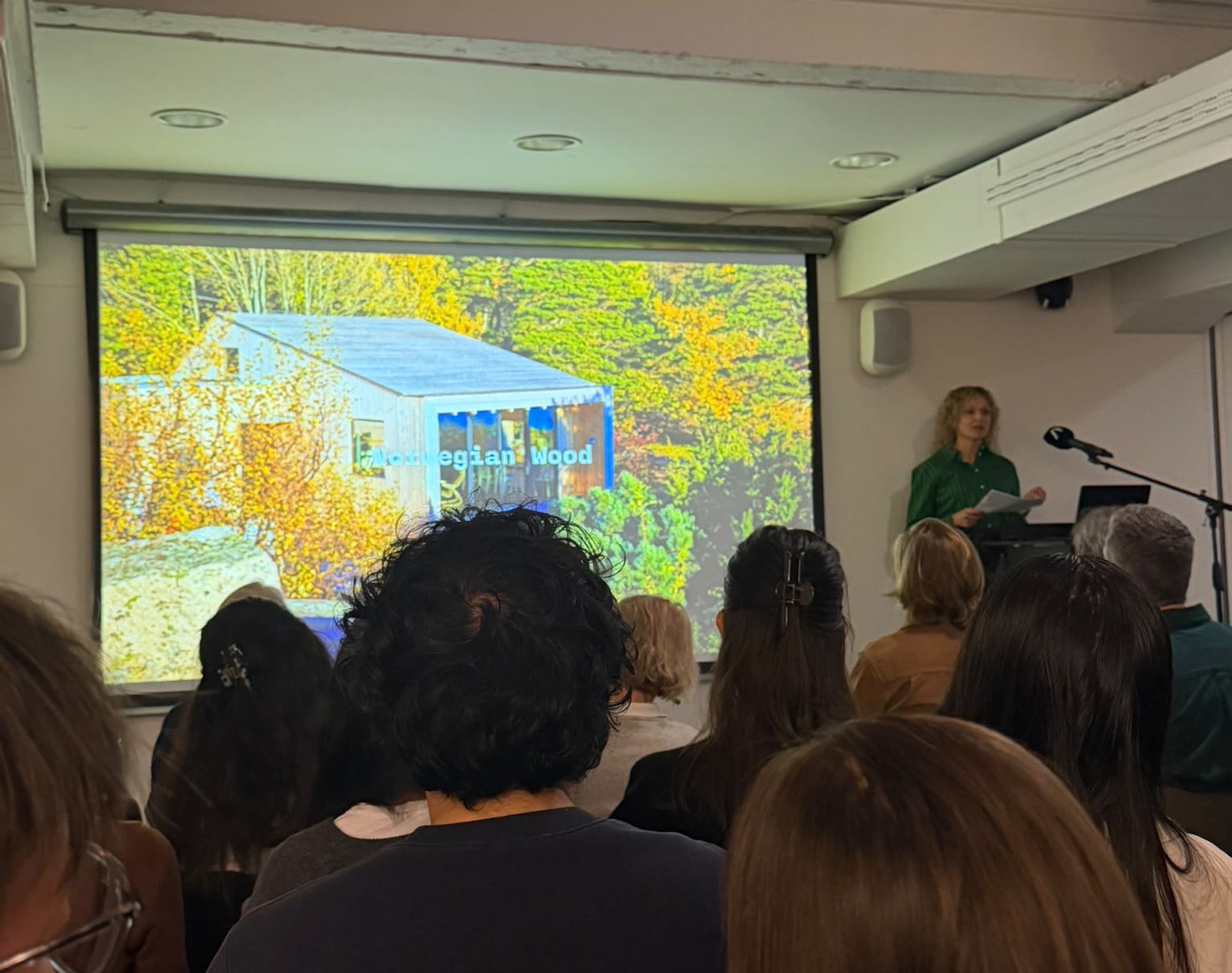
Siri Zanelli, Founding Partner of Collective Works, shares practical lessons from specifying natural materials, exploring how architects can overcome barriers relating to cost, regulation, construction methods and client expectations. Watch Siri's talk in full here.
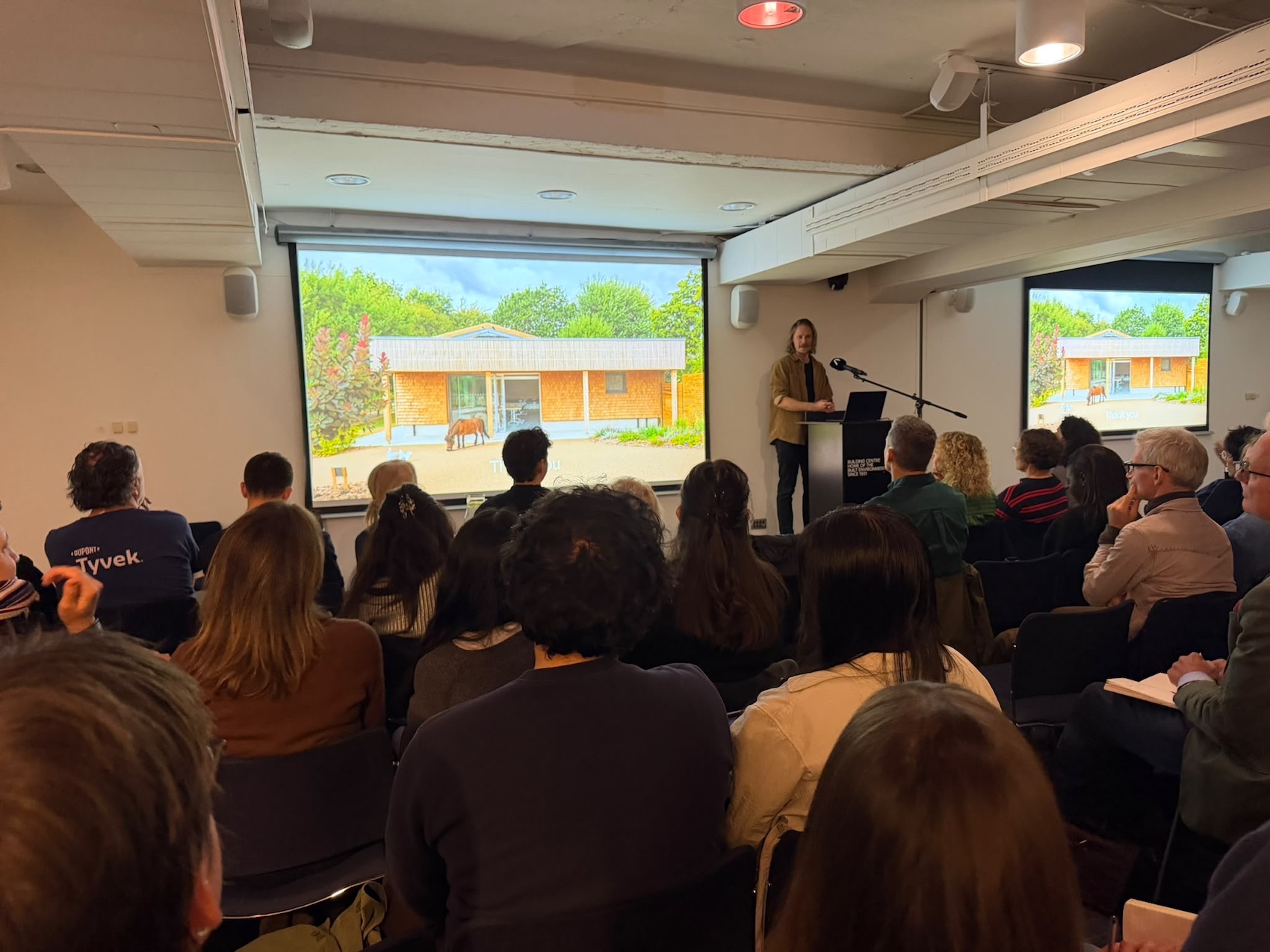
Lee Fox, project architect at BakerBrown Studio, shares lessons from the Bradbury Den project, showing how material reuse, straw bales, and locally-sourced earth can be incorporated into a modestly funded education building. Watch Lee's talk here.
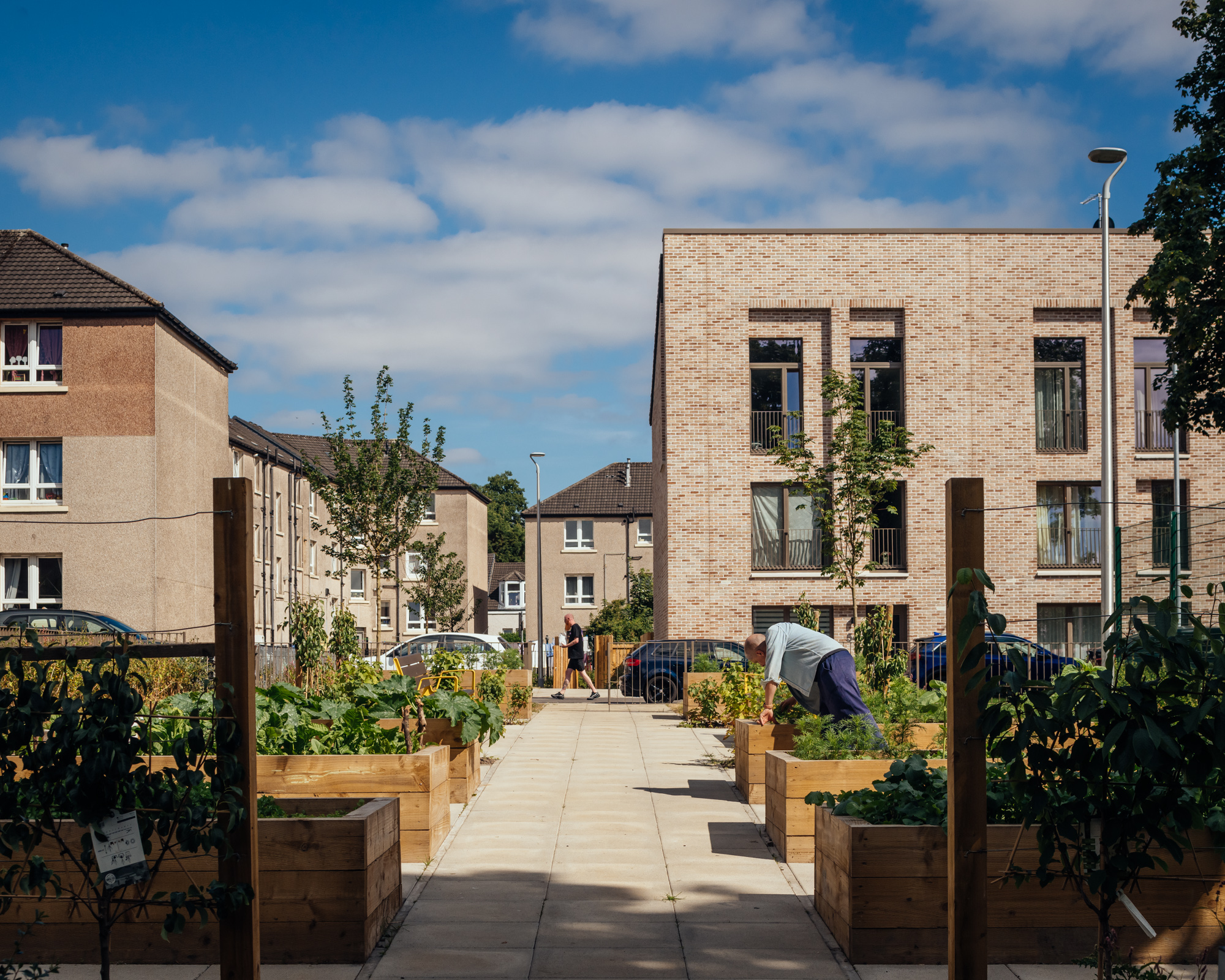
Page\Park’s affordable housing development for Tollcross Housing Association transforms a vacant brownfield site in Glasgow’s East End into a new residential neighbourhood, with 42 homes arranged around a pedestrian-friendly street and shared green spaces.
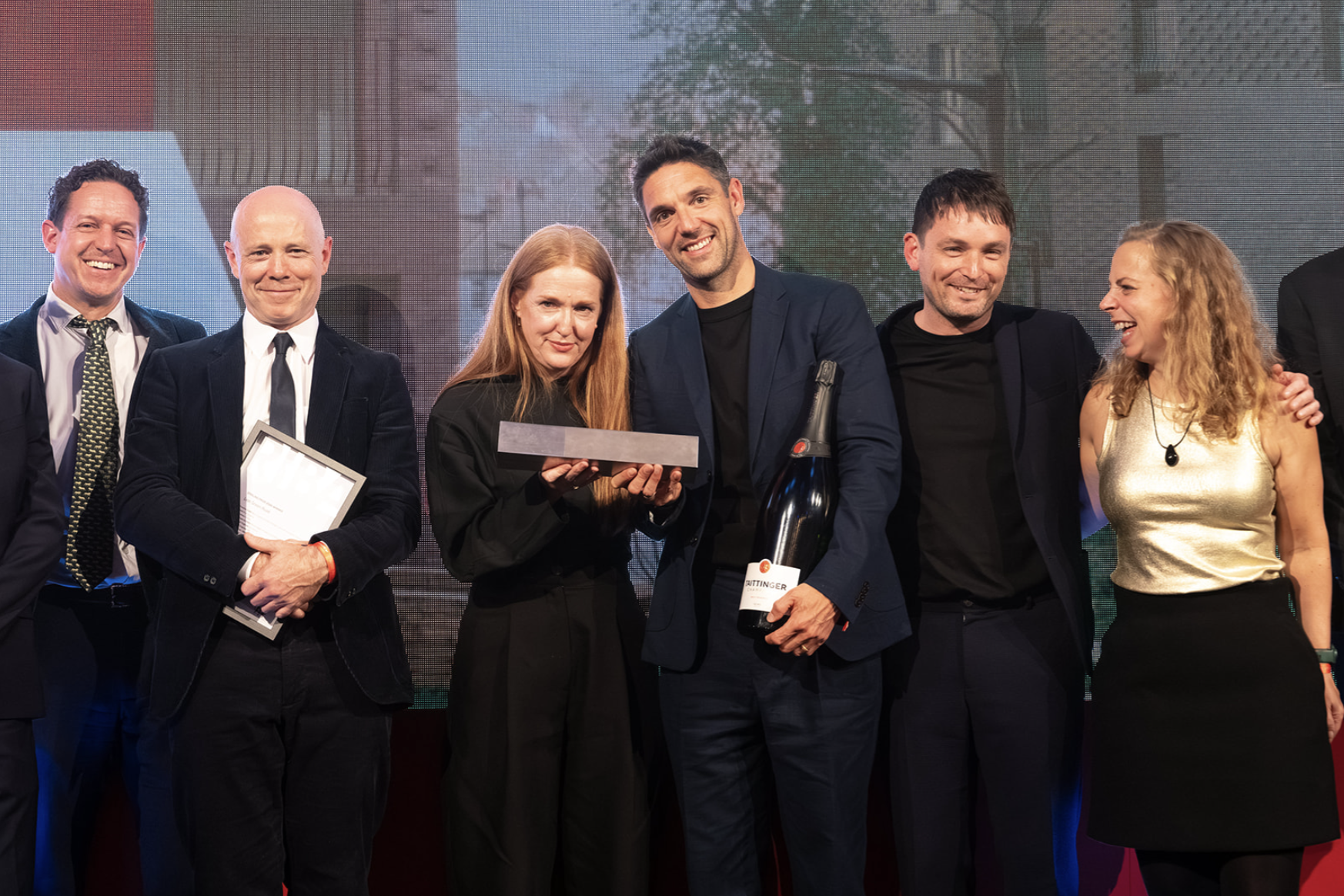
Following Lion Green Road's 2026 RIBA Stirling Prize win, Mary Duggan and Paul Ruff reflect on the importance of generous, affordable housing and the wider lessons the project offers for the profession.