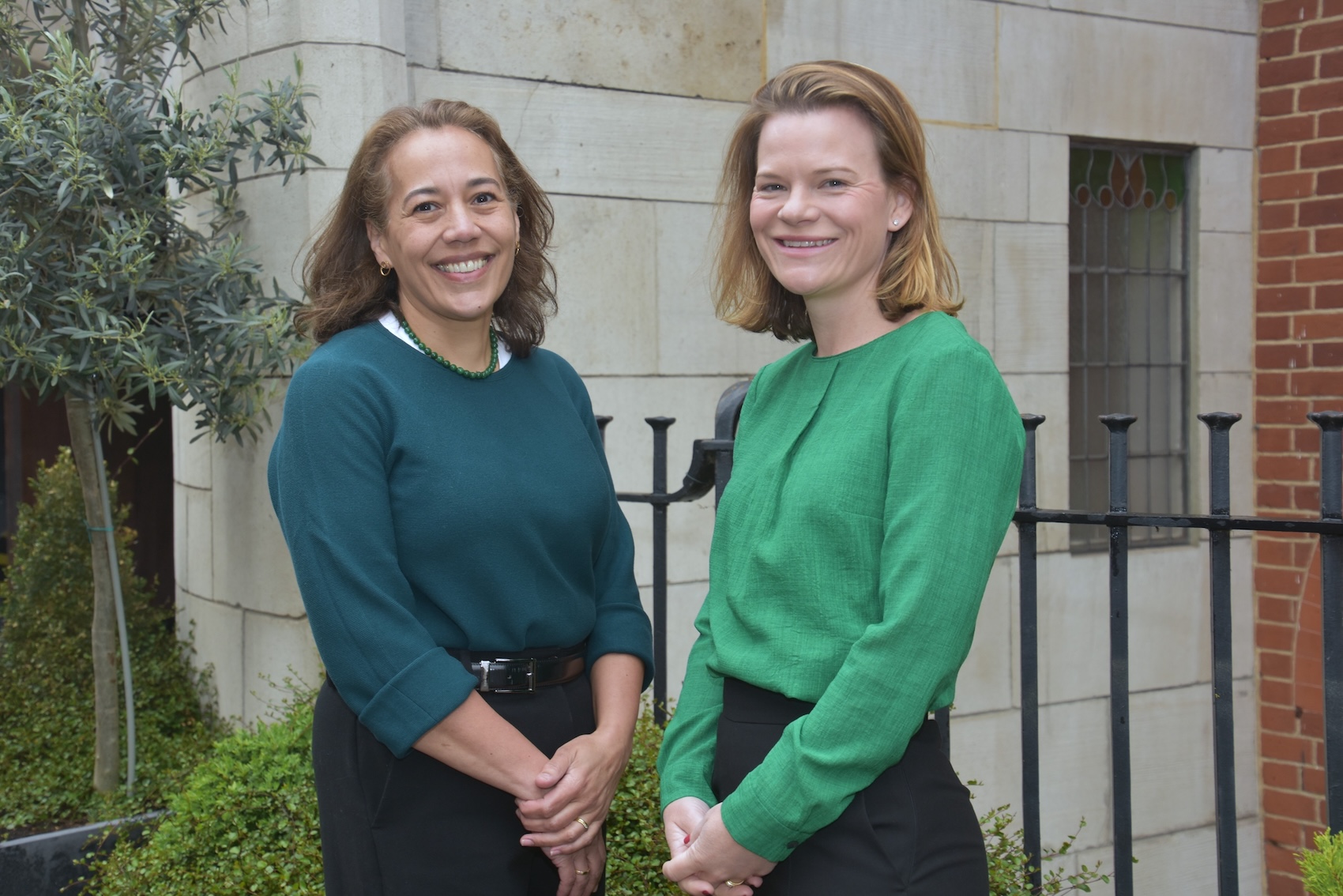
Historic England’s Co-CEOs Claudia Kenyatta and Emma Squire introduce a new guide that helps architects and clients to identify, de-risk and fund opportunities to reimagine heritage buildings as creative industry hubs.
Can you tell us about Historic England’s Guide to Developing Creative Industry Hubs?
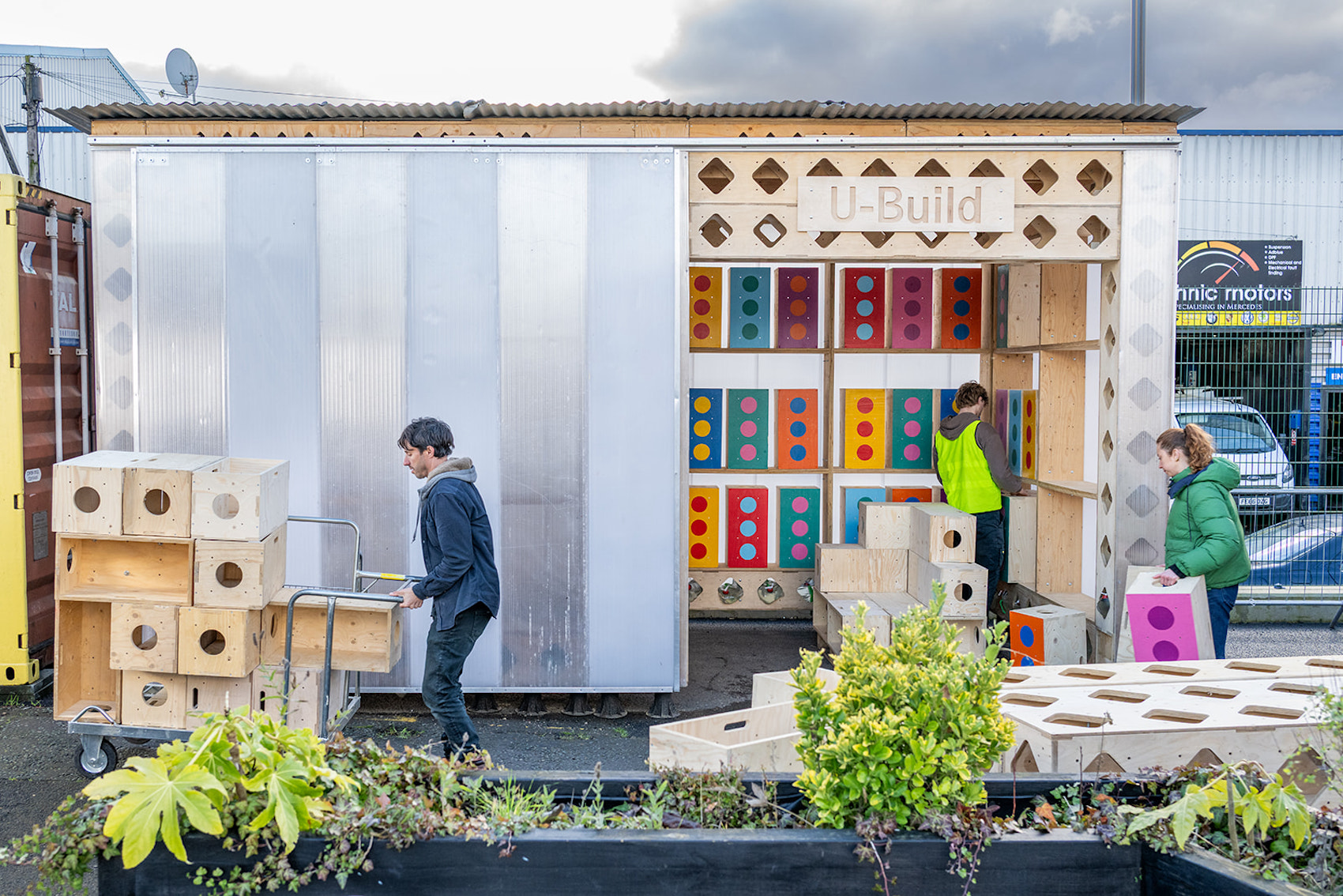
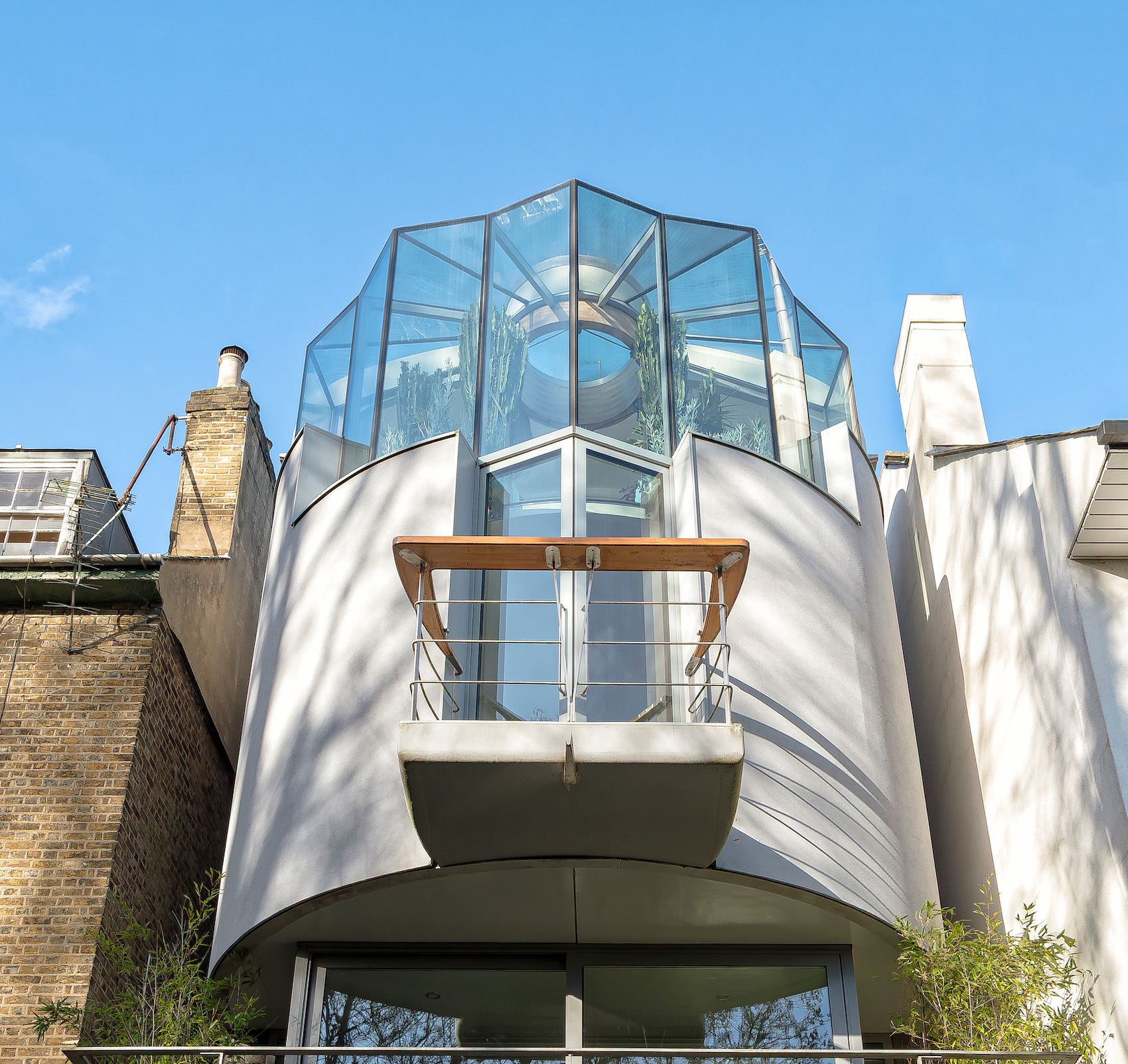
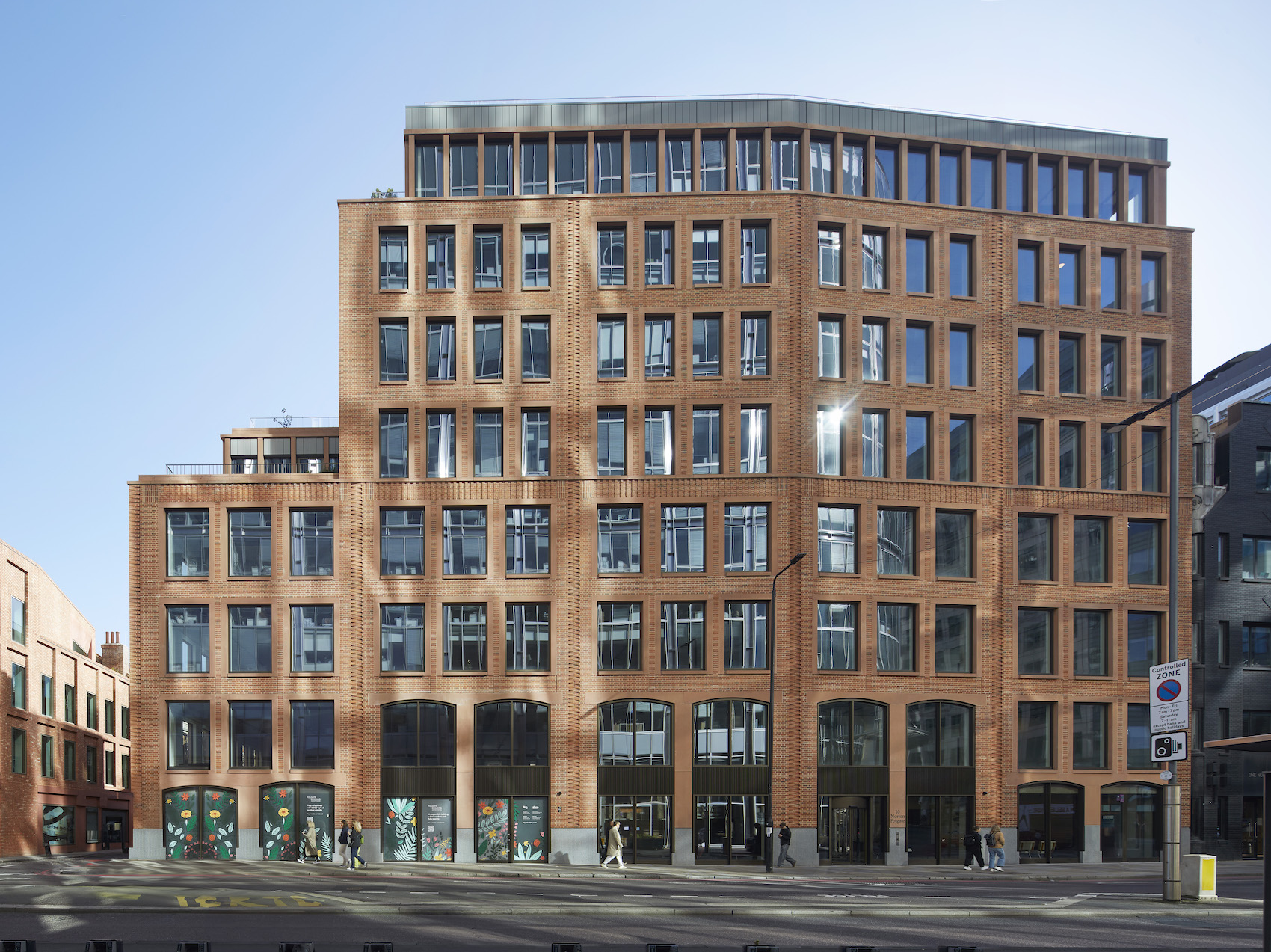
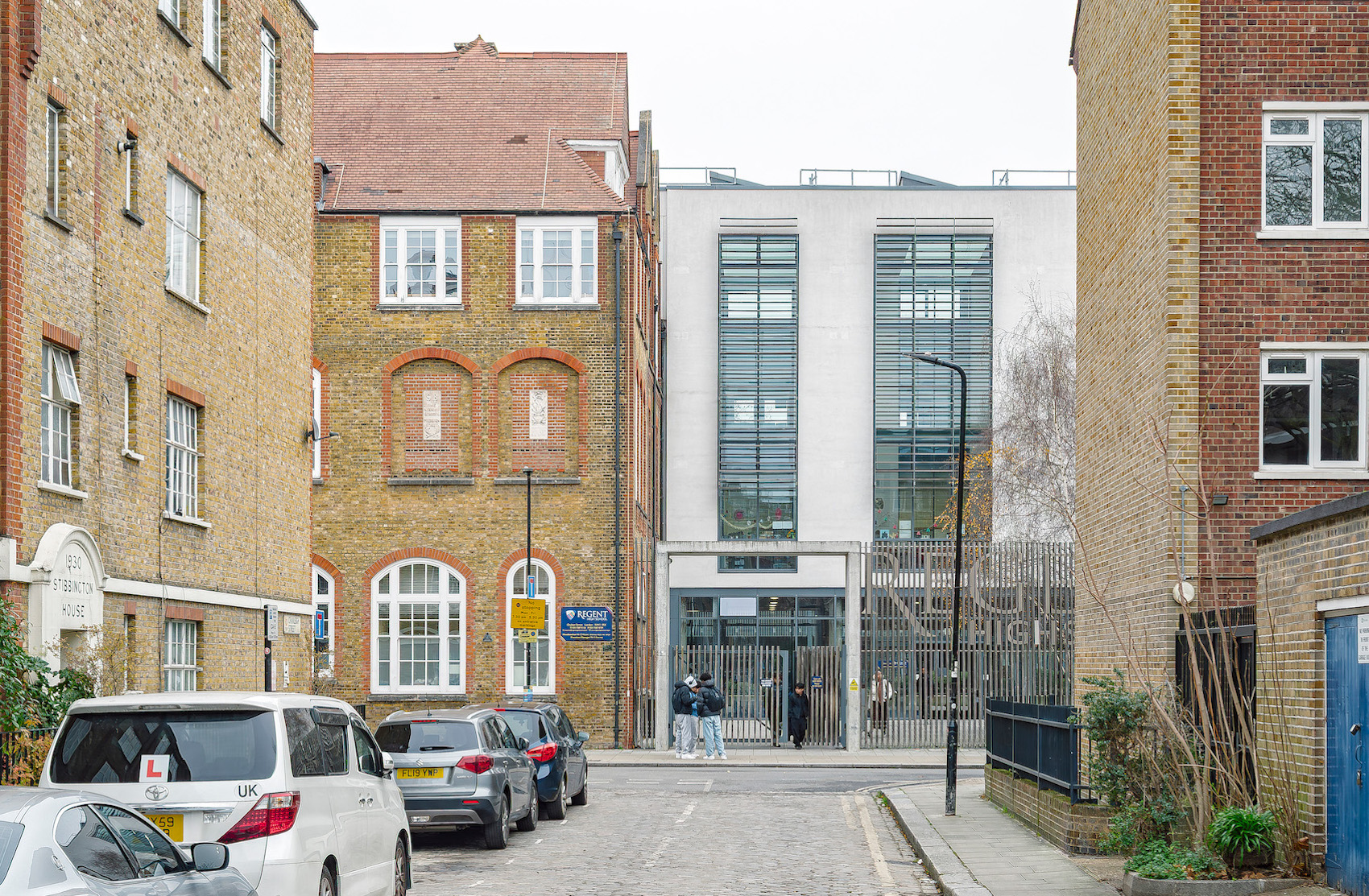
It’s a practical, step‑by‑step guide for anyone looking to bring vacant or underused historic buildings back into productive use by creative businesses. The creative industries often thrive in historic spaces, and the guide explains how to identify opportunities, de‑risk projects, secure funding, navigate consents, and plan delivery. It draws on dozens of real examples, from textile mills to churches, to show how heritage assets can become vibrant creative hubs that support local economies, communities and regeneration.
What are the key messages for architects and their clients?
The guide encourages architects and clients to:
- Start with a solid understanding of a building’s condition, significance and capacity for change.
- Match creative uses to what the building can realistically and sensitively accommodate.
- Embrace incremental and flexible development – often the most effective model for creative workspace.
- Use good early stakeholder engagement and pre‑application advice to smooth the planning process.
- Recognise that character and authenticity are major advantages, not obstacles, when designing creative environments.
What’s the best way to understand the connection between heritage and economic growth?
Heritage buildings are powerful economic assets. Reusing them keeps carbon footprints low, preserves local identity, and creates the sort of distinctive environments in which creative businesses thrive. These businesses, in turn, support local jobs, attract footfall, build confidence in places and often kick‑start wider regeneration. In short, heritage buildings provide the setting and creative entrepreneurs provide the energy – together they generate sustainable growth.