

Kicking off Regenerative Design 2026
Isabel Allen2026-10-06T15:03:32+01:00Architecture Today has launched Regenerative Design 2026, a month-long programme of exhibitions and events at the Building Centre in central London.
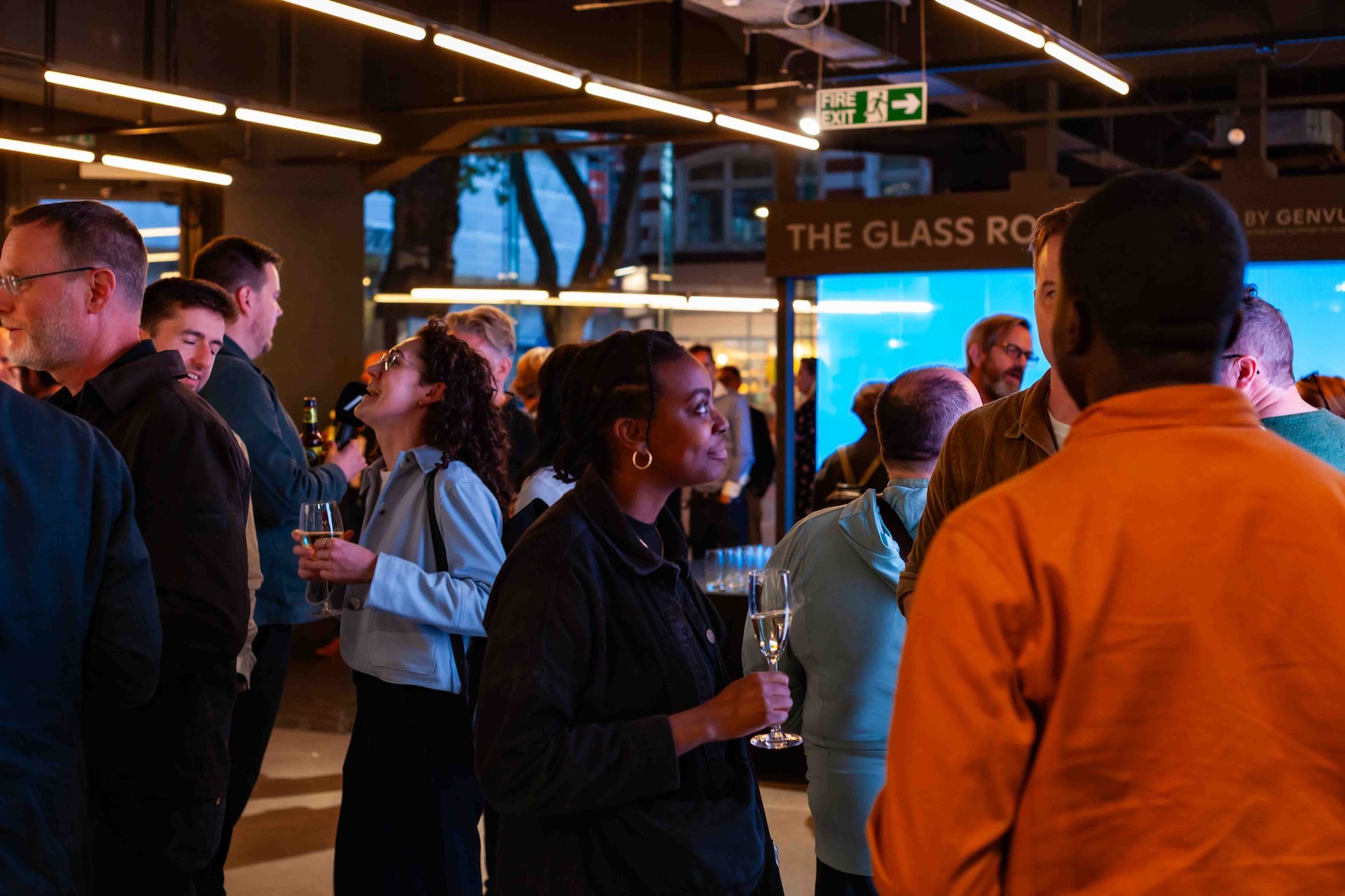
Architecture Today has launched Regenerative Design 2026, a month-long programme of exhibitions and events at the Building Centre in central London.
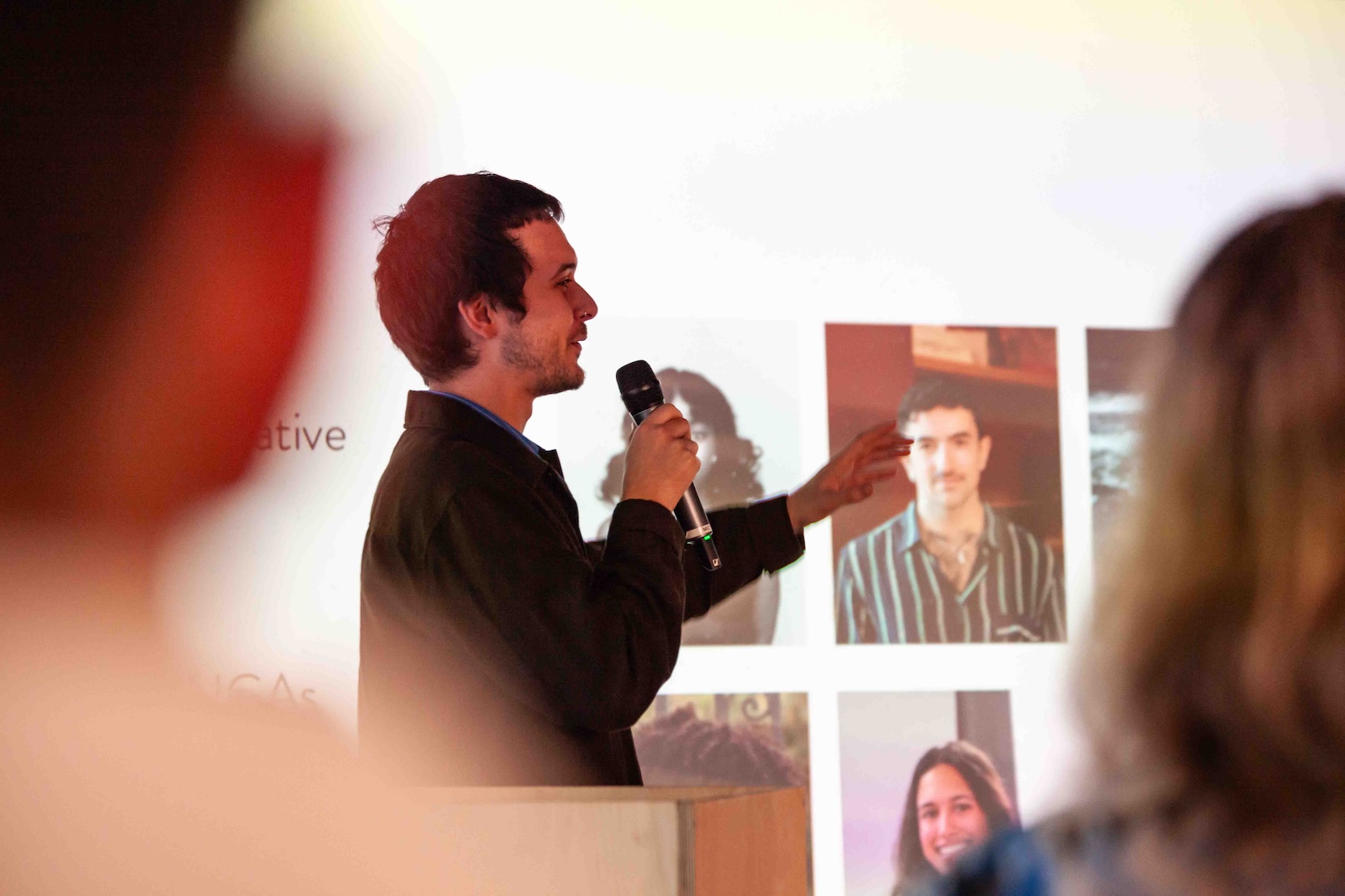
The front-runners in this year's Regenerative Architecture Index were announced on Thursday 1st October at the launch party for Regenerative Design 2026.
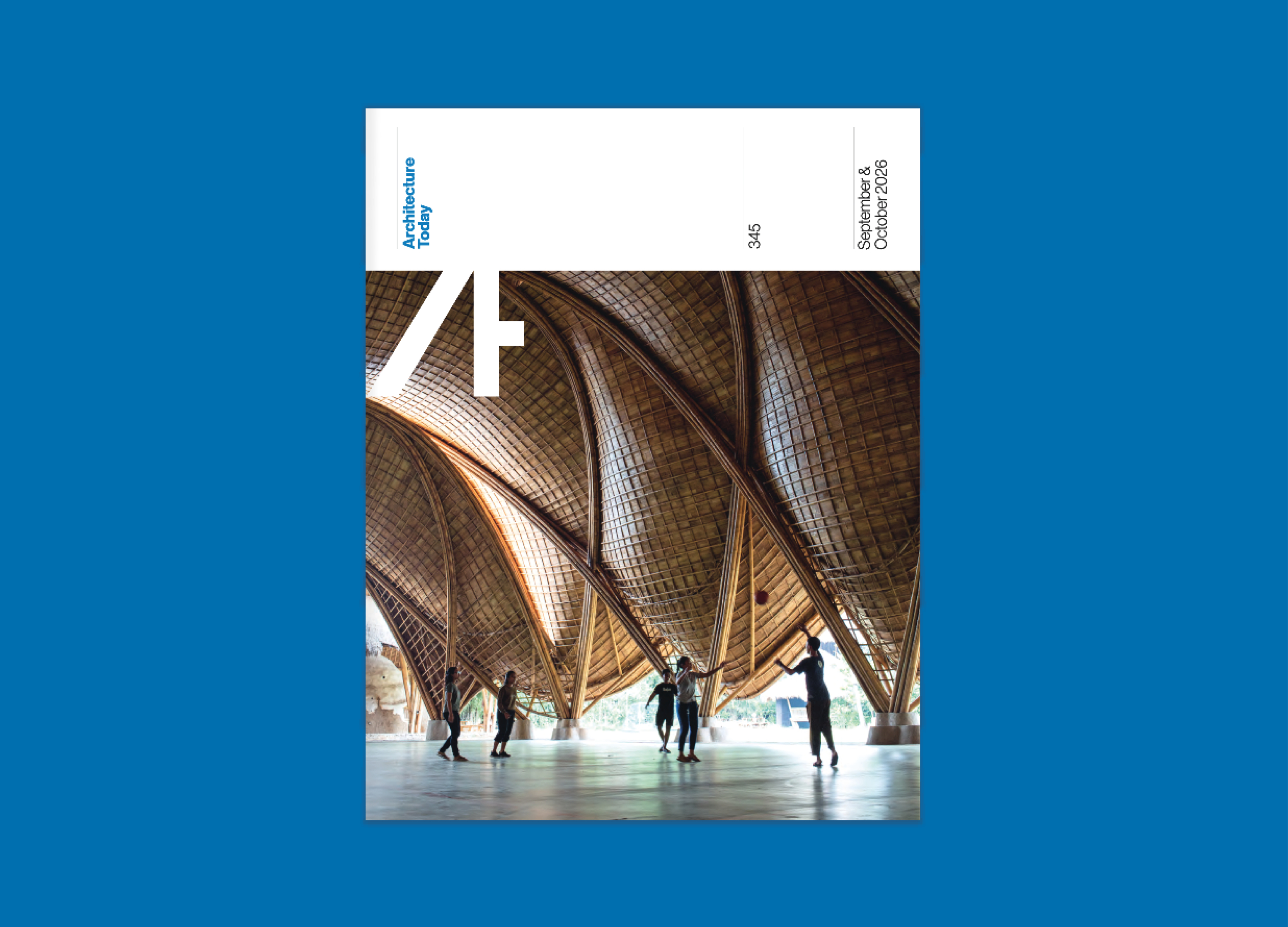
In this issue: The Regenerative Architecture Index 2026 is unveiled; Collective Architecture's Gerry Hogan and Studio Saar on being good ancestors; Ian Poole from Elliott Wood and Neil Thomas from Atelier One on co-evolving with nature, Birds Portchmouth Russum and DSDHA's Tom Greenall and Nicole Abernethy on creating just spaces for people; and Stephen O'Malley on why Dublin is his kind of town.
Architecture Today has launched Regenerative Design 2026, a month-long programme of exhibitions and events at the Building Centre in London.
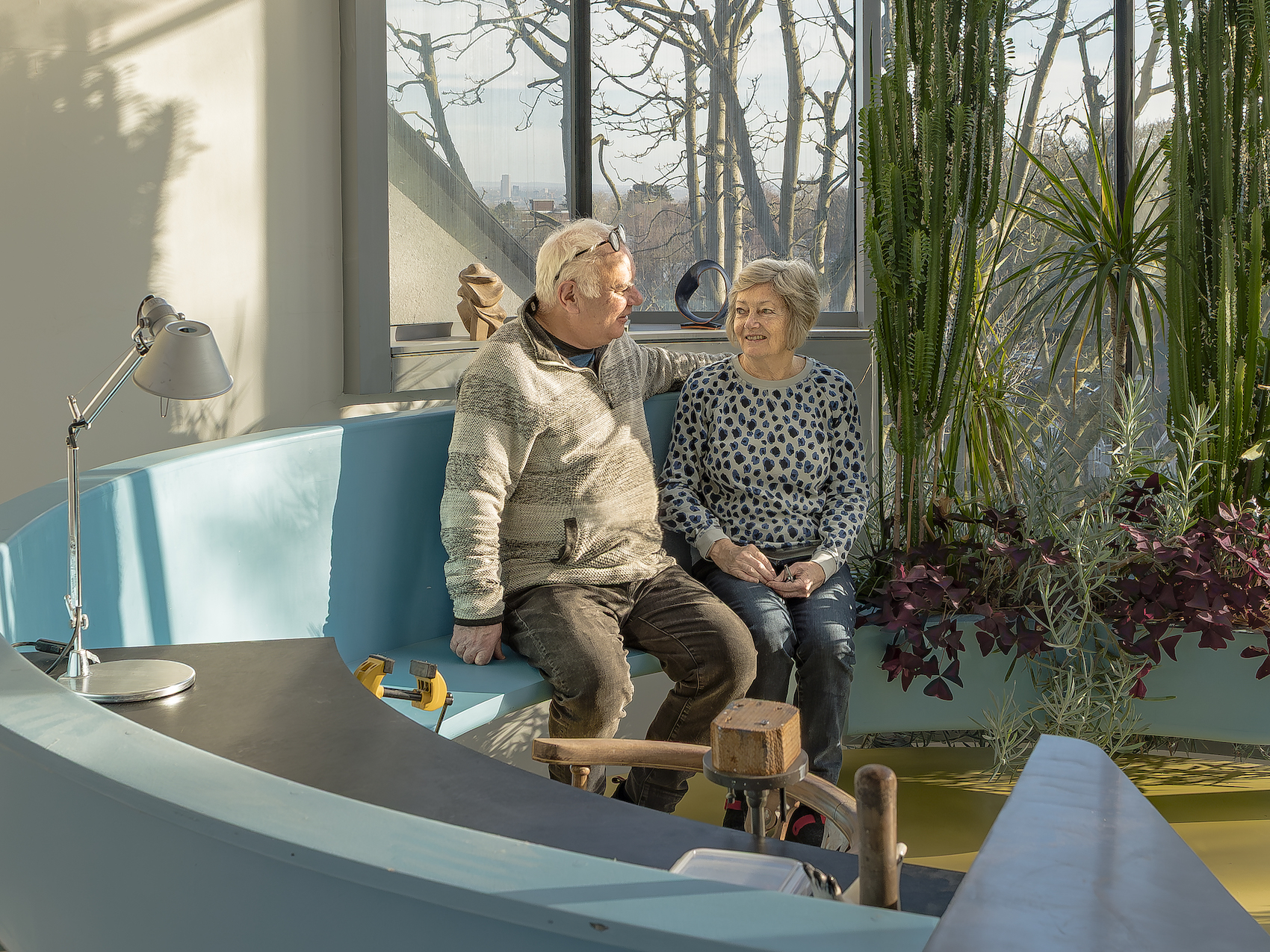
For Mike Russum of Birds Portchmouth Russum, regeneration starts with joy: bringing together climate, water, planting and biomimicry to create adaptable places that work more like healthy ecosystems than isolated buildings.
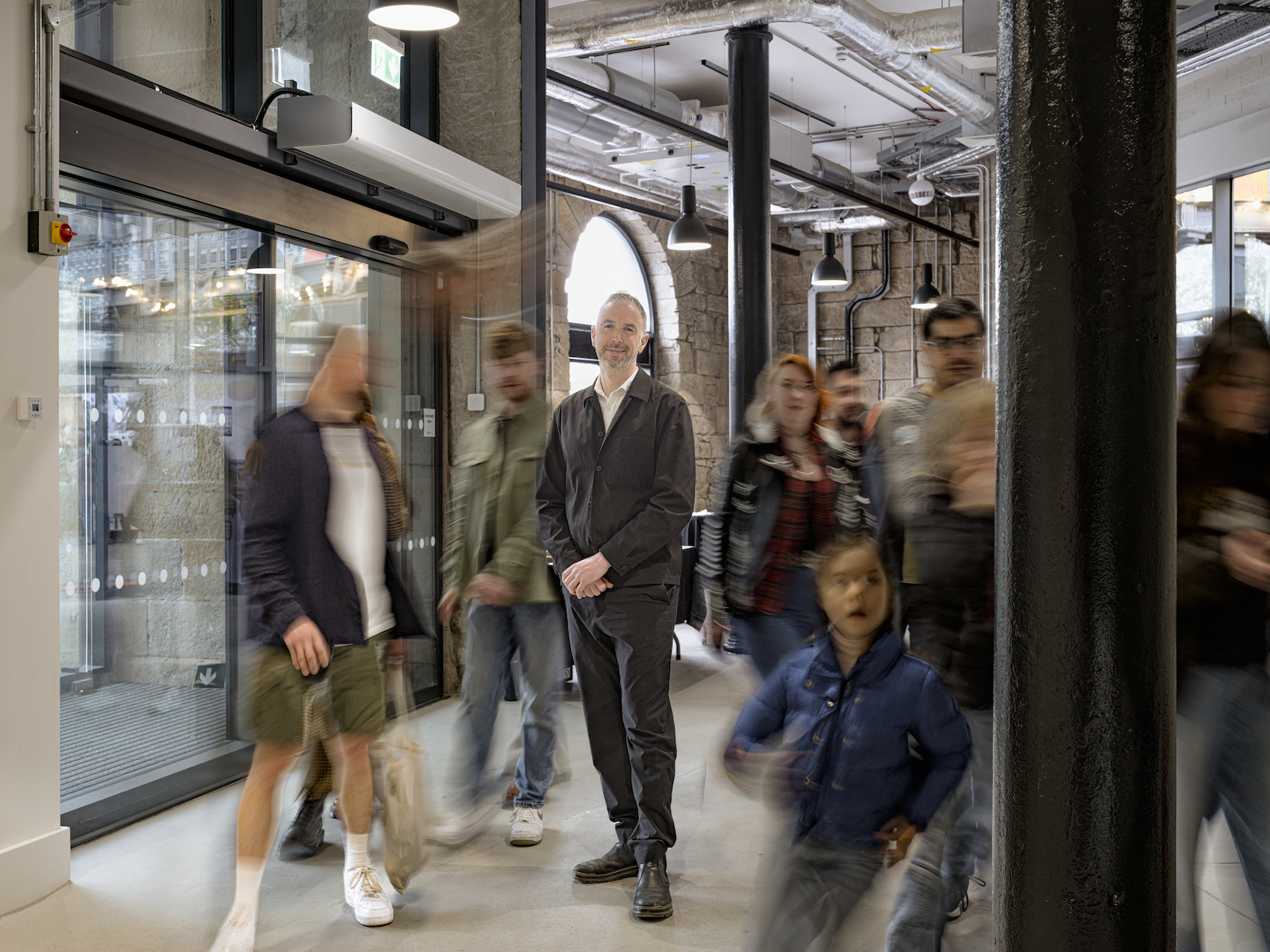
Gerry Hogan of Collective Architecture asks what it means to be a steward rather than an owner, embedding social and environmental responsibility in the practice’s legal structure, succession and everyday culture.
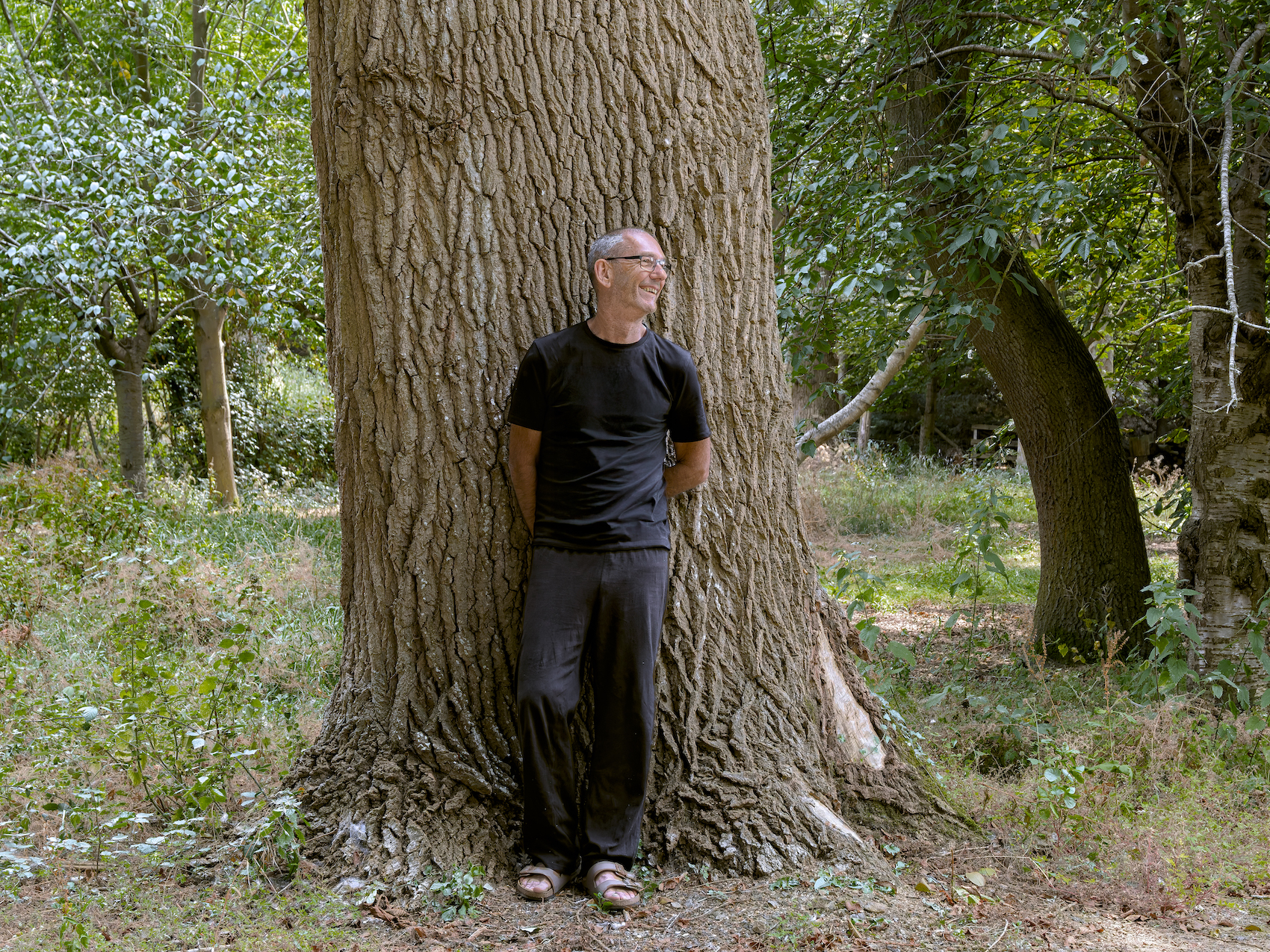
Bamboo: vegetable carbon fibre, climate solution and a British crop. Neil Thomas of Atelier One asks what we can learn from nature’s 400-million-year head start in engineering.
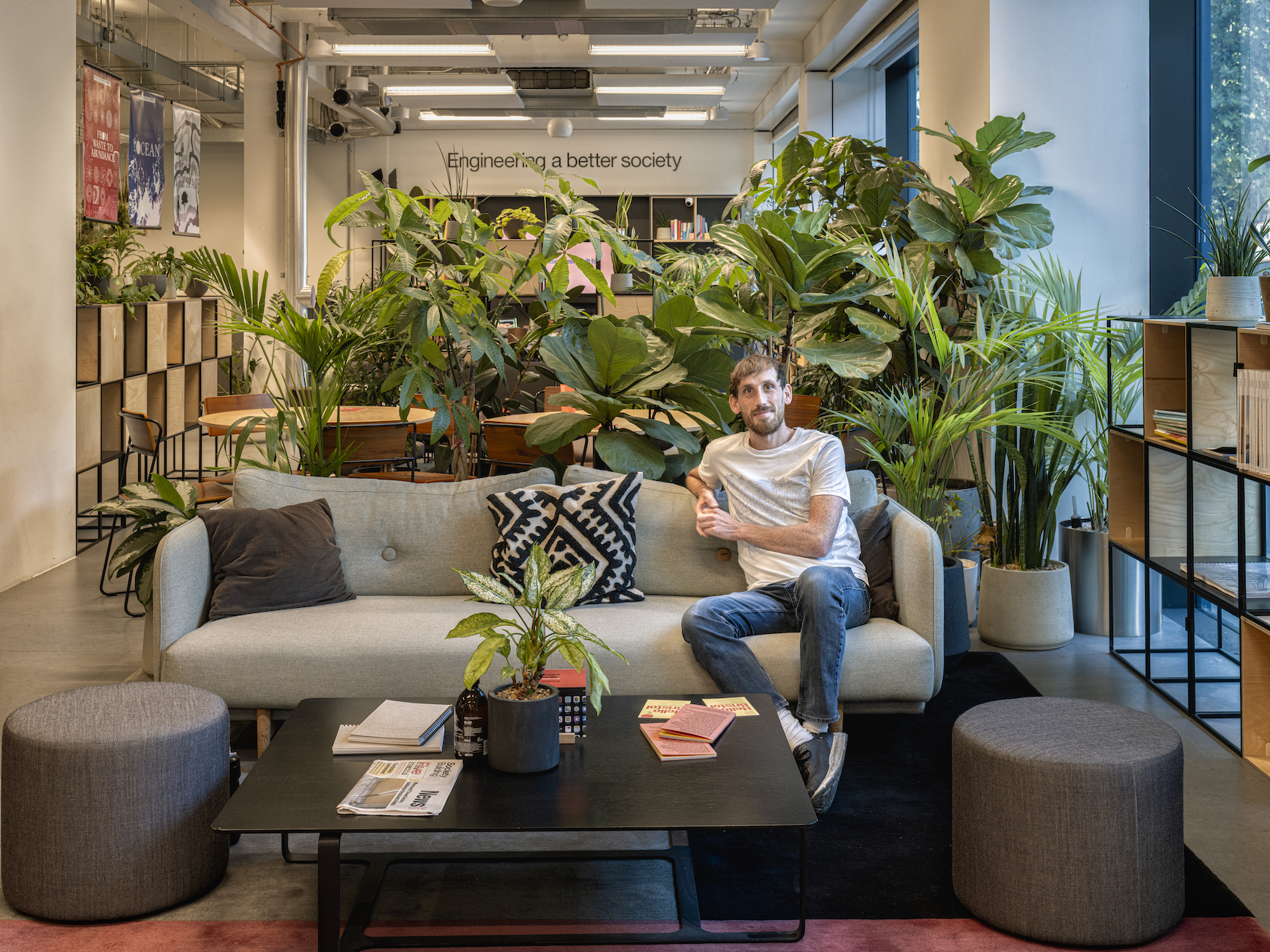
What can a soap film teach us about concrete construction? Ian Poole of Elliott Wood discusses biomimicry, material reuse in a push to make structural engineering less extractive and more regenerative.
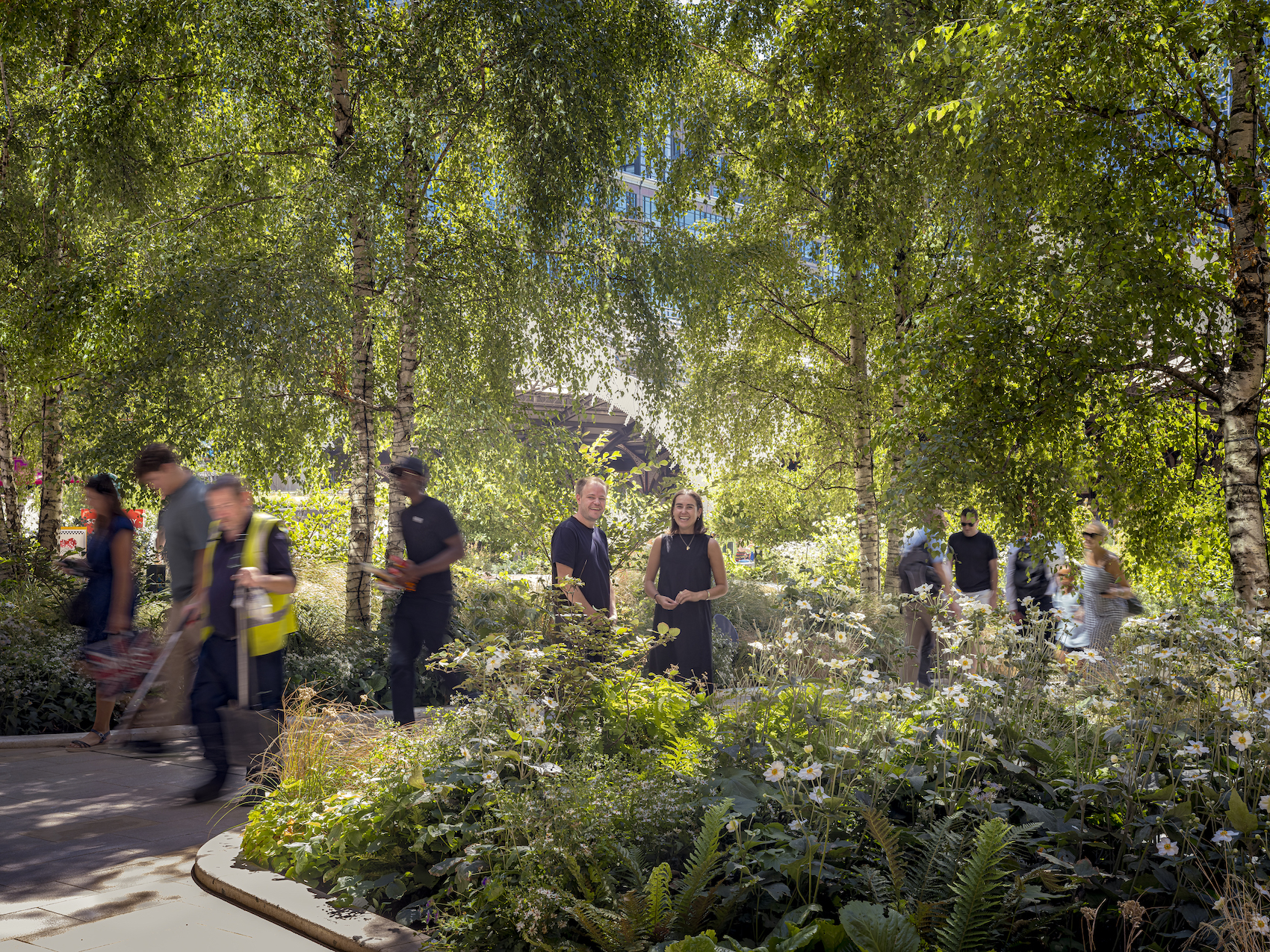
From Broadgate to the studio garden and experimental earth construction, Tom Greenall and Nicole Abernethy of DSDHA explore how testing ideas at different scales can turn landscape, biodiversity and material innovation into everyday practice.
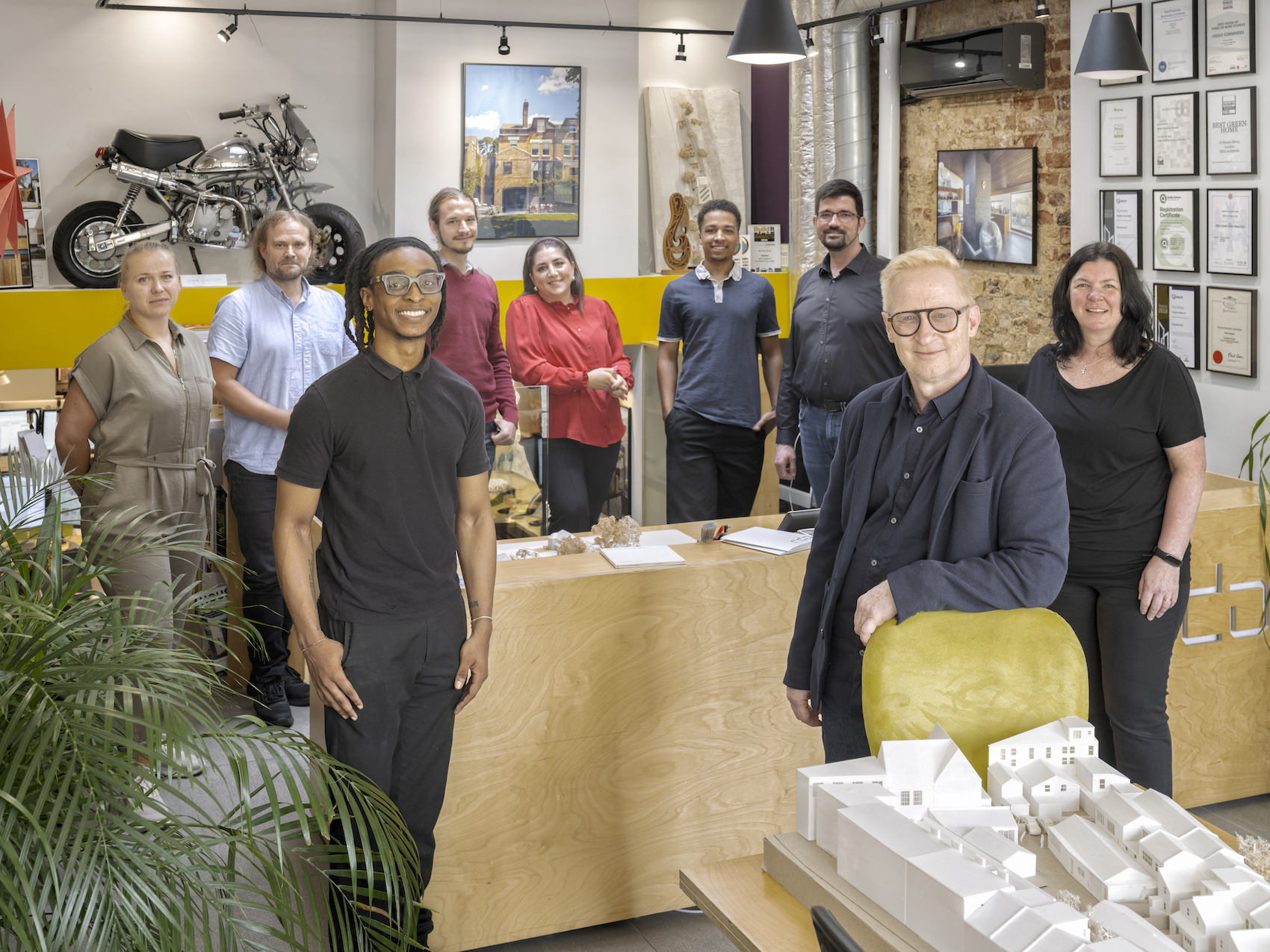
Richard Dudzicki tells AT how cinema, Passivhaus principles and London’s constraints shape a practice focused on retaining what exists, using fewer resources and finding inventive ways to make lasting homes.
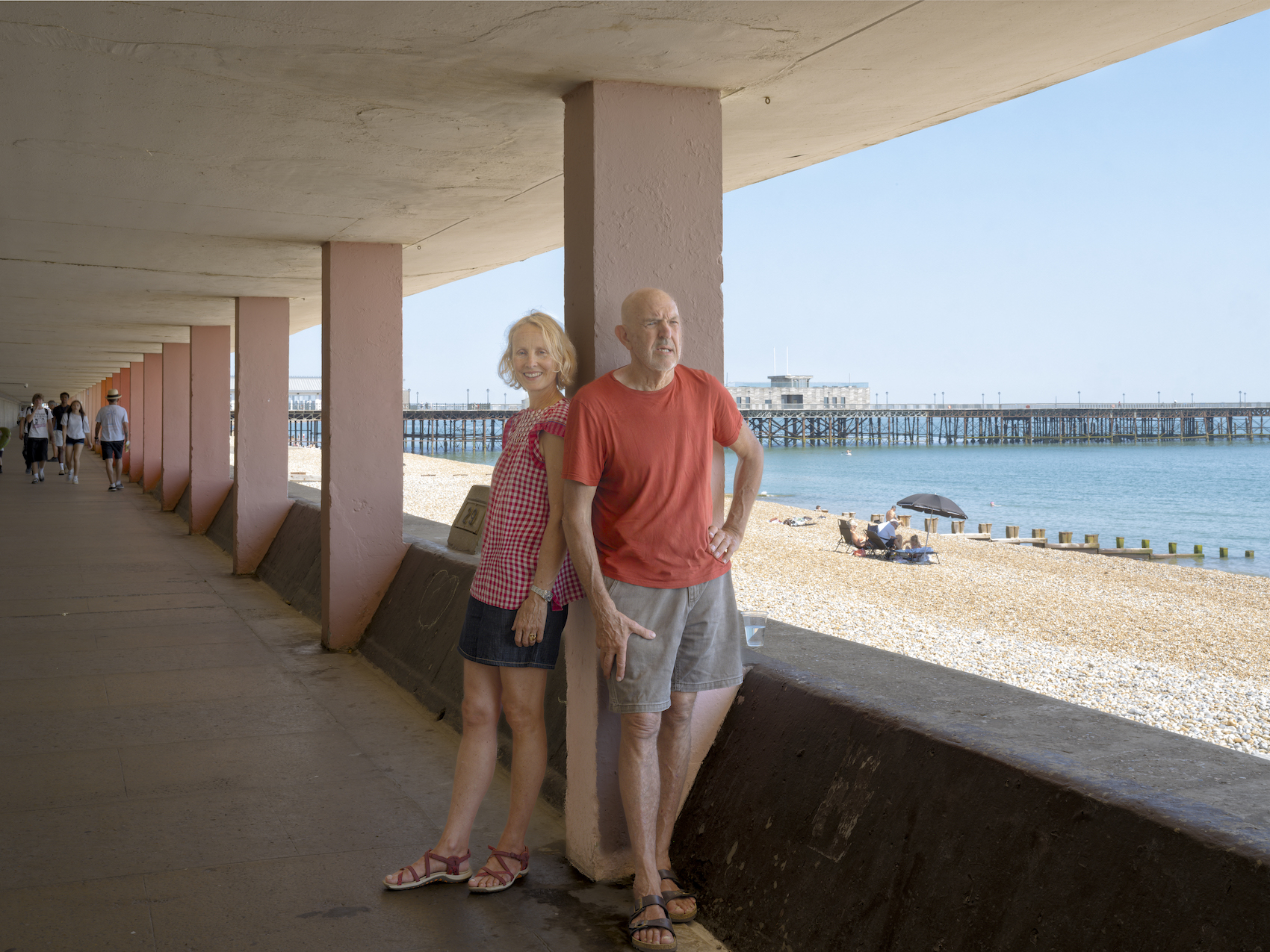
Corinna Dean of ARCA considers how architecture can foster care for human and non-human life, drawing on collaborative projects from floating reed beds on the River Lea to bio-receptive bricks that expose the environmental costs of making.

Paul Ruff reflects on a career shaped by resourcefulness, reinvention and a growing conviction that architecture must take responsibility for its impact.