The Hummingbird Learning Lab has announced a shortlist of four teams from the Regenerative Architecture Index 2026 for its competition to design a demountable learning space that reflects its neuroscience-grounded approach to education and community engagement.
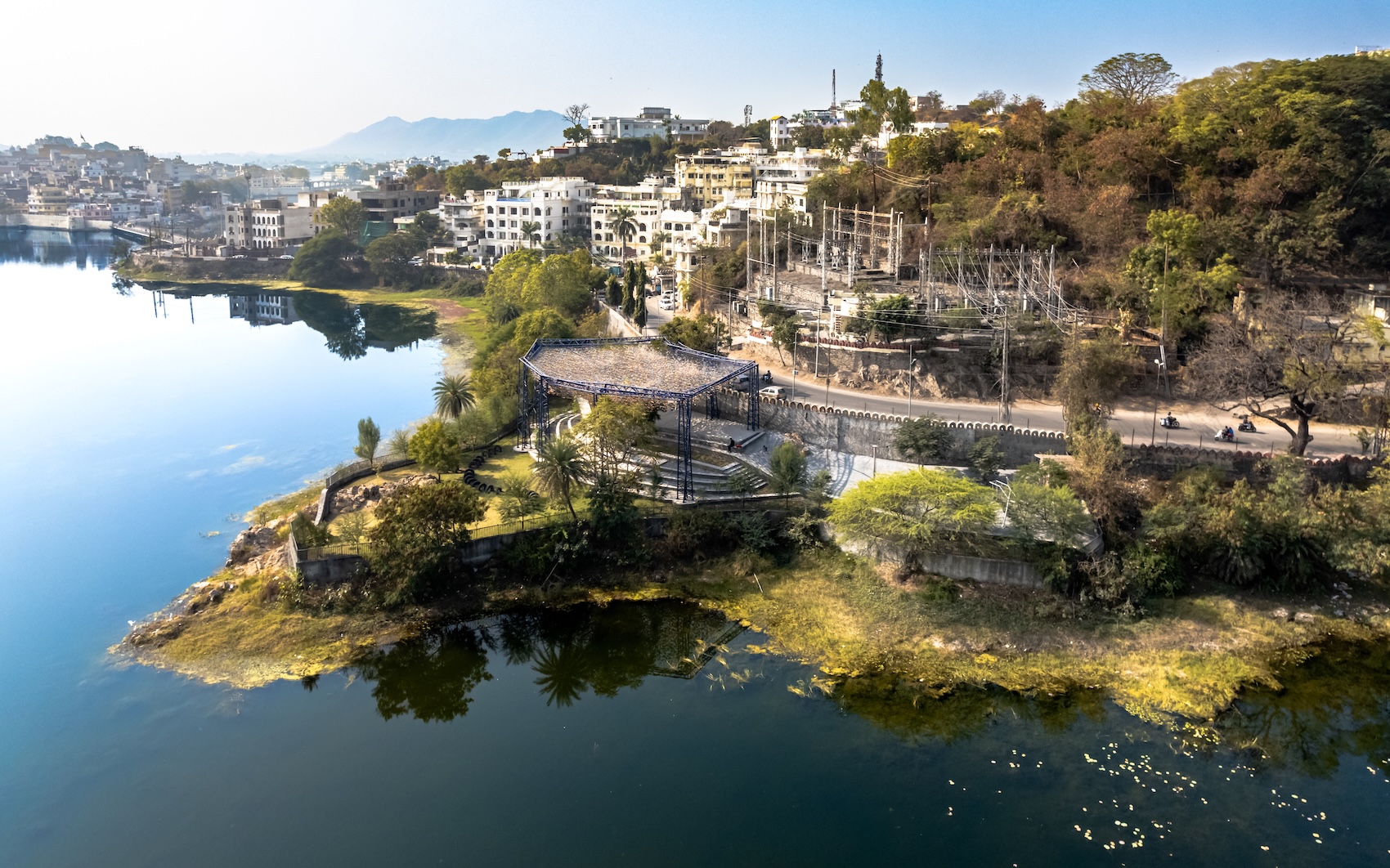
Creche in Udaan Park on the banks of the artificial Swaroop Sagar Lake in Udaipur, India, a previously run-down and underused park refreshed by Studio Saar in 2023 witht he aim of enhancing its connection to the surrounding nature and water while making it more accessible and inclusive. Photograph by Ankit Jain.
Four teams have been shortlisted by Hummingbird Lab in its competition to design a bespoke, demountable learning campus in the small Somerset town of Bruton:
- West country-based team Invisible Studio with PEARCE+
- London-based architectural practice Studio 8FOLD
- Anglo-Indian practice Studio Saar working with Format engineers and Bruton-based landscape architects Urquhart & Hunt
- Tezuka Architects, based in Japan
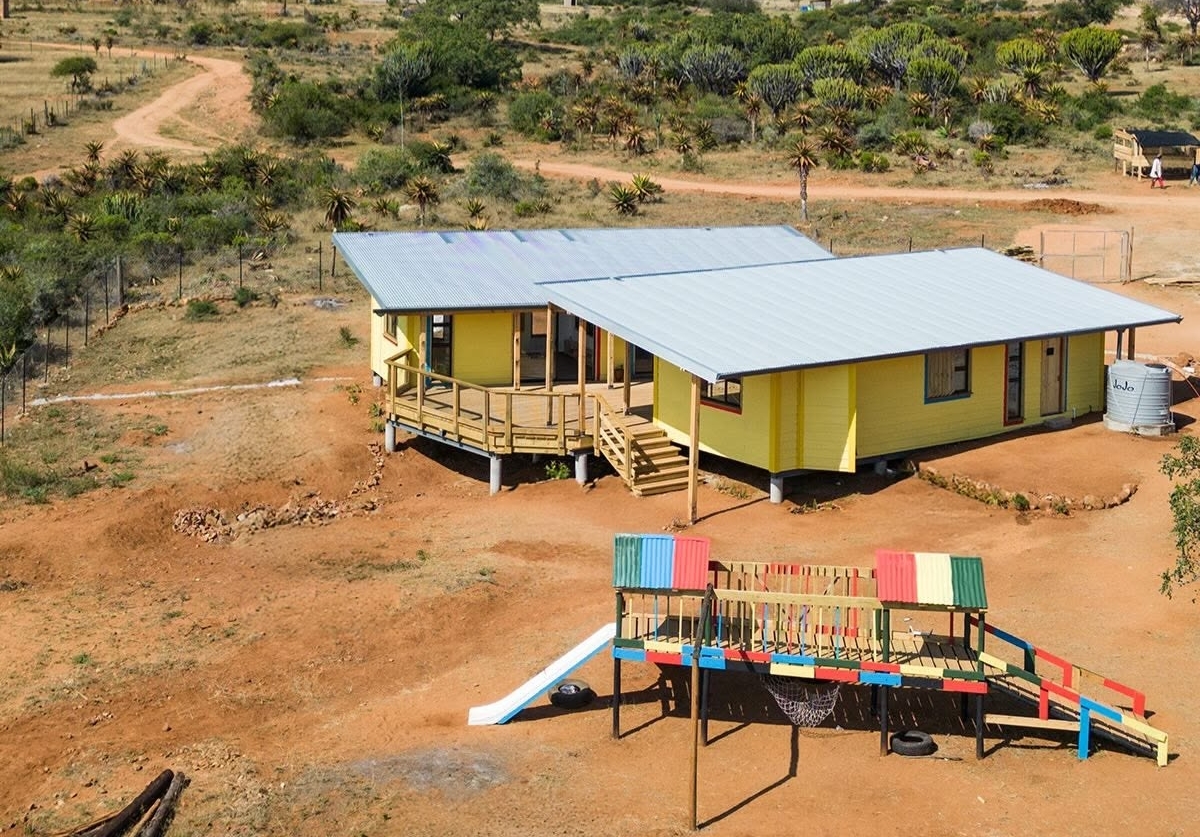
Creche in Limpopo, South Africa, designed and constructed by Studio 8FOLD in partnership with students, communities and local organisations. Photograph by Studio 8FOLD.
The Hummingbird Learning Lab has been working with the Regenerative Architecture Index to identify a design team that reflects its values and aspirations. Following a Call for Expressions of Interest, issued to participating practices in RAI, eight longlisted teams were invited to Bruton for an open day, initial interview and site visit. The four teams that have made it to the shortlist will be attending a second round of interviews in July.
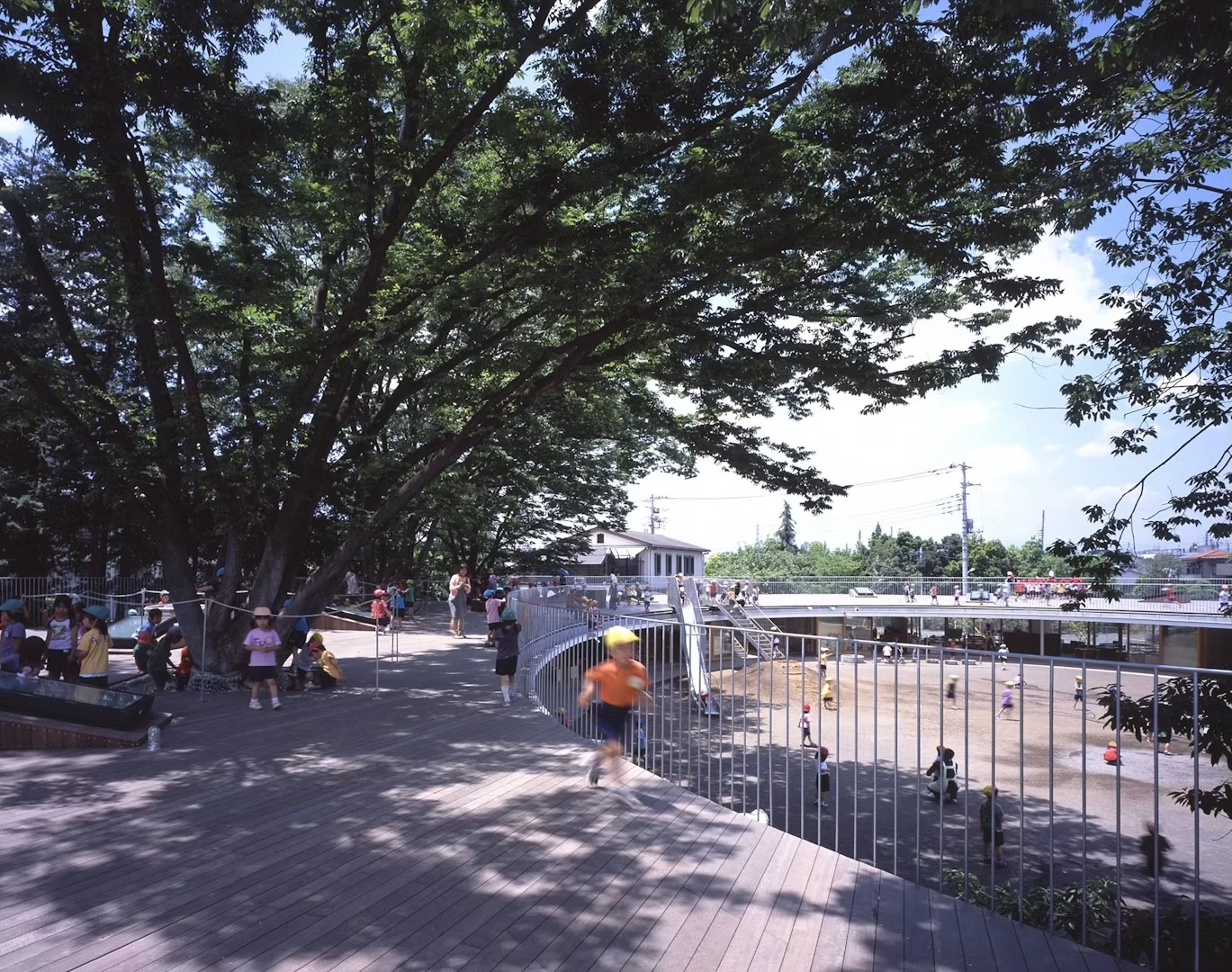
Fuji Kindergarten, Tokyo, Japan by Tezuka Architects, completed in 2007. Photograph by Katsuhisa Kida/FOTOTECA.
Grounded in a deep understanding of neuroscience, complex adaptive systems and regenerative design, The Hummingbird Learning Lab rests on a simple conviction: we are failing to equip young people with the skills and ways of being needed to flourish – physically, emotionally, and intellectually. Only by empowering them to forge meaningful connections, contribute purposefully to society, and take agency in their own evolution can they imagine and deliver the complex, interdisciplinary solutions required to meet the challenges of a future that has yet to be created.
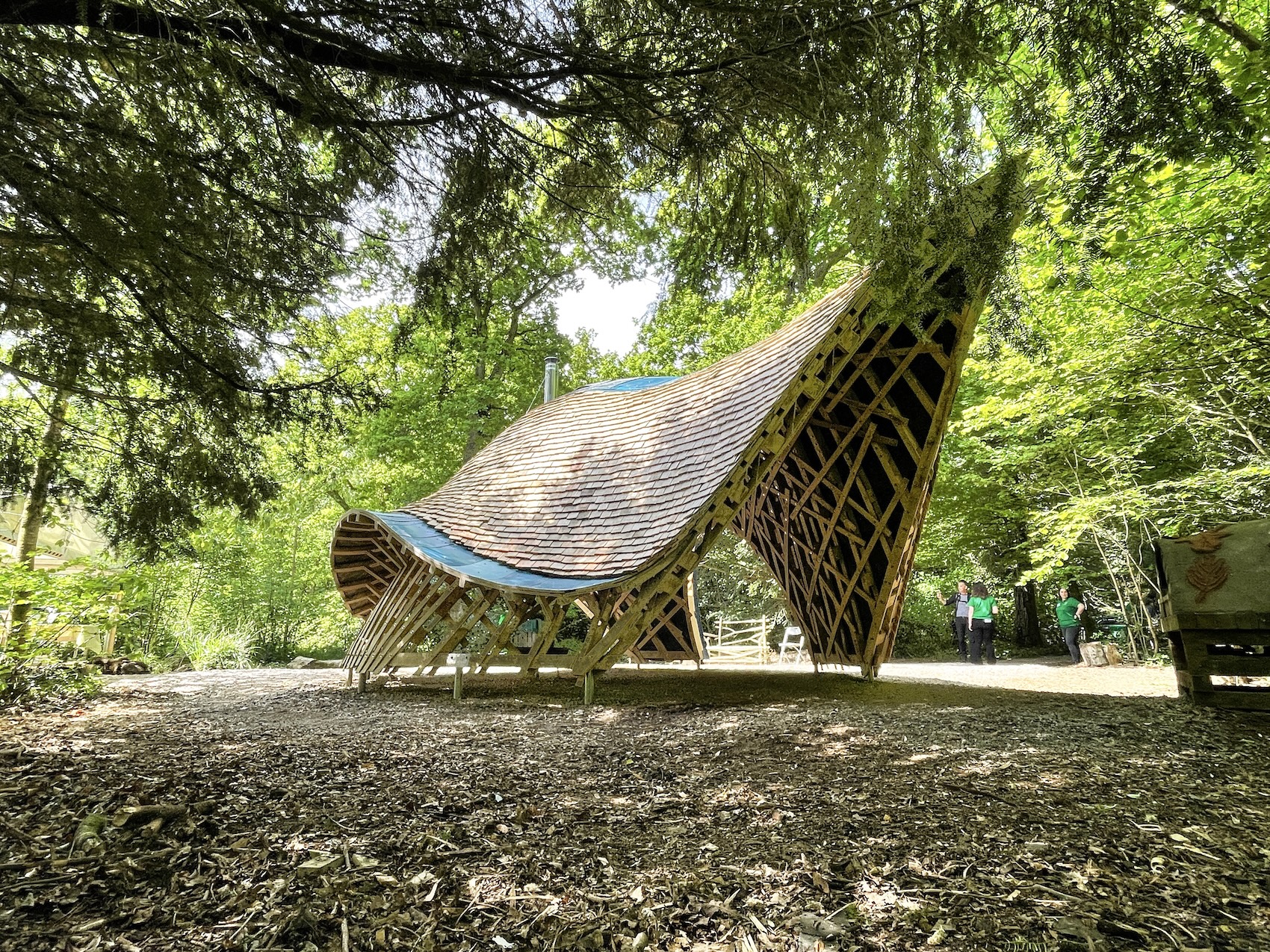
Community shelter at Westonbirt Arboretum in Gloucestershire designed by Invisible Studio in collaboration with timber structure specialists Xylotek, working alongside community participants with a range of abilities. Construction was undertaken by people from harder-to-reach community groups, as well as Forestry England volunteers and staff. Photograph by Jim Stephenson.
The Regenerative Architecture Index is a joint venture between Architecture Today and Architects Declare, that requires practices to share detailed and wide-ranging information demonstrating their track record and commitment to regenerative design. RAI practices will be showcasing their work at Regenerative Design 2026, a month-long public exhibition and events programme taking place at the Building Centre on Store Street in central London throughout October.