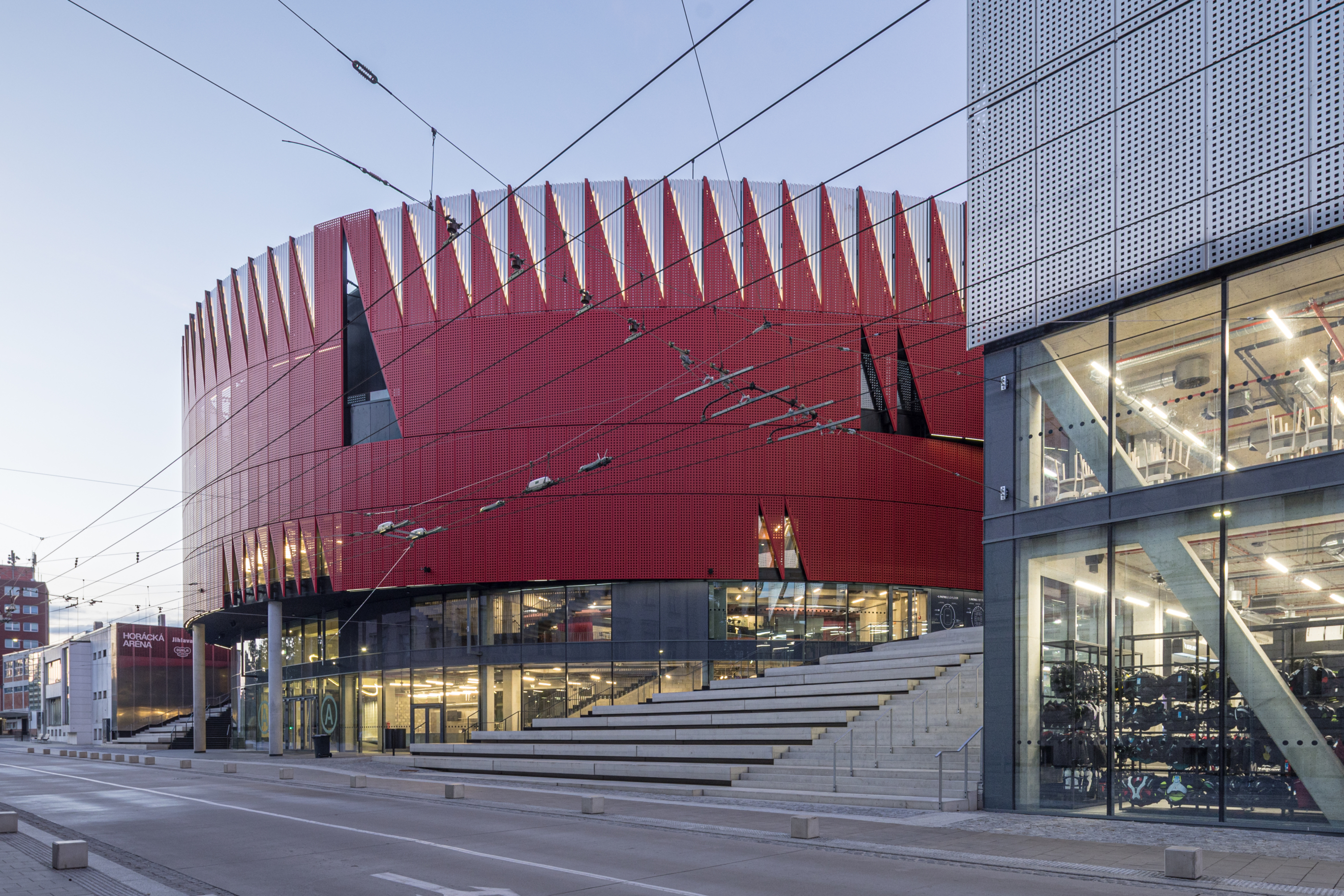
Max Fordham, Grimshaw, Elliott Wood, Studio PDP and Esther Robinson Wild join the line-up at a seminar on whole life carbon and adaptive reuse that takes place on the morning of Thursday 15th October as part of Regenerative Design 2026.
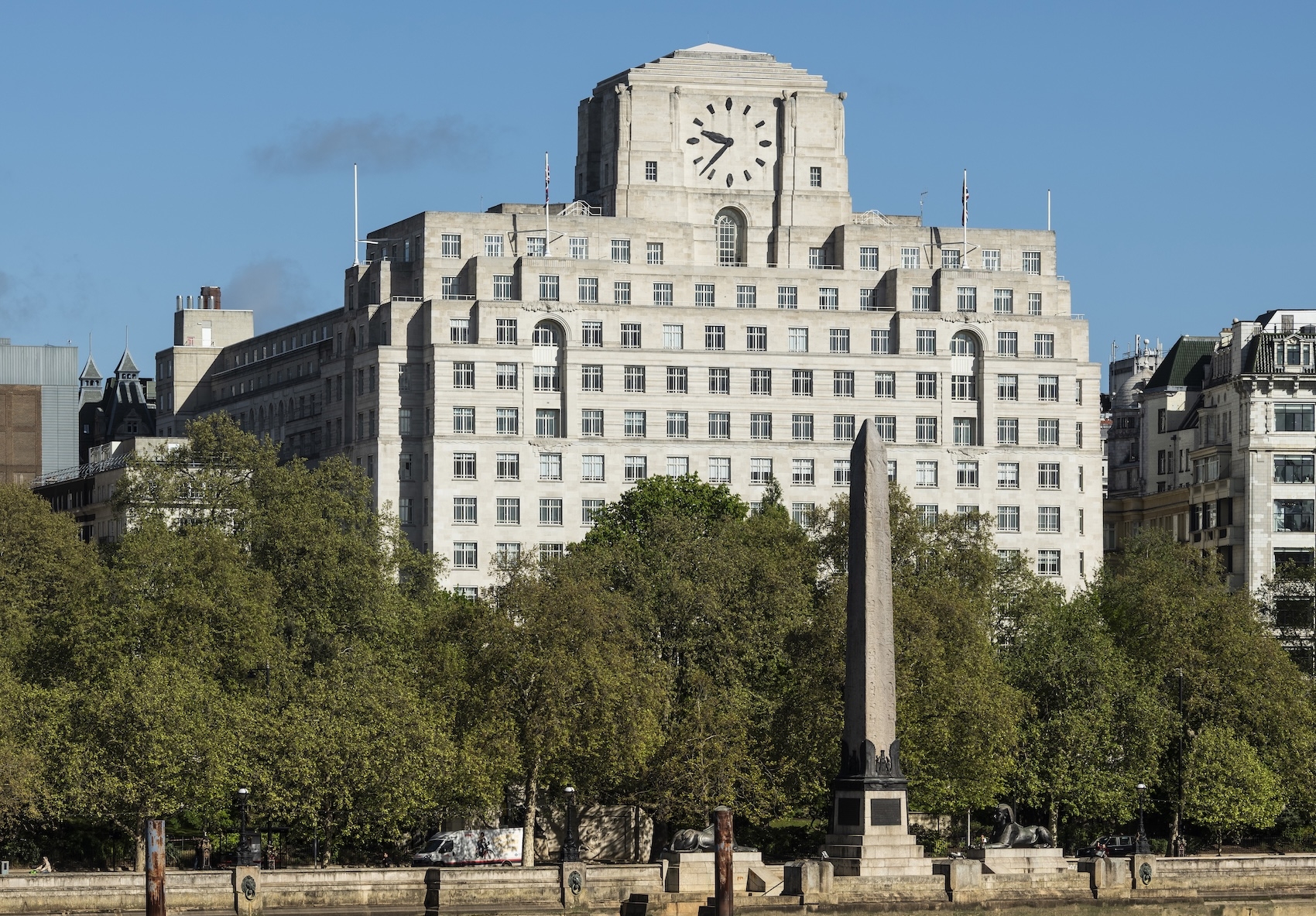
Originally built in 1932 as a massive single-tenant headquarters for Shell and BB, the Grade II-listed Shell Mex House has been re-worked by Studio PDP to meet modern commercial and environmental standards without losing its historic identity. Photograph by Anthony Coleman.
Reusing and retrofitting existing buildings offers a clear and sustainable alternative to demolishing and rebuilding, yet the UK demolishes 500,000 buildings every year. This session explores the challenges associated with retrofit and reviews current policies and barriers to change. Crucially, the session will also explore issues around funding and viability and discuss the most effective strategies for quantifying and communicating both the commercial and the whole life carbon benefits of adaptive reuse.
The aim is to share best practice, but also to discuss the most effective means of encouraging local authorities, city leaders, developers and clients to understand, improve and capitalise on the latent environmental, heritage, economic and social value of their existing assets.

Bath School of Art and Design. Designed by the Farrell/Grimshaw Partnership as a factory for Herman Miller, the original building was completed in 1976, and was Grade II listed in 2013. Grimshaw repurposed the building as Bath Schools of Art and Design in 2019. The project is a finalist in Architecture Today’s Test of Time Awards. Photograph by Chris Wakefield.
Chaired by Kiru Balson of Max Fordham, presentations include:
Conservation expert and finance specialist Esther Robinson Wild, co-founder of Robinson Wild and Vestiga Capital Partners on the potential for intelligent investment in the sustainable reuse of historic buildings to create opportunities for economic and social returns.
Studio PDP partner Luke Richardson-Brown on the practice’s work on the Grade II-listed Art Deco Shell Mex building located between The Savoy Hotel and the Adelphi building on the Strand in central London.
Kiru Balson, principal sustainability consultant at Max Fordham on the challenge of encouraging clients to consider adaptive reuse rather than demolition or new-build.
Alexander Grigull, associate principal at Grimshaw, on the practice’s design and subsequent adaption of the Herman Miller Factory in Bath, completed by the Farrell/Grimshaw Partnership in 1976 and given a new lease of life as Bath Schools of Art and Design in 2019.
Ian Poole, innovation lead and environmental steward at engineering firm Elliott Wood on Westminster City Council’s retrofit first policy, widely held to be the most advanced of its kind. Ian will discuss the challenges and tensions within the policy and outline the way regenerative thinking needs to be applied across a broader policy landscape in contexts beyond Westminster.
Whole Life Carbon and Adaptive Reuse
Thursday 15 Oct, 8:30am – 11:30am
The Building Centre, London
Launched by Architecture Today, Regenerative Design 2026 is a month-long programme of exhibitions and events that takes place at the Building Centre throughout October 2026.

Whole life carbon and adaptive reuse is delivered in partnership with Max Fordham.