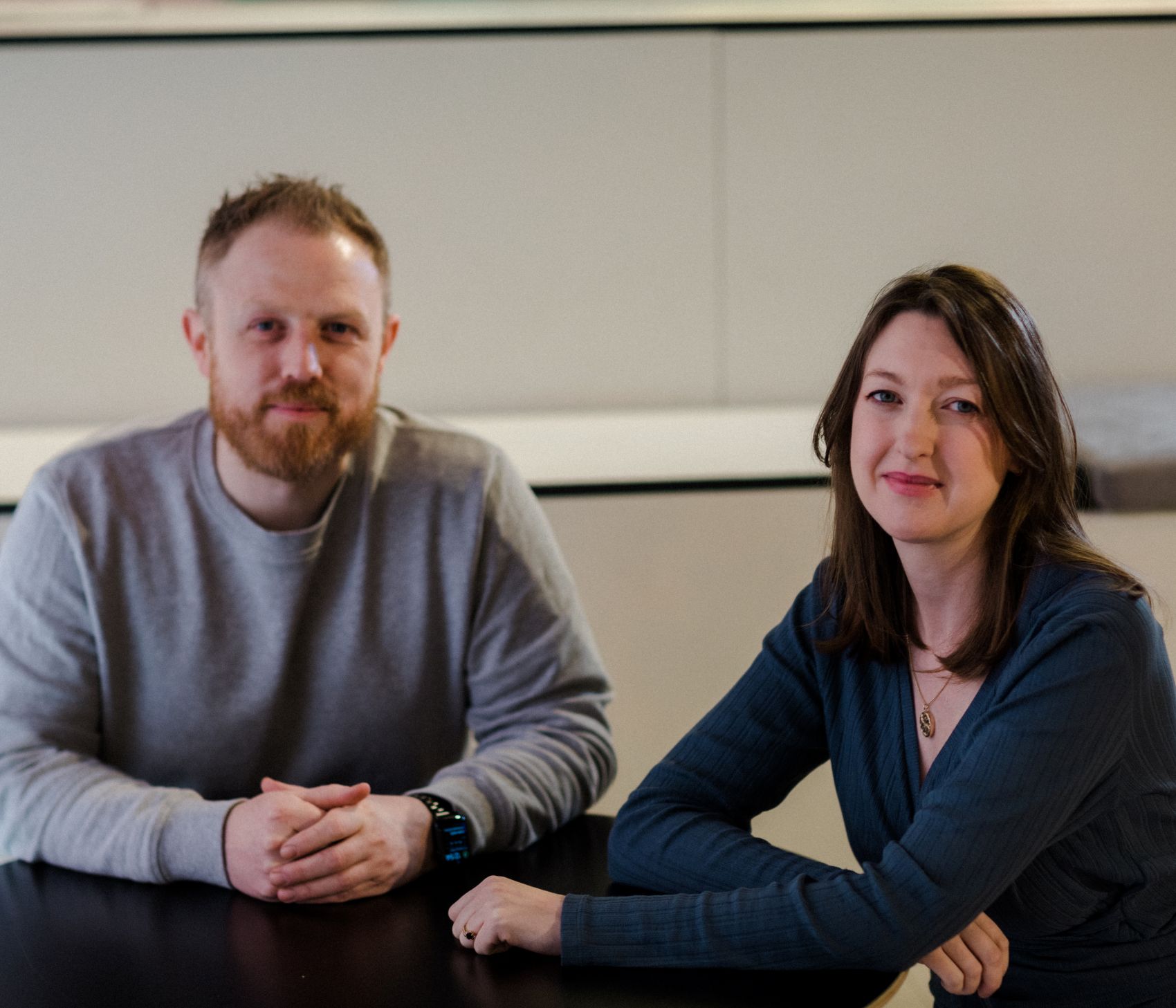
AT catches up with Rachel O’Grady and Chris Upson to find out what’s next for Belfast-based OGU Architects, and hear about their use of demountable structures to trial urban change, engaging communities in their city’s future.
How would you describe OGU as a practice and what kinds of projects interest you?
OGU help socially conscious clients improve public places and buildings through careful research, material quality and meaningful collaboration with makers and manufacturers. For many years we have been developing and refining our approach, making and repairing urban fragments, whether that is a building, installation, process or urban strategy. We see each project as both a piece of the wider city, knitting back into the rest, but also a prototype to help push forward and contribute to the conversation about positive urban change. Based in Belfast, we have always taken advantage of the very high standard of manufacturing around us in Northern Ireland and this careful approach to constructing locally gives our projects a particular resonance with their setting.
When you begin a new project, what’s the first question you ask and why?
We usually approach projects from totally different angles! This is very important to our practice: each member of the team brings a different perspective and a different question. We often spend a long time walking the site, talking to people and finding the layering of history and meaning that give a direction to our decisions and help us make projects which resonate with people.
What are you working on at the moment and what’s next for OGU?
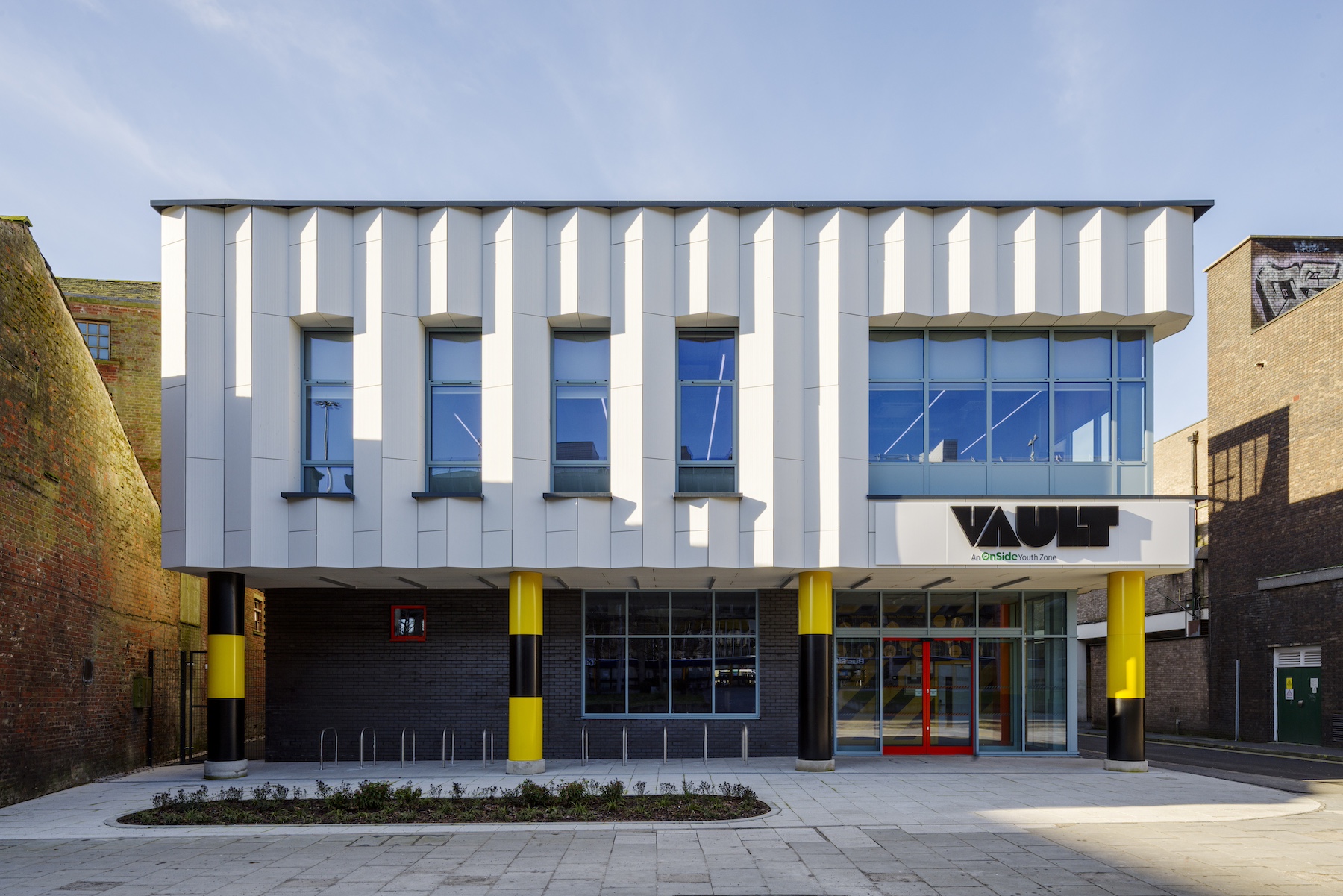
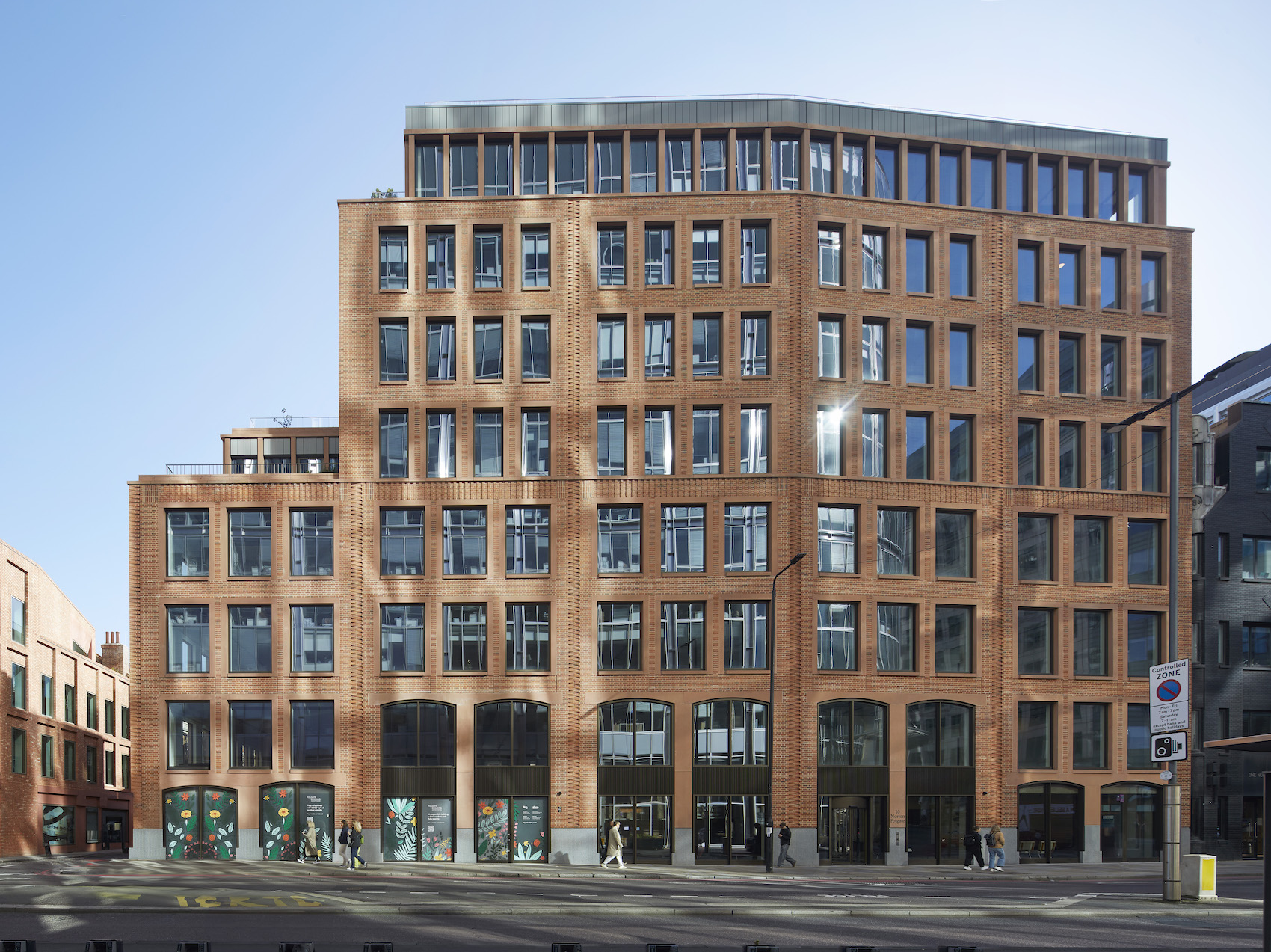
We are working on a number of urban design projects across the island at a range of scales, some strategic, some built installations. After the success of 2 Royal Avenue Belfast (the adaptive reuse of a former bank building) we are working on more meanwhile-space projects and the transformation of existing buildings for public use for community groups and councils. It has been incredible to see how 2RA has demonstrated a public appetite for indoor gathering space and it is exciting to be part of developing this emerging urban typology in different places.
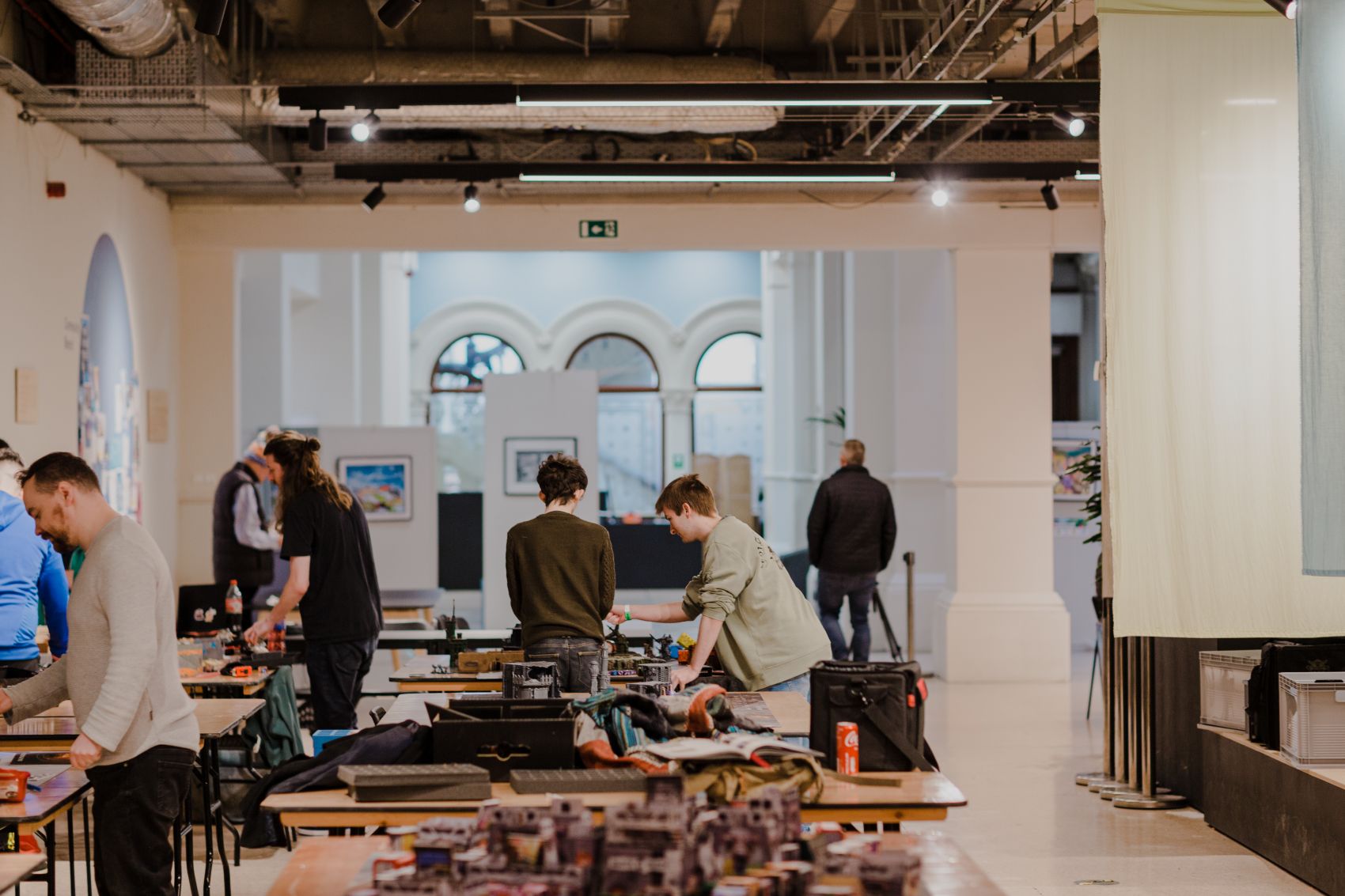
2 Royal Avenue Belfast, by OGU Architects and MMAS.
A large proportion of your projects are temporary structures, pavilions, or easily-transportable meanwhile spaces. What role does this type of architecture have in the urban environment and what are the upsides to working in this genre?
Most thriving cities are made up of a mixture of very long-lasting architectural elements, medium term adjustments, all the way through to very temporary and fleeting installations that enable places to momentarily transform for an occasion, or as a daily sign of commitment to the uniqueness of a space (take, for example, the use of fabric in many sacred sites around the world). When a place lacks this ‘temporal nesting’, it is important to ask why. Are people prevented from altering their space or putting things in it? Or is there a lack of connection between people and this place? As a species we tend to adorn things, so when we are not doing that it’s usually indicative of a problem.
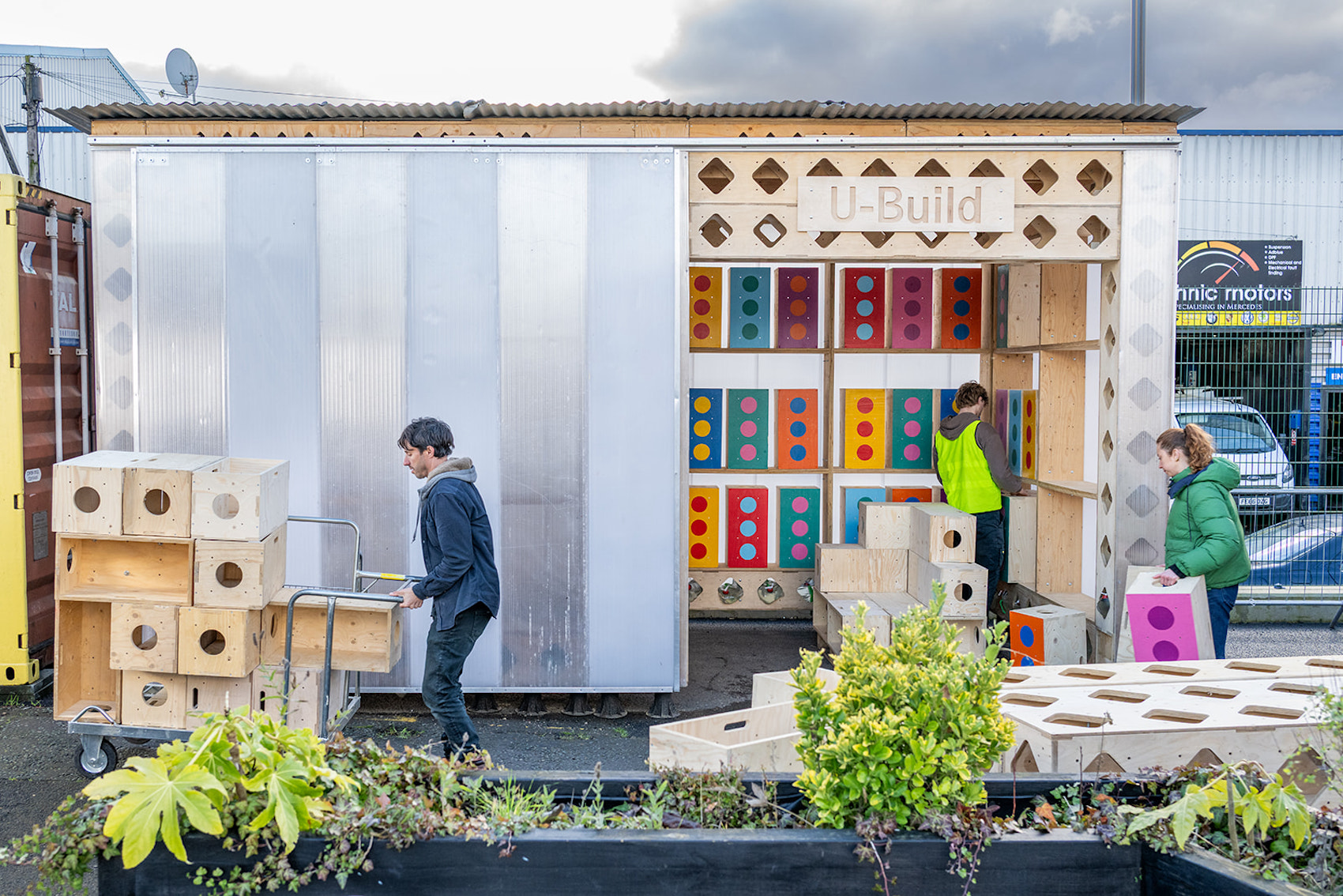
So there are many roles demountable architecture can play: it can create festival, it can help people to reimagine a currently unloved area, it can also create unique opportunities, like the kiosks at Queen’s Quay which have allowed many start-up businesses to gain exposure without taking on a huge financial risk. We do find this type of architecture is particularly powerful as part of engaging people in conversations about their future city, trialling and testing urban change. However, there is a misconception that temporary architecture is just a placeholder for something ‘permanent’. Sometimes, with a tactical intervention, you do hope that it leads to something longer-lasting, and with any project you hope for the impact to reach far into the future. But some projects are valuable because they are fleeting or cyclical. It has been great to see the conversation shift over the last decade: now, more of us are seeing every building as temporary as we need to think about the future life of materials and components.
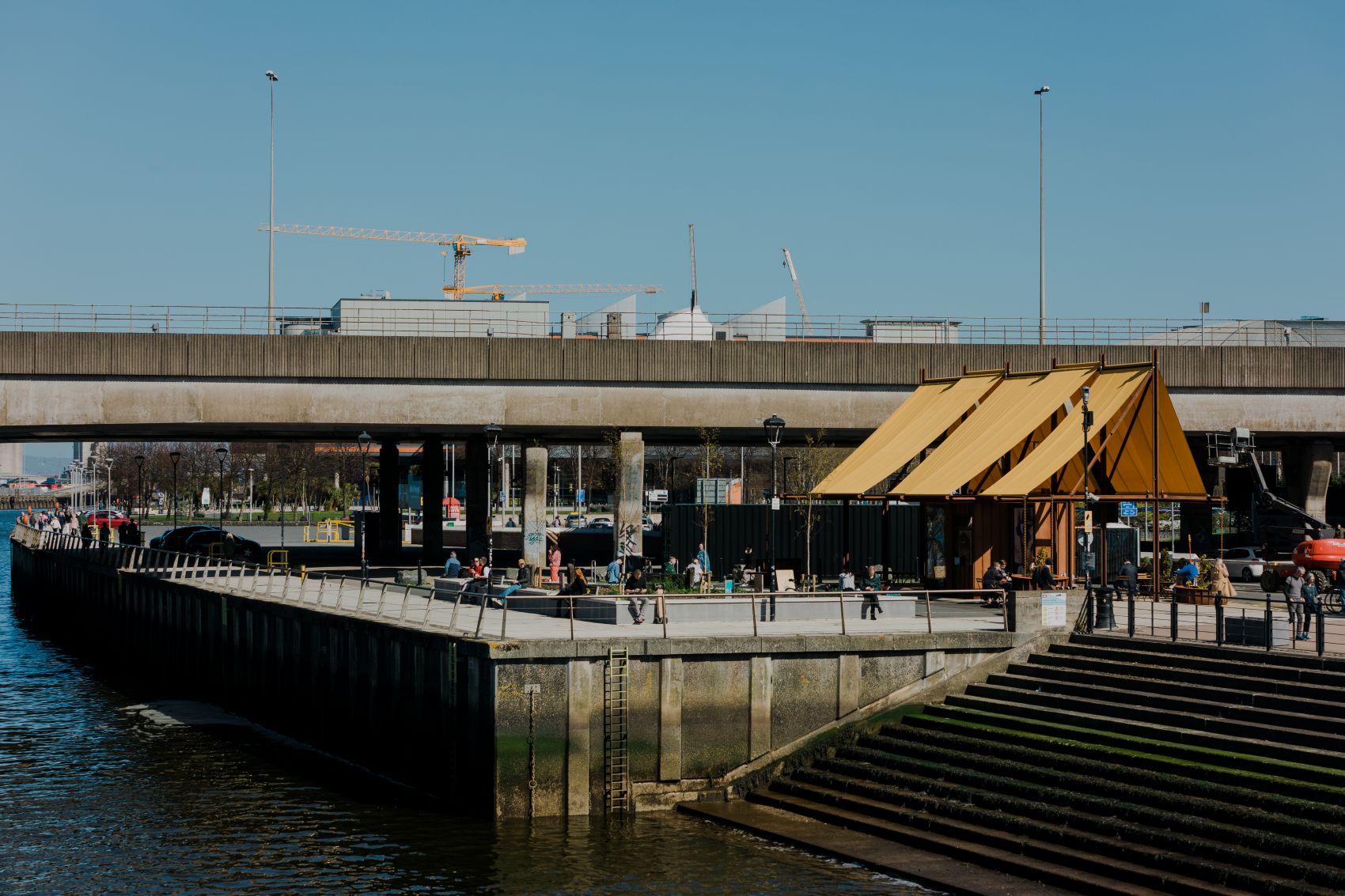
Queen’s Quay Kiosk, by OGU Architects and MMAS, is a pavilion located on the Maritime Mile on the Lagan waterfront, Belfast. The structure contains a coffee shop, exhibition space and a second flexible unit providing young businesses with the opportunity to grow without the financial risk associated with opening a high-street shop front.
What factors do you consider when choosing materials and how does this vary project to project?
It is important to us that we work with local manufacturers whenever we can and we also often work with artists. Material selection is then part of the collaborative process. We do try to find ways to play to the strengths of the team members and if there is a process or technique a maker has been desperate to develop, that will often be the route we try and follow because if somebody has enjoyed making something, it shows in the quality of the artefact. This isn’t always appropriate depending on the project, but we have been lucky that most of our clients have been enthusiastic about this type of cocreation and the brief could incorporate it.
Where do you get your best work done? Is there a place or ritual that clears the head?
If we are not in the office you will probably find us on the coast somewhere, being rounded up by our rescued sheepdog and two year old daughter.