Collective Works discuss challenging received wisdom and the imperfect systems which are causing harm, and using the language of the seasons to frame the rhythm of company life.
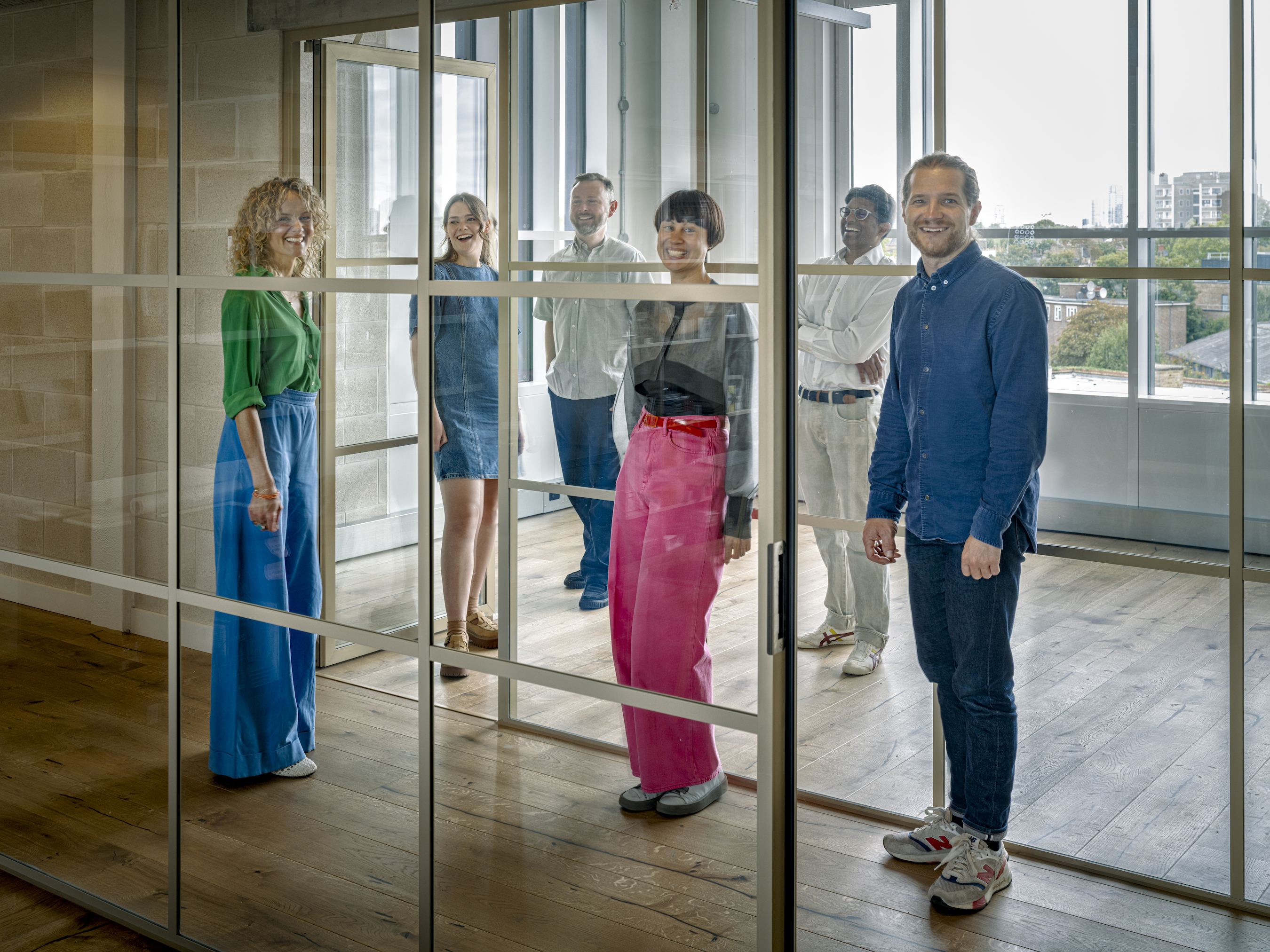
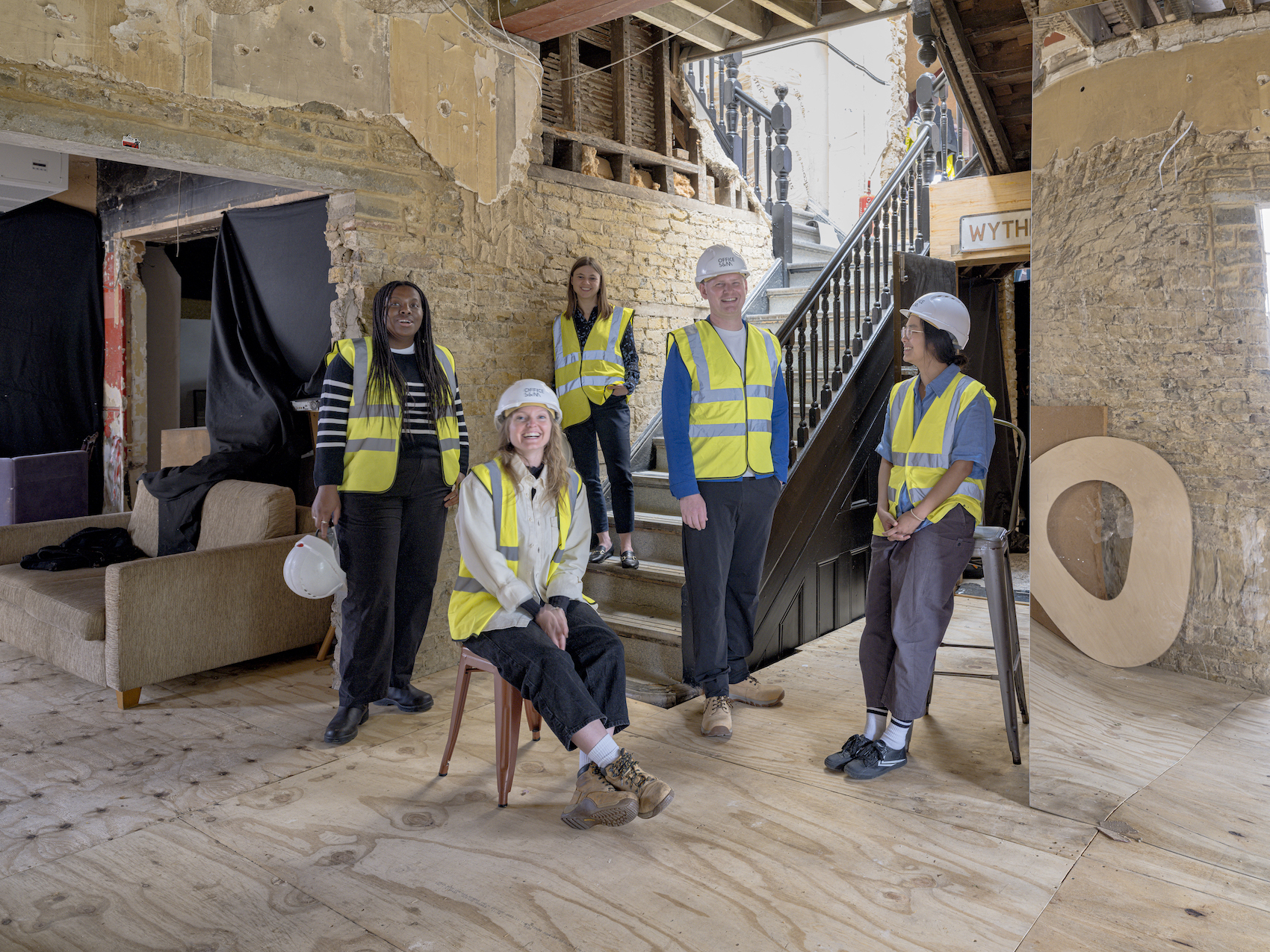
Collective Works are photographed at their studio in Islington, north London. From left to right: Siri Zanelli, Xanthe Wilkins, Alasdair Ben Dixon, Jenny Gnadl, Khuzema Hussain and Joe Scragg.
As news cycles become shorter and political actions become more theatrical, attention spans are decreasing. The key to regenerative practice is to see the bigger picture – be that environmental or social – and take actions that will suit the short term and deliver positive outcomes in the long term.
In lean times, there are often two options: Enter into the race to the bottom, or double down on your values – challenging received wisdom and the imperfect systems which are causing harm.
Regenerative architecture is about restoring communities, embracing collaboration over competition and aligning purpose with practice. It’s about seeing design as a shared endeavour, approaching briefs from a longer perspective, and nurturing more shared values than competing interests.
Together we have more power: To resolve barriers of understanding, to bring innovative solutions to market, and to lobby for ambitious and robust legislation that will move us towards a regenerative future.
The more closely we and our consultant teams reflect the society we wish to serve, the more effectively we’ll be able to work with a broad range of clients and stakeholders. Xanthe, Part 3 architect, says “Diverse minds will inevitably come up with diverse and better explored solutions. I have talked about my dyslexia and neurodiversity and have been met with support and recognition. We have genuine interest and care for each other’s differences.”
At the early stage of any project we run two workshops: ‘Responsible’ and ‘Beautiful’, where we explore and challenge the brief, considering a more regenerative approach. Having established the best ways to align with our client’s values, we embed these within our agendas throughout the project.
Collective Works is very much a live concern with no plans for succession yet. For us the idea of building a business with the intention to exit is fundamentally not regenerative. So, as in a hive, we work for the common good of the practice. As we evolve, the practice will shift to suit the collective.
We use the language of seasons to frame the rhythm of company life.
We resist the idea that we should be in a constant state of productive summer, and recognise the need for wintering and rest outside traditional holidays.