Maccreanor Lavington’s Erin Towsley sheds light on Belfast Harbour’s Clarendon Wharf Residential Development, talking through the scheme’s ten year phased development, and detailing its ambitious social and environmental sustainability targets.

What does Clarendon Wharf Residential Development scheme encompass and what is Maccreanor Lavington’s involvement?
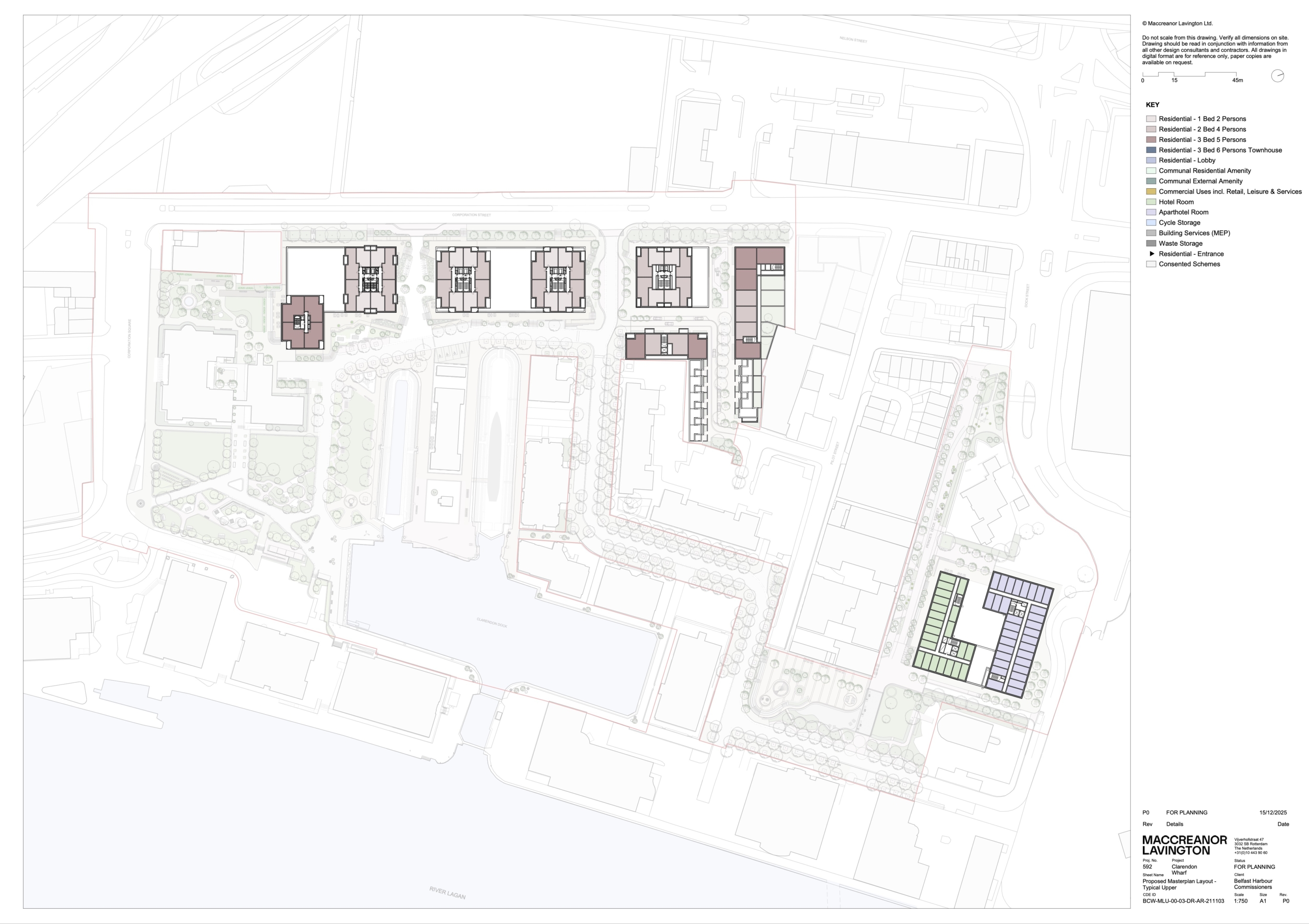
The masterplan for Clarendon Wharf, a major new mixed-use harbourside neighbourhood commissioned by Belfast Harbour and led by Maccreanor Lavington, represents an opportunity to create a new distinct destination within the city centre of Belfast with the historic Clarendon Dock at its heart.
The overarching vision for the masterplan is to create an integrated, urban residential community. This new neighbourhood is designed to be a complimentary component of the city centre, allowing it to fluidly extend to the river and harbour, creating a distinct nexus point within the city centre conglomerate.
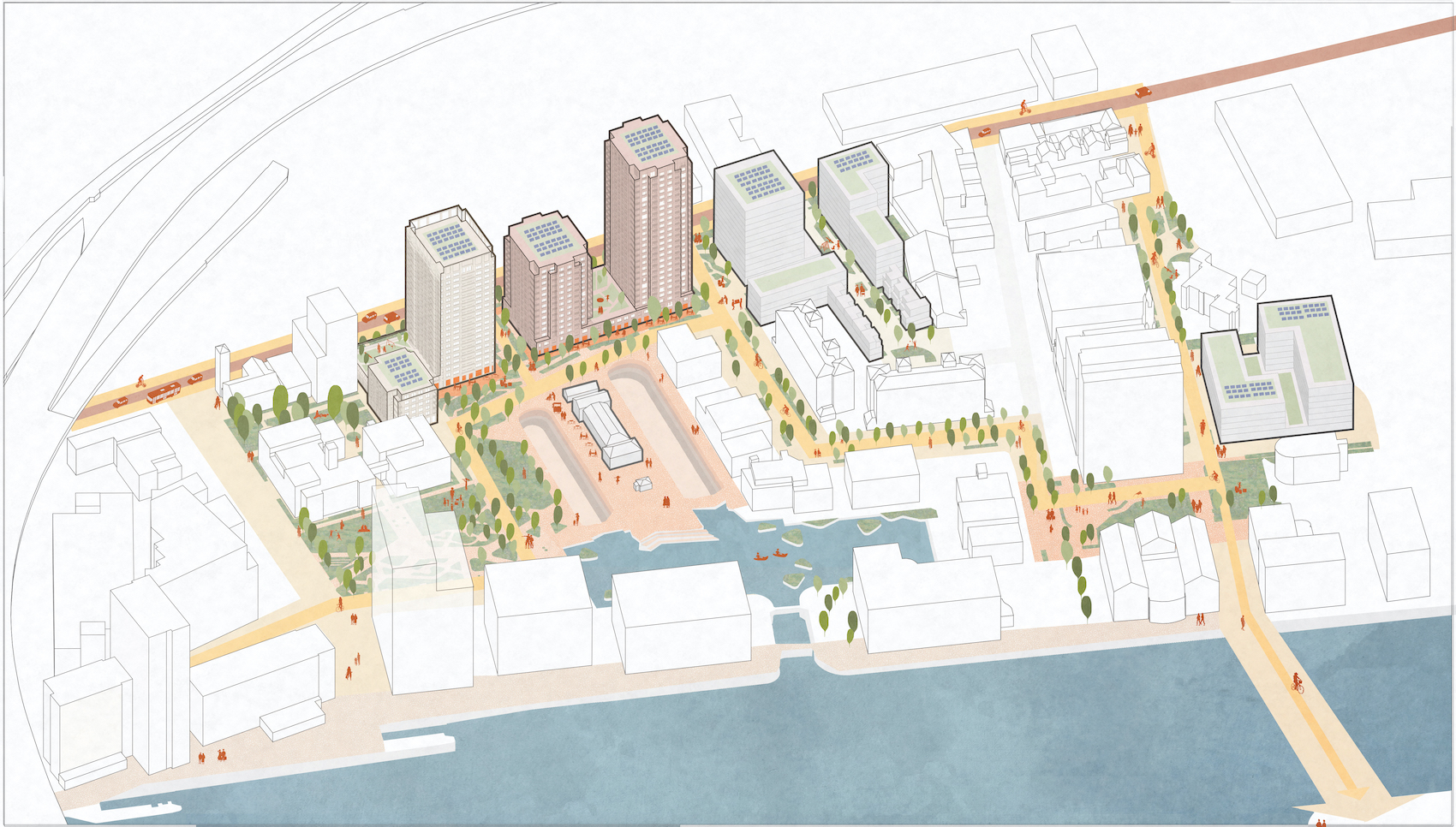
Strategically located minutes from the Cathedral Quarter, the masterplan will deliver up to 600 new homes supported by commercial and leisure uses, anchored by over four hectares of new and upgraded public realm that seamlessly connect City Quay Gardens through to Sailortown and Corporation Street to the waterfront with intimate gardens, pocket parks, reactivated water spaces and local, green streets.
What is the anticipated phasing strategy/ timeline of the development?
A full planning application has been submitted for phase 1 of the masterplan to bring forward the first two plots, delivering 456 new homes alongside active ground floor uses and improved public realm animating the docks and Corporation Street.
The remaining masterplan plots and public realm have been submitted as an outline application expected to be brought forward by Belfast Harbour over the next circa ten years. The later phases of the masterplan will deliver an additional 150 new homes alongside a diverse range of commercial, leisure, community uses, a hotel and apart-hotel, and extensive public realm with the reanimation of the historic Clarendon Buildings and dry docks at its heart.
How does your design approach to Clarendon Wharf strengthen physical and visual connections between the Harbour Estate and Belfast city centre?
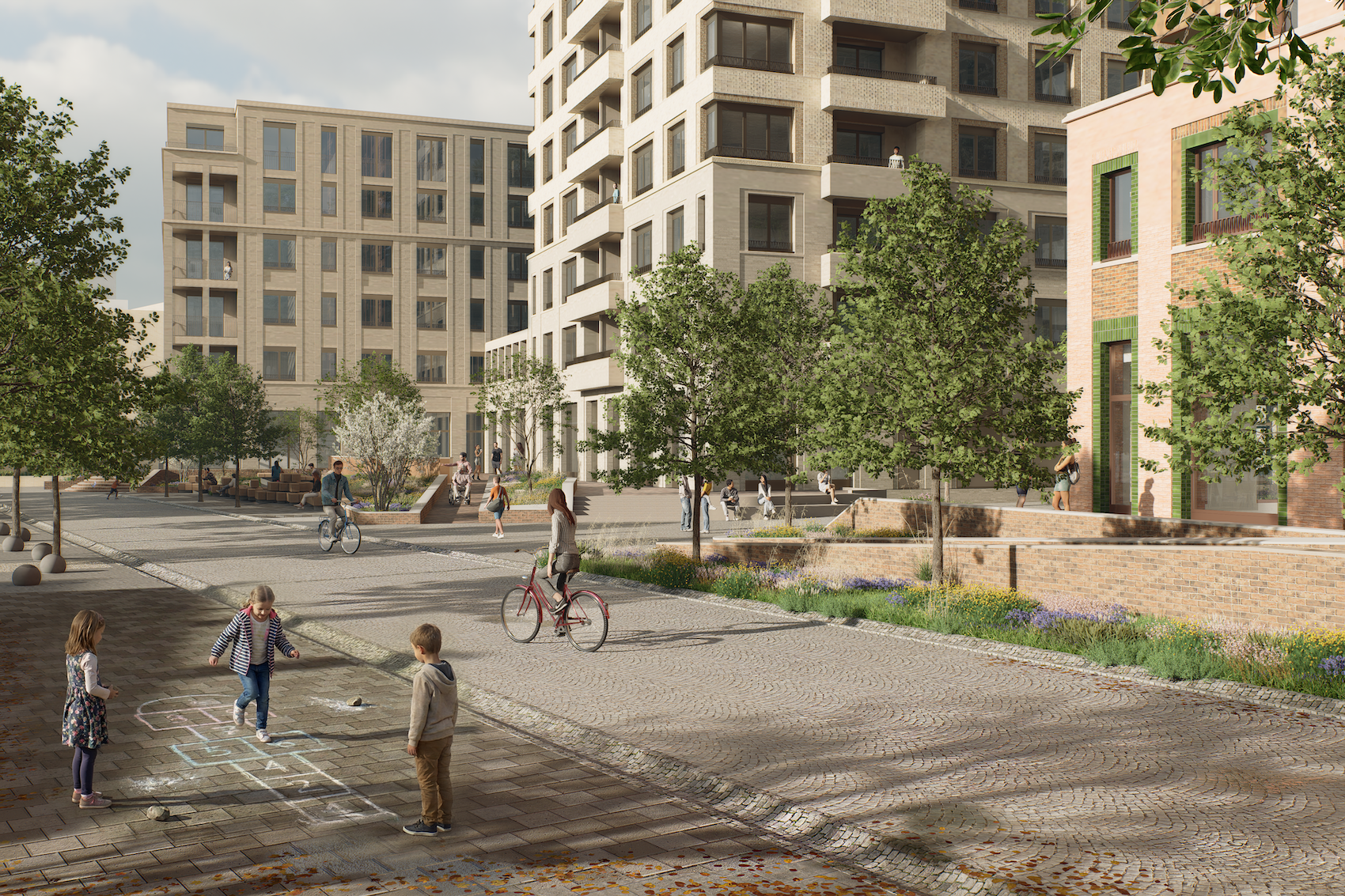
Buildings have been articulated to frame views in and out of the docks and create definition and enclosure to the surrounding public spaces. Careful modulation of the massing and detailing of the facade creates dynamism and visual interest at street level and in long views across the city. A core principle of the urban design has been developing a cinematic urbanism that focuses on the experience of moving through the spaces in the masterplan. From cloister-inspirated gardens that open to long views across the docks to intimate residential streets and pocket parks positioned to appreciate heritage assets, the masterplan provides an interconnected series or urban moments with unique characters.
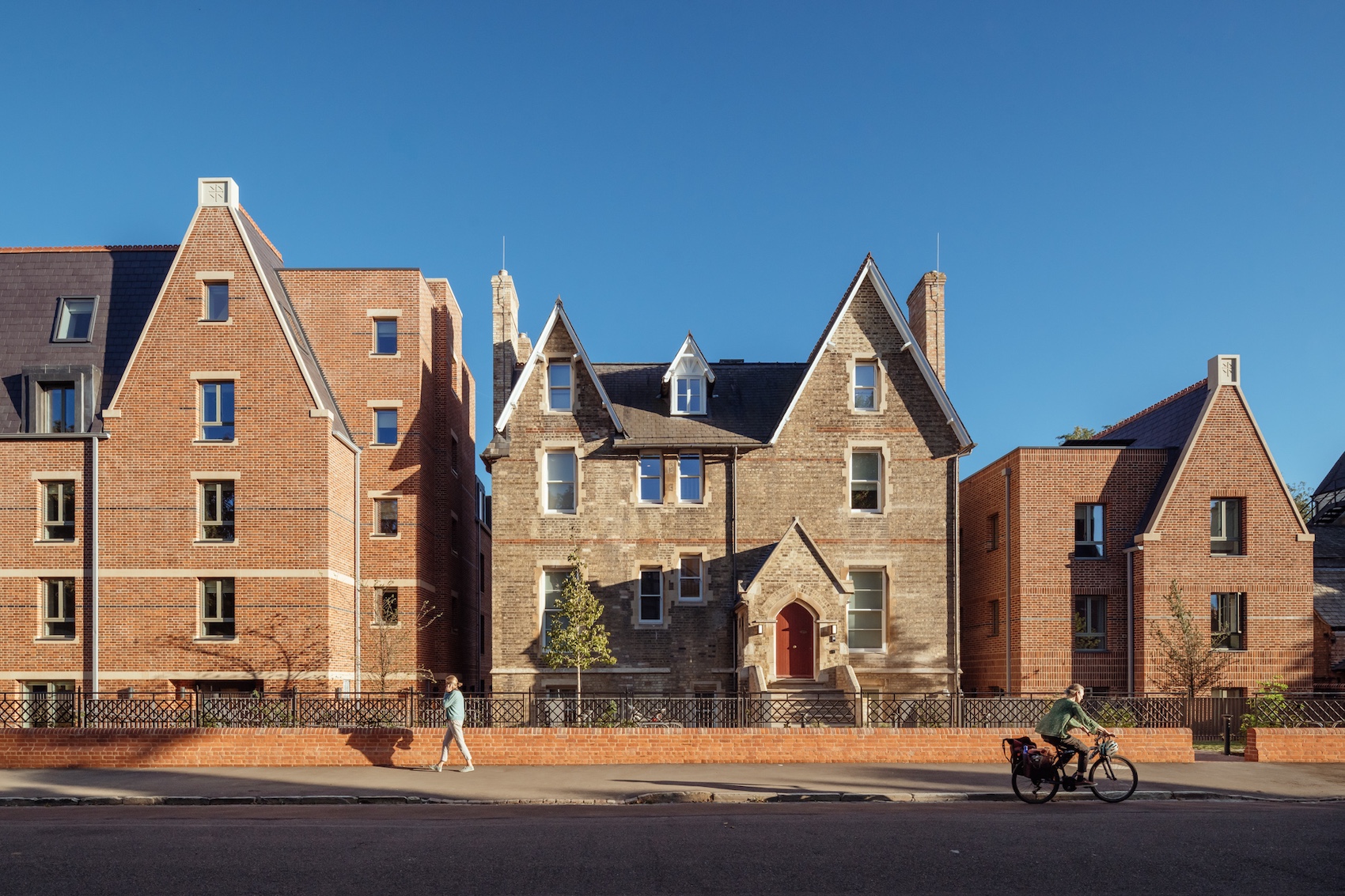
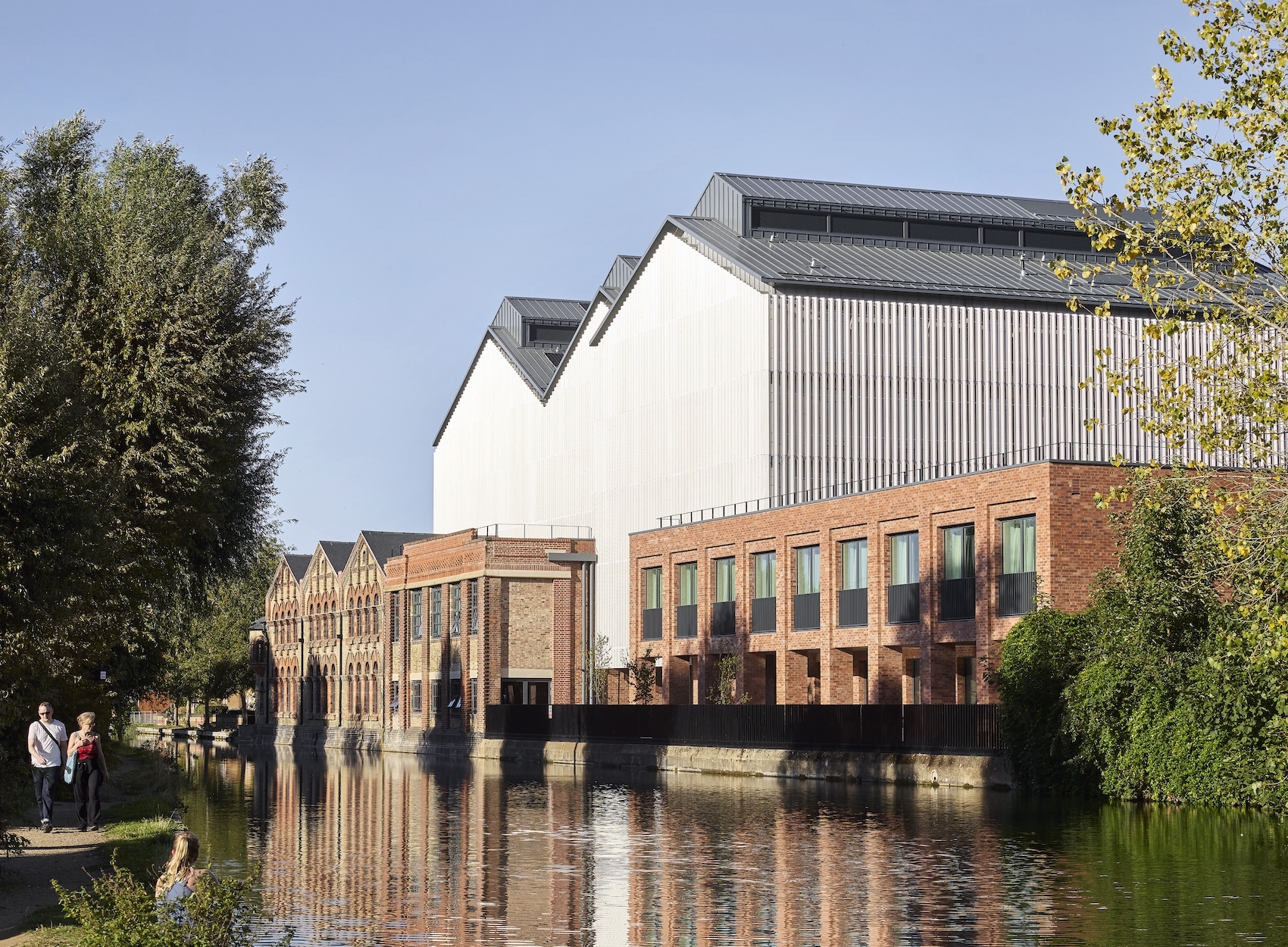
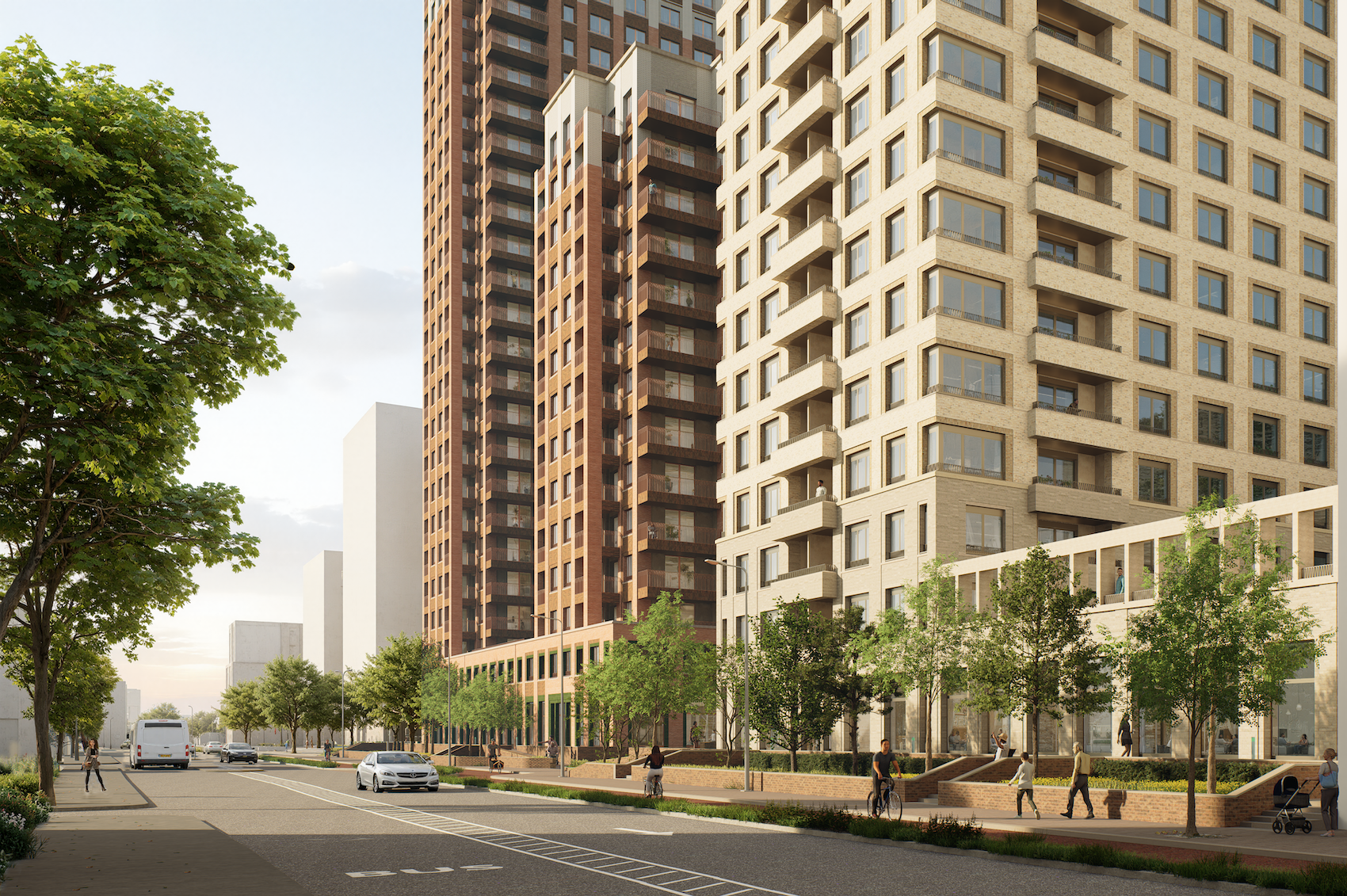
The architectural language and materiality of buildings draws heavily on the high-quality historic maritime architecture within the Harbour Estate and the legacy of robust, industrial architecture Belfast. A refined palette of brick and stone with articulated ‘punched’ openings responds sensitively to the adjacent heritage assets including Sinclair Seaman’s Church, the Harbour Commissioners Buildings and the Clarendon Buildings.
In what ways does the design respond to the historic docklands character of the site, while creating a contemporary identity?
Maccreanor Lavington’s design responds to the harbour and Sailortown’s distinctive maritime heritage, establishing a framework for development that balances historic character with contemporary urban living. The masterplan proposals are borne out of a deep reading of the history of the area and its cultures. This is combined with a commitment to evolving the area to create a distinctive, liveable neighbourhood. Mindful of history and morphology of the urban grid, the new development seeks to define streets positively, create legible urban blocks and a legible network with clear hierarchies of spaces.
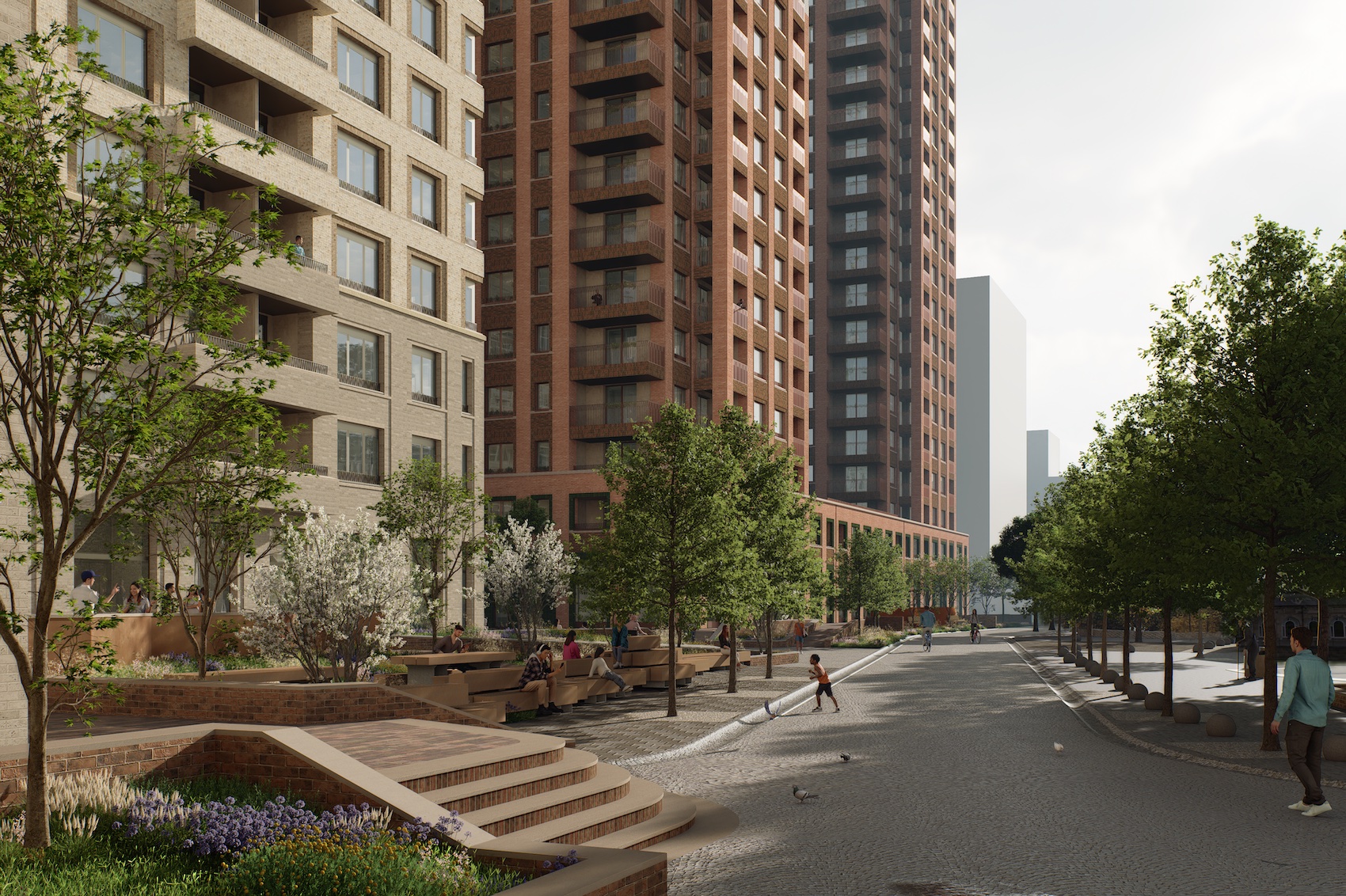
The masterplan will deliver a series of interconnected public open spaces that respond to and link heritage assets throughout the site including Sinclair Seamen’s Church, the Clarendon Buildings, Clarendon Dock and St Joseph’s Church. These spaces alongside the adjacent proposed active building frontages seek to create a vibrant neighbourhood that activates and knits these historic assets back into the city centre.
A defining feature of the masterplan is the reimagining of the setting around the historic dry docks, which form the centrepiece of a new network of interconnected public open spaces. This sequence of spaces will link the waterfront with the Cathedral Quarter, creating settings for cultural activity, recreation, and public gathering. Both the new buildings and the public realm will extend and integrate with the emerging City Quays district and the highly successful City Quays Gardens, completing a key element of Belfast’s urban waterfront regeneration.
Can you elaborate on the housing mix and how it may support the development of a new community?
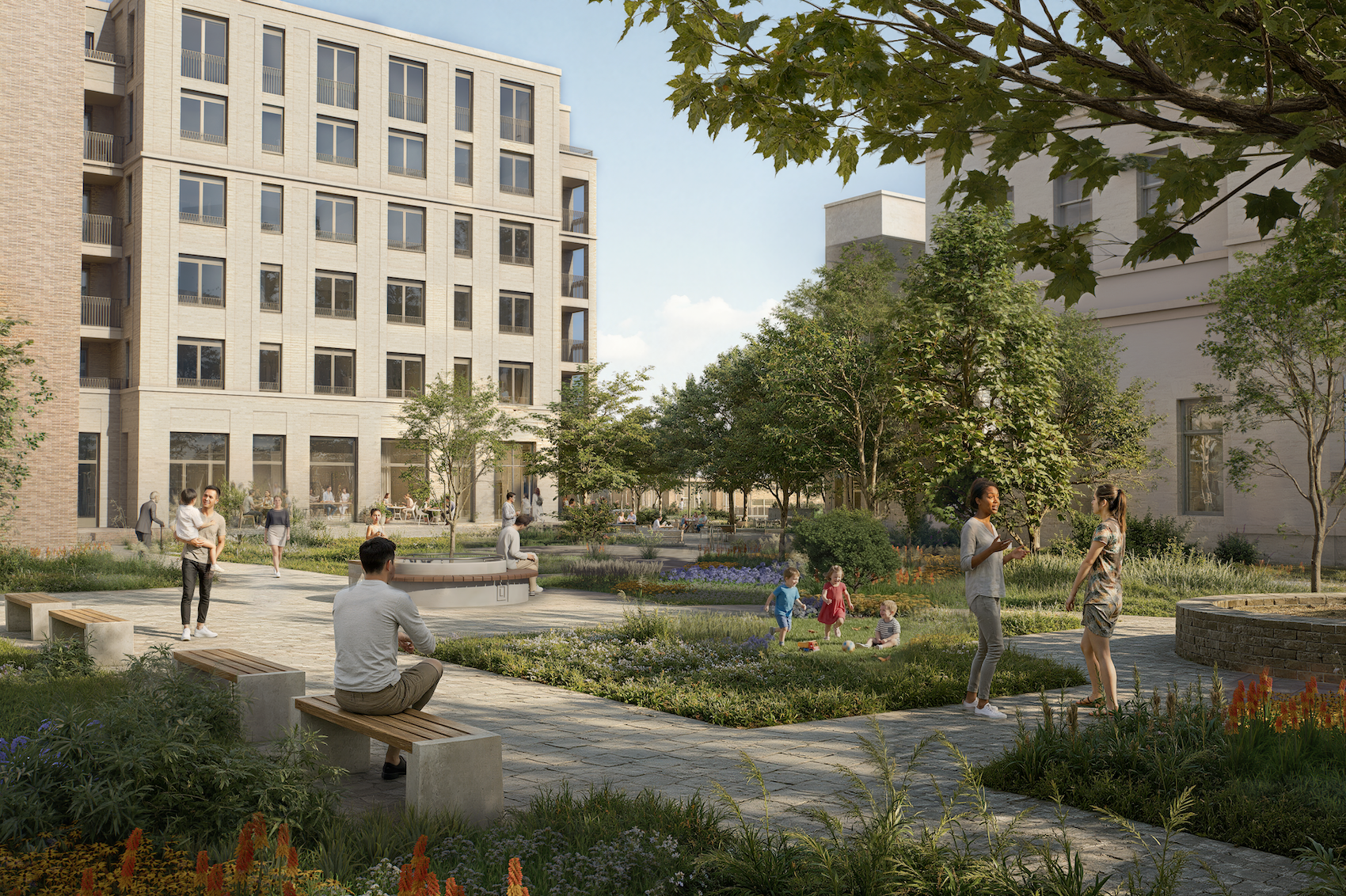
A core tenet of the masterplan is to foster a mixed and balanced community. Central to this ambition is the inclusion of a variety of housing typologies that respond to different needs and lifestyles. Across the masterplan, new homes range from one, two, and three bedroom apartments to three and four bedroom maisonettes and terraced houses.
Family homes are positioned along quieter residential streets with a more intimate character, enriched by play spaces and greenery. Higher-density apartment buildings are located to take advantage of long views across the water or towards the mountains, and to support the vision of Corporation Street evolving into a vibrant boulevard with a distinctly urban character.
A strong focus is placed on the quality and design of internal layouts. Homes have been designed with the principle of creating distinct ‘zones’ for living, eating and relaxing. The majority of homes are dual-aspect and all homes, no matter their size, have generous private balconies, terraces or gardens. Living areas are located to capitalise on view while bedrooms are on quieter aspects.
Does the scheme address flood risk and long-term climate resilience, given its waterfront location?
The development targets BREEAM UK New Construction: Residential accreditation and an all-electric energy strategy. A climate-resilient landscape design enhances the site’s blue-green infrastructure with biodiversity-led planting and SUDs to create a robust, adaptable environment that will support both people and nature. Innovative proposals to improve the quality of water within the Clarendon Dock include incorporating an Oyster farm, alongside Ulster University, and biodiverse habitat islands with the long-term ambition of introducing public swimming and water recreation into the heart of the masterplan.