
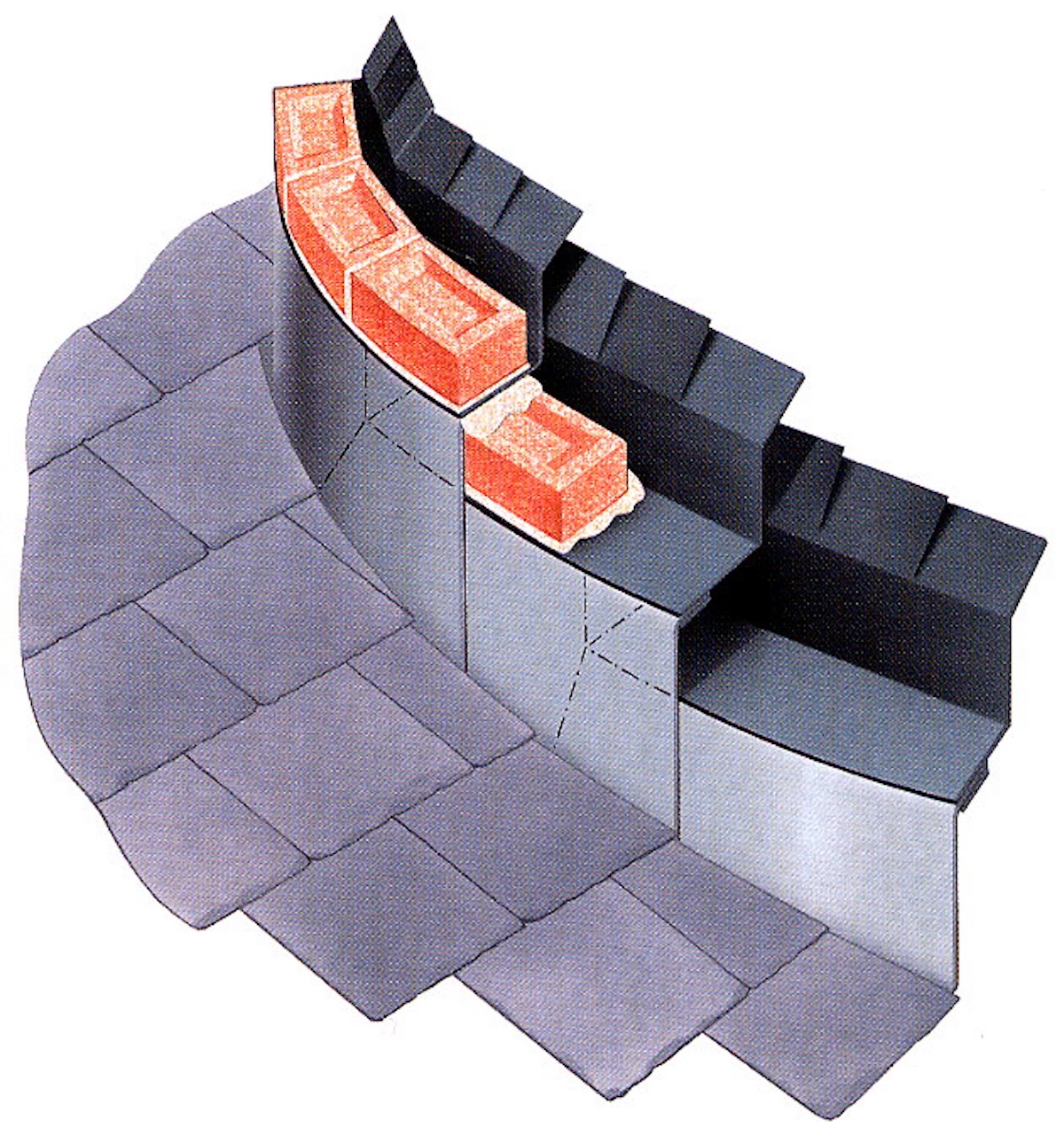
DPC cavity tray protection within a curved cavity wall is dependent on the line of protection matching at all times the structural relationship requiring protection. The use of conventional roll DPC is problematic and time consuming as it cannot be stretched and held to shape to match structural convex or convex masonry skins. In concave masonry, cutting or over-folding is required to emulate the smaller radius. In rising and transversing the cavity, there is insufficient material to stretch and match the curve of the opposite side that demands greater girth to maintain profile.
Where the wall is convex, the problem is effectively reversed. At all times and in both applications, any DPC or tray departure from matching the curvature of the masonry skins is likely to offer a deficient damp protection relationship and additionally one where interfacing with any flashing that might be required, is challenging.
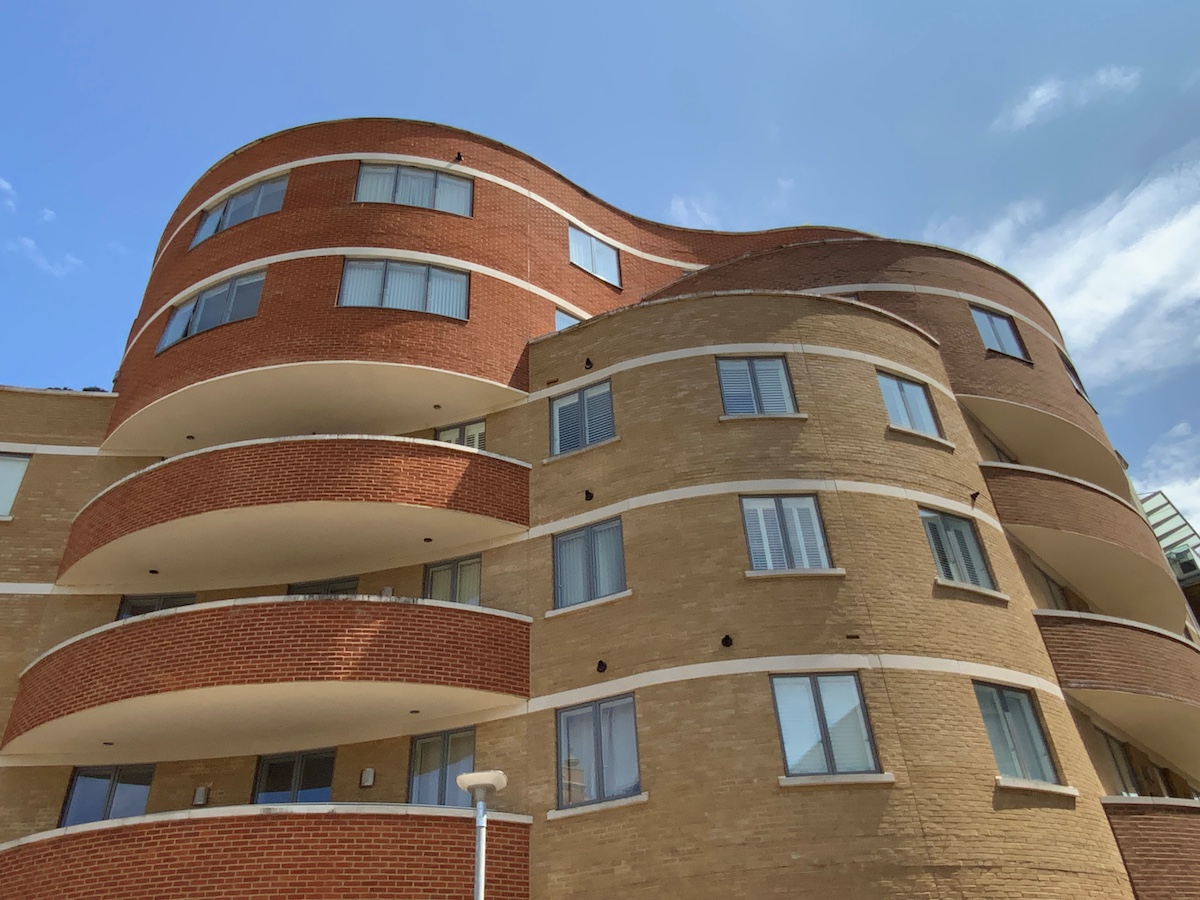
Using preformed Cavitrays ensures compatibility and the designer and builder can place reliance on scheduled shaped solutions matching the structure. Wind-driven rain deflecting and washing into or around a curved elevation before draining downwardly increases surface contact volume and subsequently permeation is increased when walls curve significantly.
In a concave situation, any window opening within the central sweep of the concave and predominately at 90 degrees to the direction of wind-driven rain will experience a greater volume of permeating water. The wind blows into and along the curve suspending immediate gravitation of water wash. Whenever a window opening is encountered, it provides masonry edges into which the wash of water flows. Thus, every opening acts as a recess into which water floods and saturates the masonry. Openings within curved walls require measures to cope with such volumes of water that frequently exceed those commonly experienced within a flat surfaced wall.
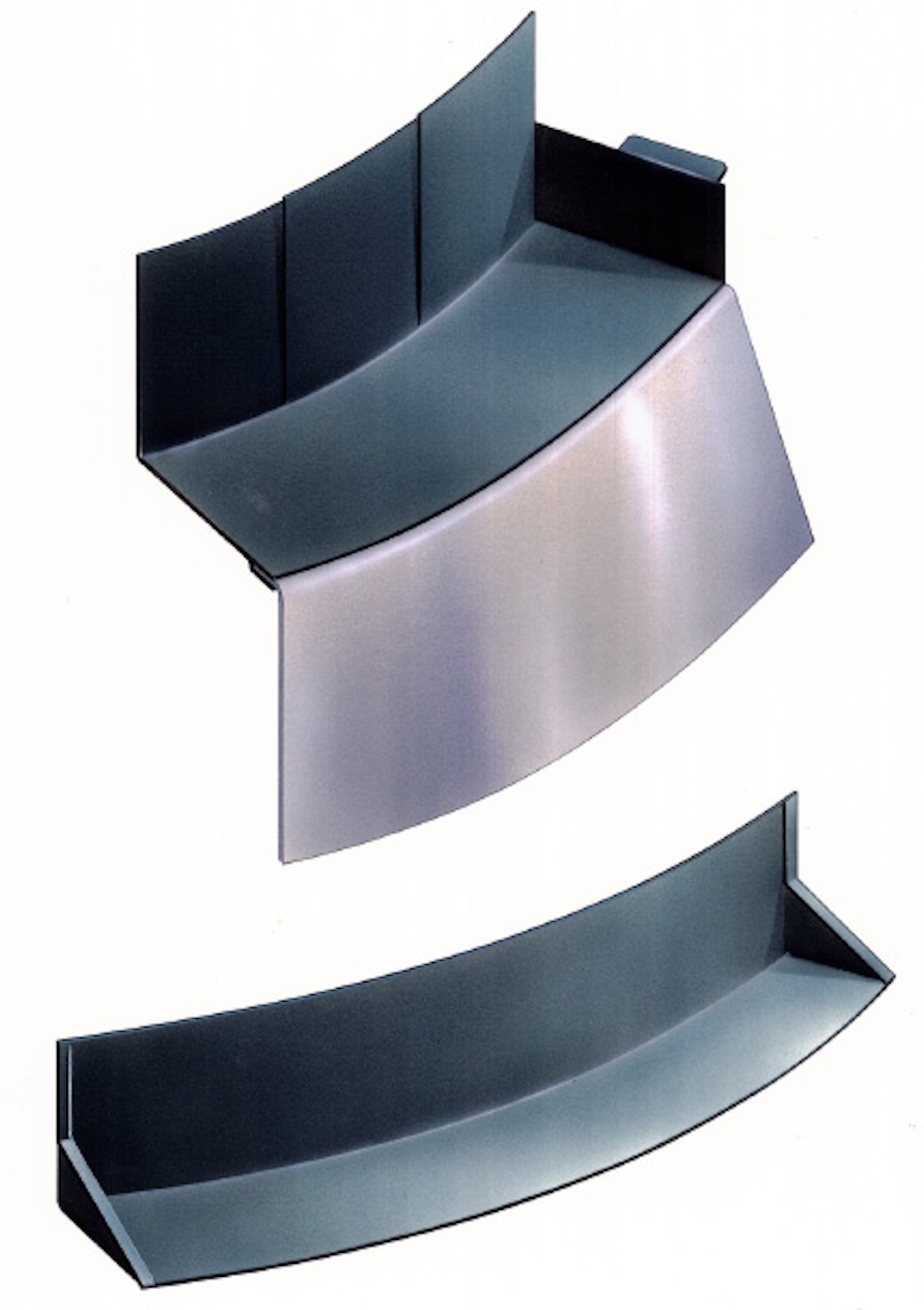
The effect with a convex wall is less severe. Water is usually blown around and away from the prevailing wind direction and is predominately concentrated when gravitation takes hold and the water commences to run downwardly.
The reveal closing must integrate with the lintel arrangement whilst at sill level sill envelopment trays can ensure any water that congregates externally at the reveal sill cheeks and permeates inwardly is arrested. This is particularly relevant where masonry or tile sills are incorporated or pinch points exist between inner and outer skins.
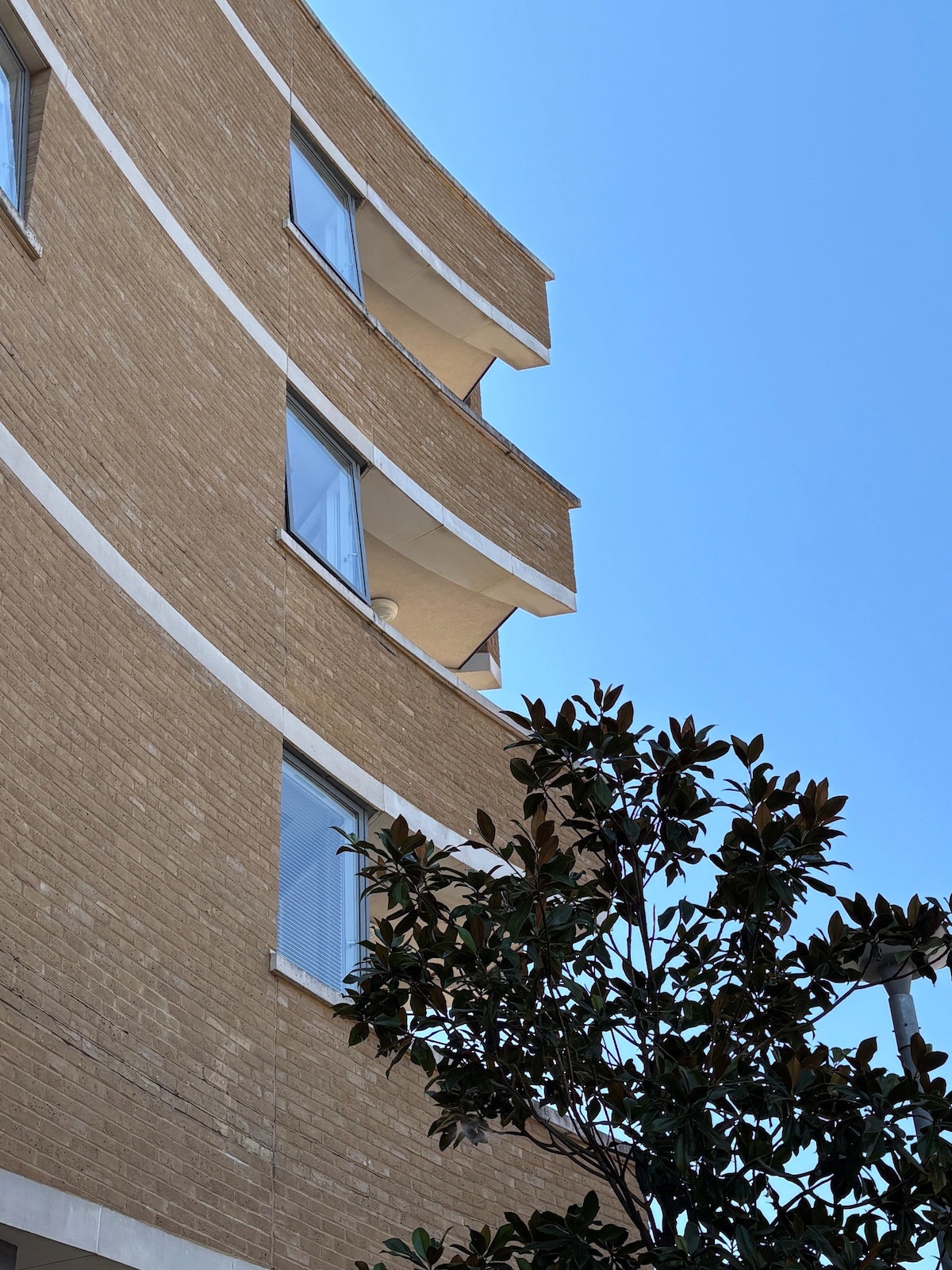
Pending the wall type, structure and finish, water evacuation out of curved cavity walls can be facilitated using a wide range of Caviweeps. The Beak Weep offers a sheltered outlet with the benefit of a 35% discharge release gain compared with alternatives. Where brick masonry sills are incorporated, the enveloped mass can protract drying out time, and incorporating Pyramid Weeps to bleed such areas should always be considered.

Cavity Trays Ltd is the only cavity tray manufacturer awarded European Technical Approval and offers a take-off and evaluation service to industry disciplines. We can advise ways to protect all styles of cavity wall. Products are accompanied with a performance undertaking for the benefit of architect builder and client – and peace of mind.
Cavity Trays
T: 01935 474769
enquiries@cavitytrays.co.uk
www.cavitytrays.com