As the new National Planning Policy Framework (NPPF) pushes suburban densification as a means of unlocking land for 1.8 million new homes, Neil Deely from Metropolitan Workshop shares the practice’s proposals for reinventing the suburbs to facilitate changing lifestyles and demographics.
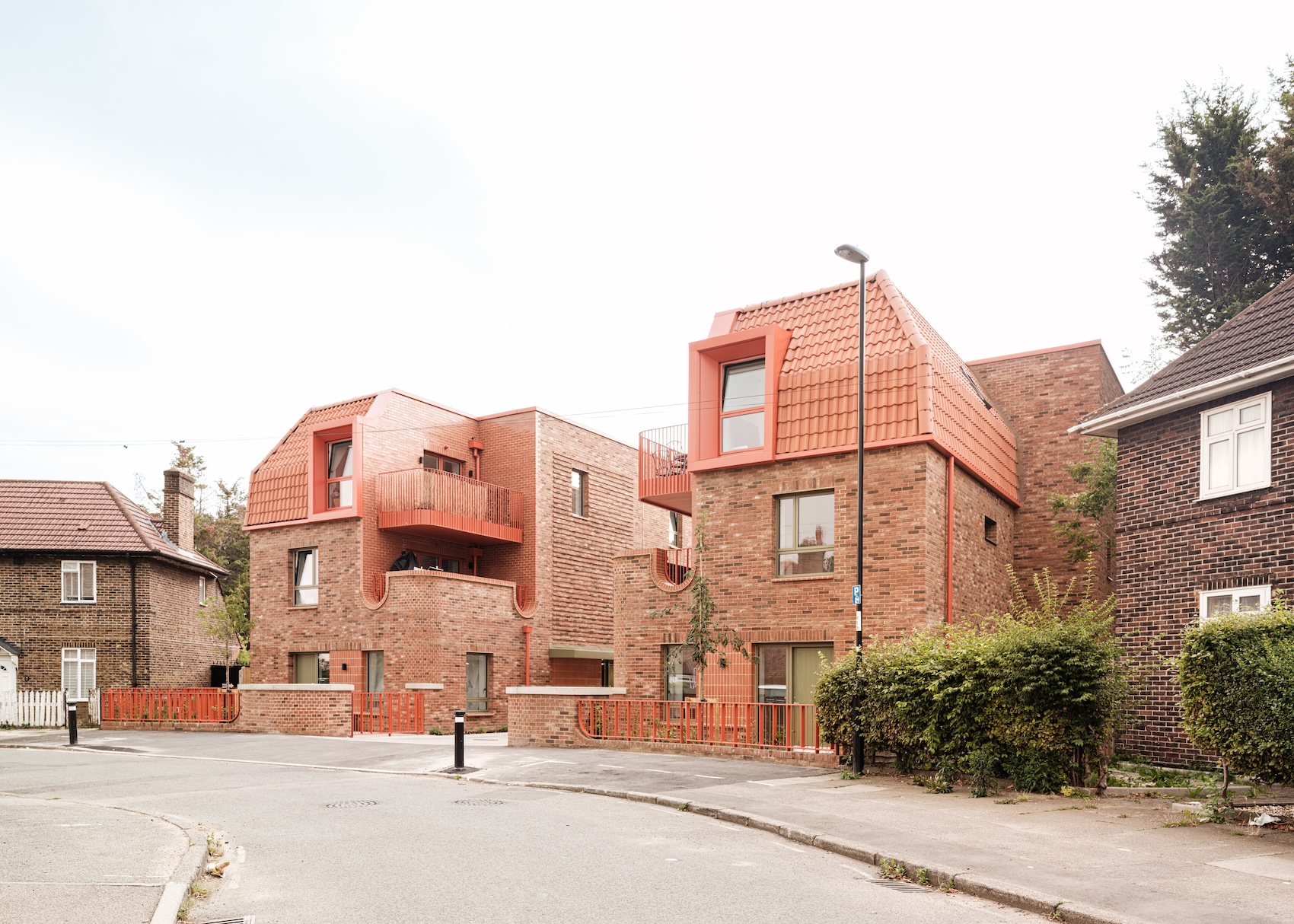
Farmstead Road, a back garden infill project for Phoenix Community Housing within Lewisham’s historic London County Council Bellingham Estate. Two gatehouse buildings at the front of the site and a three-storey block to the rear contain 24 new, affordable homes. Metropolitan Workshop presented its suburban densification work at Cambridge University Land Society’s Planning Update Conference organised with Planning in London magazine. An inward-looking plan avoids overlooking of neighbouring properties and allows for dual- or triple-aspect homes. Designed to Passivhaus standards, lower bills reduce the risk of fuel poverty, rent arrears and debt risk for Phoenix and its tenants.
An invaluable but ageing resource, our suburbs are a vital component of our national infrastructure, in urgent need of investment and renewal. Many were built decades ago at densities below today’s requirements and, despite the ever-accelerating un-met demand for homes, many are in decline. The new NPPF, which is in the process of being finalised and the subject of consultation until March 10th, emphasises the urgent need for suburban densification. So how do we unlock the potential of our suburbs to facilitate low-impact lifestyles that address the climate emergency; to cater for contemporary lifestyles and demographics and, crucially, to realise the government’s ambition to deliver 1.8 million new homes? Since its launch in 2005, Metropolitan Workshop has been preoccupied with the challenge of reinventing the suburbs. As our architecture and research has evolved, we have become ever more convinced of the need for a new kind of suburbia; one that provides mutual benefits; supports community; promotes new forms of tenure; and is affordable, durable and meets society’s diverse needs. The key to solving the housing crisis lies not just in new towns, but in the extension and intensification of existing settlements too. The lessons we have learned from two decades of enquiry can be distilled into six key principles:
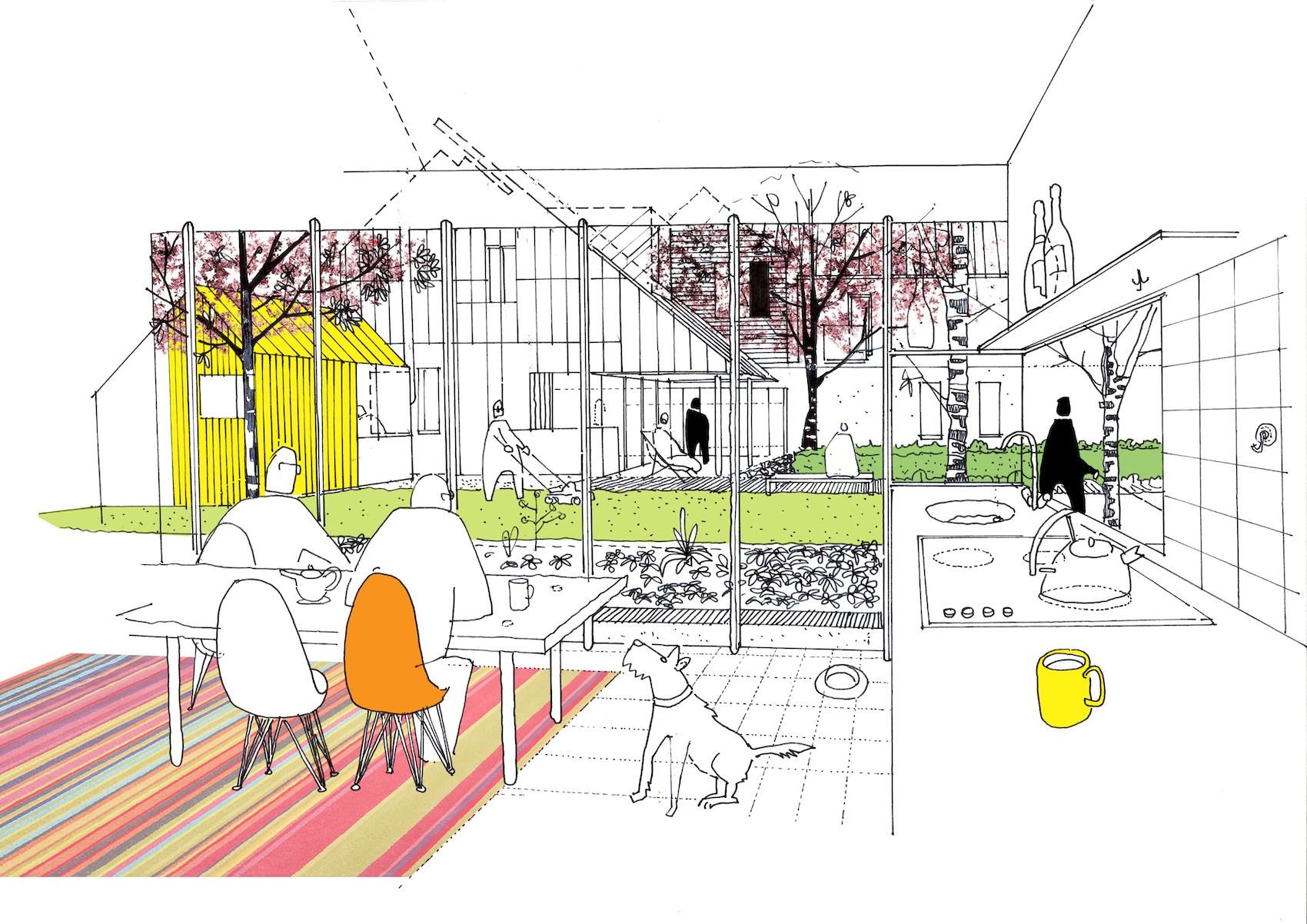
Metropolitan Workshop’s approach to suburban housing grew out of ‘Dial-a-Density’, its winning entry for the 2013 Wates/RIBA ideas competition for Build-to-Rent suburban homes. The project arranged small groups of flexible two-storey homes around a shared space at a tenure mix and density appropriate to the location. Where conventional suburbia maximises private outdoor space, Dial-a-Density prioritised parks, communal gardens, orchards and allotments.
1. Suburban intensification
Increased density is key to enhancing the viability and sustainability of both new and historic suburbs. Understandably, residents tend to be resistant to proposals to intensify existing neighbourhoods, but are likely to be more positive if they can see a direct correlation between infill projects and a richer environment with improved amenities. More work needs to be done to explore –and to communicate – models that support incremental intensification with integral communal facilities. Suburbia isn’t homogenous and guidance and design codes must be tailored to contextual issues. Stakeholders and communities need to collaborate in order for this to work. We need visions to guide development, informed by National Design Guidance and with effective community engagement.
2. Sustainable transport
Designers, developers, planners, communities and transport engineers should work together to explore investment in sustainable transport infrastructure that anticipates shifts in demand. Areas with poor transport networks – where car use remains a reality – need mitigating strategies including: better integration of parking; charging points; conversion of existing car parks for communal activities; provision for driverless cars and improved Forumdelivery and distribution arrangements.
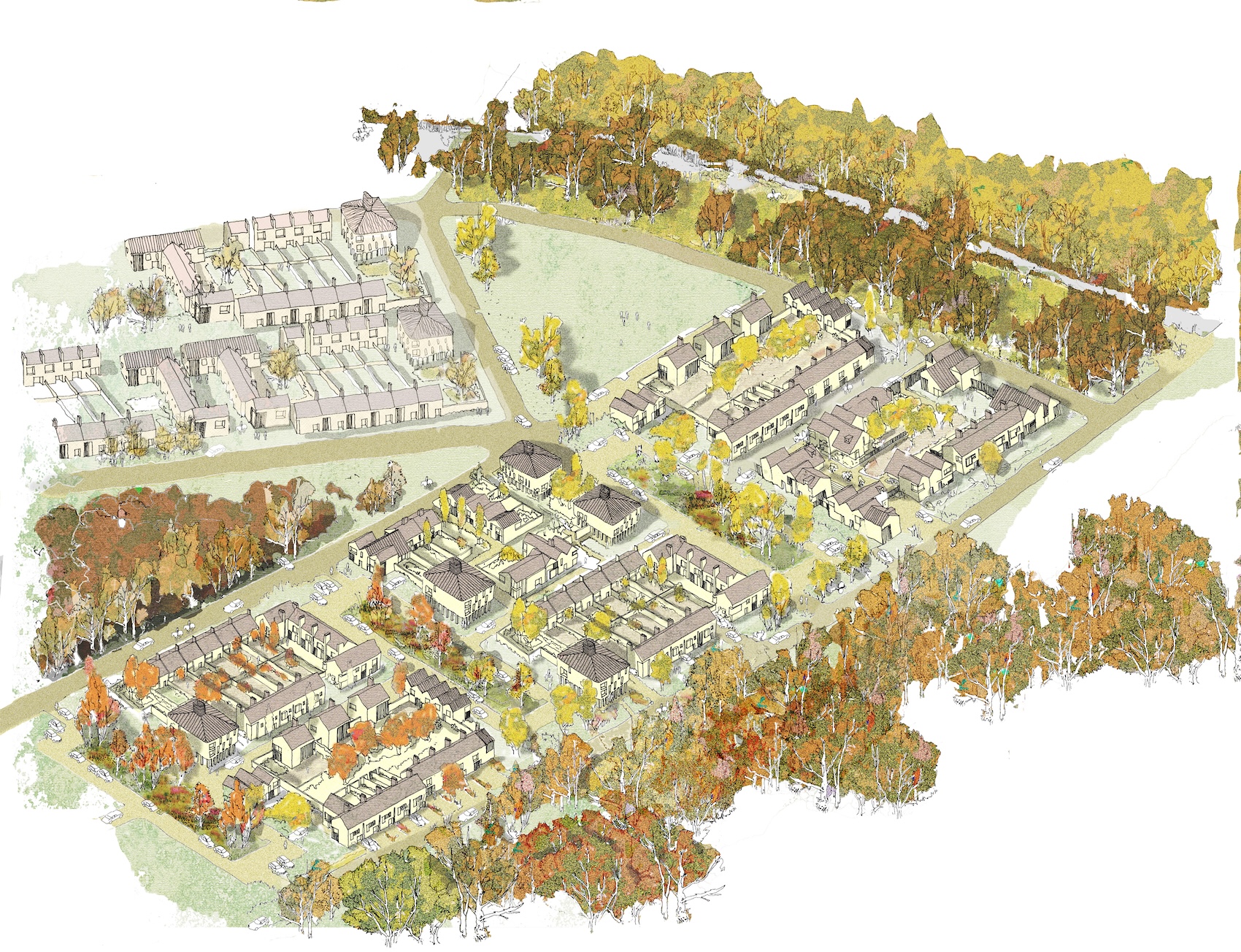
Mayfields, West Sussex, a 10,000-home walkable neighbourhood with the charm and character of a village, but the jobs and culture of a thriving market town. The scheme reinterprets the Sussex ‘farmstead’ as ‘homesteads’, informal clusters of homes around shared and private spaces. Each cluster can be flexed to the desired mix of typologies and tenures, while central spaces can include private or semi-private gardens or communal courtyards. Green corridors allow biodiversity to thrive.
3. Inclusive neighbourhoods
Sharing – from communal spaces to vehicles and tools – builds communities and should be embedded in governance and design. To counter concerns around prohibitive service charges and practical issues associated with shared facilities and space, the planning process should ask developers to demonstrate effective, affordable governance methods based on experience.
4. Responsive typologies
Modern-day suburbia needs house types that cater for mixed households, intergenerational living, co-living and home working, as well as flexible space for a wide range of functions including crèches, social enterprises and workspace. All development, but particularly suburban development, needs to actively test internal layouts against the needs and aspirations of key life stages with a focus on young and old and those with complex medical conditions.
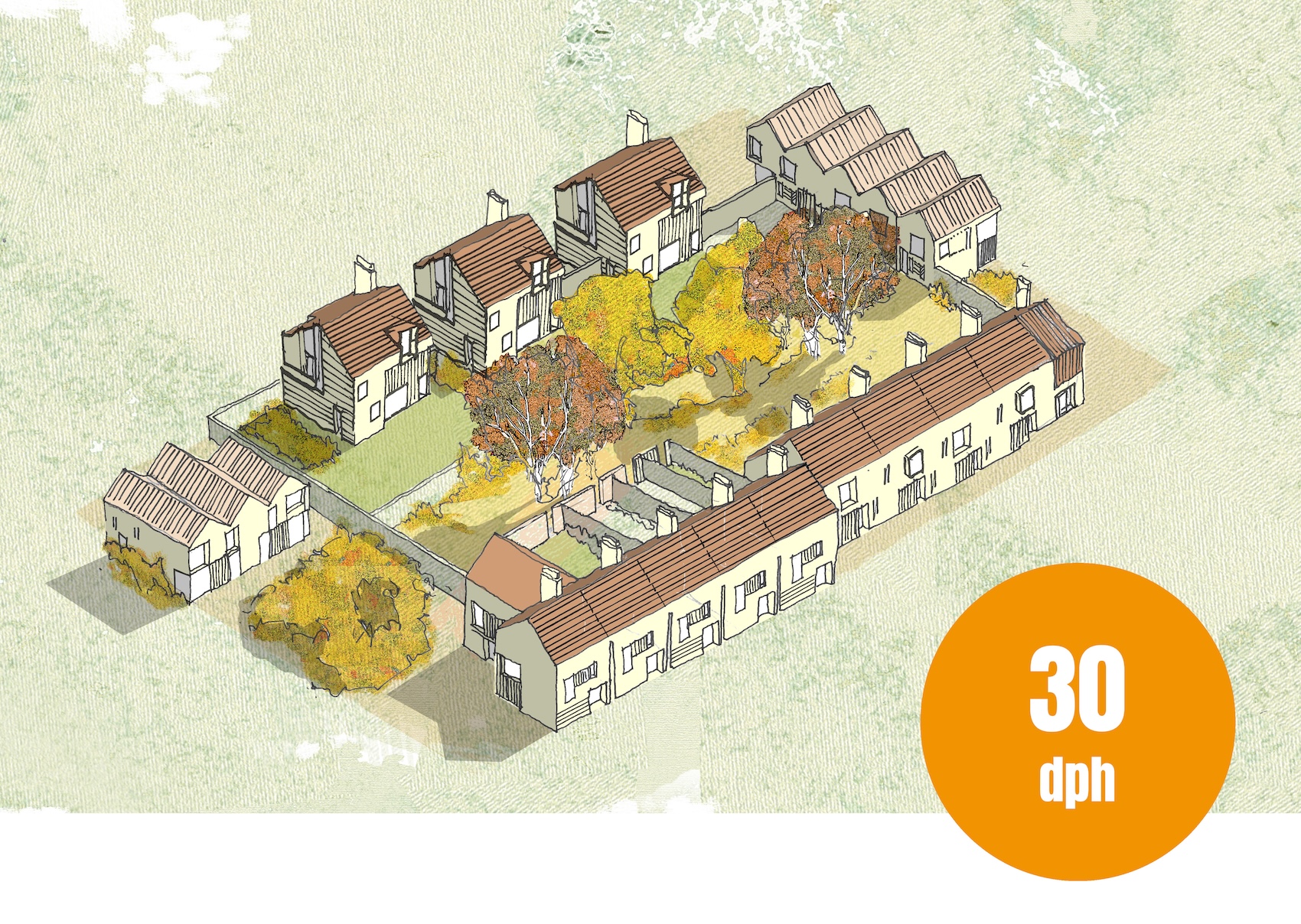
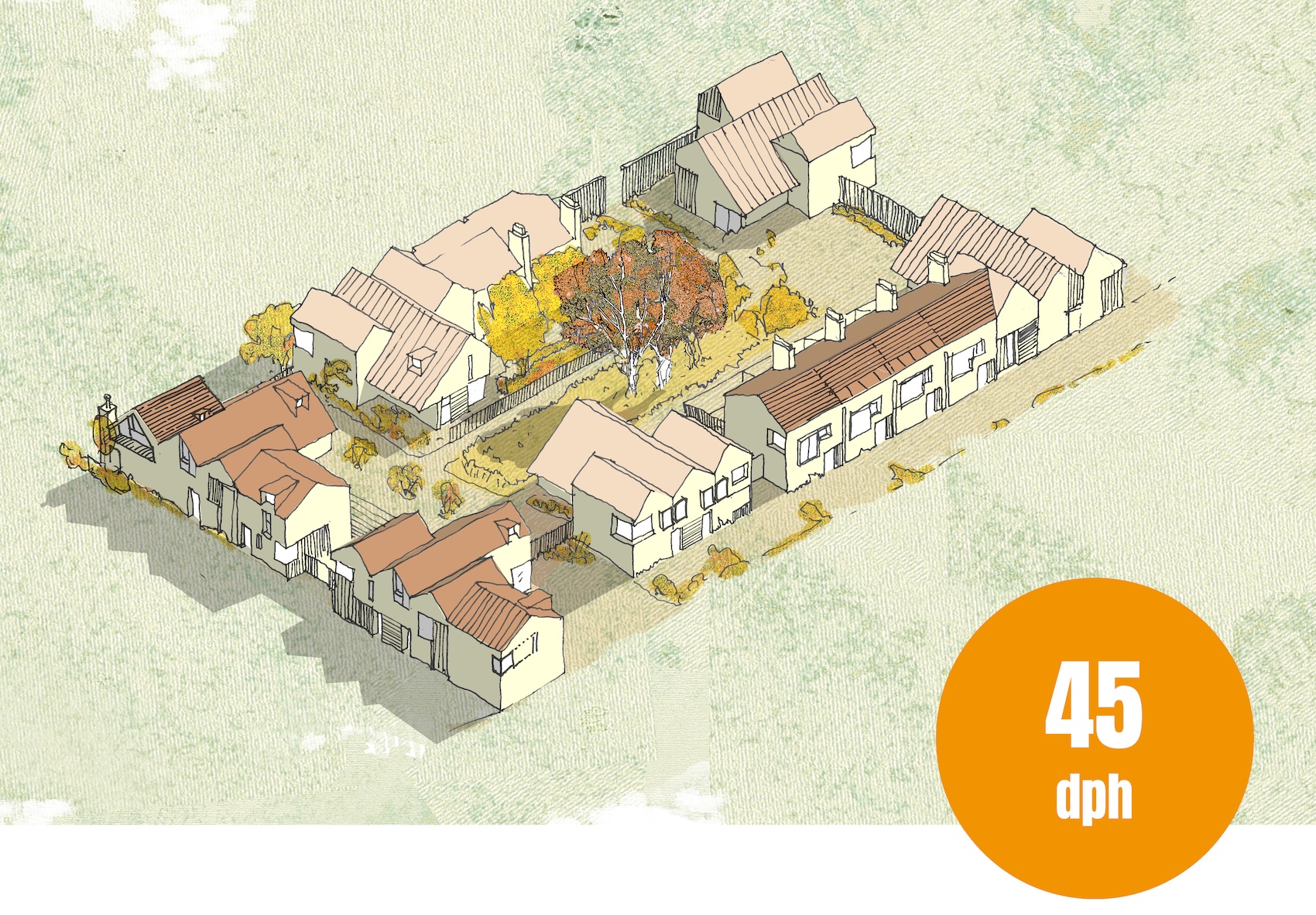
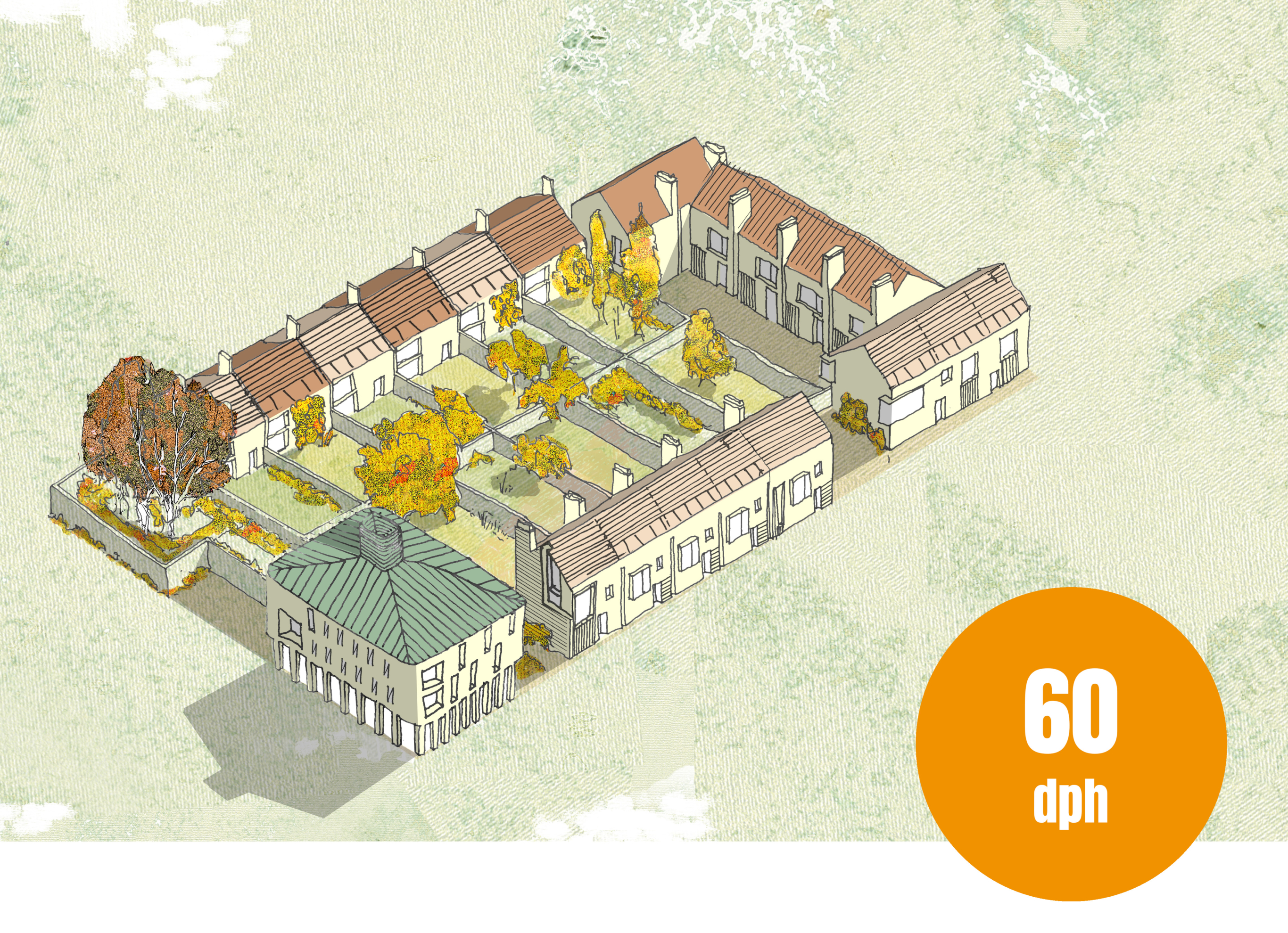
Axonometric drawings showing how the homestead model can be arranged to change the mix of typologies and tenure with densities ranging from 30 to 60 dwellings per hectare.
5. Diversity and choice
Suburbs are not homogenous in class, ethnicity or wealth, and can’t continue to reinforce structural or cultural stereotypes. Design must be sensitive to diversity and address the needs of groups who, whether through gender, class, ethnicity, disability or neuro-diversity, are likely to feel uncomfortable, unwelcome or unsafe. Suburbs should blend the tenure spectrum including: shared-ownership; social housing; private renters and owners; co-living and multi-generational households. Planning policy, funding models and ownership approaches need to prioritise variety and choice.
Public engagement in design and planning improves attractiveness and social sustainability. We should explore how suburbs can be designed for and by their users to a directed vision or left to organically evolve within a loose framework or agreed rules. Guidelines need to extend beyond aesthetic considerations to include neighbourhood plans and design codes
6. Customisation/self-build
Historically, suburbs have provided freedom to build in different ways spawning DIY and ad hoc extensions as residents individualise their homes. New development models should tap into this desire for personalisation and adaptability by employing thoughtful modern methods of construction to extend the potential for customisation and self-build. Specific locations could have a pattern book of pre-set alternatives that reflect the local context and conditions and comply with optimum energy standards, combined with an appropriate travel plan. This kind of residential modelling will become more critical as need increases and negative trends in social mobility, deprivation and poverty challenge the quality of suburban life.
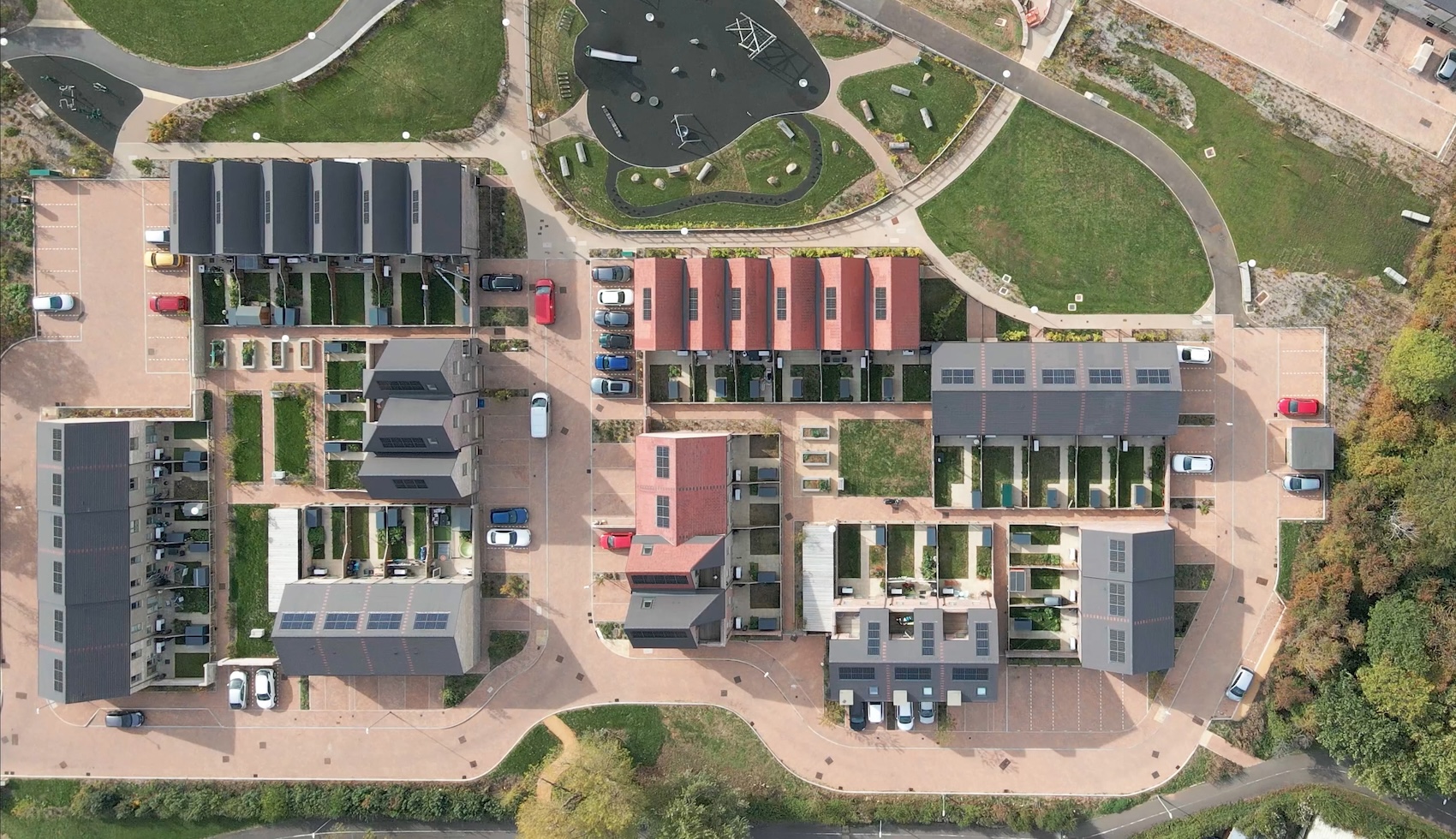
Aerial view of two of the homesteads in Oakfield, Swindon, for Nationwide Building Society. These informal, semi-permeable clusters of homes deliver 48 dph and are arranged around communal garden spaces. These ‘back yards’ provide opportunities to locate bikes, children’s doorstep play and growing beds and can be programmed by residents as the community evolves
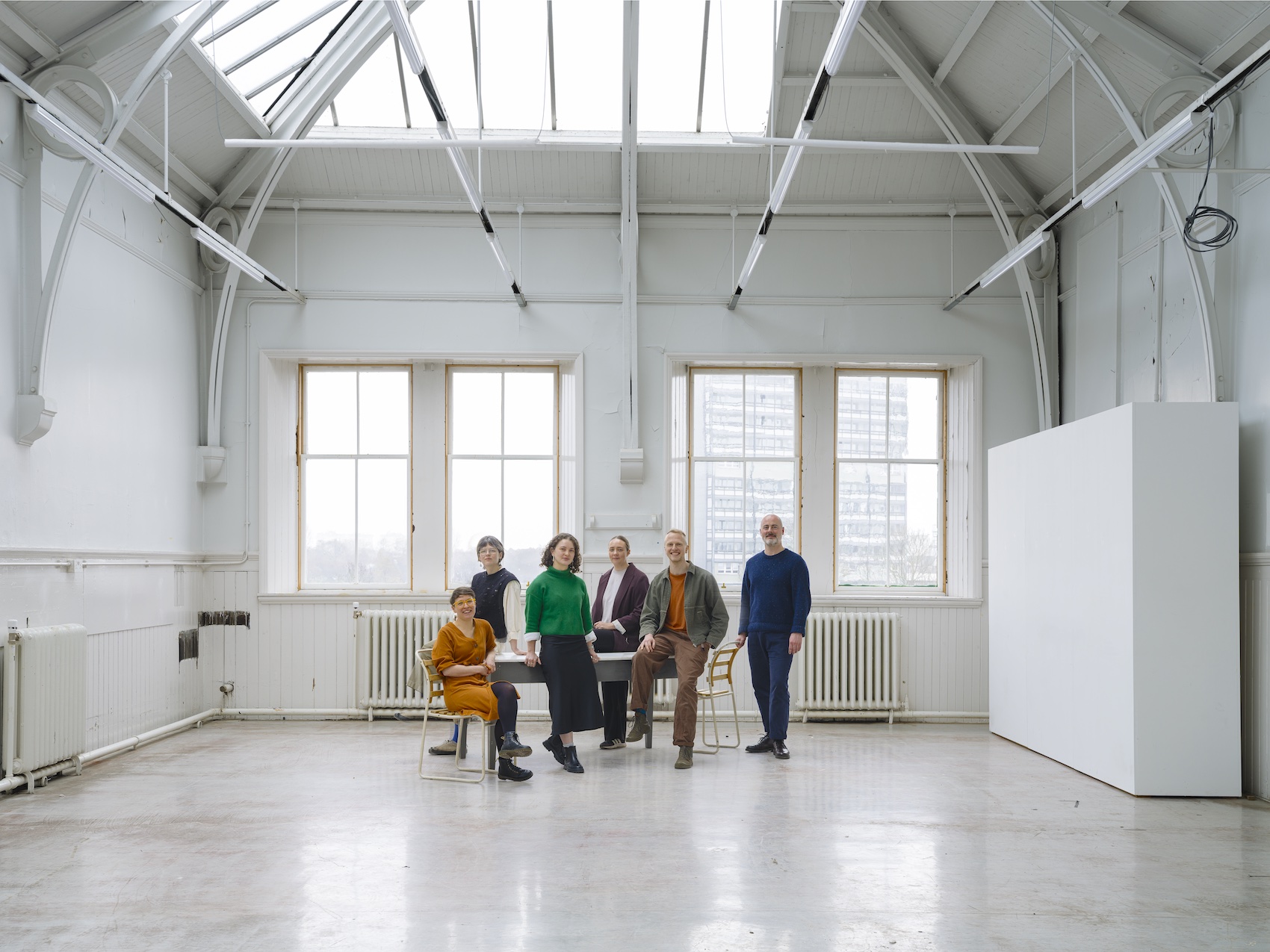
Neil Deely presented his work on reviving suburbia at the recent planning update conference produced with the Association of Consultant Architects, London Planning & Development Forum (LPDF) and Planning in London (PiL)magazine, supported by Dentons. Read Lee Mallett’s conference review.