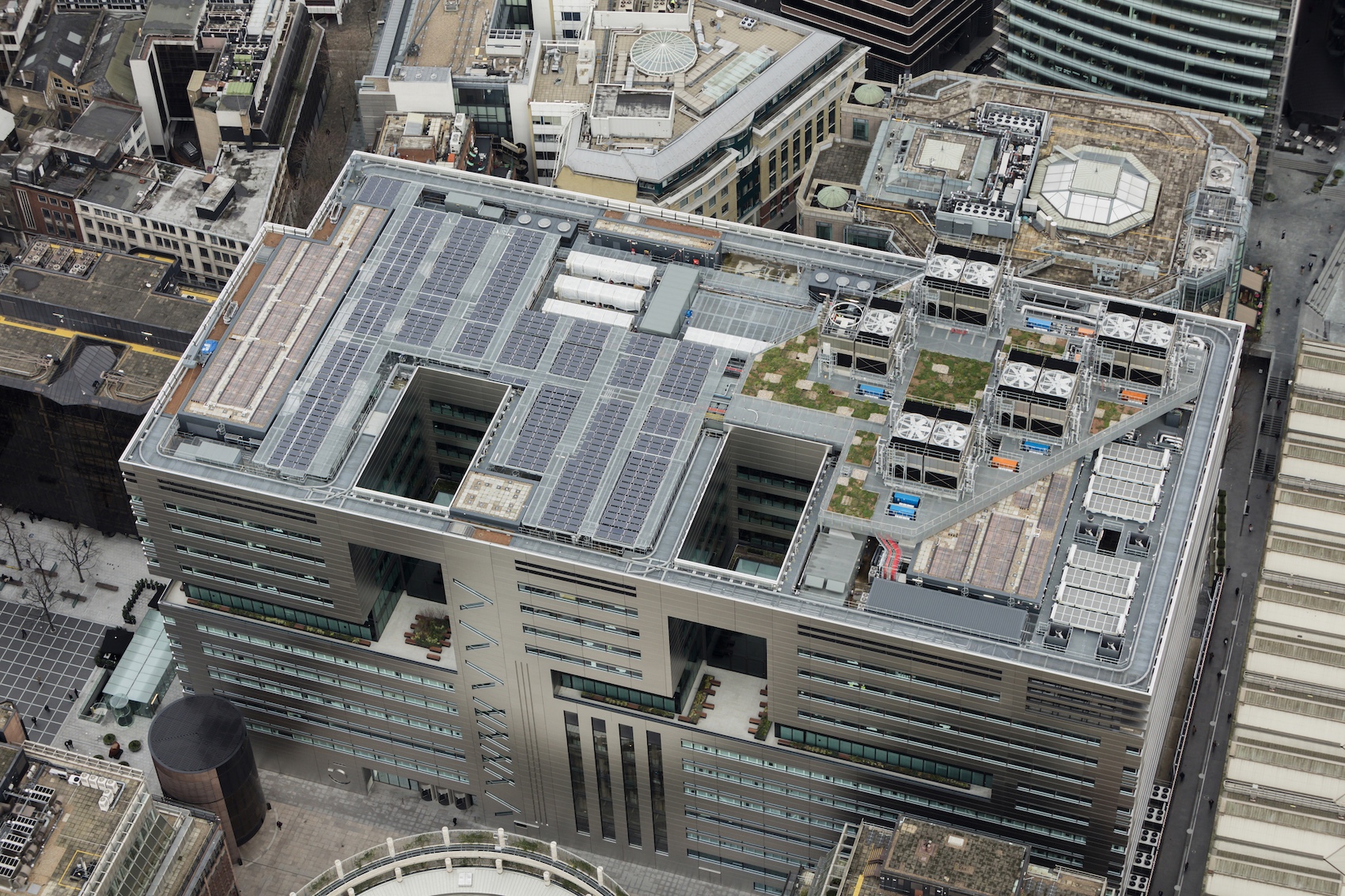
Spanning materials, energy and placemaking, Futurebuild 2026’s Knowledge Programme examines how the built environment is moving from ambition to delivery across net zero, retrofit and regenerative design.
In association with
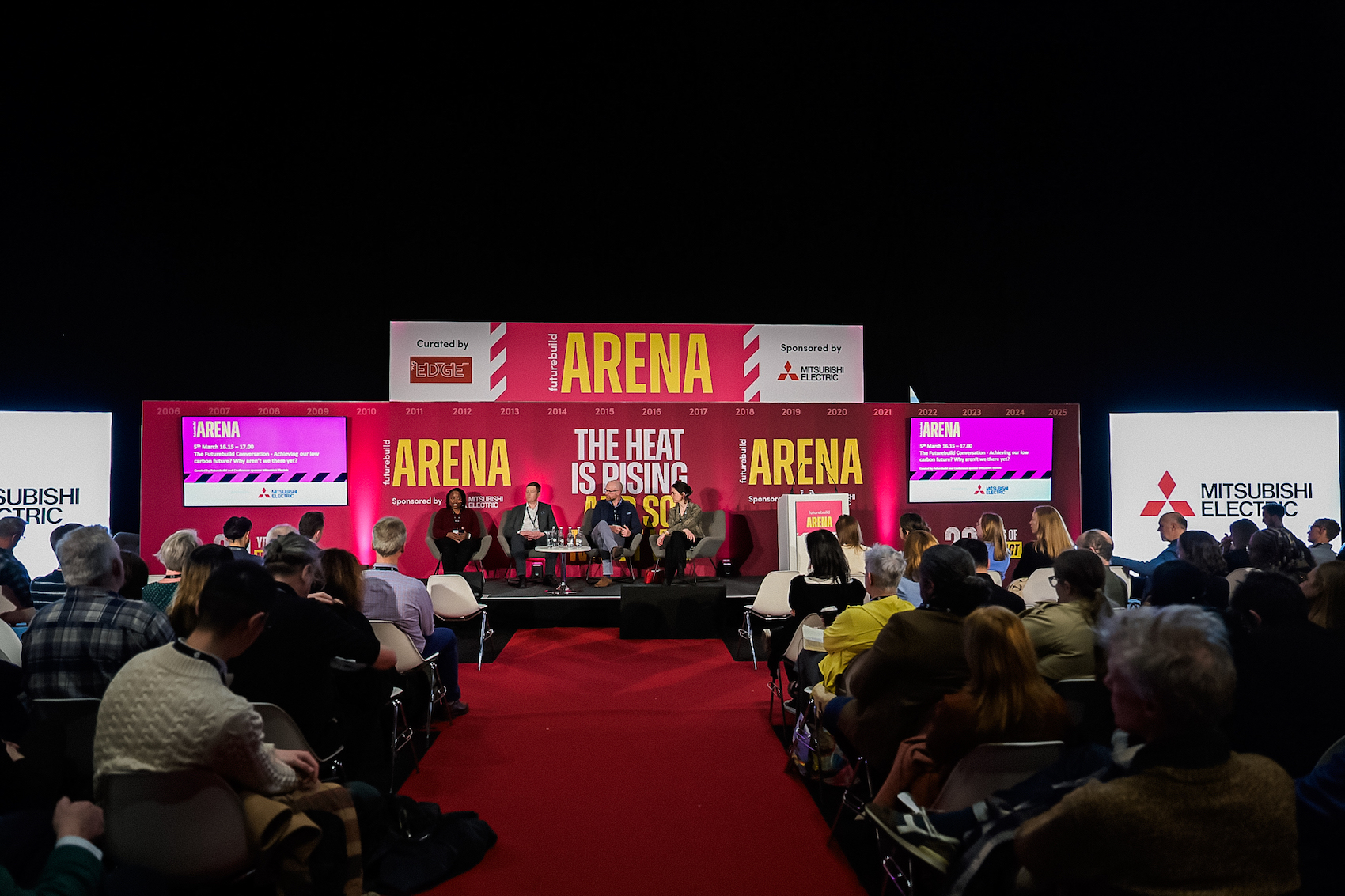
Futurebuild’s acclaimed Knowledge Programme is now ‘live’ in the lead up to the 2026 event, which takes place from 12-14 May at Excel London. While the main conference arena, sponsored by Mitsubishi Electric, tackles ‘the 3Rs’ of resilience, reuse and regenerative design, further details have also been announced on the content and collaborators shaping another series of must attend seminars.
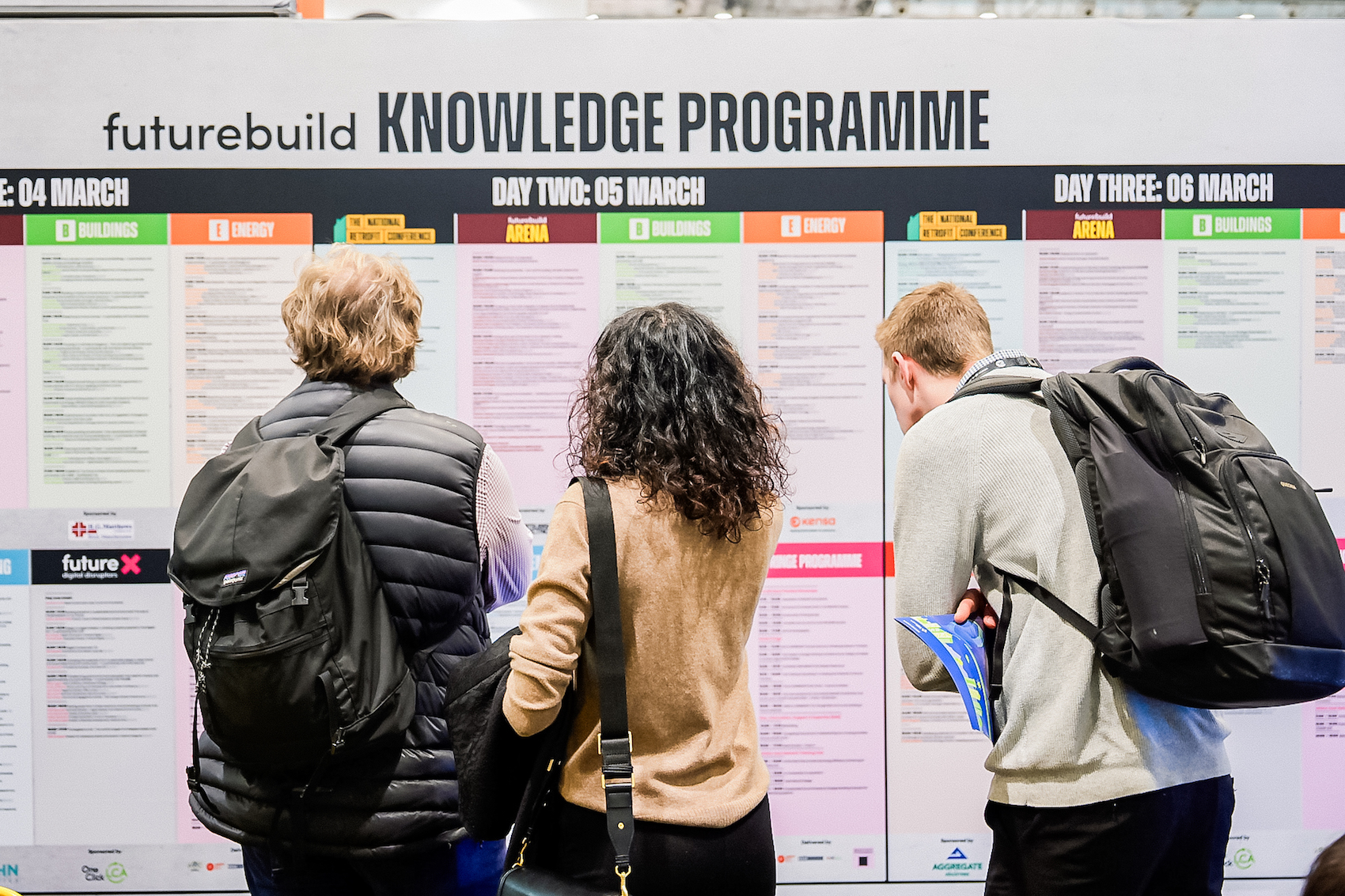
Spanning three dedicated stages – Materials and Buildings, Energy and Placemaking – the programme is less about aspiration and more about application, bringing together policy, practice and innovation in a way that feels grounded in delivery. This connection between policy and practice is underscored by the presence of national leadership within the wider programme.
Minister to lead timely discussion
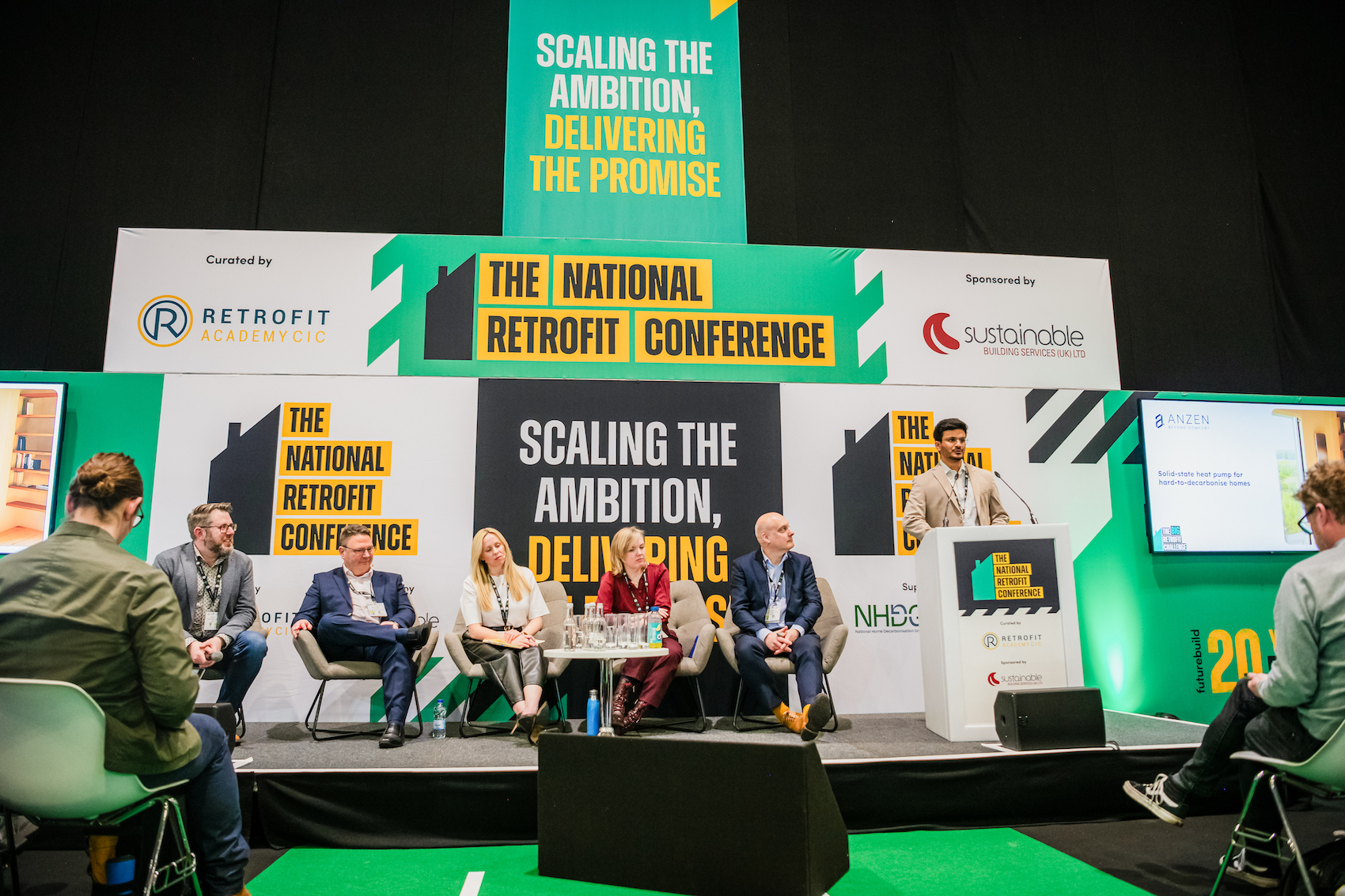
At the National Retrofit Conference, sponsored by the Guildmore Group, Martin McCluskey MP, the UK’s Minister for Energy Consumers, will deliver a keynote address focused on the Government’s Warm Homes agenda. With Futurebuild 2026 offering a timely platform for industry professionals to address the implications together for the first time.
The MP’s participation, alongside senior representatives from the Department for Energy Security and Net Zero and city regions, signals a growing alignment between policy ambition and practical delivery, particularly as retrofit goes from strategy into large scale implementation.
High calibre CPD-accredited content
The structure of Futurebuild’s seminar sessions also helps attendees to move from thinking about big picture frameworks into the practical realities of supply chains, specification, policy and performance.
Across Buildings and Materials, Energy and Placemaking, the Knowledge Programme reveals a clear shift in focus. Net zero remains a central driver but the conversation is evolving beyond targets towards regenerative thinking, systems integration and measurable outcomes.
Buildings and materials: Sponsored by Holcim
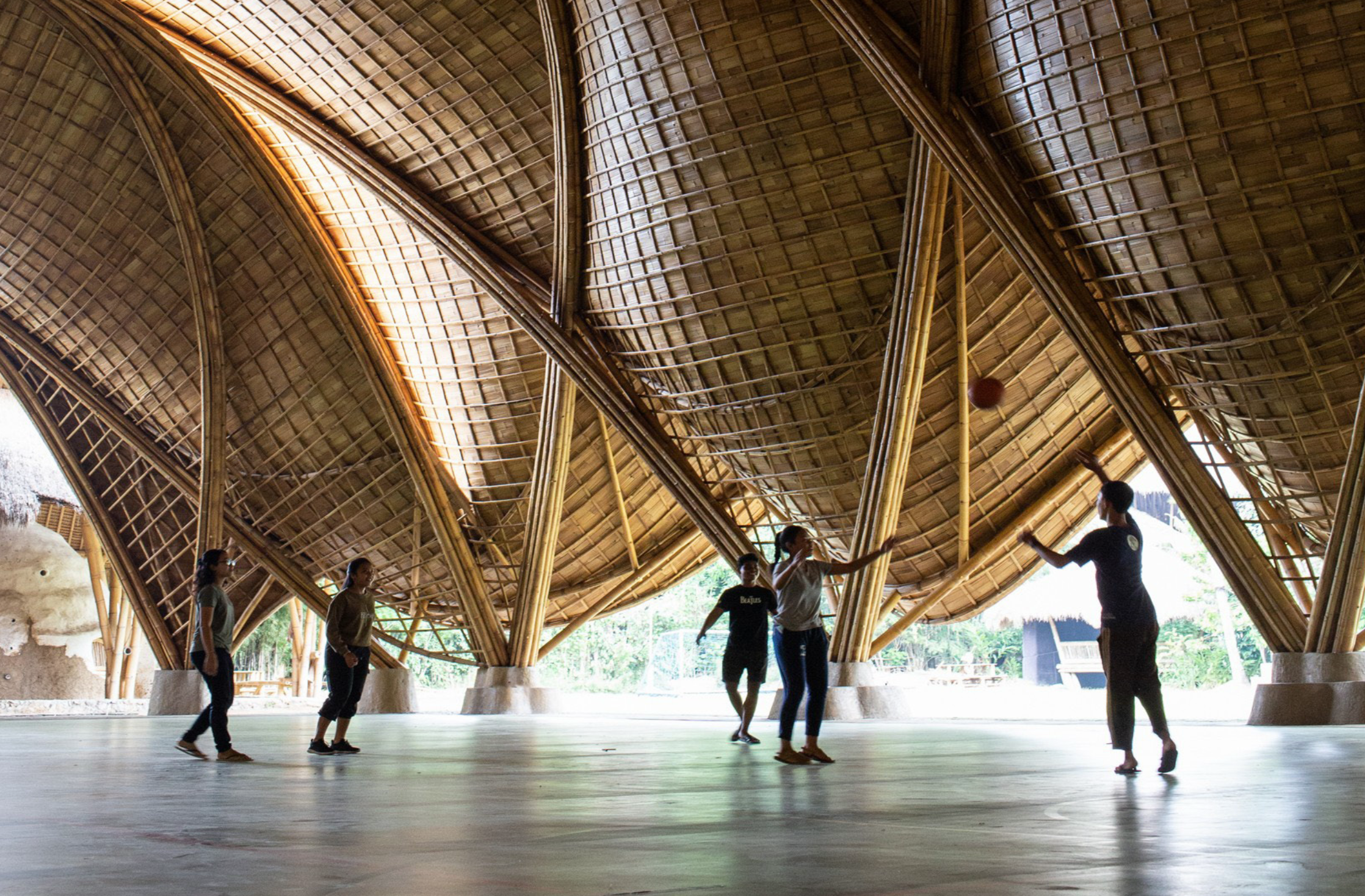
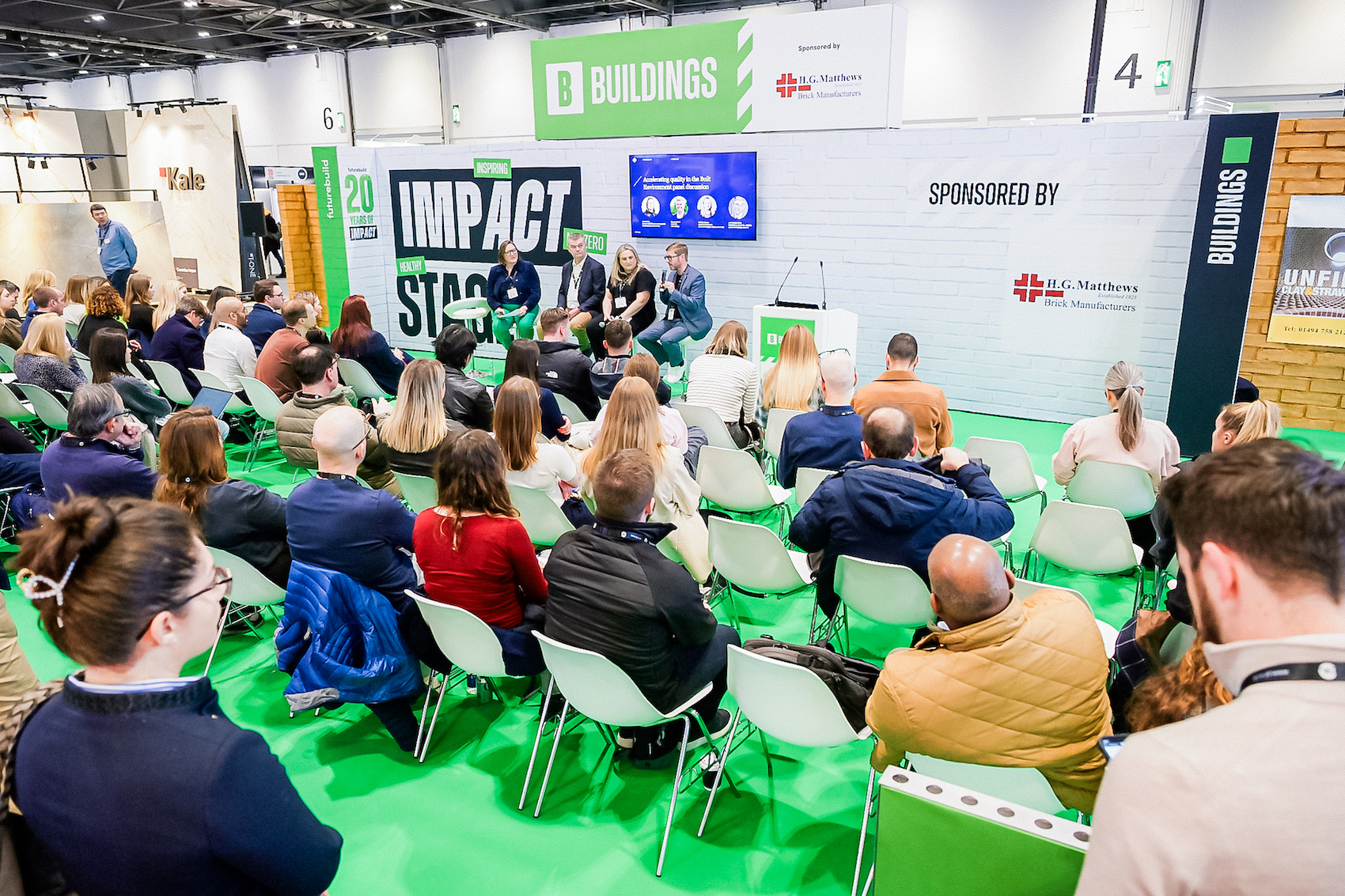
On the Buildings and Materials stage, regeneration emerges as a defining theme as industry bodies, including The Sustainable Development Foundation and Architects Declare, explore what it means to do less harm and actively restore ecosystems.
While the Passivhaus Trust and Good Homes Alliance place occupant wellbeing and building performance at the centre of design thinking. The programme also addresses the challenge of scaling these approaches, asking how solutions that have traditionally been seen as specialist can become more mainstream.
Energy: Sponsored by Allume
The Energy stage provides a complementary thread, focusing on the systems and infrastructure required to support the transition. John Allison, Deputy Director of Heat Networks at the Department for Energy Security and Net Zero, will contribute to discussions on the future of energy policy, with additional sessions examining how regulatory frameworks translate into practical delivery.
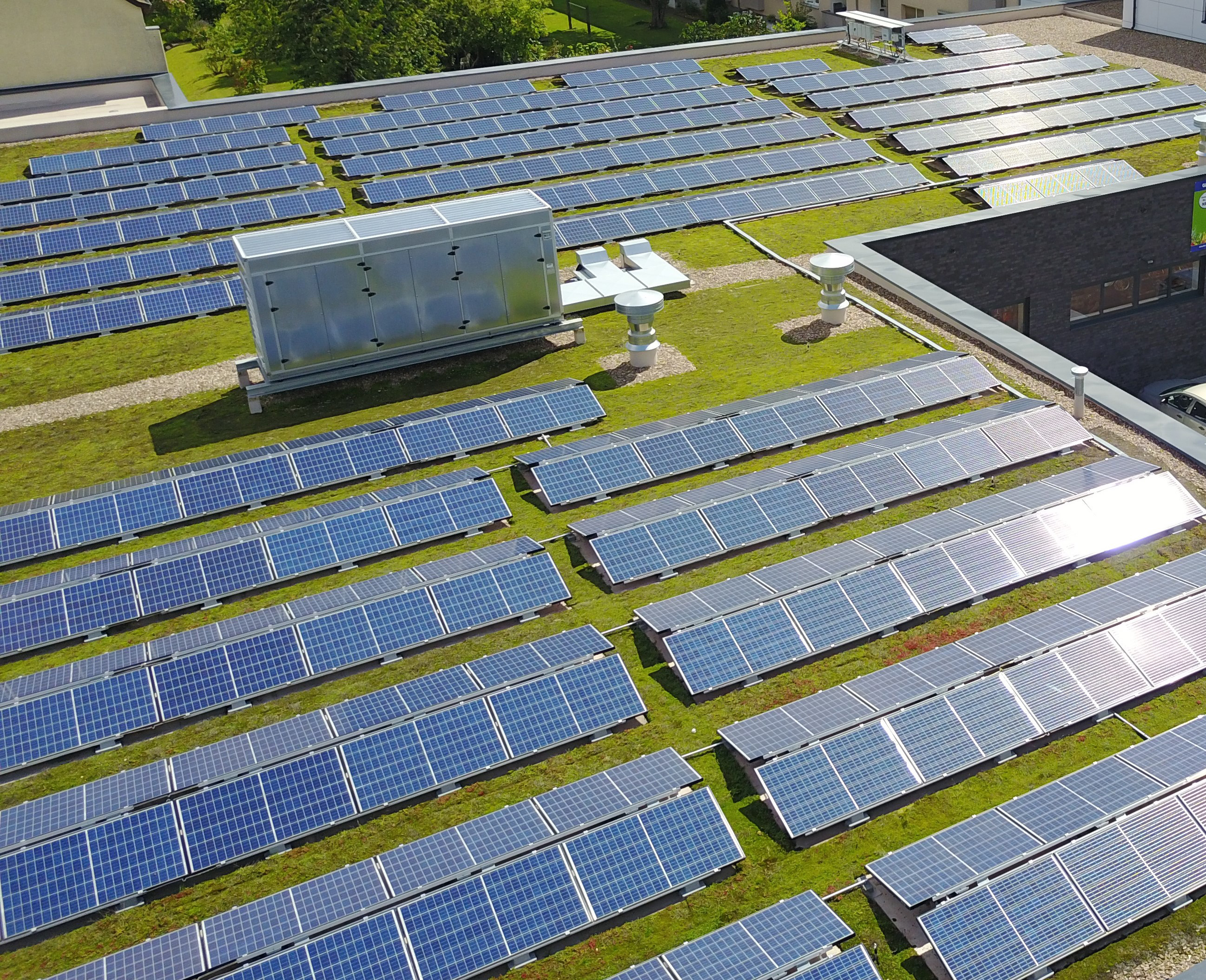
Talks will also tackle embedding carbon into procurement and managing energy demand, alongside practical discussions on heat pumps, retrofit and rooftop solar. Voices, such as Abigail Ward, Policy Manager at the Energy Saving Trust, and Matt Copeland, Head of Policy and Public Affairs at National Energy Action, bring a critical social perspective, highlighting the links between decarbonisation, affordability and fuel poverty.
Placemaking and the roadmap to resilience
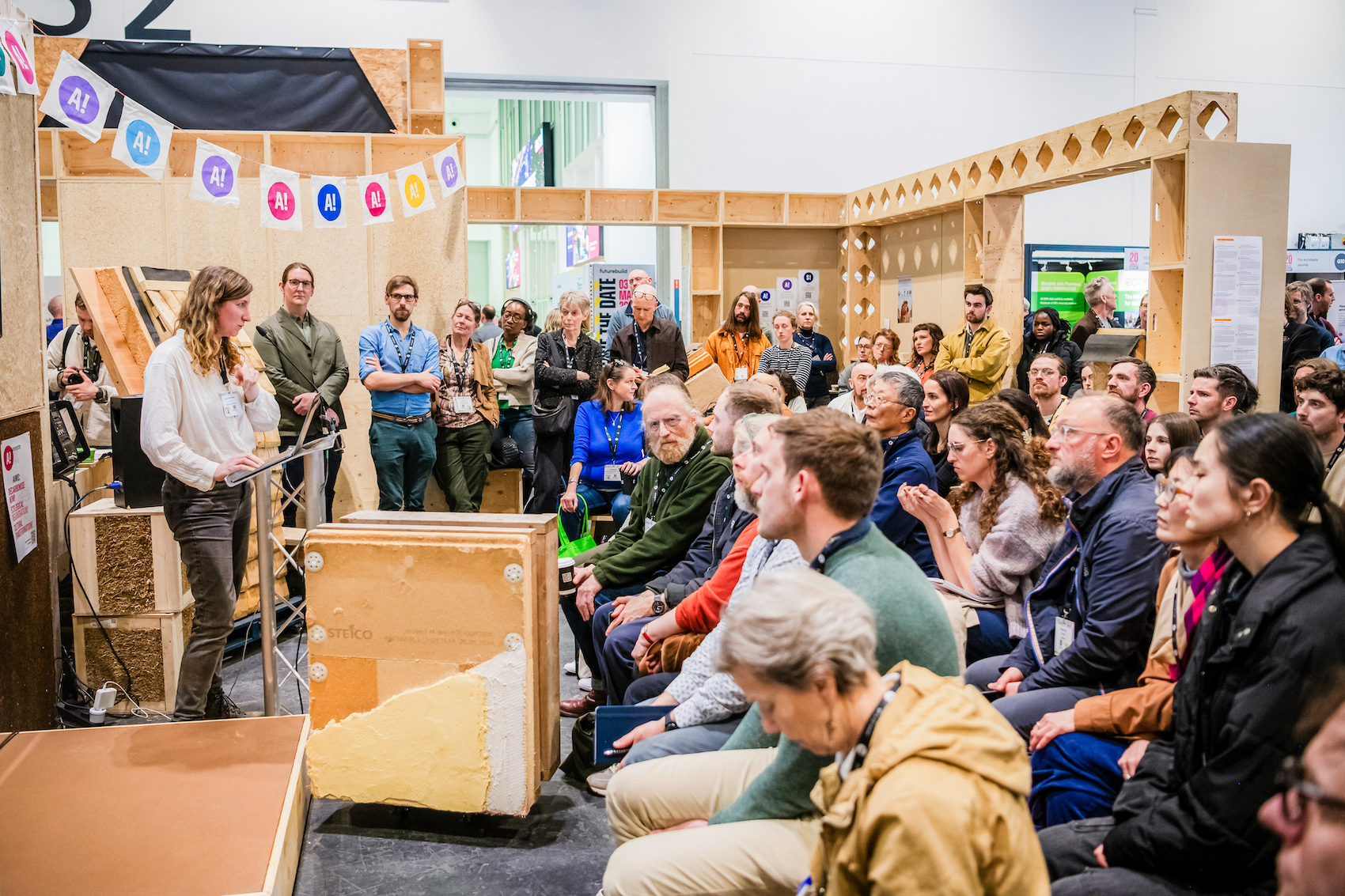
The Placemaking stage broadens the conversation further, examining frameworks for regenerative places, green infrastructure and climate resilience. Contributors include Anna Hollyman, Co Head of Policy and Places at UKGBC, and Asha Tomlin-Kent, Senior Policy and Programme Officer at the Greater London Authority, who seek to align environmental performance with social value and long term resilience.
The role of biophilic design to help cities and communities combat growing climate, nature and social pressures is also being highlighted by a panel setting out practical strategies, governance and placemaking approaches that embed nature at the heart of urban life.
A stand-out year for Futurebuild attendees
As ever, for architects and specifiers, the value of the Futurebuild 2026 Knowledge Programme is how the curators connect strategic thinking to application. Offering insight into the ideas being tested and delivered in real projects.
This year’s co-location with UK Construction Week London and The Stone & Surfaces Show only amplifies the opportunities for attendees to learn from leading experts.
With more than 90 industry partners and associations involved, the Knowledge Programme reflects a collective effort to address shared challenges. This is reinforced by its scale, bringing together over 700 speakers across 13 stages to deliver more than 250 hours of CPD accredited content.
Contact Details
Explore the full programme here to discover the breadth of sessions, speakers and themes.
Secure your free pass to Futurebuild and start connecting today courtesy of registration sponsor Barbour ABI.