
Why enter?
- Celebrate your project’s success over time and demonstrate its strong track record for delivering on its ambitions – environmental, functional, community and cultural
- Contribute to the shared learning that is essential if we are to bring about the step change in performance the industry desperately needs
- Demonstrate the long-term performance of your project and building performance evaluation (BPE)
- Showcase the building team’s thinking, ingenuity and expertise for delivering projects that have stood the test of time
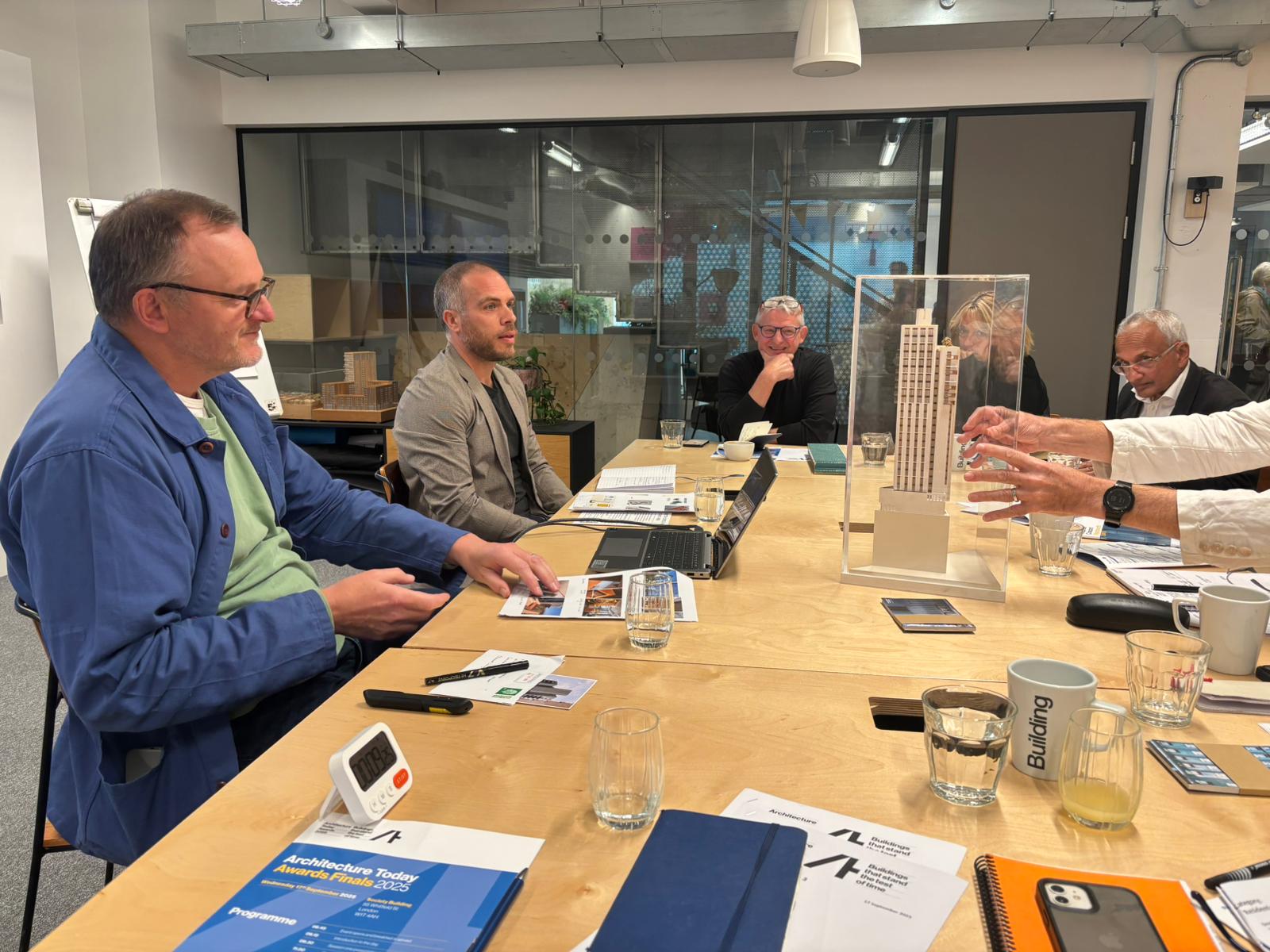
- Present your projects to the judges and an audience of industry leaders, clients and peers
- Share your success story in a building in use study with new commissioned photography of the winning projects published in a special issue of Architecture Today
- Record and share your presentation on a publicly accessible learning resource on the Architecture Today website
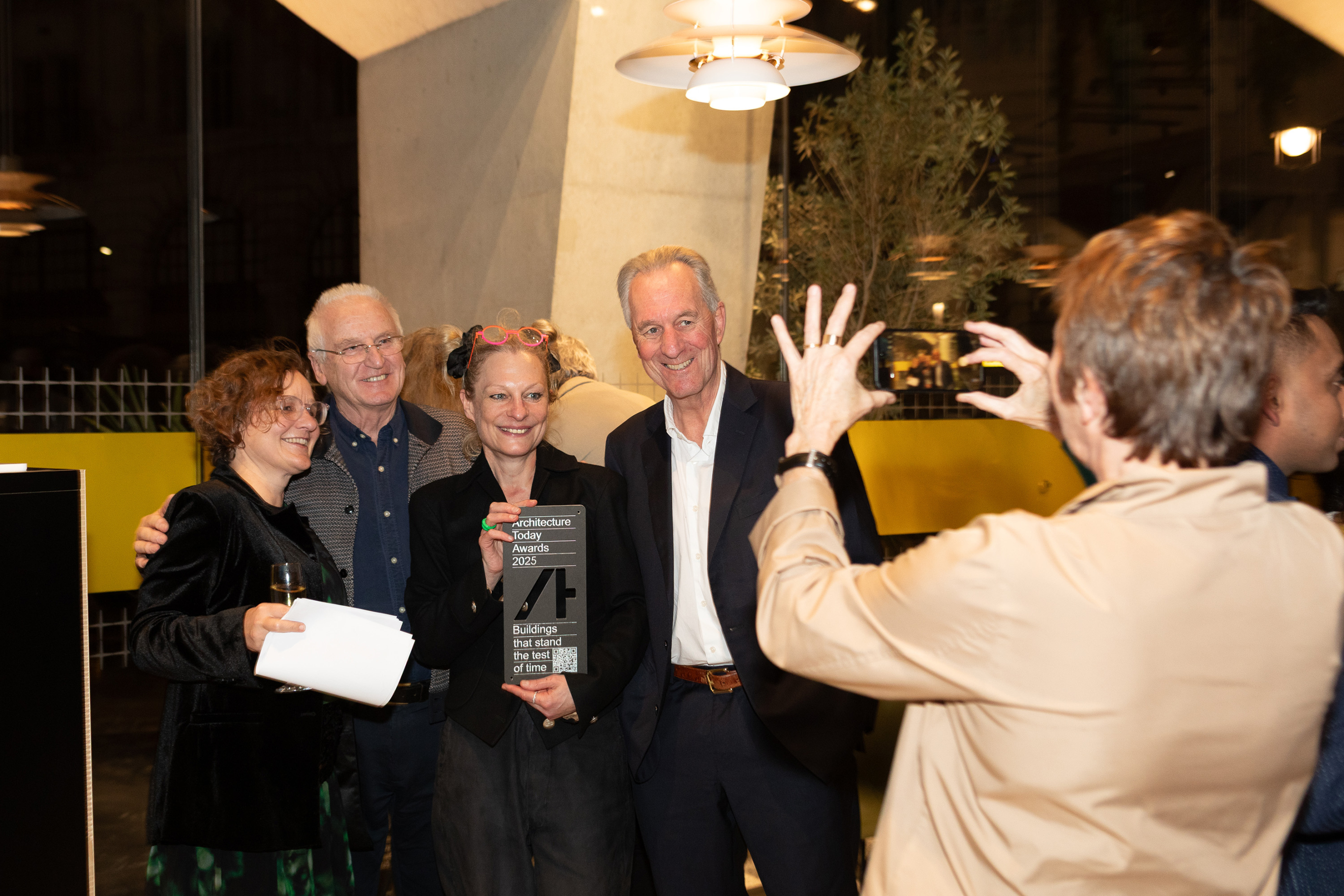
- Win recognition for your project as we honour the winners at The Awards Party for the AT Awards in November.
Categories
Expand to find out more and download each category’s awards entry pack.
The Education Award
The Healthcare Award
The Hospitality, Sport & Leisure Award
The Individual House Award
This award reflects the perennial interest in one-of-a-kind dwellings among both architects and judges. Projects will be assessed on contextual sensitivity, appropriate use of materials, spatial richness, and long-term sustainability. Entries range from prototypes designed to test specific materials, technologies or ideas and often intended to be replicable at scale – to bespoke projects tailored to the idiosyncrasies, lifestyles and tastes of the client. The strongest presentations tend to include insights from the resident/client.
The Landscape & Public Realm Award
The Mixed Use & Retail Award
The Religion & Culture Award
The Residential Award
As the government grapples with the challenge of delivering on its ambitious house-building targets, the profession is calling for quantity that isn’t delivered at the cost of quality. There has never been a more pressing need to highlight – and to learn from – precedents for residential projects that have flourished over time. The jury is interested in a wide range of issues including: design and construction quality, long-term environmental performance, the ability to facilitate healthy and sustainable lifestyles and a proven track record in creating communities that thrive.
The Transport & Infrastructure Award
The Workplace Award
The International Award
This important category looks overseas for projects that represent the very best in architectural design. The judges look for high-quality buildings across any sector and from any part of the world that can demonstrate programmatic innovation, attention to detail, fitness-for-purpose, sustainability and, above all, longevity. Previous winners include a factory, a concert hall, an embassy and a university, and prompted wide-ranging discussions.
The Student Prize - FREE TO ENTER
The Student Prize was launched to encourage – and to recognise – a step change in education with a move away from form-making and new-build projects and an increasing emphasis on extending the life of existing buildings and/or designing with long-term performance, resilience and flexibility in mind. We accept projects by students of architecture or any related discipline from across the construction industry, at any stage of their education, and from any part of the world. Projects can be submitted by tutors or students. Joint or team entries are actively encouraged.
Each category is open to new-build and retrofit projects. Buildings must have been completed before 1 April 2023 to be eligible for entry.
Judging Criteria
The judging panel consider key areas of performance. Expand each of the below to find out more about each criteria.
Construction approach
Environmental performance
User comfort and well-being
Accessibility, inclusivity and legibility
Adaptability and flexibility
Facilitation of sustainable lifestyles
Robustness and resilience
Biodiversity and natural capital
Social impact
Civic pride and sense of place
Contribution to shared learning
Guidelines
The judges will be particularly keen to see any independent third-party validation of claims made.
They will also probably expect to see some form of comparative data demonstrating the effectiveness of the changes made. However, every building has different challenges and it is up to the shortlisted teams to explain the design decisions they made and the effectiveness of those solutions.
You do NOT need a Post Occupancy Evaluation to enter. We fully understand that POE has only recently become widespread practice and that is unrealistic to expect it to be available for buildings completed some years ago.
That said, we view these awards and the judging process as an exercise in collective learning, and particularly welcome any insights entrants can offer into the challenges involved in obtaining, or indeed failing to obtain, meaningful information on performance.
Key dates
- Entries open — 16 February 2026
- Extended deadline: 26 June 2026
- Live Finals: 9 September 2026
- AT Awards Winner’s Party: 12 November 2026
Our awards sponsors