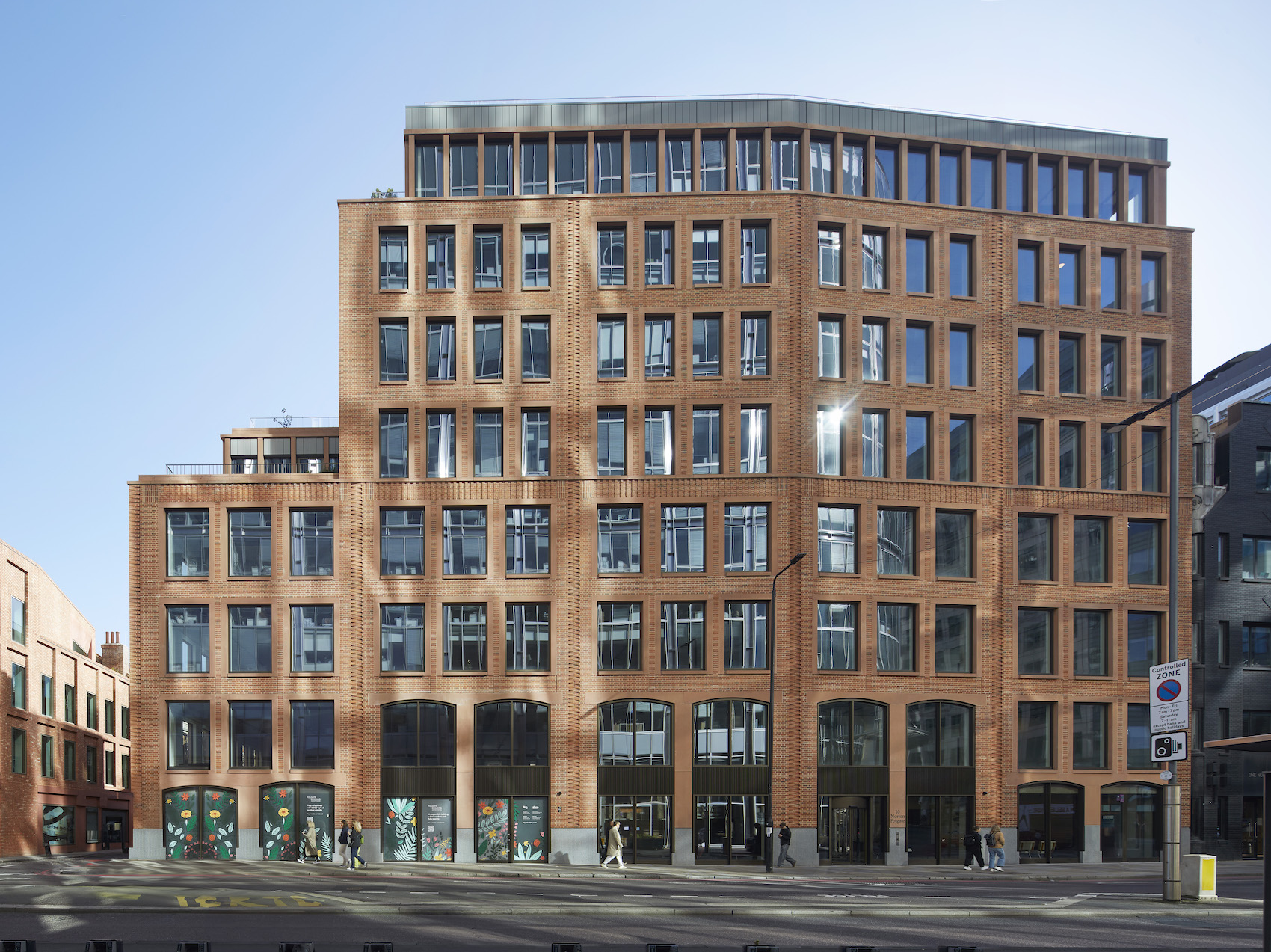
The latest iteration of Michael Pawlyn’s Biomimicry in Architecture combines technical expertise and analysis with the emotional narratives required to imagine and precipitate more life-affirming futures.
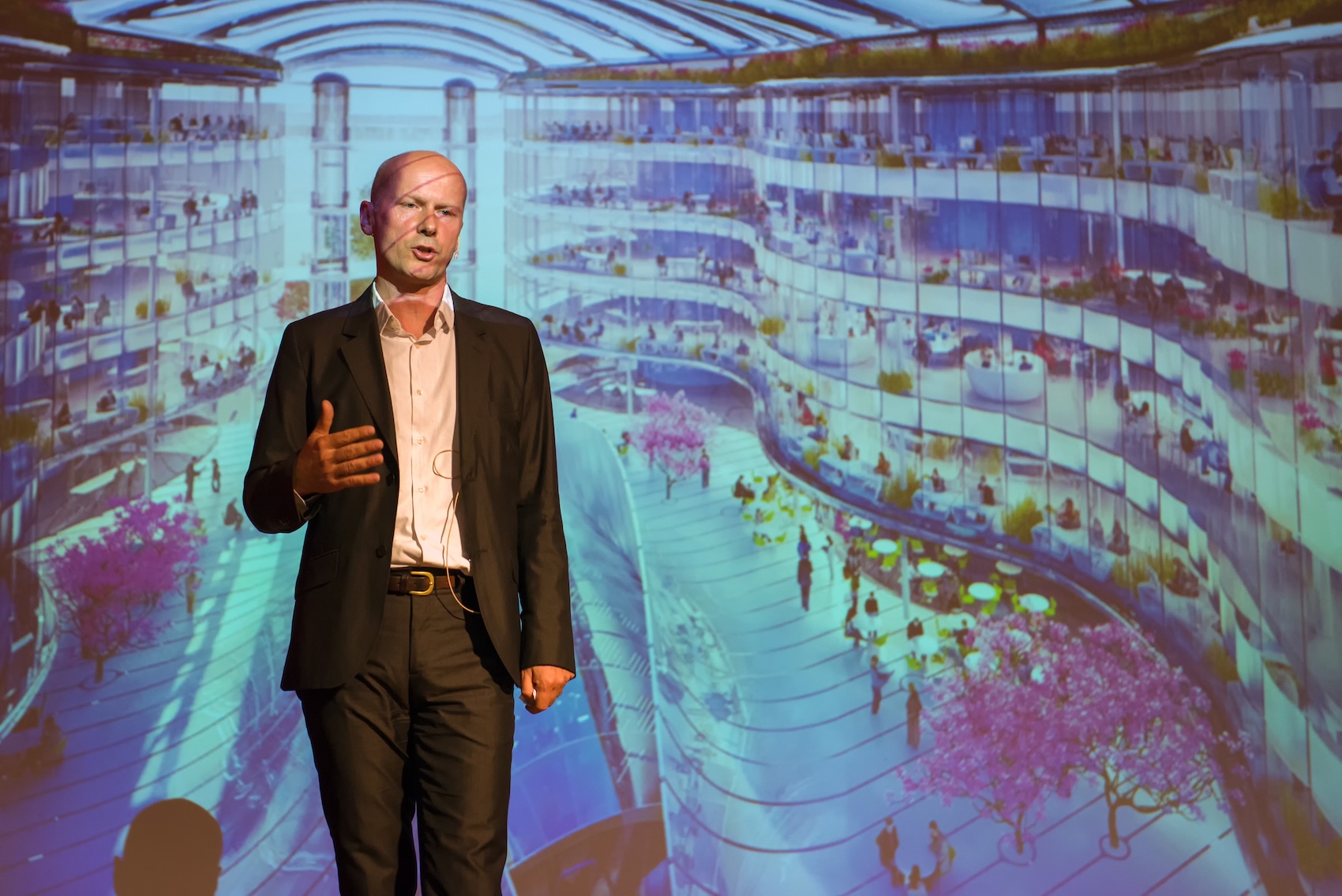
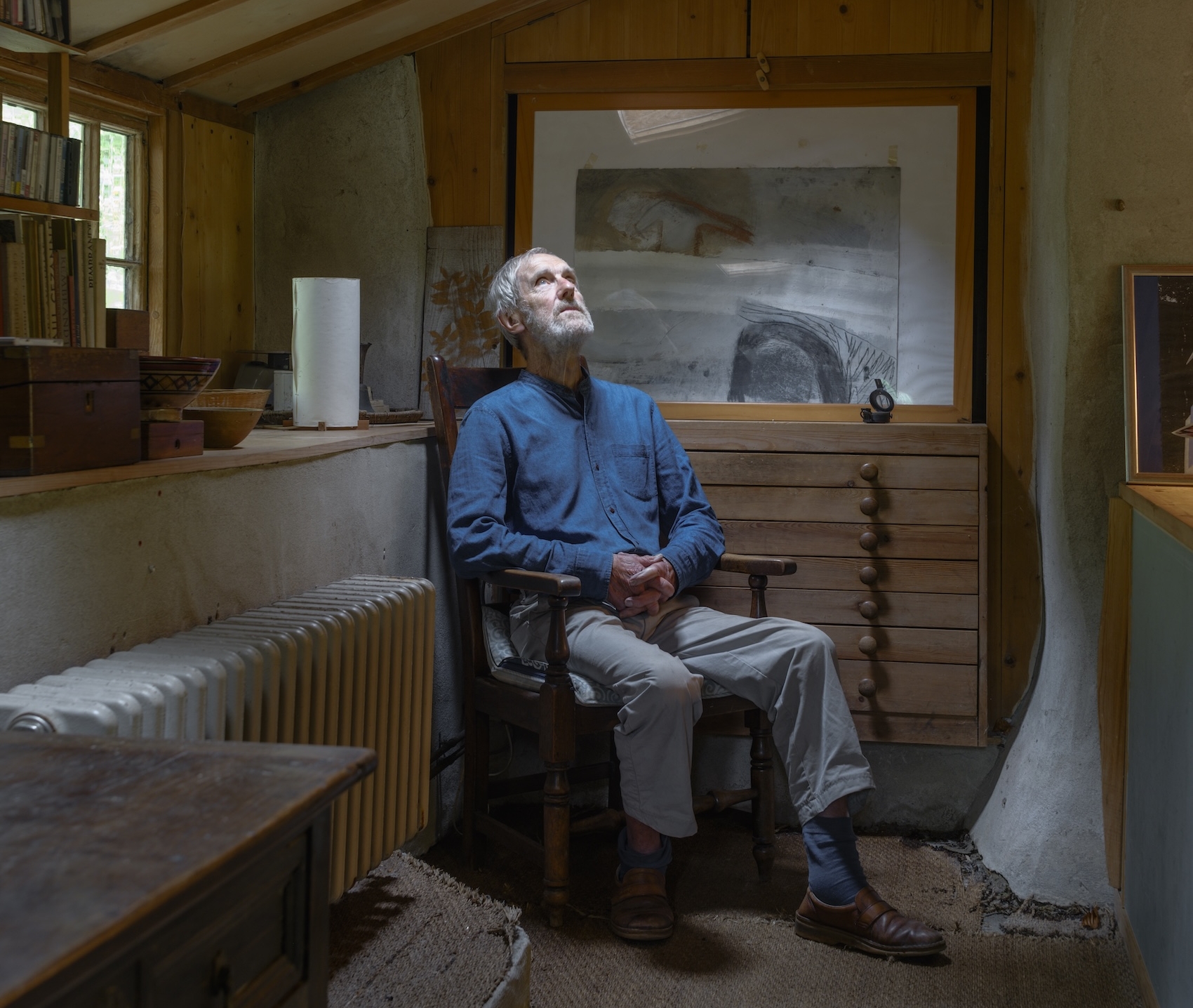
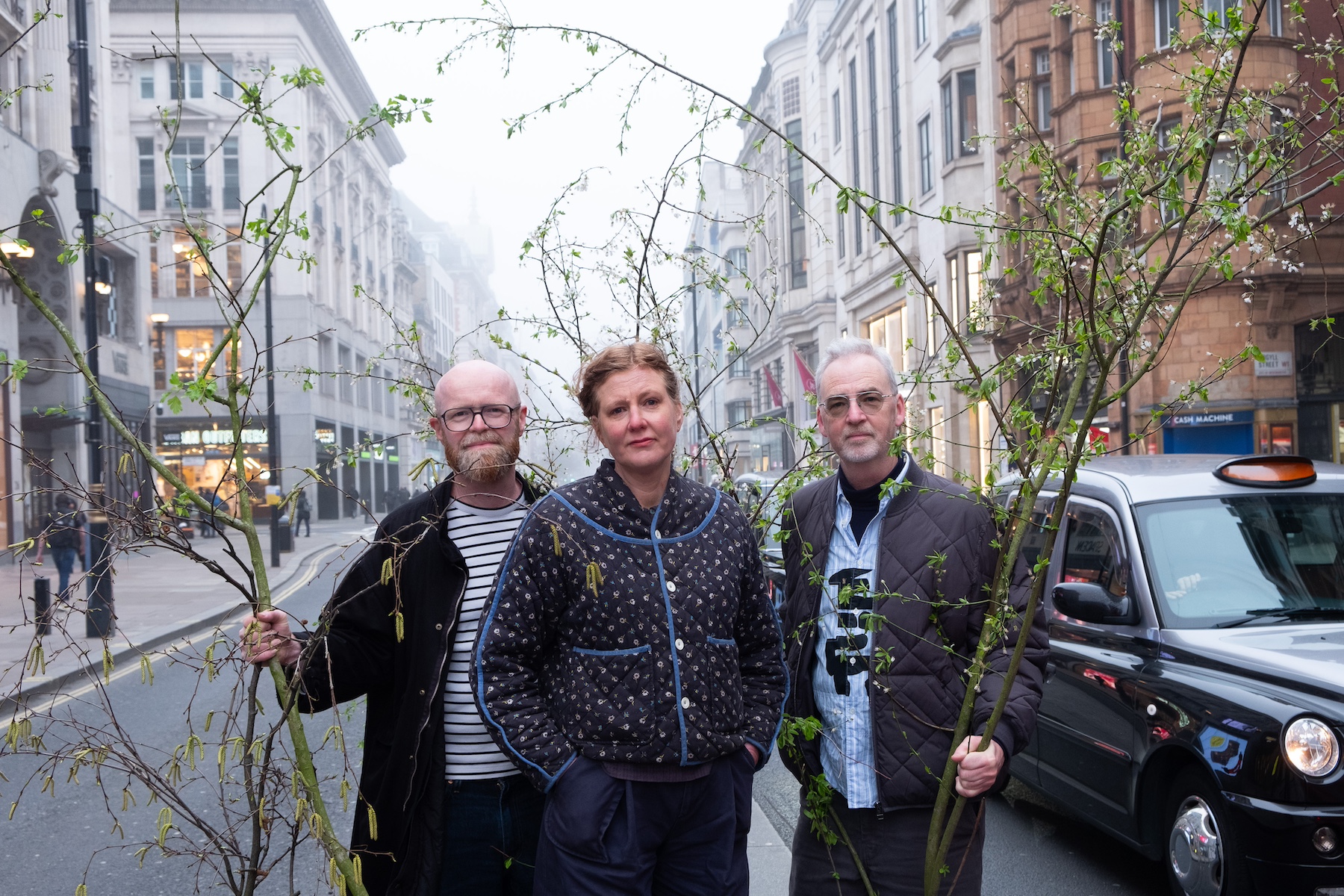
Michael Pawlyn, TED speaker and author of Biomimicry in Architecture, RIBA Publishing’s best-selling book of the last fifteen years.
Radiohead, Bruce Springsteen, The Clash – just a few of the bands whose third albums were considered the most defining and representative of their creative journeys. In a similar vein, Michael Pawlyn’s Biomimicry in Architecture, published last year by RIBA Publications, is now available in its third release. This edition feels like a defining moment. It is a sumptuous and beautiful product that greatly enhances the power of his passionate message.
Pawlyn, alongside his colleagues Richard MacCowan, who has undertaken much of the new research, and Marcia Mihotich, designer and illustrator, should be congratulated for pulling this together in such an elegant and cohesive manner. RIBA Publications should likewise be congratulated for investing in the ambition of this edition, recognising that architects are visual and tactile thinkers who value the relationship between medium and message. The book understands its audience.
I particularly welcomed the reference to J E Gordon (1913–1998), a pioneering British materials scientist, engineer, and author who was widely recognized as one of the founders of materials science and biomechanics. His last book, The Science of Structures and Materials was published as part of the excellent Scientific American Library popular science series. This small but clear, concise and beautifully presented book was perhaps for many involved in the emerging British Hi-Tech architecture movement the essential designer’s resource. Gordon’s brilliance lay in his ability to communicate robust engineering principles within the framework of natural structural systems. Pawlyn adopts a similar position – technically informative but never dry. Given where we currently find ourselves, wrestling with climate change, ecological degradation and various polycrises, this third edition is hugely welcome and should join Gordon’s work as essential reading for the next generation of architects. Biomimicry in Architecture is abundant with useful and enlightening science, case studies and strategies. Yet Pawlyn recognises that facts alone rarely drive transformation. Humans need emotional narratives to help us assimilate and reimagine better futures. We are a storytelling animal.
The key success of this latest publication lies in the skill and craft with which Pawlyn and his team have drawn us into a richer, deeper revelation of the beauty we are surrounded by, immersed within and participate in extending. How we experience awe is determined by how far we see. Research indicates that when we experience awe, we can increase prosocial behaviour, boost life satisfaction, and sharpen critical thinking by making a person feel more connected to a larger whole. This sumptuous edition cultivates respect, surprise and wonder – precisely the emotional conditions needed to imagine more life-affirming futures.
As the field develops and real-world successes multiply, one hopes a fourth edition will emerge.If so, there is an opportunity for inclusion of a few more examples of indigenous and traditional building cultures which embody generations of climatic intelligence and material wisdom. They are living examples of architecture that ‘extends nature’ rather than opposes it, challenging our binary distinctions between the natural and the artificial, primitive and modern. Biomimicry in Architecture makes the elegant connection between the Australian Mud Wasp and Mario Cucinella’s pioneering 3D printed WASP house. Expanding this trajectory to include examples such as the Taddart dwellings of Libya’s Nafusa Mountains can perhaps further strengthen the historical continuum. Biomimicry is not a new idea, but rather a recollection of knowledge we have long possessed.
Buckminster Fuller once suggested that ongoing natural negative feedback loops indicate that it is time to “adjust the human gait”. Pawlyn’s work reminds us how to better realign with the ecological framework that sustains us. It does not promise easy solutions, but it provides something far more valuable: a shift in perspective, a way of seeing. A highly recommended starting point for 2026
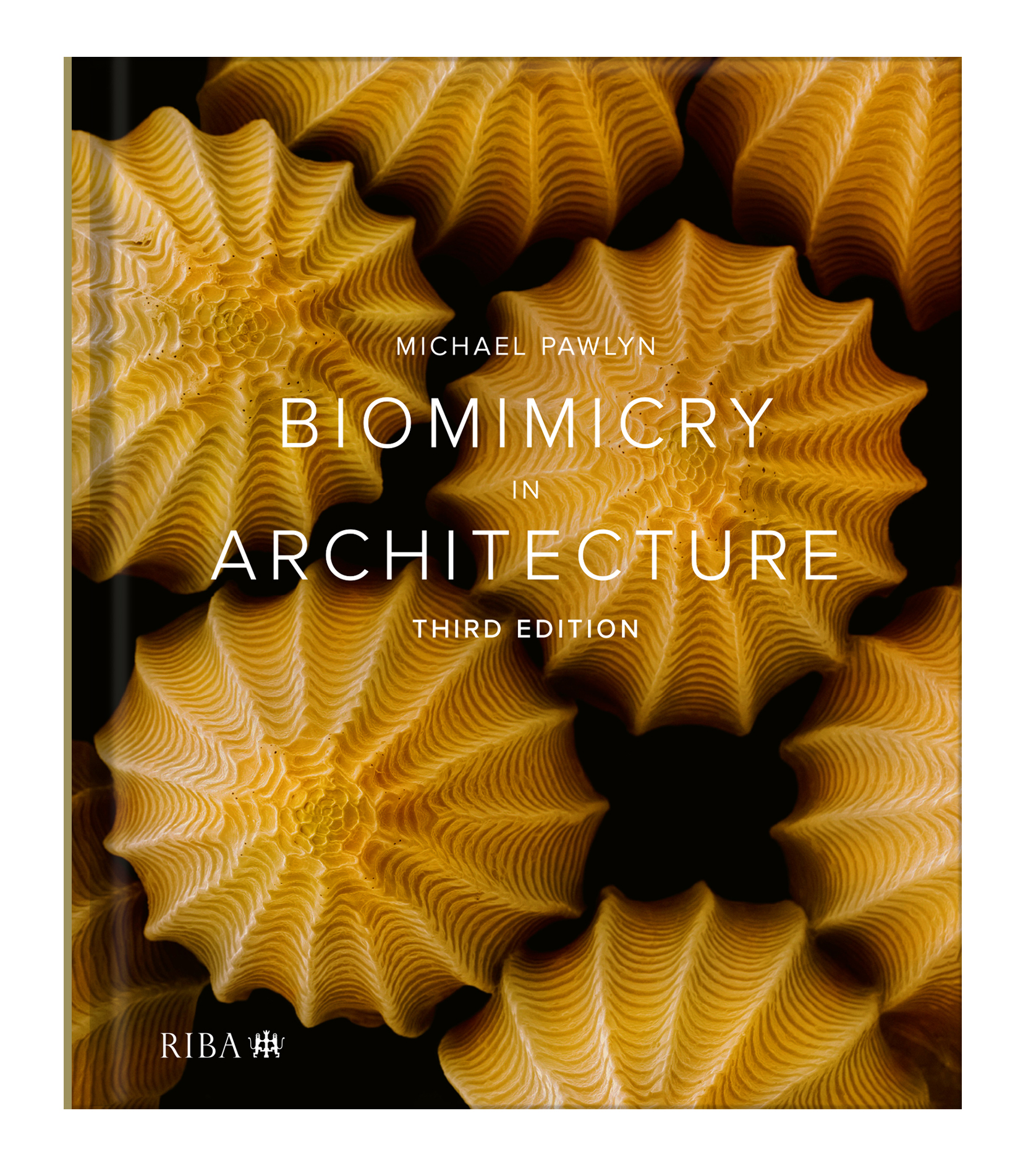
Biomimicry in Architecture
– 3rd Edition
By Michael Pawlyn
Published by RIBA Publishing