Chilean architect Smiljan Radić Clarke has been awarded the 2026 Pritzker Architecture Prize for work that explores fragility, cultural memory and material experimentation, creating buildings that are at once elemental, enigmatic and deeply human.
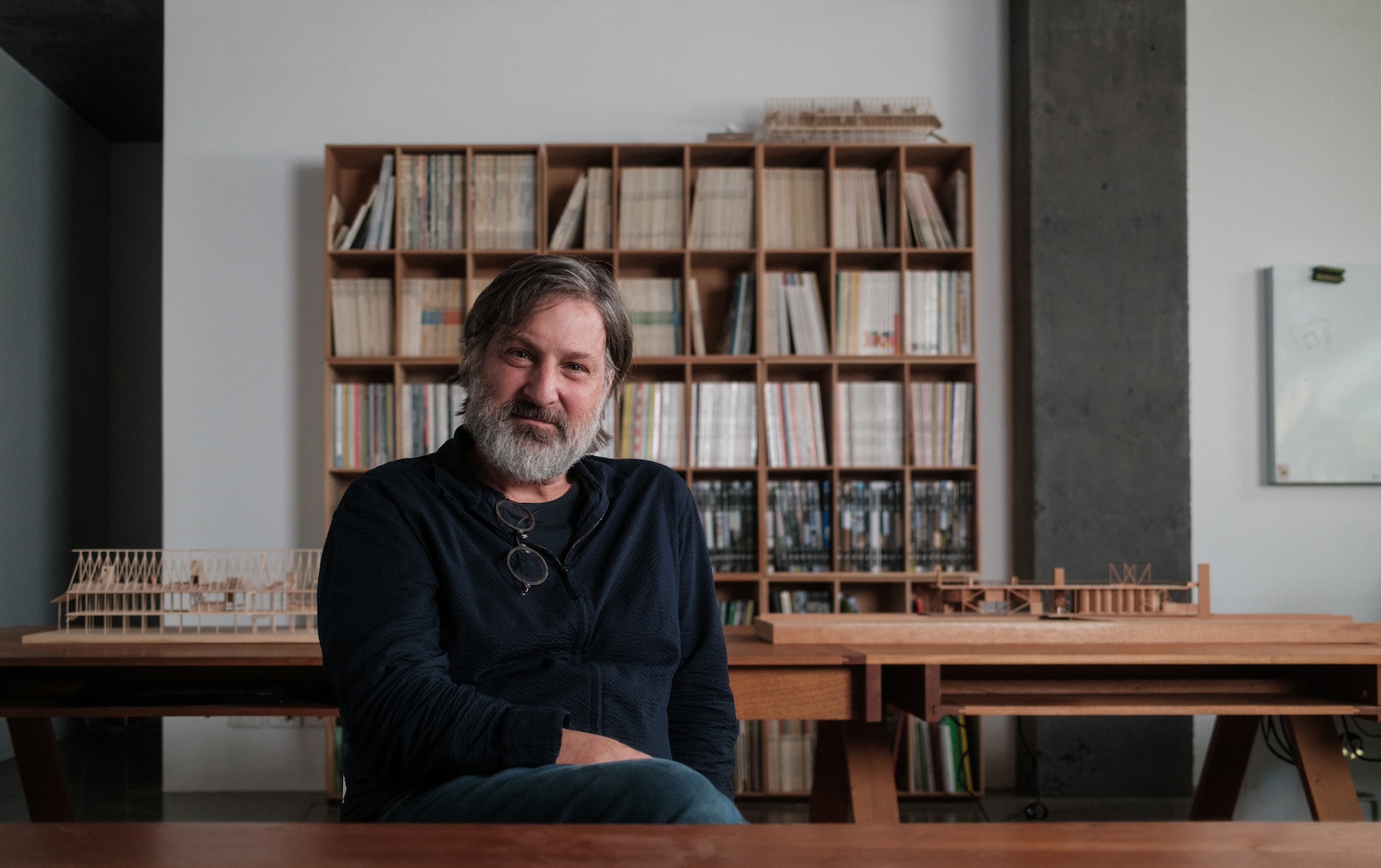
Smiljan Radić Clarke. (Credit: The Hyatt Foundation / The Pritzker Architecture Prize)
The 2026 Pritzker Architecture Prize has been awarded to Santiago-based architect Smiljan Radić Clarke, whose work mixes radical imagination with a distinctive lightness of touch. Announcing the award, the jury described an architecture shaped by uncertainty, experimentation and cultural memory.
The announcement also comes during a challenging year for the Pritzker Prize’s sponsor, the Hyatt Foundation, after Thomas Pritzker stepped down as chair of Hyatt amid scrutiny surrounding his past links to Jeffrey Epstein.
Radić’s projects resist the idea of a recognisable signature style. Instead, each building emerges from careful observation of place, material and social context. His work frequently balances apparent opposites — permanence and fragility, monumentality and intimacy, tradition and invention.
The result is architecture that feels light yet exudes permanence: buildings that appear provisional or incomplete yet offer generous and carefully structured spaces for everyday life.
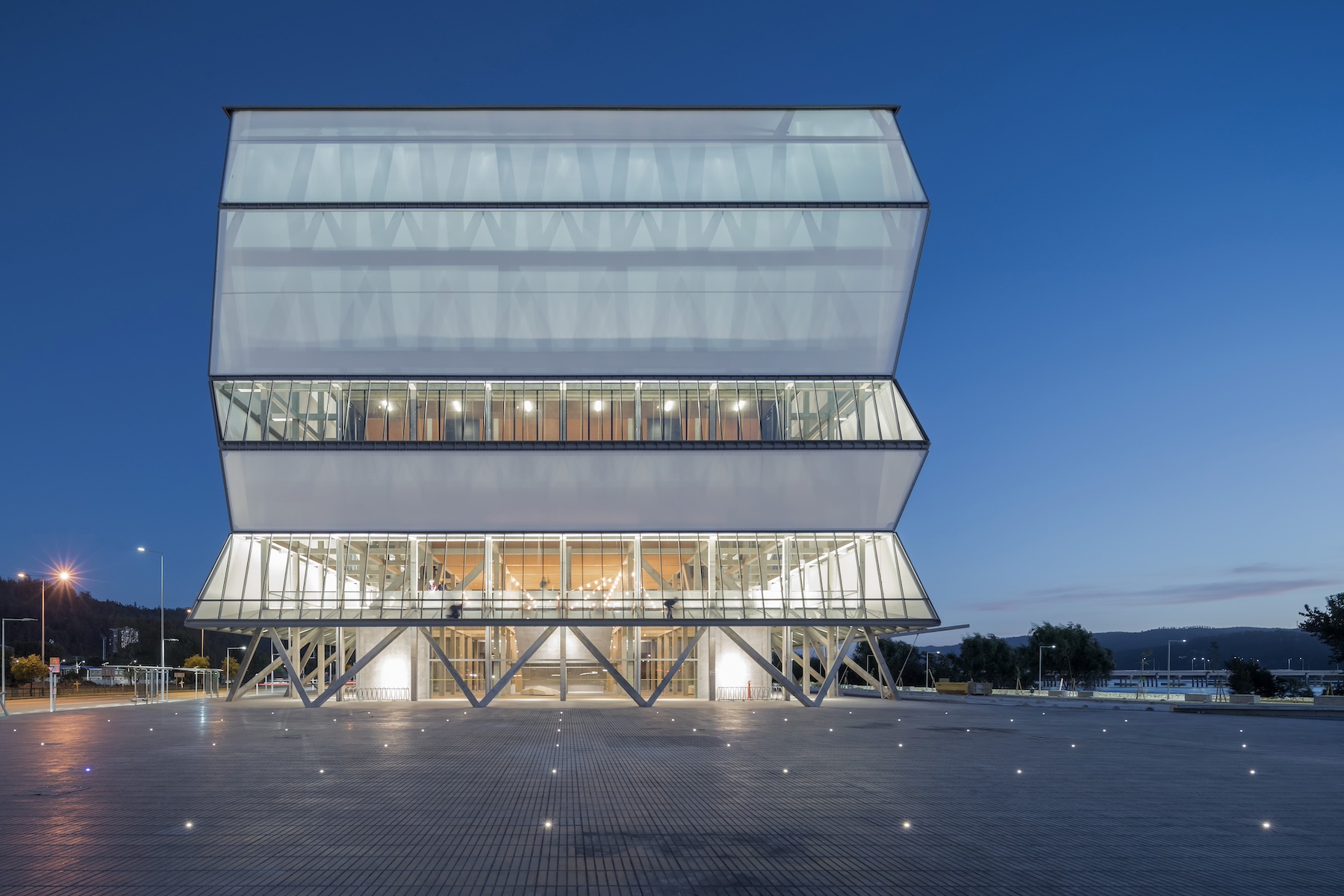
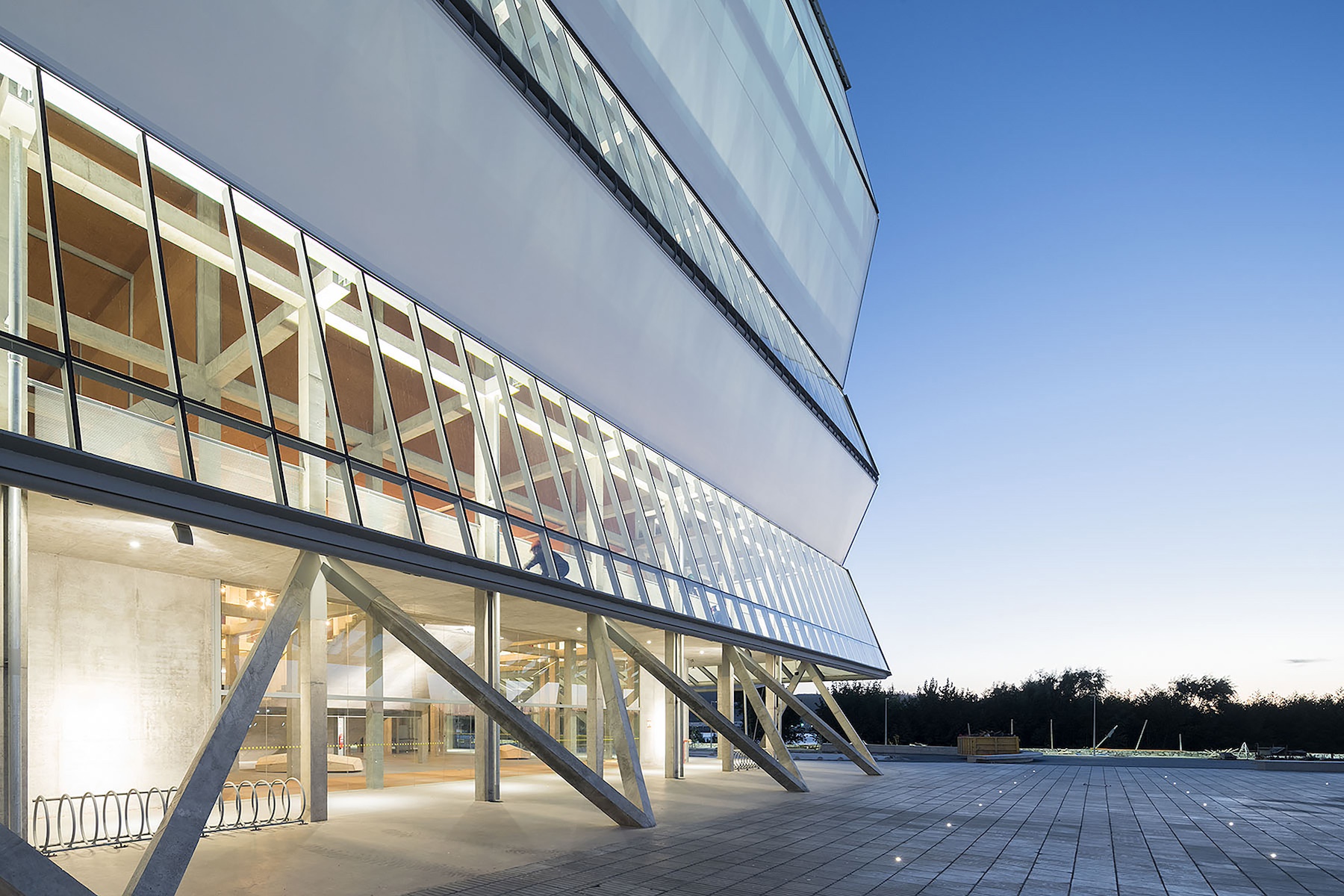
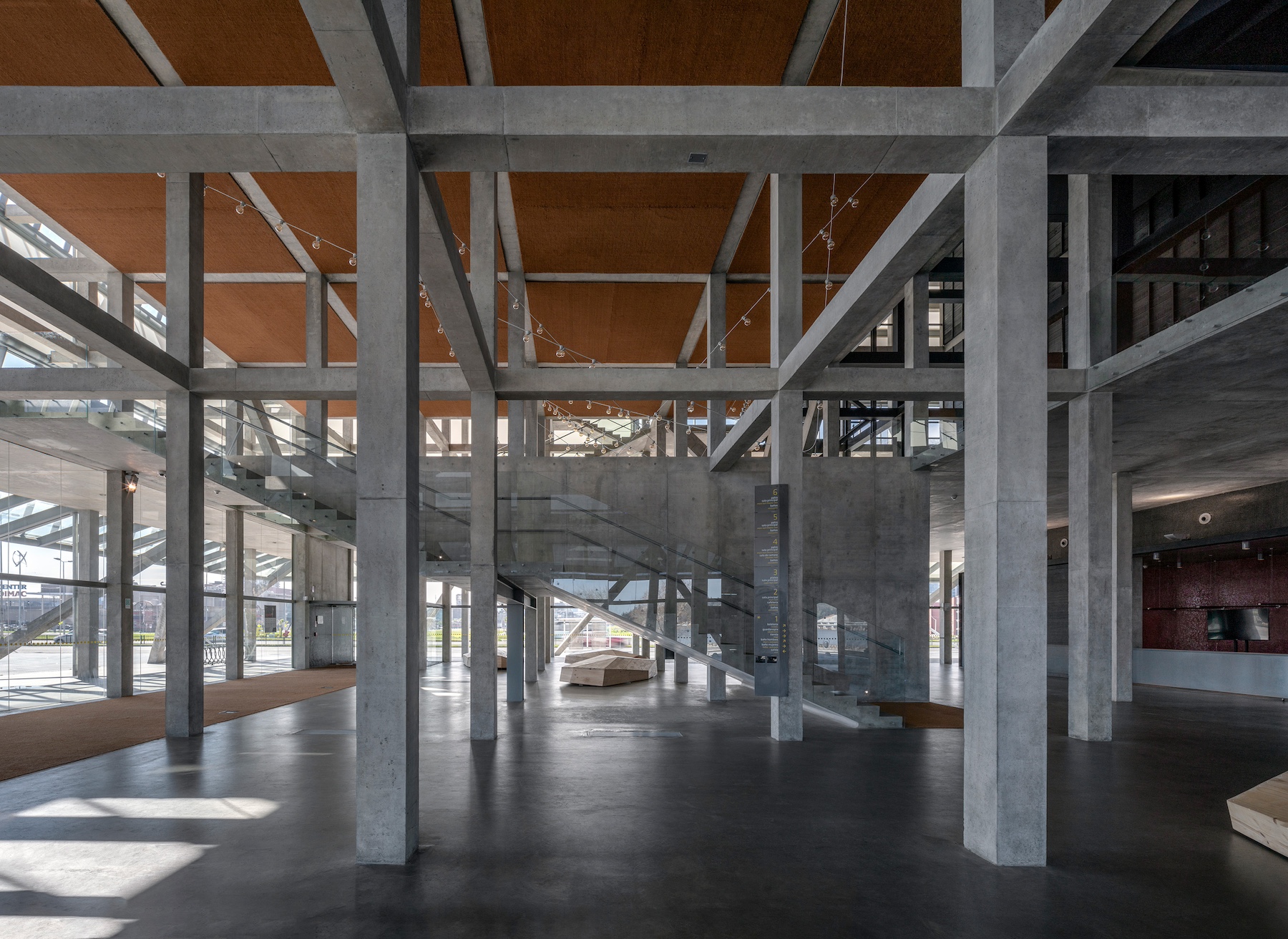
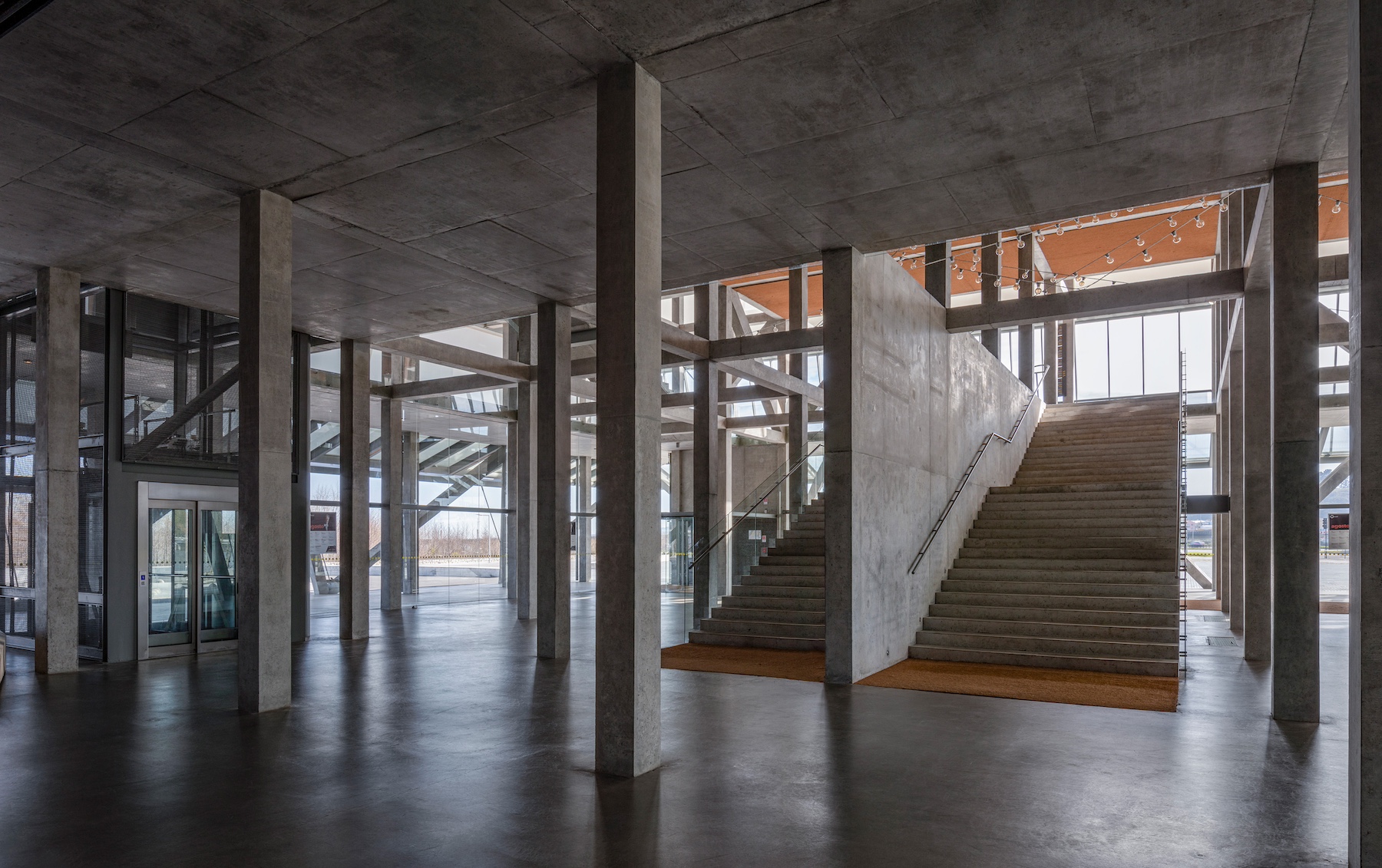
Teatro Regional del Biobío, Concepción. (Credit above: Iwan Baan. Photos below, credit: Iwan Baan, Cristonal Palma and Hisao Suzuki)
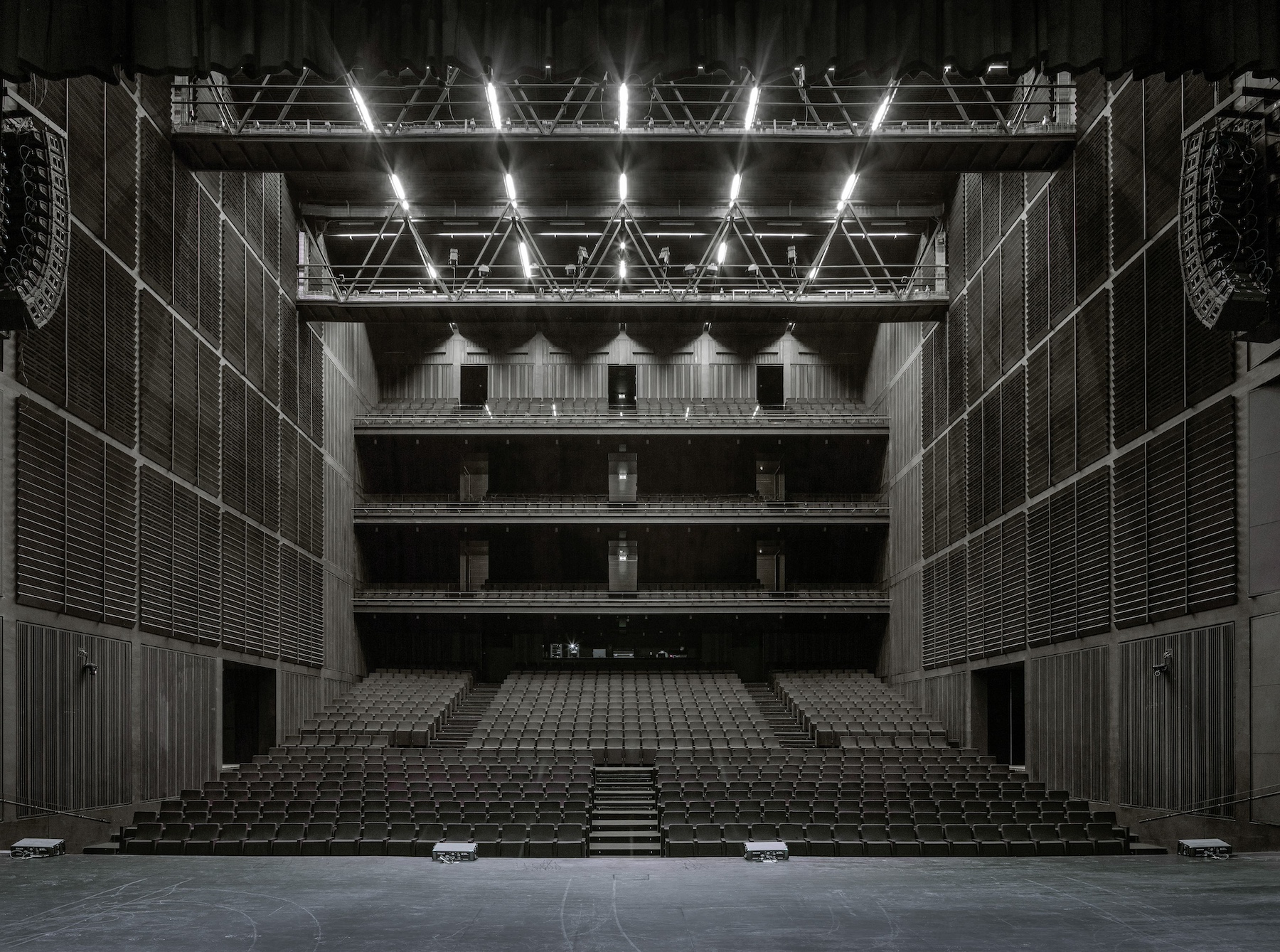
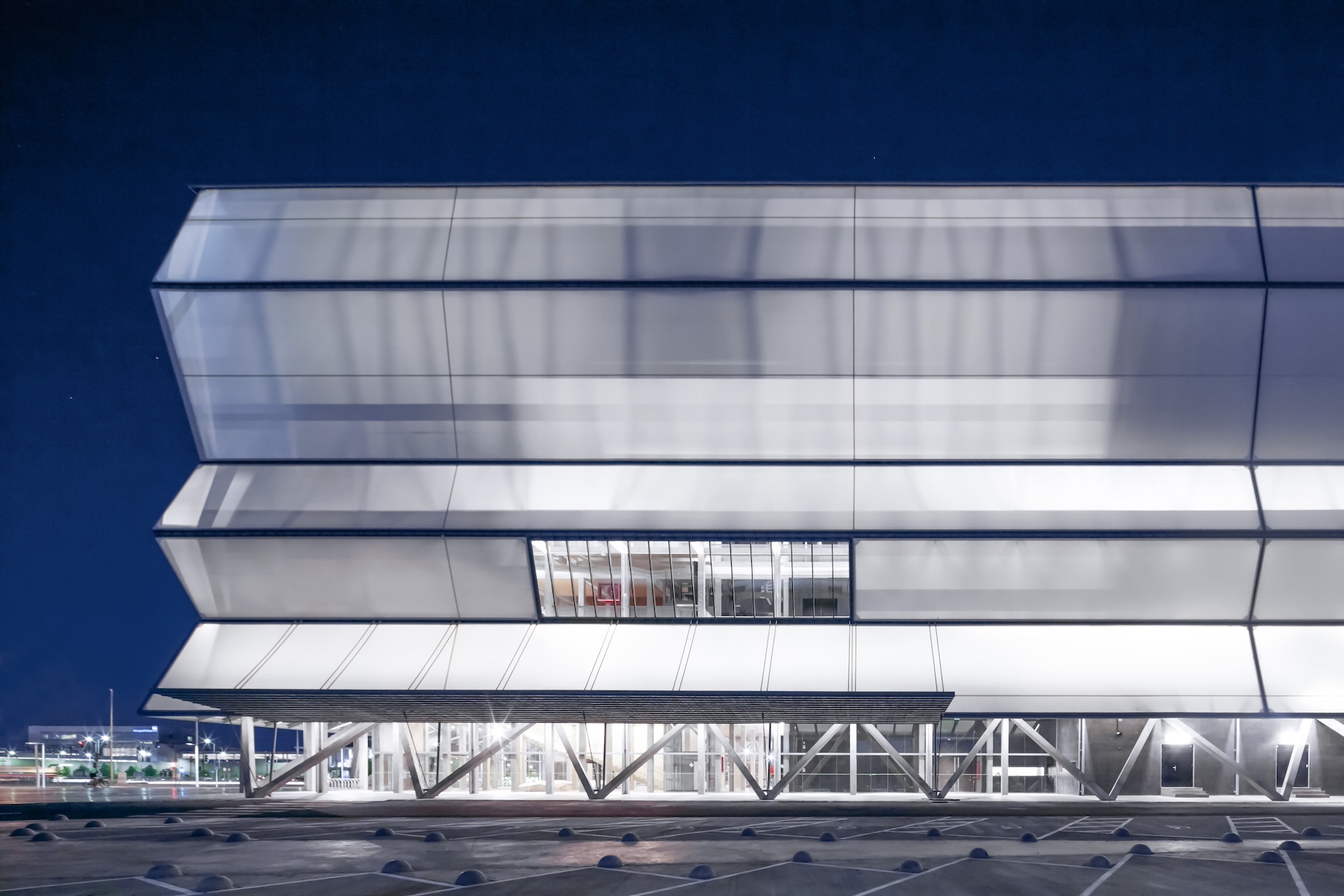
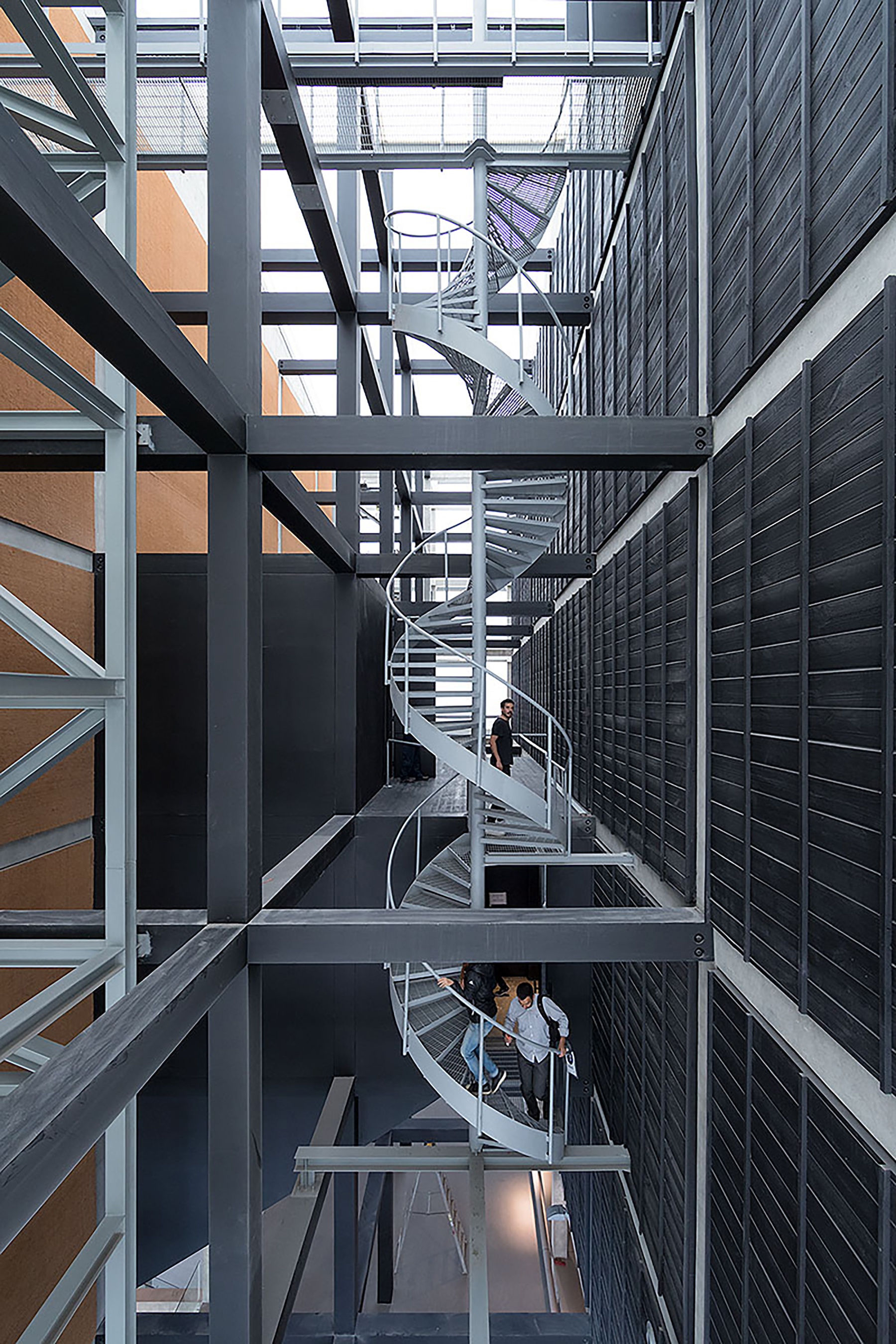
Radić’s ability to transform simple materials into powerful spatial experiences is evident in Guatero, the pneumatic installation created for the Chilean Architecture Biennial in 2023. The project demonstrated Radić’s fascination with structures that feel provisional or unstable yet produce intensely memorable spatial experiences. A translucent inflatable form transforms air pressure into architecture, diffusing light and amplifying sound within its softly curved interior.
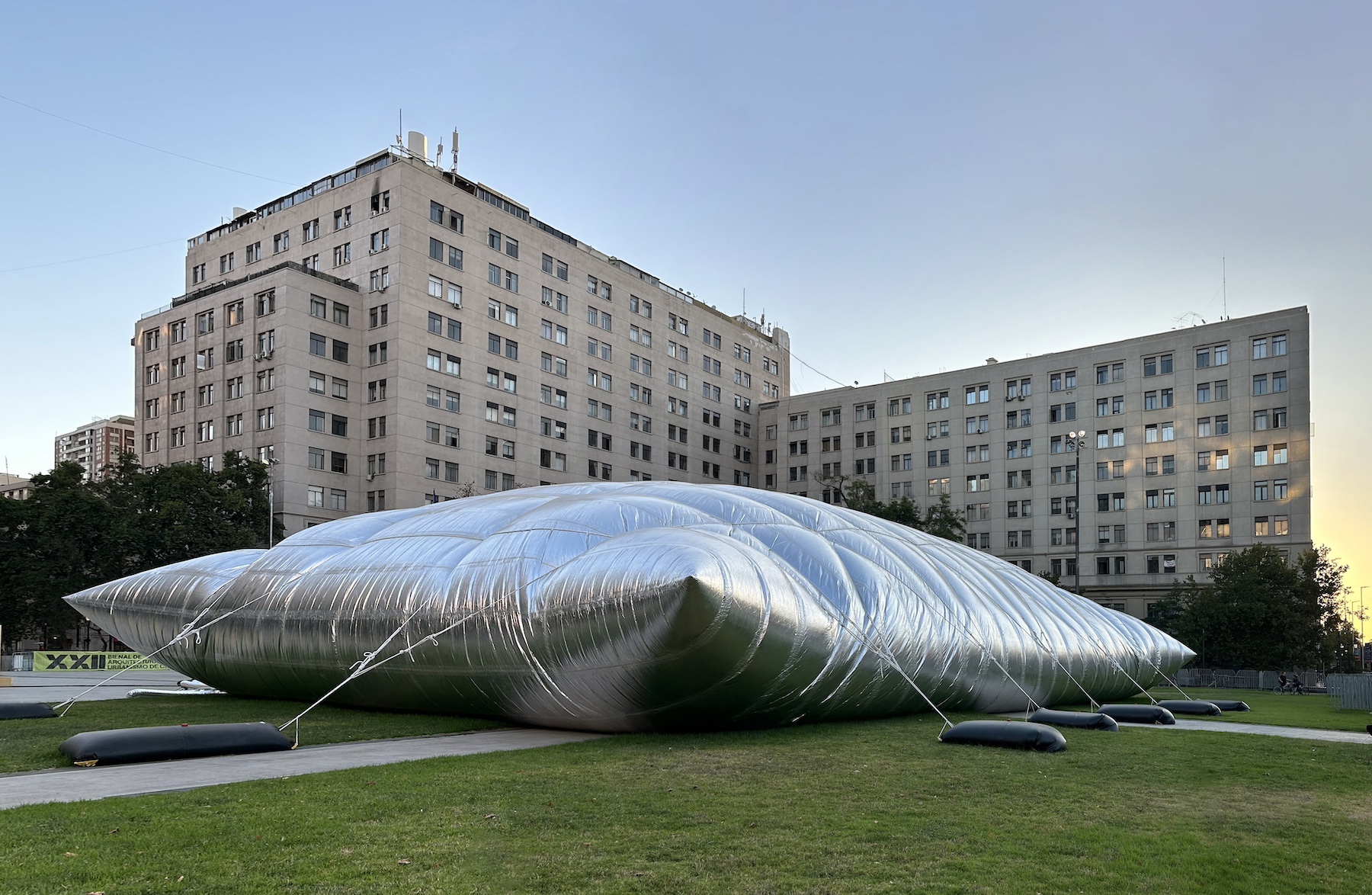
Guatero, Chilean Architecture Biennial. (Credit: Smiljan Radic)
This sensibility also informs larger civic projects such as the Teatro Regional del Biobío in Concepción. Completed in 2018, the theatre is wrapped in a translucent polycarbonate envelope that filters daylight and glows softly after dark.
Rather than emphasising spectacle, the building achieves presence through restraint. The carefully calibrated envelope creates a luminous civic landmark while maintaining a sense of lightness and openness along the riverfront.
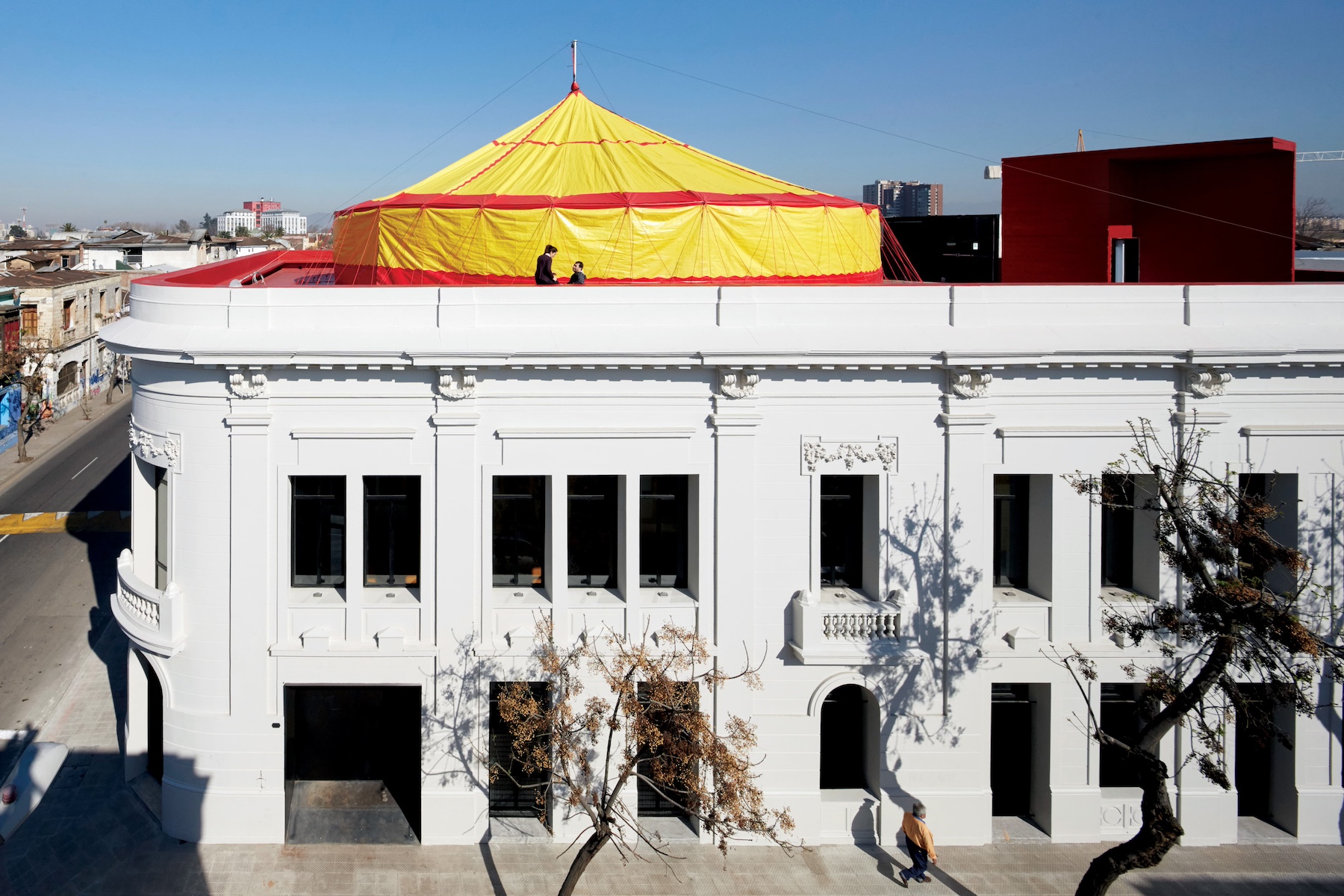
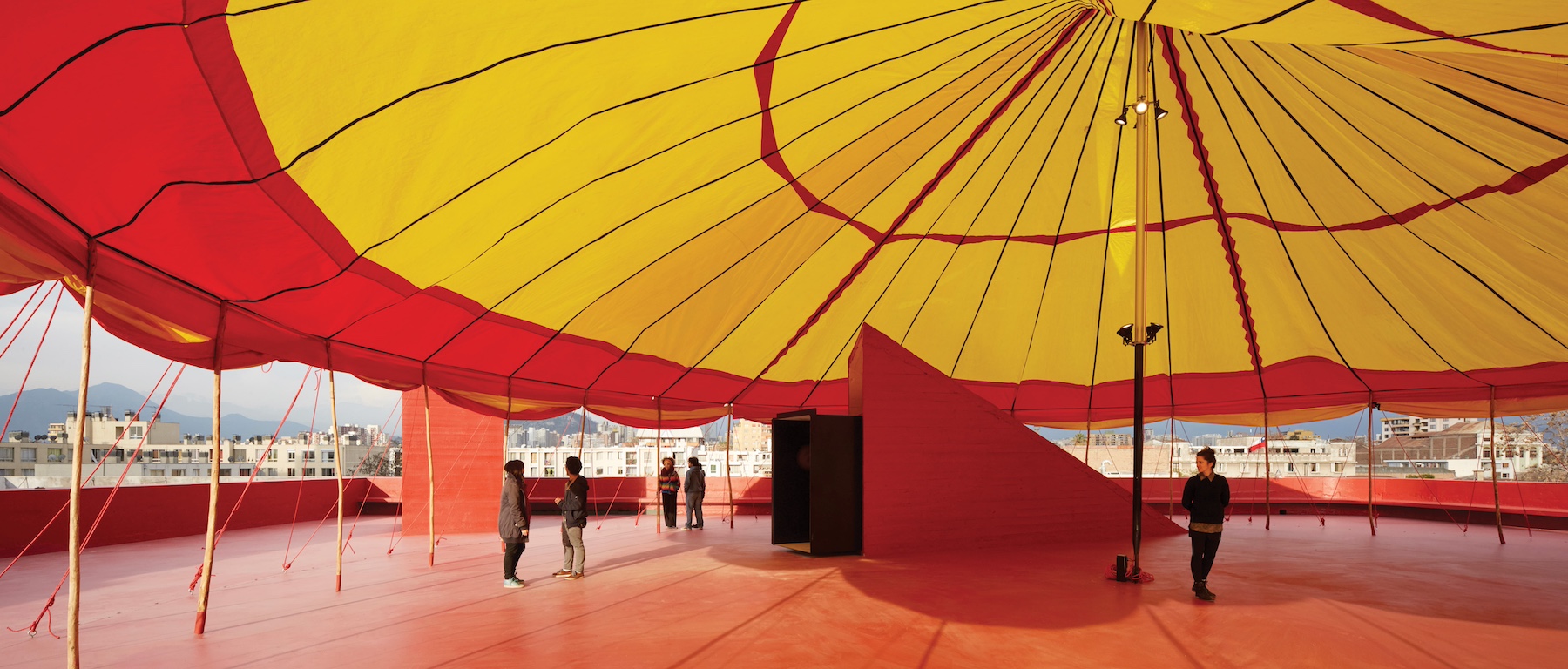
Above and left: NAVE, Performing Arts Centre, (Credit:f Cristobal Palma)
The Chilean architect’s work often involves the transformation of existing buildings, too. At NAVE, a performing arts centre in Santiago, he retained the shell of a damaged early-twentieth-century house and inserted new performance spaces within it.
Rehearsal rooms, workshops and flexible performance spaces are organised within the original structure, while a rooftop terrace crowned by a circus tent adds a playful and unexpected dimension to the project.
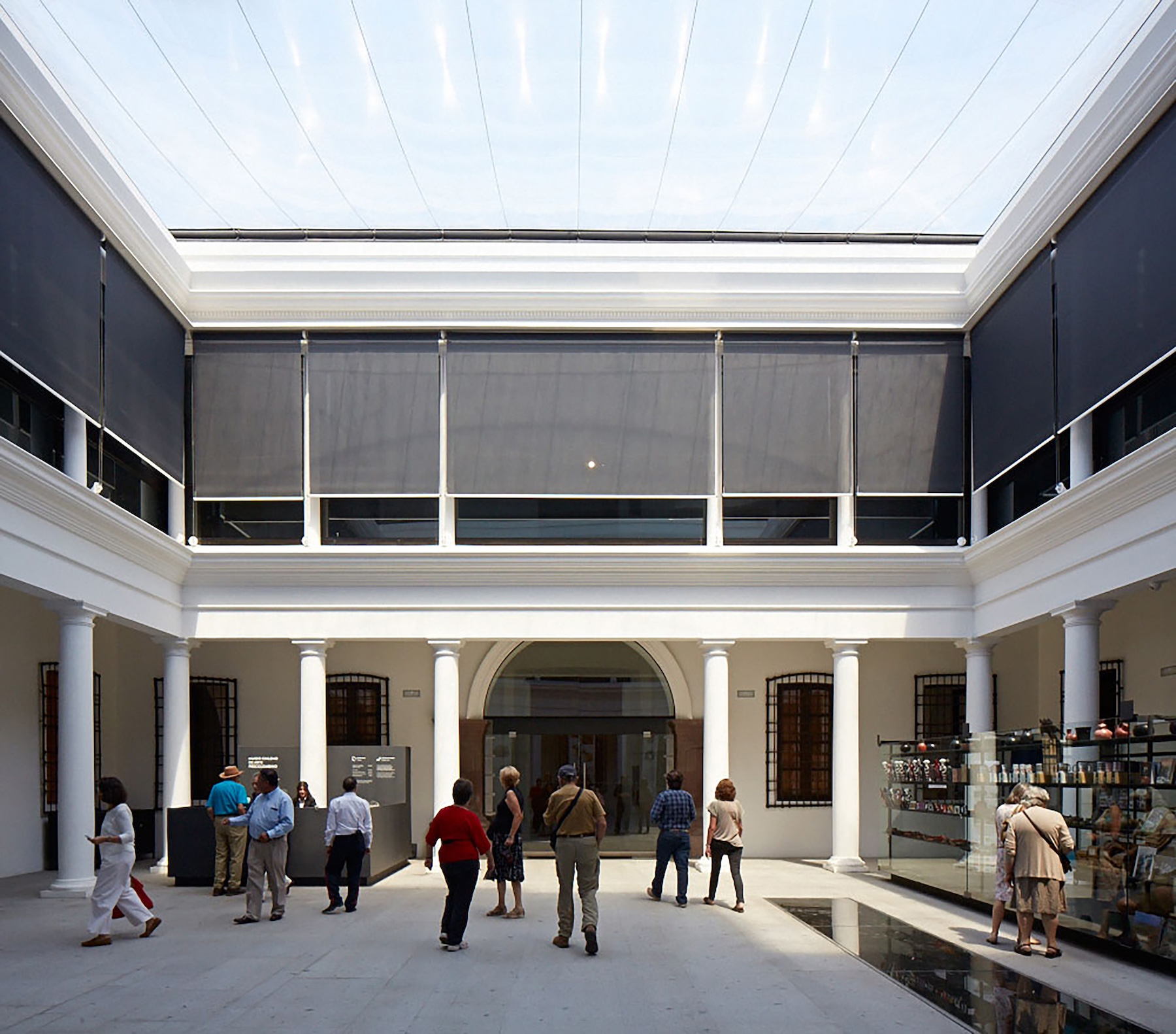
Chile Antes de Chile, Museum of Pre-Columbian Art, Santiago. (Credit: Cristobal Palma)
Another key project is the underground expansion of the Museum of Pre-Columbian Art in Santiago. Titled Chile Antes de Chile, the intervention inserts a new gallery beneath the museum’s courtyard, creating a dramatic subterranean space that emphasises archaeology and discovery.
Rather than competing with the historic building above, the architecture works through section and light, allowing the artefacts themselves to take centre stage.
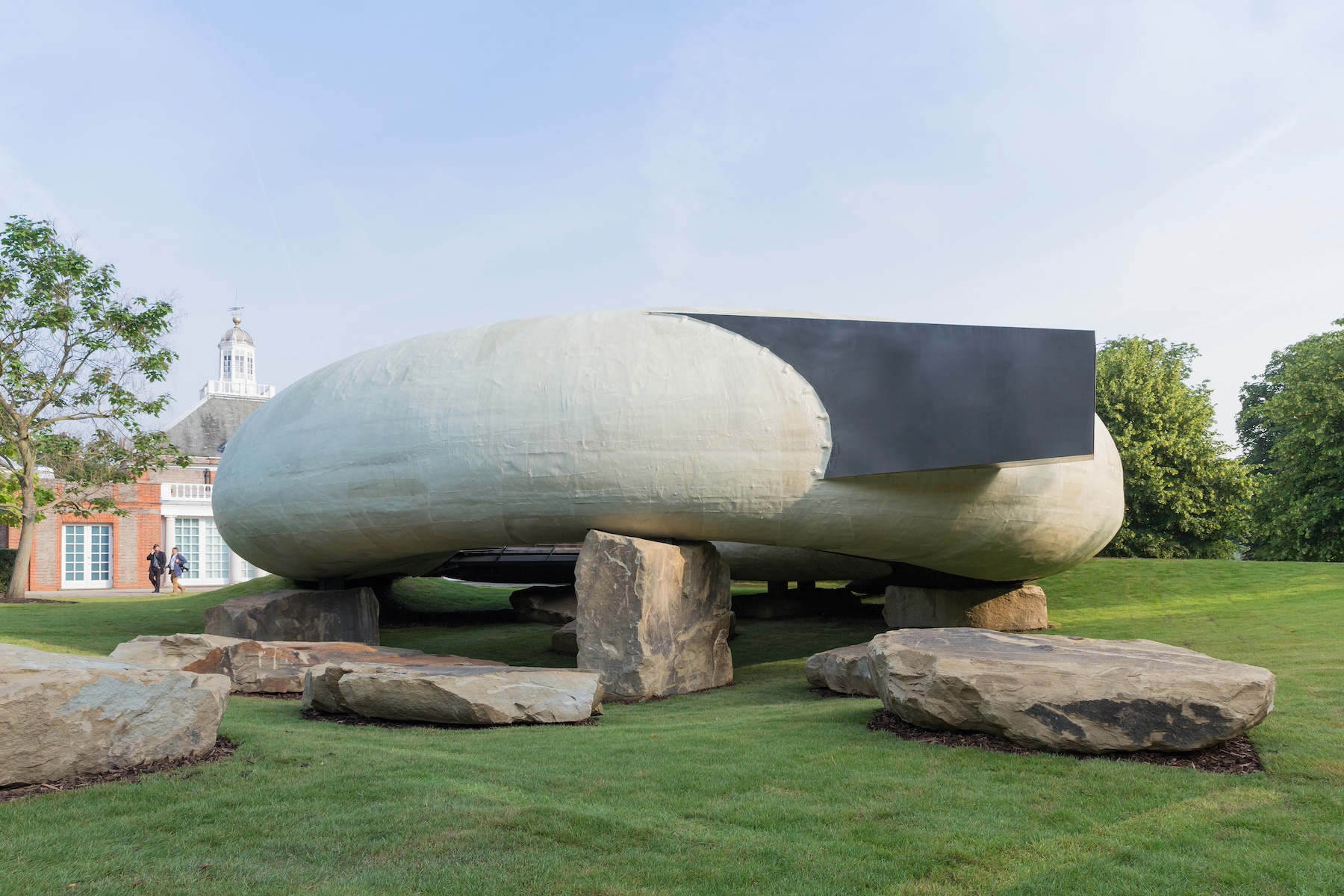
Serpentine Pavilion, London. (Credit: Iwan Baan)
Radić achieved international recognition with the Serpentine Pavilion in London in 2014. The project consisted of a translucent fibreglass shell resting on a ring of massive quarry stones.
The pavilion appeared almost prehistoric — an object poised between shelter and sculpture. Light filtered through the fibreglass skin during the day, while at night the structure glowed softly within Kensington Gardens.
The project distilled many of Radić’s recurring themes: the relationship between landscape and architecture, the tension between weight and lightness, and the idea that buildings can feel both primitive and experimental.
Born in Santiago in 1965, Radić studied architecture at the Pontificia Universidad Católica de Chile before travelling widely through Europe and Asia. He established his practice in 1995 and has deliberately kept the studio small, allowing projects to develop through close collaboration and research.
In 2017 he founded the Fundación de Arquitectura Frágil in Santiago, an experimental archive and cultural platform dedicated to architectural exploration. The foundation houses a growing collection of studies, drawings and references that reflect Radić’s ongoing investigation into architecture as a living cultural practice.
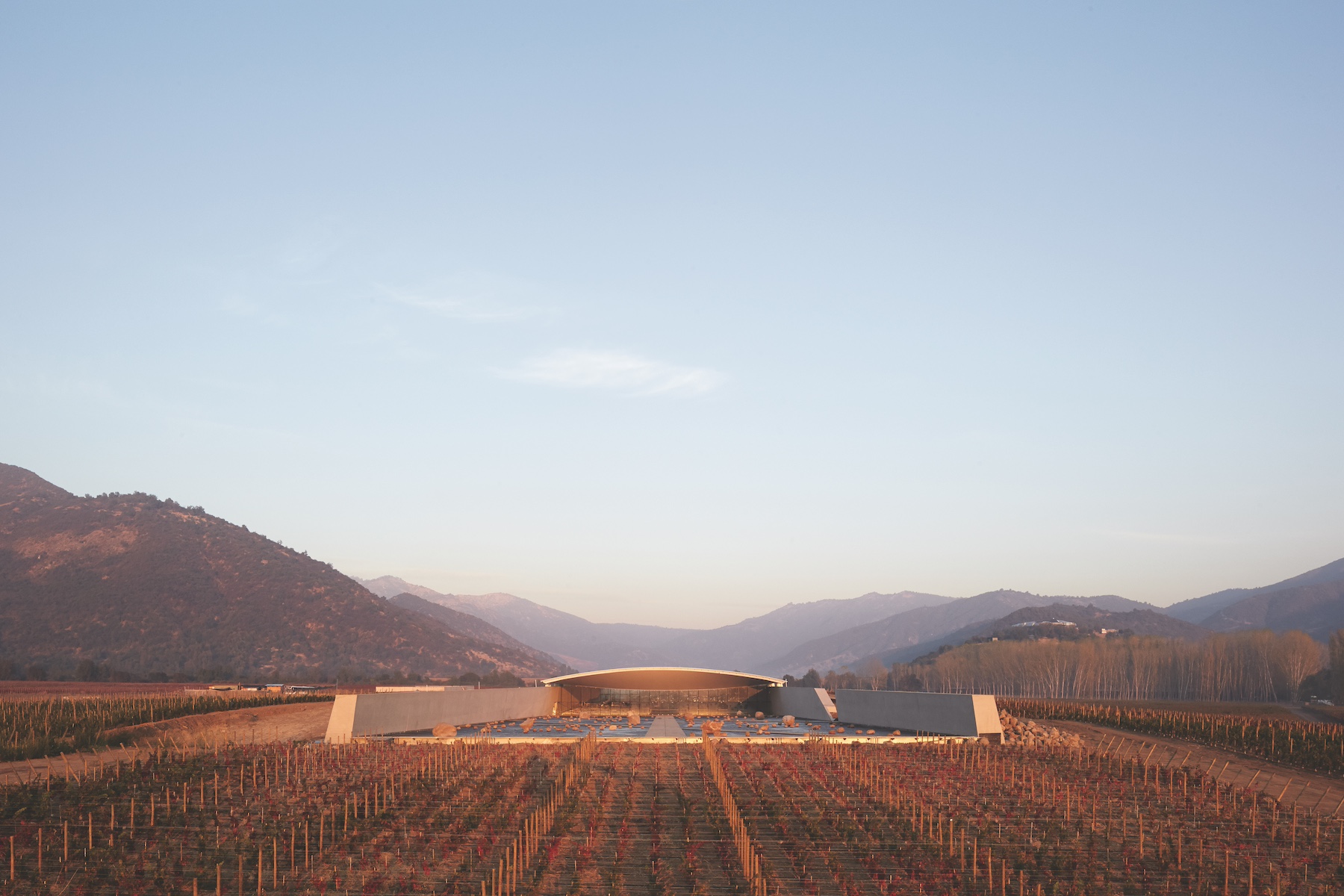
Above and below: Vik Millahue Winery. (Credit: Cristobal Palma)
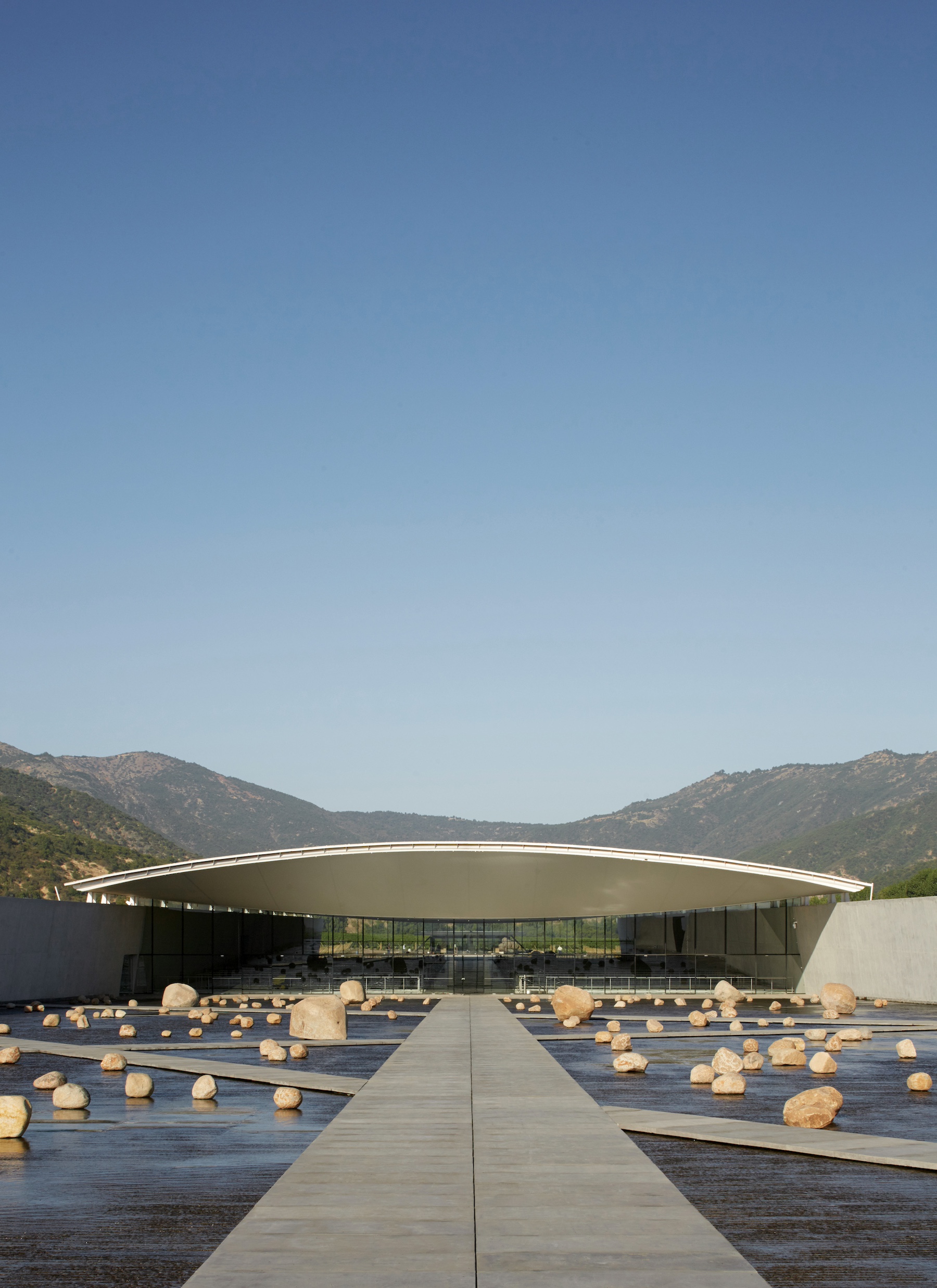
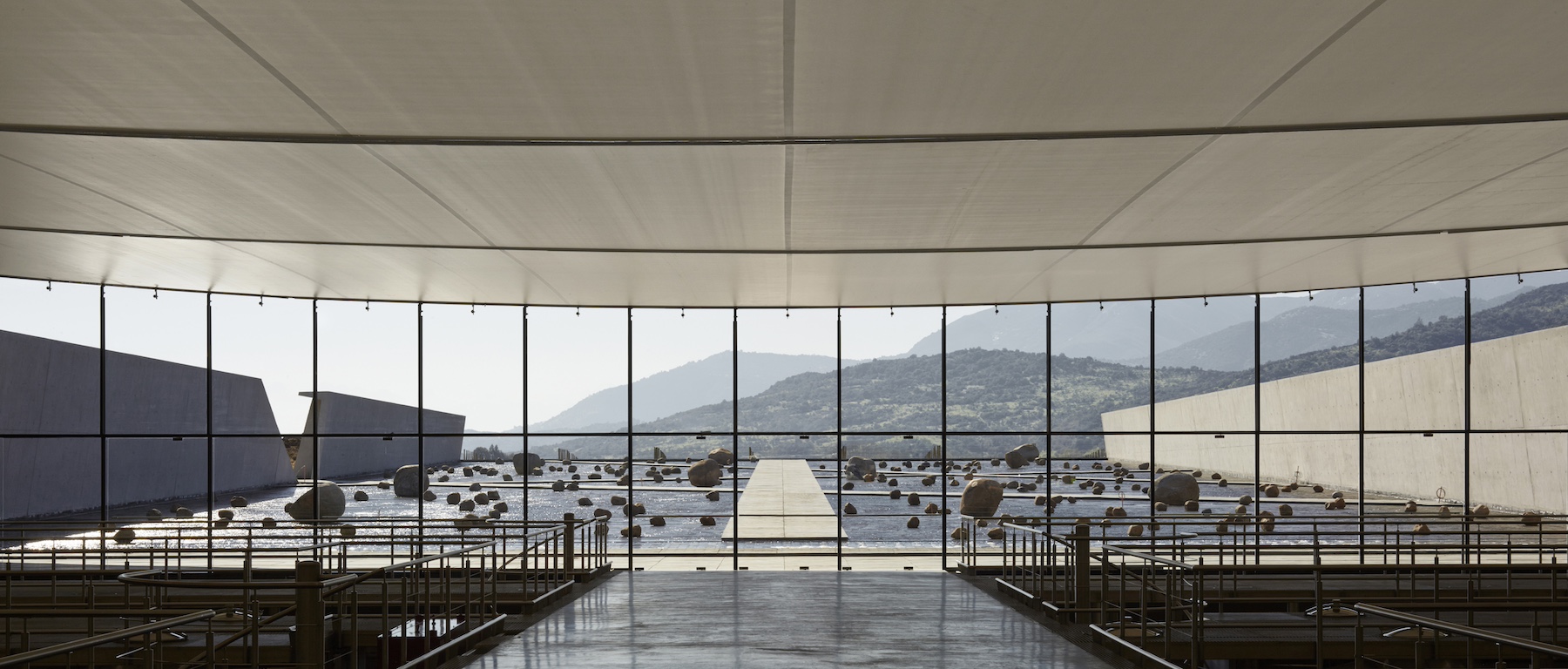
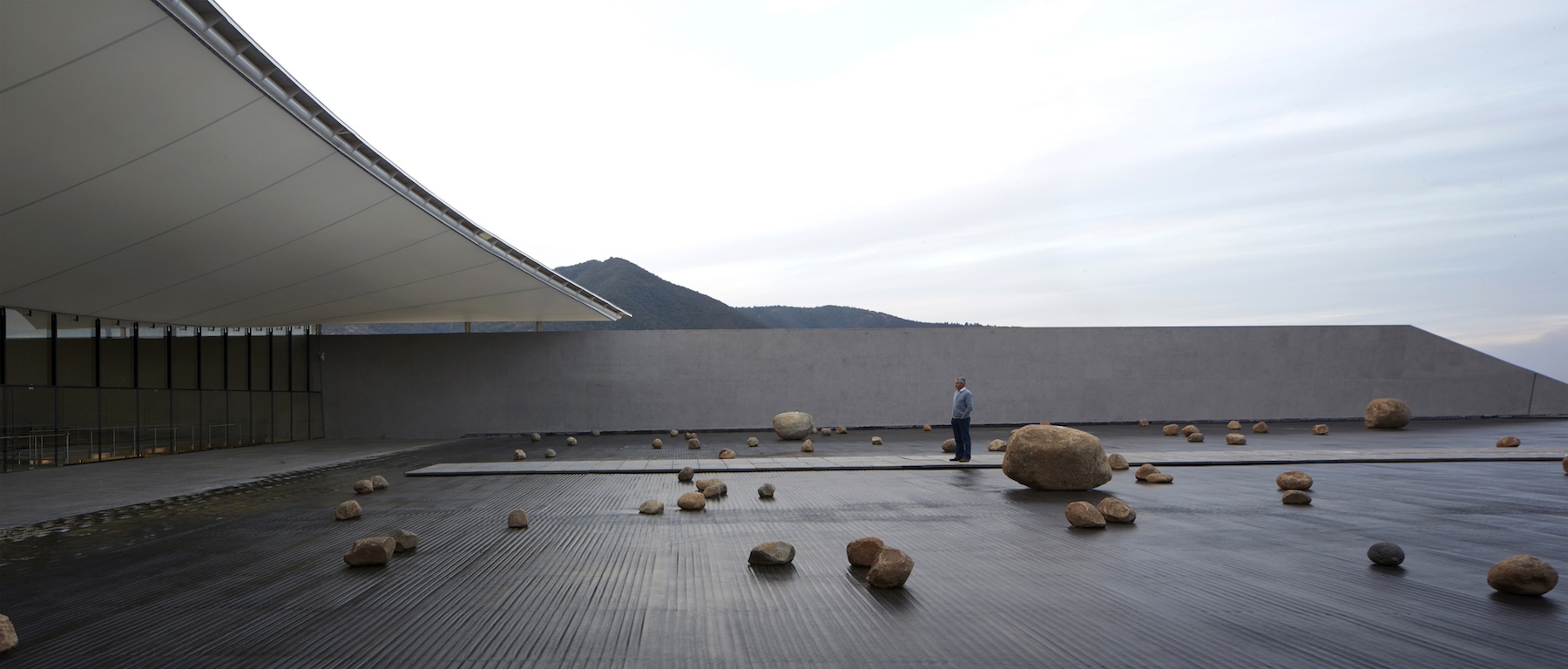
For the Pritzker jury, Radić’s work stands out for its refusal of architectural certainty. His buildings do not seek to dominate their surroundings but instead enter into a dialogue with landscape, history and collective memory.
“Smiljan Radić uplifts through the process and purpose of architecture,” said Tom Pritzker, chairman of The Hyatt Foundation. “His work embraces fragility and imperfection while creating spaces that bring people together.”
In a world often dominated by spectacle and instant visual impact, Radić’s architecture offers something quieter and more enduring — buildings that invite interpretation and reward experience over time.
JURY CITATION:
The Pritzker Architecture Prize is awarded in recognition of exceptional talent, vision, and commitment that, over time, have given rise to profound and enduring contributions to humanity and the built environment through the art of architecture. Smiljan Radić’s body of work embodies these values in their most radical and essential form.
To render the qualities of his architectural work in spoken language is intrinsically difficult, for in his designs he works with dimensions of experience that are immediately palpable but escape verbalisation—like the perception of time itself: immediately recognisable, yet conceptually evasive. His buildings are not conceived simply as visual artifacts; rather, they demand embodied presence.
A first fundamental paradox of Smiljan Radić’s architecture is in that it establishes a personal, almost introspective point of entry, without culminating in withdrawal. On the contrary, what begins as an individual encounter expands into a broader, collective resonance. This is, perhaps, the nature of true art: it addresses each of us as singular beings, one to one, and yet propels us towards a shared origin—an atavistic place beyond race, gender, or culture. Such a capacity acquires particular relevance in times of polarisation and dehumanisation, and may well constitute the true value of an architect whose work can be described, without hesitation, as profoundly original: the art of architecture practised as a sustained attempt to reconnect all individuals with a deeper origin. Importantly, this should not be mistaken for nostalgia or historical revivalism. His stripping away of the surface is grounded in radical experimentation and an unrelenting interrogation of convention, precedent, and the well-trodden path. Herein lies a further paradox: his unorthodox approach to design may initially appear unusual, unexpected—even rebellious—yet far from producing alienation or estrangement, his anti-canonical stance feels fresh and unprecedented. It conveys the unmistakable sensation of encountering something new.
Through unobvious connections and patterns of circulation, Radić’s buildings offer a multiplicity of stages for users to act, interact, and even change the narratives that unfold within them. The masterful composition of volumes and the precise calibration of scales lend a sense of monumentality to the everyday life, whether experienced at an individual or public level. In Radić’s architecture, monumental presence is reworked through fragility, lightness and apparent instability, achieved not through scale alone, but through atmosphere, material tension and spatial intensity. This allows everyday actions—walking, waiting, gathering—to acquire significance without being subordinated to a grand ideological narrative. Through his deeply democratic approach, the monumental is thus returned to common experience rather than reserved for exceptional moments.
Through a body of work positioned at the crossroads of an iconoclast language, material exploration and cultural memory, Smiljan Radić favours fragility over any unwarranted claim to certainty. His buildings may appear temporary, unstable, or deliberately unfinished—almost on the point of disappearance—yet they provide a structured, optimistic and quietly joyful shelter, embracing vulnerability as an intrinsic condition of lived experience.
They are not firmly anchored to the ground; rather, they are delicately placed upon it, often hovering slightly above the surface and only occasionally making contact. Any lasting alteration to the site is carefully avoided, as though they could be removed at any moment and the ground restored to its original state. Inspired by the powerful and yet seismic Chilean environmental context and shifting from the logic—often implicit in construction—of domination and ownership towards coexistence, Radić presents architecture as a guest rather than a master of the site, acknowledging the primacy of the landscape and, by extension, of collective memory and shared territory over individual authorship.
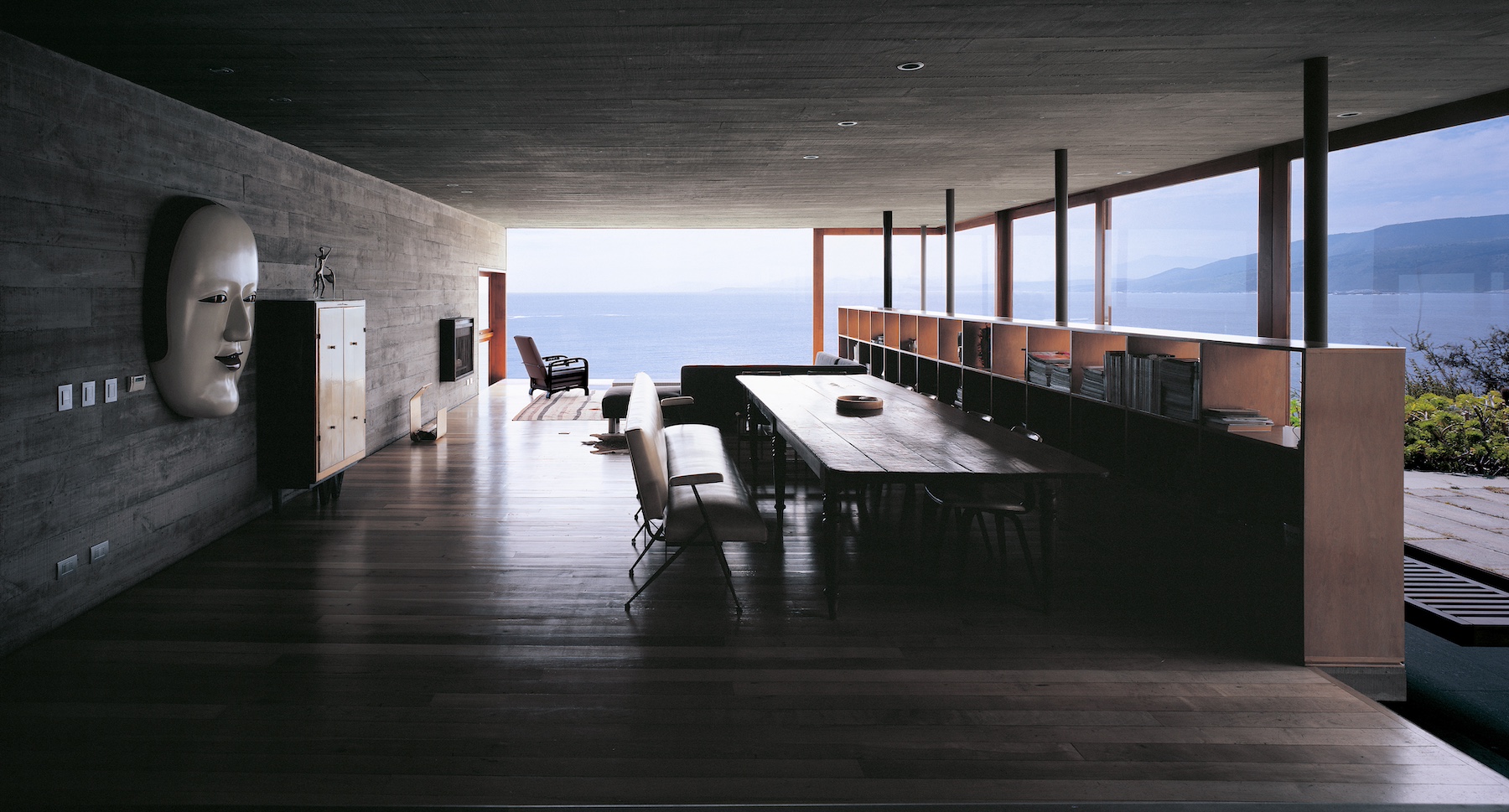
Pite House. (Above, credit: Hisao Suzuki. Below, credit: Cristobal Palma and Erieta Attali)
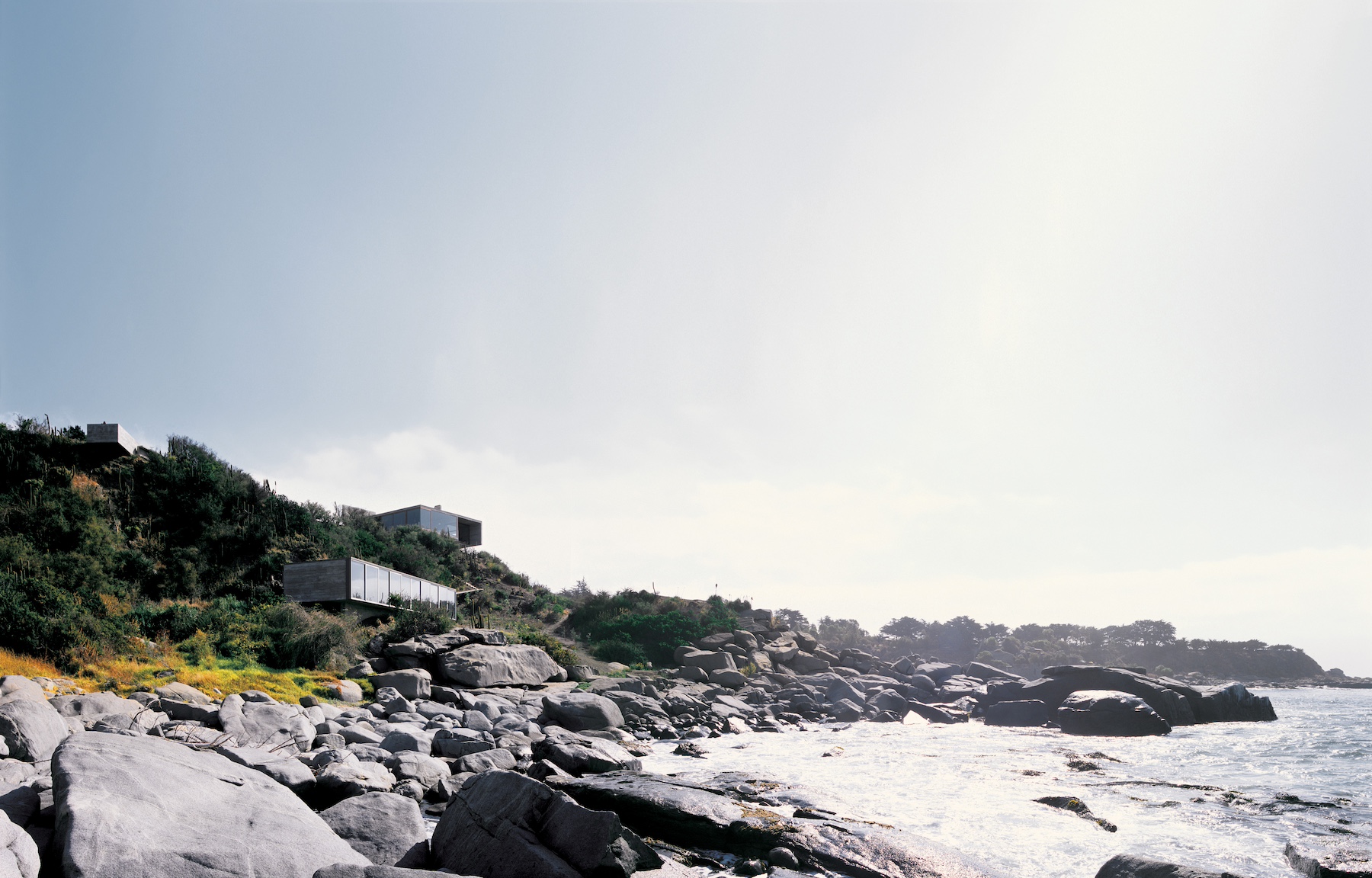
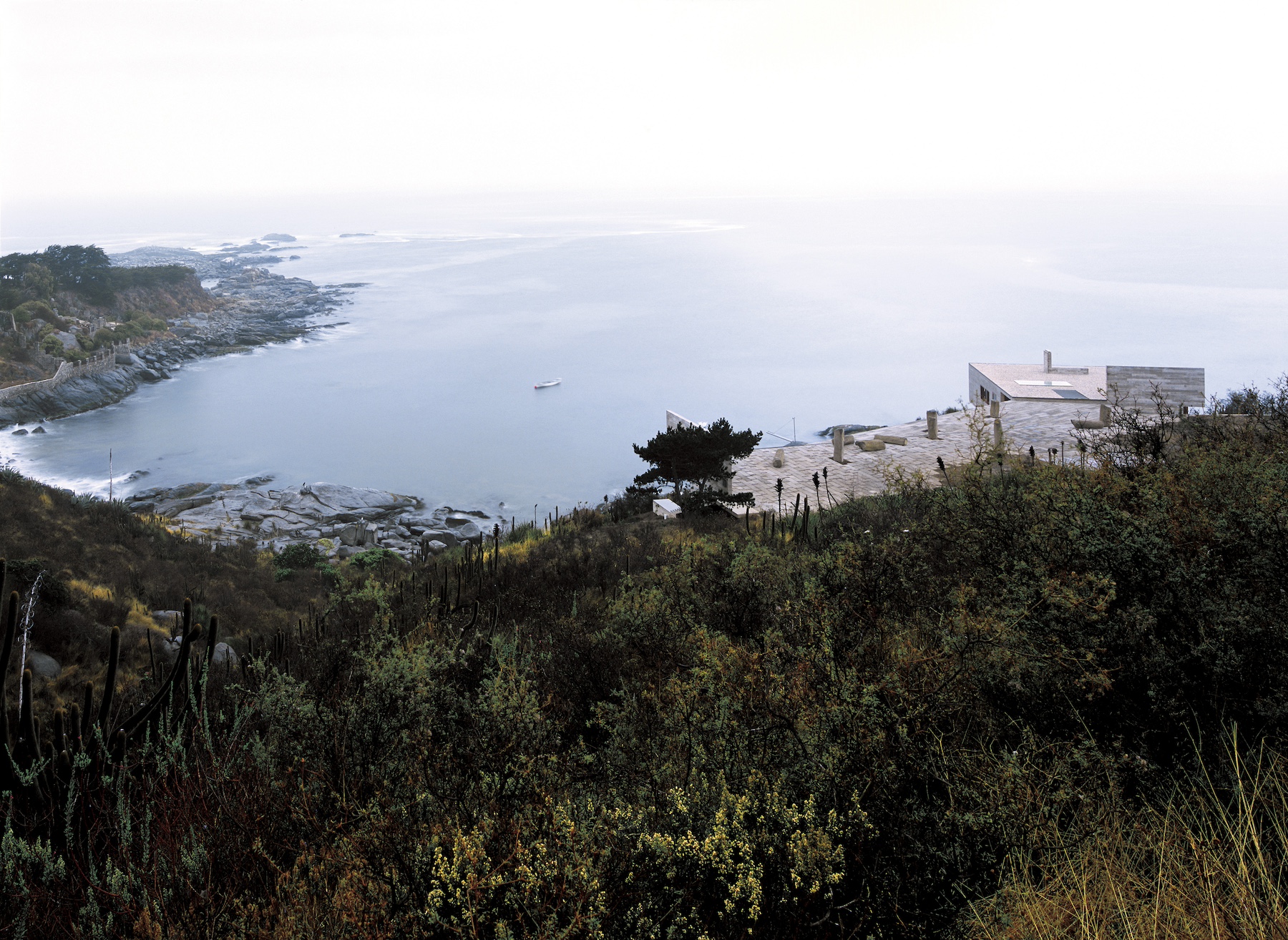
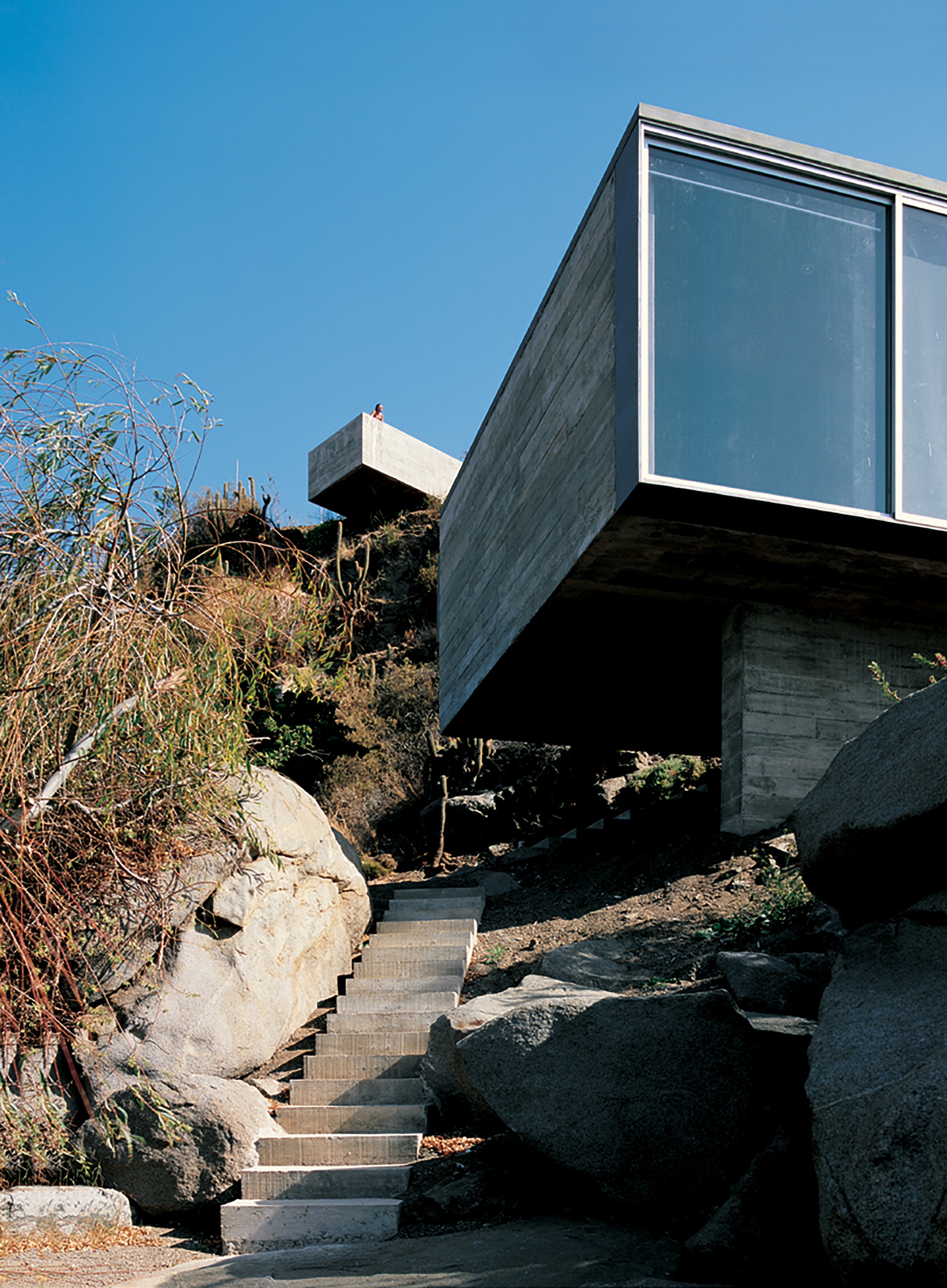
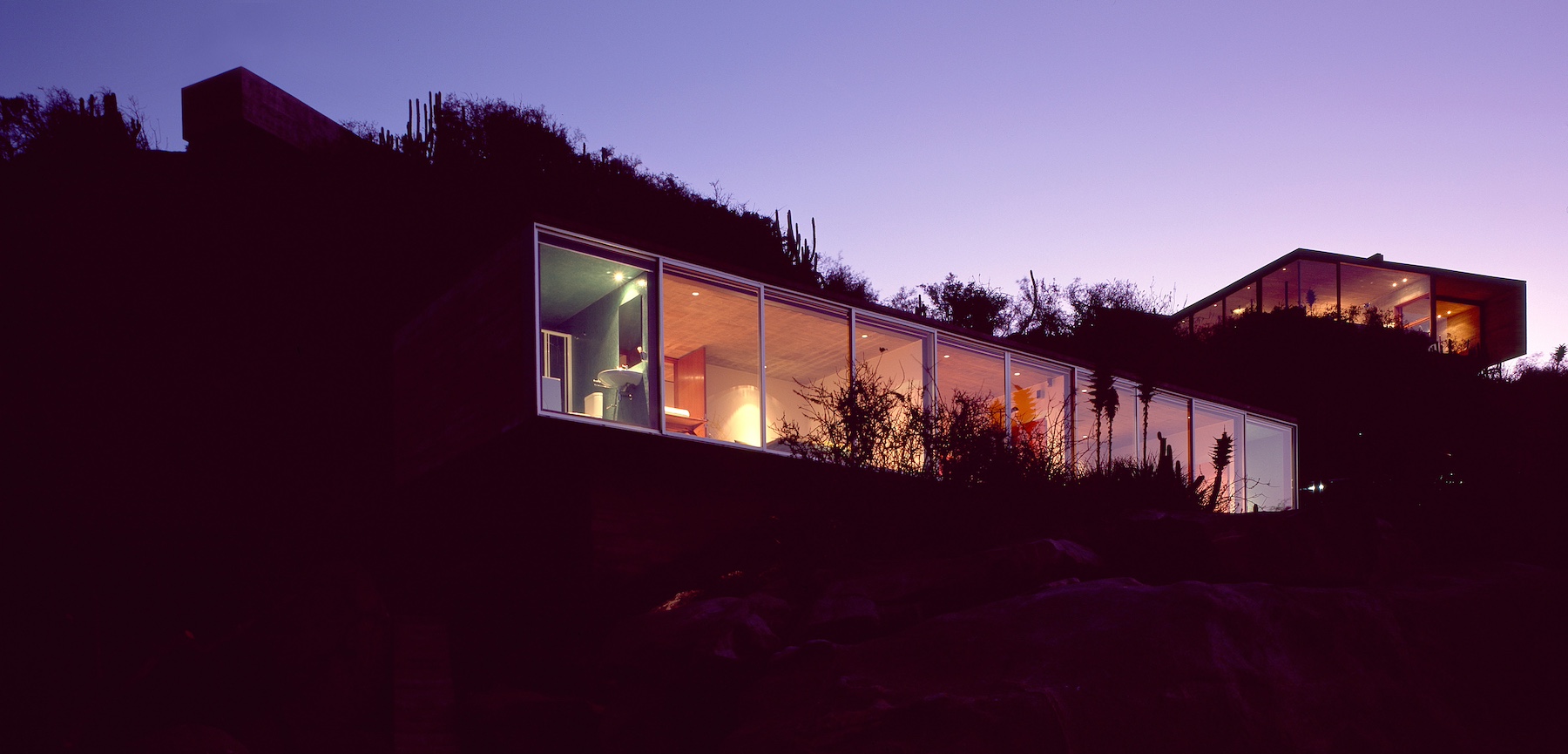
This sense of architectural impermanence is frequently expressed through the choice of materials. While varying from one project to another, these are always carefully considered, contextually responsive and informed by local availability.
Reinforcing the democratic ethos of his work, Radić employs materials—whether industrial or natural, refined or traditionally regarded as marginal—in ways that are neither nostalgic nor merely pragmatic. Instead, they unsettle established hierarchies of value: high and low, refined and crude, permanent and provisional coexist without clear distinction. This material equivalence mirrors the social openness of his spaces, in which no user is privileged over another. The circus tent coronating the roof of NAVE in Santiago, the white membrane enveloping the Teatro Regional del Biobío in Concepción—glowing with a warm, welcoming light at dusk—and the monumental Guatero inflatable pavilion designed for the Santiago Architecture Biennale all become structurally sophisticated yet playful stages, in which unexpected textures and colours engage with volumes of equally unexpected form.
If architecture gives shape to the ways in which people live, Radić’s work produces spatial experiences that feel at once surprising and entirely natural. They are surprising in their flexible capacity to combine, question and dismantle established typologies; natural in the way they emerge both from his personal history and from that of those who will ultimately inhabit his buildings. While fully responsive to its function, each project contains an element of unexpectedness: to experience Smiljan Radić’s buildings is to have one’s curiosity provoked and sustained. He pushes coherent spatial strategies to their limits, developing them with rigour in order to actively engage the user: no specialised knowledge is required to “understand” the space, because understanding is never complete. His work defies the constraints of a single concept: the spaces he creates are often ambiguous, at times even unsettling, never pre-defined. They resist complete comprehension through a single viewpoint, and it is precisely this resistance that restores depth and complexity to architecture. Giant boulders set upright—like at the Mestizo Restaurant in Santiago, buildings that appear barely to touch the ground—like Casa Pite in Papudo, and the frequent rejection of the conventional Cartesian coordinate axes—the House for the Poem of the Right Angle in Vilches—all invite interpretation, rather than consumption.
For reminding us that architecture is an art, in that it touches the very core of the human condition; for allowing the discipline to embrace imperfection and fragility, offering quiet shelters in a world shaped by uncertainty, without the need to be louder or more spectacular in order to matter; for creating buildings whose hybrid nature reflects the contemporary blurring of disciplinary boundaries, and which do not speak on behalf of people but instead allow people to find their own voice through them, Smiljan Radić Clarke is named the 2026 Pritzker Prize Laureate.