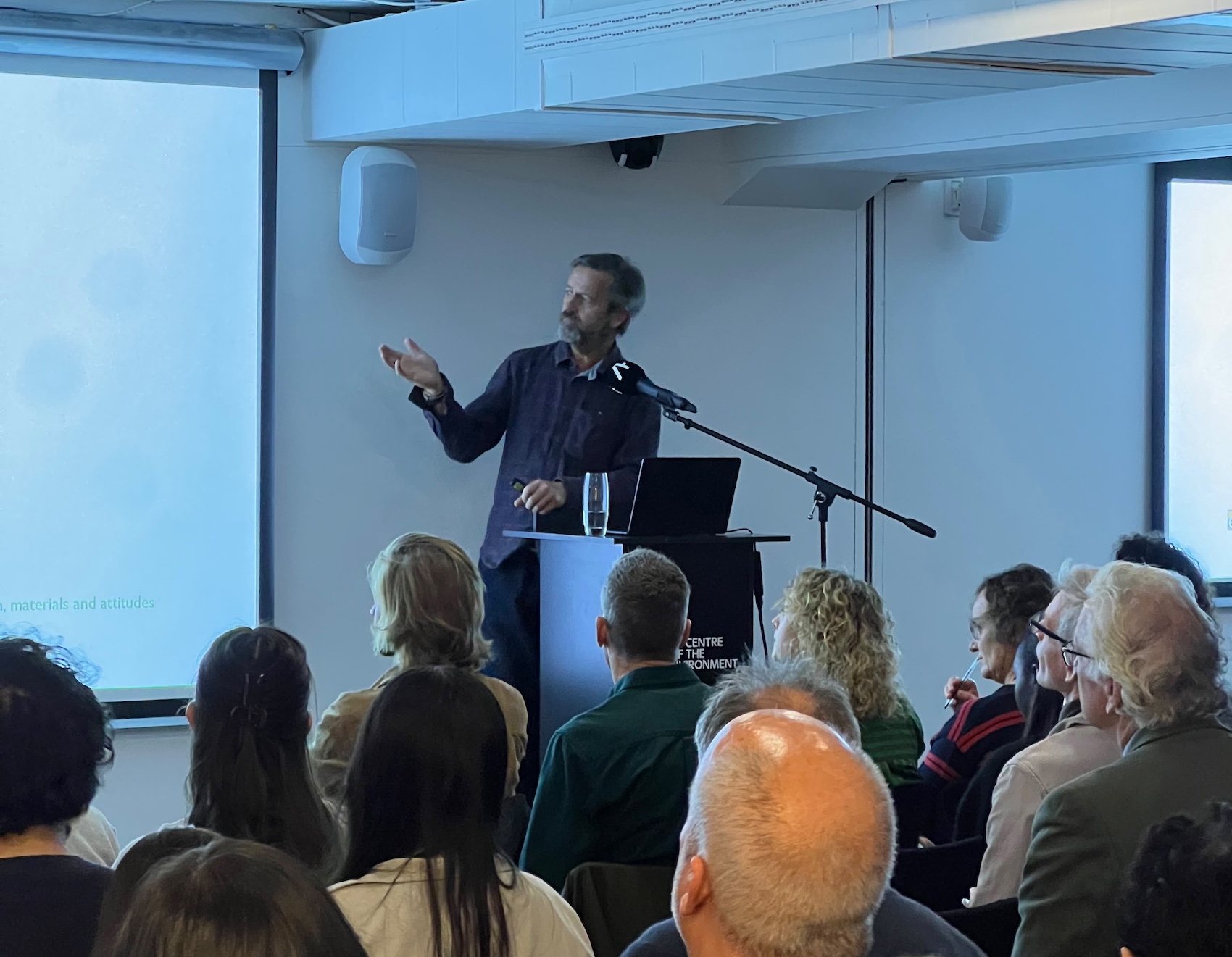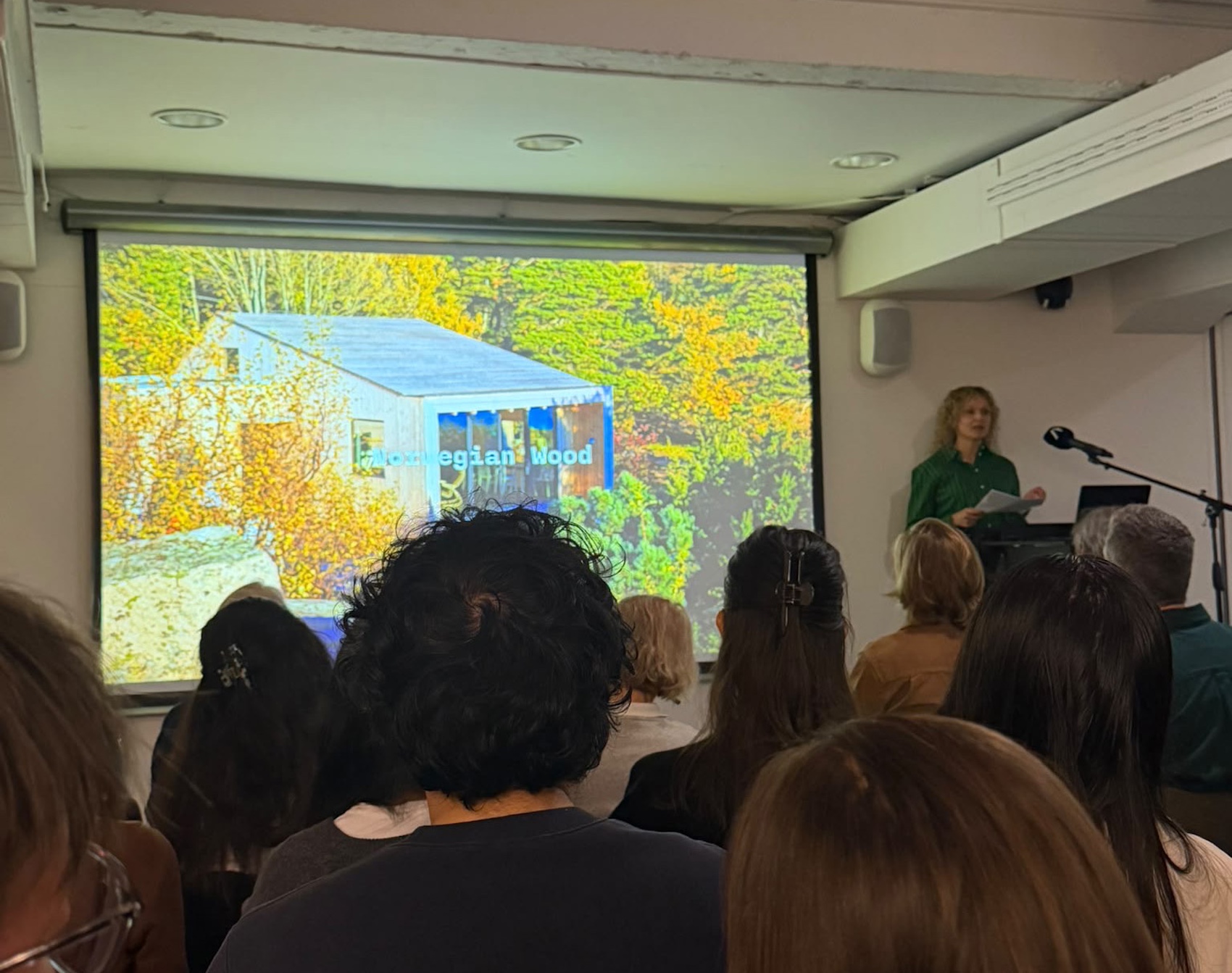
Eleonora Regni, Associate at Webb Yates Engineers, examines the structural potential of natural stone, explaining how innovative engineering and hybrid construction systems can reduce embodied carbon without compromising performance.
Making natural stone work structurally
Natural stone offers considerable potential to reduce the embodied carbon of construction, but its widespread adoption depends on understanding and exploiting its structural properties. Eleonora Regni began by outlining a hierarchy for low-carbon design: prioritise the reuse of existing buildings, minimise new construction and, where new materials are necessary, favour low-carbon alternatives and efficient structural systems.
Comparing timber, steel, concrete and stone, Regni demonstrated how the high compressive strength of natural stone makes it particularly well suited to structural applications. When combined with steel reinforcement or post-tensioning, stone can also accommodate tensile forces, opening up opportunities for beams, columns, floors and more complex structures.
The presentation centred on the Finchley Road development, designed with Groupwork, where a structural stone exoskeleton supports vertical loads while also providing stability against lateral forces. Regni explained the engineering challenges involved, from designing and testing the connections between stone elements to accommodating quarrying limitations, crane capacities and construction sequencing. The project demonstrates that structural stone can be used in substantial contemporary buildings, but successful delivery demands close collaboration between architects, structural engineers, suppliers and installers from the earliest design stages.

Launched by Architecture Today, Regenerative Design 2026 is a month-long programme of exhibitions and events that takes place at the Building Centre throughout October 2026.
Specifying natural and sustainable materials was delivered in partnership with HG Matthews.