A round table discussion, hosted by Architecture Today in partnership with Schüco, explored how better procurement, maintenance and façade design can improve building performance, reduce risk and protect long-term asset value.
In association with
Round table participants
Dan Gleeson
Sales Director, Schüco
Duncan Grover
Technical Services Director, Schüco
Richard Wilson
Associate Director, Turner and Townsend
Ben Tilston
Design Director, UK&I, IHG Hotels & Resorts
Tom Greenhill
Principal R&D Engineer, Laing O’Rourke
Damian Rogan
Director of Facade Engineering, Eckersley O’Callaghan
Laura Solarino
Senior Façade Engineer, ARUP
Rhea Shepherd
Associate Partner, HTA Design
Charlotte Graimes
Senior Associate Sustainability, Ridge & Partners
Oliver Bayliss
Managing Director, Buckley Gray Yeoman
Matthew Knight
Senior Vice President, Head of Europe, Pembroke
David Henderson
Partner, Howells
Ed Williams
Managing Partner, Fletcher Priest Architects
Anu Sabherwal
Head of Sustainability, Grimshaw
Isabel Allen
Editor, Architecture Today (chair)
The building envelope has a fundamental influence on a property’s energy consumption, environmental performance, safety and long-term value. Yet decisions about façade design and specification are frequently made within procurement structures that prioritise capital cost and programme over durability, adaptability and maintenance. As regulatory requirements evolve and the risks associated with underperforming assets become increasingly apparent, the consequences of these decisions are becoming harder to ignore.
So how can developers and designers make better-informed decisions about the whole-life performance of buildings? What role should manufacturers and specialist contractors play in the earliest design stages? And how can the industry move away from wholesale façade replacement towards more intelligent approaches to refurbishment, maintenance and reuse?
These questions were explored at a round table discussion hosted by Architecture Today in partnership with Schüco at the manufacturer’s London showroom. Chaired by Architecture Today Editor Isabel Allen, the discussion brought together architects, engineers, developers, consultants, a contractor, a hotel operator and façade specialists to examine the relationship between design, procurement, safety, sustainability and long-term asset value.
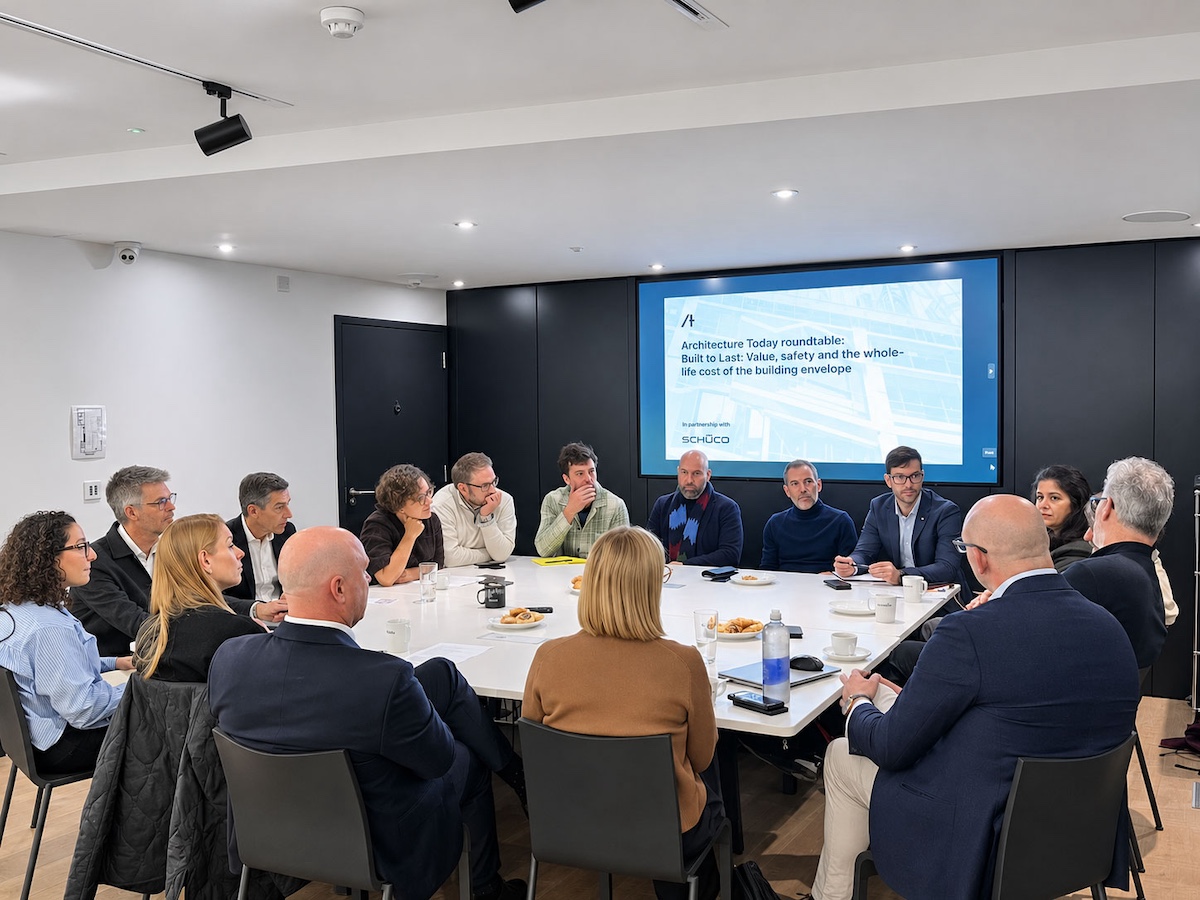
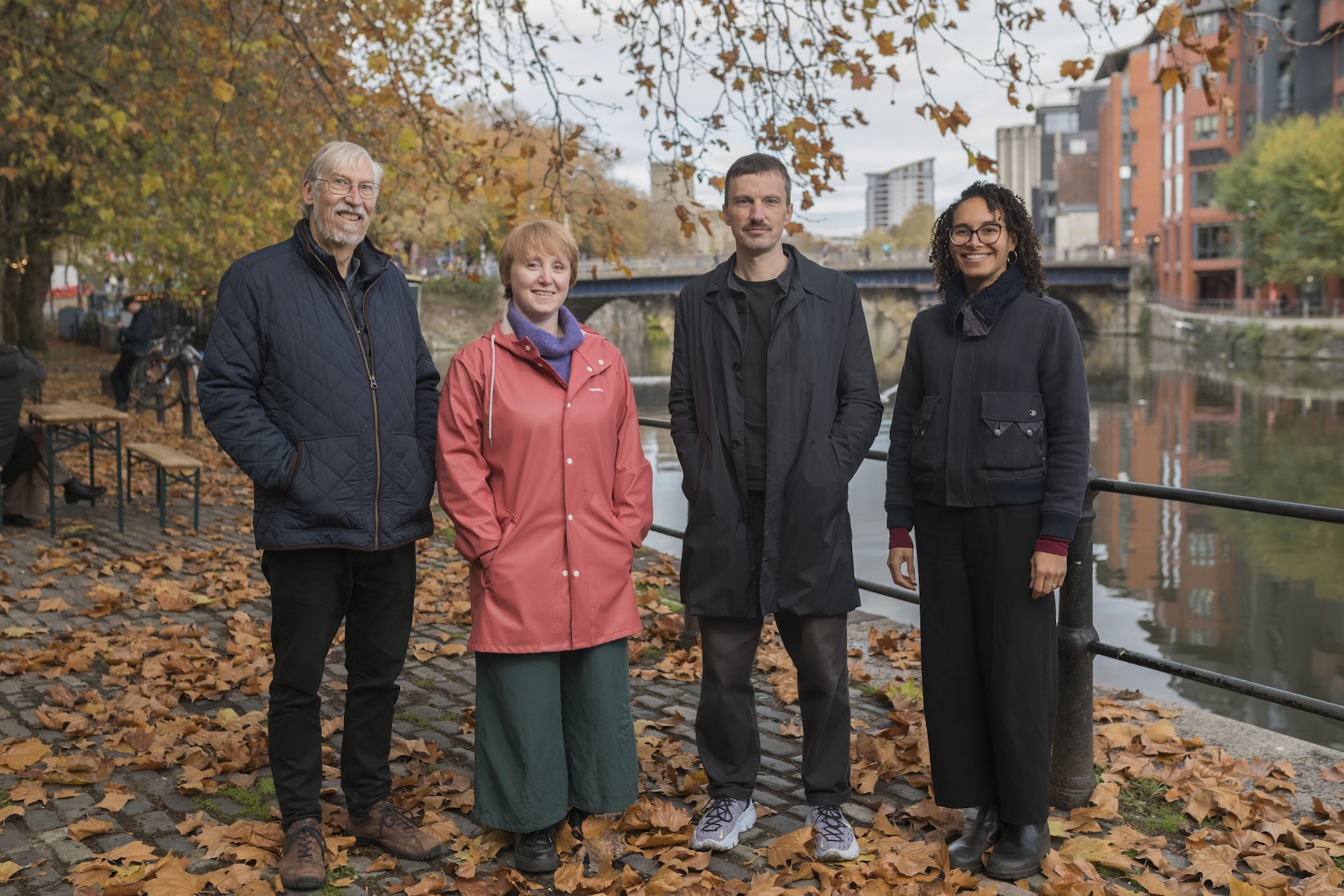
Clockwise (from noon): Damian Rogan, Richard Wilson, Anu Sabherwal, David Henderson, Ed Williams, Dan Gleeson, Charlotte Graimes, Duncan Grover, Rhea Shepherd, Laura Solarino, Matthew Knight, John Ramshaw (AT Technical Editor reporting), Isabel Allen, Ben Tilston, Tom Greenhill, and Oliver Bayliss.
Bringing the supply chain into the conversation
The discussion began with a question about how manufacturers can respond to changing expectations of building performance. Dan Gleeson explained that Schüco has traditionally developed products in response to demand from architects, contractors and clients, but is increasingly looking further upstream to understand the future requirements of existing building portfolios. This includes examining energy performance data and the potential impact of the Carbon Risk Real Estate Monitor (CRREM), which assesses the alignment of buildings with decarbonisation pathways. Understanding when assets may require upgrading could allow manufacturers to develop appropriate solutions before owners begin commissioning refurbishment projects.
Matthew Knight welcomed the ambition but questioned whether the industry consistently engages the right specialists at the right time. Drawing on his experience as a developer in Australia and the UK, he described projects where earlier involvement from façade engineers and specialist contractors could have improved the outcome. The difficulty lies in procurement. Developers want access to specialist knowledge but are understandably reluctant to compromise competitive tendering. Engaging a manufacturer or contractor too early can create concerns about pricing, while delaying engagement can result in designs that are difficult or unnecessarily expensive to construct.
Ed Williams described a project where the contractor was appointed at RIBA Stage 1 and involved the supply chain in developing the façade design. Early collaboration allowed buildability, specification and construction concerns to be addressed before they became embedded in the project. However, he acknowledged that conventional design-and-build procurement frequently prevents this level of engagement. Architects may consult manufacturers informally, but opportunities for meaningful collaboration are constrained by contractual arrangements.
Damian Rogan agreed that specialist knowledge is essential, particularly when working with existing buildings. Yet he cautioned against allowing contractor involvement to determine the design too early. Independent technical advice is needed to establish the available options before decisions become tied to a particular construction methodology. For Knight, the challenge is ultimately one of trust. Clients need confidence that early engagement will produce better outcomes without sacrificing commercial discipline.

David Henderson, Ed Williams and Dan Gleeson.
Retaining rather than replacing
The importance of early technical engagement becomes particularly apparent when refurbishing existing façades. Laura Solarino described the project One Spitalfields, London, where the design team is retaining the existing façade and replacing only elements that are approaching the end of their service life. Early discussions with the contractor and façade specialist helped establish what could be retained, how performance could be improved and what warranties could be provided.
Richard Wilson explained that Turner & Townsend’s specialist technical teams can help bridge the gap between design ambition and contractor capability. By understanding what can realistically be achieved, they can support early cost planning while maintaining competitive tension during procurement. However, the decision to retain an existing façade is rarely straightforward. Contractors must be satisfied that retained components are safe, technically viable and capable of being warranted.
Rogan questioned the industry’s tendency to regard façades as obsolete after 25 or 30 years. In many cases, components remain structurally sound and can be upgraded through targeted interventions. He referred to recently published industry guidance intended to help designers assess the refurbishment potential of existing envelopes. The key is to understand the condition of the building before determining the extent of intervention.
Williams similarly argued against treating façade replacement as the default response to ageing buildings. A façade that has performed successfully for 40 or 50 years should not automatically be considered defective simply because it no longer meets contemporary expectations. For Oliver Bayliss, this requires a more sophisticated understanding of what can be retained and what genuinely needs to change. He described a projects involving existing stone façades where the cost and complexity of upgrading thermal performance must be balanced against the value of retaining the original fabric. The discussion highlighted the distinction between regulatory compliance, technical performance and commercial viability. The most appropriate solution is not necessarily the one that achieves the greatest theoretical improvement, but the one that delivers a proportionate, durable and economically viable outcome.
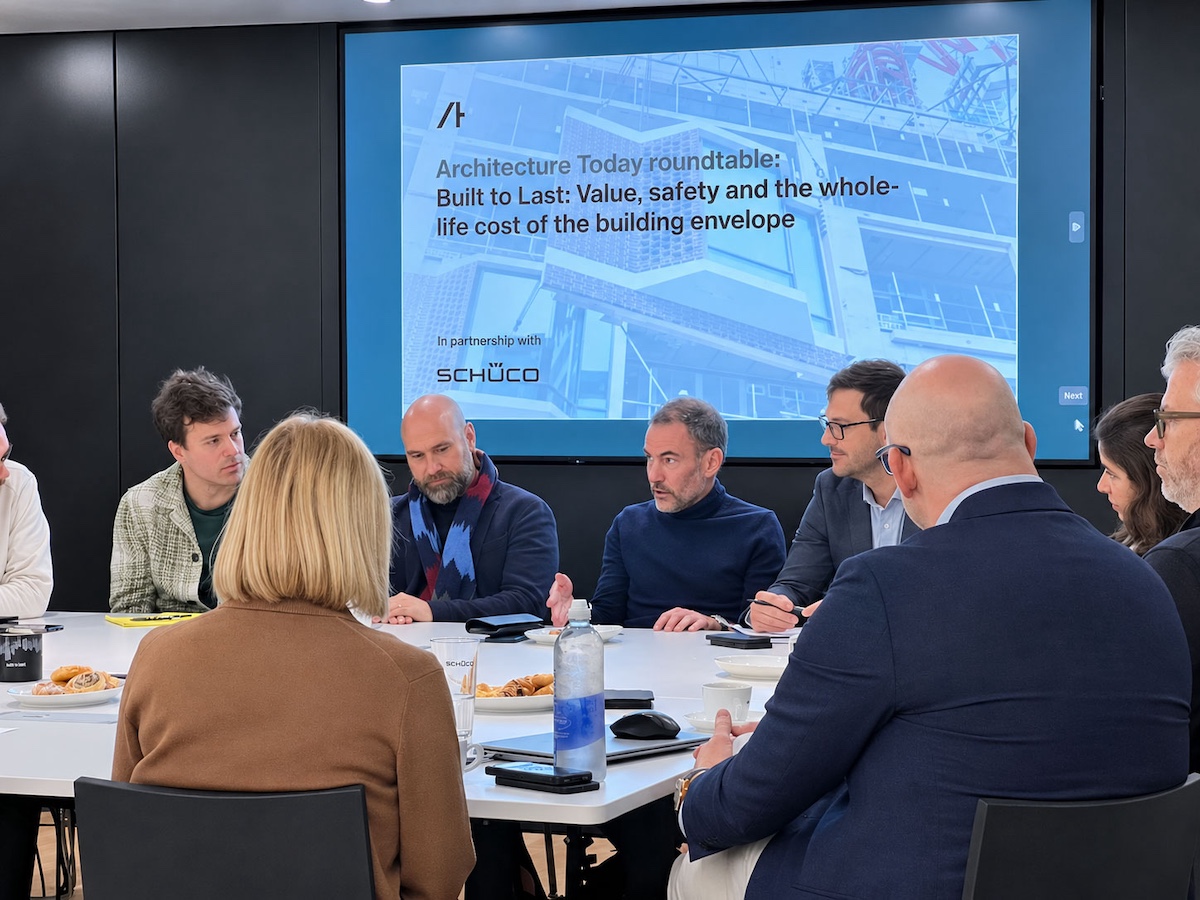
Tom Greenhill, Oliver Bayliss, Damian Rogan, Richard Wilson, Anu Sabherwal, and Ed Williams.
Understanding the risk of stranded assets
While retaining existing fabric can reduce embodied carbon and construction costs, improving operational energy performance is becoming increasingly important to asset owners. Knight explained that Pembroke is assessing its portfolio against its commitment to achieve net zero operational emissions by 2035. This involves understanding which buildings require investment and whether improvements should focus on façades, building services, electrification or other measures. He highlighted the difficulty of reconciling these ambitions with heritage restrictions. At 41 Lothbury, London, the listed façade limits opportunities to improve the building’s environmental performance, including options for alternative servicing strategies.
The discussion then turned to CRREM and its potential influence on property valuation. Gleeson explained that the framework is increasingly being used to identify when buildings may become misaligned with decarbonisation trajectories. For asset owners, this introduces the possibility of future capital expenditure requirements affecting investment decisions today. A building that appears commercially attractive may carry significant liabilities if its energy performance will require substantial improvement to remain competitive.
Tilston described how he had encountered CRREM through the development of a new hotel, where the owner was seeking to achieve an exceptionally ambitious energy performance trajectory. He contrasted this with speculative hotel developers whose primary objective is to complete and sell an asset quickly. Long-term owners operating under management or franchise agreements lasting several decades are generally more receptive to investing in efficiency and durability.
Rhea Shepherd identified a similar challenge in residential development. Where homes are sold individually, developers may have little direct incentive to invest in improvements whose financial benefits will accrue to future residents. The consequences can be particularly significant for affordable housing, where expensive future replacement programmes risk transferring costs to occupants and building owners with limited resources.
Gleeson and Charlotte Graimes reinforced the importance of understanding transition risk in financial as well as environmental terms. As expectations around energy performance develop, the relationship between operational consumption, future investment and asset value is becoming increasingly difficult to separate. The challenge is to translate these risks into evidence that can influence decisions at the point of commissioning, rather than waiting until a building becomes commercially or environmentally compromised.
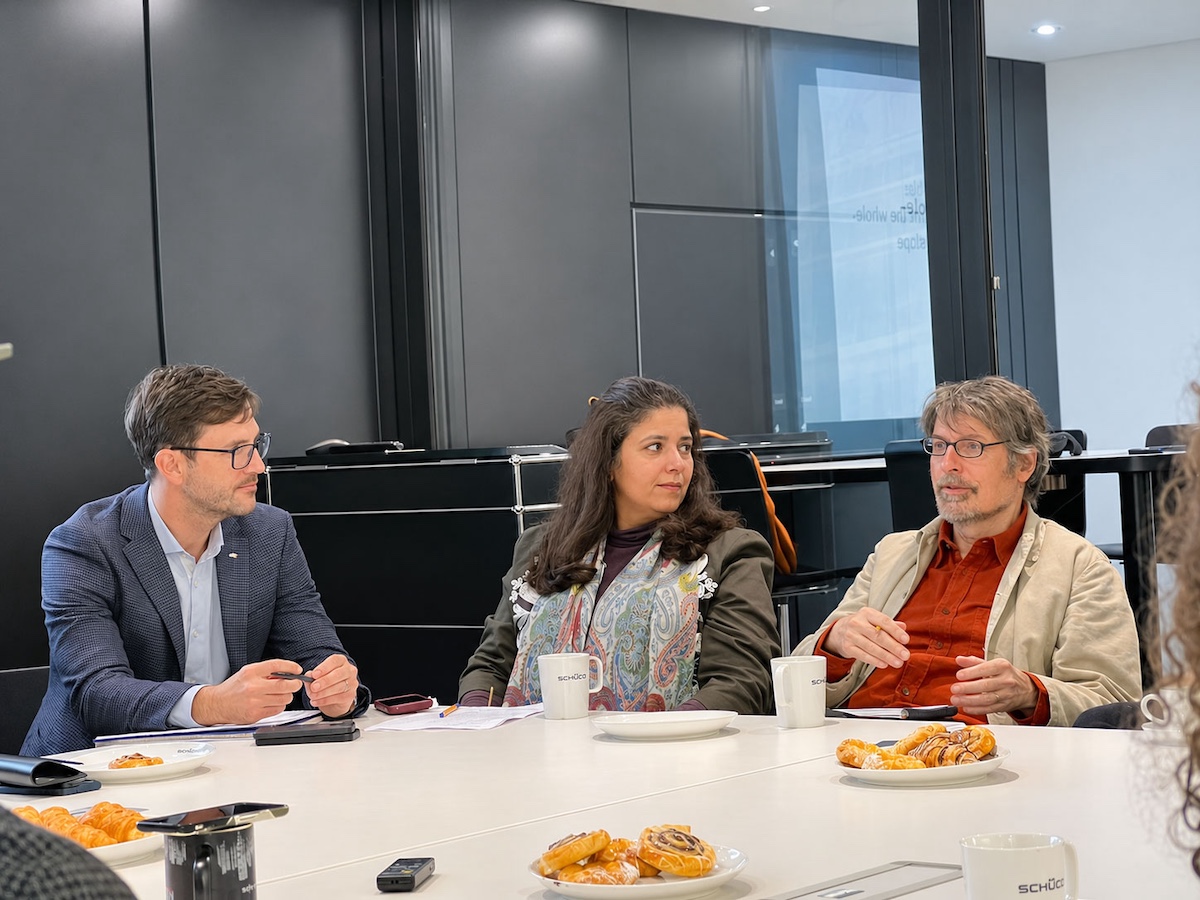
Richard Wilson, Anu Sabherwal and David Henderson.
Designing for adaptation
Several participants argued that the industry needs to move beyond designing façades to satisfy current regulations and begin considering how buildings might change over the next 50 or 100 years. Duncan Grover pointed to the limitations of buildings constructed in the 1980s and 1990s, when the possibility of future adaptation was often given relatively little consideration. Changing patterns of occupation, housing demand and environmental expectations are now exposing the limitations of envelopes designed around a single use.
Anu Sabherwal argued that adaptability should be fundamental to the design process. Buildings need to accommodate changes in regulation, ownership, climate and use without requiring the wholesale removal of materials. She cited the former Herman Miller building in Bath, subsequently adapted for educational use, where much of the existing façade structure and panelling could be retained while insulation, airtightness and glazing were improved. Such projects demonstrate the value of designing systems that can be upgraded without sacrificing their principal components.
Henderson questioned whether contemporary design sometimes places too much emphasis on meeting immediate performance requirements at the expense of flexibility. Buildings designed around highly specific environmental and spatial criteria may prove difficult to adapt when those requirements change. Tilston provided examples from the hotel sector. Buildings with inflexible structural grids, closely spaced loadbearing walls or fully glazed façades can be extremely difficult to convert to alternative uses. Even apparently minor decisions, such as floor-to-floor heights and the position of façade mullions, can determine whether future internal layouts are practical.
For Shepherd, the same principle applies to residential development. Fabric-first strategies and more adaptable envelopes could reduce the need for costly future interventions and protect residents from the financial consequences of premature obsolescence. The discussion suggested that whole-life value begins with decisions about structure, geometry and adaptability long before individual façade components are selected.

Oliver Bayliss.
Maintenance as a design responsibility
If buildings are to last longer, maintenance must become a more important consideration in their design and operation. Tilston described the difficulties encountered when taking over existing hotels, including relatively recent buildings for which owners have lost drawings, maintenance records and information about installed systems. Without reliable records, operators are forced to commission new surveys, while uncertainty about concealed construction can make refurbishment more expensive and risky. He questioned why building owners are not expected to maintain accurate information about their assets throughout their lives.
Grover agreed that the façade industry has traditionally concentrated on installation and defects liability rather than long-term servicing. Manufacturers and contractors often complete a project and move on, leaving responsibility for maintenance with building owners who may lack specialist knowledge. Schüco is seeking to change this through a service and maintenance offering, including a contract associated with the refurbishment of five residential towers in London. The approach involves ongoing inspection, maintenance records and digital information about installed components, allowing emerging problems to be identified and addressed before more extensive intervention becomes necessary.
Gleeson explained that Schüco has also developed digital identification technology capable of linking individual components to technical and maintenance information. However, adoption has been limited where clients have not specified the system or accepted the additional cost of recording information.
Tilston questioned why façade maintenance should be treated differently from the servicing of lifts, vehicles or other mechanical systems. Regular inspection and maintenance are widely accepted as necessary for those products, yet building envelopes are often expected to perform for decades with comparatively little attention.
Tom Greenhill described how Laing O’Rourke’s approach to design for manufacture and assembly addresses some of these issues through off-site construction. Building services modules are designed and tested before arriving on site, with access for maintenance and the replacement of individual components considered during development. The process demands a high level of coordination and accurate digital information, because components must fit together correctly when installed. Greenhill also raised the growing importance of climate resilience. As buildings experience more extreme temperatures and weather events, the consequences of poorly maintained systems may become increasingly apparent. The wider lesson was that maintenance should be designed into buildings from the outset, rather than considered after handover.

Rhea Shepherd, Laura Solarino and Matthew Knight.
Connecting design, construction and operation
The conversation revealed how frequently information is lost between the different stages of a building’s life. Design teams may produce detailed specifications and digital models, but these do not necessarily reflect what is installed. Subsequent alterations can further undermine the accuracy of building records.
Greenhill argued that closer integration between design and manufacturing offers opportunities to improve this situation. Where construction depends on precise off-site fabrication, the need for accurate information becomes unavoidable. He emphasised that realising the full benefits of DfMA requires early investment in relationships between designers and manufacturers, enabling design teams to better understand the manufacturing process and unlock further opportunities for innovation, particularly around sustainability.
For Williams, the challenge extends beyond technology. Better information is valuable only if clients, designers, contractors and operators have a shared understanding of how it will be used. Sabherwal suggested that designers should be required to think more explicitly about future change, including how components can be upgraded, replaced or recovered without unnecessary waste.
Knight proposed that building owners and purchasers could benefit from more comprehensive lifecycle cost plans, supported by reliable as-built information and realistic expectations of future expenditure. This could be particularly valuable for residential purchasers, who may otherwise have little understanding of the maintenance and replacement costs associated with the buildings they are buying.
The discussion also returned to the allocation of responsibility. Manufacturers may provide individual systems, but a façade comprises numerous interconnected components supplied and installed by different organisations. Grover acknowledged that Schüco’s maintenance responsibilities cannot automatically extend to every element of the building envelope. Clear contractual arrangements and records are therefore essential if owners are to understand who is responsible for inspection, repair and replacement. The challenge is not simply to create more information, but to ensure that it remains accurate, accessible and useful throughout the building’s life.

Anu Sabherwal and David Henderson.
Towards a circular façade industry
The final part of the discussion considered what manufacturers and suppliers need to do next. Henderson argued that façades should increasingly be designed as assemblies of replaceable components rather than systems that must be removed in their entirety when performance requirements or aesthetic expectations change. Separating the structural elements of a façade from components responsible for glazing, weatherproofing and thermal performance could allow buildings to evolve through targeted upgrades.
Grover described systems being developed to retain existing curtain walling structures while replacing external elements. However, he emphasised the technical challenges involved in verifying the capacity and condition of retained frames, fixings and connections. Extensive investigation can sometimes make retention more expensive than replacement, demonstrating why early surveys and accurate records are so important. Solarino highlighted the importance of considering how materials are separated and recovered. Circularity depends not only on selecting recyclable products but also on designing assemblies that can be dismantled without damaging their constituent materials.
The discussion turned to aluminium, where preserving the quality of recovered material is essential if it is to return to demanding applications such as façade systems. Gleeson described Schüco’s work on post-consumer recycled aluminium and take-back arrangements, including partnerships intended to recover material from existing buildings. However, participants questioned whether the economics of recycling and reuse currently provide sufficient incentives to retain material value.
Tilston drew parallels with the hospitality sector, where products such as mattresses are frequently discarded despite the potential for refurbishment and reuse. Take-back systems exist, but their higher costs can discourage adoption. The same problem affects construction. Recovering, testing, transporting and reusing components can be more expensive than manufacturing replacements, particularly when the costs of disposal are comparatively low. Several participants therefore suggested that waste should carry a greater financial penalty.
Sabherwal argued that the environmental consequences of disposal are not adequately reflected in current economic decisions, while Tilston pointed to the potential influence of regulation that makes manufacturers and owners more accountable for materials at the end of their useful lives. There was a shared recognition that circularity requires more than recycled content. Products must be designed for disassembly, information must survive throughout their lives, and viable commercial systems must exist for recovery, refurbishment and reuse.
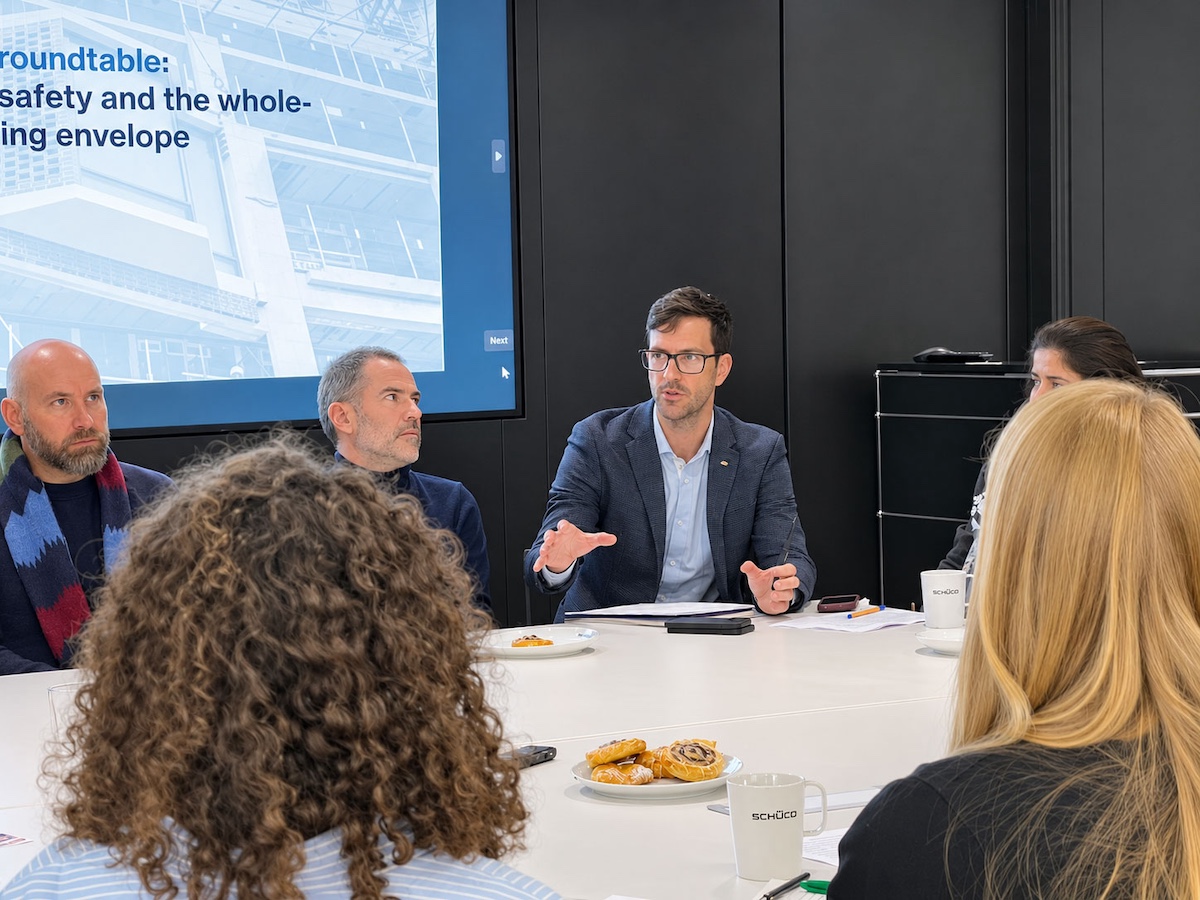
Oliver Bayliss, Damian Rogan and Richard Wilson.
Building for the generations ahead
Overall, the discussion highlighted the limitations of treating the building envelope as a one-off capital investment. Its true value is determined through decades of energy consumption, maintenance, adaptation and eventual material recovery. Achieving better outcomes will require earlier collaboration, more reliable information, clearer responsibilities and procurement models that reward long-term performance rather than the lowest initial cost.
Above all, the industry needs to move beyond asking how a façade can satisfy today’s requirements and consider how it can continue to serve a building, its occupants and future owners as those requirements change. Designing for that uncertainty may prove to be the most important measure of a building that is genuinely built to last.