Heidelberg Materials explores how early collaboration and carbon-informed design decisions can reduce embodied carbon without compromising performance or project delivery.
In association with
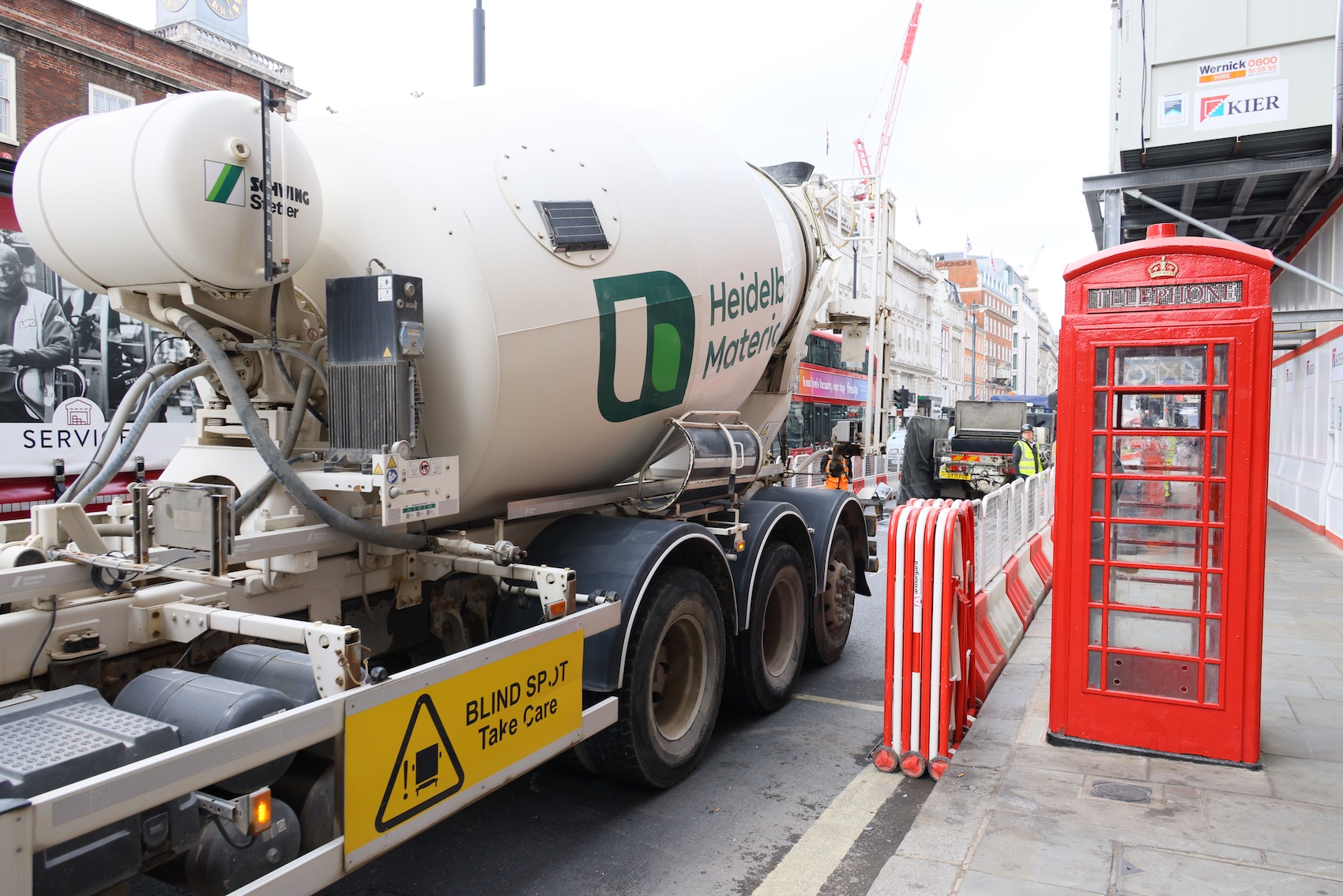
The construction industry has become increasingly sophisticated in measuring embodied carbon. Yet by the time tenders are submitted and material choices are finalised, much of that carbon is already locked in. Meaningful reduction depends on early collaboration between designers, contractors, manufacturers and technical specialists, allowing form, function and material strategy to be shaped around carbon objectives from the outset.
Heidelberg Materials’ experience shows that carbon reduction is a question of timing as much as materials.
Most carbon is locked in long before procurement
Embodied carbon is largely determined by design choices: structural frame, spans, loading assumptions, and construction methodology. These parameters dictate material volumes and durability, long before suppliers or products enter the picture.
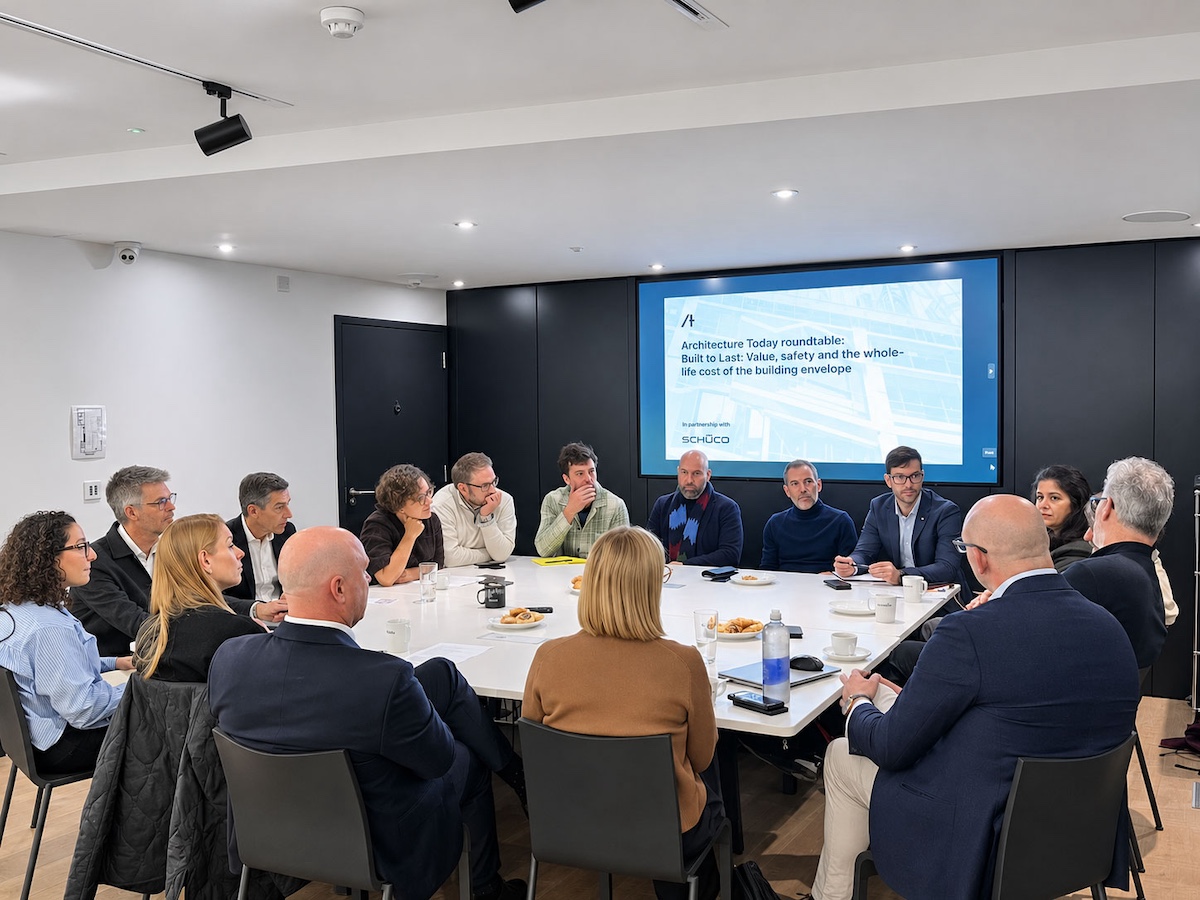
Architects play a central role in these decisions. Rather than asking “Which low-carbon product should we choose?” a more productive question is “Who can help achieve our carbon targets?” Bringing together clients, contractors, manufacturers and technical specialists earlier creates opportunities to challenge assumptions, evaluate alternatives and align carbon targets with project requirements from the outset.
Simple design refinements like shorter spans, more efficient structural layouts, and rationalised finishes can deliver far greater carbon reductions than product substitutions made later in the process. When sustainability objectives are embedded from the beginning and supported across the value chain, carbon reduction becomes part of the design process itself, informing better decisions and creating space for innovation.
The construction programme itself can also become a carbon reduction tool. Early dialogue between designers, contractors and material suppliers creates opportunities to align programme requirements with lower-carbon concrete solutions. For example, where structural elements do not need to become load bearing immediately, longer strength development periods can be accommodated, allowing lower cement contents and reducing embodied CO₂. Similarly, construction schedules can be planned to take advantage of weekend curing period, enabling concrete mixes to develop strength over a longer timeframe without affecting project delivery. These decisions are rarely available once the programme has been fixed, highlighting the value of considering carbon alongside constructability from the outset.
Bringing suppliers and contractors into the conversation earlier
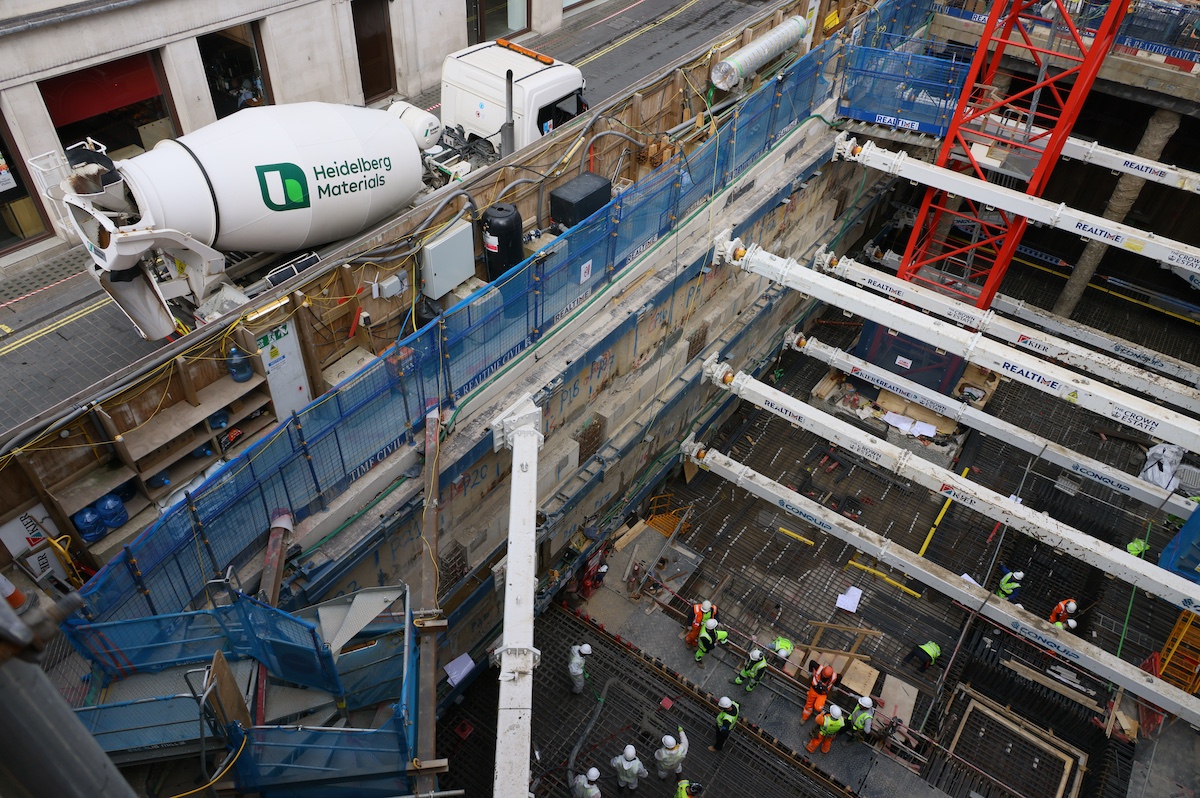
Traditionally, designers develop proposals, specifications follow, and carbon is assessed after procurement. Yet Heidelberg Materials’ partnerships with clients such as Kier and The Crown Estate at 33–35 Piccadilly demonstrate a different model, one where technical specialists, suppliers, and contractors co-author solutions from concept stage.
In this London project, early engagement allowed engineers to integrate evoBuild® Low Carbon Concrete containing both carbon captured cement and ground granulated blast-furnace slag (GGBS). The mix achieved an average value of 35% carbon saving compared with the project’s equivalent conventional concrete specification using GGBS alone. The combination of carbon captured cement and GGBS ensured both carbon reduction and superior durability. Early engagement enabled the project team to evaluate carbon, durability and constructability in parallel, informing both specification and delivery decisions.
The project highlights an important point: suppliers understand the realities of manufacturing, logistics, and achievable carbon reductions, but that expertise can only influence outcomes when they are invited to the conversation early enough.
Carbon reduction as a design parameter
Designers balance cost, function, aesthetics, safety, and programme. Carbon should sit alongside these as a primary design parameter. Treating carbon as an integral part of design iteration, rather than a post-planning assessment, opens opportunities to reduce embodied carbon through smarter, more informed decisions.
This includes challenging assumptions around programme and construction methodology. The fastest strength gain is not always the lowest-carbon solution. Where project teams collaborate early, construction sequencing and programme allowances can be designed to support slower strength development, enabling lower-carbon concrete specifications that would otherwise be discounted. In this way, programme becomes an active lever for carbon reduction rather than a fixed constraint.
Industry initiatives such as Heidelberg Materials’ evoHub, are creating opportunities for project teams to engage with manufacturers, engineers and technical specialists earlier in the design process. Alongside carbon-informed and circular design content delivered through the evoHub programmes, collaborations with industry groups are equipping architects with the tools, data and real-world insight needed to make carbon a meaningful design driver.
When considered early, carbon targets sharpen rather than constrain design quality. The conversation shifts from compliance to creativity, enabling teams to deliver spaces that balance sustainability, functionality and aesthetics while achieving measurable carbon reductions.
Multidisciplinary collaboration is becoming a design skill
As net-zero ambitions elevate from aspiration to expectation, the challenge ahead is not simply identify lower-carbon materials, it is building integrated supply chains that design with carbon in mind. The projects achieving the greatest reductions will not rely solely on breakthrough technologies like evoZero® carbon captured near-zero cement, but on shared accountability and knowledge across every discipline. The projects that achieve the most meaningful reductions are not those that simply specify different materials, but those that make different decisions earlier.
Contact Details
For more information please email or visit the Heidelberg Materials website.