Anna Hollyman, Co-Director of Policy and Industry Intelligence at UKGBC, sets out why scaling the use of natural and sustainable materials demands a coordinated approach to policy, procurement, skills and supply chains.
The construction industry’s reliance on carbon-intensive materials presents a major obstacle to creating a regenerative built environment. But how can architects, engineers and manufacturers move beyond ambition to make natural and sustainable materials a practical, mainstream choice?
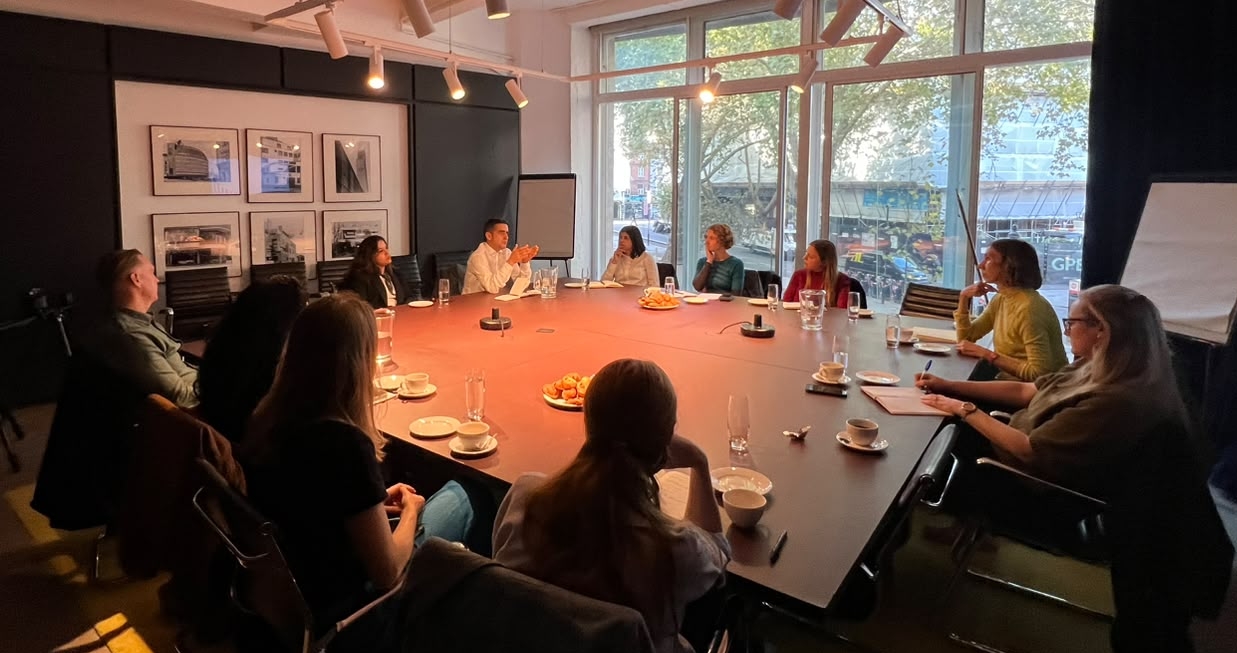
That was the central question explored at Specifying natural and sustainable materials, an Architecture Today seminar, in partnership with HG Matthews, held as part of Regenerative Design 2026 at the Building Centre in London. Chaired by Anna Hollyman of UKGBC, the event brought together five speakers to examine the environmental, technical and commercial opportunities associated with building with earth, stone, timber and other natural materials.
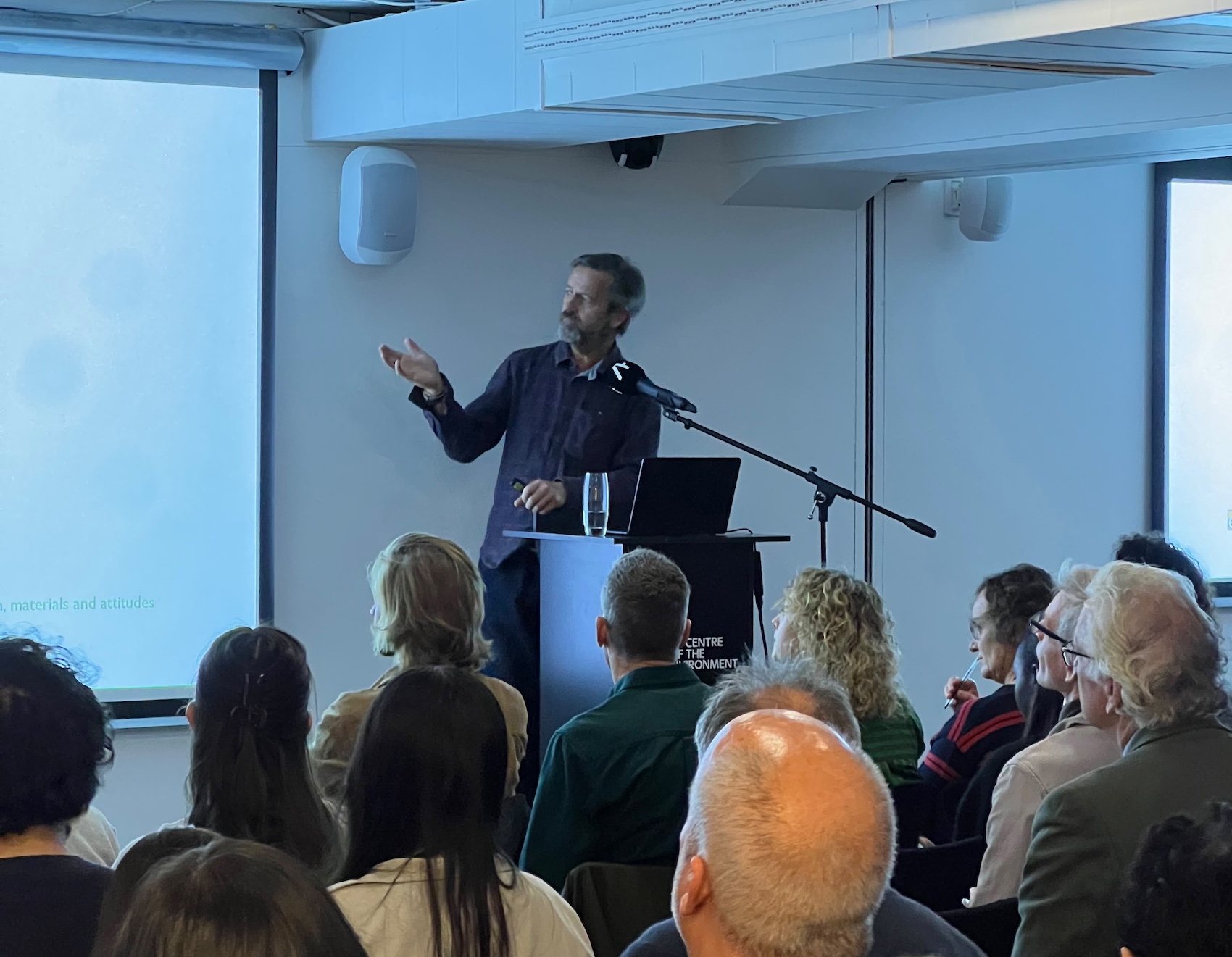
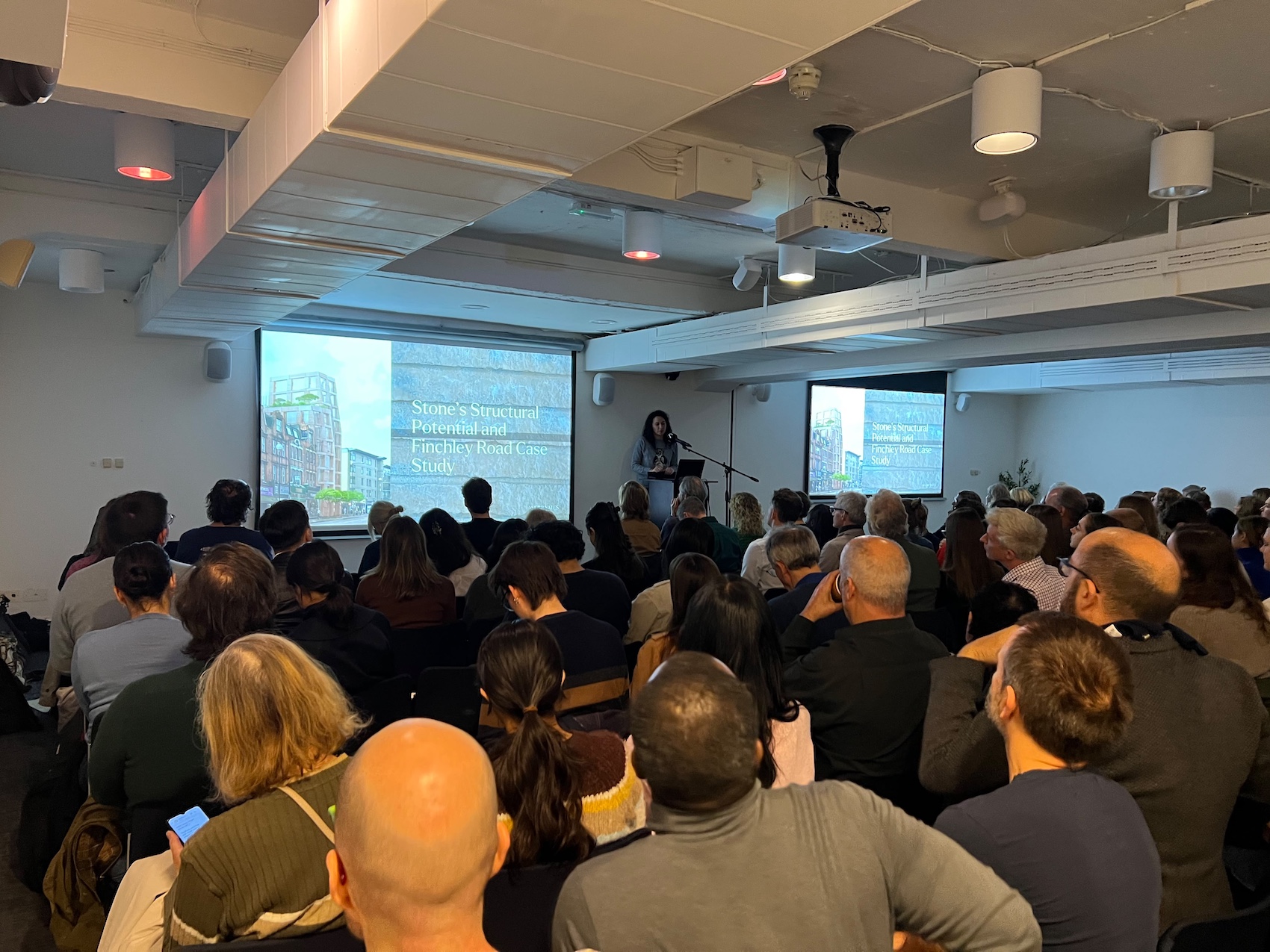
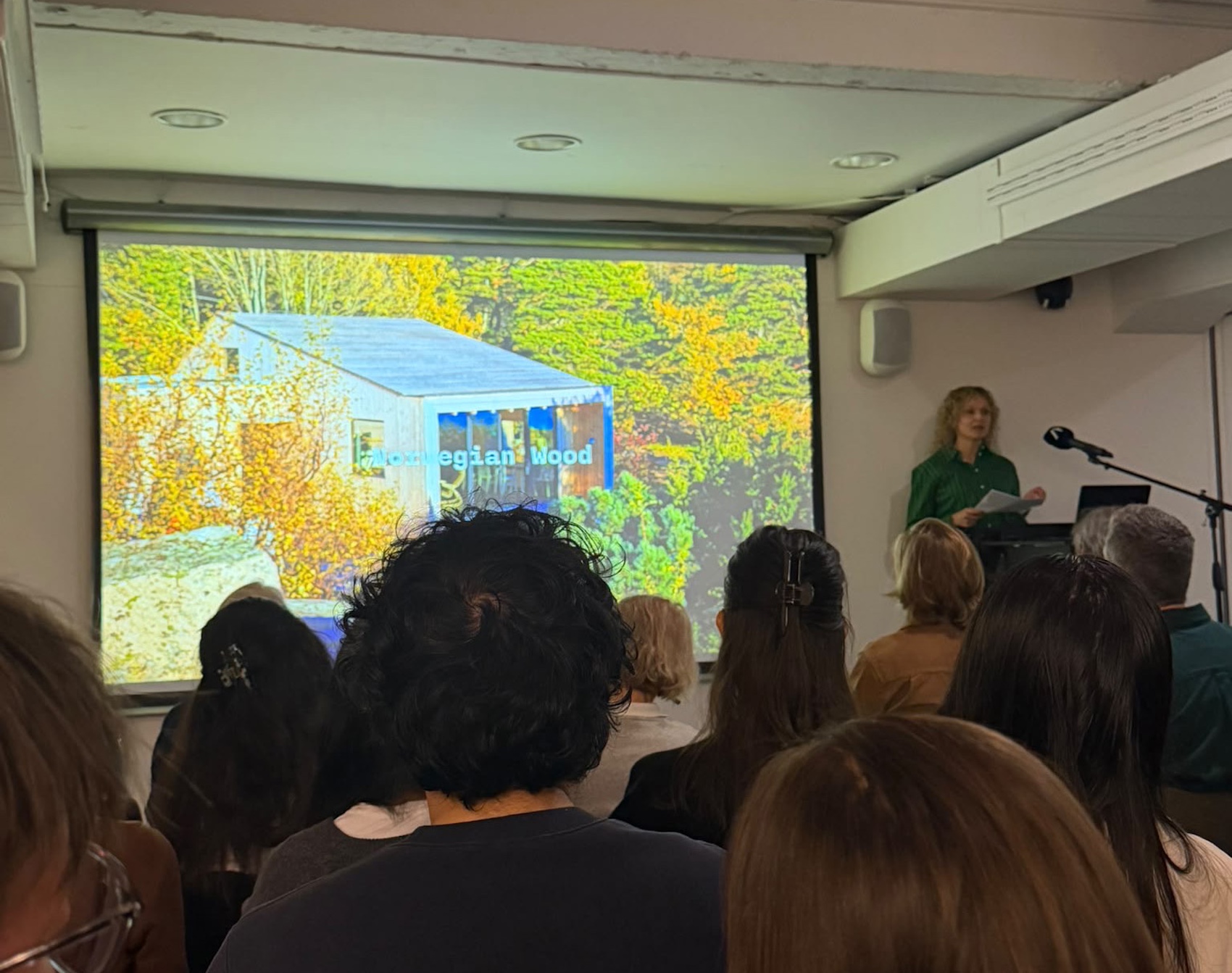
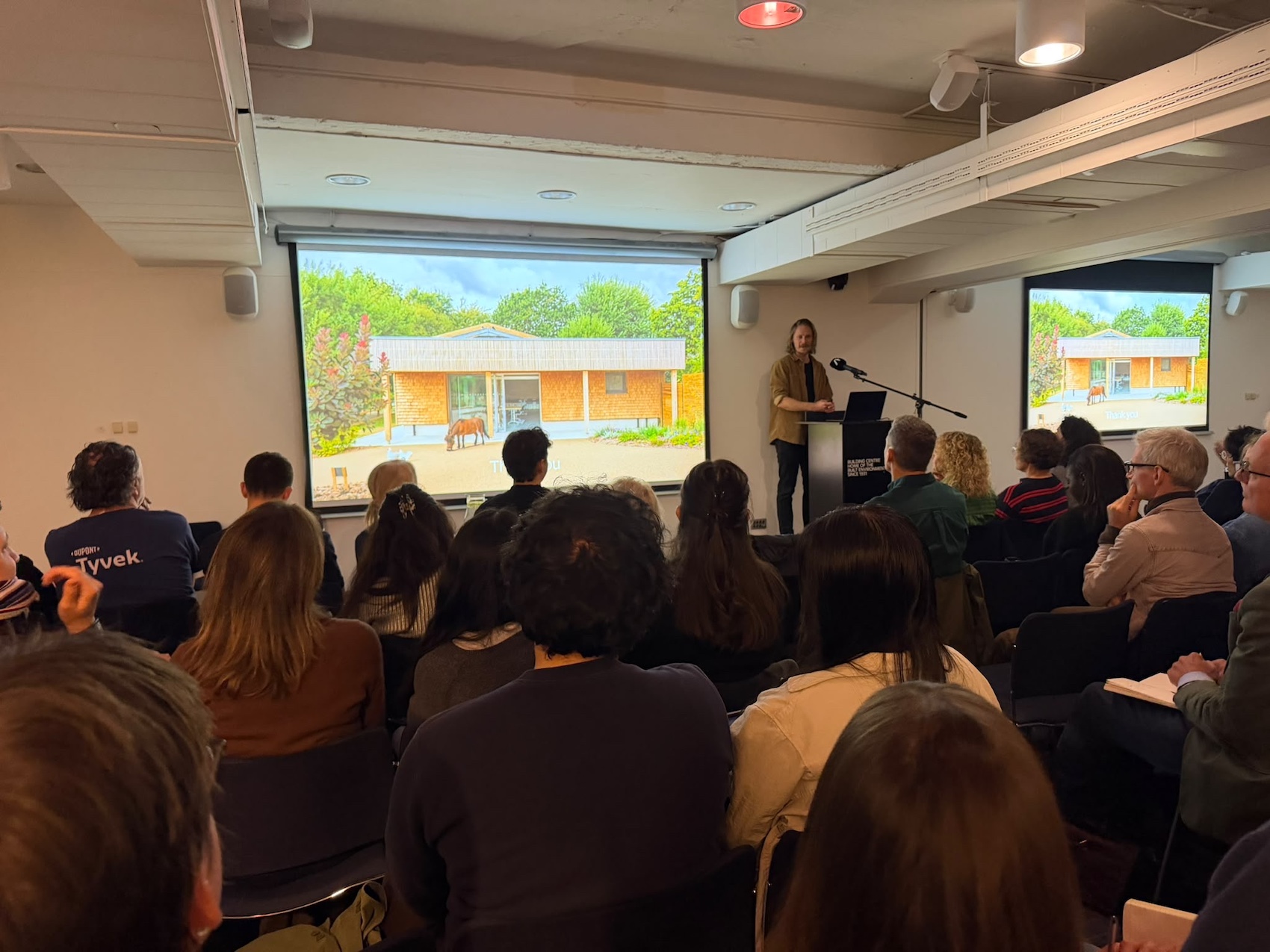
Rowland Keable of Rammed Earth Consulting explored the potential of earth as a circular construction material; Jordan Panayi of Groupwork and Eleonora Regni of Webb Yates Engineers demonstrated the structural possibilities of natural stone; Siri Zanelli of Collective Works shared practical lessons from specifying natural materials; and Lee Fox of BakerBrown Studio examined their application in a recently completed education project.
Creating the conditions for change
Opening the seminar, Anna Hollyman highlighted the scale of construction’s environmental impact, from embodied carbon emissions and resource extraction to biodiversity loss and waste generation. Drawing on UKGBC’s work on whole-life carbon, climate resilience, nature-positive development and regenerative places, Hollyman argued that material choices must be considered beyond the boundaries of individual projects. The environmental consequences of extraction, manufacturing and supply chains are just as important as the performance of materials once installed.
While the technical solutions already exist, she identified cost, certification, insurance, insufficient data and limited supply-chain capacity as significant barriers to wider adoption. Overcoming these challenges, she argued, requires more than changing individual specifications. Public procurement, financial incentives, regulatory reform, industry skills and collaboration across construction, forestry and agriculture all have a part to play in creating the conditions for natural materials to become mainstream.

Launched by Architecture Today, Regenerative Design 2026 is a month-long programme of exhibitions and events that takes place at the Building Centre throughout October 2026.
Specifying natural and sustainable materials was delivered in partnership with HG Matthews.