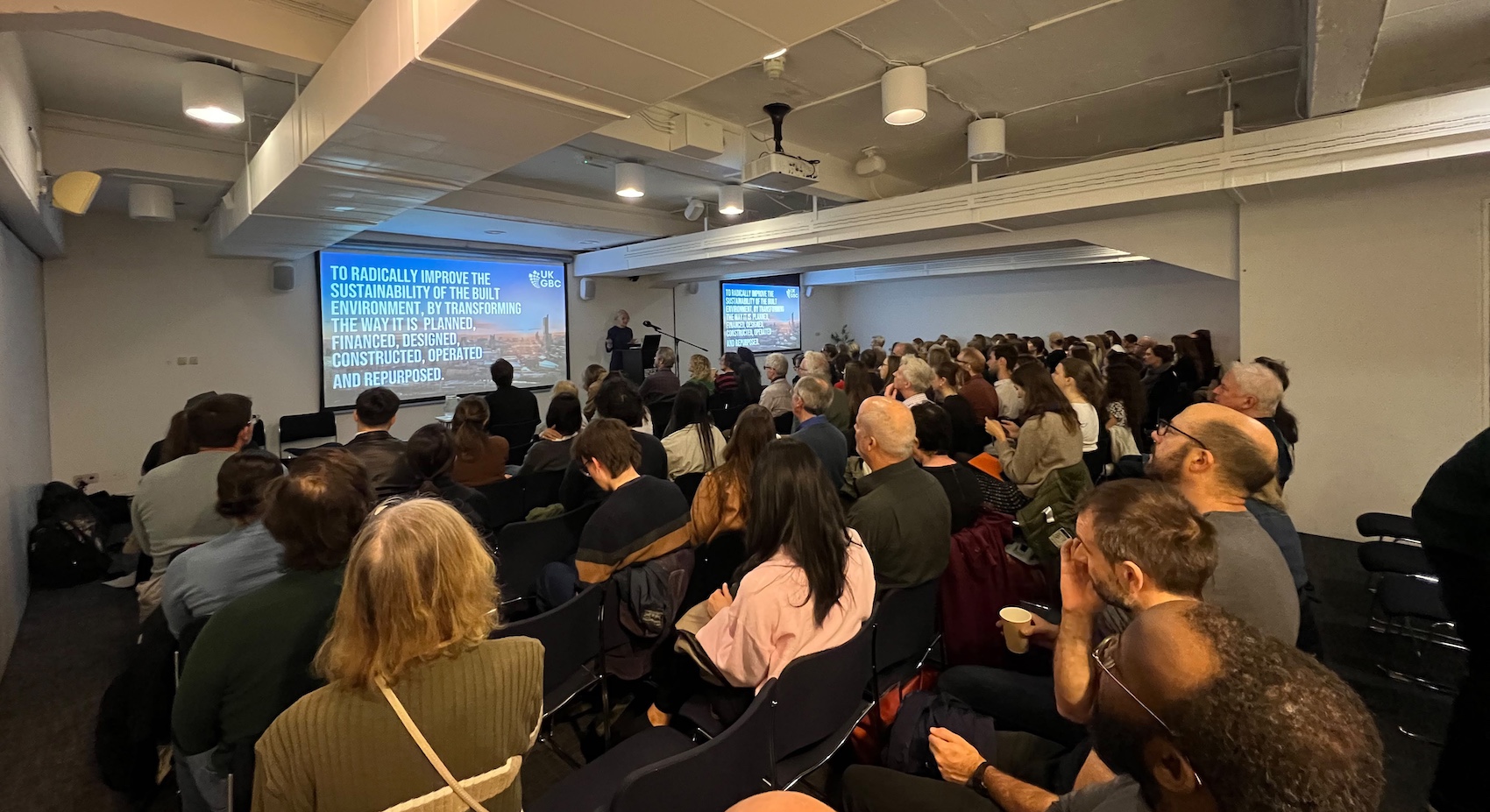
Rowland Keable, Director of Rammed Earth Consulting, makes the case for earth as an overlooked construction material, demonstrating how locally-sourced clay and soil can create durable, adaptable and genuinely circular buildings.
Building with the ground beneath our feet
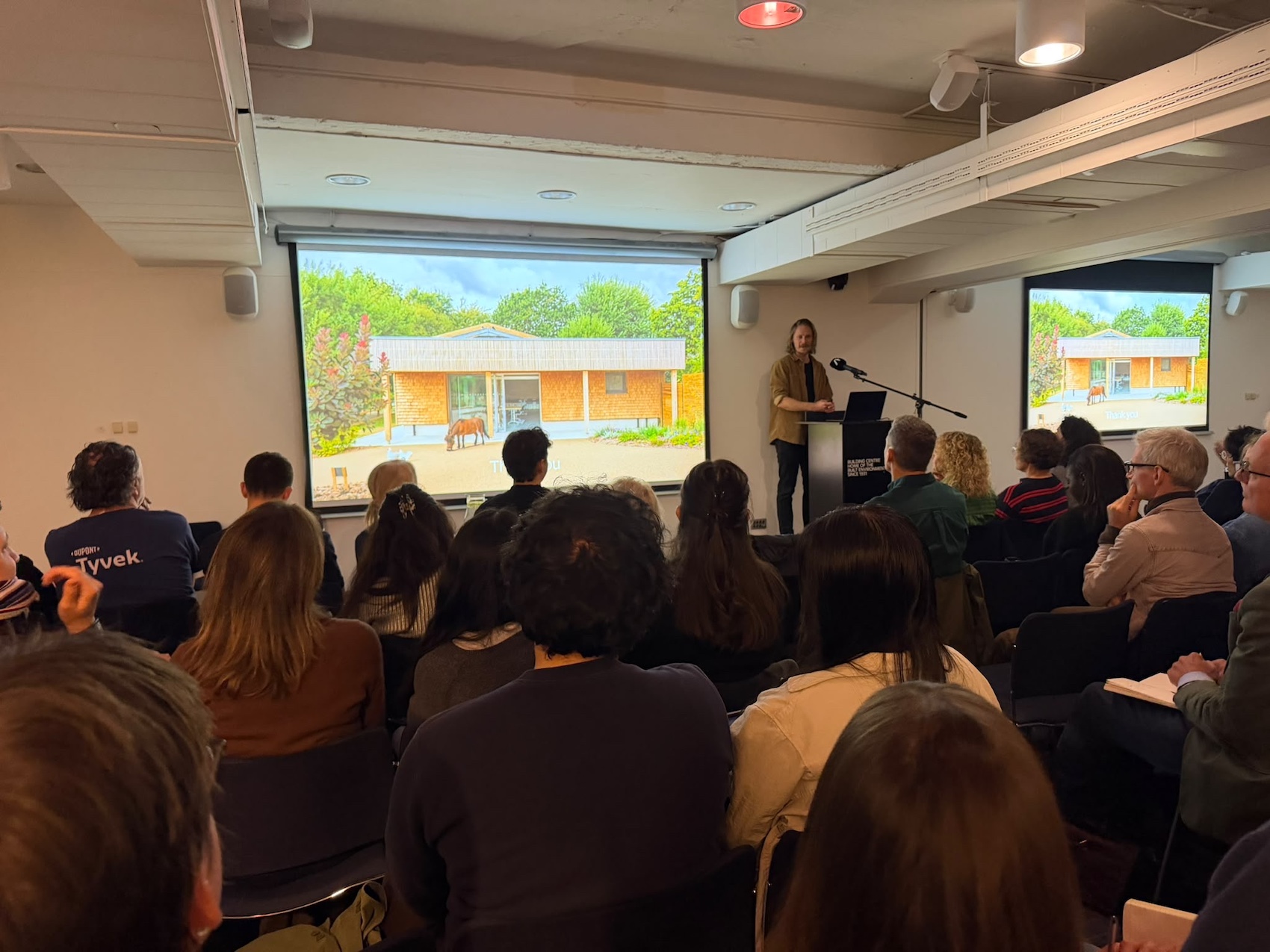
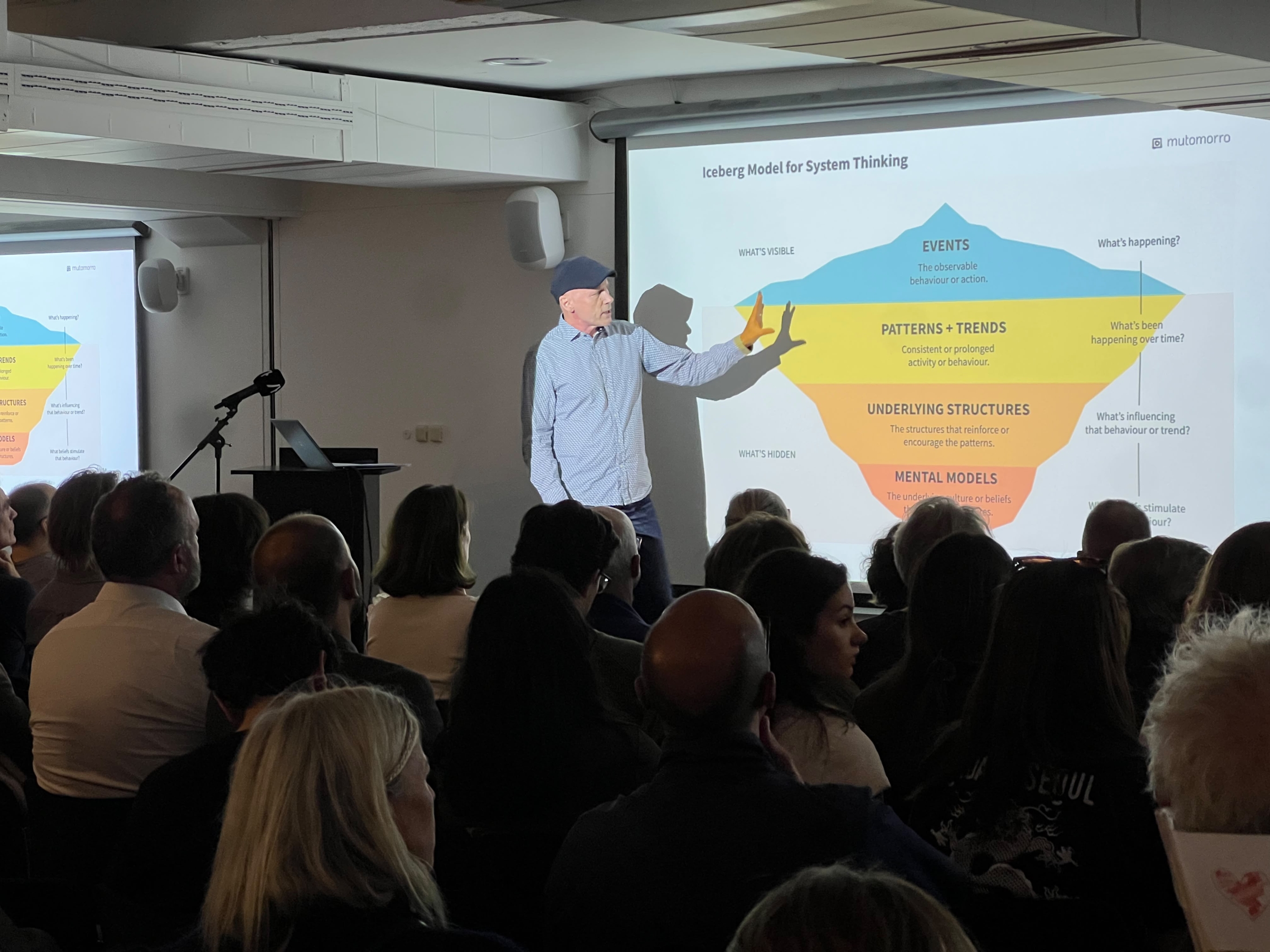
Earth is one of the most abundant construction materials available, yet its potential is frequently overlooked in favour of timber, stone and manufactured alternatives. Drawing on more than three decades of experience in earth construction, Rowland Keable introduced the range of building techniques that make use of this resource, including rammed earth, compressed earth blocks, cob, light earth, clay mortars and plasters.
Keable argued that earth’s greatest advantage lies in its circularity. Unlike cement-stabilised materials, unfired earth can be broken down, rehydrated and reused repeatedly without fundamentally changing its composition. He also highlighted the environmental benefits of using excavated material directly from construction sites, reducing waste and the need to import new products.
Examples included housing in Walthamstow, where excavated soil was processed into blocks and returned to the site, and the Tribeca development in King’s Cross, where clay recovered during excavation was used to manufacture blocks for substantial internal walls. His principal message was that earth construction is neither experimental nor confined to traditional building techniques. It offers practical opportunities for contemporary projects, provided architects recognise the value of the material beneath their feet.

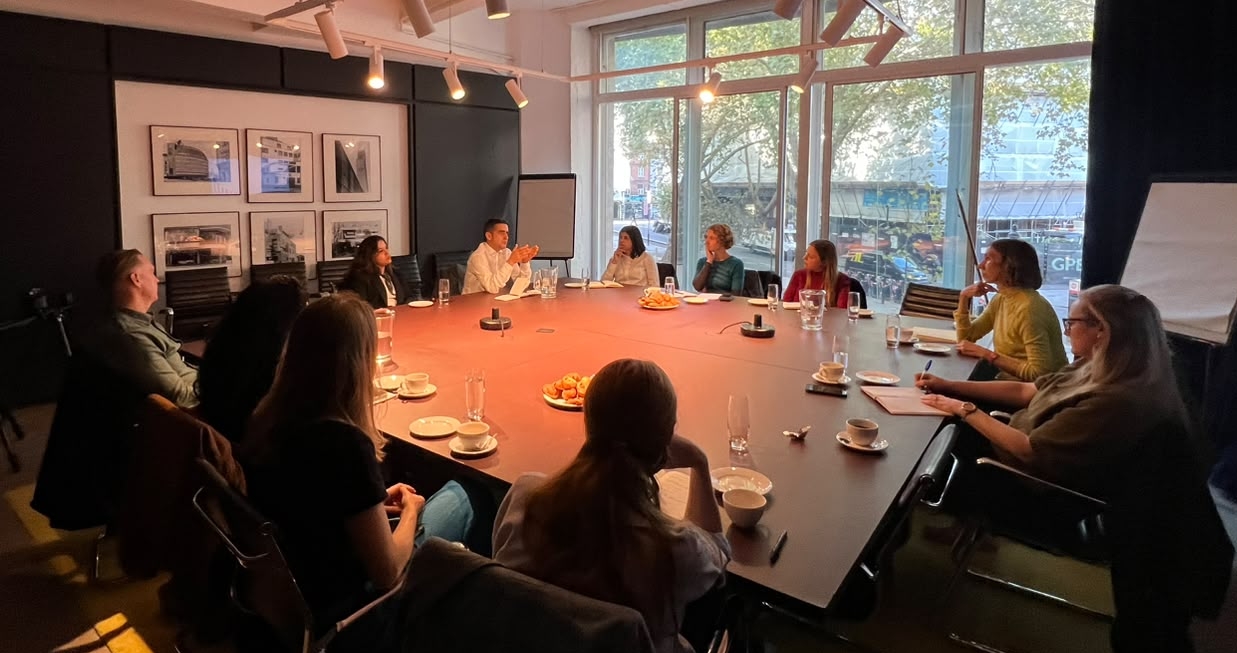
Launched by Architecture Today, Regenerative Design 2026 is a month-long programme of exhibitions and events that takes place at the Building Centre throughout October 2026.
Specifying natural and sustainable materials was delivered in partnership with HG Matthews.