Studio KA has refurbished Zaha Hadid’s former Clerkenwell studio, transforming the Grade II-listed Victorian schoolhouse into a public centre for architecture and design, with galleries, exhibition spaces and facilities for education and research.
Photos
Fred Howarth, Zaha Hadid Foundtion
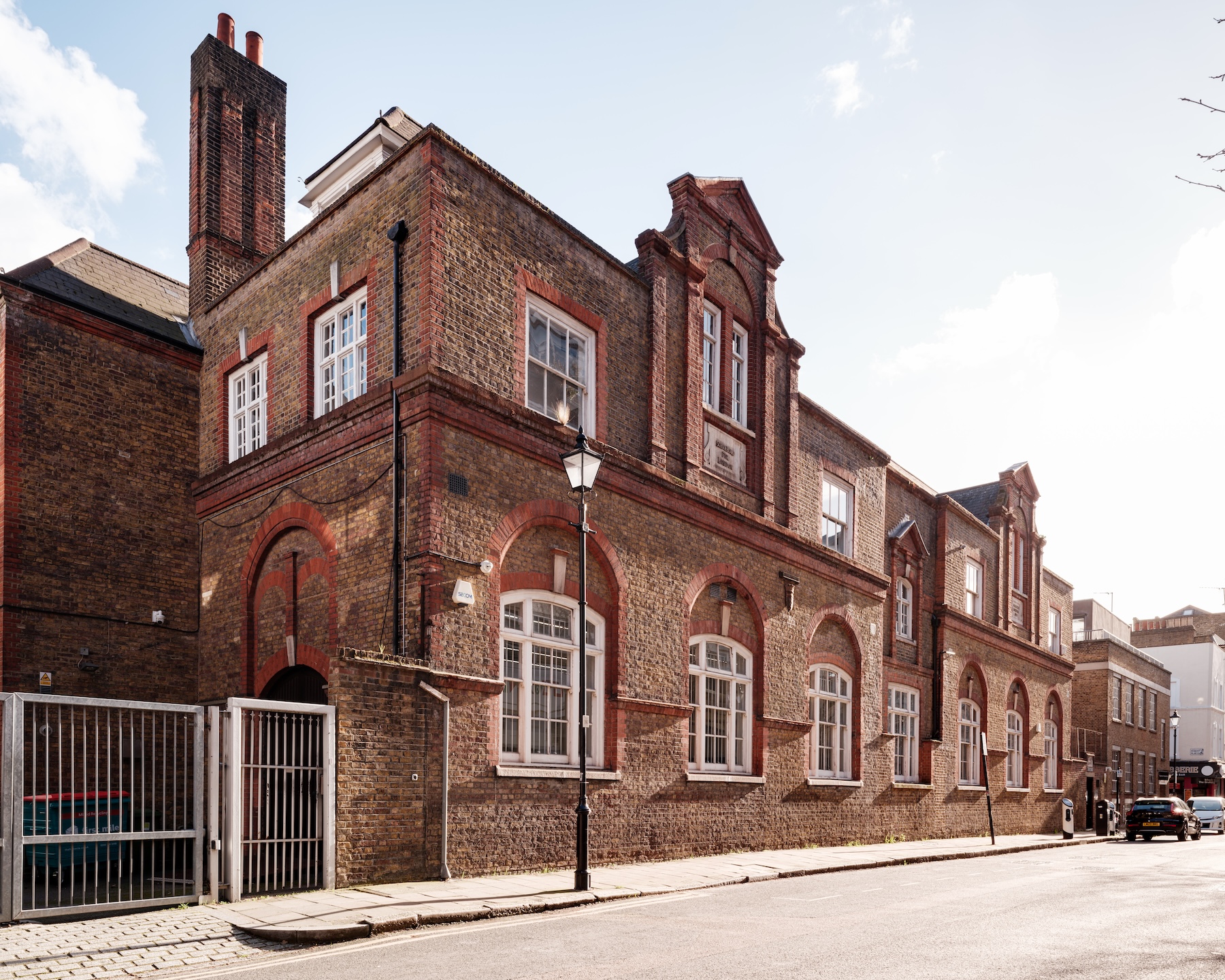
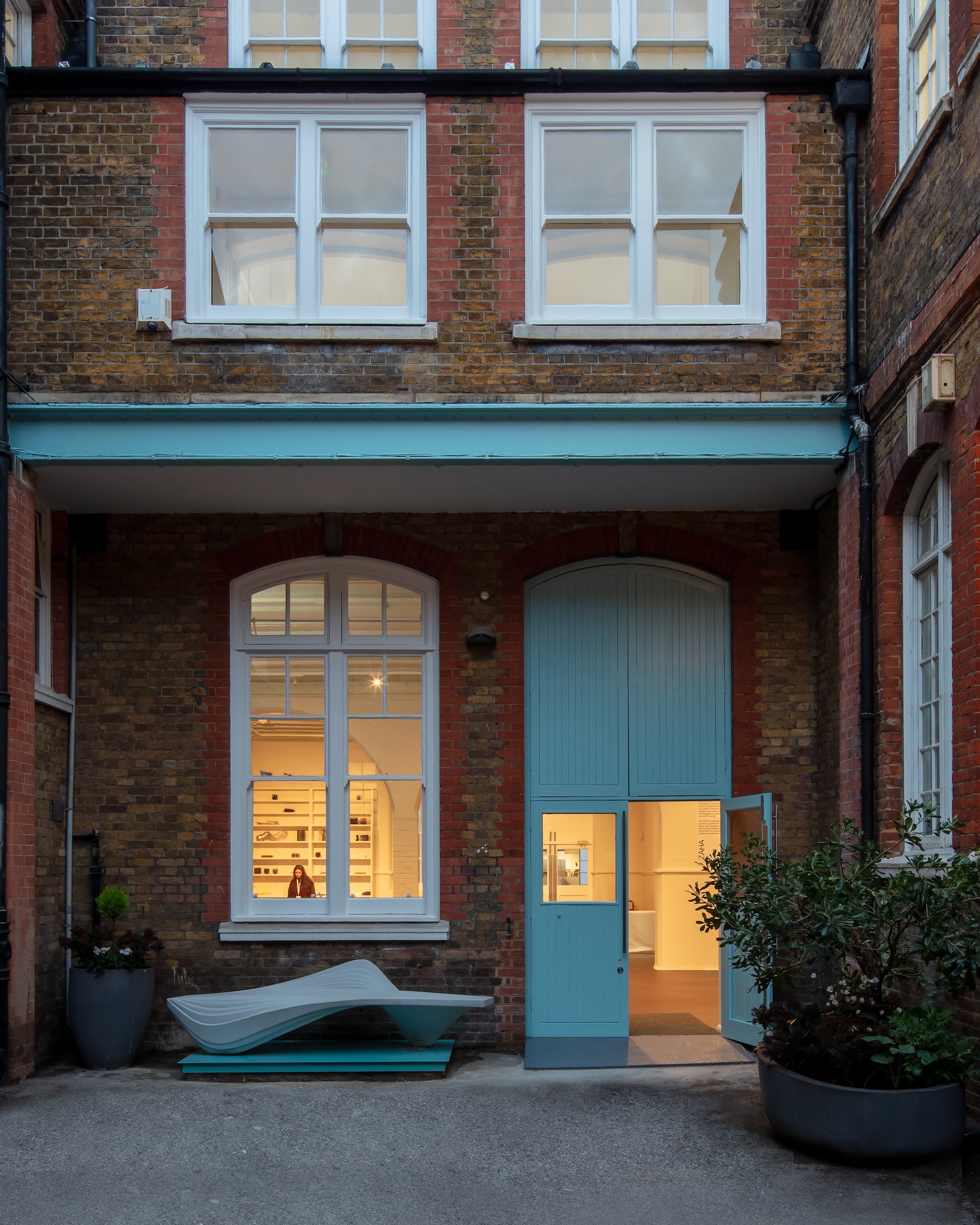
Studio KA has completed the refurbishment of the Zaha Hadid Foundation’s London headquarters at 10 Bowling Green Lane in Clerkenwell. The Grade II-listed former schoolhouse, built in the early 1870s, was home to Zaha Hadid’s architectural practice for more than 30 years. Reopening to the public on 3 November 2026, the project marks the tenth anniversary year of the architect’s death and establishes a new centre for exhibitions, research and public engagement with her work.
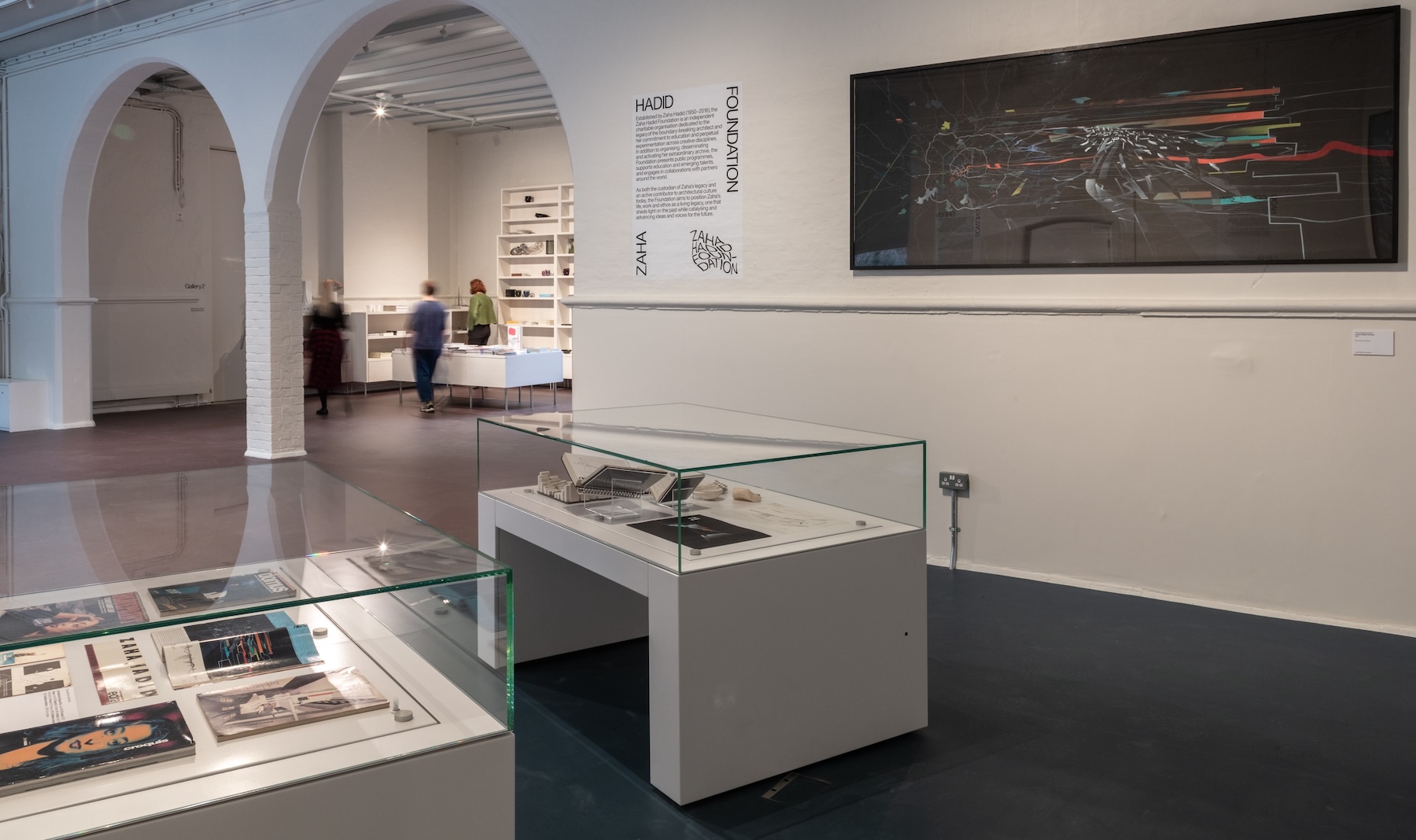
Founded by Hadid, the Foundation is an independent charity dedicated to preserving her legacy and supporting experimentation across architecture and related disciplines. Its extensive archive of drawings, paintings, models and other material forms the basis of a programme of exhibitions, talks, workshops and creative residencies. The refurbished building accommodates galleries, a learning space, lecture hall and collection displays, alongside spaces for contemporary commissions and public events.
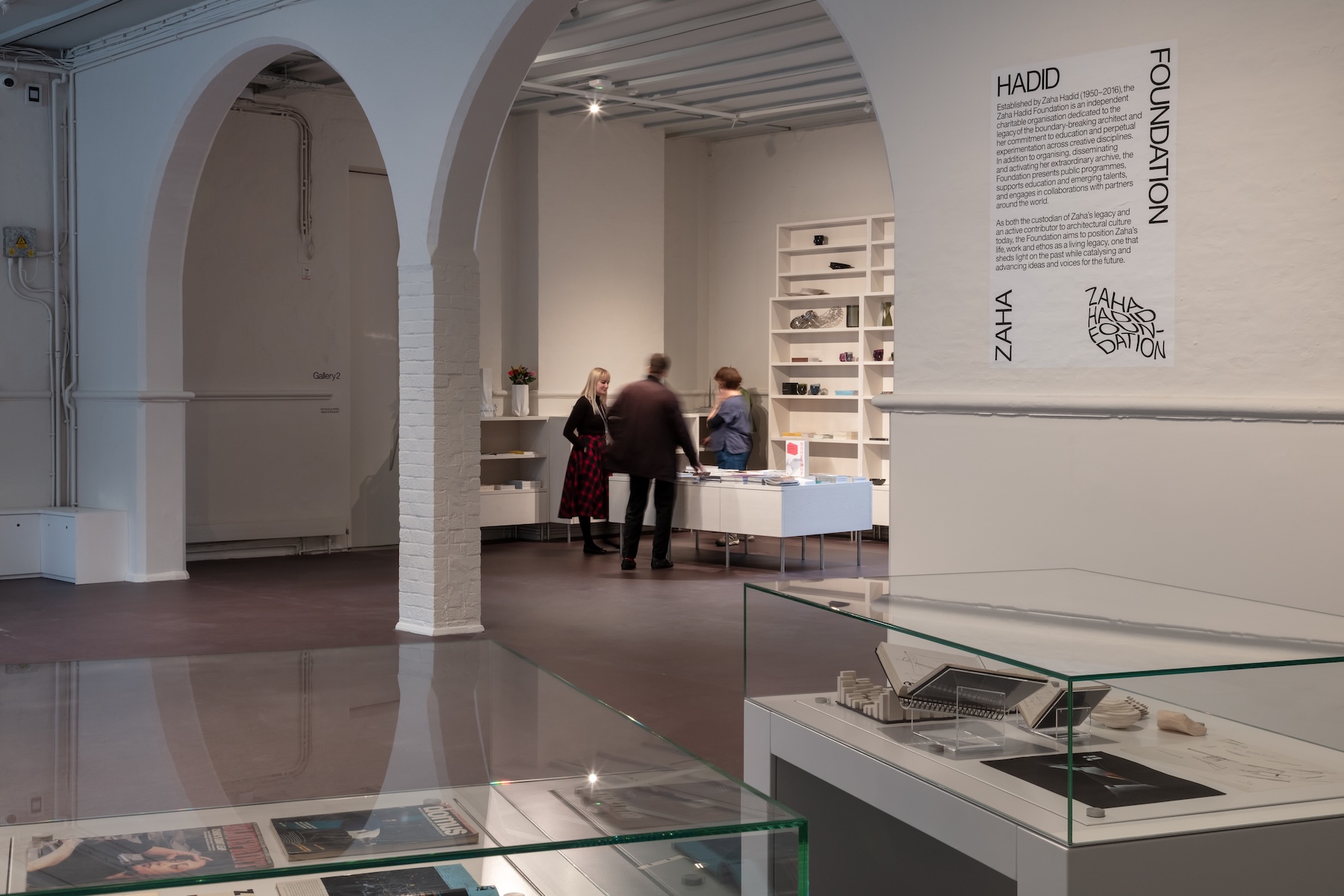
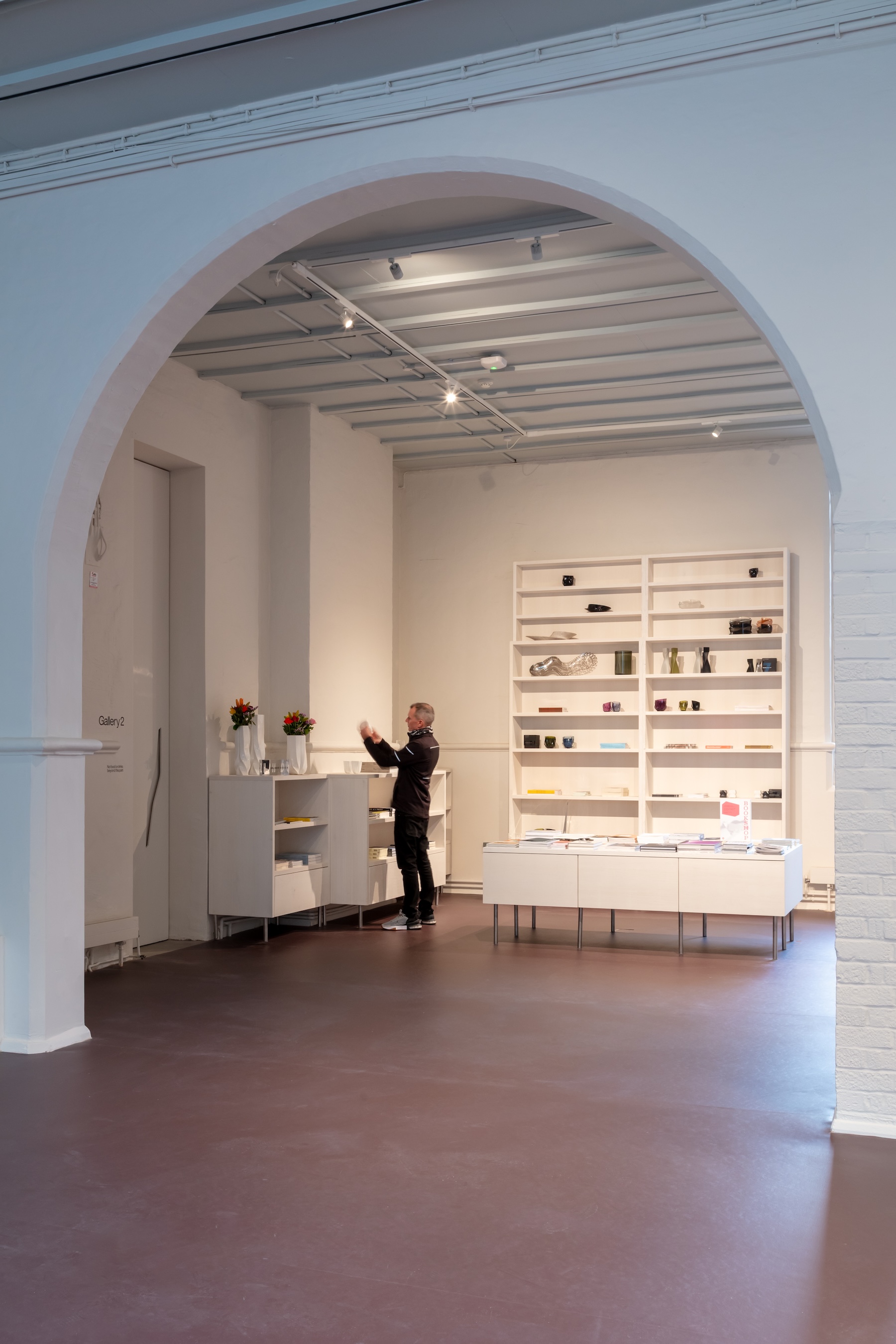
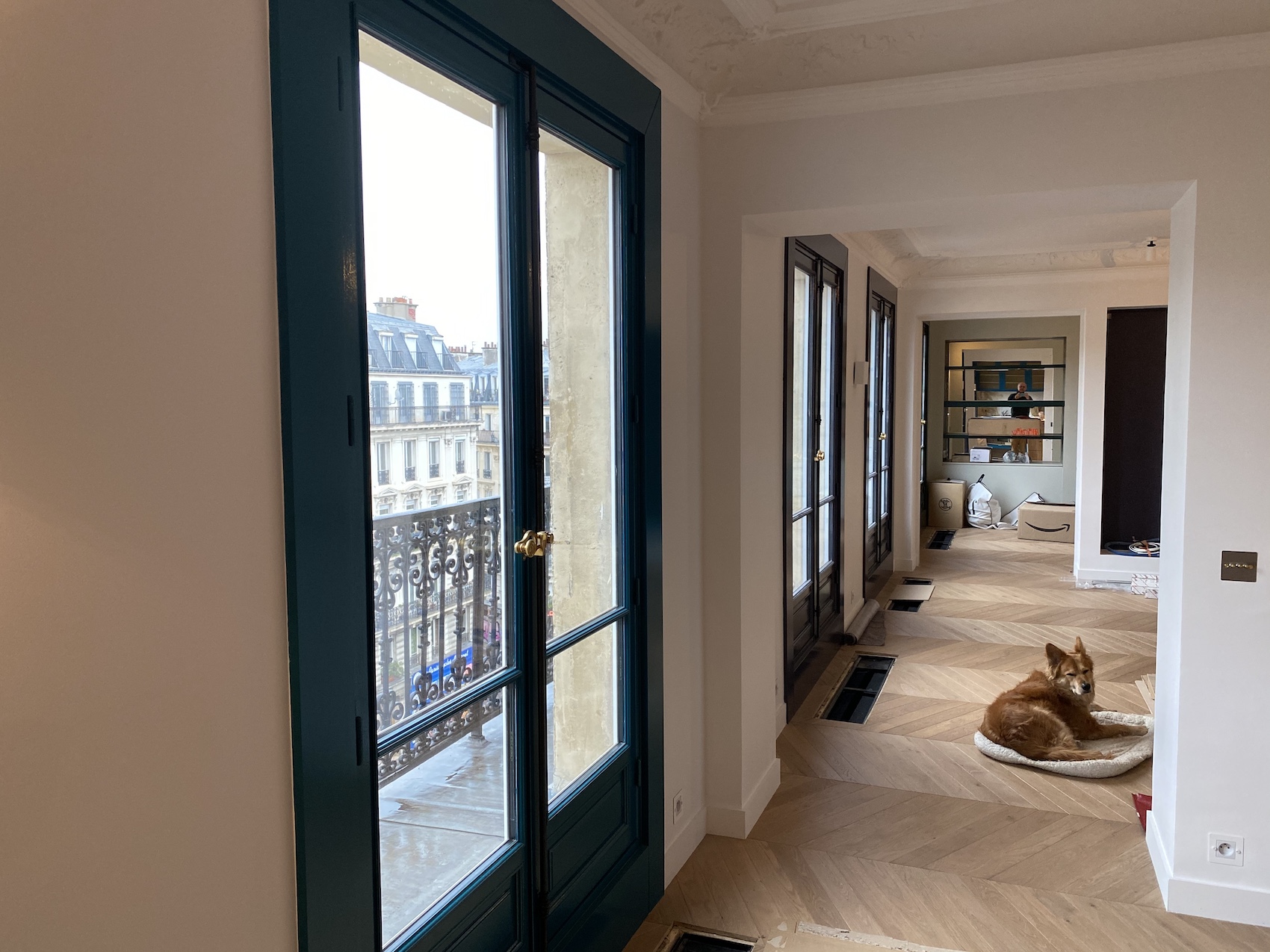
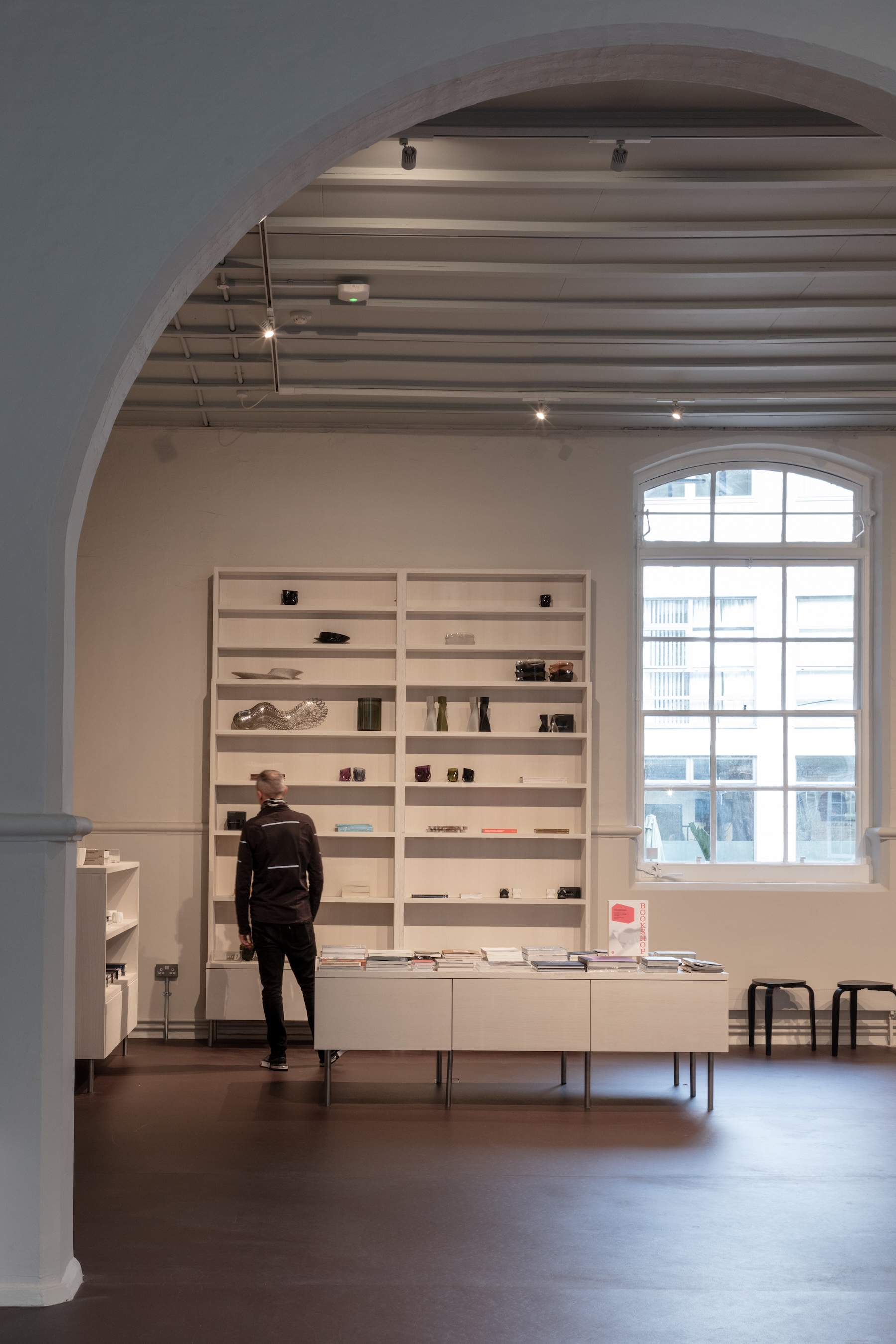
Led by Katherine Nolan and Alex Butterworth, Studio KA has undertaken a sensitive refurbishment of the ground floor, restoring original architectural features and reconfiguring the internal spaces to improve circulation and accessibility for visitors. Previously concealed fireplaces and arched doorways have been reopened, revealing elements of the building’s Victorian character.
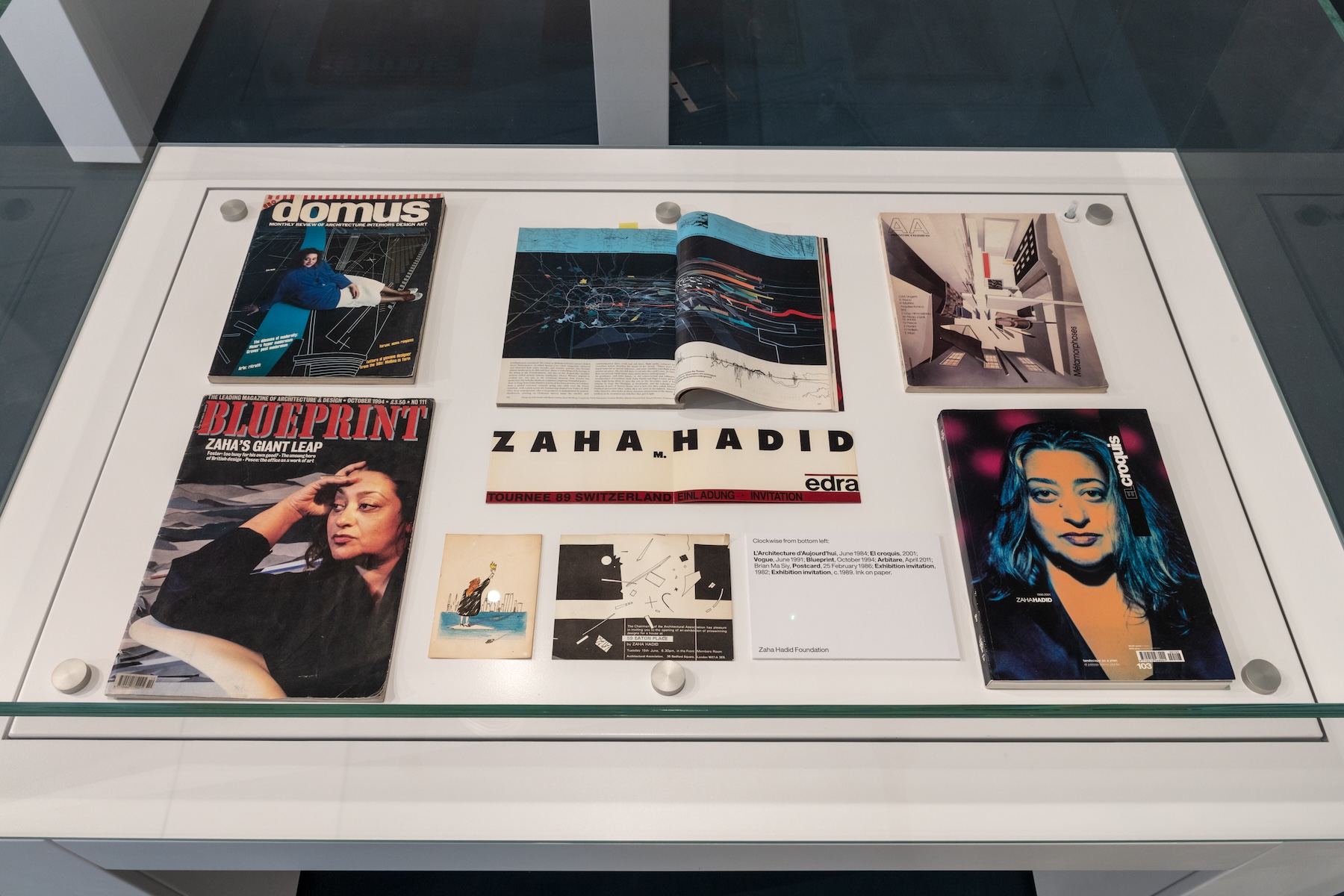
New flooring and finishes have been introduced throughout, with colours informed by Hadid’s paintings. Details installed during the building’s time as her architectural studio have been retained, including distinctive Z-shaped door pulls and shard-like flooring insets. The approach preserves traces of the building’s different periods of occupation, bringing its original architecture into dialogue with Hadid’s own interventions. Furniture and objects designed by Hadid and her studio are also displayed within the refurbished spaces, which remain home to Zaha Hadid Design.
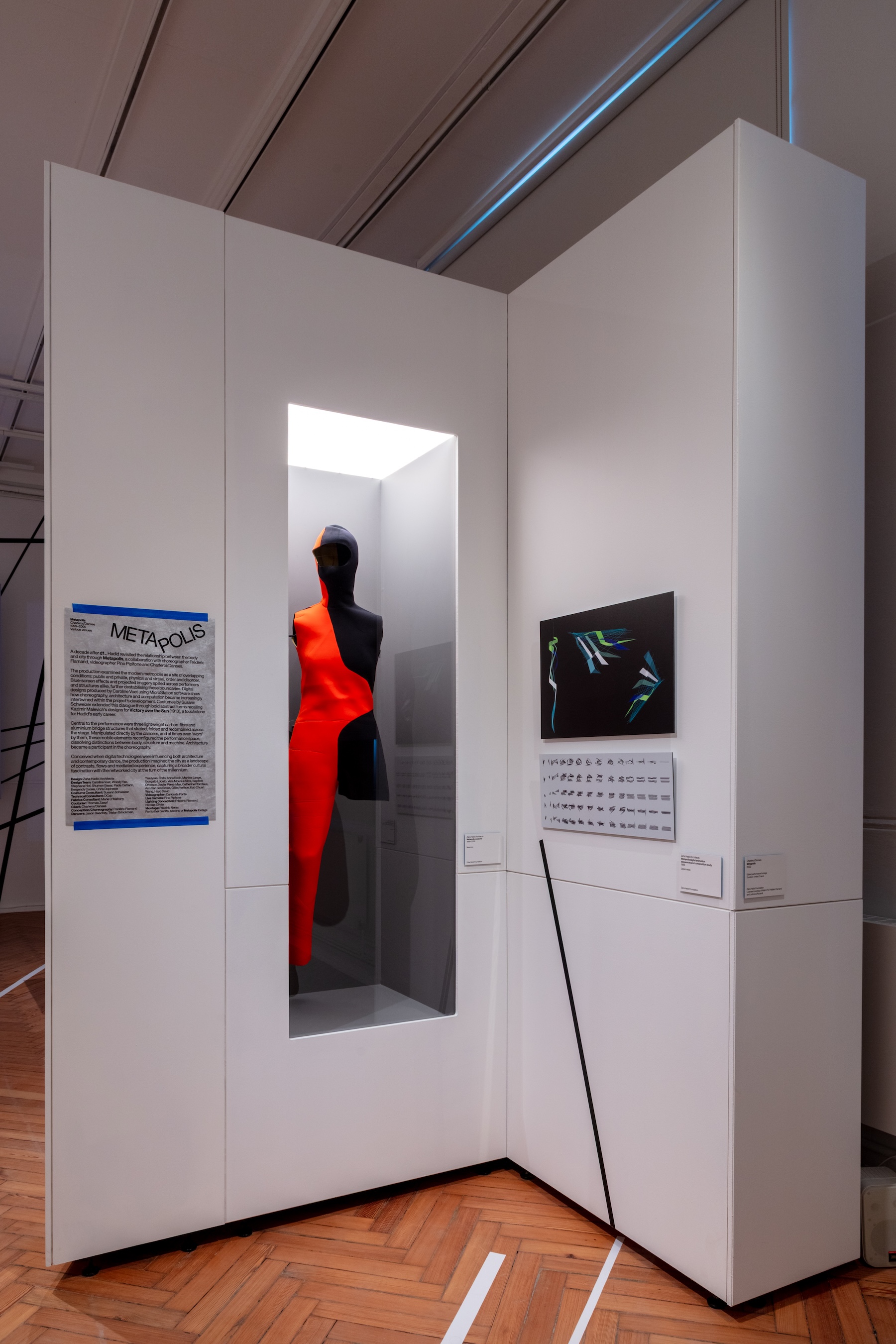
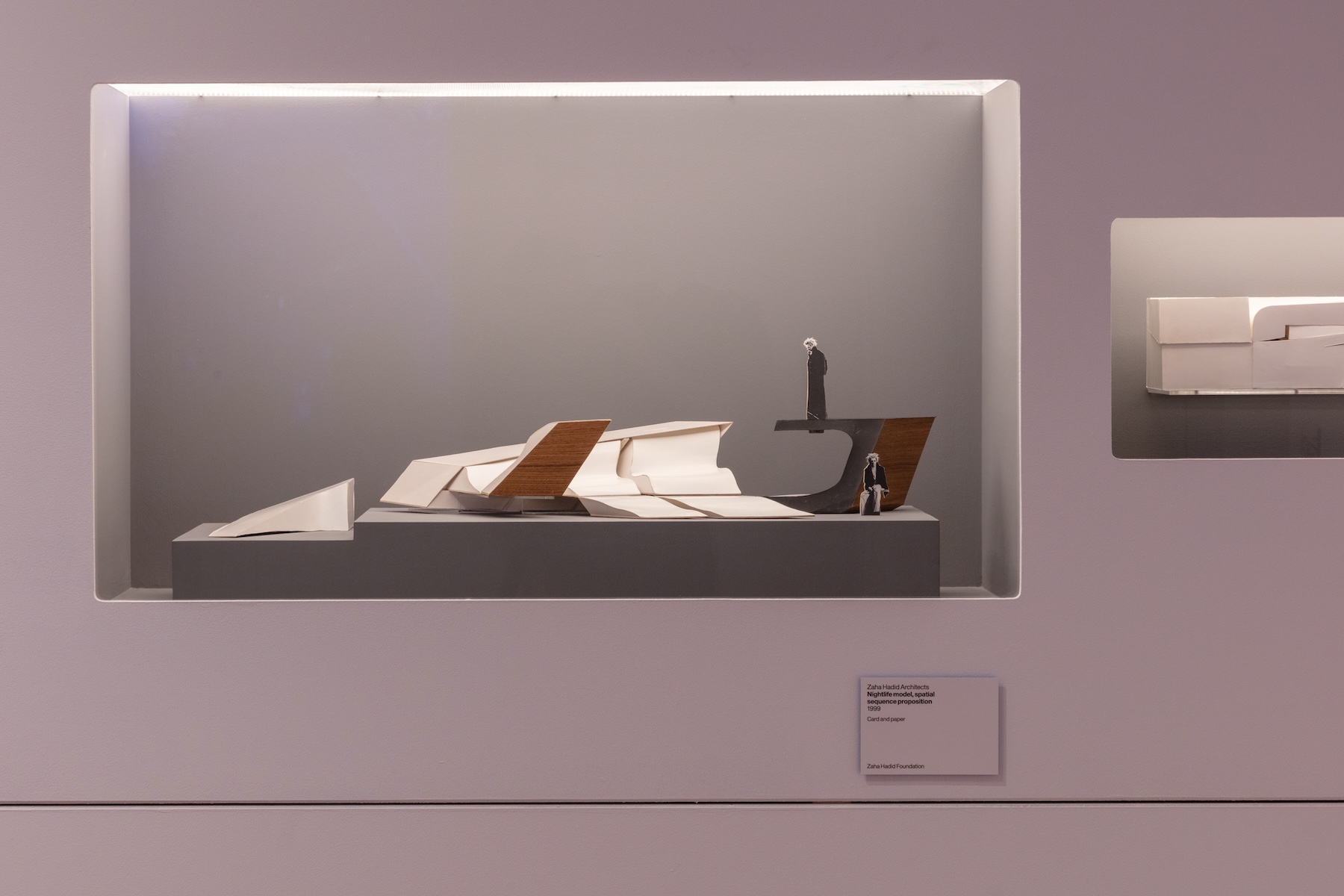
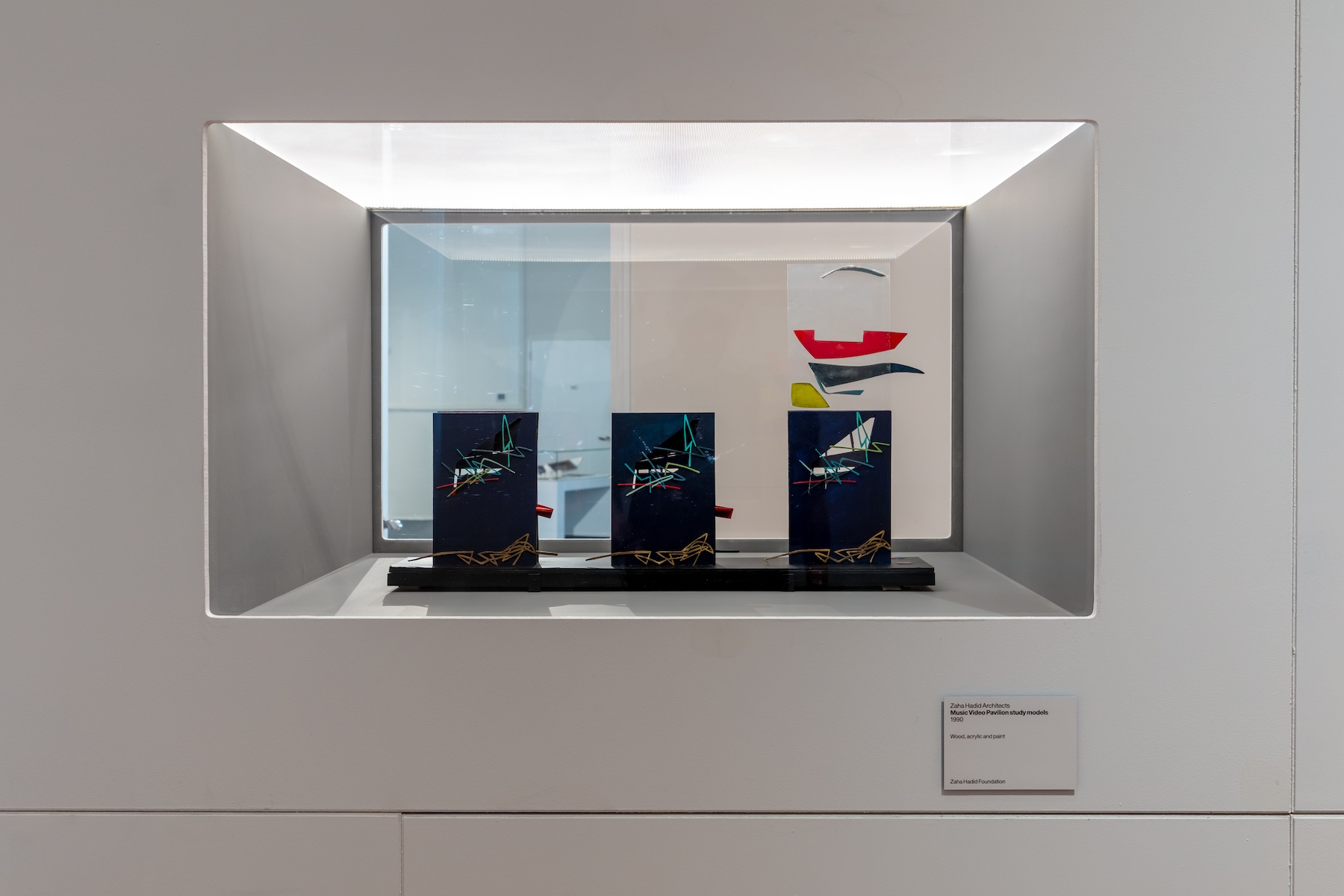
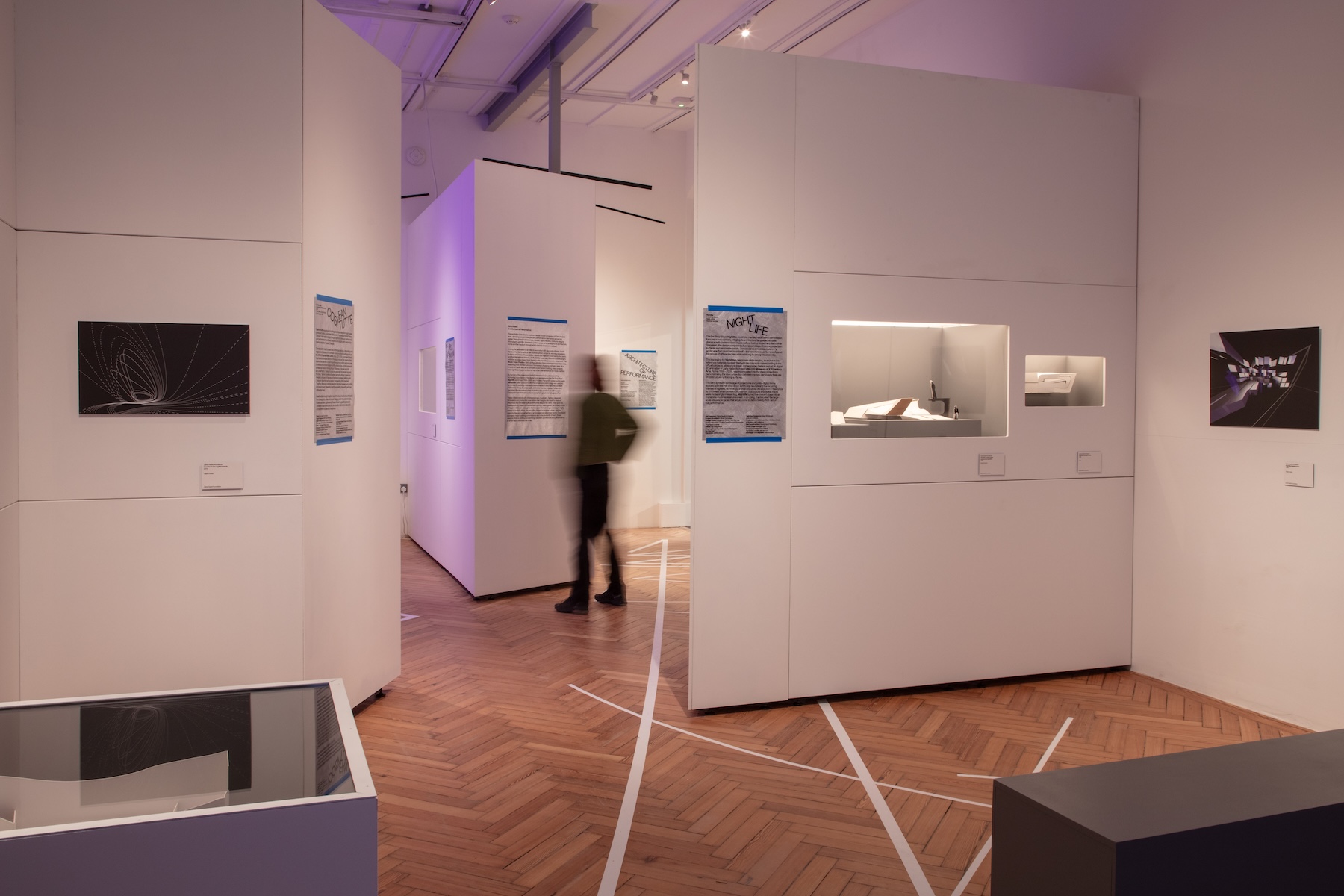
The reopening is accompanied by a programme of exhibitions exploring Hadid’s work beyond conventional architectural practice. Zaha Hadid: Architecture of Performance, curated by Catherine Howe and Libby Sellers, examines her designs for stage productions, dance, opera and popular music. Projects range from her 1989 collaboration with British choreographer Rosemary Butcher to stage environments for the Metapolis Ballet, the Pet Shop Boys’ Nightlife World Tour and a 2014 production of Mozart’s Così fan tutte at the Walt Disney Concert Hall in Los Angeles. Drawings and designs demonstrate how the fragmented geometries of Hadid’s early paintings developed into immersive environments for performance.
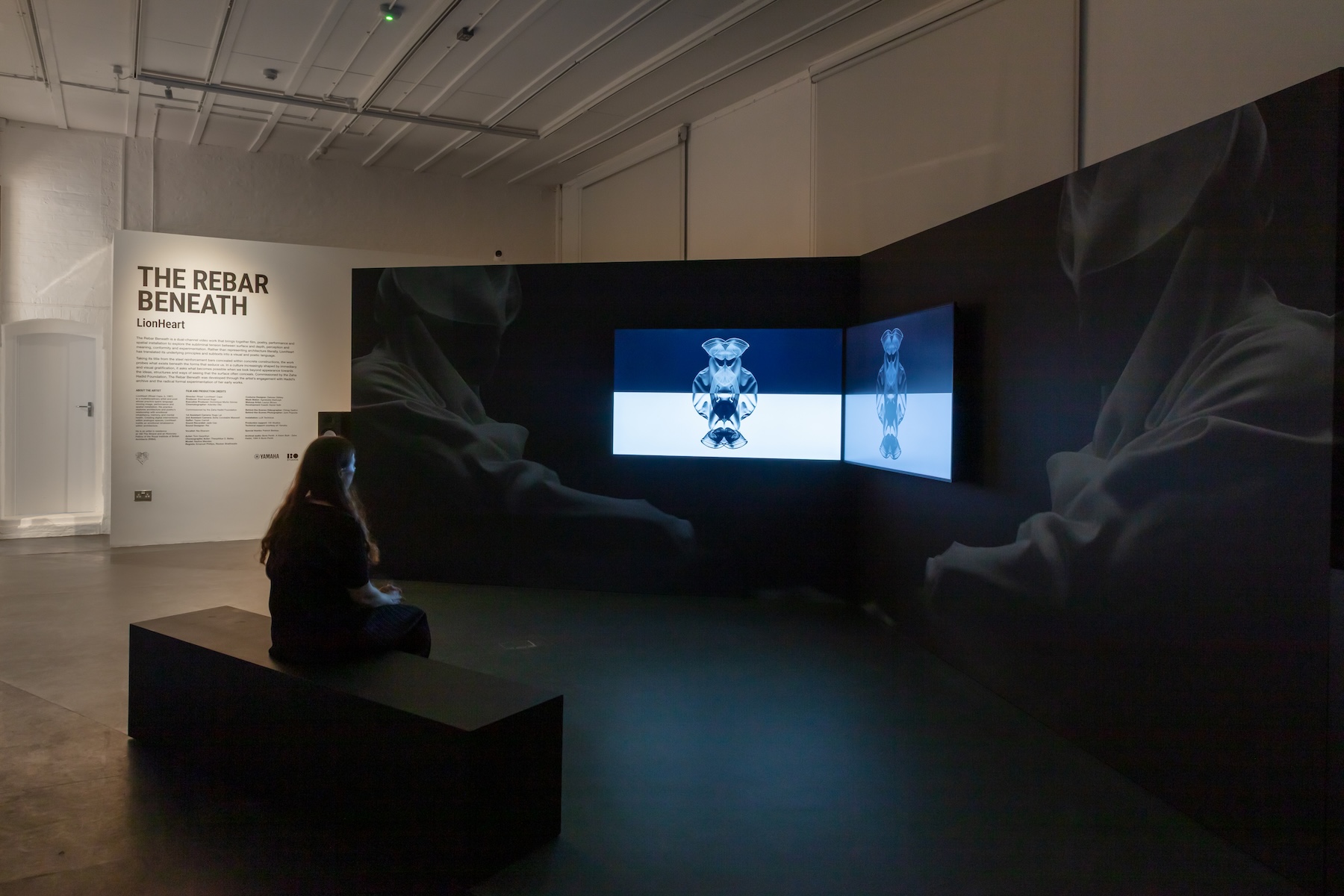
A second gallery houses The Rebar Beneath, a newly commissioned video installation by multidisciplinary artist LionHeart. Developed through research into Hadid’s archive, the 11-minute, dual-channel work combines film, poetry, performance and spatial installation to explore relationships between form, surface and perception. Abstract compositions, layered projections and sculptural studies draw on the spatial language of Hadid’s early drawings and paintings, translating their shifting perspectives and fragmented forms into moving images.
Elsewhere, Pulitzer Prize-winning illustrator Mona Chalabi has created The Completely Exhausting Inexhaustibility of Zaha Hadid, a visual timeline charting the architect’s life and work across architecture, interiors, furniture, fashion and other disciplines. Installed in the foyer, the work is projected onto a textile surface inspired by a multicoloured Issey Miyake coat once worn by Hadid and now held in the Foundation’s collection.
The refurbishment also coincides with a new visual identity by Amsterdam-based Experimental Jetset and a redesigned website by Made by ON. Rather than employing a conventional fixed logo, Experimental Jetset has developed a flexible typographic system that transforms through a distorting grid, drawing on Hadid’s interest in movement, changing perspectives and experimentation.
The opening follows 89 Degrees of Zaha Hadid, a two-day symposium organised by the Foundation in collaboration with the Architectural Association and Serpentine. Held on 30 and 31 October, the latter date marking what would have been Hadid’s 76th birthday, the event brought together more than 40 architects, designers, researchers and former collaborators to examine her contribution to architectural culture. Its title references The World (89 Degrees), a 1983 painting in which Hadid mapped imagined architectural forms across a distorted representation of the Earth.
As well as preserving the architect’s work, the Foundation intends the refurbished building to provide a platform for contemporary architectural debate and emerging creative talent. Its programme of exhibitions, workshops and residencies will draw on Hadid’s archive while supporting new forms of research and experimentation, returning her former studio to public use as a centre for architectural culture.
Credits
Client
Zaha Hadid Foundation
Architect
Studio KA
Visual identity
Experimental Jetset
More pictures