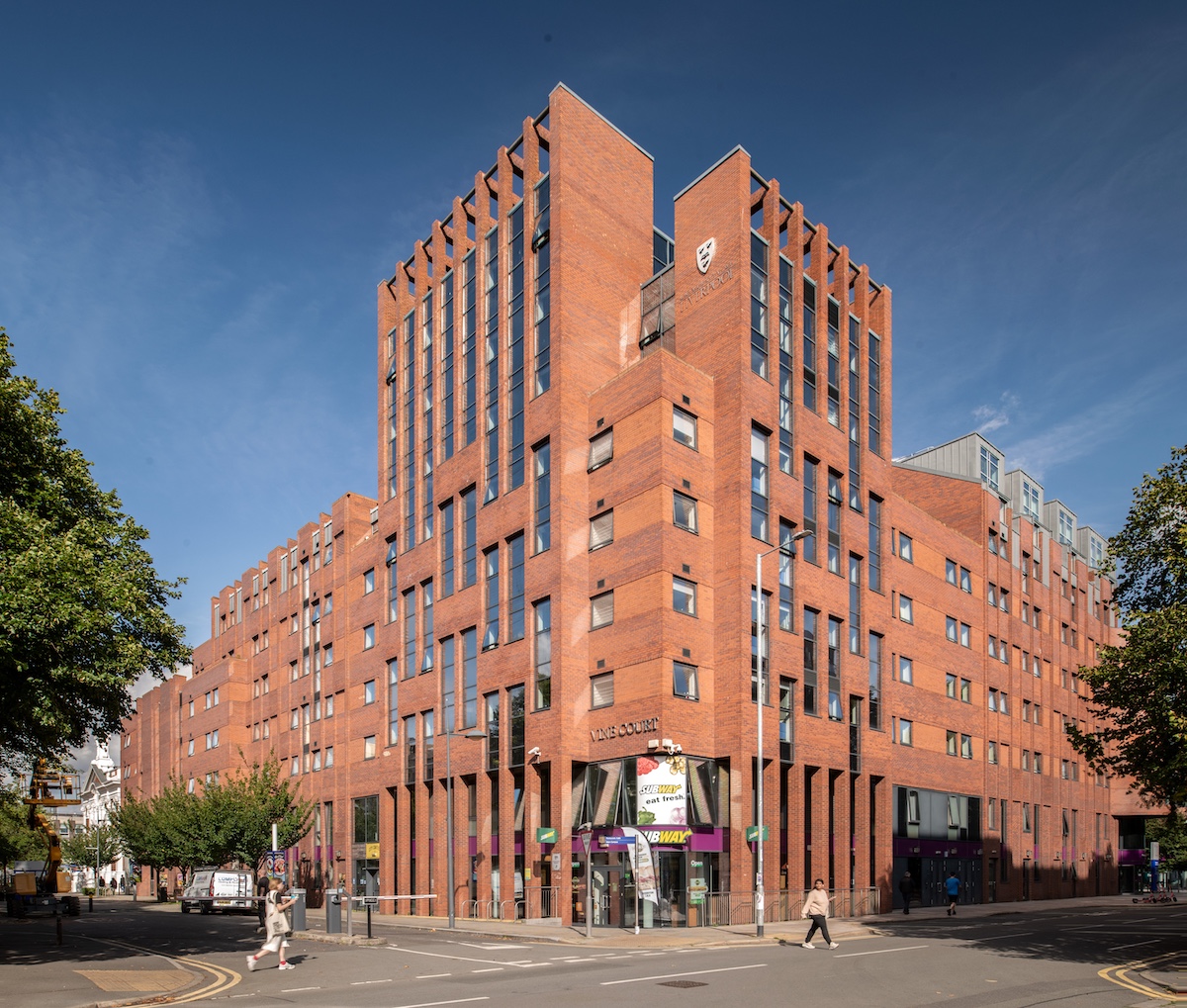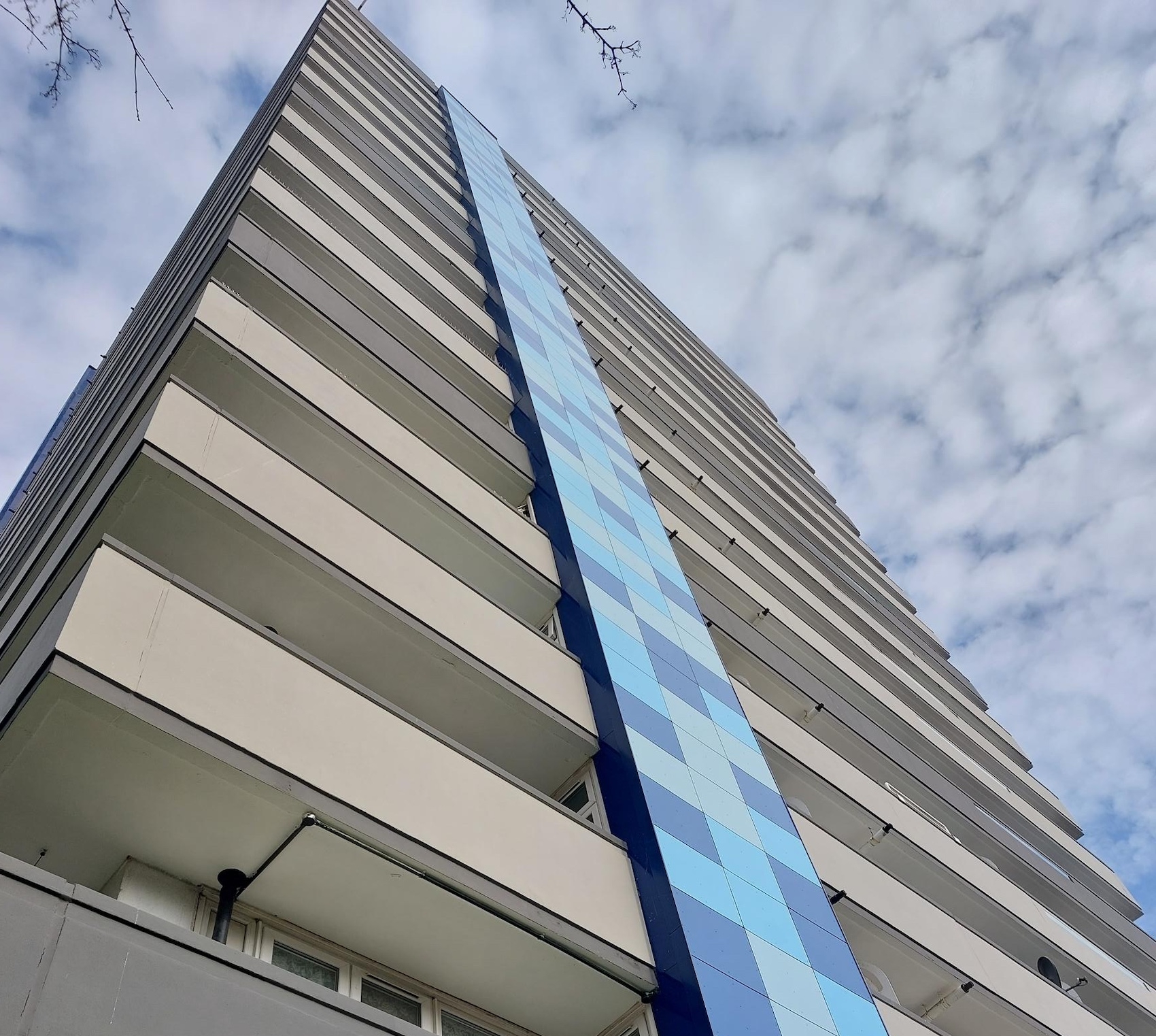
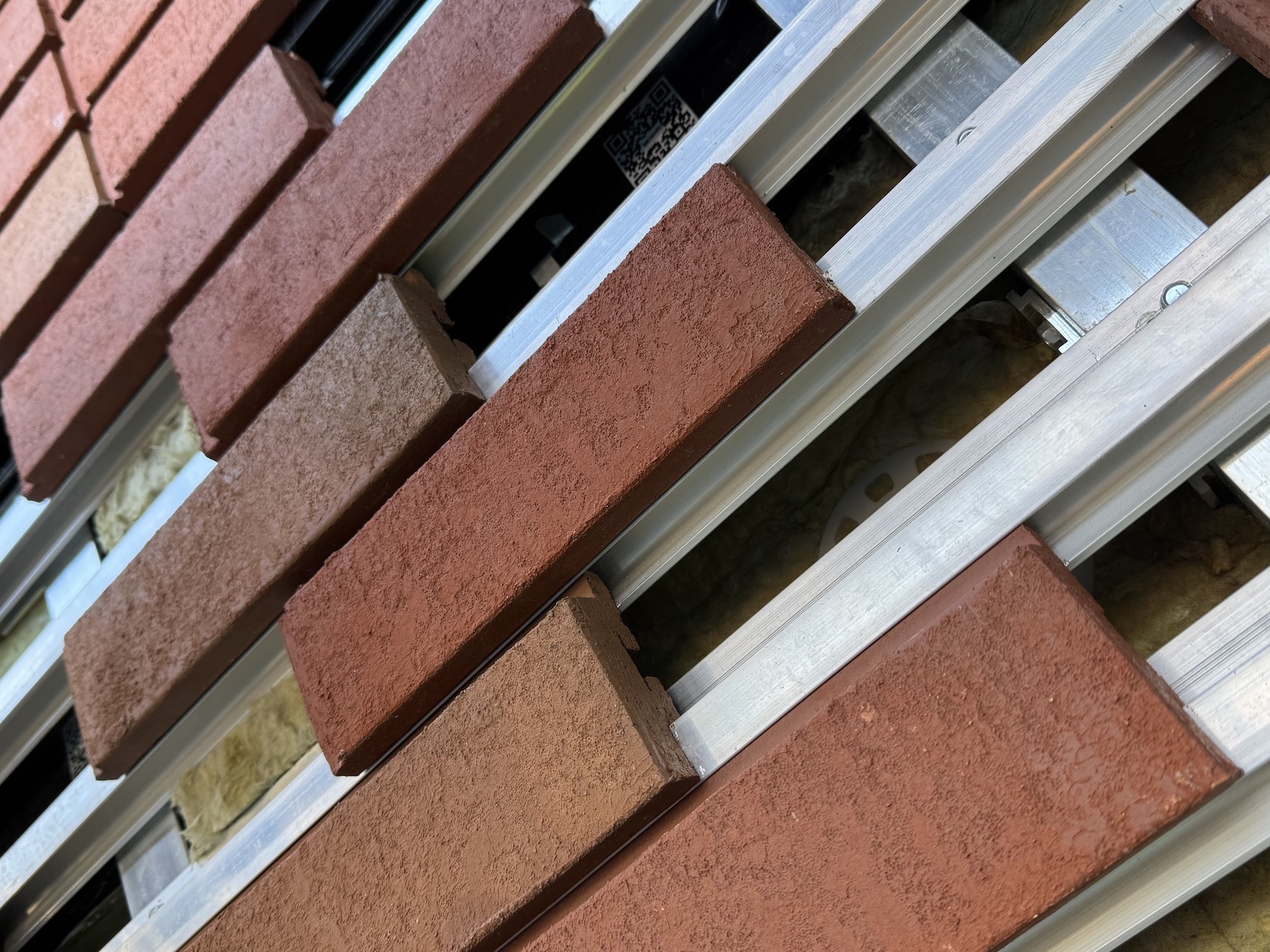
Brickwork faҫades have been a staple part of architectural design for centuries, offering rich colour and texture with outstanding durability. However, with tight project timescales becoming the norm, brick slip systems have emerged as a cost-, time- and space-efficient approach to achieving this timeless aesthetic on all kinds of mid- to high-rise developments. These systems typically comprise slim brick ‘tiles’, which are mechanically secured onto a supporting metal carrier rail as part of a rainscreen faҫade construction. Whilst many feature non-combustible components, the fire resistance of the complete assembly requires careful consideration to ensure regulatory compliance and reliable performance.
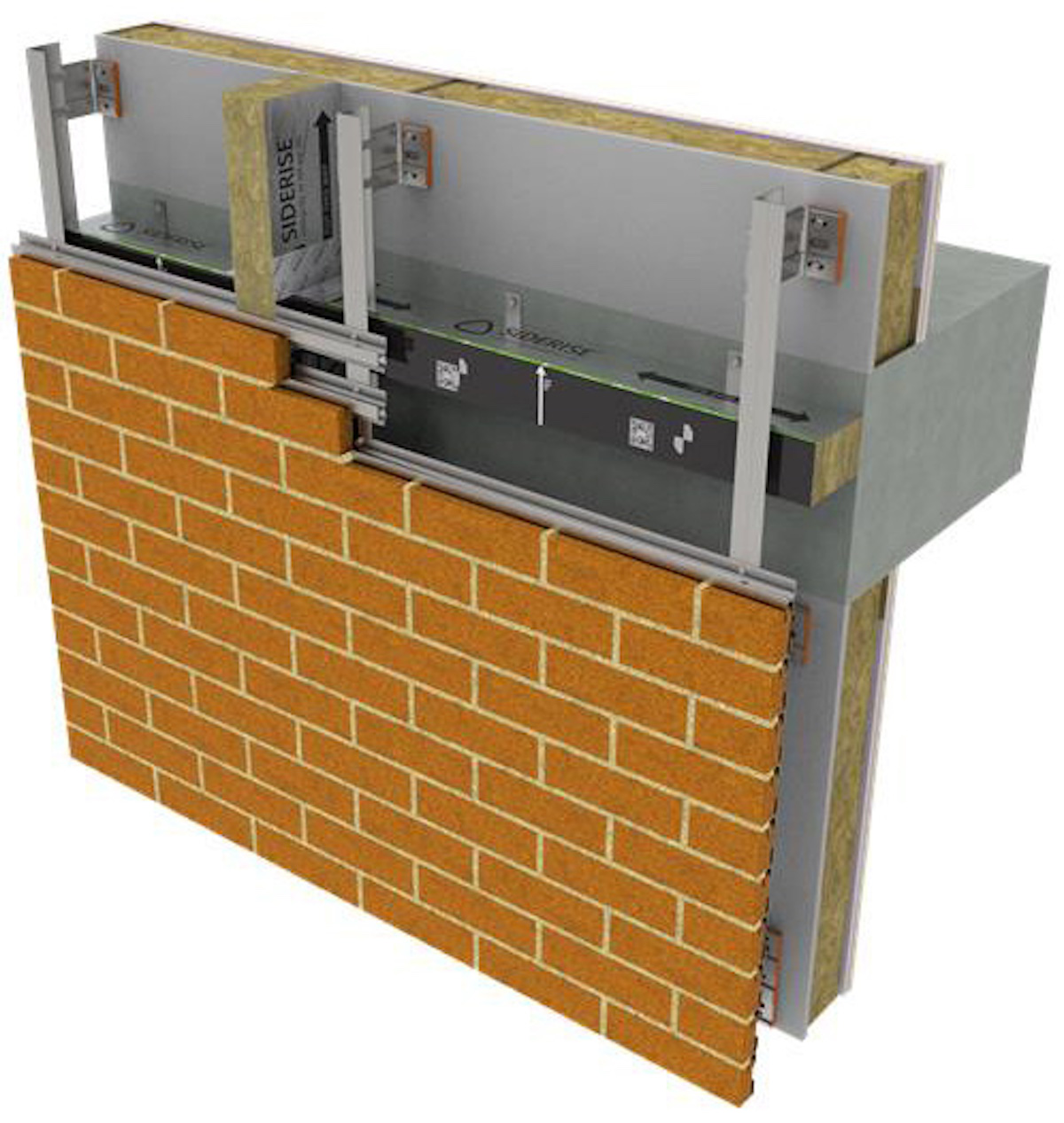
Brick slip systems can differ widely in design, currently making it difficult for a standardised approach to compartmentation. For example, some systems use a ‘clip in’ rail fix and others a ‘dovetail’ fix, which present interfacing complexities. There is also the added challenge of the irregular cavity sizes within the void created by the profile of the brick tiles and the rail system. In the past, the solution has been to extensively notch and scribe full fill cavity fire barriers onsite to match the system’s inner profile. However, this approach is time-consuming, inconsistent, and often lacks supporting fire test evidence.
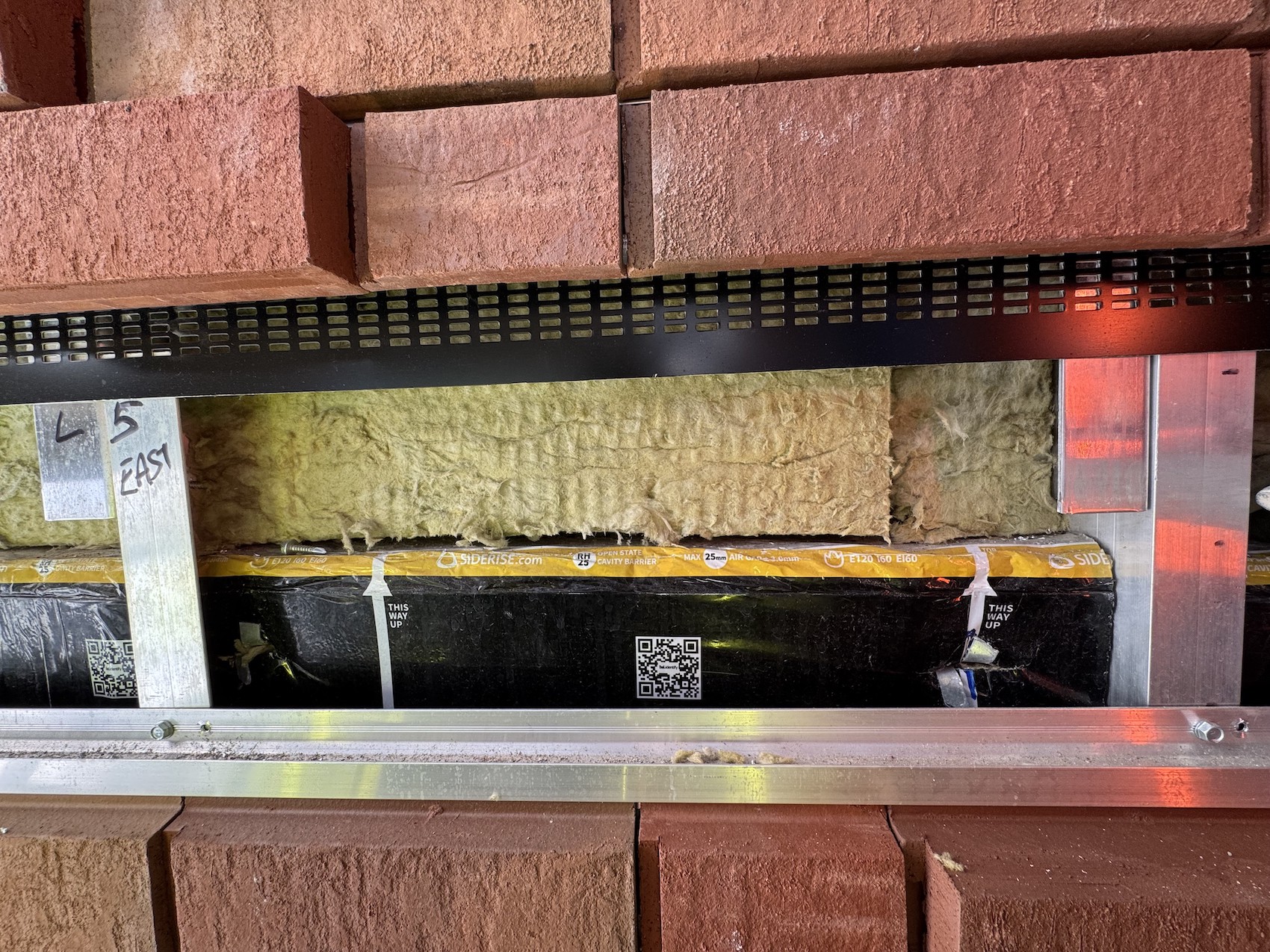
To support architects and specifiers looking to capitalise on the benefits of brick slip, Siderise has created a passive fire protection ‘product and service’ package that focuses specifically on the cavity fire barrier requirements of mechanically fixed ventilated brick slip cladding systems.
The Siderise RH & RV Brick Slip Cavity Barrier System is an innovation of the long-established Siderise RH & RV Rainscreen Cavity Barrier System to suit the specific design features and intricacies of different brick slip façade manufacturers’ solutions. Siderise technical services can collaborate with the brick slip façade manufacturer and project team to ensure compatibility with any chosen system, from reviewing designs and configurations and recommending relevant adaptations to giving guidance on detailing around interfacing components and conducting bespoke fire testing at its UKAS-accredited Innovation Centre in South Wales.
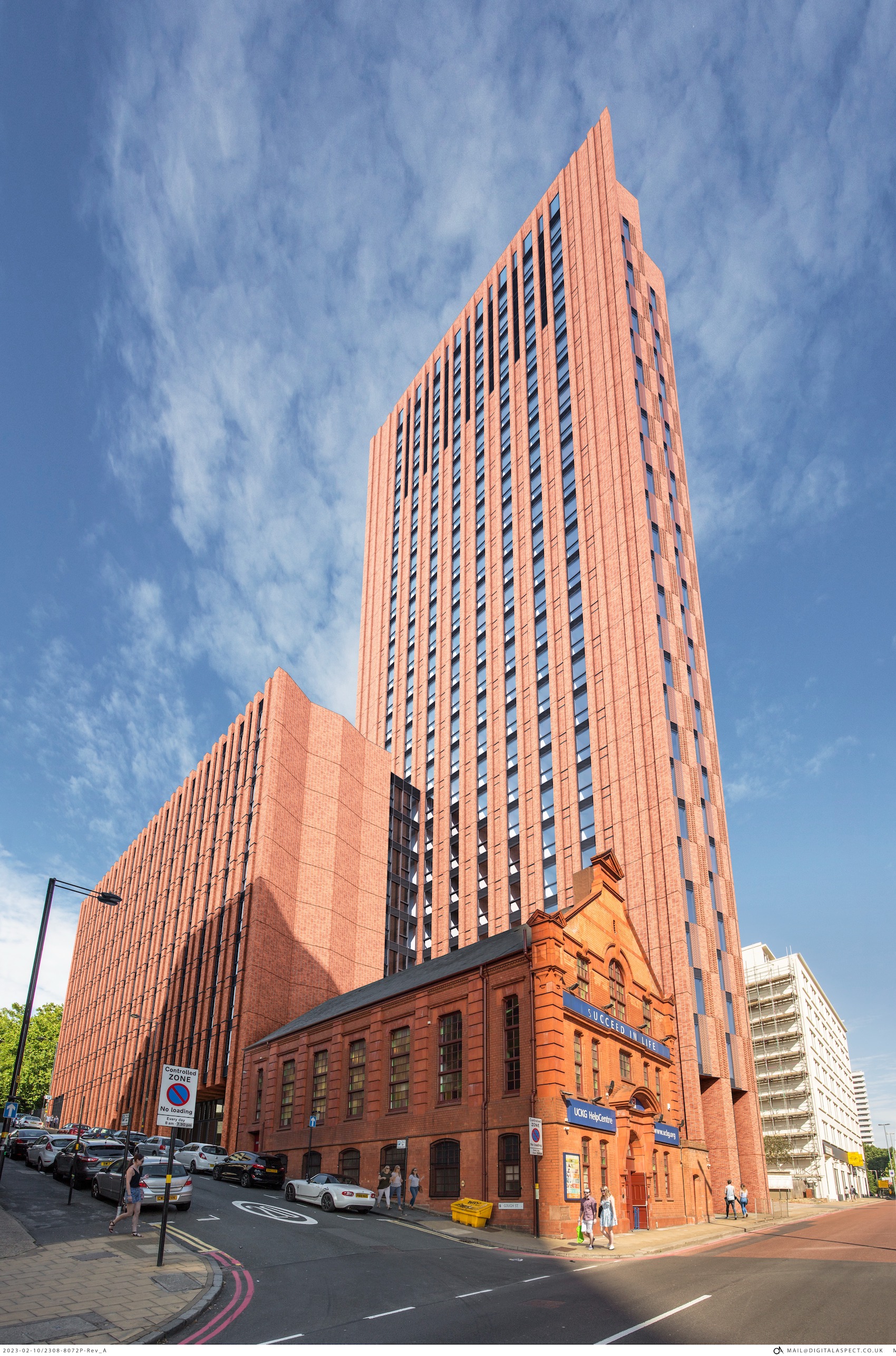
The effectiveness of the testing approach has been demonstrated via recent collaborations with Shackerley for their BrickClad System and Ash & Lacy for their NaturAL X Brick Cladding System. The latter was installed on the 10- and 29-storey VITA student accommodation development on Gough Street in Birmingham. For this project, Siderise undertook a programme of project-specific testing to several relevant standards using a representative build up. The Siderise passive fire protection system achieved an impressive E 120 and I 60 fire resistance rating, which achieved the exacting specification demands.
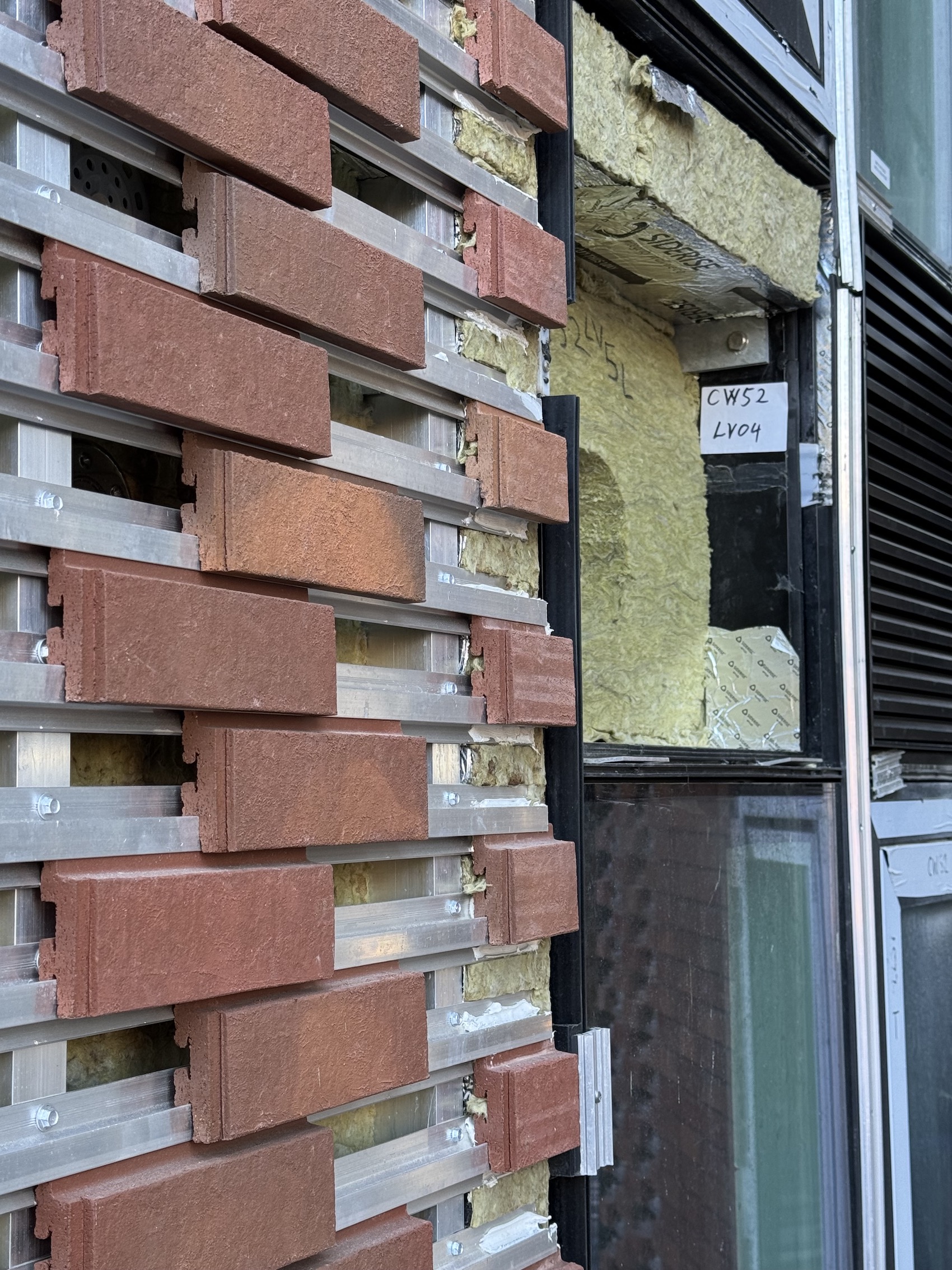
Beyond compliance, Siderise cavity barriers deliver unique specification and installation benefits. Thanks to their Lamella core, full-fill vertical barriers can be installed under increased compression—eliminating the need for intermittent intumescent strips between rails. This reduces material costs and accelerates installation, enhancing the efficiency advantages of brick slip systems.
For more information, visit siderise.com or contact the Siderise technical team to discuss your project requirements.