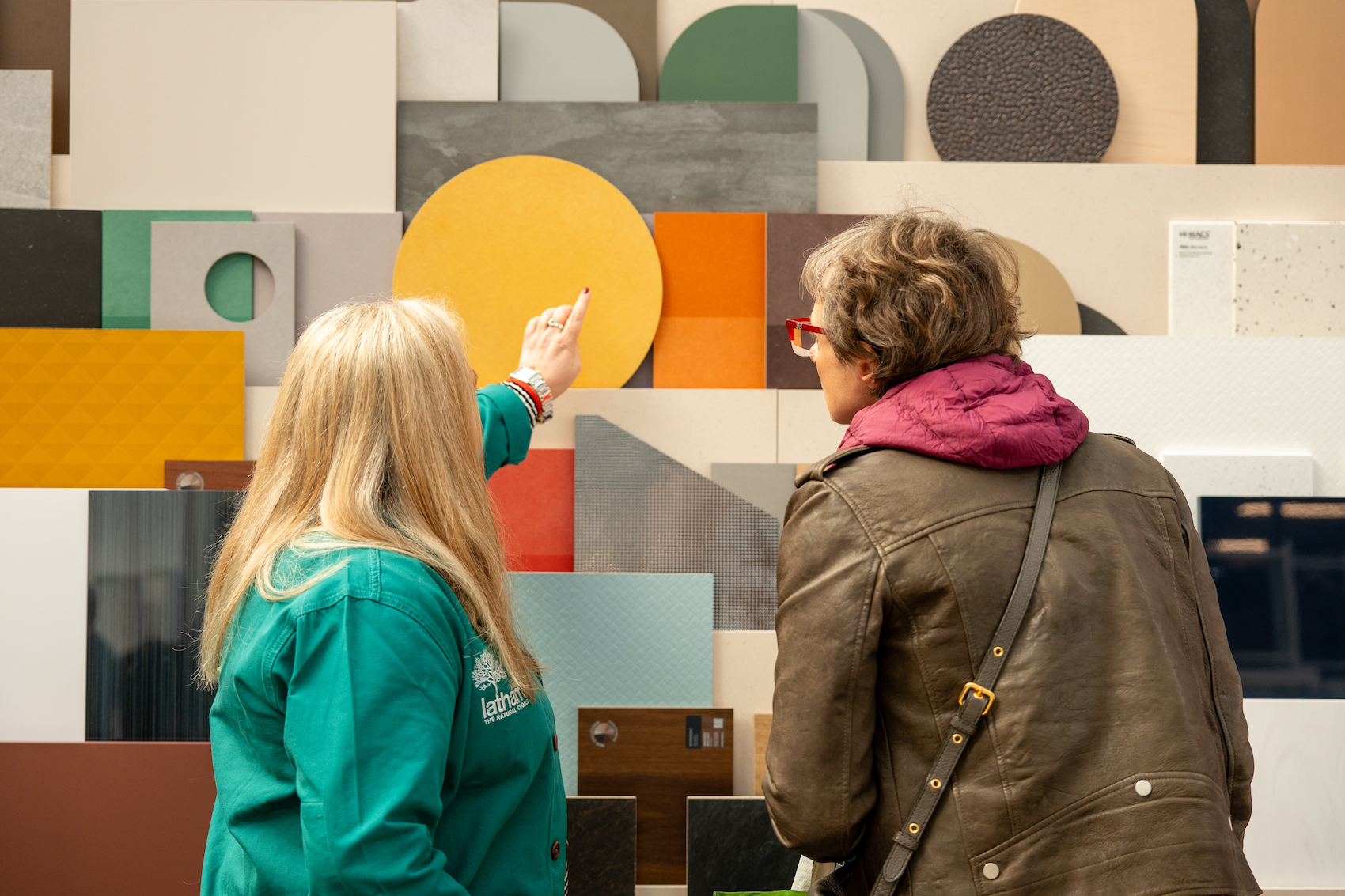
Justin Hayward, Timber Development Manager at James Latham, speaks to Architecture Today’s John Ramshaw about the WoodEx® engineered timber range, exploring its construction, performance and diverse applications across architectural projects.
In association with
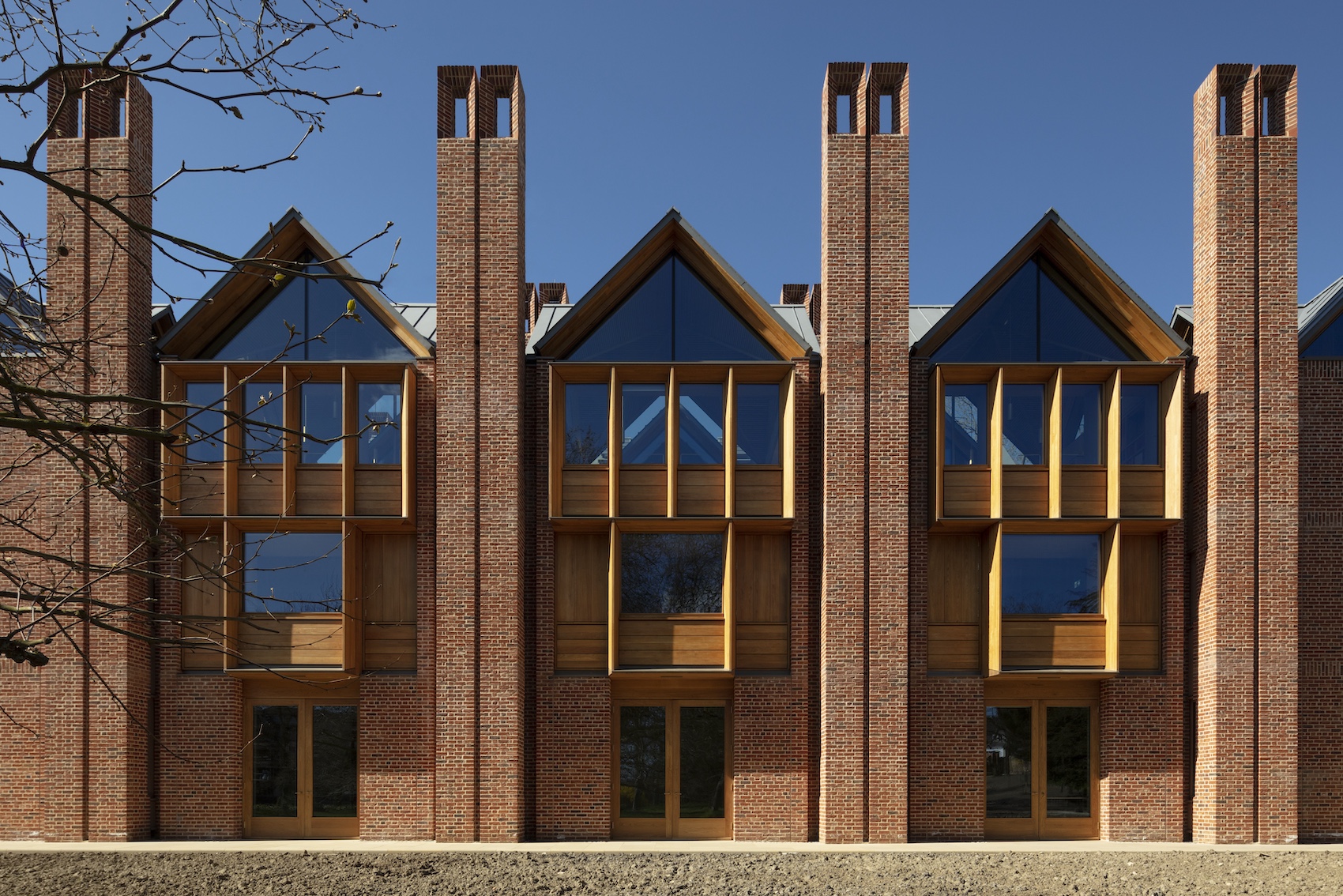
WoodEx exterior windows by Piper Joinery at Magdalene College, Cambridge (photo: Nick Kane).
Engineered timber is increasingly being specified as a way of achieving the aesthetic and environmental benefits of solid wood, while overcoming challenges around movement, stability and material efficiency. James Latham’s WoodEx range brings together a series of engineered timber solutions, from door frames and curtain walling components to stair elements and solid panels, aimed at delivering consistent performance across a wide range of applications.
So how is WoodEx manufactured? What products sit within the range, and where are they best used? What are the main performance benefits? And what should architects consider when specifying, detailing and installing engineered timber systems? These questions and more are explored by Justin Hayward, Timber Development Manager at James Latham, in conversation with Architecture Today’s Technical Editor John Ramshaw.
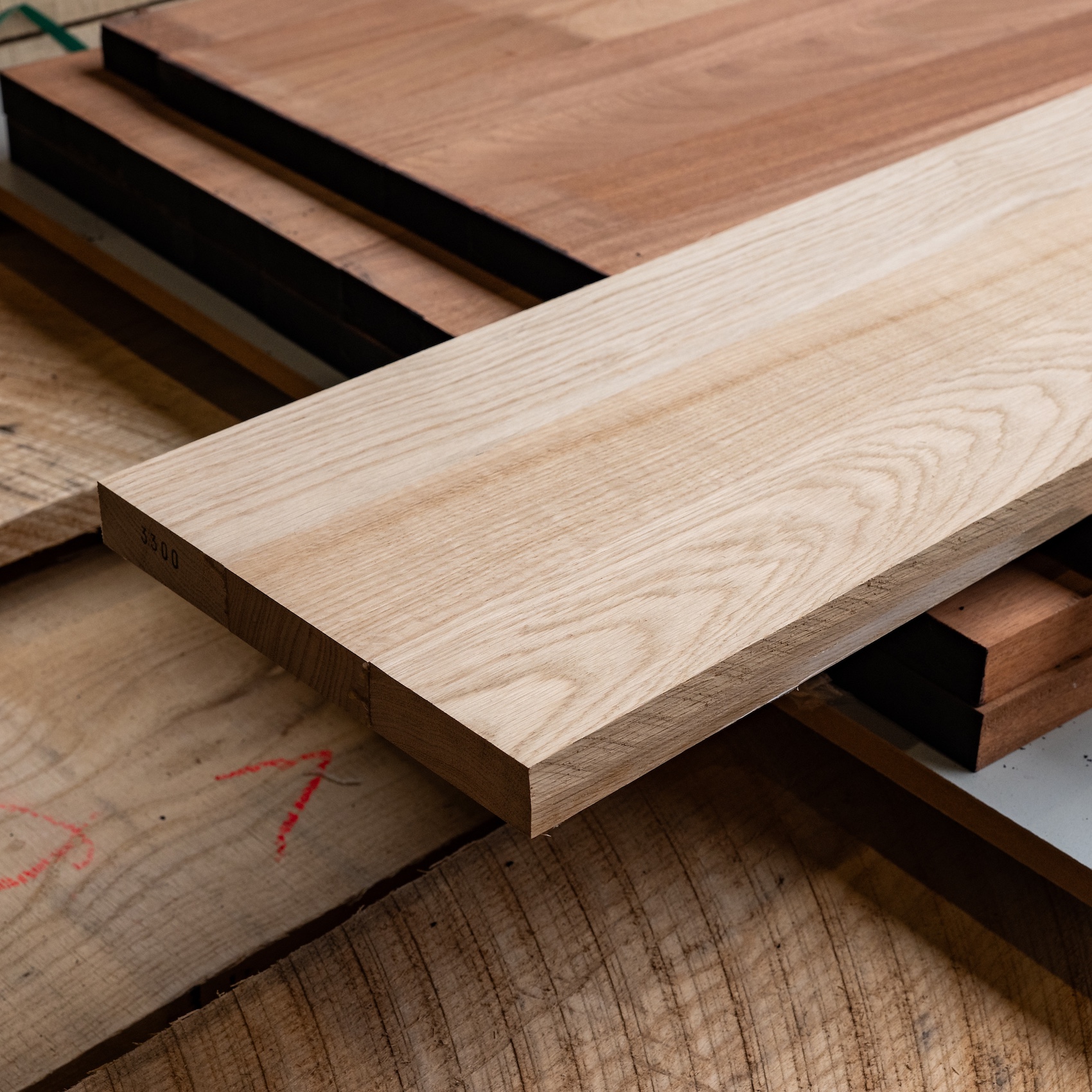
WoodEx engineered timber sheet (photo: James Latham).
What is the WoodEx range, and how does it differ from traditional solid timber products?
WoodEx is a range of engineered timber components designed around a specific end use. Traditional timber is essentially a raw material that can be cut and adapted for many different purposes, whereas WoodEx products are manufactured as purpose-designed components for applications such as windows, doors, staircases, curtain walling and joinery. In that sense, they are more like building blocks engineered for a defined role within a project.
How is WoodEx manufactured, and what engineering principles underpin its performance?
WoodEx is made by bonding together selected timber components to form a single engineered section. The laminating process dramatically improves recovery rates in the sawmill because manufacturers can use smaller and thinner timber sections more efficiently, rather than relying on large solid pieces.
The engineering principles behind the system focus on stability, consistency and strength. By laminating multiple sections together, natural defects such as knots, distortion and irregular grain, can be removed or distributed more effectively. The result is a product with minimal bowing or warping and a far more predictable performance in service.
The type of glue and construction method used depends on the intended application. Standard joinery applications require high-performance bonding systems, while structural products, such as curtain walling and glulam components, use specialist structural adhesives, including urea formaldehyde and PU systems, designed to deliver exceptional long-term strength and moisture resistance.
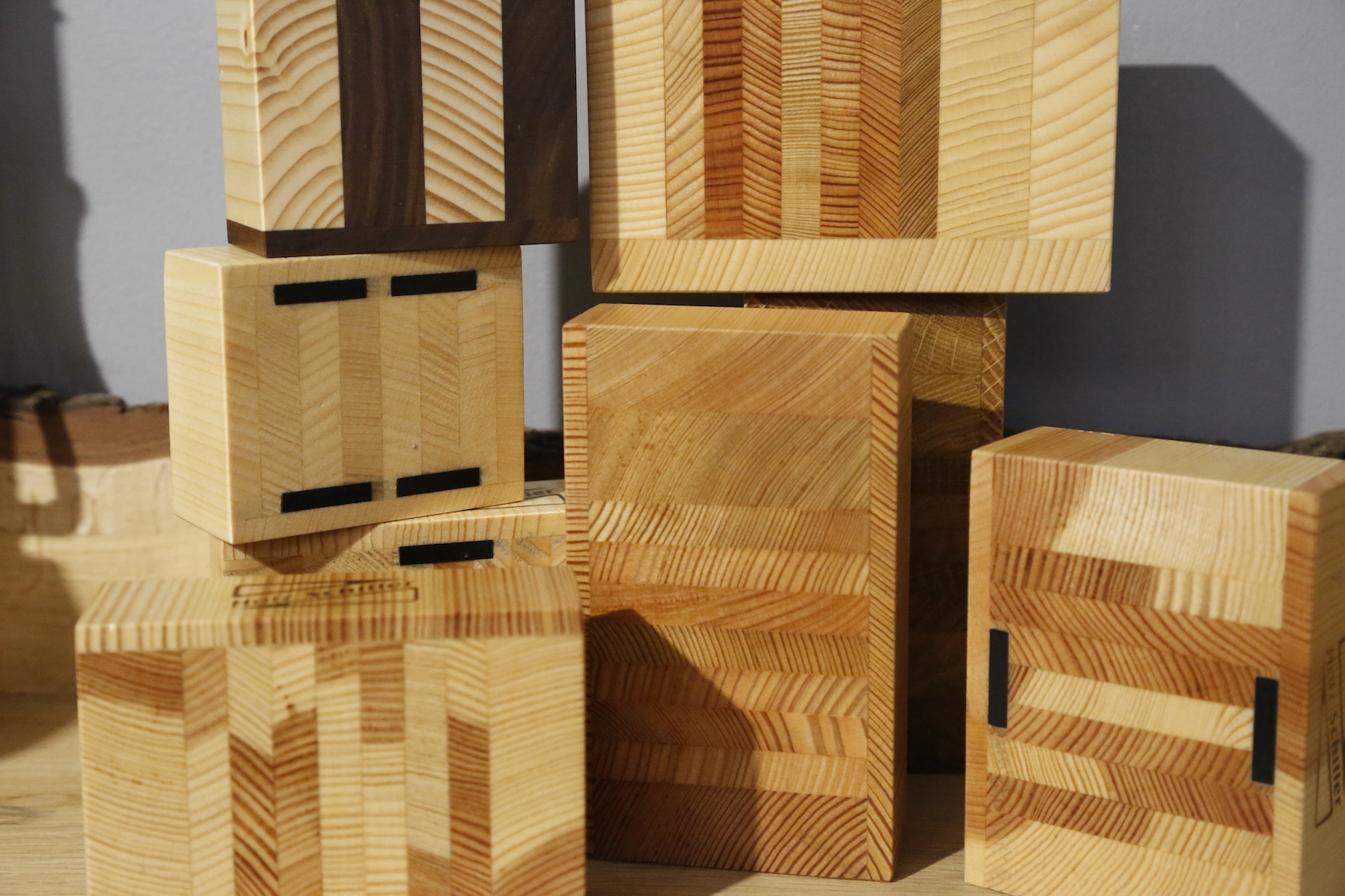
Anti-Bend WoodEx with strengthening bars for large spans (photo: James Latham).
Can you outline the different product types within the WoodEx range?
The WoodEx range covers a broad spectrum of engineered timber solutions for both internal and external joinery. Hardwood and softwood WoodEx form the foundation of the range, with options tailored to different performance and aesthetic requirements. Hardwood variants are typically specified where durability, appearance and longevity are important, while softwoods offer a more cost-effective solution for painted or concealed applications.
One of the key specialist products is Anti-bend WoodEx, developed specifically for large doors and pivot systems where stability is critical. Cross-layered ‘sandwich’ construction significantly reduces the risk of twisting or warping in tall or oversized joinery elements.
The WoodEx range includes glulam and curtain walling components for structural applications. These products can be manufactured in long spans and large sections, allowing them to be used in conservatories, glazed roof systems and feature timber structures.
Another key product is Gesso WoodEx, a fully primed engineered timber system for staircases and mouldings. Manufactured from engineered pine with a factory-applied finish, the system is designed to reduce on-site labour and speed up installation. WoodEx solid timber sheets and sandwich panels are also available, combining engineered timber faces with insulated cores for applications such as doors and larger joinery panels.
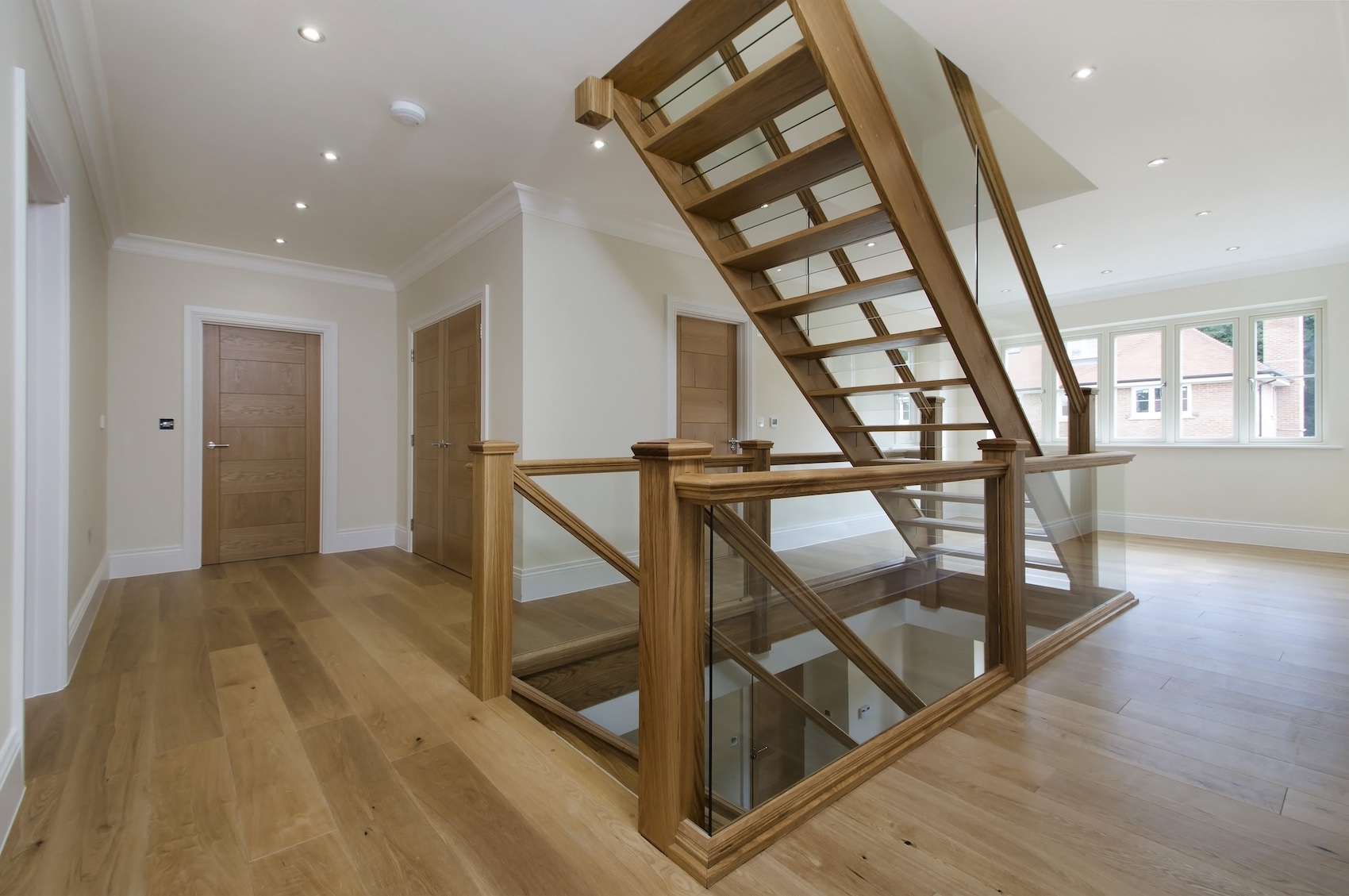
Staircase in oak WoodEx (photo: www.multiturn.co.uk).
What timber species are available across the range, and how should specifiers select between them?
WoodEx is available in a wide range of hardwood and softwood species, including Sapele, Red Grandis, European Oak, American White Oak, American Red Oak, Spruce, European Redwood and Accoya. The choice of species depends primarily on the intended application. External joinery projects often favour highly durable or modified timbers, such as Accoya, which combines excellent dimensional stability with strong environmental credentials. Hardwood options, such as Sapele and Oak, are frequently selected for decorative or exposed applications because of their appearance and natural durability. Softwoods tend to be used where cost efficiency is more important or where products will be painted.
What are the key performance benefits of using WoodEx in architectural applications?
The engineered nature of WoodEx means that it is far less prone to movement, twisting or warping than traditional solid timber. This is particularly important in doors, windows and large joinery applications where movement can lead to operational failures. The engineering process also creates greater consistency in appearance and performance by removing defects and reducing natural variation within the timber.
For structural applications, products such as glulam and curtain walling systems provide significant strength advantages and can achieve long spans of up to 12 metres. Another important benefit is efficiency. Modern joinery manufacturers increasingly rely on automated production systems and CNC machinery, and engineered timber products are much better suited to these workflows than traditional sawn timber. Pre-finished and pre-machined WoodEx products also reduce labour requirements on site and minimise remedial work after installation.
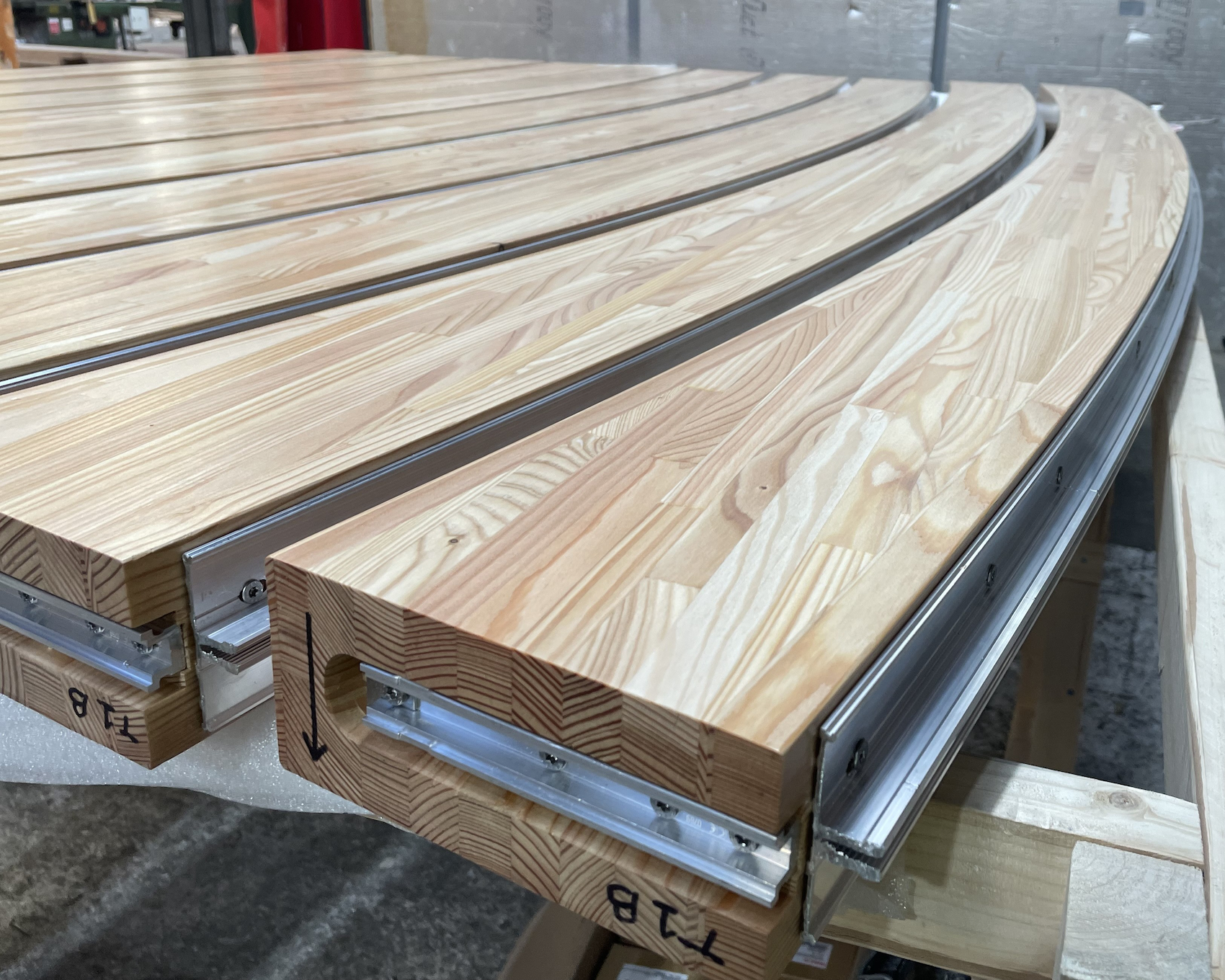
WoodEx curtain wall components (photo: Latham Timber Manufacturing).
What are the most common applications for WoodEx, and where are you seeing growing demand?
Joinery remains the largest market for WoodEx, particularly windows, doors and staircases. Door frames and linings are currently seeing particularly strong demand, partly driven by fire safety requirements and replacement programmes following Grenfell-related regulatory changes. The staircase sector is another major growth area, especially for Gesso products that arrive fully primed and ready for installation. This reflects wider labour shortages across the construction industry, with manufacturers and contractors looking for products that reduce on-site finishing and installation time.
What finishes and coatings are compatible with WoodEx, and how do these influence durability and appearance?
WoodEx products are compatible with standard timber finishing systems, including paints, stains and varnishes. Major coating manufacturers fully support engineered timber applications, and the finishing process is very similar to traditional joinery timber.
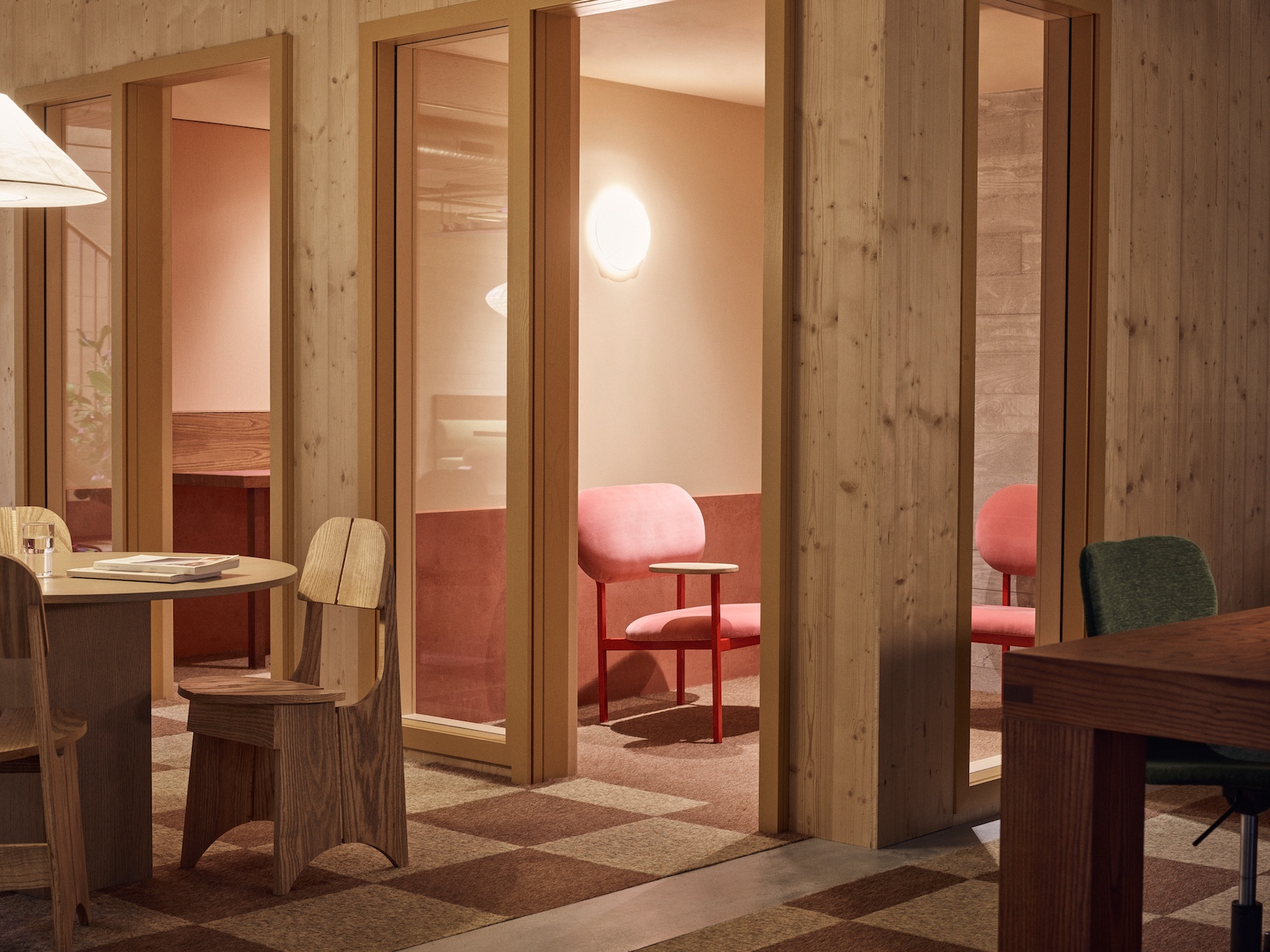
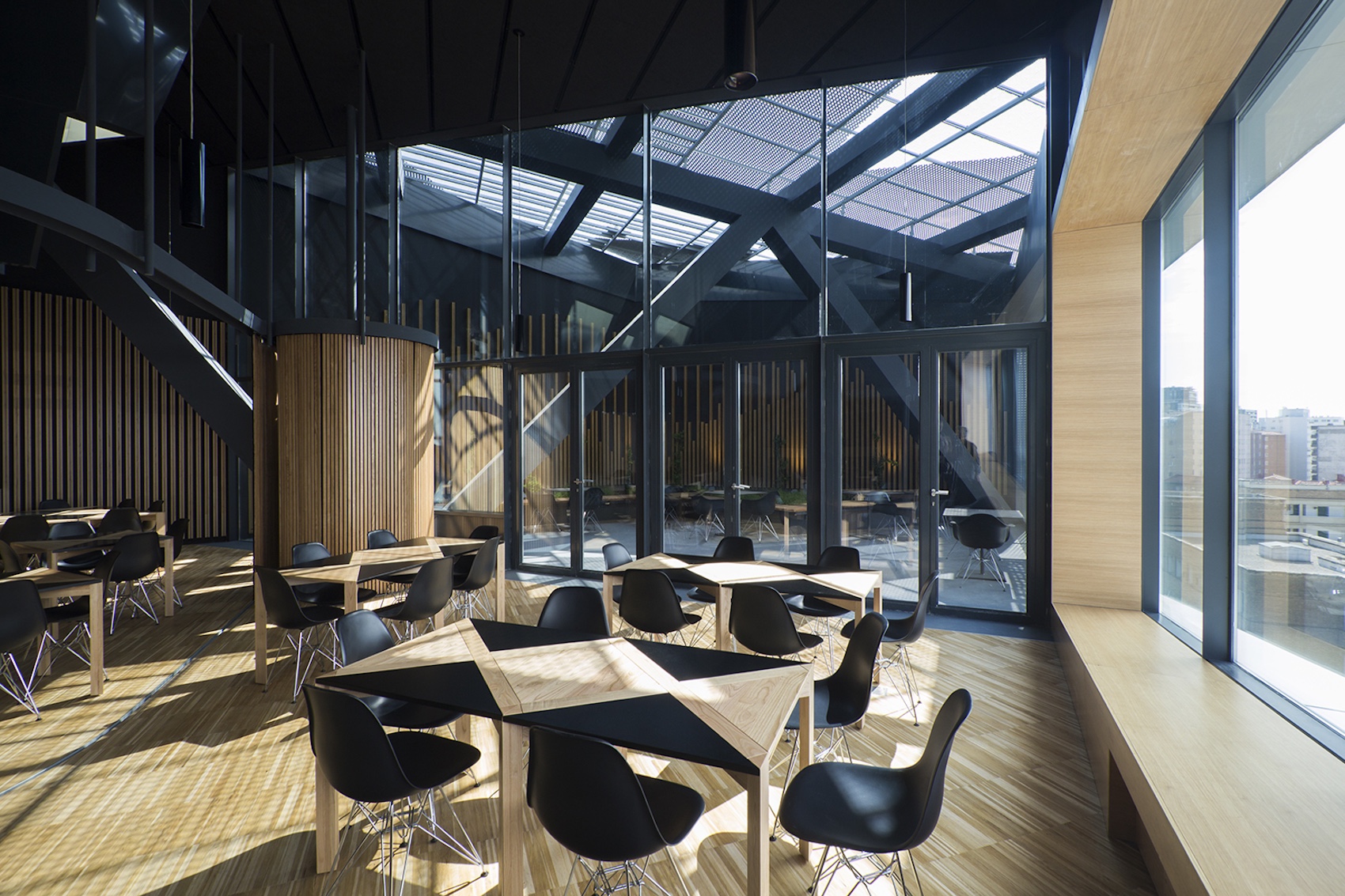
WoodEx curtain walling at The Black & White Building in London (photo Jake Curtis).
How does WoodEx compare to solid timber in terms of cost, both upfront and over the lifecycle of a project?
Upfront costs for WoodEx are generally higher than traditional solid timber because of the additional engineering, adhesives, testing and manufacturing involved. However, the long-term value proposition is very different. The main savings come through reduced waste, fewer defects, improved manufacturing efficiency and lower remedial costs after installation. The inherent stability of WoodEx means that manufacturers are much less likely to experience problems, such as warped doors or twisted frames, that require expensive return visits or replacements.
What environmental and sustainability credentials does the WoodEx range offer?
All WoodEx products are supplied with FSC® or PEFC™ certification, ensuring timber comes from responsibly managed sources. The range also benefits from improved material efficiency because engineered construction allows manufacturers to achieve much higher recovery rates from each log. The glues used within the range are also moving increasingly towards formaldehyde-free systems in response to environmental and indoor air quality requirements. James Latham carries out regular environmental audits of its supply partners worldwide, independently reviewing sourcing, production methods and environmental claims to ensure compliance with company standards.
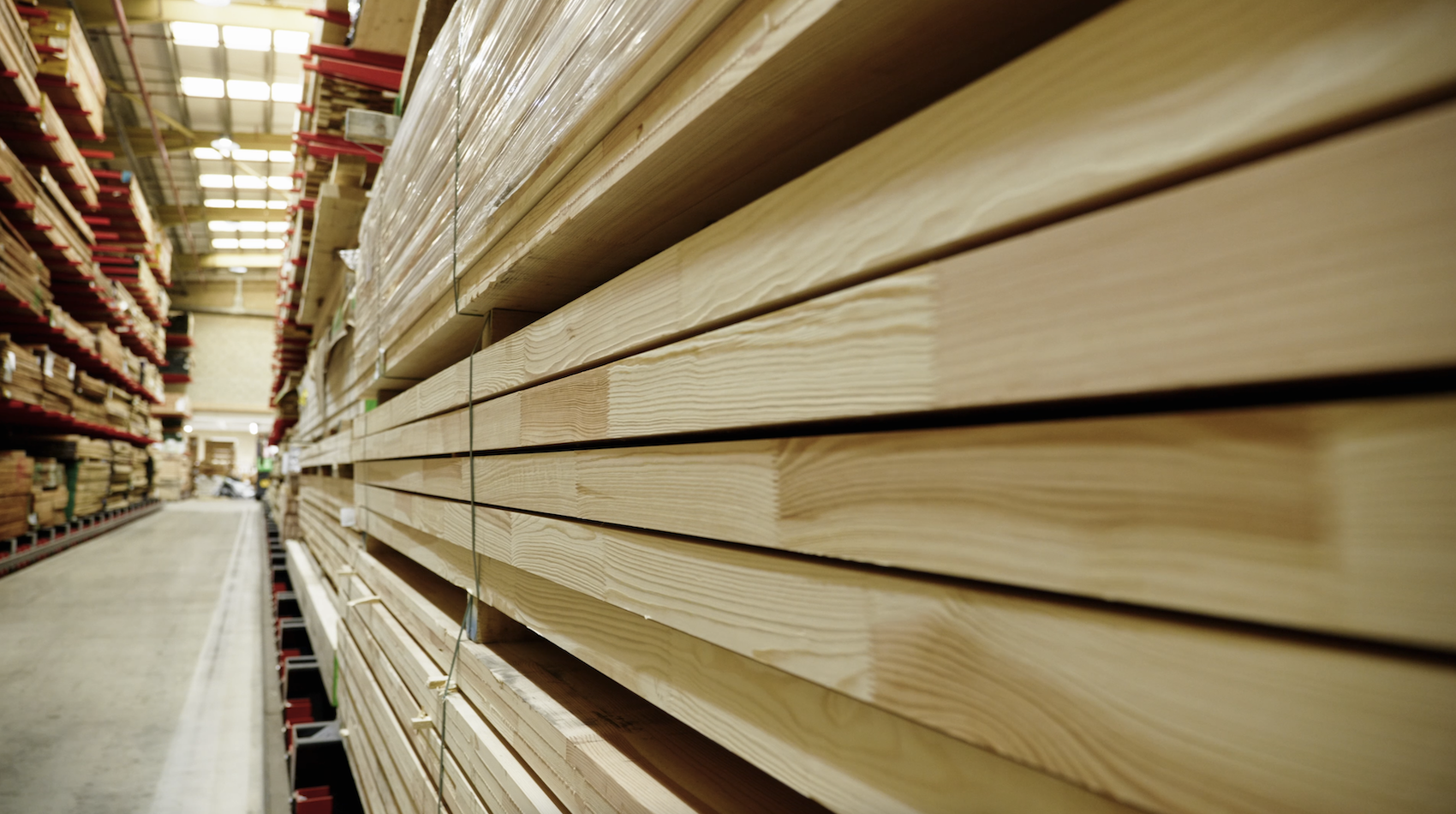
Finger-jointed WoodEx in James Latham warehouse (photo: James Latham).
What warranties or assurances are available, and what technical support does James Latham provide to architects specifying WoodEx?
WoodEx suppliers operate within rigorous certification and testing frameworks, including independent third-party assessment systems that govern glue performance, timber moisture content and manufacturing quality control. Alongside these assurances, James Latham provides extensive technical support based on long-term experience within engineered timber and joinery applications. Architects and specifiers can access guidance on species selection, end-use suitability, fire performance, structural applications and finishing systems, helping ensure the most appropriate WoodEx solution is selected for each project.
Contact Details
To find out more about James Latham’s WoodEx range, please email or visit the website.