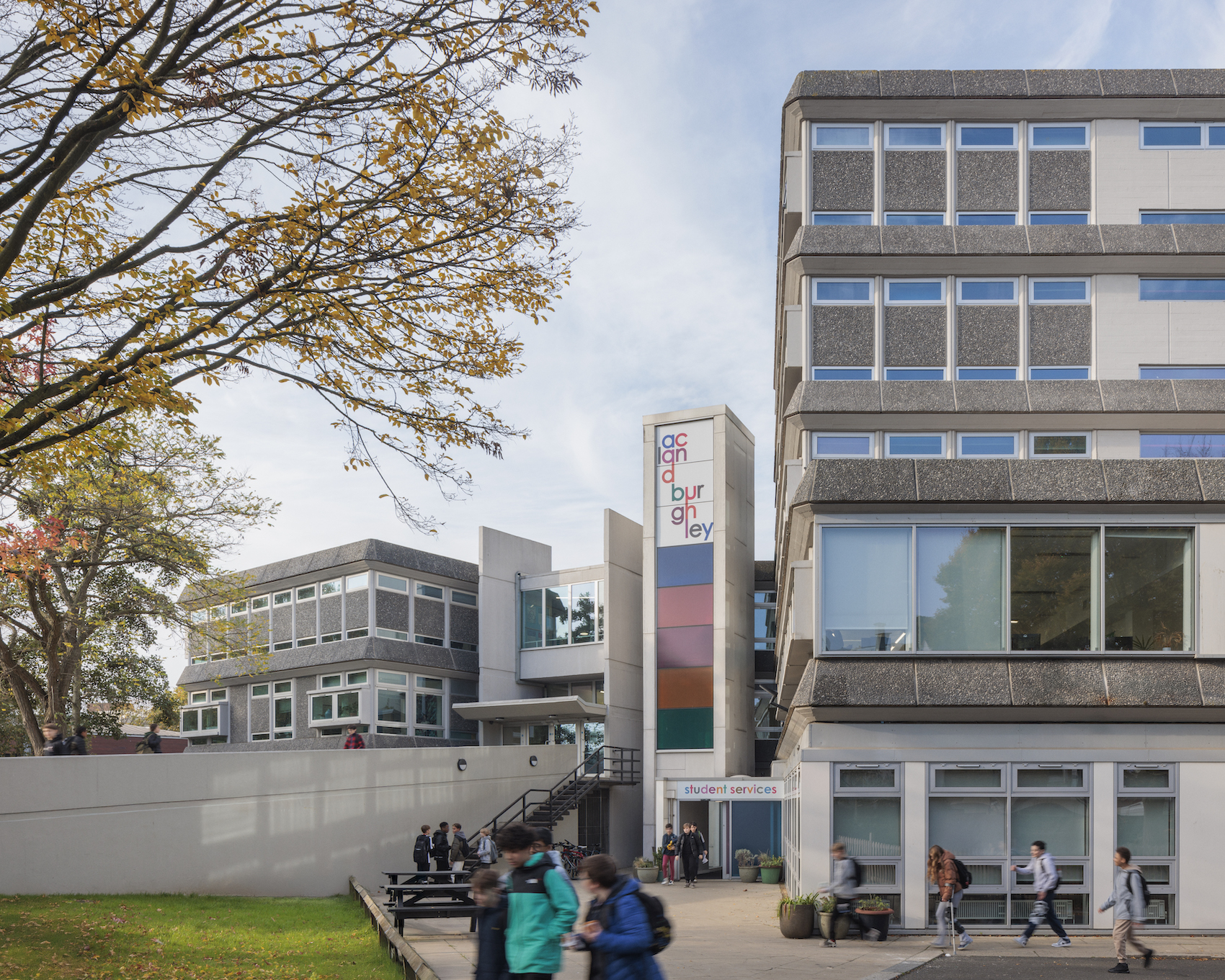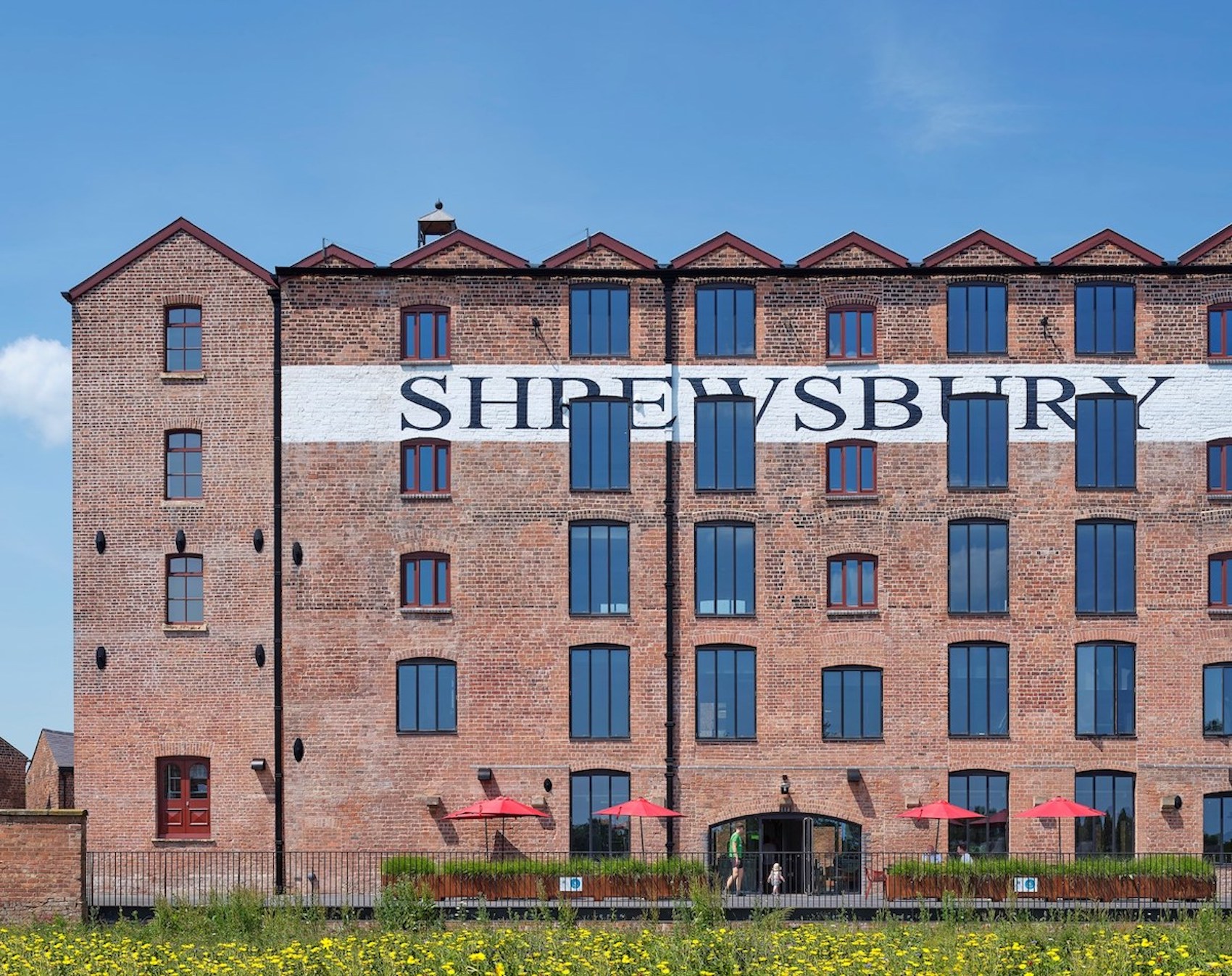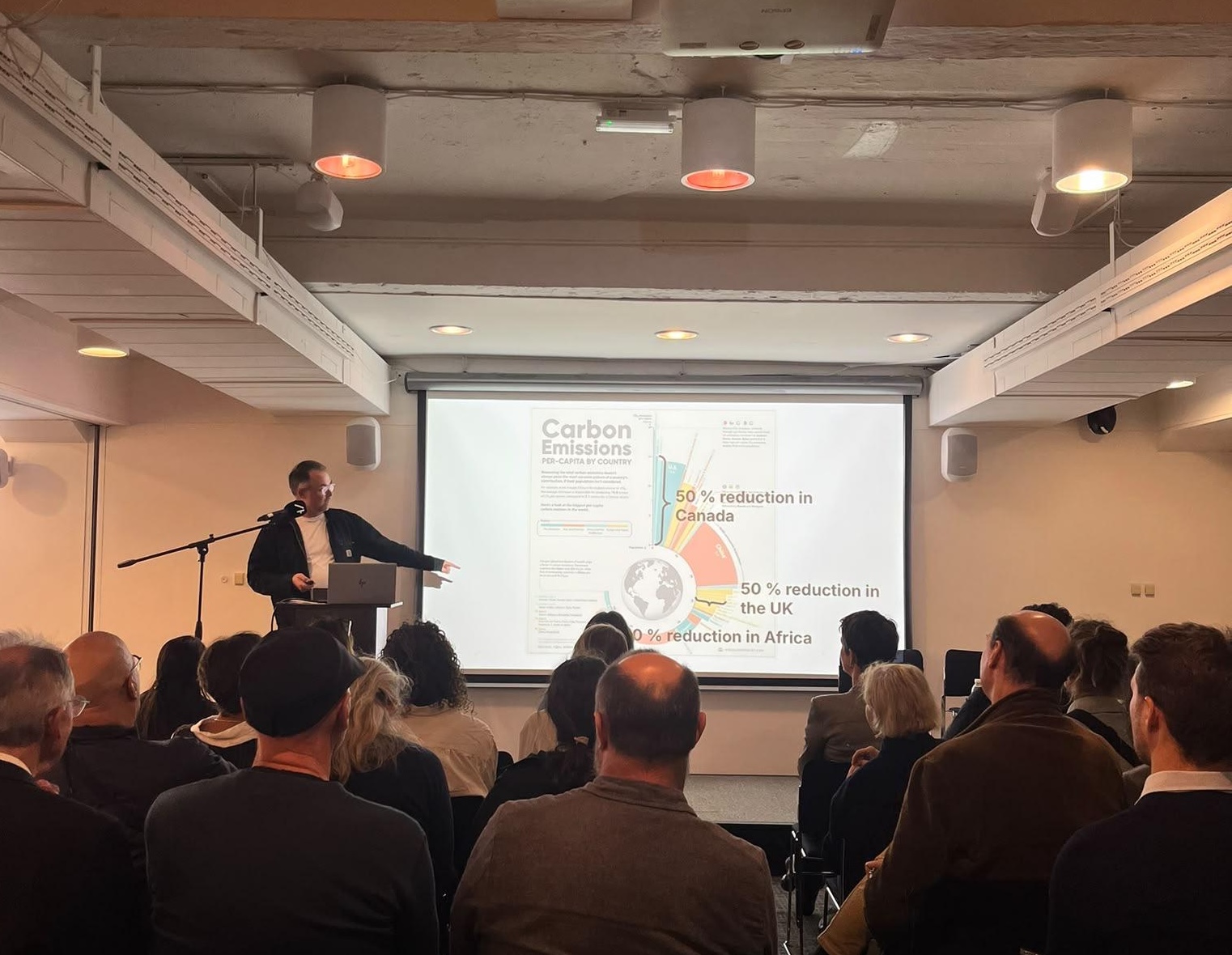
Those leading housing, planning, architecture, placemaking, and local government across Ireland, sit down to discuss the disconnect between major infrastructure projects, housing delivery, and holistic placemaking in Ireland.
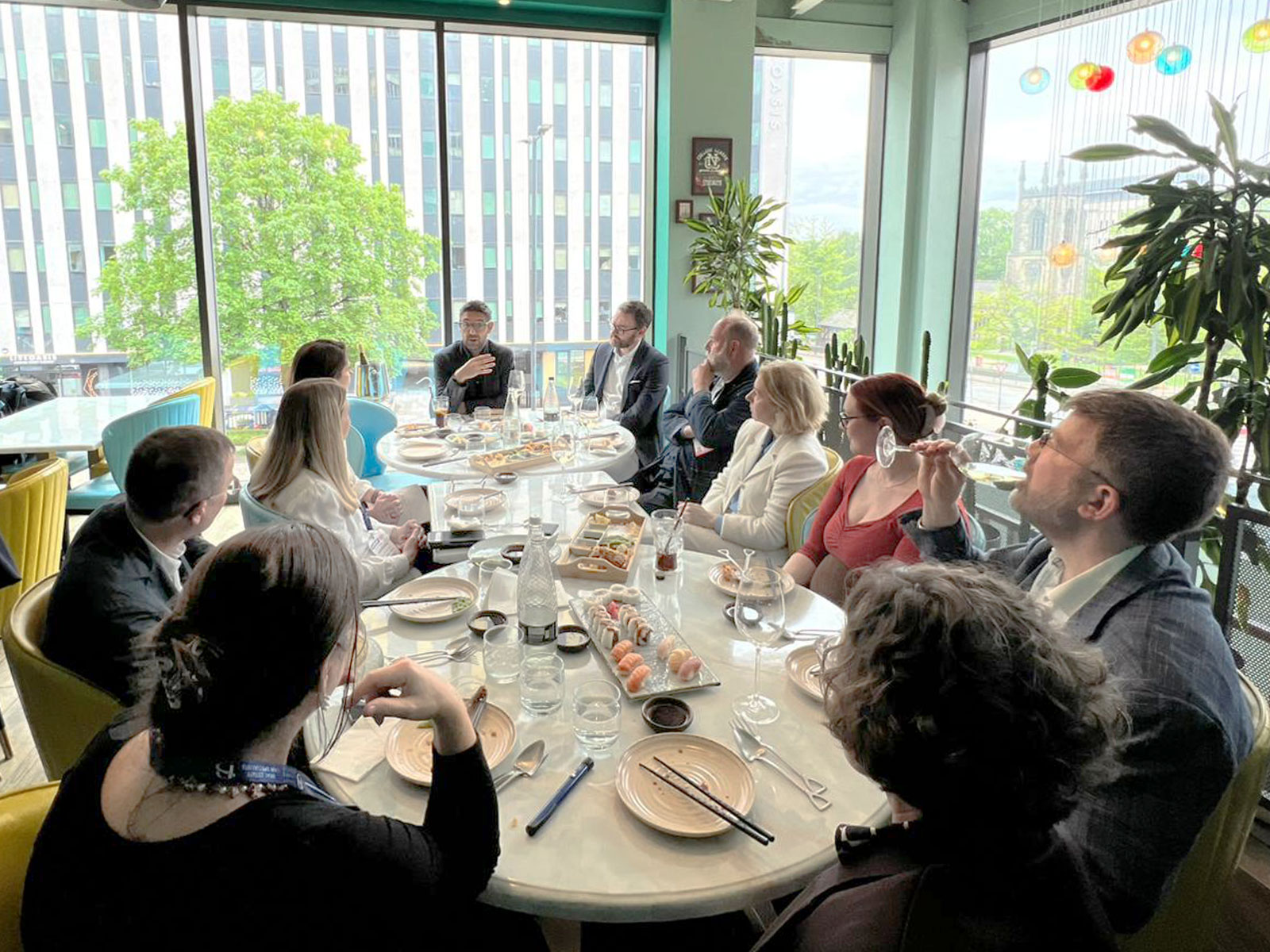
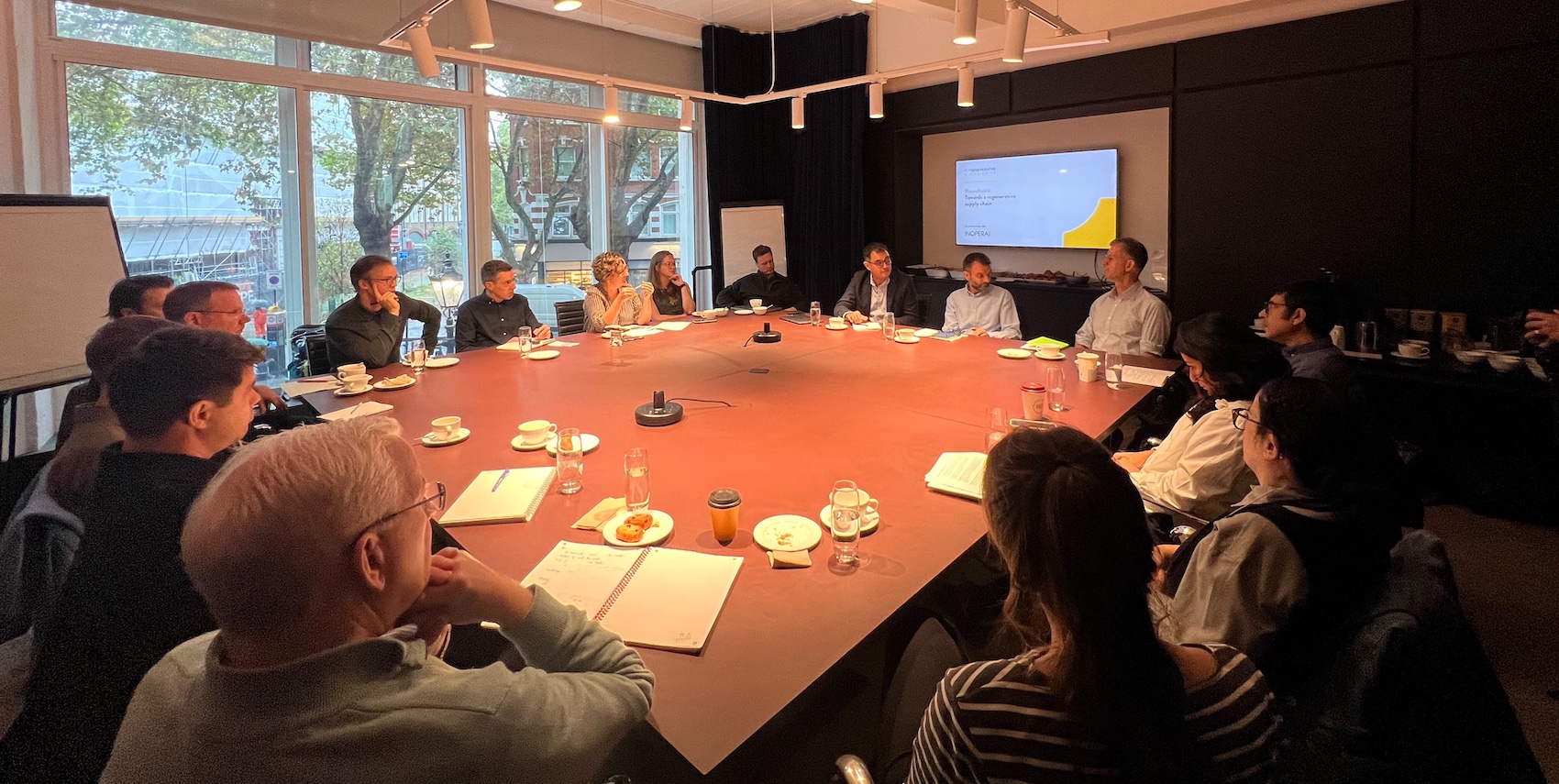
Clockwise: Heike Neurohr, Emmett Scanlon, Aisling Murphy, Brian Mallon, Stephen O’Malley, Allan Kelly, Karl Mitchell, Emma Flanagan and Isabel Allen.
Round table participants
Isabel Allen
Editor, Architecture Today, and round table chair
Heike Neurohr
Partner, Hawkins\Brown
Brian Mallon
Director, Hawkins\Brown
Stephen O’Malley
Chief Executive, Civic
Aisling Murphy
Ireland Director, Civic
Emma Flanagan
Senior Planning Associate, Cairn Homes PLC
Emmett Scanlon
Director, Irish Architecture Foundation
Alan Kelly
Senior Programme Manager, The Land Development Agency
Karl Mitchell
Executive Manager, Dublin City Council
The conversation around housing in Ireland has become increasingly dominated by numbers. Delivery targets, housing starts, planning permissions and infrastructure investment are all measured in ever larger figures. Yet behind those numbers lies a more fundamental question: what kind of places are being created, and who is responsible for ensuring that new communities become successful places to live?
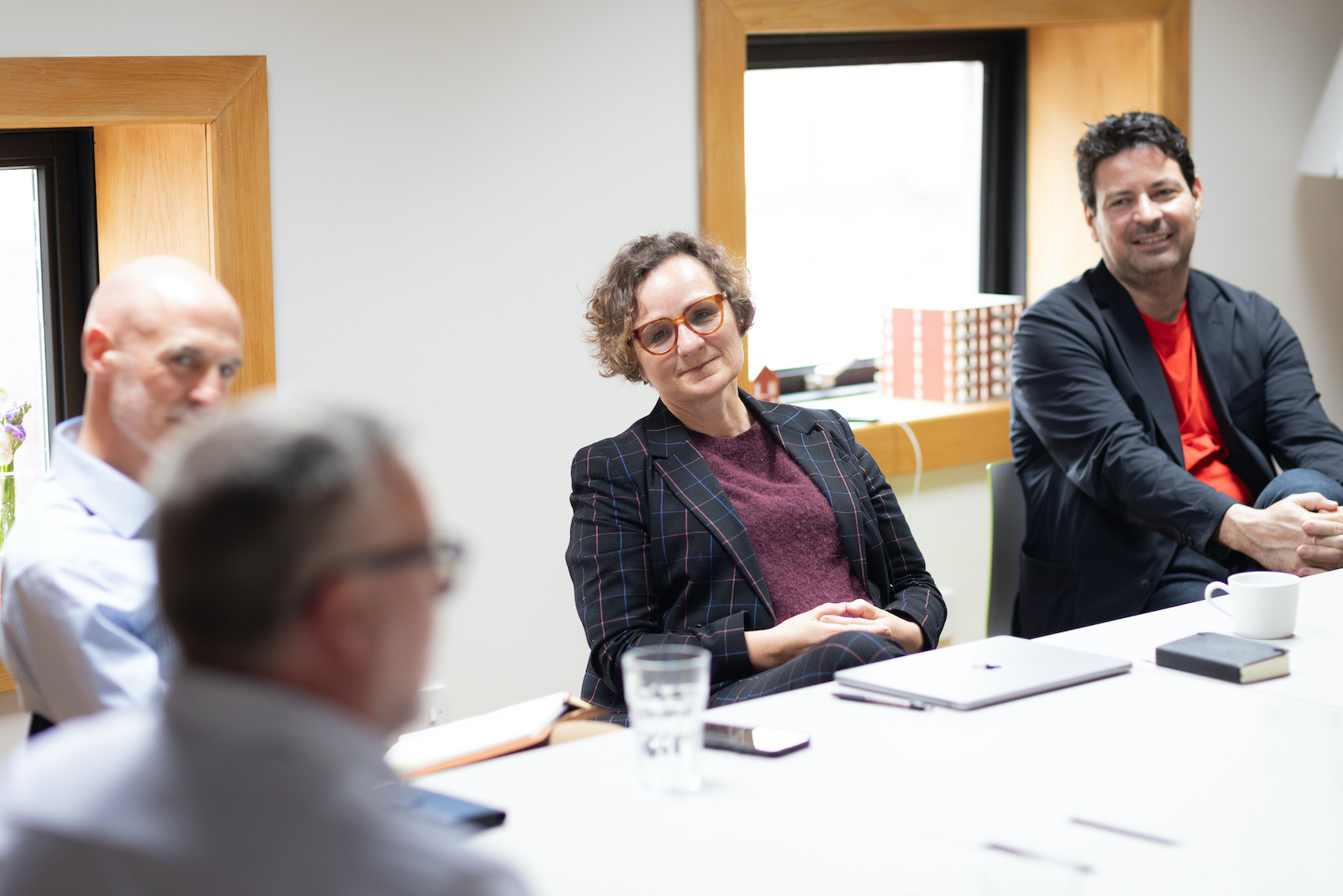
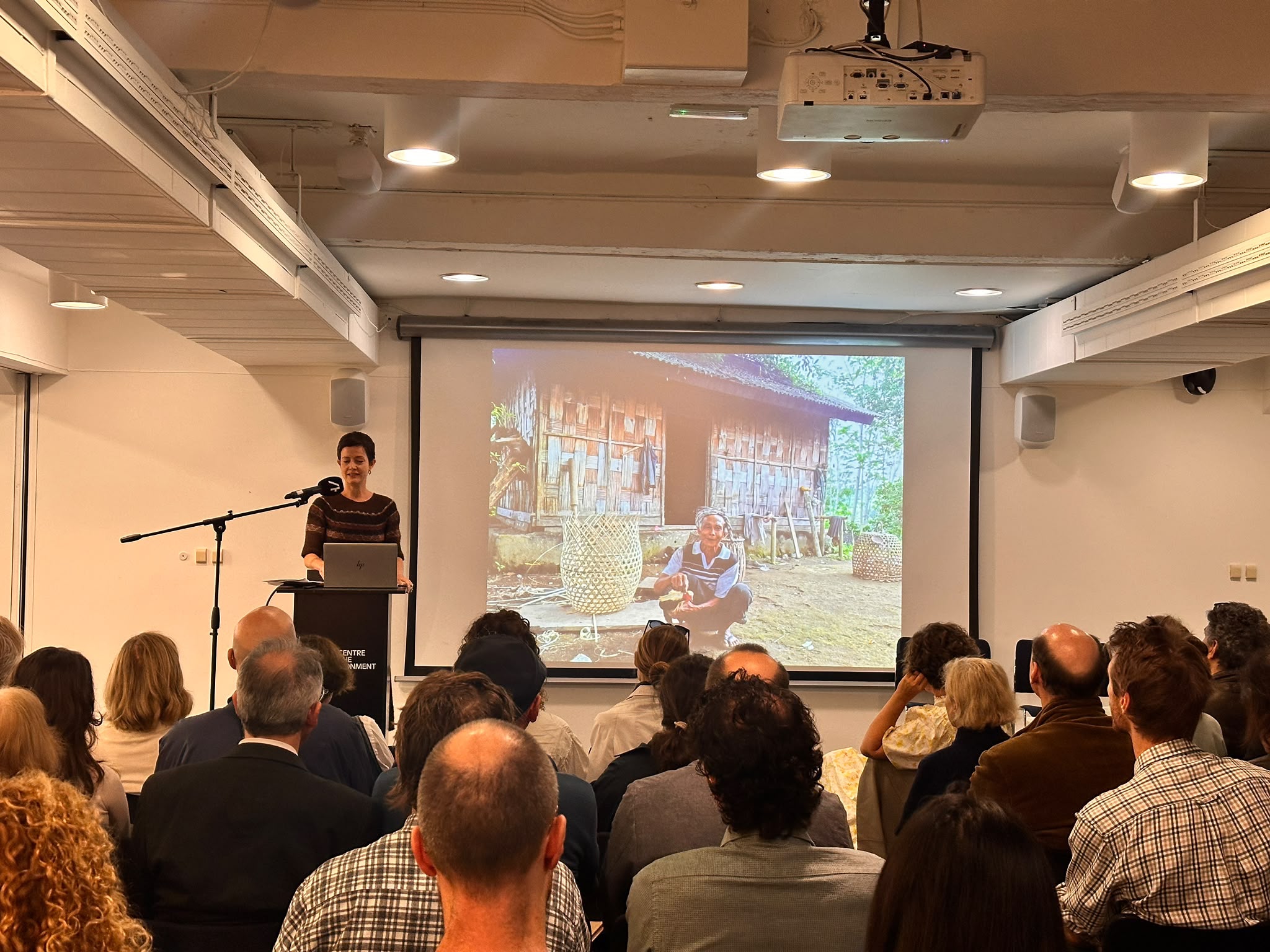
Those questions formed the basis of a wide-ranging discussion, chaired by Architecture Today’s Editor Isabel Allen, and hosted by Civic and Hawkins\Brown in Dublin. Bringing together voices from architecture, planning, development, local government and placemaking, the conversation explored the relationship between infrastructure delivery, housing growth and community creation, as well as the role of the state in shaping long-term outcomes.
While participants represented very different parts of the development ecosystem, there was broad agreement that housing, infrastructure and placemaking cannot continue to be treated as separate conversations. The challenge, many argued, is creating governance structures, funding models and delivery mechanisms capable of bringing them together.
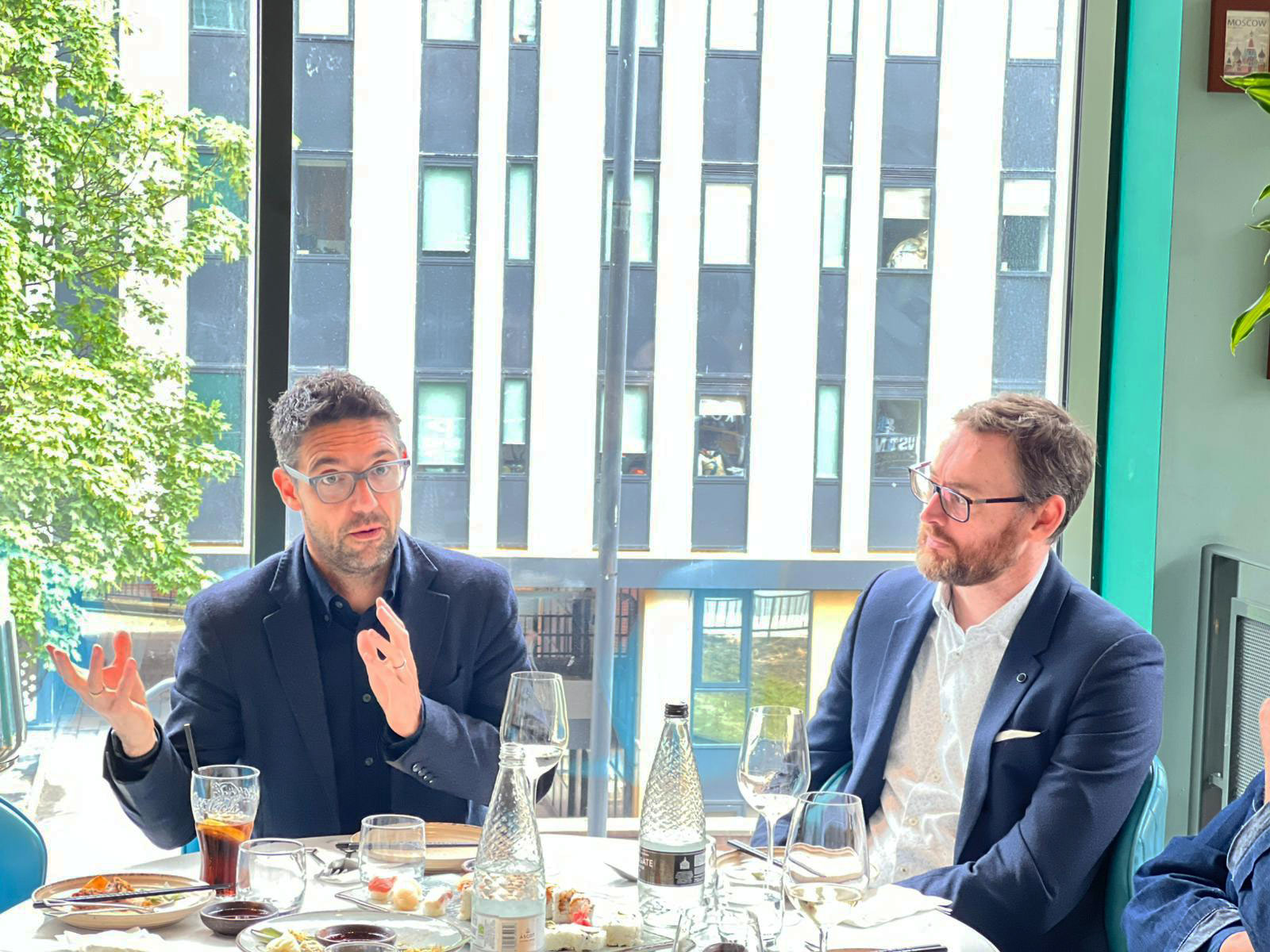
Stephen O’Malley, Heike Neurohr, Emmett Scanlon and Aisling Murphy.
Beyond numbers
The discussion opened with reflections on Ireland’s contrasting position relative to the UK. While many UK practices continue to face economic uncertainty, participants noted the energy and ambition currently visible across Ireland’s development sector. Yet beneath that optimism sits a concern that housing delivery risks becoming an objective in itself.
Karl Mitchell, Director of City Coordination at Dublin City Council, warned against viewing the housing crisis solely through the lens of unit delivery. “We don’t solve housing by bricks and mortar,” he said. “It’s by community and placemaking. I’d be very worried that we end up with lots of units. We might not have a housing crisis, but we will have a crisis of community.”
That sentiment resurfaced repeatedly throughout the discussion. Participants acknowledged the urgency of housing delivery, but questioned whether current funding and policy structures adequately support the social infrastructure required to create thriving neighbourhoods. “Very often the answer is not a building,” said Heike Neurohr, adding “You can build housing in a way that encourages neighbourliness as you come out of your home, making people who live there feel like they have ownership over their front gardens and the street beyond.”
Emma Flanagan of Cairn Homes highlighted the scale of delivery now being undertaken by Ireland’s largest housebuilders. Since its formation ten years ago, Cairn has delivered more than 12,000 homes and is targeting annual delivery of between 3,000 and 3,500 homes. Increasingly, however, these projects resemble new towns rather than traditional housing developments. “Our sites average at about 400-500 new homes. 200 units as a small scheme for us,” she explained. “We’re increasingly moving towards larger and larger-scale developments.” The challenge, she noted, is ensuring that supporting infrastructure keeps pace.
Infrastructure as an enabler
Participants repeatedly returned to the role of infrastructure as both an enabler and a constraint. Brian Mallon discussed Hawkins\Brown’s work on the Cork Docklands Framework Plan, a project shaped primarily by infrastructure requirements rather than development form. “It didn’t actually look too much at whether the development should be this height, this shape or anything like that,” he said. “It was more about the things that have to be put in place to allow development to come forward.”Flood defences, transport infrastructure and utilities all needed to be delivered before meaningful development could occur.
Similar challenges are being encountered across Ireland. Flanagan pointed to the success of Clonburris and the Seven Mills development as an example of what can happen when government investment is used to unlock strategic growth. More than €189 million of public funding was invested in roads, drainage and enabling infrastructure, allowing thousands of homes to come forward. “We were building a town the size of Naas and not a road nor an ability to flush a toilet on day one,” she said.
For many around the table, this highlighted a broader lesson: infrastructure needs to be delivered ahead of development rather than in response to it.
“At places like Cherrywood, they built the tram line before a single house was built.” Aisling Murphy recalled. “I worked on the upfront infrastructure delivery. For me, it was frustrating that we delivered their first five kilometres of roads and infrastructure by 2018, but the first house wasn’t occupied until 2022.”
Alan Kelly of the Land Development Agency agreed, arguing that the state must play a central role. “The state has to deliver the infrastructure and the development of the Housing Activation Office, and the delivery of the Infrastructure Taskforce Report suggest that that is now recognised.” he said. The conversation frequently returned to European examples where transport and public infrastructure are delivered first, creating confidence and certainty for future growth.

Brian Mallon (centre)
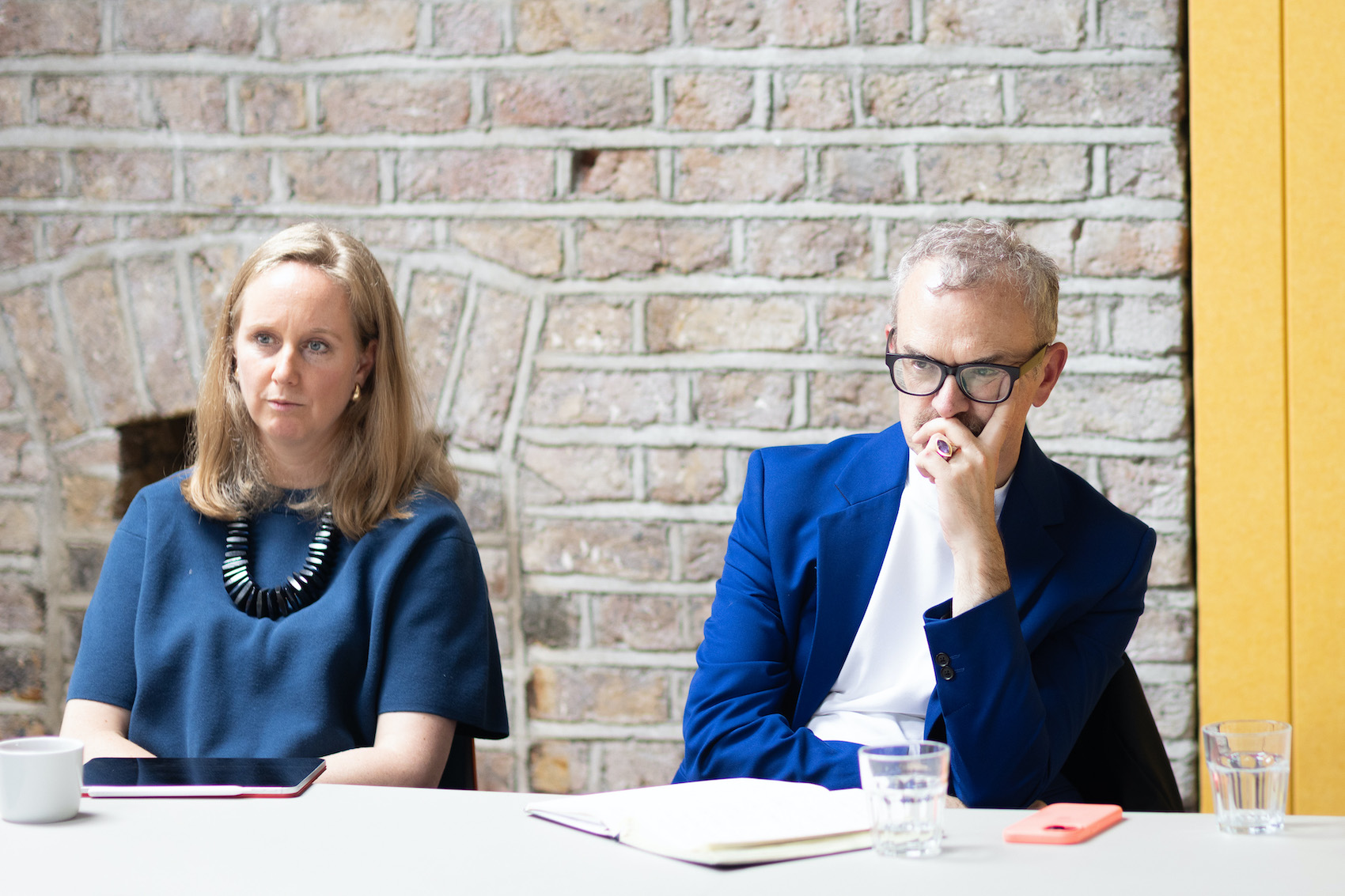
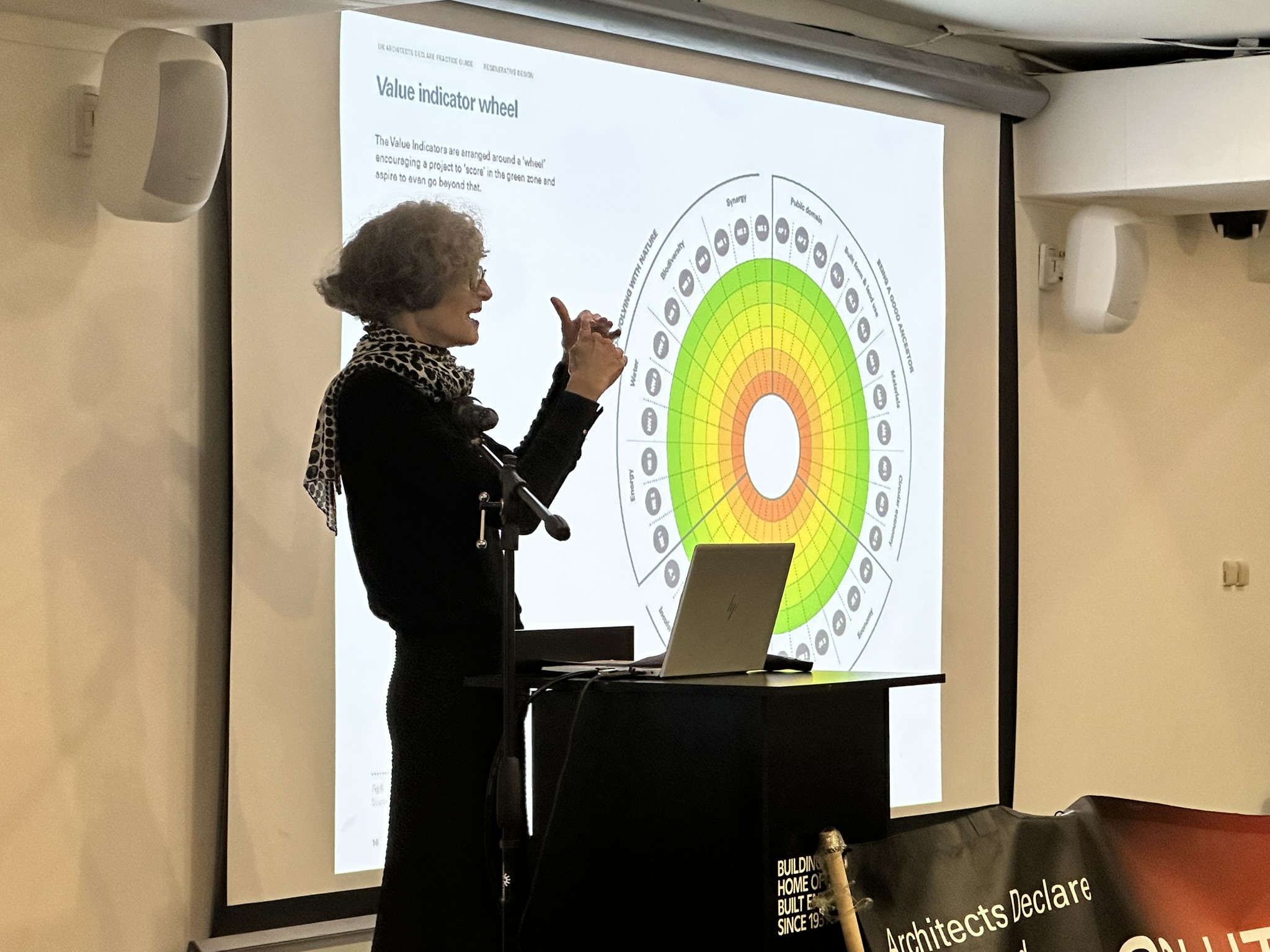
Heike Neurohr (left) and Emmett Scanlon (right)
The missing social infrastructure
While physical infrastructure received considerable attention, some argued that social infrastructure remains far harder to fund and deliver. Community centres, childcare facilities, local services and spaces for civic life are routinely identified as essential components of successful neighbourhoods. Yet responsibility for operating and maintaining them often remains unclear. Flanagan highlighted the practical challenges. “We’ll build it, we’ll fit it out, no bother,” she said. “But who’s going to pay the ESB? Who’s going to pay the insurance? Who’s going to hold the keys?”
Several argued that current funding models focus overwhelmingly on housing outputs while neglecting the long-term stewardship required to support communities. Kelly noted that social infrastructure audits now form a key part of LDA masterplanning work, recognising that communities require more than homes alone. “We’re not just delivering homes and houses,” he said. “We’re creating new towns, new settlements and new communities.” Yet creating community cannot simply be designed into existence.
“Communities build themselves”
One of the most interesting strands of discussion focused on the limits of masterplanning. The group repeatedly challenged the assumption that community can be manufactured through physical development alone.
Emmett Scanlon argued that architects, planners and developers need to be careful not to overstate their role. “We’re not building communities,” he said. “Communities build themselves.” Instead, professionals should focus on creating the conditions that allow communities to emerge.
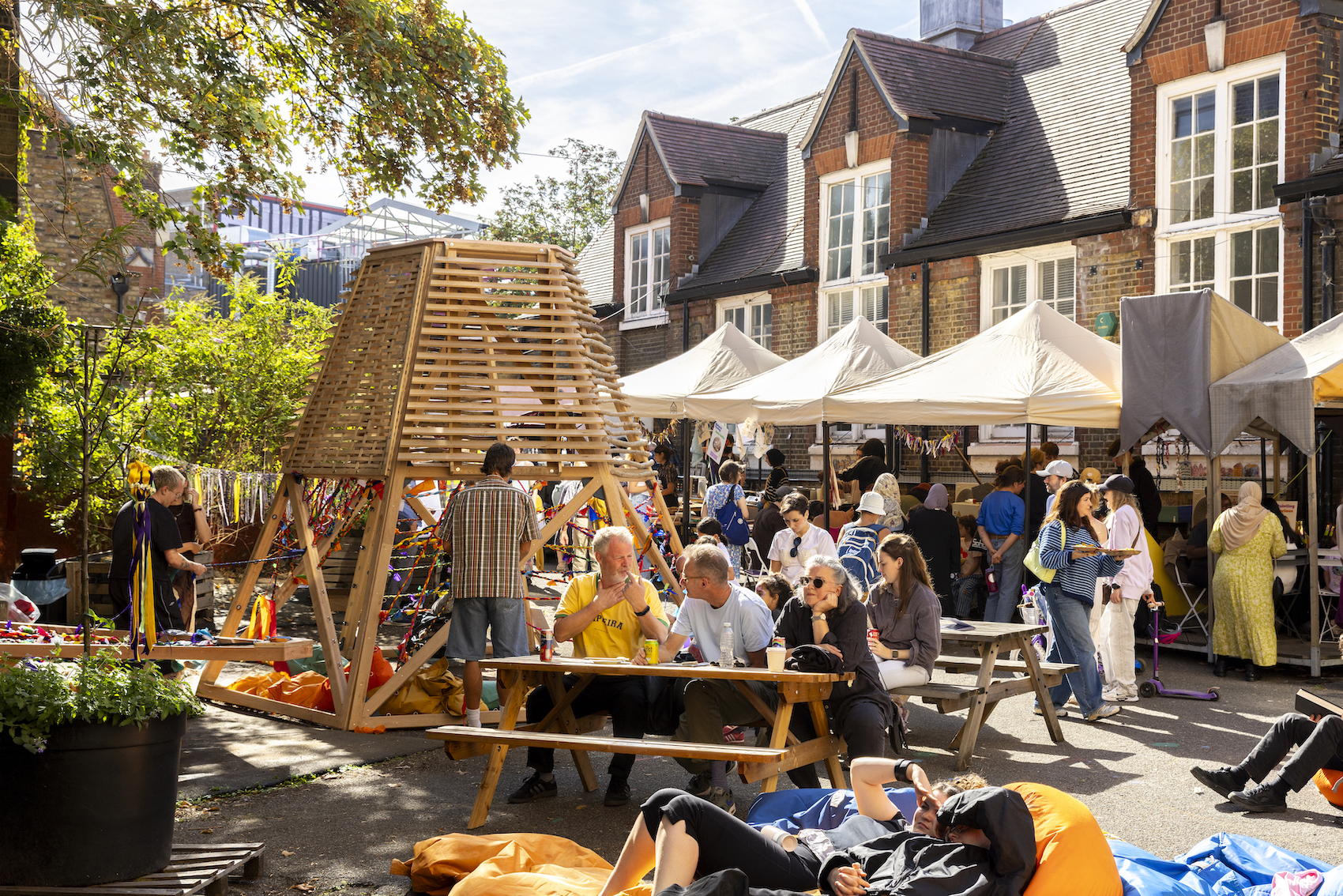
“What we do is the enabling works,” he continued. “Sometimes that’s bringing resources and experience. Sometimes it’s simply turning up and listening.” Examples ranged from temporary cultural projects and local festivals to neighbourhood initiatives that encourage residents to take ownership of their surroundings.
Stephen O’Malley pointed to the Climate Innovation District in Leeds, where community life emerged incrementally alongside physical development. Initially, the development funded a part-time gardener who also organised social events and informal activities. Over time, those small interventions helped create relationships and a sense of collective ownership. The lesson, participants suggested, is that community-building often depends less on buildings than on people.
Participants highlighted a broader lack of systematic post-occupancy evaluation across Ireland’s built environment. While housing schemes are delivered and occupied, relatively little effort is made to understand how people actually live in them over time. Without that feedback loop, it becomes difficult to improve future policy and delivery.

Karl Mitchell
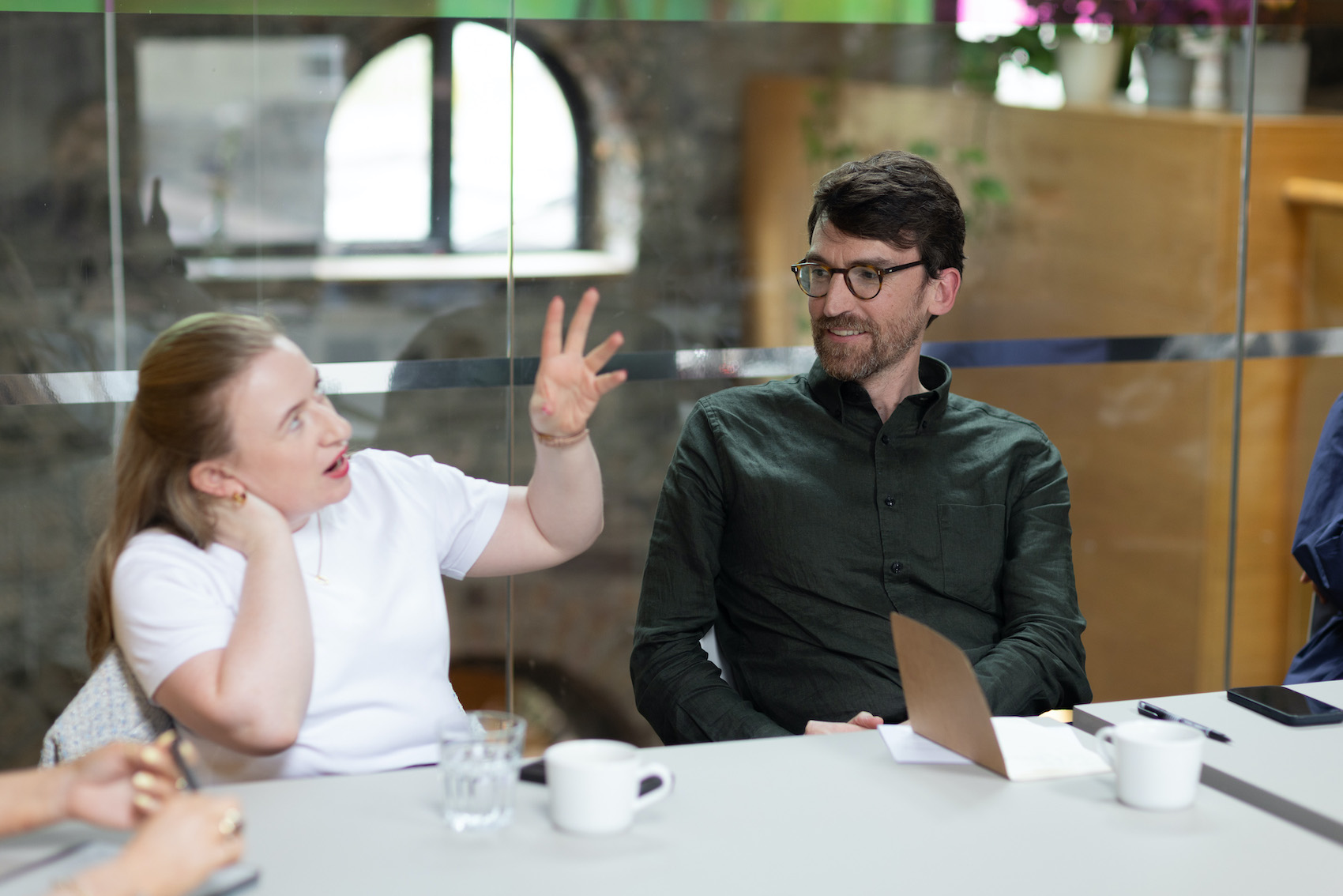
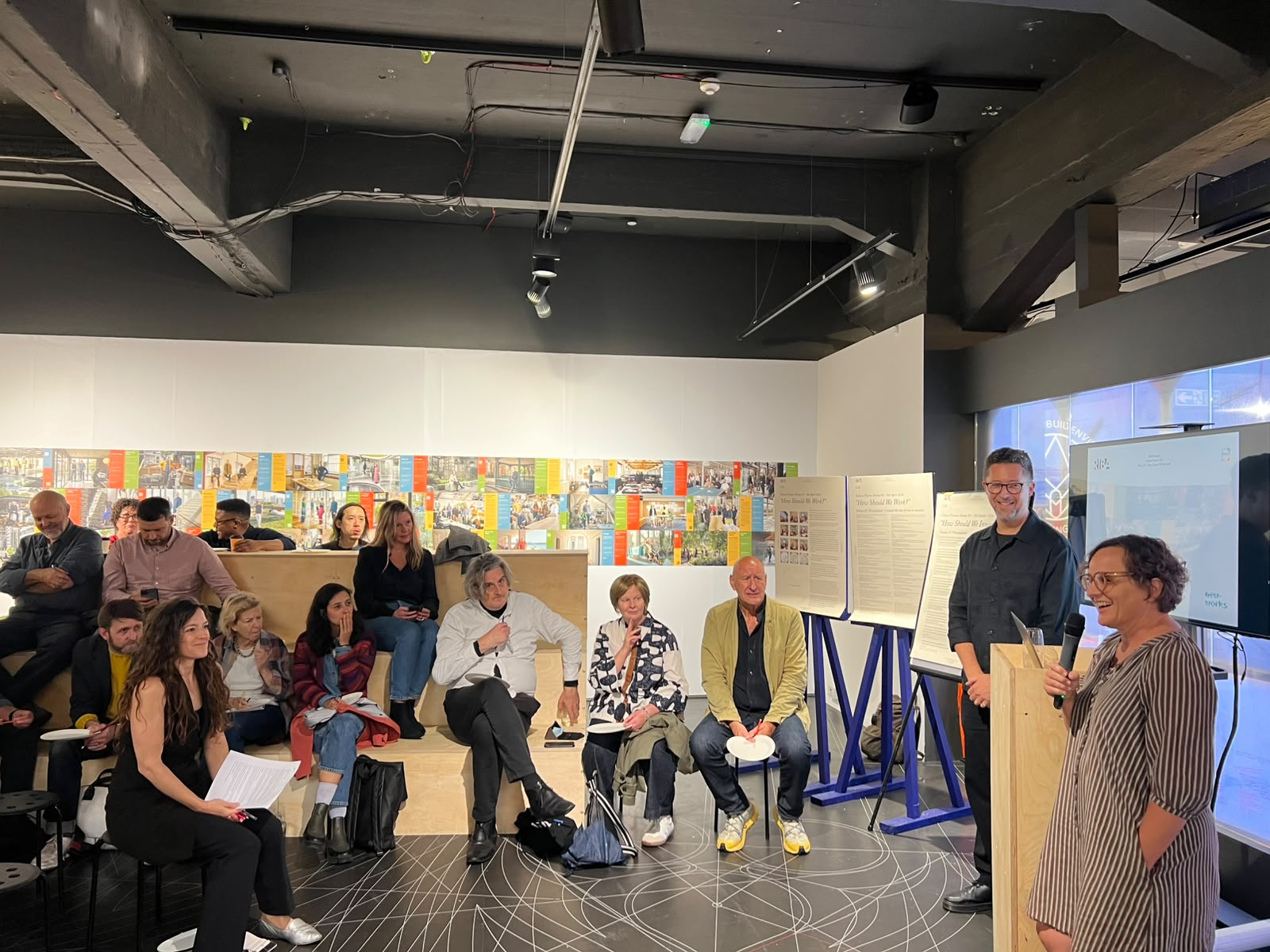
Emma Flanagan (left) and Brian Mallon (right)
Measuring value differently
Several contributors questioned whether current appraisal systems are capable of recognising the long-term value of placemaking and social infrastructure. O’Malley pointed to recent changes in the UK’s Treasury Green Book, which is increasingly incorporating place-based evaluation into infrastructure investment decisions. Rather than focusing solely on traditional cost-benefit analysis, emerging models attempt to capture wider social, environmental and economic outcomes. The challenge for Ireland, participants argued, is developing similar frameworks.
Kelly described ongoing efforts to demonstrate the value of infrastructure investment through broader socioeconomic analysis. “How do you measure the benefit of infrastructure with homes and communities built on top of it?” he asked. Current funding mechanisms often struggle to capture long-term social returns, favouring immediate and easily quantifiable outputs instead.
Scanlon argued that the problem extends beyond infrastructure. “The state invests a massive amount of money,” he said. “But it doesn’t spend enough time understanding what value it got. And value in the widest sense.”

Alan Kelly

Aisling Murphy
Coordination versus fragmentation
Underlying many of the challenges discussed was a recurring theme: fragmentation. Participants described a landscape in which transport agencies, infrastructure providers, developers, planners, local authorities and government departments often operate independently, despite pursuing related objectives. O’Malley cited examples from London and Manchester where infrastructure strategies are increasingly being coordinated across multiple sectors.
Karl Mitchell described Dublin City Council’s response to this challenge through the creation of a new City Coordination Office and a forthcoming city centre special purpose vehicle designed to bring together different stakeholders around shared priorities. The aim, he explained, is to move beyond siloed approaches. “Transport does this, safety does that, housing does something else,” he said. “We’re trying to look at it completely differently.” Many suggested that successful placemaking depends less on any individual project than on the ability of institutions to work together over long periods of time.
The long game
As the discussion drew to a close, conversation returned to the importance of patience. Successful places rarely emerge immediately. Communities take time to form. Local identities evolve gradually. Trust develops through repeated interactions rather than one-off consultations. The most successful projects discussed during the afternoon shared a common characteristic: they invested not only in physical infrastructure but also in the long-term relationships that sustain places.
Whether through community organisations, cultural programmes, local stewardship initiatives or ongoing public engagement, participants repeatedly highlighted the importance of staying involved long enough for places to develop their own identity.
For all the discussion about infrastructure, transport and housing delivery, perhaps the strongest point of agreement was that successful placemaking ultimately depends on people.
As Ireland seeks to address both its housing shortage and its infrastructure deficit, the challenge will be ensuring that investment creates not only more homes, but also stronger communities. The question is not simply how quickly housing can be delivered, but how effectively infrastructure, governance and local participation can work together to create places where people genuinely want to live.