Following Lion Green Road’s 2026 RIBA Stirling Prize win, Mary Duggan and Paul Ruff reflect on the importance of generous, affordable housing and the wider lessons the project offers for the profession.
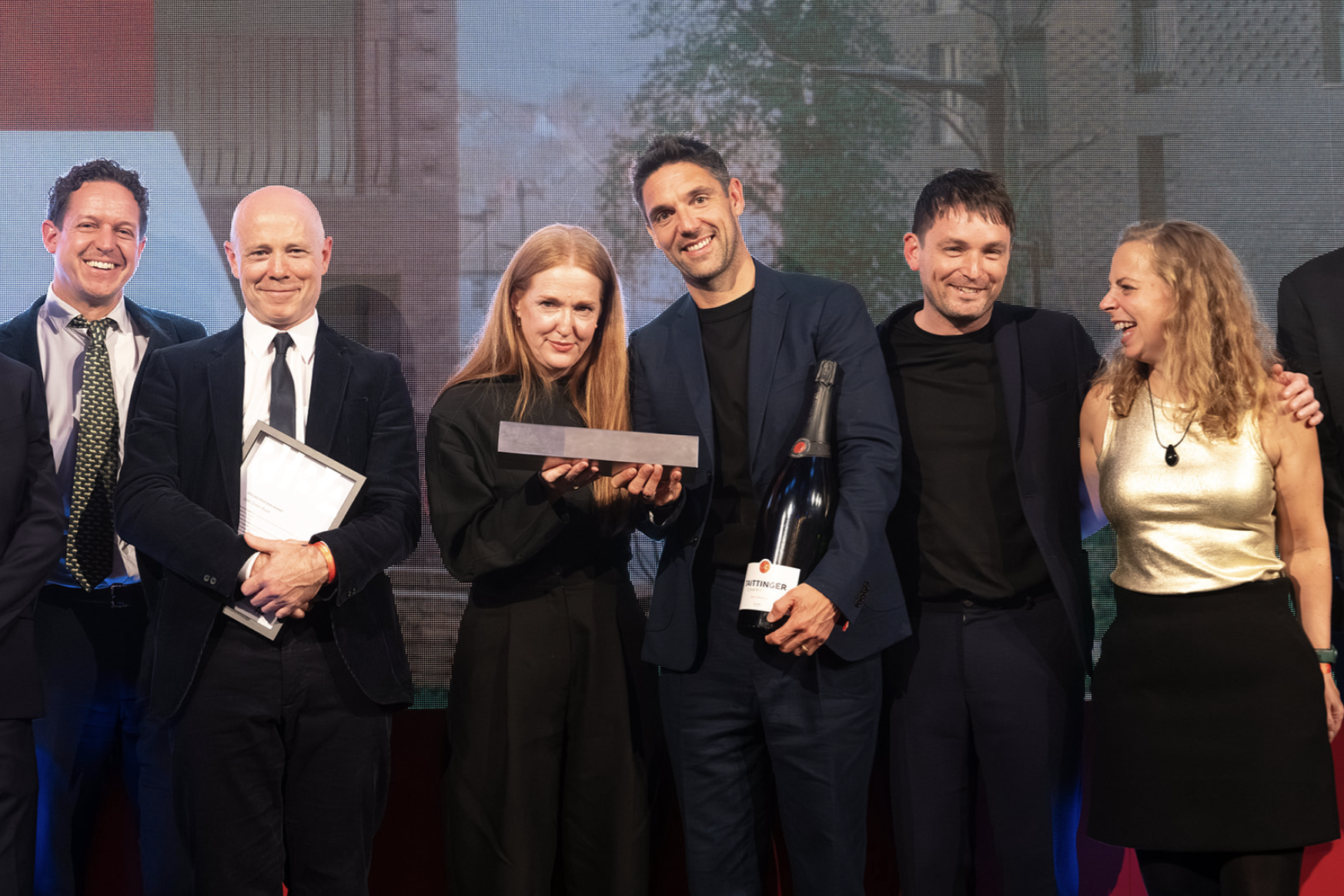
Architects Mary Duggan and Paul Ruff have reflected on the significance of Lion Green Road winning the 2026 RIBA Stirling Prize, highlighting the project’s approach to collective living and its wider implications for the delivery of high-quality affordable housing.
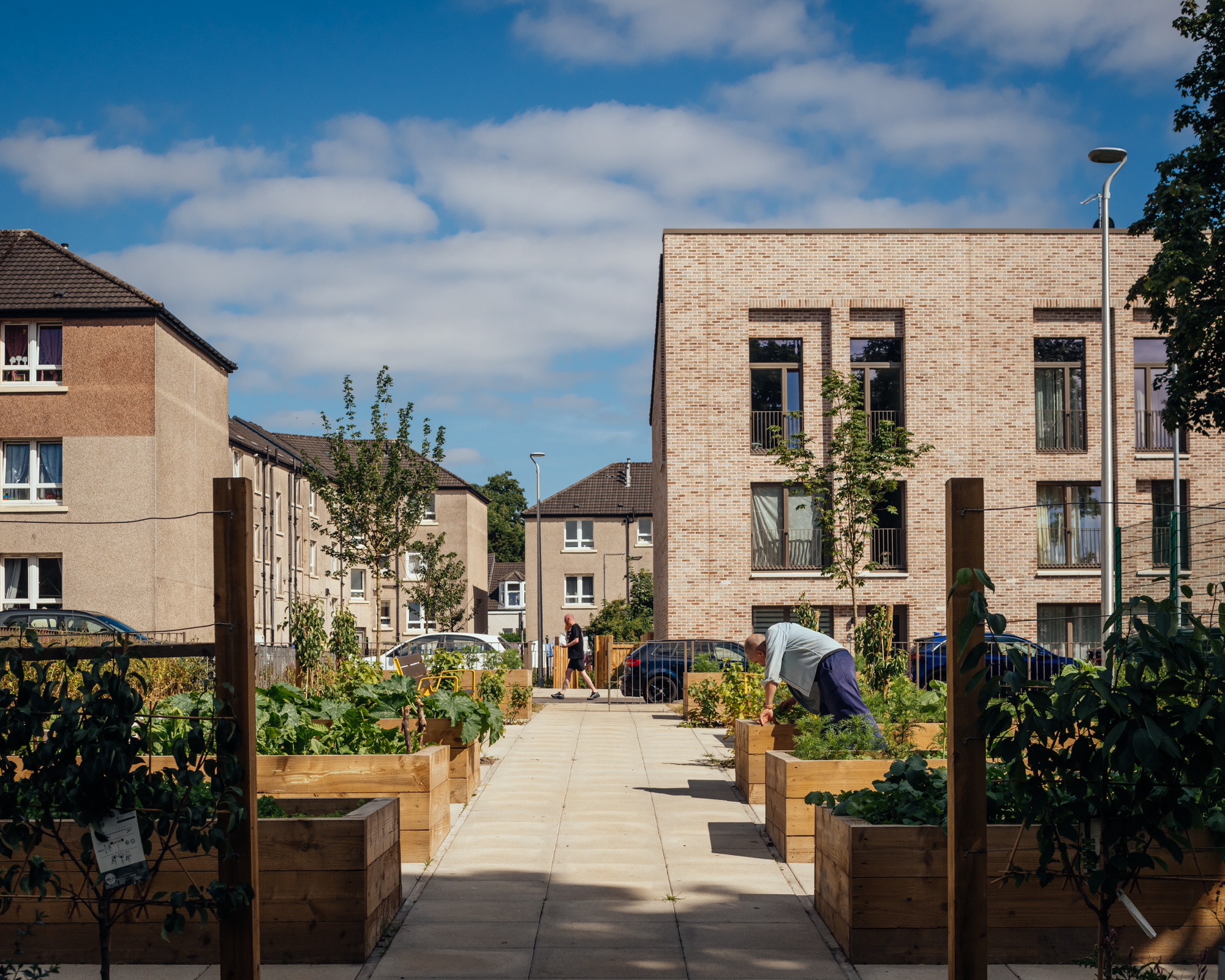
Designed by Mary Duggan Architects with RUFFARCHITECTS, the council-commissioned development in Coulsdon, south London, provides 157 homes across five residential blocks on a former car park. The scheme combines high-density housing with shared landscaped spaces, creating new connections between the surrounding neighbourhood and adjoining parkland.
For Mary Duggan, the project’s significance lies in its exploration of the relationship between individual homes and the wider community.
“Lion Green Road is important because it explores of the culture of dwelling. It asks how familiar material conditions can expand thresholds from private to public and from the individual to the collective. It considers the value of shared landscape and questions where home begins and whether it might be considered as a shared civic condition. And, perhaps counterintuitively, it explores how density can be generous.”

Paul Ruff, meanwhile, sees the award as an opportunity to refocus attention on the importance of design quality in affordable housing, and the potential to achieve more with constrained resources.
“Winning the Stirling Prize (for Lion Green Road, a council-commissioned housing scheme in south London by Mary Duggan Architects with RUFFARCHITECTS) hasn’t quite sunk in yet. It’s the pinnacle, but also (near) the starting point for me. I’m 44, so apparently at the early stages of my career! This award highlights the fact that good affordable housing can be delivered on a budget. The scheme took a brownfield former wasteland and carpark site and adopted the principles of reuse and has helped bring the housing debate back to the fore. It’s important to use this as a springboard for the industry to continue to promote great (affordable) quality, be this in sensitive new buildings or, ideally, amazing repurposing.”
Together, their reflections underline the wider relevance of Lion Green Road: not simply as an award-winning housing development, but as an example of how thoughtful design, shared landscape and architectural ambition can contribute to the debate about the future of housing.