In Opera Group Co-founder and Director Enzo Favro talks to AT about supporting Regenerative Design 2026, developing more sustainable materials, and the need for clearer standards and closer collaboration across the construction supply chain.
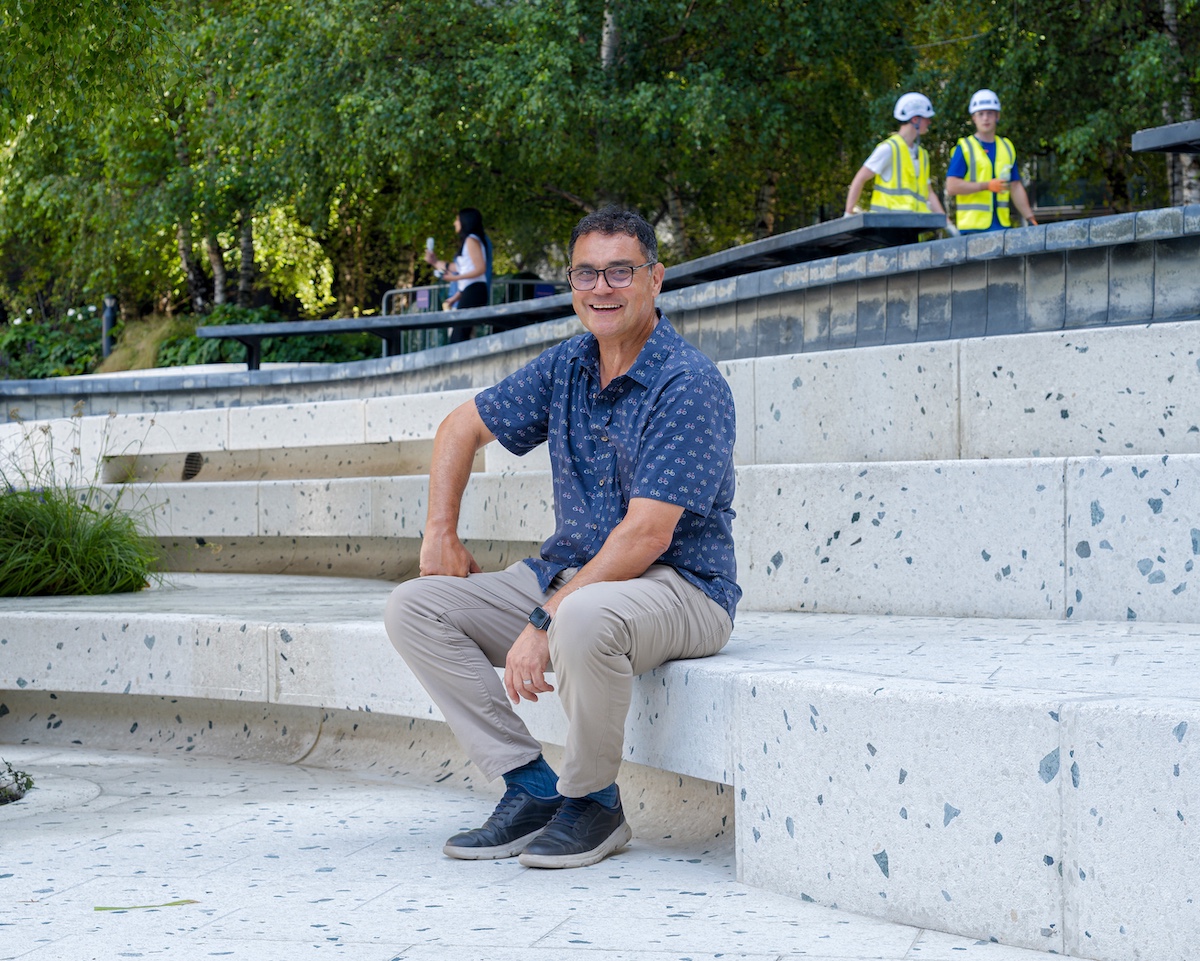
Enzo Favro is the co-founder and Director of In Opera Group (photo: Timothy Soar).
Thank you for supporting Regenerative Design 2026. Why did In Opera Group want to be involved, and what do you hope the programme will achieve?
From our point of view, we’re here to learn. What we need to understand is how our material information and knowledge should be presented to help the people trying to deliver regenerative architecture. It’s a bit like the fable of the blind people describing an elephant. One person is holding the trunk, another the tail, and they’re all describing the bit they’re interested in. Regenerative design is one big thing, but people are often looking at different parts of it.
As material suppliers, we need to understand how we can help architects deliver what they’re trying to achieve. When an architect designs a building, they’re dealing with hundreds of components. We’re just one of them, so what we do needs to be put into context. Take something as simple as an airport floor. Spending a little more in terms of embodied carbon at the beginning might save considerable money, energy and material over the building’s lifetime because the floor is more durable and doesn’t need replacing. That’s the sort of practical consideration we want to bring into the conversation.
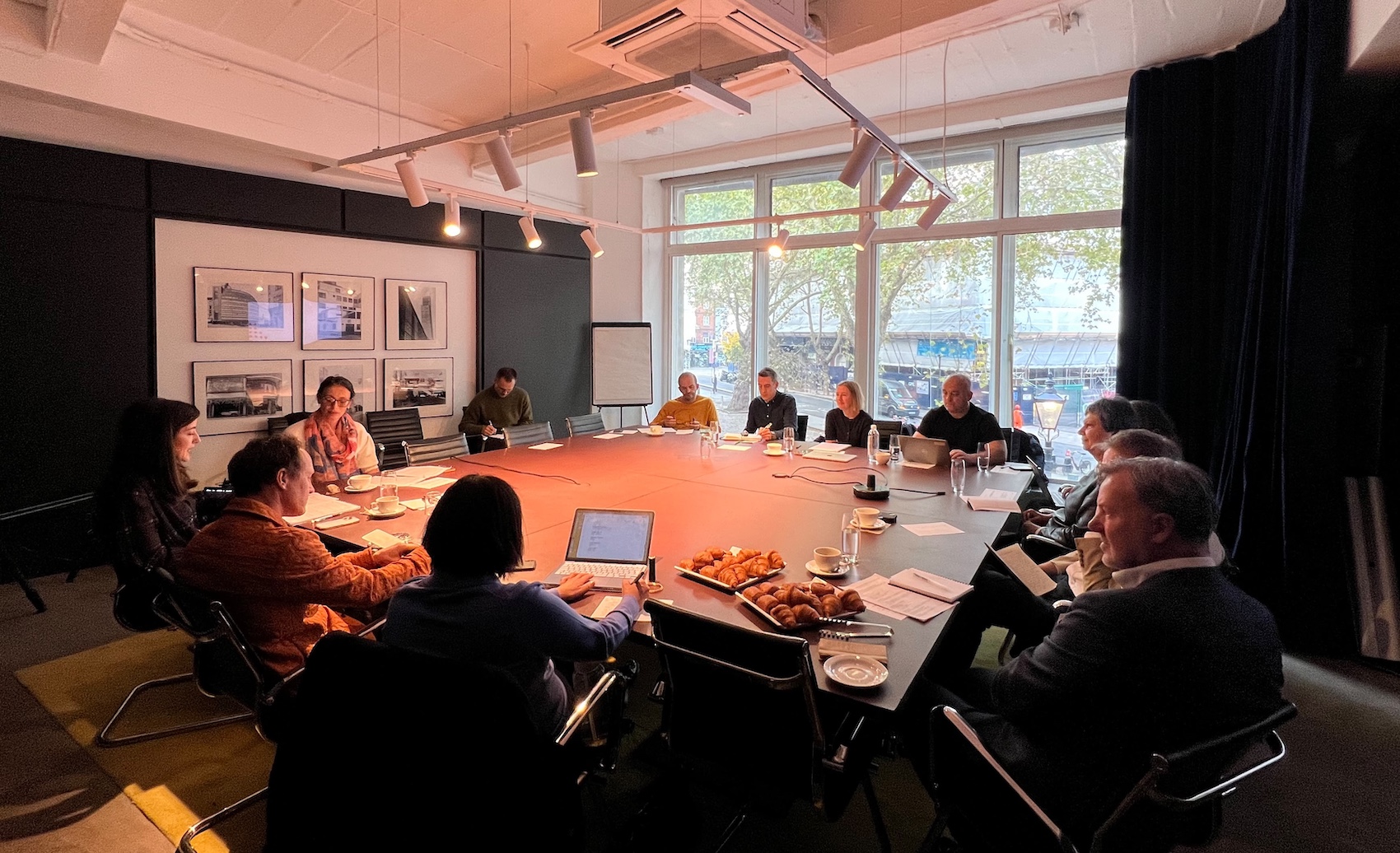
In Opera recently partnered with Architecture Today on the Towards a Regenerative Supply Chain round table. What were your main takeaways, and did anything challenge your thinking?
I think we need to be much more conscious of what information architects actually need. There seems to be a particular focus on bio-based materials, and I also got the impression that environmental product declarations (EPDs) aren’t necessarily as clear or conclusive as everybody expected them to be. Otherwise, why would you need third-party advisers to interpret them?
One of the challenges is that consultants sometimes present us with a long list of requirements, some of which aren’t necessarily relevant to our materials. We then have to carry out tests that can be expensive and take months to complete. We’re in a good position with stone, ceramics and terrazzo because we have established standards against which materials can be assessed. At least that gives us a yardstick.
Overall, I’d like to see the round table become a starting point for more focused conversations with architects and end users. We have factories with three or four generations of experience, and that knowledge can be valuable. Even if someone ultimately specifies a different product, they can use our experience as a benchmark.
What is In Opera doing to accelerate the transition towards a more regenerative construction industry, and where do you see the greatest opportunities for material suppliers?
I think we need to bring some common sense into how materials are assessed. What we’re doing isn’t new. Stone and terrazzo have been used for centuries, and we know a great deal about how they perform. In the UK, we’re particularly known for terrazzo, which is essentially manufactured stone. It uses aggregates, often left over from stone processing, held together with a binder. Traditionally, that might be cement or epoxy, but there are now alternatives, including bio-based binders. The binder is particularly important because it has a significant influence on the material’s properties and environmental performance.
We can explain what goes into our products, how they’re manufactured and how they perform, but we also need the people assessing sustainability to tell us how that information should be interpreted. There’s an opportunity for manufacturers and suppliers to work much more closely with architects and sustainability specialists. We can provide material consultancy, samples and technical data, but we need to understand what information will genuinely help them make decisions.
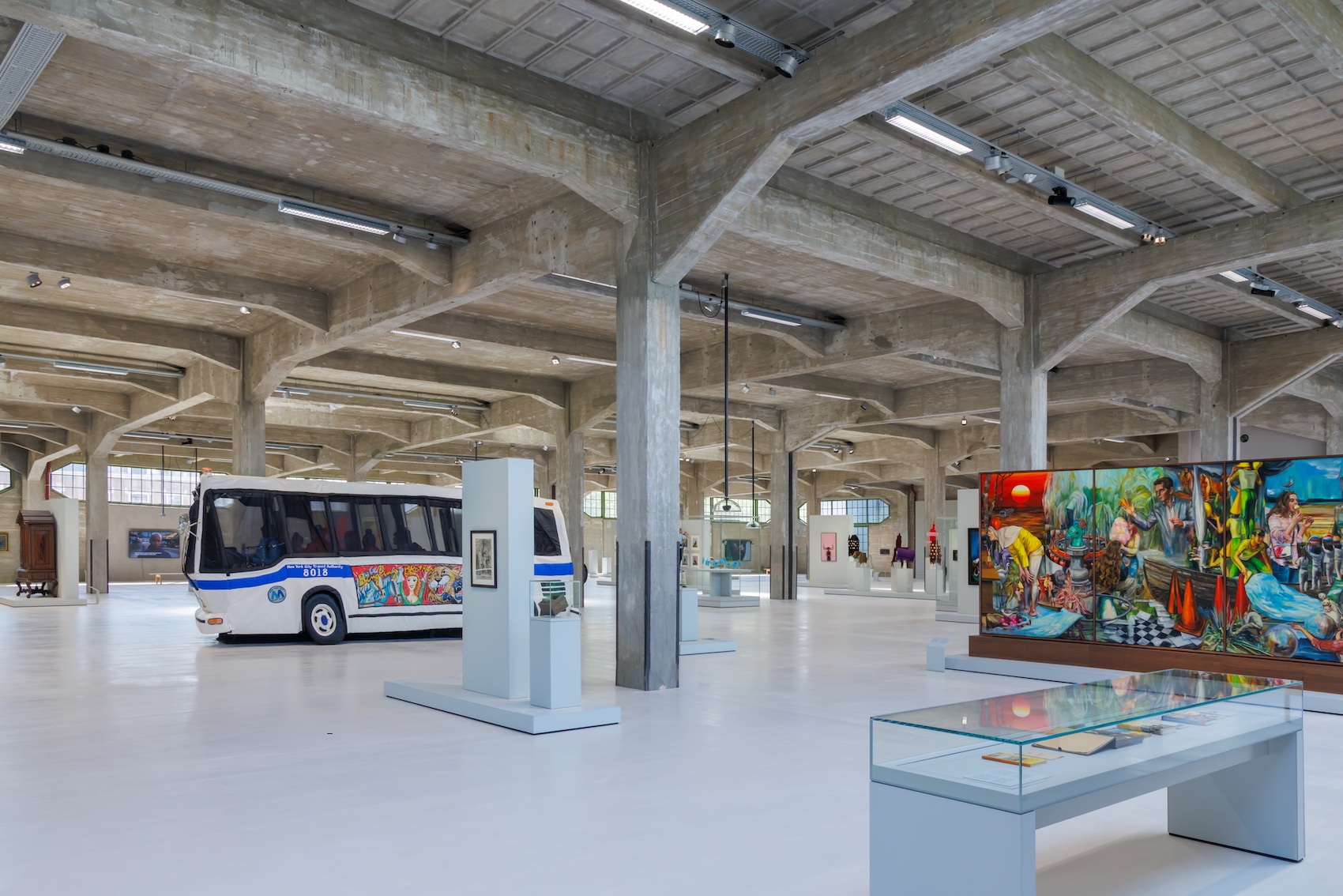
Fenix Museum of Migration, Rotterdam, designed by MAD Architects. BIO-IN-SITU, a seamless terrazzo utilising a plant-based oil bio-binder and natural aggregates, covers 35,000 square feet of flooring within the museum (photo: Iwan Baan).
Innovation is key to that transition. How does BIO-IN-SITU demonstrate In Opera’s approach to developing more sustainable materials, and what makes it different?
In Opera is a group of predominantly family-run businesses, ranging from smaller manufacturers to large industrial operations. BIO-IN-SITU – or Durabella as it is known in mainland Europe – comes from a business in the Netherlands that has been developing and installing the system for around a decade. We’re now taking responsibility for its specification, promotion and sales.
BIO-IN-SITU is an in-situ terrazzo system that uses a plant-derived binder rather than a conventional epoxy or traditional cement binder. It’s based on traditional terrazzo, with marble chips and aggregates, but the binder is derived from castor plants. The material can be laid over large areas without joints and can be applied relatively thinly, which means it can also be used as an overlay. That makes it a practical option for refurbishment projects.
BIO-IN-SITU’s plant-based binder is the main environmental difference compared with conventional epoxy systems. It is processed and handled in a similar way to a conventional binder, but its raw material comes from plants. The system has already been used on a number of projects, including the Fenix building in Rotterdam and several Apple stores. We’re interested in how materials like this can offer alternatives to conventional systems, while retaining the durability and practicality that architects and clients need.
How are you addressing embodied carbon, resource efficiency, durability and circularity across your products and supply chain?
One of the advantages of terrazzo is that it can use aggregates and offcuts from stone processing that might otherwise become waste. But we also need to consider the binder, the manufacturing process and the material’s durability. It’s important to look at the whole picture rather than focus on one environmental characteristic. A material might contain bio-based ingredients, for example, but that doesn’t automatically make it the best solution for every application. If bio-based binders were suddenly adopted everywhere, we’d also need to consider where all the plants would come from and what the consequences of producing them at that scale might be. We can’t replace everything overnight. We need to take things one step at a time and learn from previous mistakes.
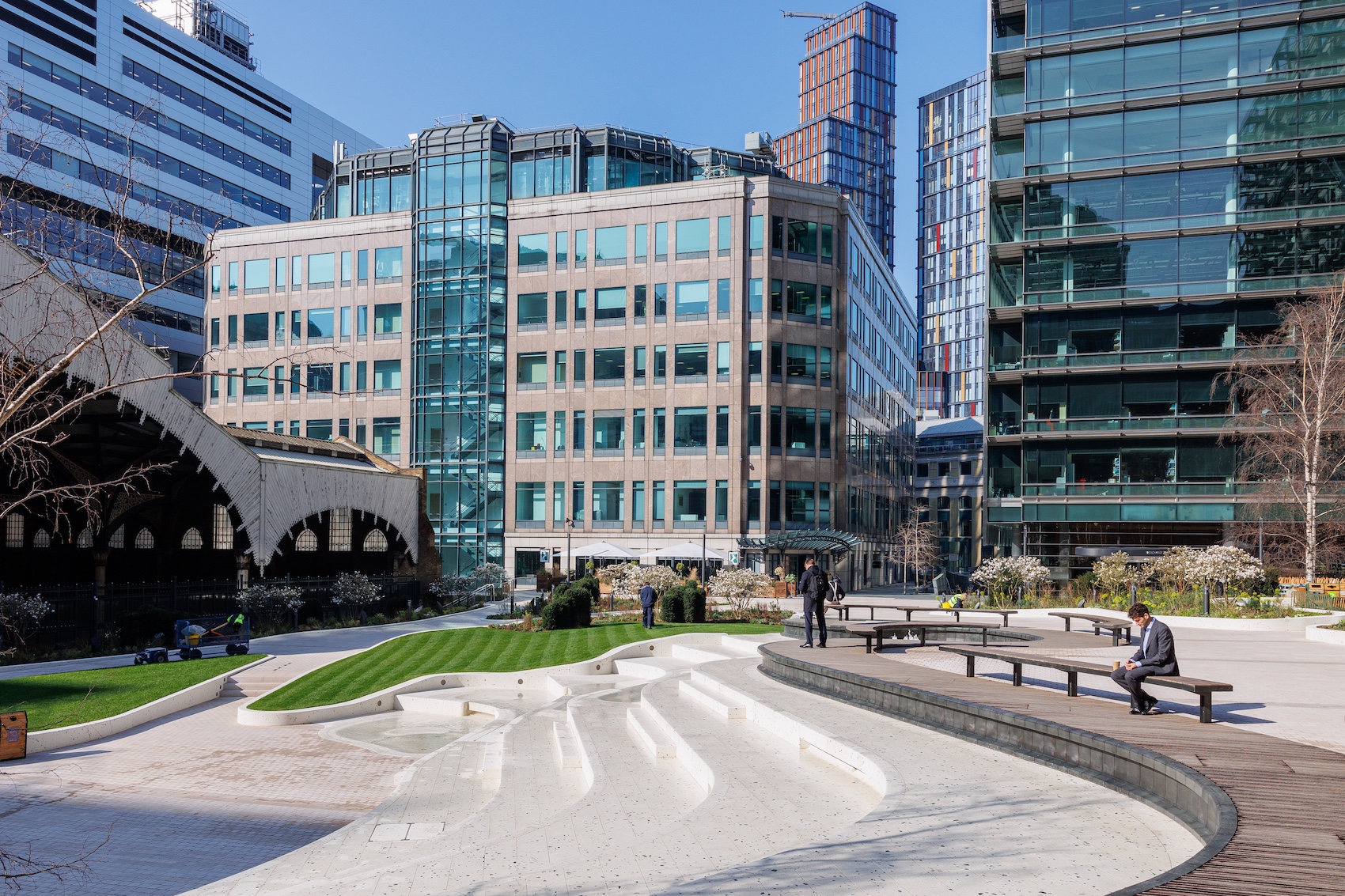
Exchange Square, Broadgate, London, designed by DSDHA. Bespoke terrazzo was specified for water features, amphitheatre steps, paving and planter edges with complex 3D pieces. In Opera provided more than 3,000 pieces, 90 per cent of which were unique with many having to fit together perfectly (photo: Tom Rothery).
What are the biggest barriers to creating a genuinely regenerative construction supply chain, and what needs to change to overcome them?
I think we need a consistent set of rules rather than a series of subjective interpretations. When you’re running a business, you need some certainty about the direction of travel, ideally over five or ten years. There are also practical questions about circularity. Take reclaimed steel, for example. You have to remove it from a building, transport it, store it and then install it somewhere else. Is that always better than recycling it into new steel? I don’t know, but somebody needs to assess those options consistently.
It’s the same with stone. There are misconceptions about materials and how they’re produced. It’s not always what you do, but how you do it. We need consistent parameters for judging environmental performance. We also need better communication between manufacturers, architects, contractors and environmental consultants. For me, it’s about getting the right people in the room, with a shared understanding of the rules and a willingness to exchange experience.
Looking ahead, what’s next for In Opera? Which innovations or initiatives do you believe could make the greatest difference over the next five years?
Technology has to be a big part of the answer. Across the factories we represent, there’s considerable investment in making production faster, cleaner and less wasteful. That includes new machinery, more energy-efficient processes and greater use of photovoltaics. Energy and transport are also important. People and goods are always going to move around the world, so we need to find more efficient ways of making that happen.
I also think we need to continue the conversations that started at the round table. Perhaps the next step is to bring together a smaller group of manufacturers, architects and end users and ask a simple question: how can we help you? Ultimately, I think the key is having the right people in the right room, sharing their experience and working towards a consistent set of industry standards. Sometimes you need to take one step back to take three steps forward.
In Opera is launching BIO-IN-SITU on Thursday 29th October 2026 at The Forum, 69 Turnmill Street, London EC1M 5RR.