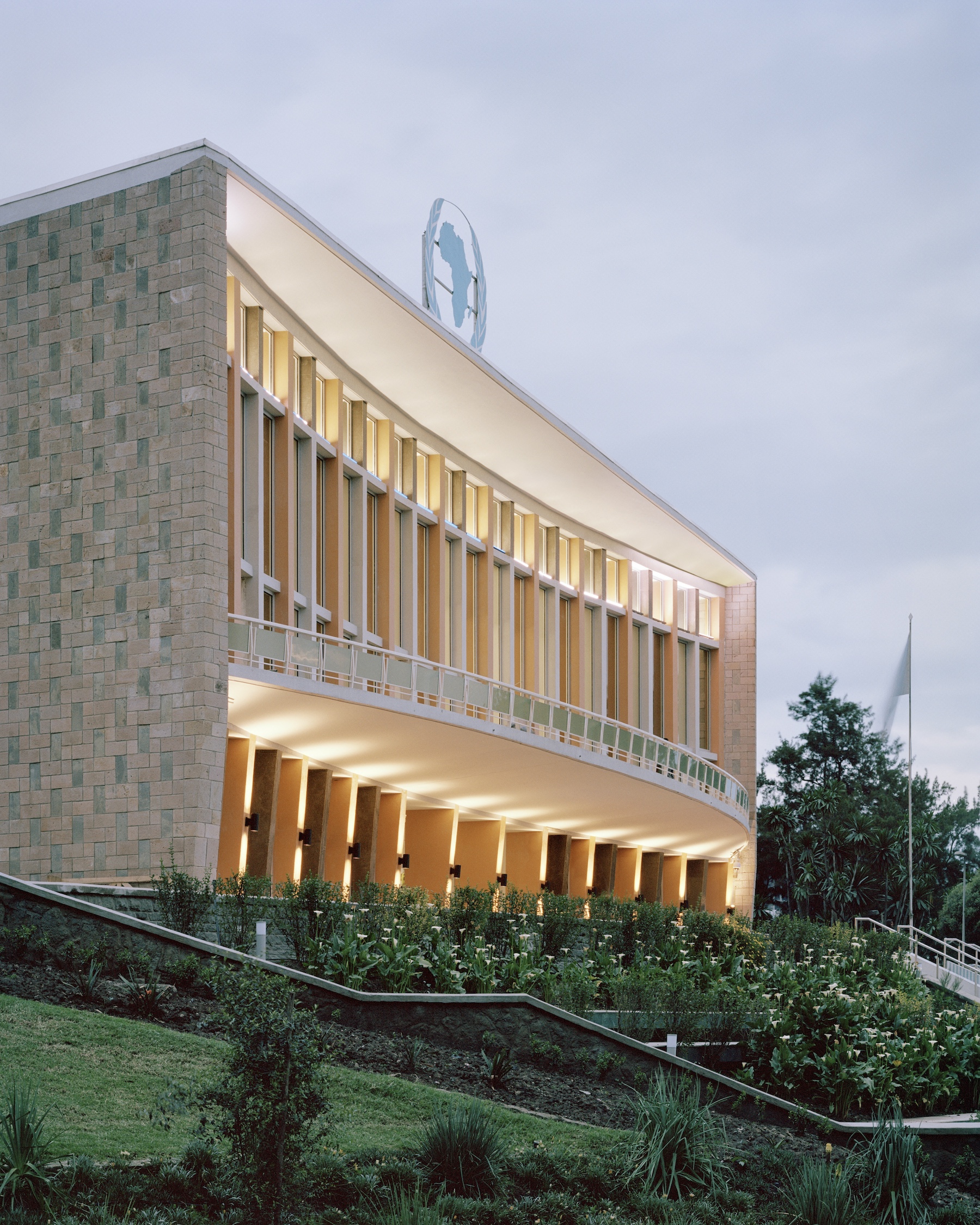
Architectus’ conservation and renewal of the United Nations’ Historic Africa Hall in Addis Ababa reasserts one of the defining works of African modernism as a functioning civic and diplomatic space.
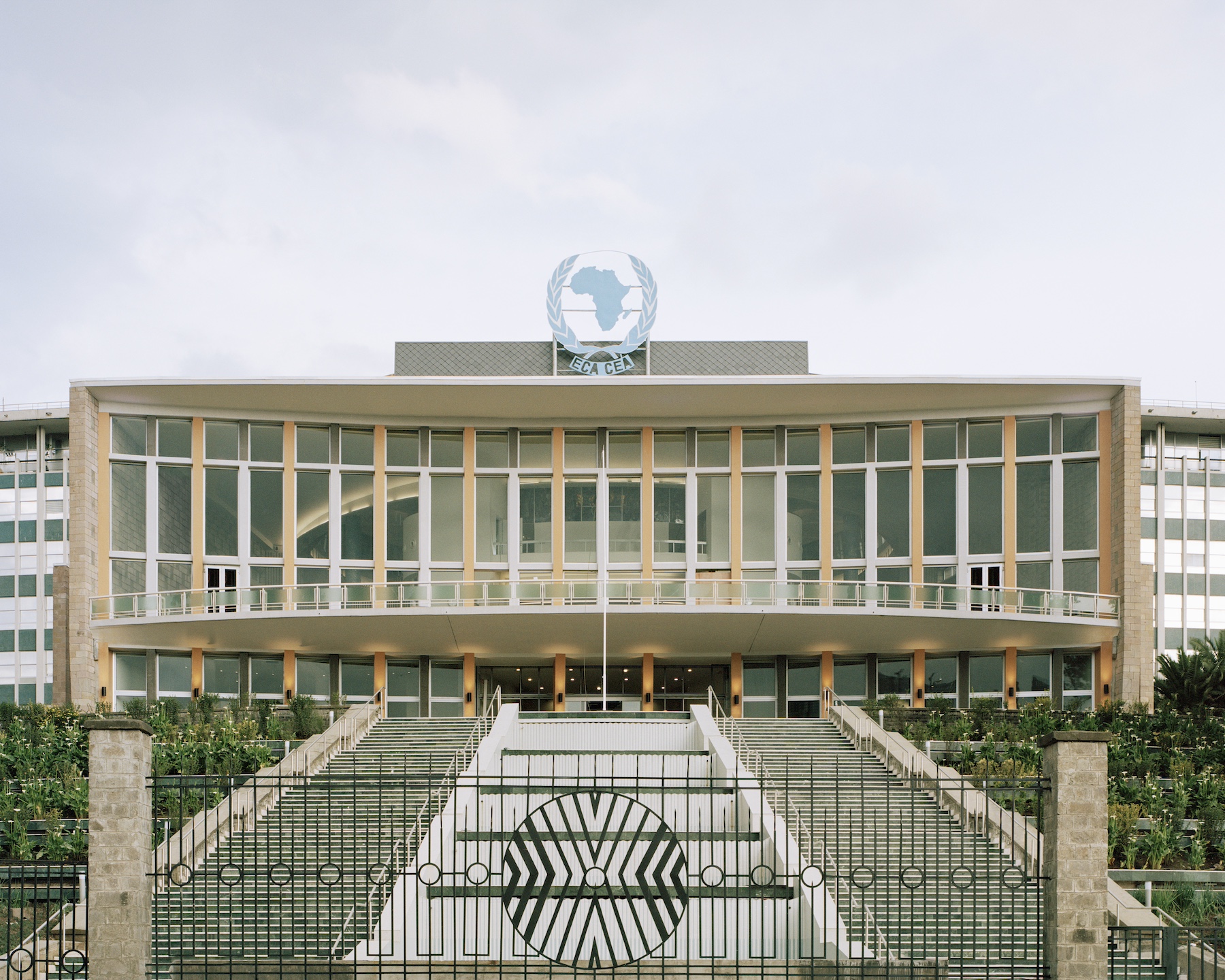
Australian practice Architectus has completed the comprehensive renewal of the United Nations’ Historic Africa Hall in Addis Ababa, Ethiopia, a project that has now been awarded the 2026 World Monuments Fund / Knoll Modernism Prize. Undertaken between 2014 and 2024, the decade-long conservation programme restored a building of exceptional architectural and cultural significance, while ensuring it can continue to operate as a working diplomatic venue for the continent.
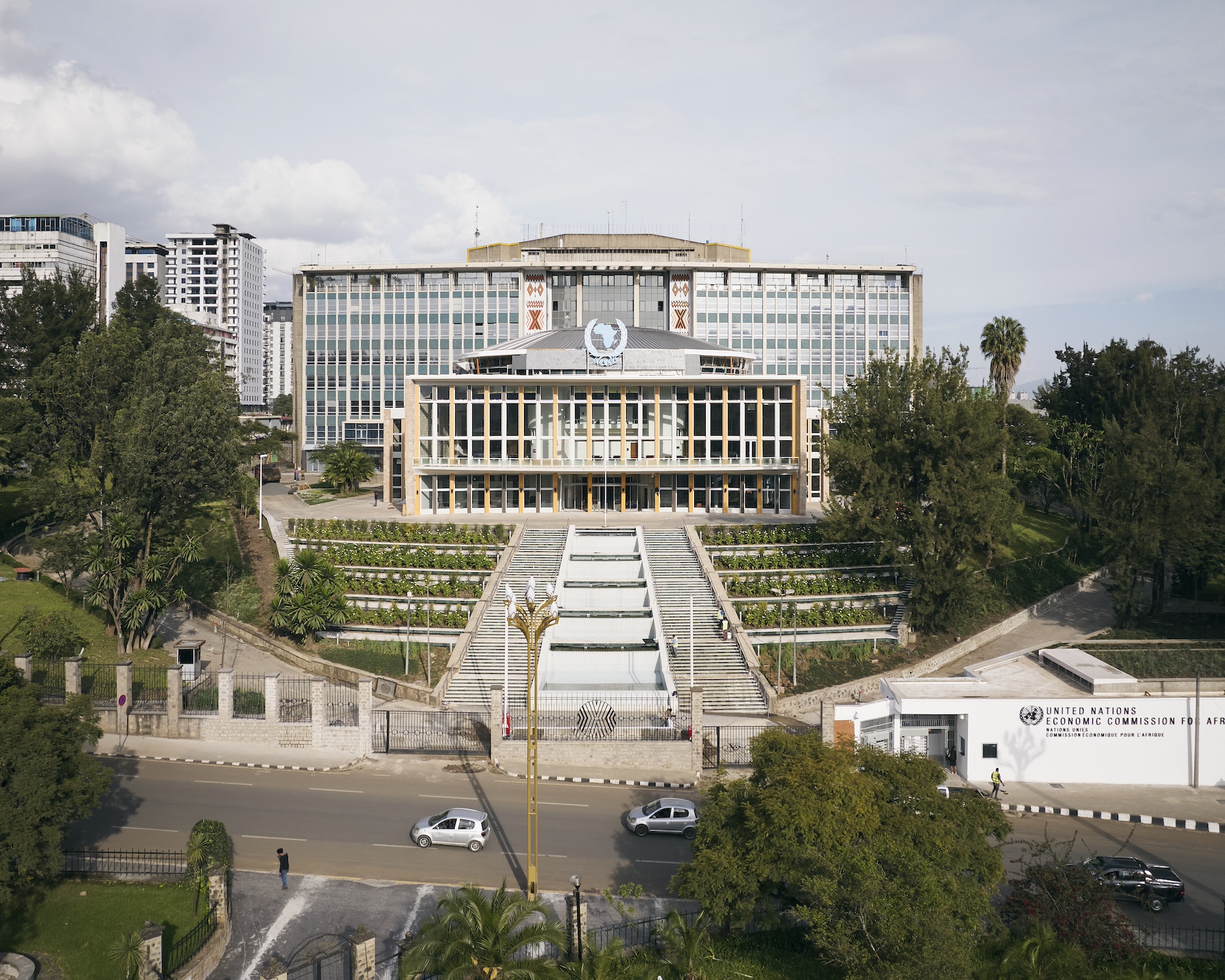
Originally designed by Italian architect Arturo Mezzedimi and completed in 1961, Africa Hall was conceived as the headquarters of the United Nations Economic Commission for Africa and as a symbolic meeting place for the continent’s nations. Within its walls, the Organisation of African Unity was founded in 1963 and by being positioned prominently within the capital of Ethiopia (the only African country never to have been colonised) the building quickly became recognised as a landmark of African modernism.
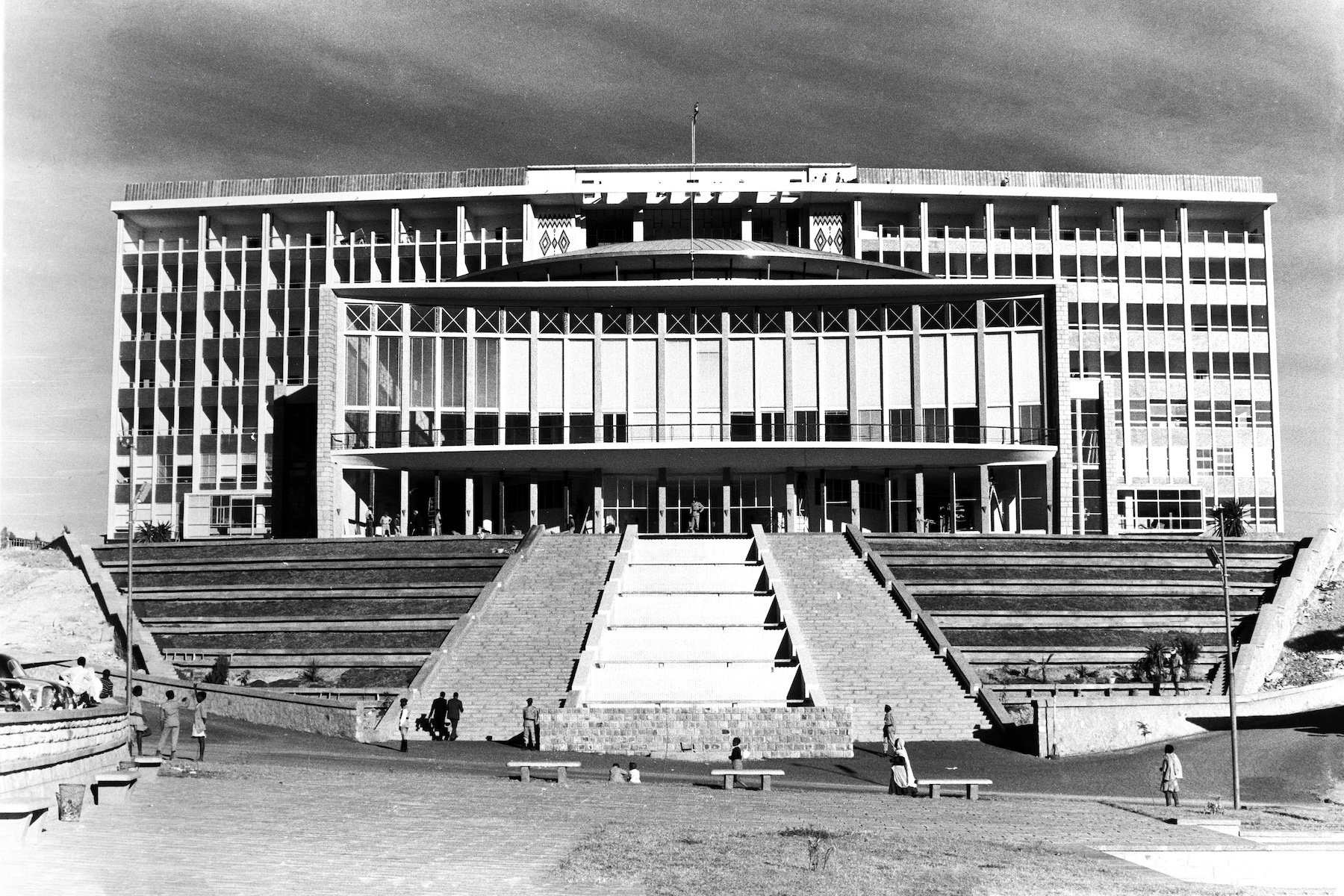
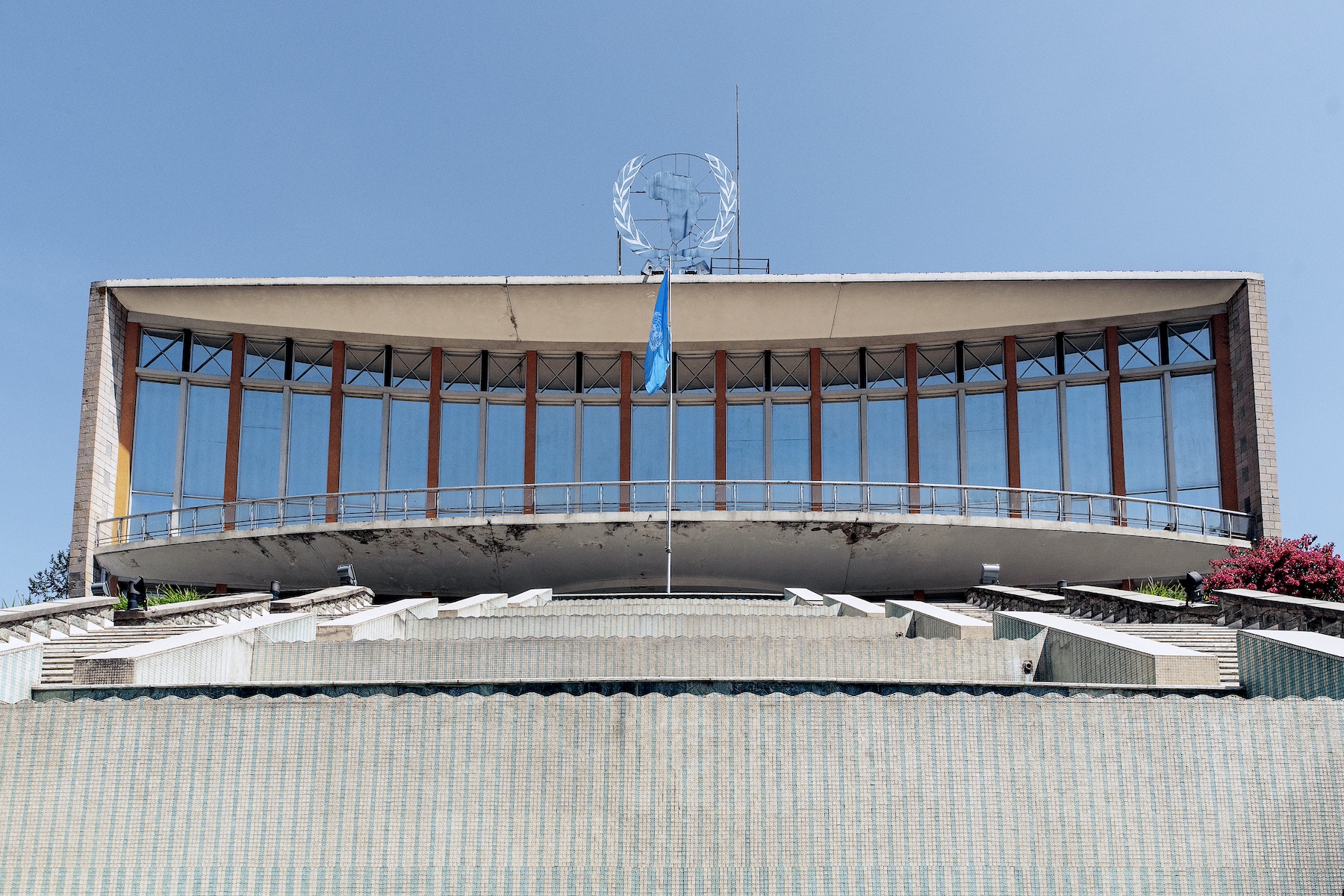
Above: Africa Hall circa 1969. (Courtesy: Mezzedimi Archives). Below: Africa Hall just before restoration work began.
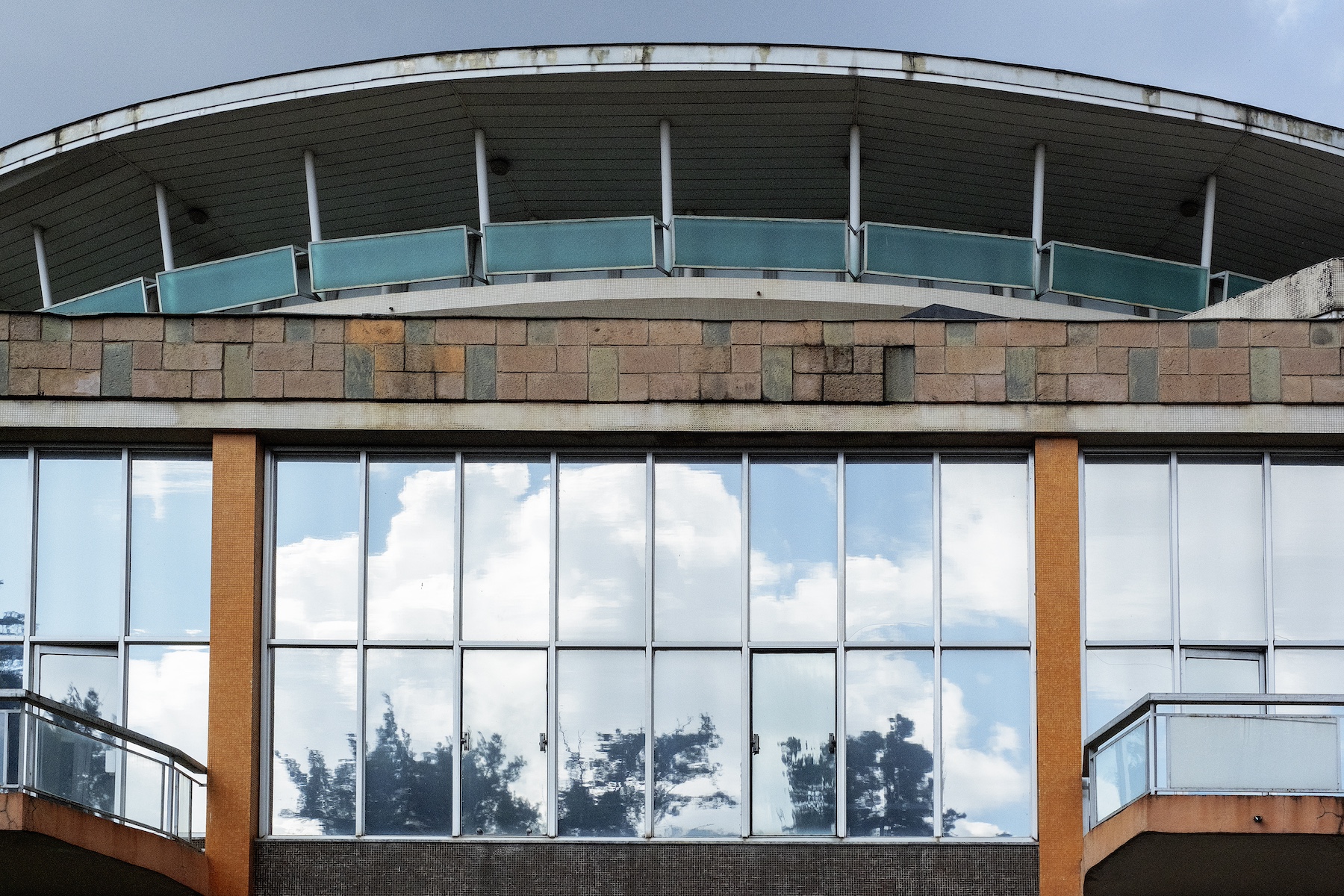
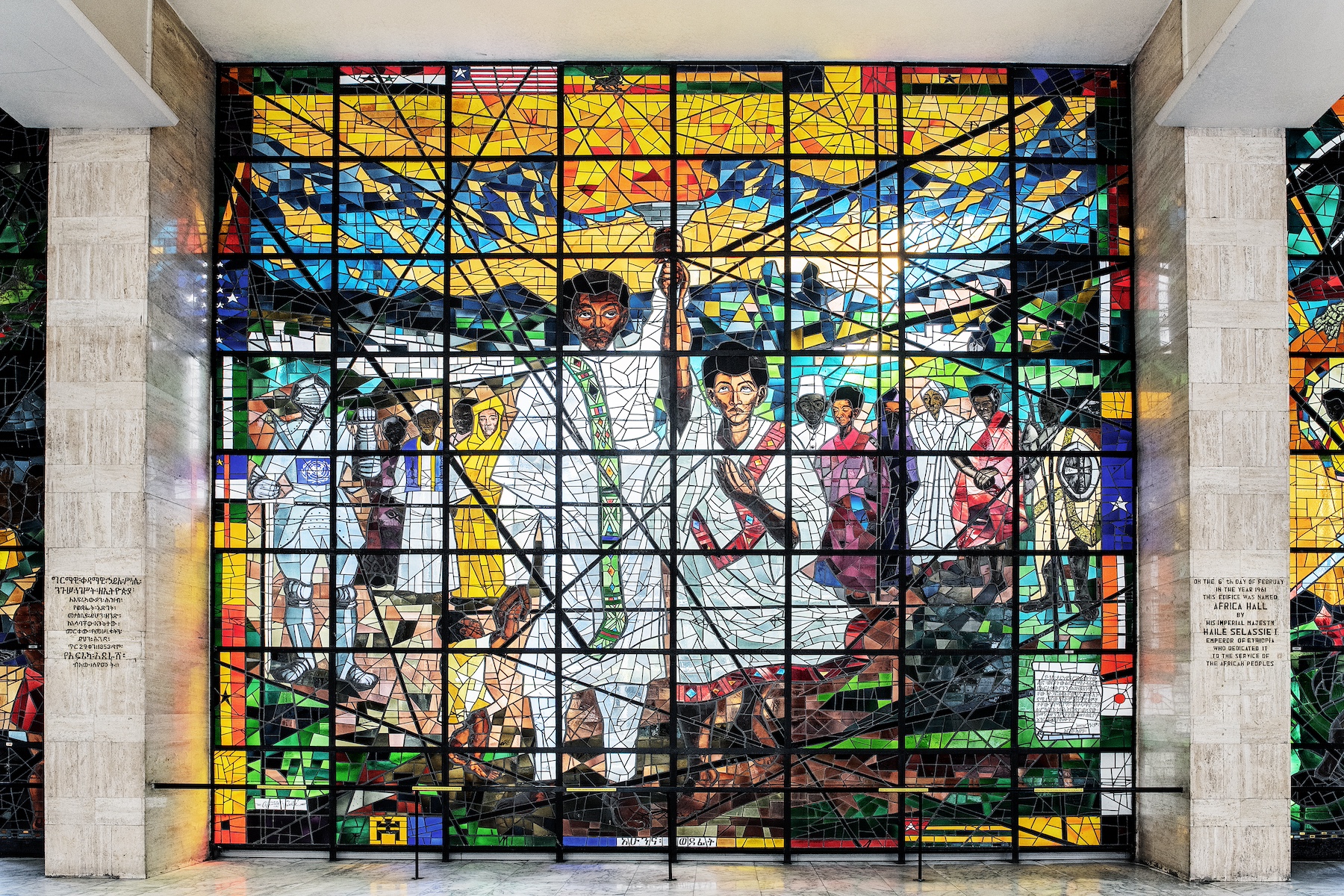
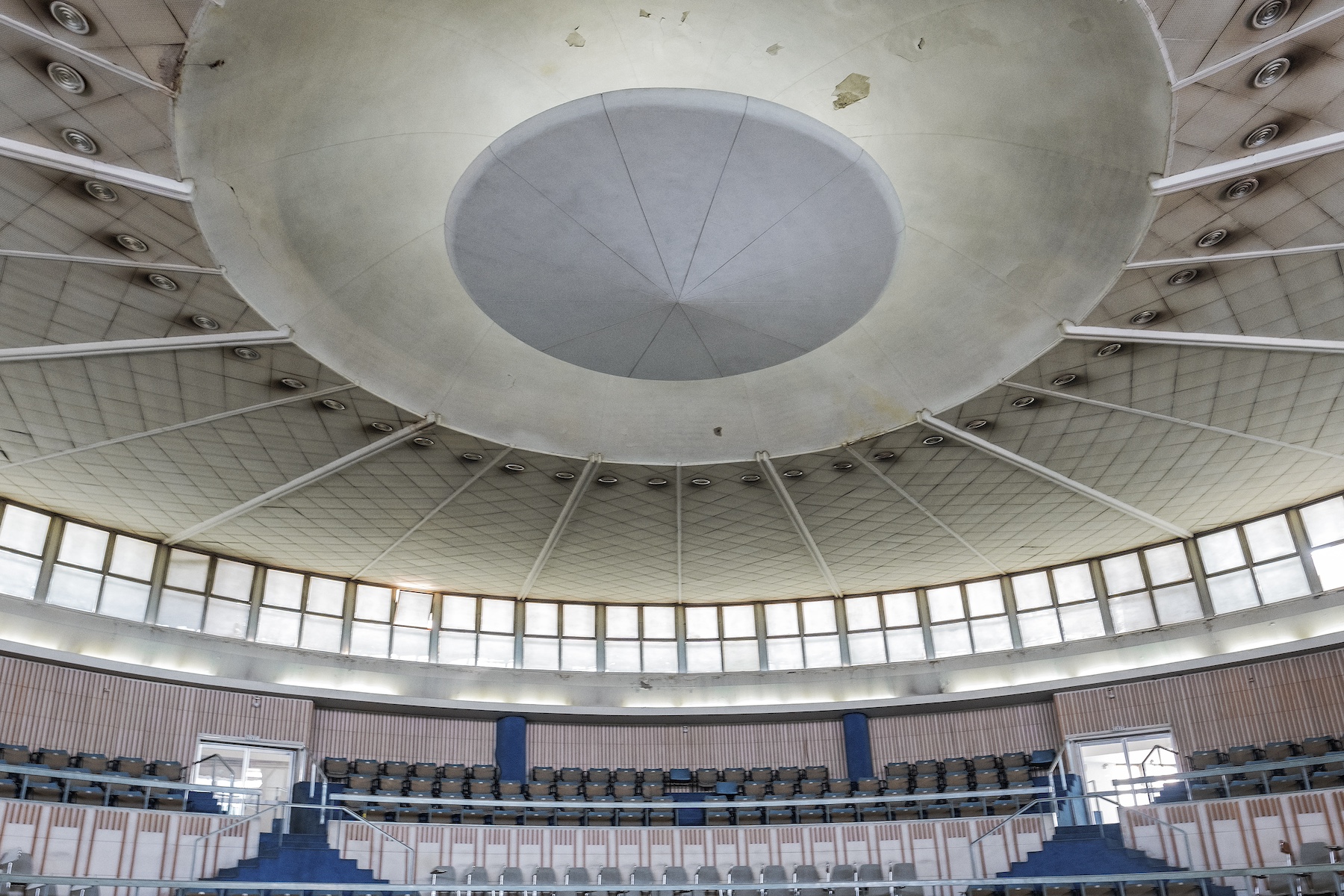
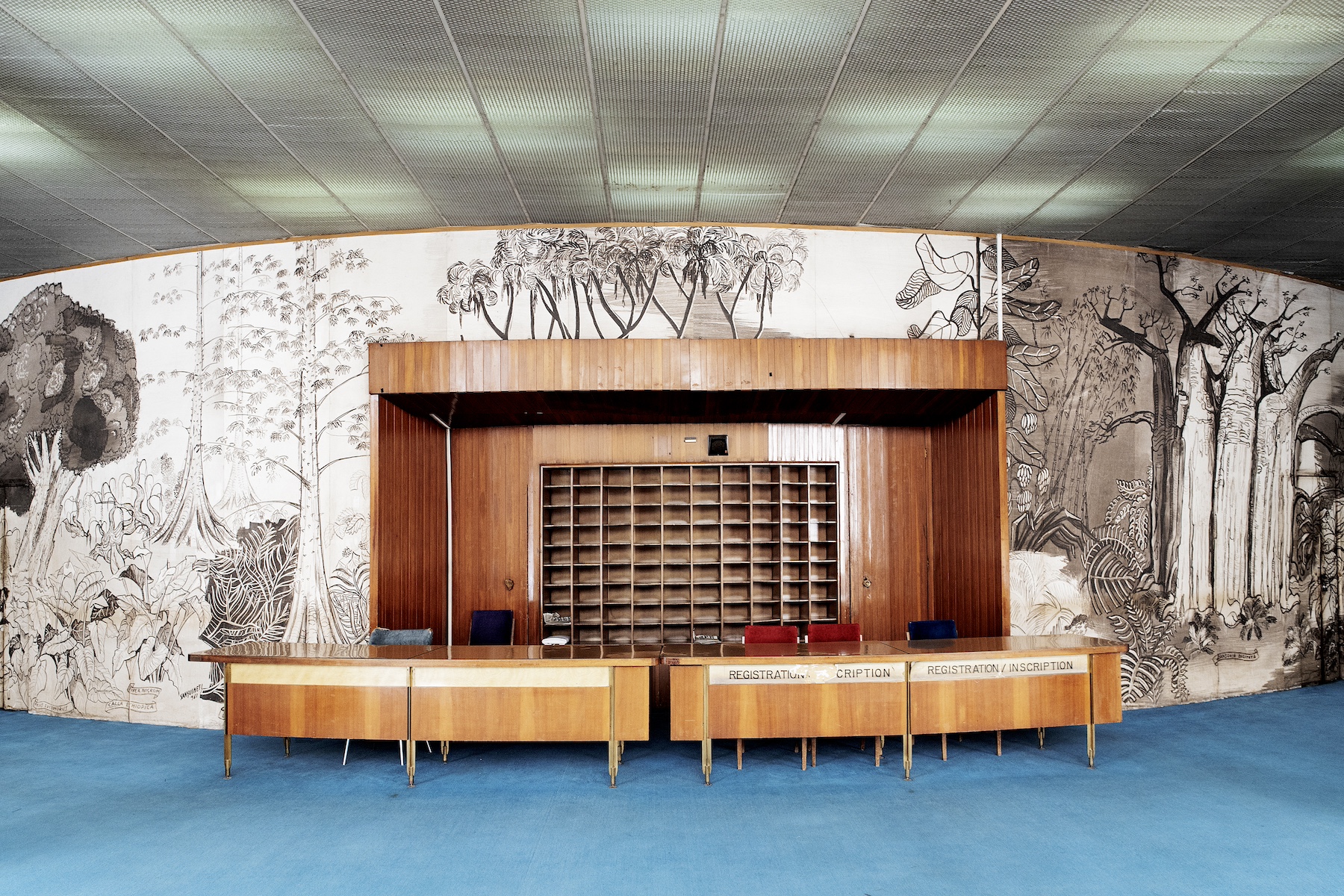
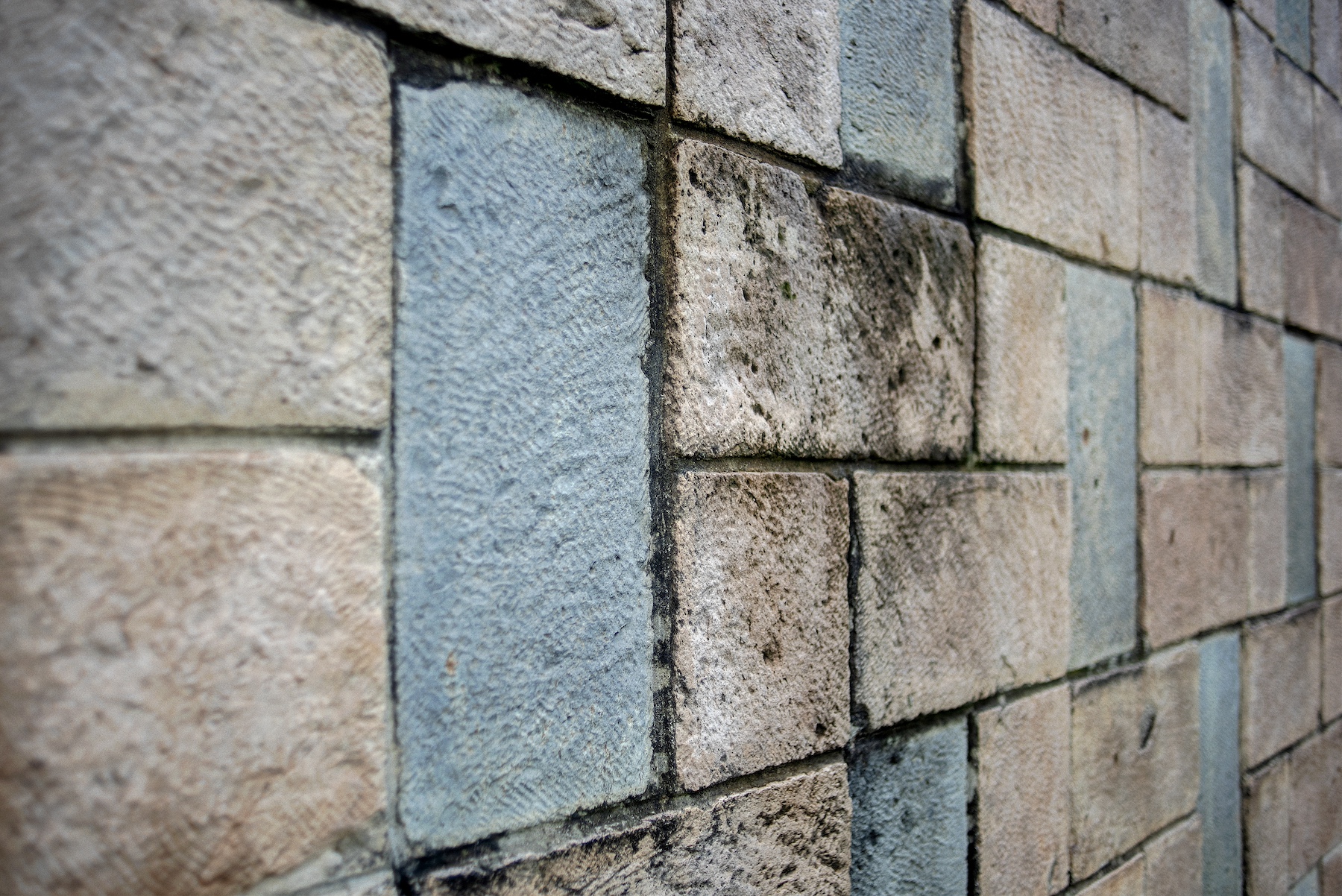
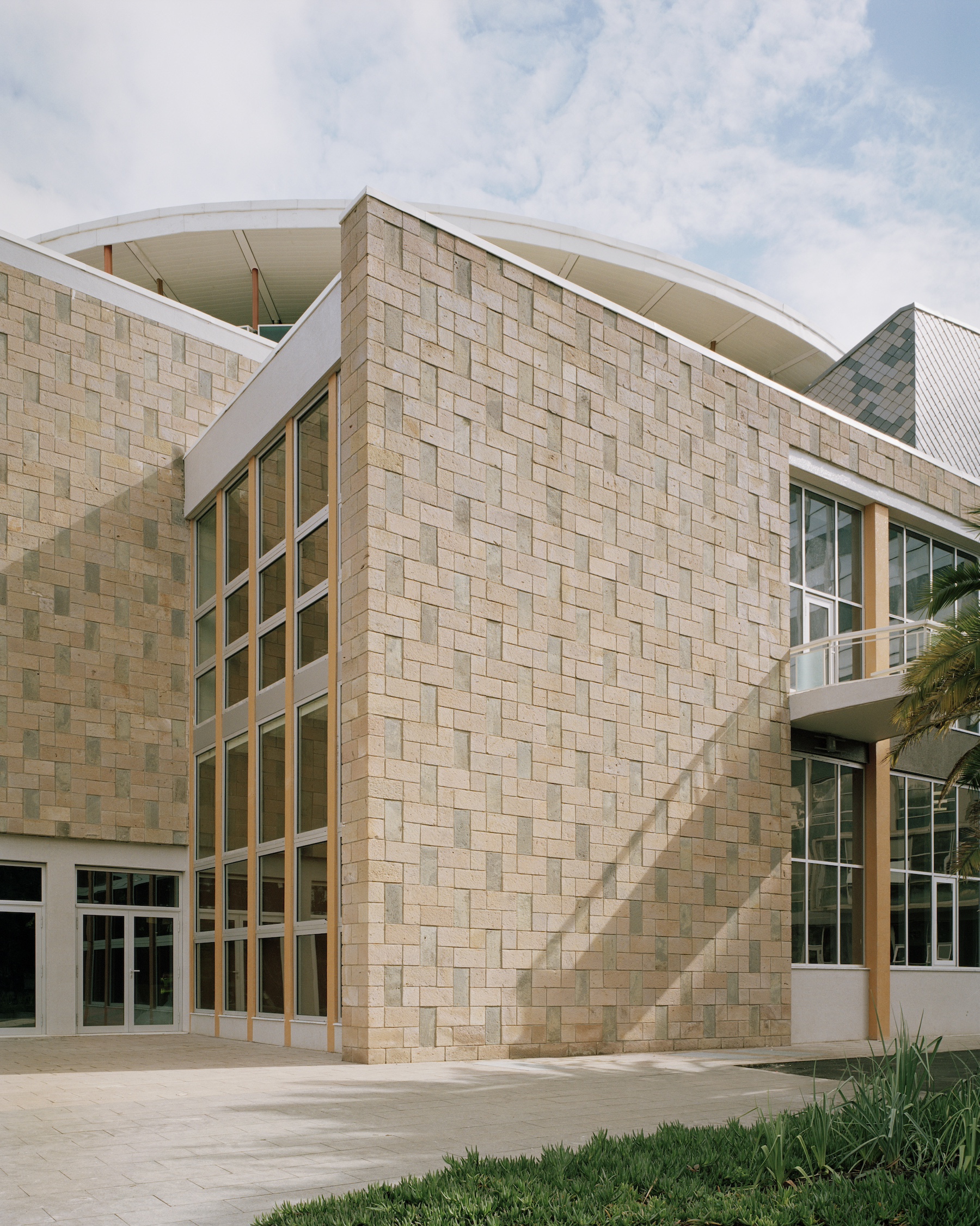
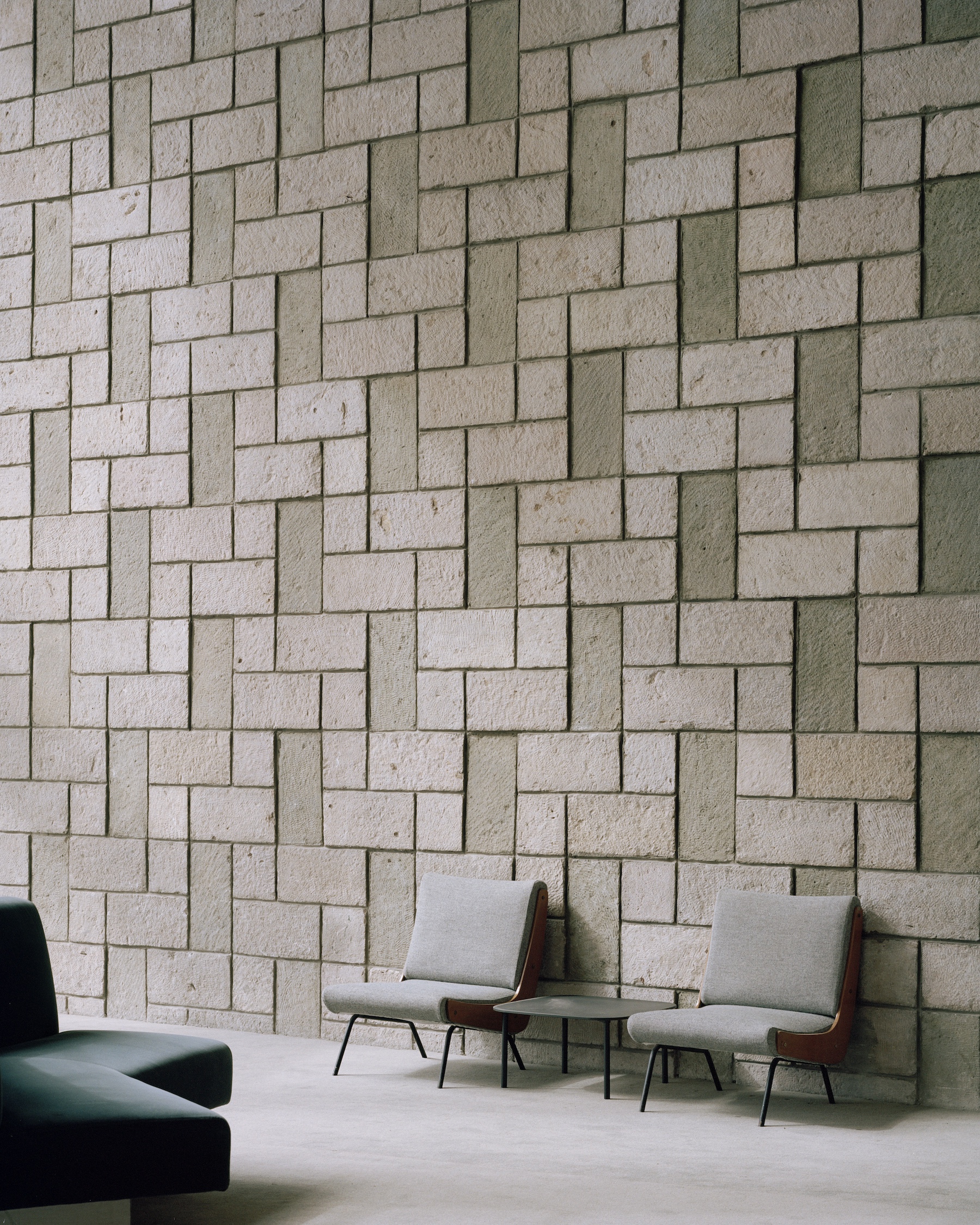
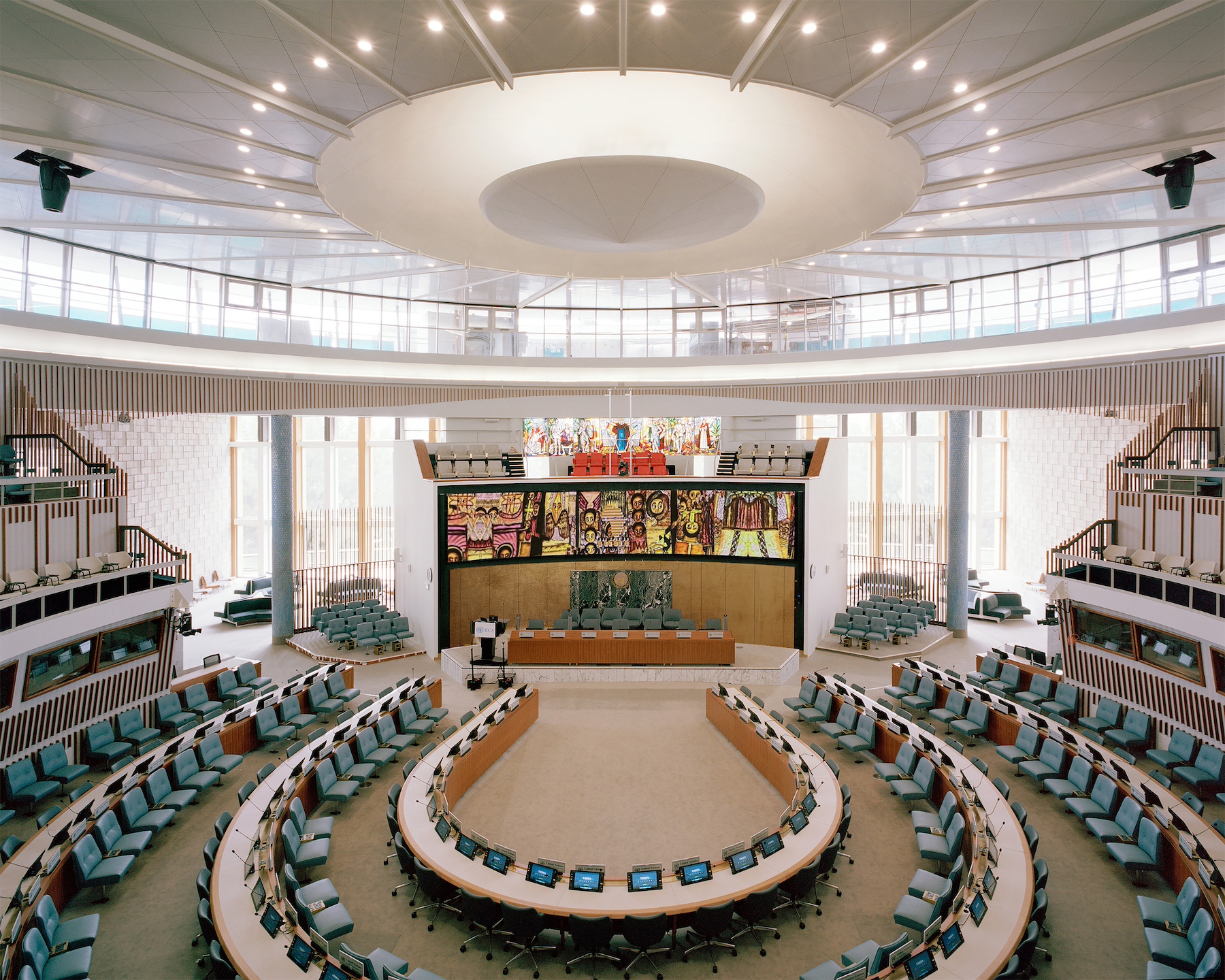
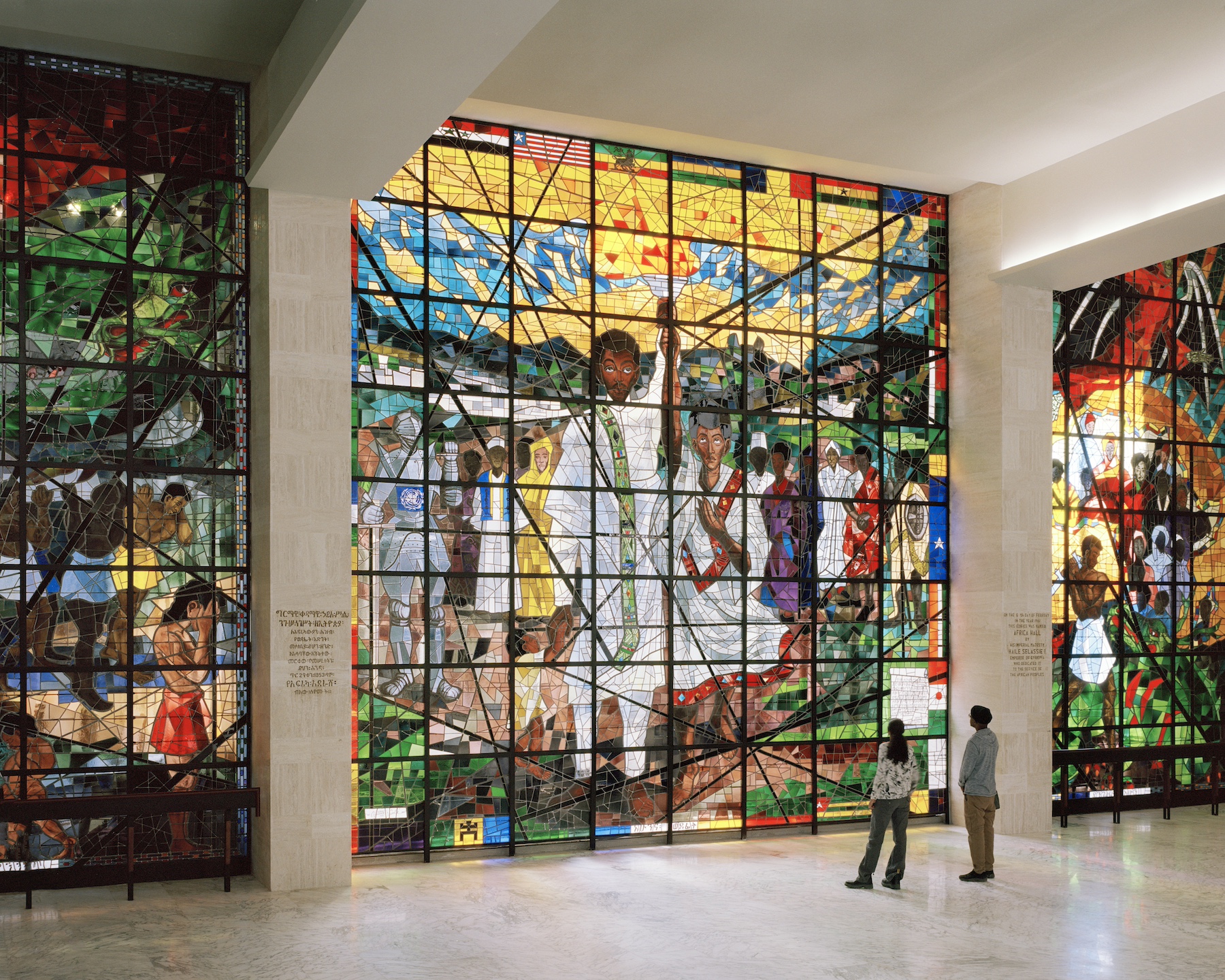
Mezzedimi’s original design is marked by a disciplined modernist composition and sweeping views across the Addis Ababa landscape. Inside, the building brings together Carrara marble, locally sourced Ethiopian stone and three monumental stained-glass windows by Ethiopian artist Afewerk Tekle, whose work lends colour, symbolism and scale to the principal interior spaces. Over time, however, material degradation and the demands of a contemporary diplomatic institution placed increasing strain on the building’s fabric and systems.
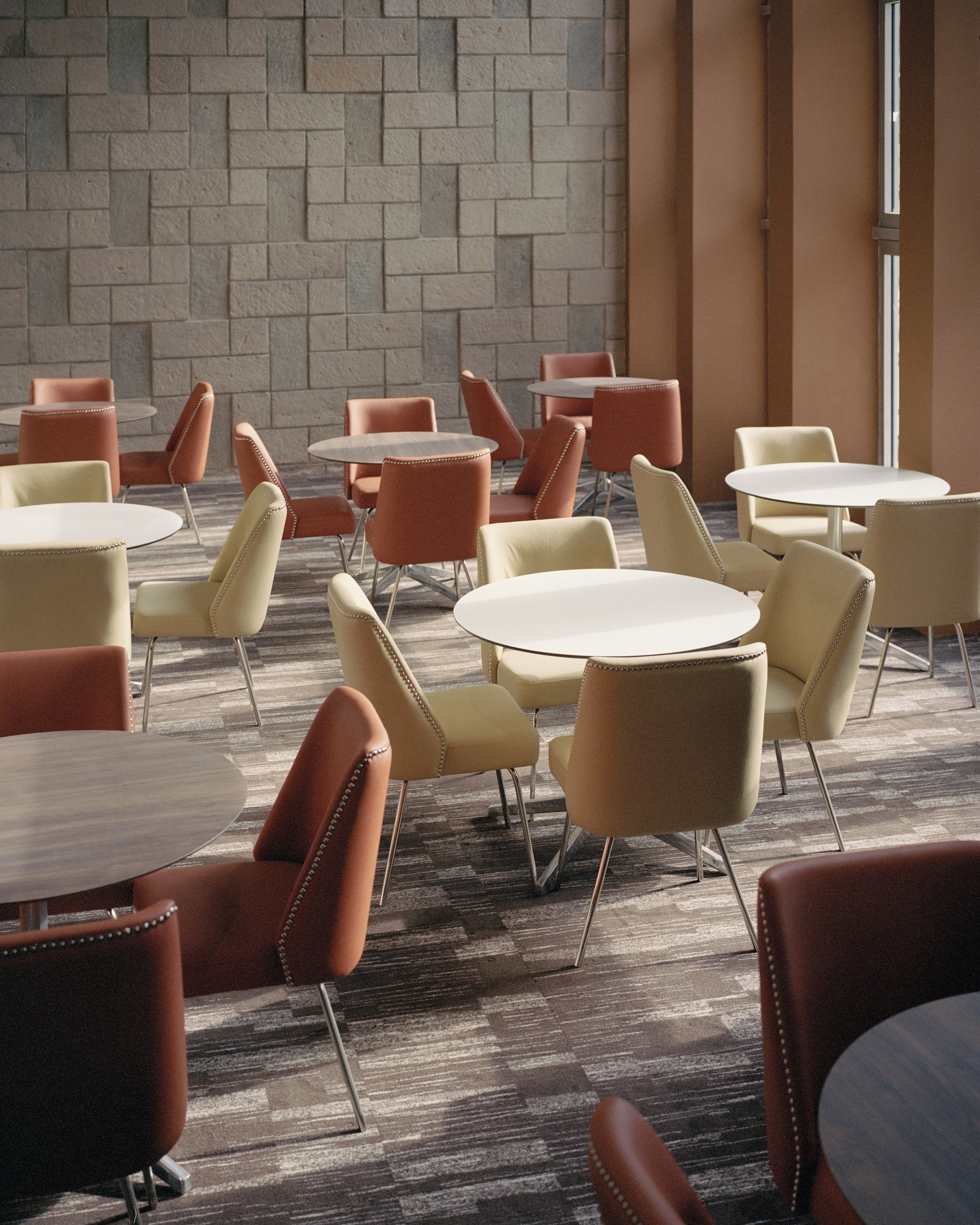
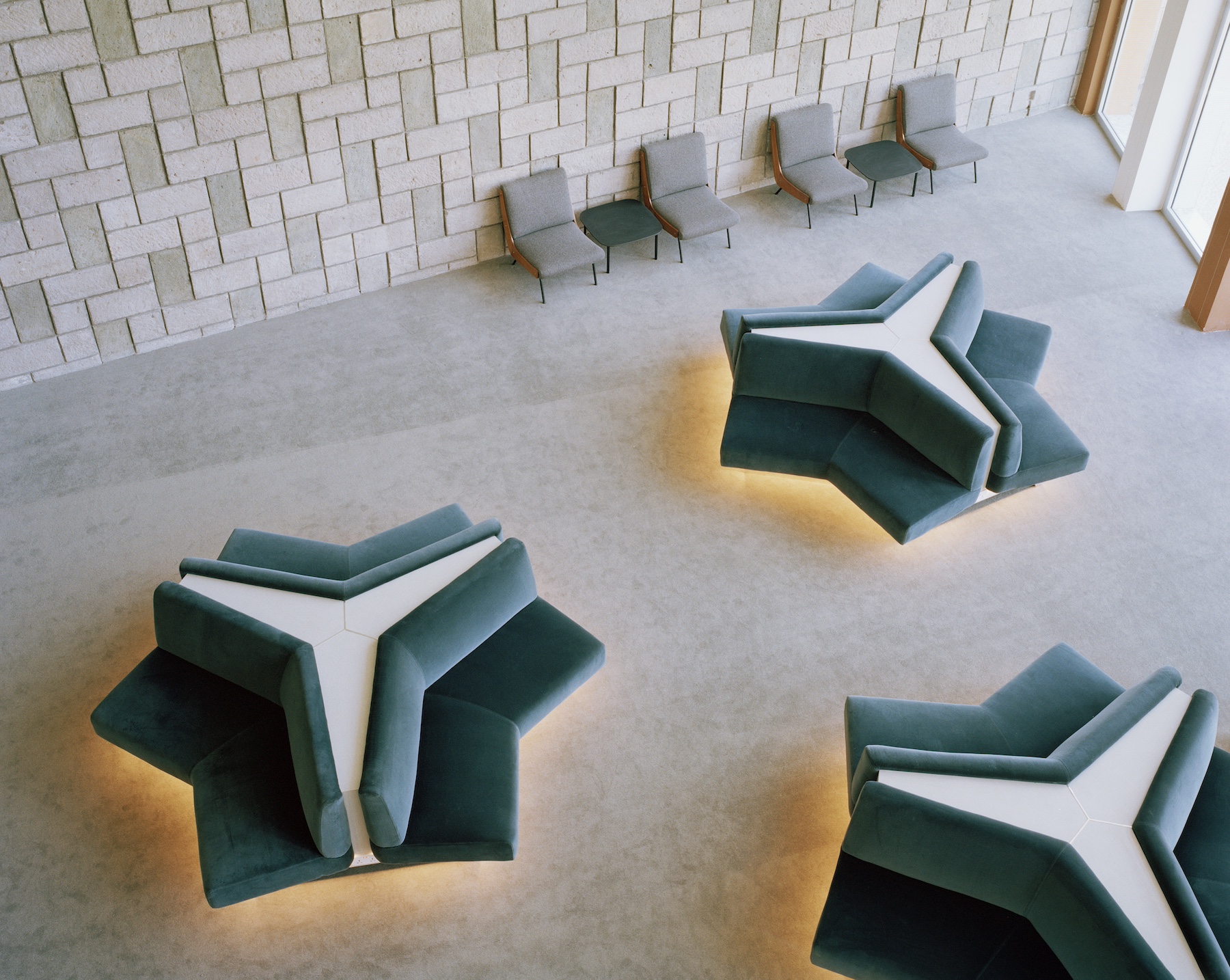
Architectus approached the renewal through a process of detailed archival research and forensic investigation, using Mezzedimi’s original drawings and specifications to guide interventions. The project reinstated the reinforced concrete structure, repaired mosaic finishes and conserved the 150-square-metre stained-glass windows, the latter being undertaken by Tekle’s grandson. Some 13 million new tiles were made to match the original works, while more than 500 bespoke items of furniture designed by Mezzedimi have also restored and returned to their original configurations, re-establishing the original spatial coherence of the interiors.
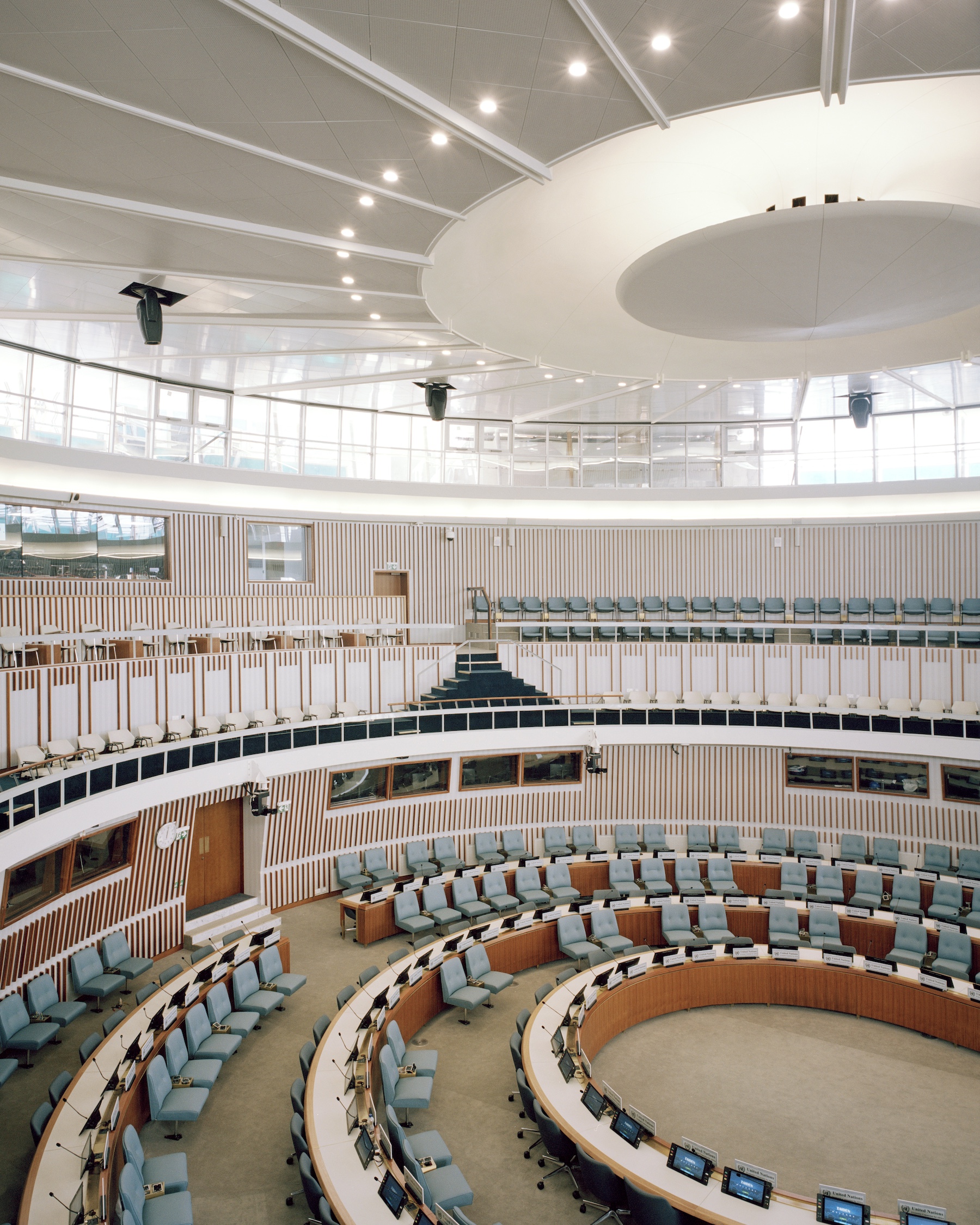
Alongside restoration, the project addressed the operational requirements of a contemporary international institution. Services, environmental systems and accessibility were carefully upgraded, with new elements integrated discreetly to preserve the clarity of the original architectural intent. Services spaces on the rooftop and a new external lift core have been clad in zinc shingles, creating a pattern that references the original mosaic tile profile, while elsewhere, the emphasis has been on continuity rather than contrast, allowing the building’s material richness and symbolic weight to remain foregrounded.
The building’s Assembly Hall found at the centre and where African Union meetings are held, has been reworked to now accommodate 55 member states, up from the original 32, also boasting new audio-visual systems and a 13-metre-wide LED display.
As a result of the ten-year effort, the renewed Africa Hall now reasserts its role as both a working civic building and a cultural landmark. Its selection for the World Monuments Fund / Knoll Modernism Prize marks the first time a site on the African continent has received the award since its inception in 2008, recognising not only the quality of the restoration but the wider importance of safeguarding modern architecture that remains in active public use. The prize will be formally presented during Modernism Week in Palm Springs on 18 February 2026.
“Modern architecture captures some of the most ambitious ideas of the twentieth century, but its innovations also render these buildings vulnerable to the passage of time,” said Bénédicte de Montlaur, president and CEO of World Monuments Fund. “Our Modernism Program and the World Monuments Fund/Knoll Modernism Prize were created to bring attention to these challenges and highlight exemplary preservation efforts around the world. The renewal of Africa Hall by Architectus embodies this mission, honoring the original architect’s vision while ensuring the building can continue to serve as a vital place for cultural exchange and African unity.”
“Africa Hall stands as one of the most important expressions of modern architecture on the continent, a building that brought together international ideas and local identity at a pivotal moment in the region’s history of decolonization and national autonomy,” added Barry Bergdoll, Meyer Schapiro Professor of Art History and Archaeology at Columbia University and Chairman of the Jury.
“From its placement at one of the most prominent sites in the capital of Ethiopia (the only African country never to have been colonized), the architecture combined a functionalist rationality of structure and purpose with the aura of modernism’s optimism in the future. The recent restoration has allowed the clarity of Messedimi’s design to speak again, revealing the ambition, craftsmanship, and symbolic power that have made the building a landmark of modernism and a continuing stage for African diplomacy.”
Credits
Client
United Nations Economic Commission for Africa (ECA)
Architect
Architectus
Original architect
Arturo Mezzèdimi (1961)
General Contractor
Alec Engineering and Contracting
“
Additional images