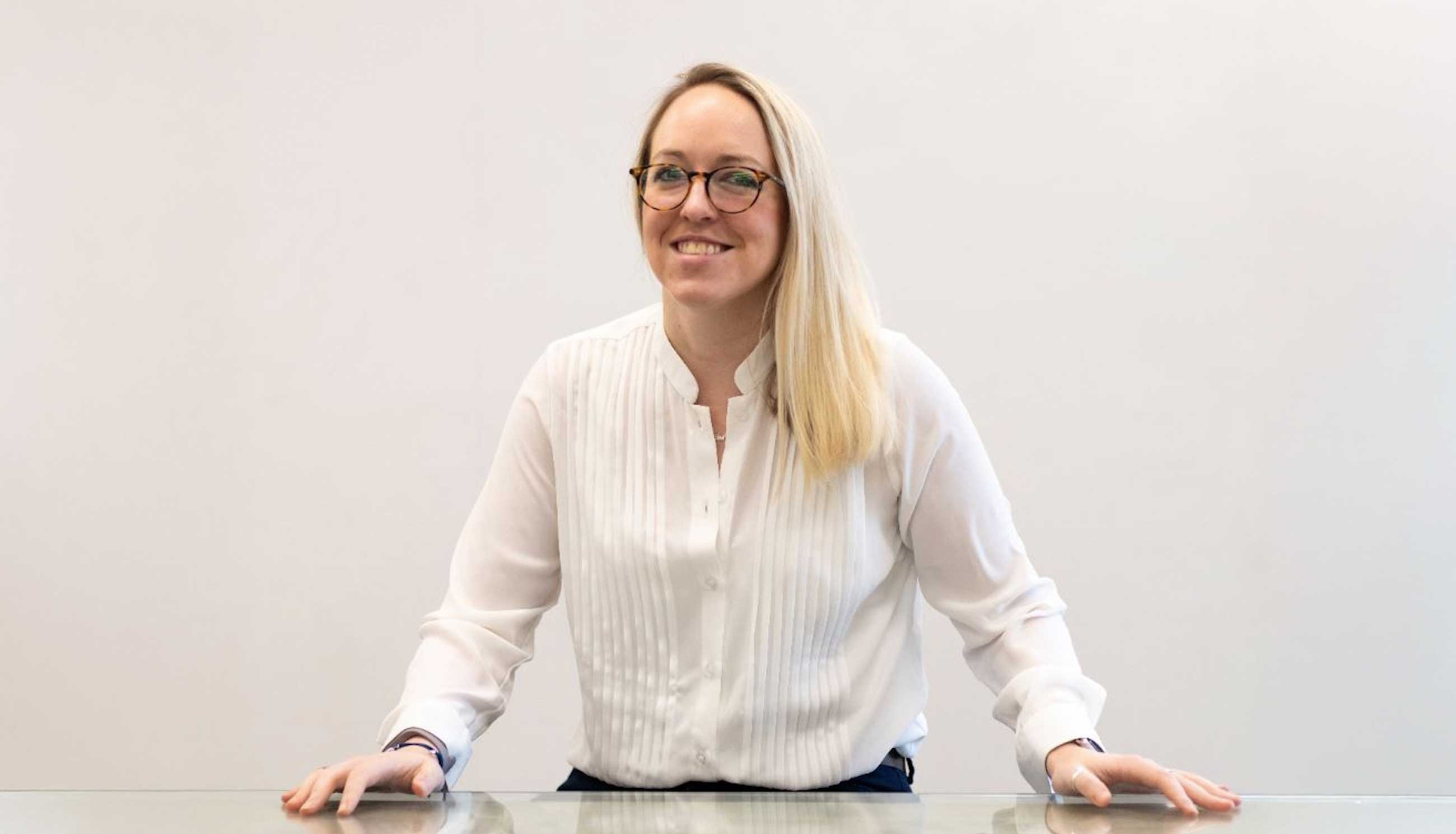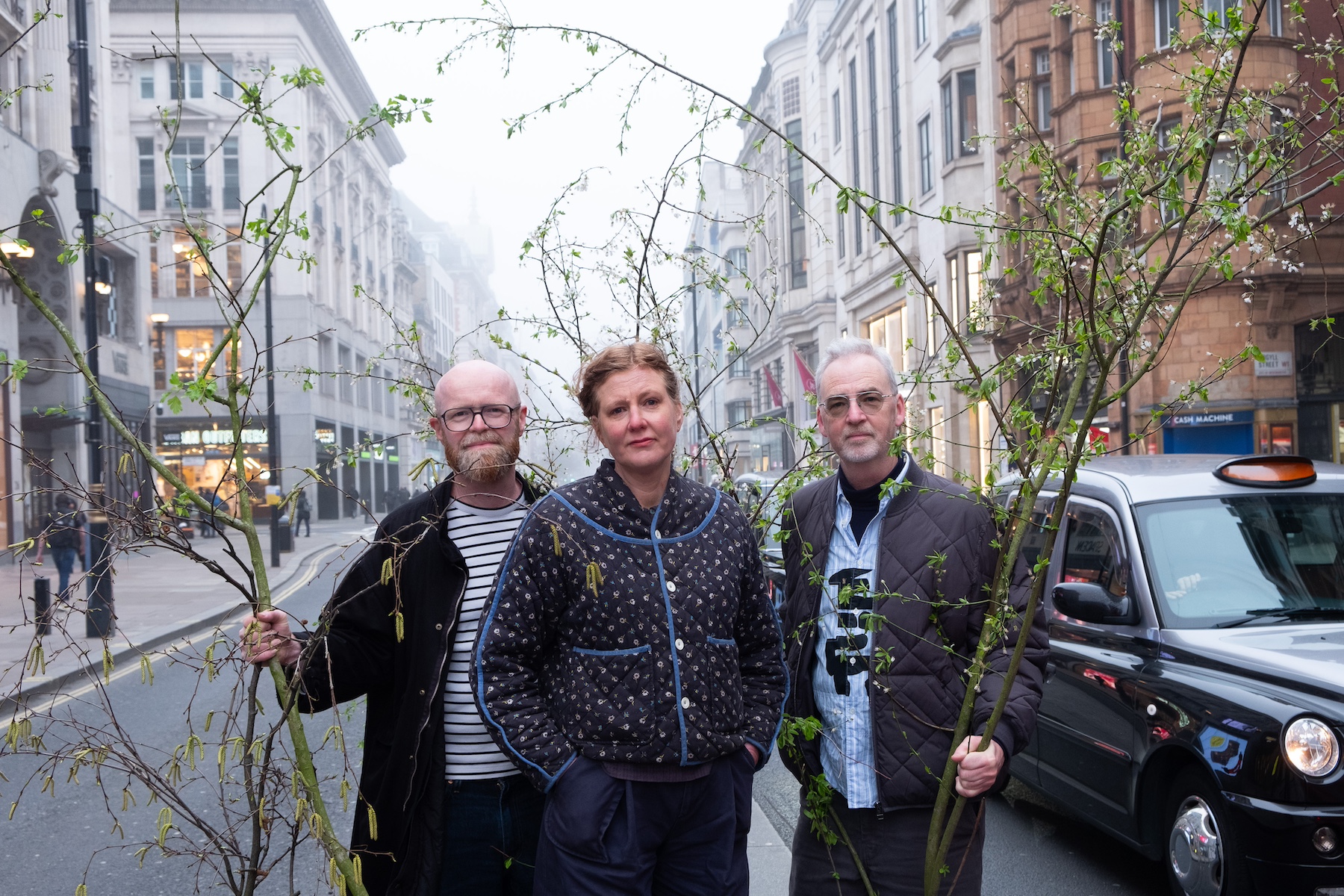
Ben Hancock, Managing Director at Oscar Acoustics, answers readers’ questions on how architects can design audio-inclusive spaces that support communication, connection, and focus.

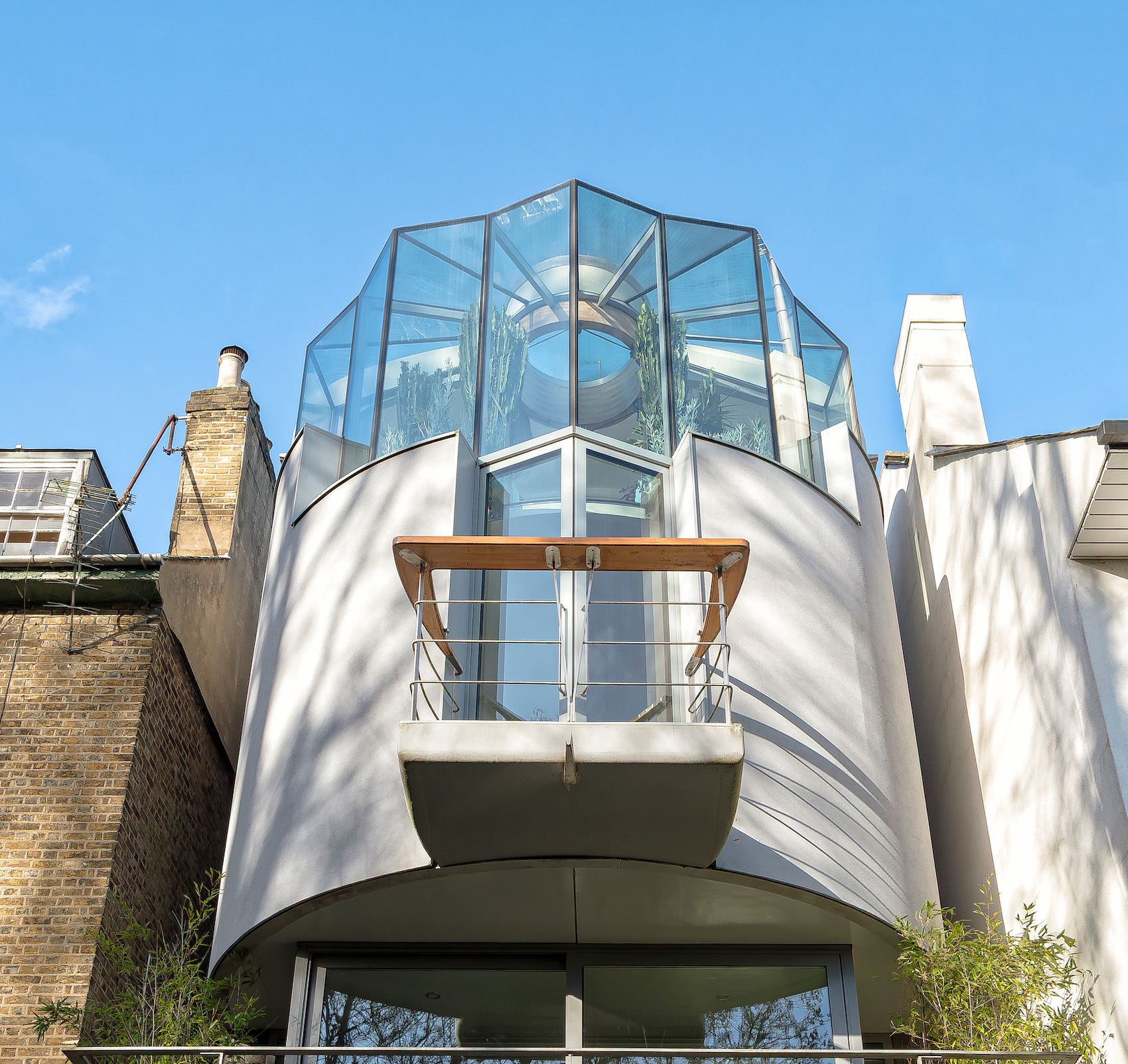
SonaSpray K-13 Special in Oscar Acoustics’ HQ – set to be the world’s first Sownd Certified building (photo: Antonia Stuart).
Why is audio-inclusivity an important consideration in the design of buildings?
Because sound affects everyone, whether we realise it or not. Audio-inclusivity is about designing spaces where people can comfortably communicate, focus and connect. Poor acoustics lead to disengagement. People leave earlier, spend less time, or avoid the space altogether. What’s often overlooked is the scale of the issue. Around 30 per cent of the population live with hearing or visual challenges or are neurodivergent. For many, noisy environments aren’t just uncomfortable, they’re excluding. Beyond that 30 per cent, we all feel the impact. We’ve all been in spaces where noise drains the enjoyment out of the experience. Audio-inclusive design simply makes buildings work better for everyone.
What environments most commonly exclude people with noise sensitivity – and what are the practical consequences?
Hospitality venues are a big one – restaurants, bars, cafés – but also offices, schools, cultural venues and public buildings. Anywhere with hard surfaces, open layouts and little acoustic control can quickly become overwhelming. The consequences are significant. People avoid socialising, dining out, and struggle to perform at work. Many stay at home, leading to isolation. Staff may work eight-hour shifts in spaces regularly exceeding 90–95dB, which is not just unpleasant but detrimental to health. From a business point of view, it matters too. Research shows that around 80 per cent of people won’t return to a restaurant if it’s too noisy. That’s not subjective, it’s lost revenue. Acoustic design is a commercial advantage.
What are the key acoustic design principles that support audio-inclusivity?
At its core, it’s about controlling reverberation, reducing background noise, and improving speech clarity. You don’t need silence, you need balance. That means treating spaces with effective acoustic materials, considering finishes early in the design process, and avoiding the trap of leaving acoustics until the end.
Treatments, such as our Oscar Elite acoustic plaster and SonaSpray acoustic sprays, can dramatically improve a space without compromising aesthetics or layout. Unlike traditional rigid solutions, these spray finishes can be applied to almost any surface and are available in a wide range of textures and colours, either blending seamlessly or becoming a design feature. At Oscar Acoustics, we focus on acoustic solutions that work with the architecture, creating spaces that sound as good as they look.
What is Sownd Certification, and what role does it play?
Sownd Certification, developed by Sownd Affects, recognises buildings with proven acoustic performance as audio-inclusive. It’s an evidence-based accreditation that moves acoustics from a ‘nice to have’ to a measurable business outcome. Oscar Acoustics is proud to be the first company to support and align with Sownd Certification. Our HQ and product showroom, the Oscar Innovation Centre, is set to become the world’s first Sownd Certified building. It gives clients and architects a credible way to show that a space genuinely works for everyone. Crucially, it reframes audio-inclusivity around people and human-centric design. It’s about human experience, moving the conversation beyond box-ticking.
How can architects use Sownd Certification as a framework?
Sownd Certification provides a clear benchmark for architects, contractors and acoustic consultants. It supports inclusive design goals and communicates the value of acoustic investment in a language clients understand. All Oscar Acoustics projects automatically qualify for Bronze-level Sownd Certification, which means our acoustic upgrades translate directly into recognised performance. That turns good design intent into verified outcomes for clients. For architects, it’s a tool to future-proof buildings and demonstrate social value without adding complexity. Sownd Certification is a visible mark of design excellence that adds commercial and reputational value to a project.
Why should acoustic inclusivity be seen as a commercial asset, not just compliance?
Acoustics directly influence behaviour. They affect how long people stay, how much they spend, how well staff perform, and whether people return. We’ve all leaned into the middle of the table in a noisy restaurant just to hear the conversation. If customers are working that hard, they aren’t enjoying themselves and enjoyment drives revenue. Sownd Certification helps connect acoustic performance to measurable ROI, better user experience, improved wellbeing, higher staff retention and stronger brand loyalty. That’s not just compliance, that’s smart business.
What advice would you give to architects or clients who want to improve audio-inclusivity but don’t know where to start?
The first step is recognising that noise doesn’t have to be part of a space. Sownd Certification was created for the one in three who are noise-sensitive, but in reality, better acoustics benefit everyone, improving comfort, clarity and experience. Think about acoustics from the very start. Engage a specialist early, and make acoustic goals part of the design brief rather than an afterthought. Simple, well-considered interventions can make a huge difference without compromising aesthetics.
Products like SonaSpray are a great example. They can be applied to almost any surface, blend seamlessly with the architecture, and dramatically improve sound quality. Whether it’s a restaurant, office or entertainment venue, these treatments help conversations flow, reduce fatigue, and make spaces more welcoming.
Finally, use Sownd Certification as your framework. It provides clear benchmarks and evidence that your space works for people. It’s a tool that builds confidence with clients, future-proofs designs, and translates good acoustic practice into measurable value and ROI.
Click the Oscar Acoustics and Sownd Certification links to find our more.