

Shaping the future of facades
AT Editor2026-04-23T16:31:00+01:00James Hardie discusses how its Hardie® Panel systems and comprehensive technical support help specifiers deliver durable, low-maintenance facades with reduced environmental impact.
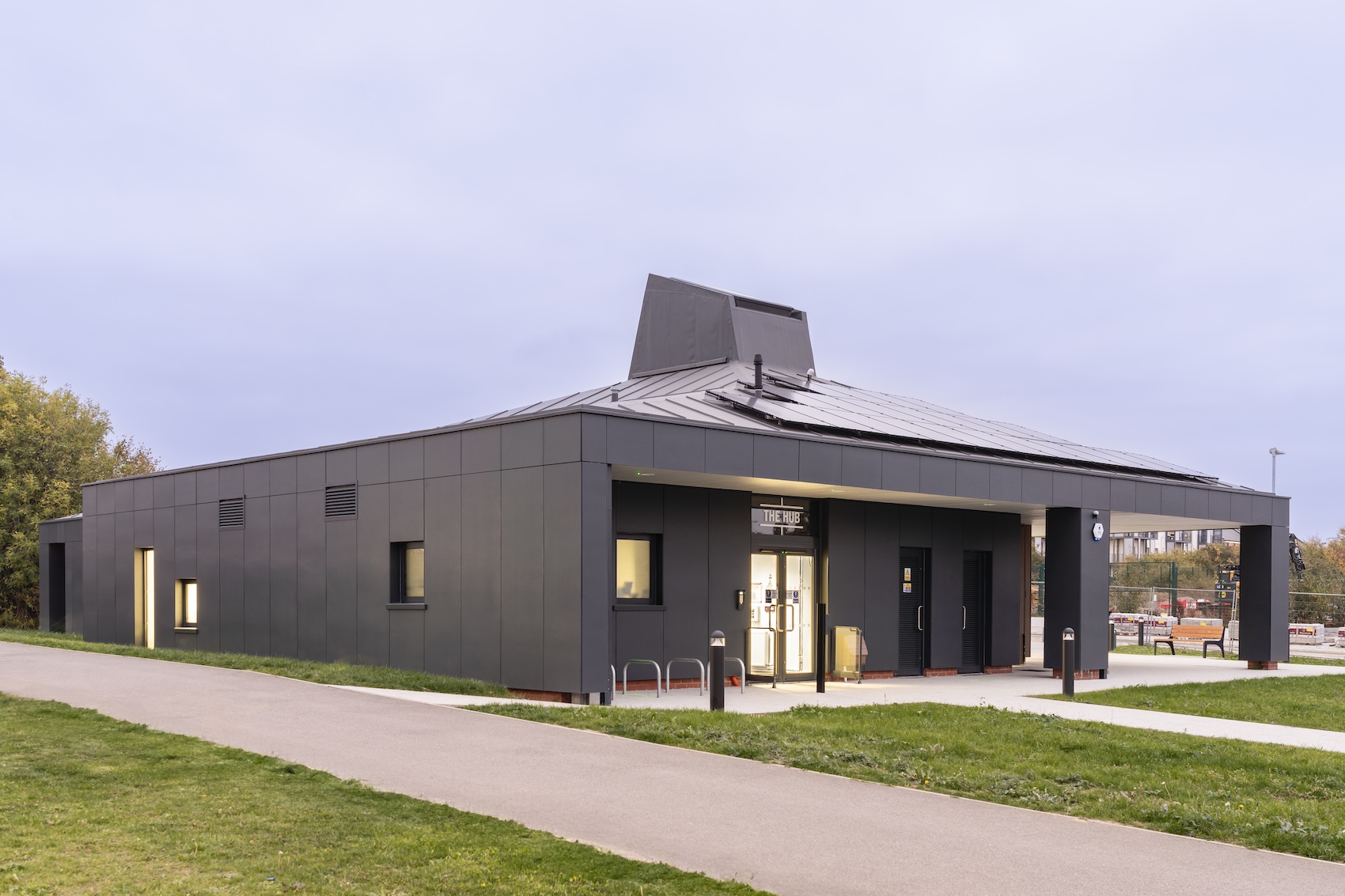
James Hardie discusses how its Hardie® Panel systems and comprehensive technical support help specifiers deliver durable, low-maintenance facades with reduced environmental impact.
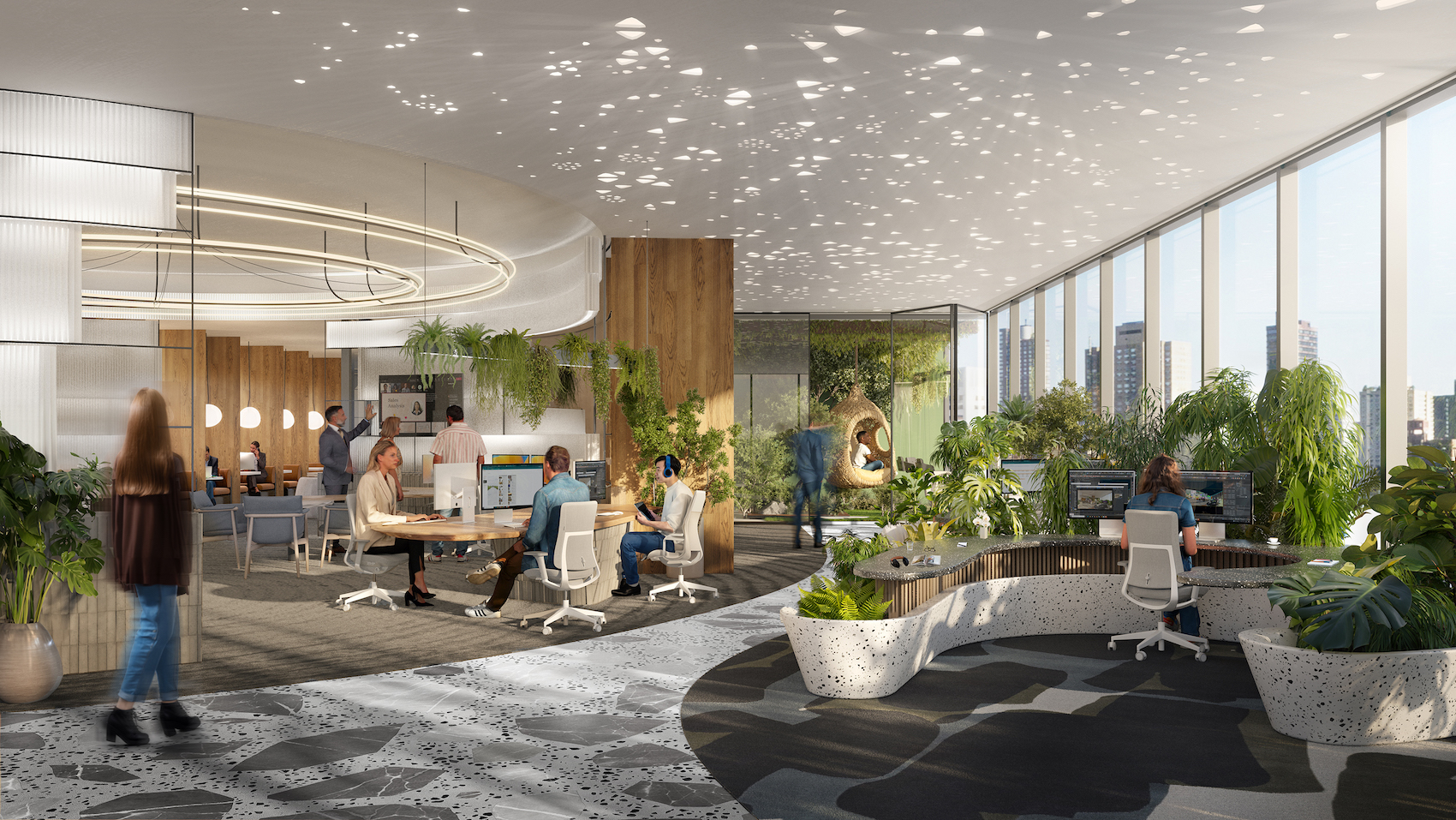
Watch the AT webinar, in partnership with Vectorworks, exploring how AI and digital tools are reshaping architectural practice, from heritage and design workflows to collaboration, visualisation and manufacturing.
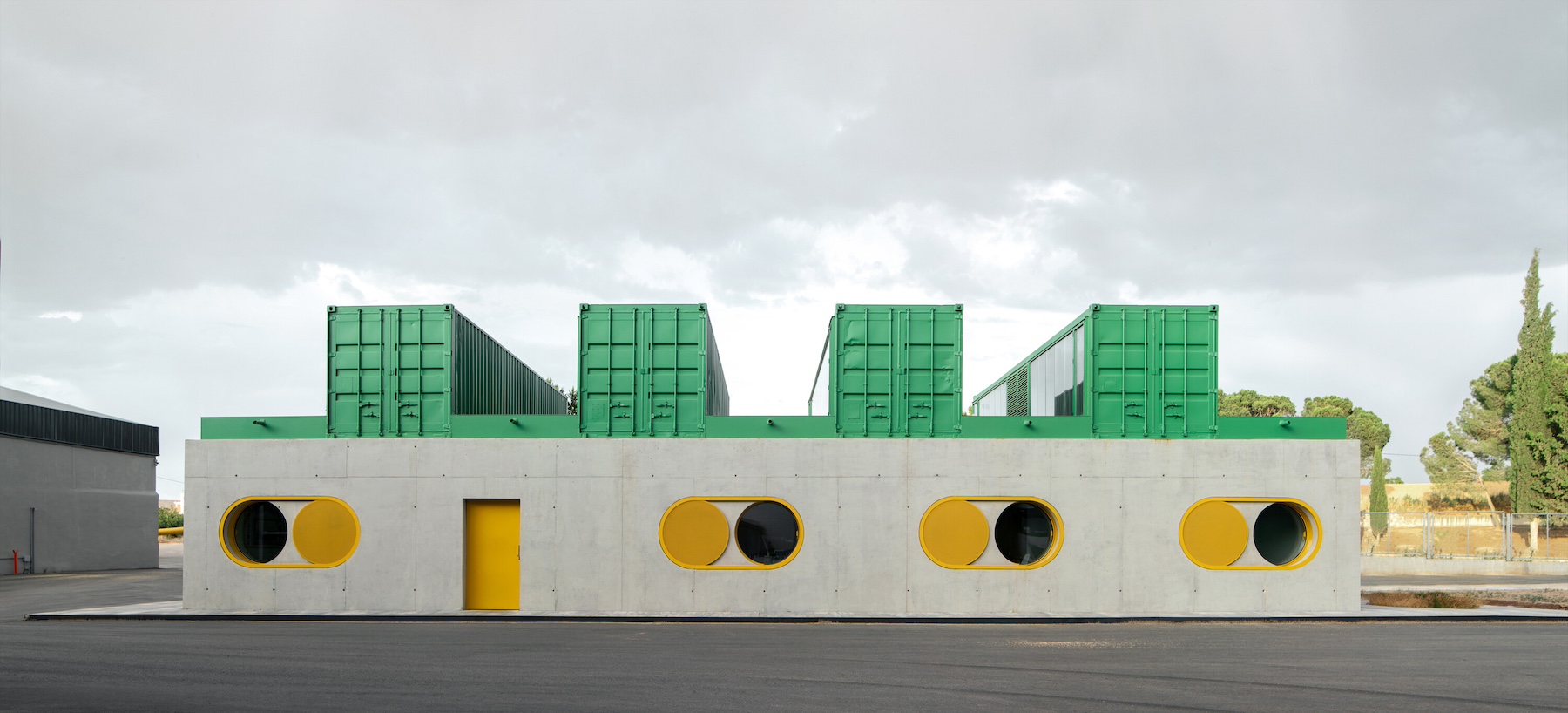
Impepinable Studio’s workplace for a seed production company in rural Cuenca, Spain, uses repurposed shipping containers and locally sourced construction methods to create a flexible, light-filled environment that bridges agricultural production and technological innovation.

Liz Liddell-Grainger from JTP argues that we need to look backward as well as forward to understand how to design masterplans that restore, renew or revitalise natural and social systems.
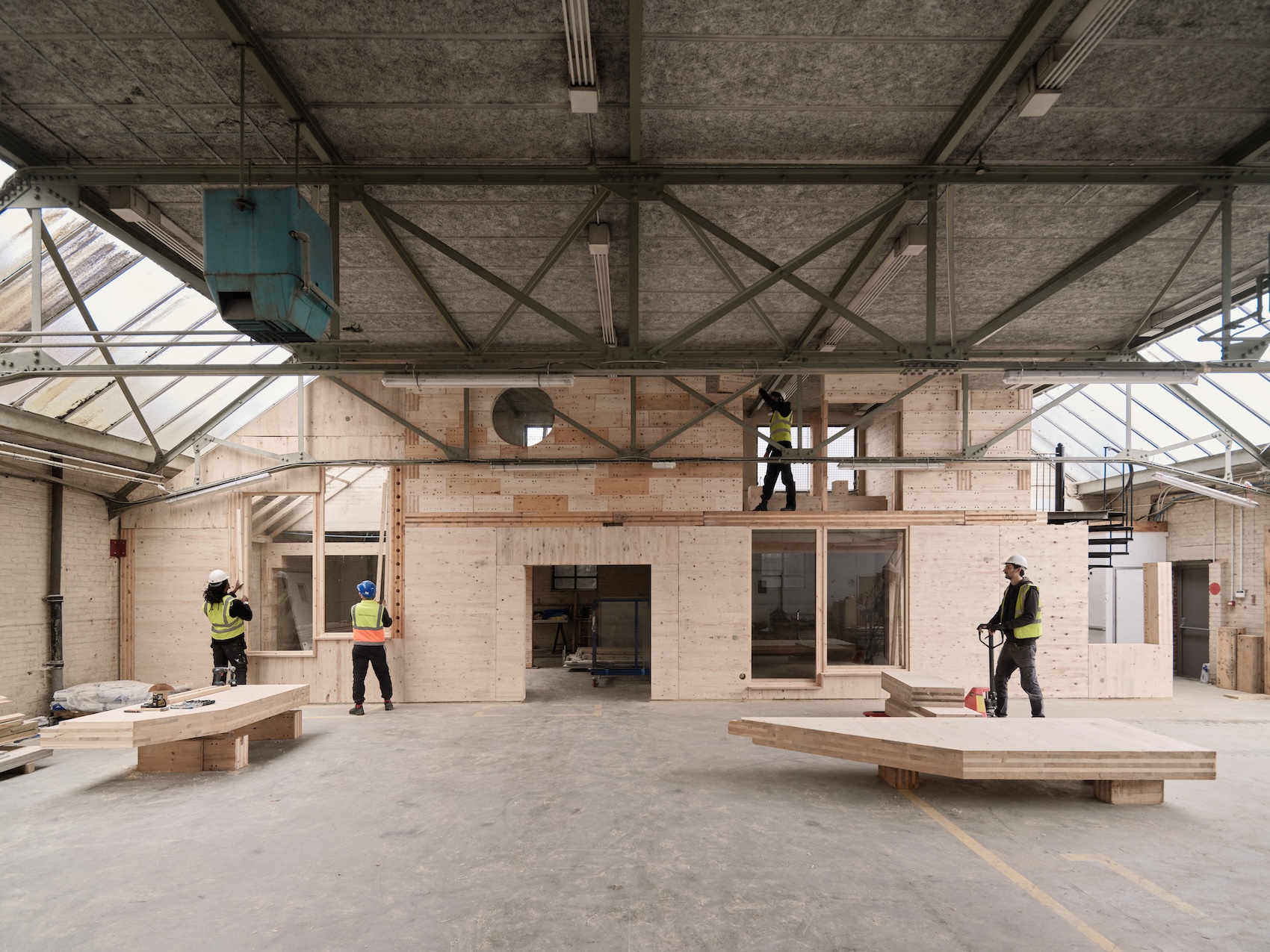
Architecture Today has teamed up with the UK’s first circular construction hub to organise an opportunity for members of the Regenerative Architecture Index to visit its site in London’s Royal Docks.
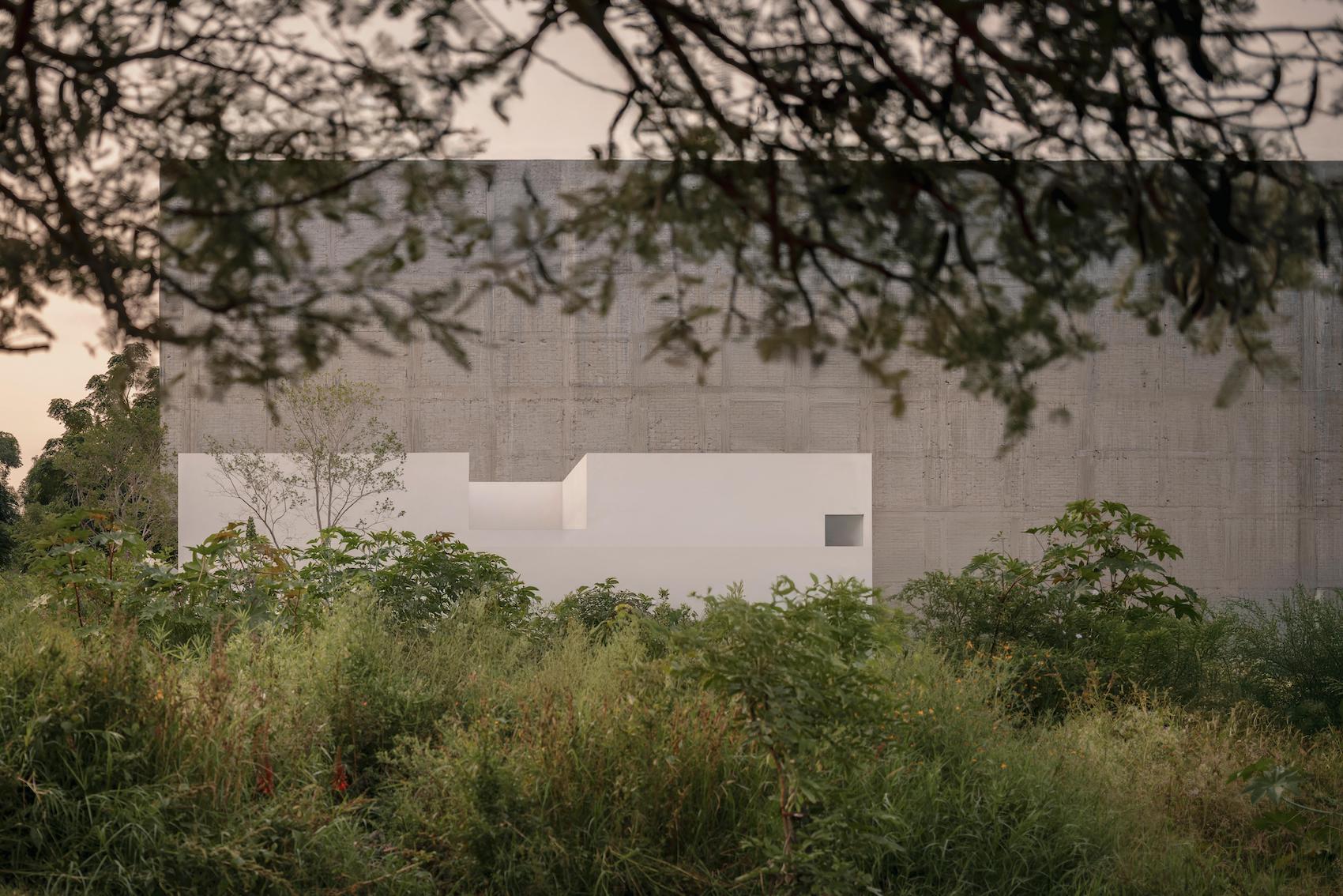
HW STUDIO’s Kehai House in Morelia, Mexico, places a Japanese-inspired garden at the heart of a compact plan, and uses spatial clarity and controlled light to shape a contemplative interior.

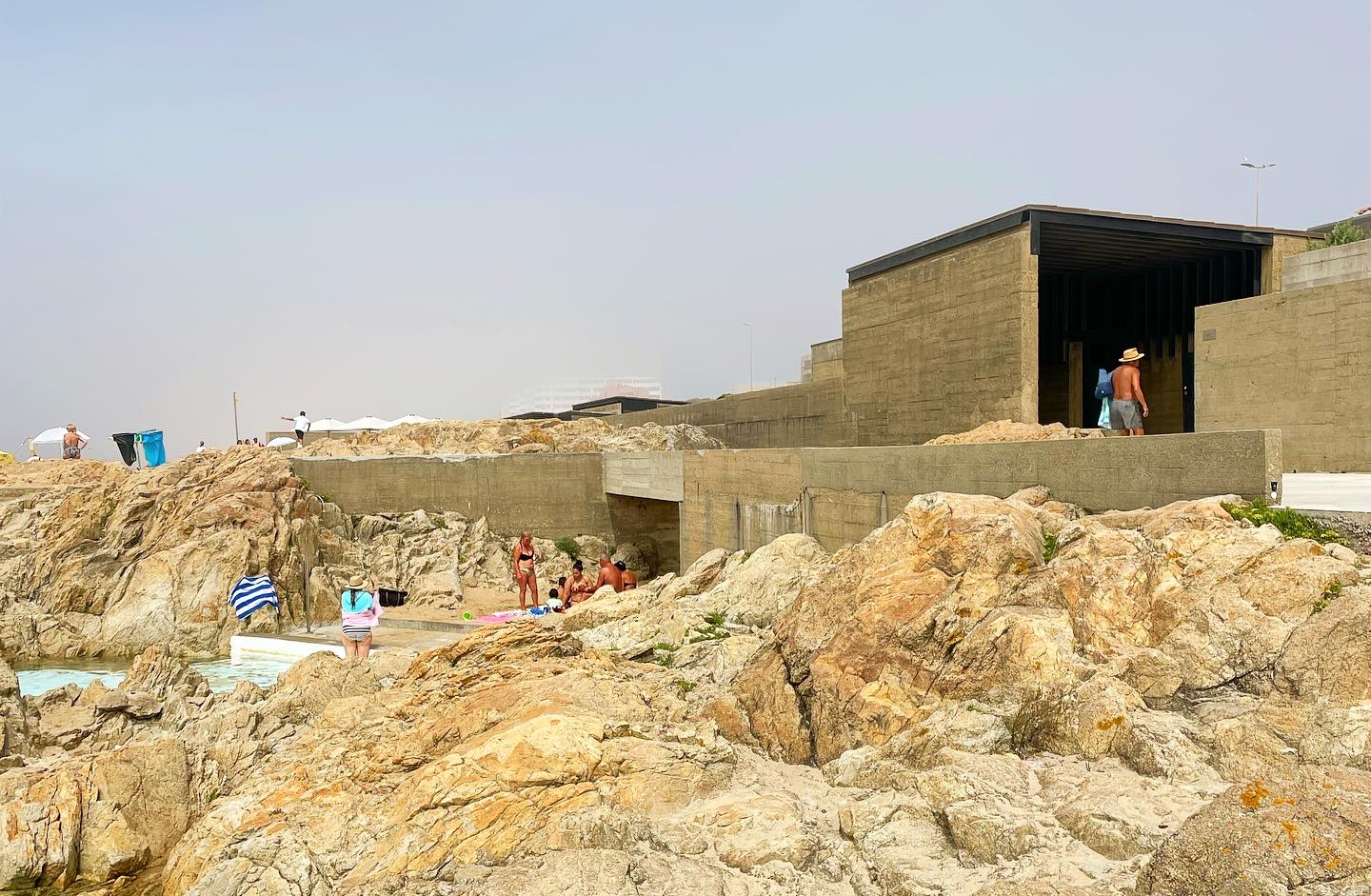
Steve Melvin of Atelier Architecture & Design reflects on the elusive qualities that make certain works of architecture capture the imagination and make a lasting impression on our collective consciousness.
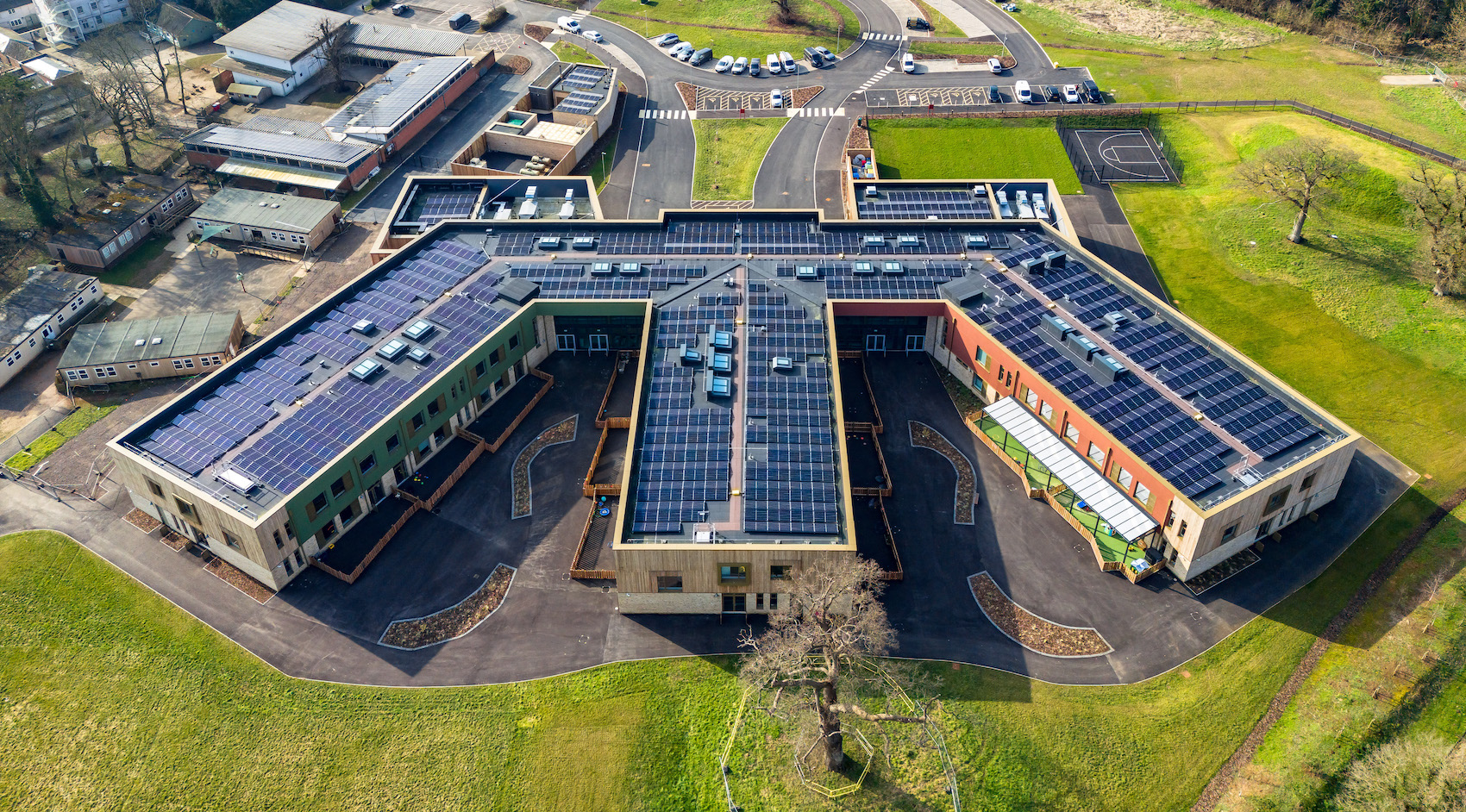
Ben Parker, Major Projects Manager at IKO, discusses how the company’s DfE Construction Framework Guide can help architects navigate CF25 roofing requirements, reduce specification risk and deliver compliant, high-performance education buildings.
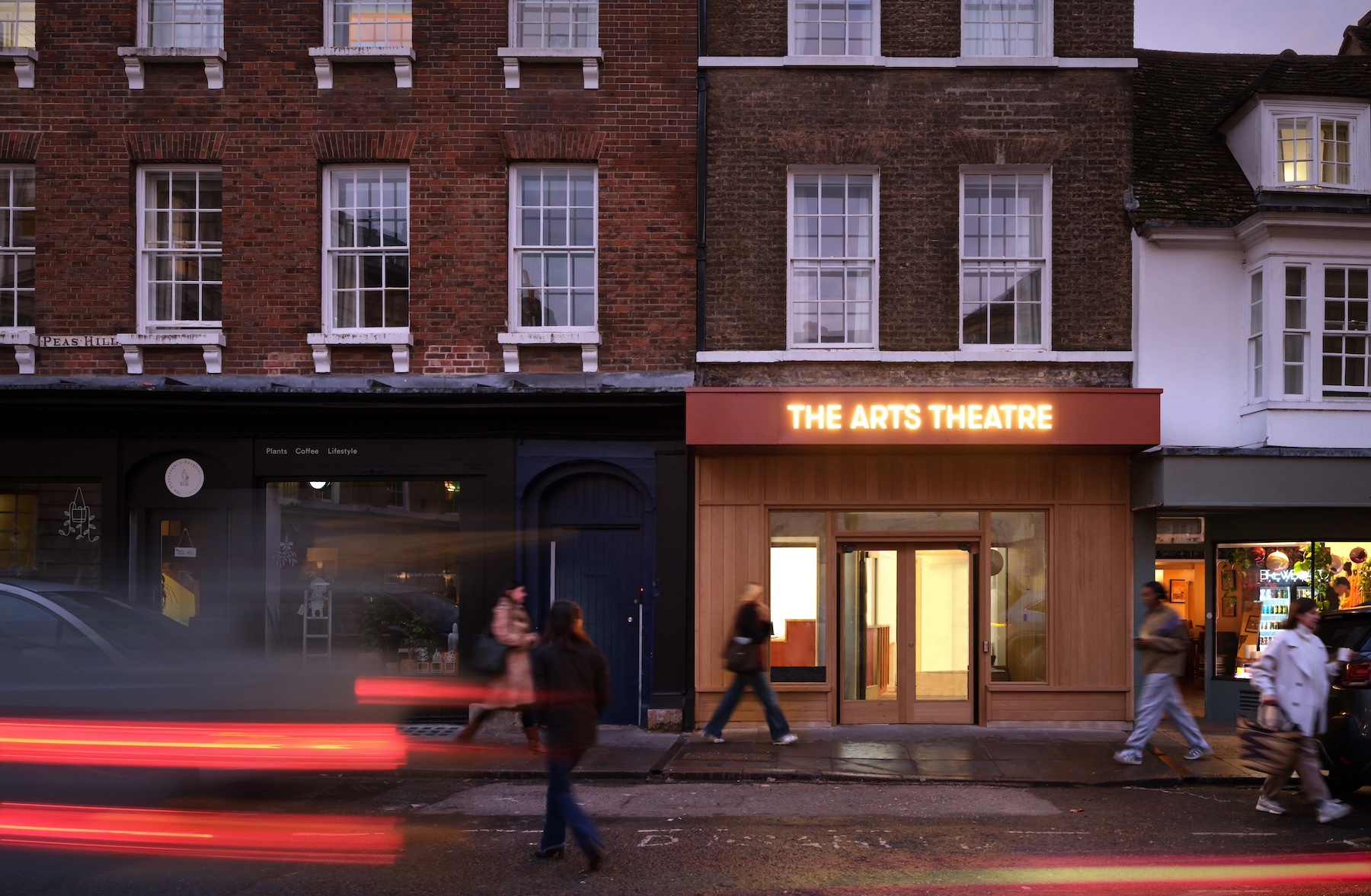
Ian Chalk Architects has refurbished Cambridge’s historic Arts Theatre, renewing the venue’s auditorium and backstage areas, balancing technical upgrade with the preservation of intimacy, craftsmanship and acoustic performance.
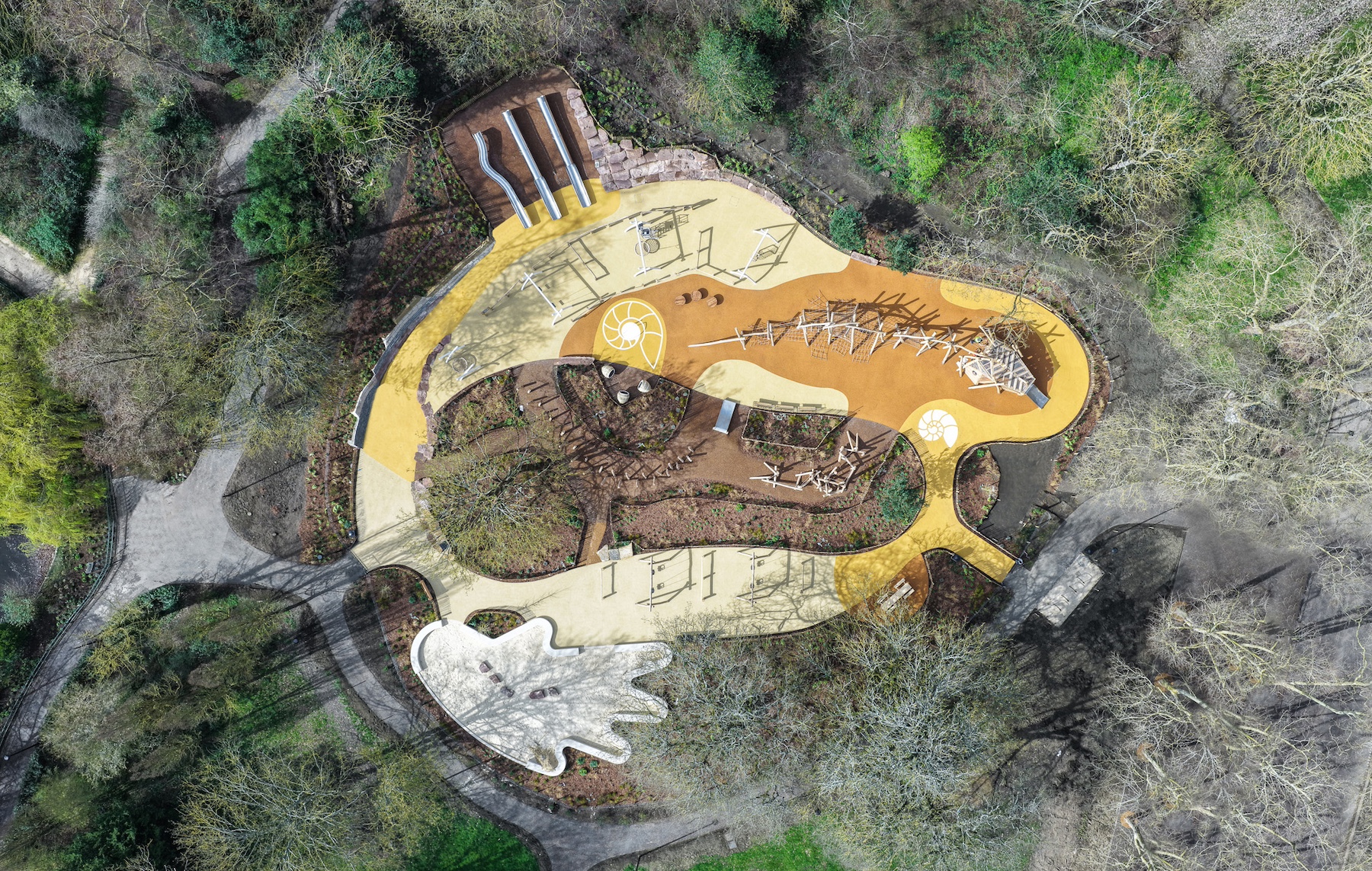
HTA Design’s new play landscape for Crystal Palace Park draws on the site’s 19th-century ‘journey through time’ concept to create an immersive environment that combines education, accessibility and imaginative play within a wider programme of park regeneration.

Julian de Metz and Rebecca Price discuss how the practice’s rigorous, hands-on approach to material exploration drives its work and informs its relationships with manufacturers and suppliers.