Liz Liddell-Grainger from JTP argues that we need to look backward as well as forward to understand how to design masterplans that restore, renew or revitalise natural and social systems.

Coaldrops Yard, Kings Cross. (Credit: Timothy Soar)
Regenerative design has been a part of the built environment discourse for a while now, yet too often the focus remains on individual buildings rather than its wider impact. Regenerative design should be a systems-based approach that goes beyond sustainability, to actively restore, renew or revitalise natural and social systems. We need to be thinking bigger than individual buildings. The question is: what does regenerative design truly mean at the scale of masterplanning?
When we begin a masterplan – when the first lines are drawn – we are not designing for the short term. These are projects that unfold over decades. It may be ten years or more before the first residents move in, and far longer before the place fully matures and becomes a true community. We are, in effect, designing for an unknown future. The challenge is not only how a place performs today, but how it continues to contribute positively to its community in 10, 20, or 30 years’ time. Regenerative masterplanning is not about designing better buildings, but creating places that continue to give back over decades.
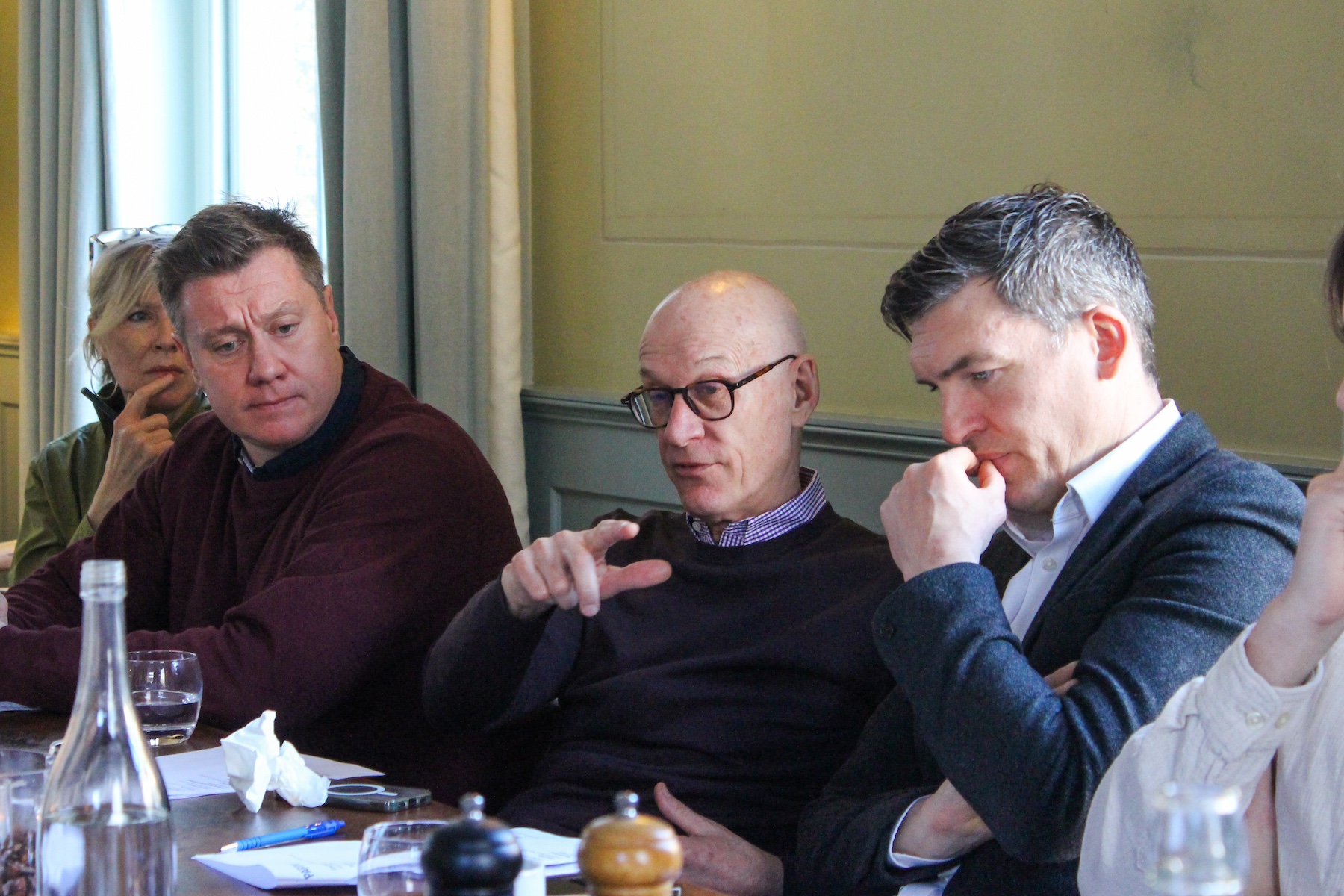
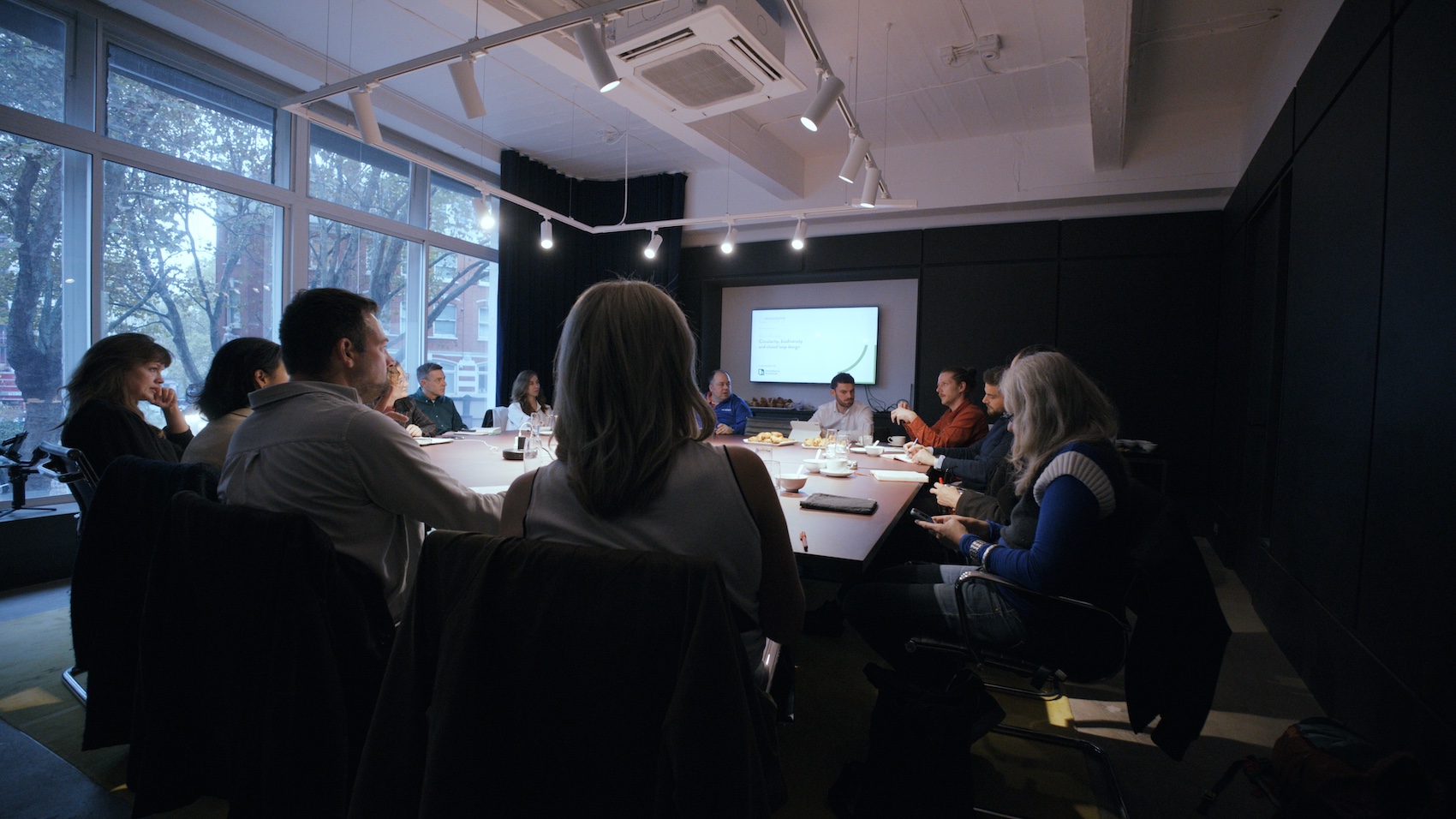
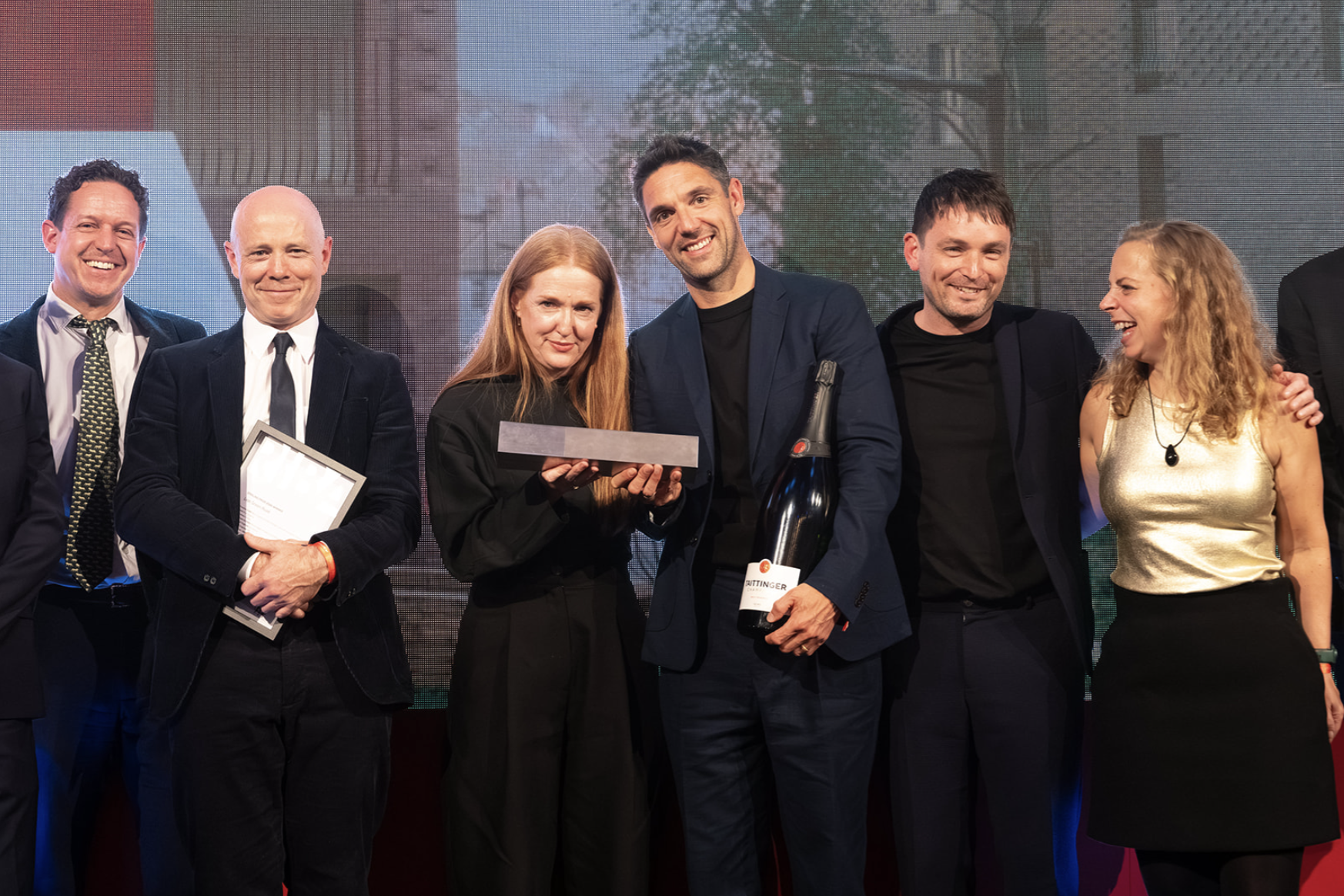
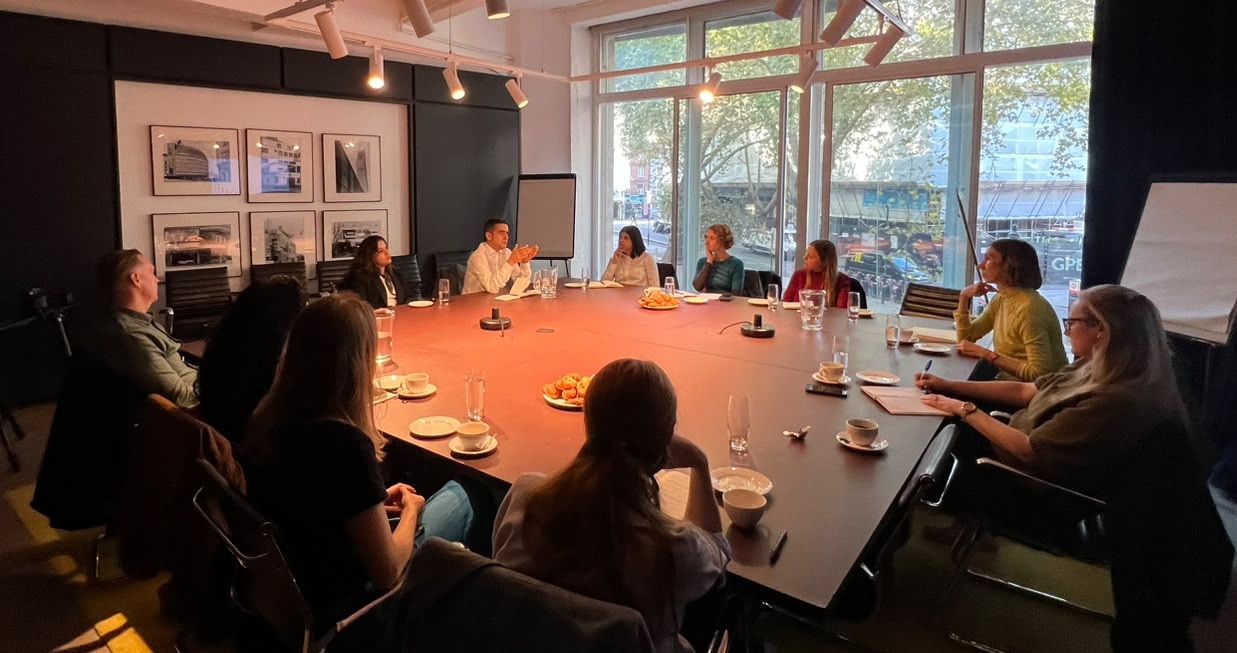
From left to right: Johanna Gibbons from J&L Gibbons, Andrew Leper from Max Fordham, Roger Madelin from British Land and Jamie Quinn from Related Argent at a recent round table discussion on regenerative masterplans organised by Architecture Today and Max Fordham as part of Max Fordham’s 60th birthday celebrations.
Alongside practice, my role teaching and examining at the University of Westminster offers a valuable counterpoint. What strikes me most is not what I teach students, but what they teach me. Their clarity of purpose and belief in fundamental change is both refreshing and necessary. Yet within the long timelines of practice and building, that sense of ambition can fade. The question then becomes: how do we hold onto it?
Part of the answer lies in looking back as much as forward. If regenerative masterplanning is to move beyond rhetoric, we need to critically revisit schemes years – if not decades – after completion. Only then can we understand what has genuinely delivered environmental and social value, and what has not. These lessons, both successes and failures, can help us build a more robust blueprint for the future, and one we can aspire towards.
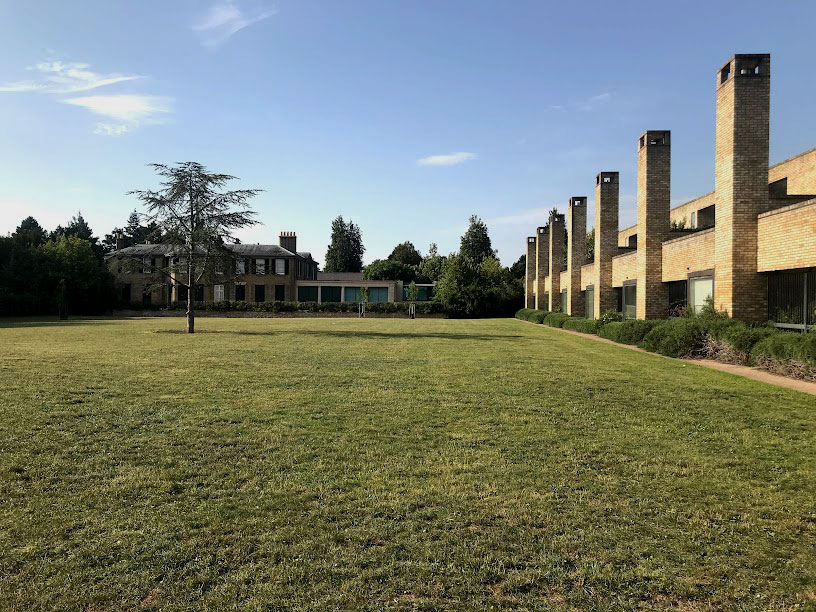
The enduring success of Accordia, Cambridge, is in part down to the clarity of the original vision of ‘living within a garden’,
inspired by Cambridge’s college courts and local greens. (Credit: Jason Sayer).
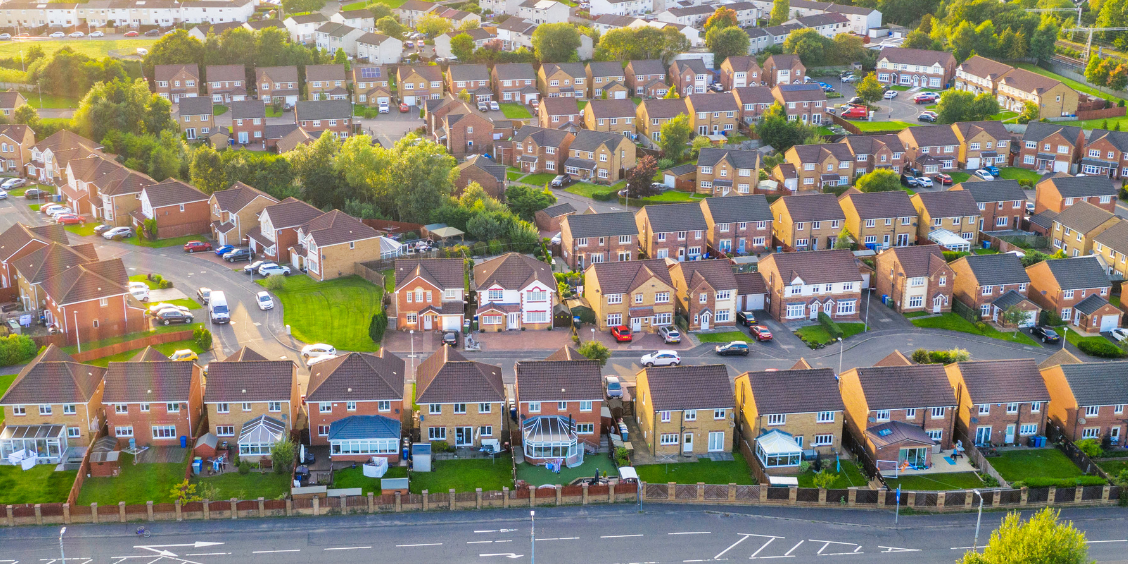
Returning to Accordia in Cambridge, nearly 20 years on from its Stirling Prize win, is a powerful reminder of what enduring success can look like. The scheme’s landscape has matured into something deeply embedded, creating a palpable sense of community. Its original vision – of living within a garden – remains legible, shaped by Cambridge’s college courts and local greens. With 3.5 hectares dedicated to public open space and wildlife refuges, the integration of nature is not decorative but fundamental, supporting both residents and wider ecological networks.
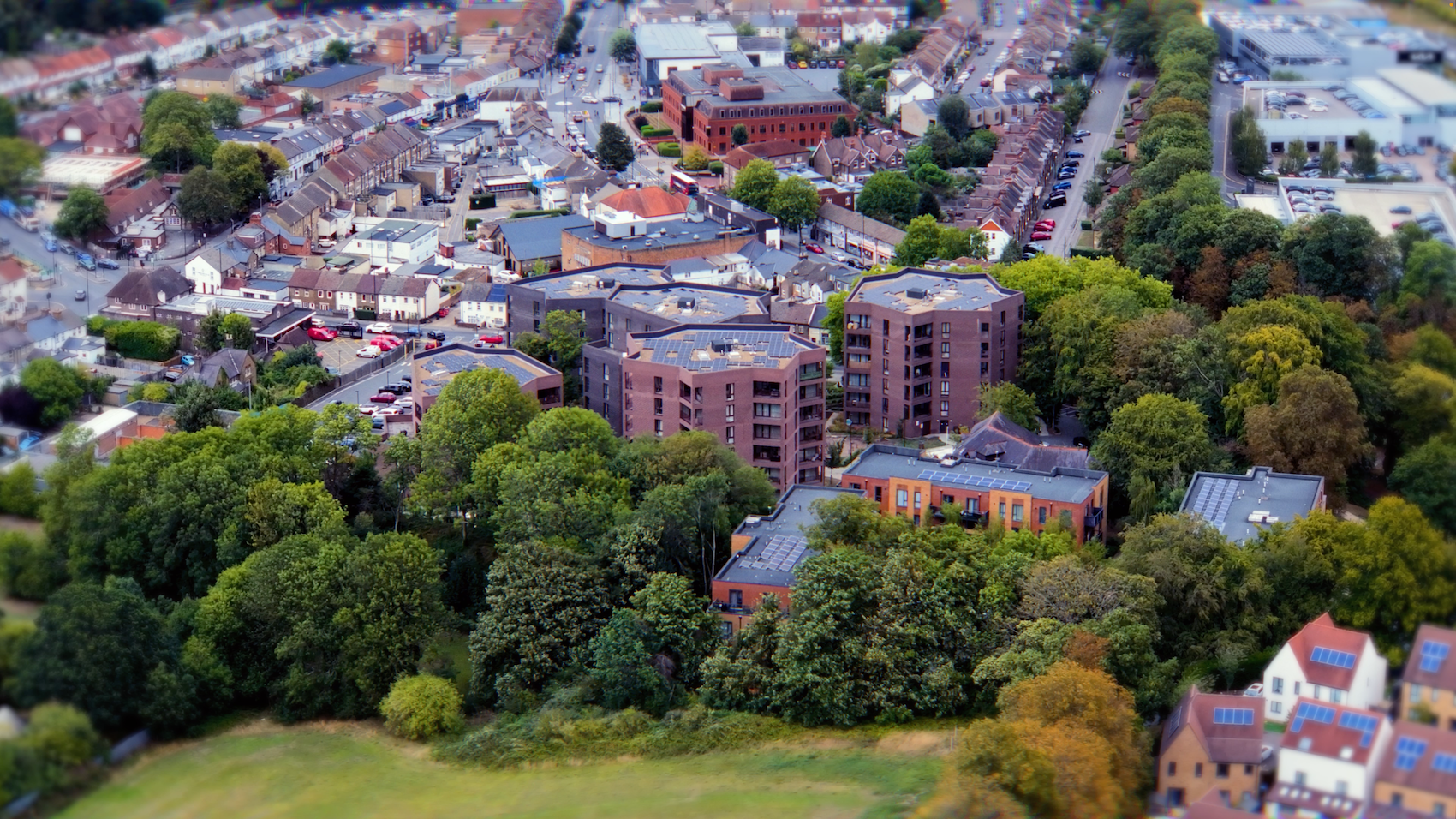
A similar legacy-orientated place and long-term foresight can be seen at Graylingwell Park in Chichester. Conceived as a net-zero community while the term was still in its infancy, its success today owes much to the strength of its early vision and community engagement. Co-created with over 350 members of the local community prior to design, that shared ambition and sense of community ownership has endured and continues to this day. More than a decade after occupation, our research Creating Healthy Communities found the Chichester Community Development Trust (CCDT) established in 2009 has been a great success. While they have experienced their challenges, they are largely thriving, demonstrating that stewardship, not just design, is critical to long-term regeneration and success.


King’s Cross continues to evolve with ongoing stewardship shaping its environmental and social performance. (Credit: Peter Bishop)
In a more urban setting, the King’s Cross development illustrates how regeneration can remain dynamic. Beginning with extensive community engagement in 2001, a set of ten guiding principles emerged that still underpin the project today. Crucially, the place has not remained static; it continues to evolve, with ongoing stewardship shaping its environmental and social performance. This sustained engagement has helped foster not just a successful destination, but a genuinely vibrant and healthy place.
Across these examples, a common thread emerges: regenerative design is not a fixed outcome, but a process. It depends on long-term thinking, meaningful engagement, and structures that allow places to adapt and grow alongside the evolving nature of our communities.
Perhaps, then, the task ahead is not to reinvent the idea of regenerative masterplanning, but to build on what we already know works – embedding these principles more consistently and more ambitiously. In doing so, we can begin to create places that do not simply minimise harm, but actively enable communities and ecosystems to thrive together over time. If you’re grappling with how these ideas play out in practice, I’d be interested to compare notes.
JTP is a member of the Regenerative Architecture Index