The President of the Royal Institute of British Architects sets out a proposal for a high-speed rail and energy infrastructure linking nine cities across the north of the British Isles to support long-term collaboration, economic development and regional connectivity.
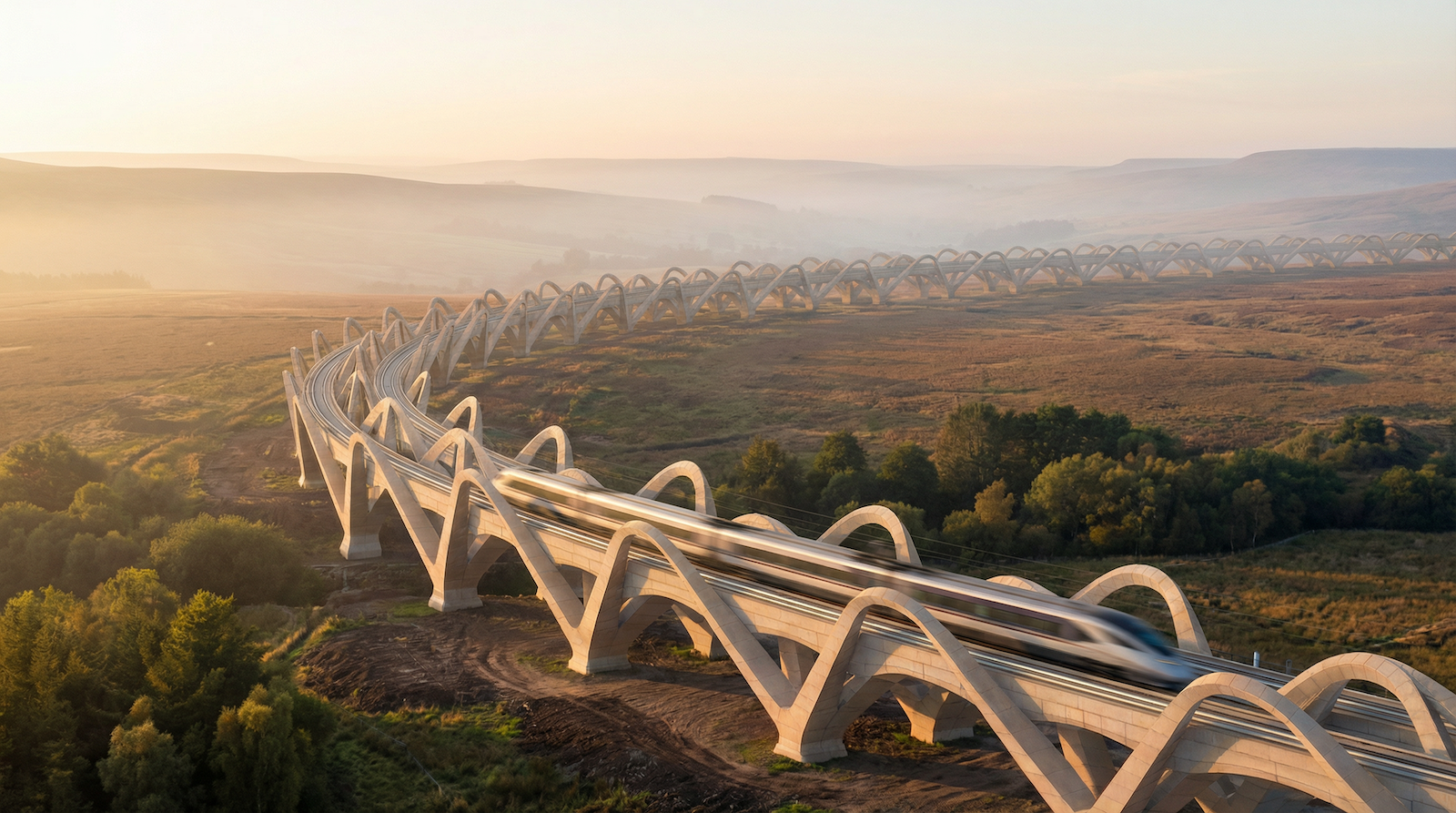
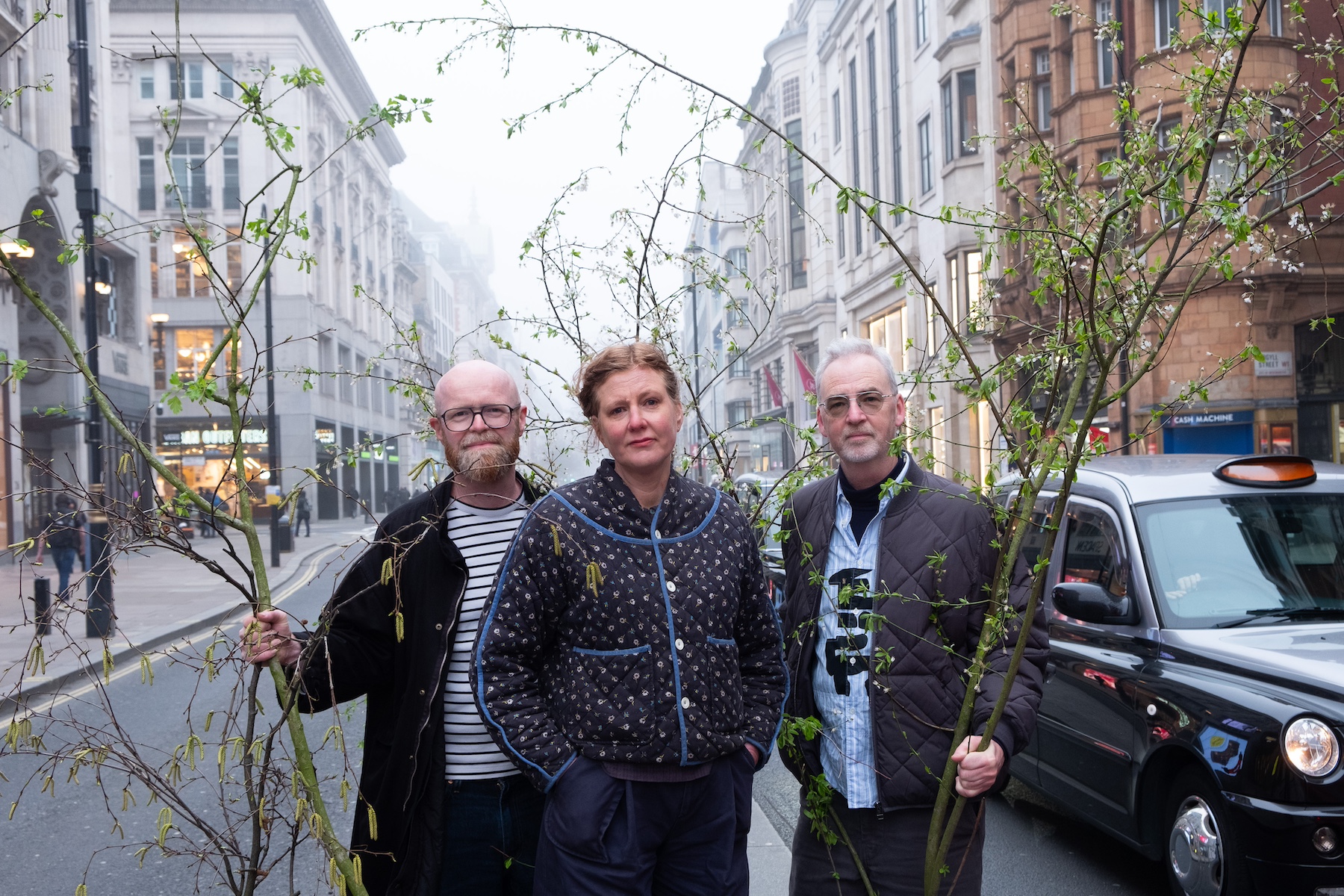
President of the Royal Institute of British Architects, Chris Williamson, has set out a proposal aimed at connecting major cities across the north of the British Isles. Titled ‘The Loop’, the large-scale transport and infrastructure project outlines a continuous high-speed rail system that links nine urban centres into what Williamson describes as a single, connected northern city.
The Loop brings together Liverpool, Manchester, Leeds, Newcastle, Edinburgh, Glasgow, Belfast, Dublin and Bangor, forming a circuit operating in both directions. Williamson argues that, taken together, these cities represent a combined population of around ten million and already contain a range of established centres of expertise, particularly around universities and research institutions.
“The ambition of the loop is to create a single, connected northern city,” said Williamson, who described a “Northern Powerhouse” that spans “nine centres of designated expertise, all within ninety minutes of each other.”
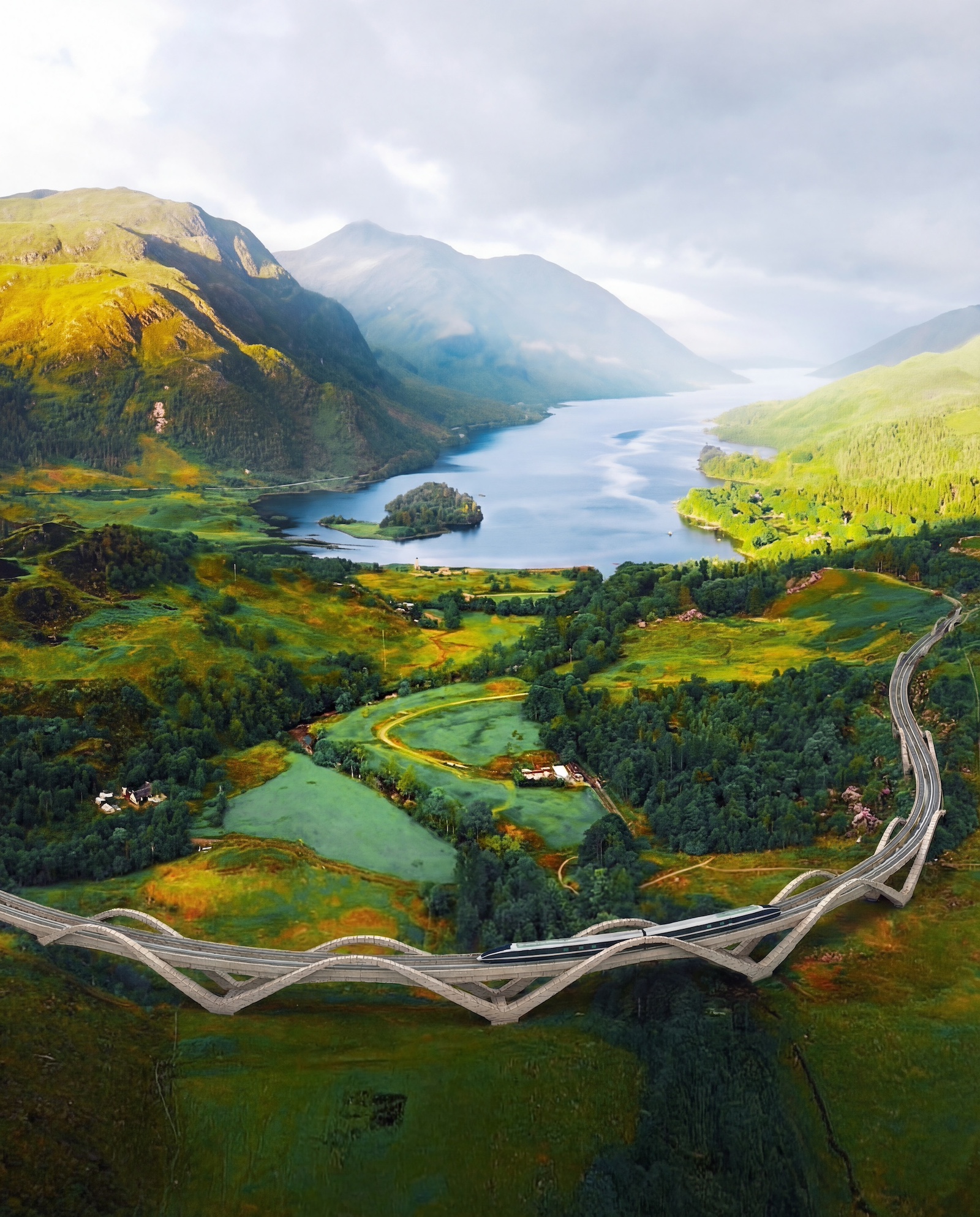
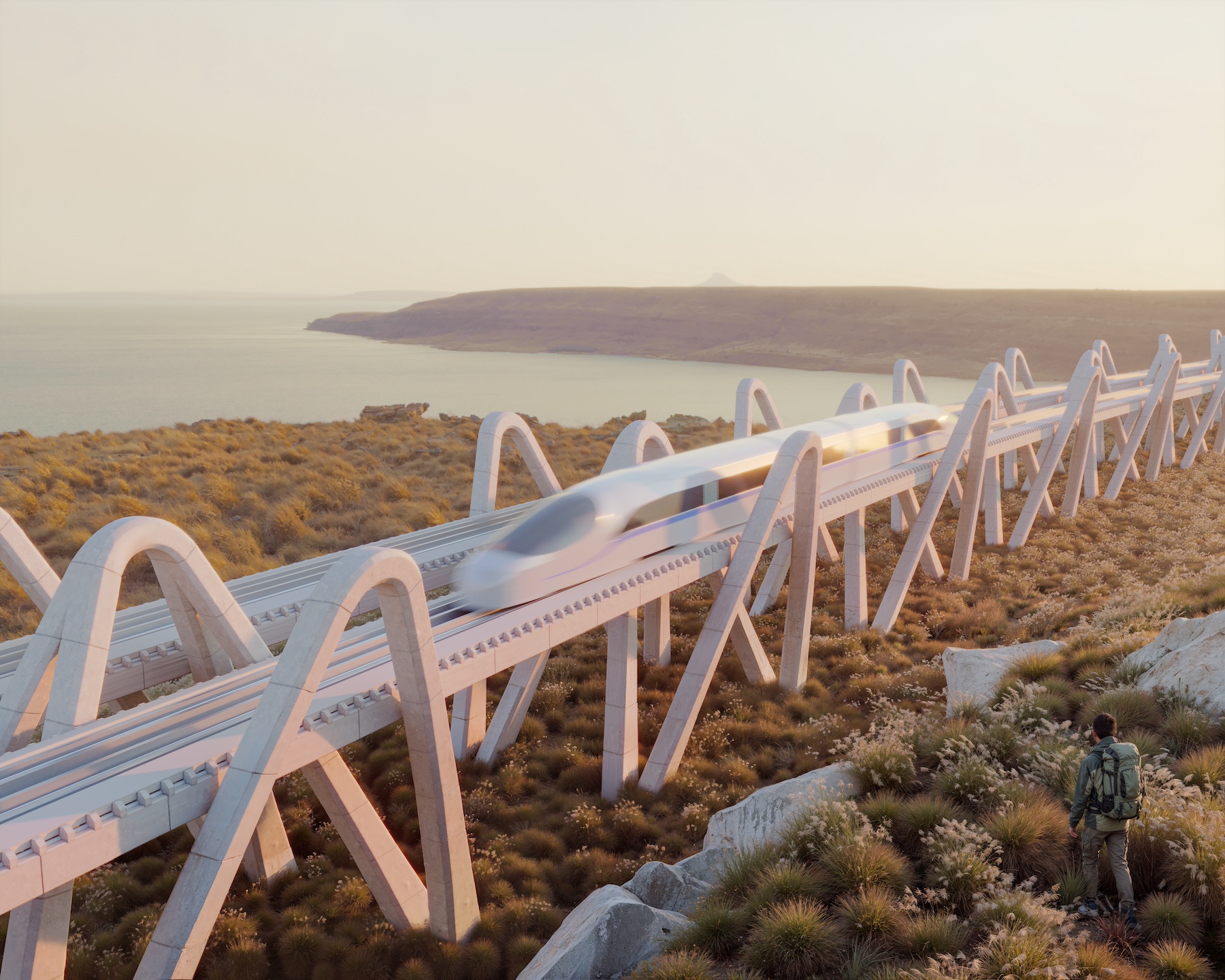
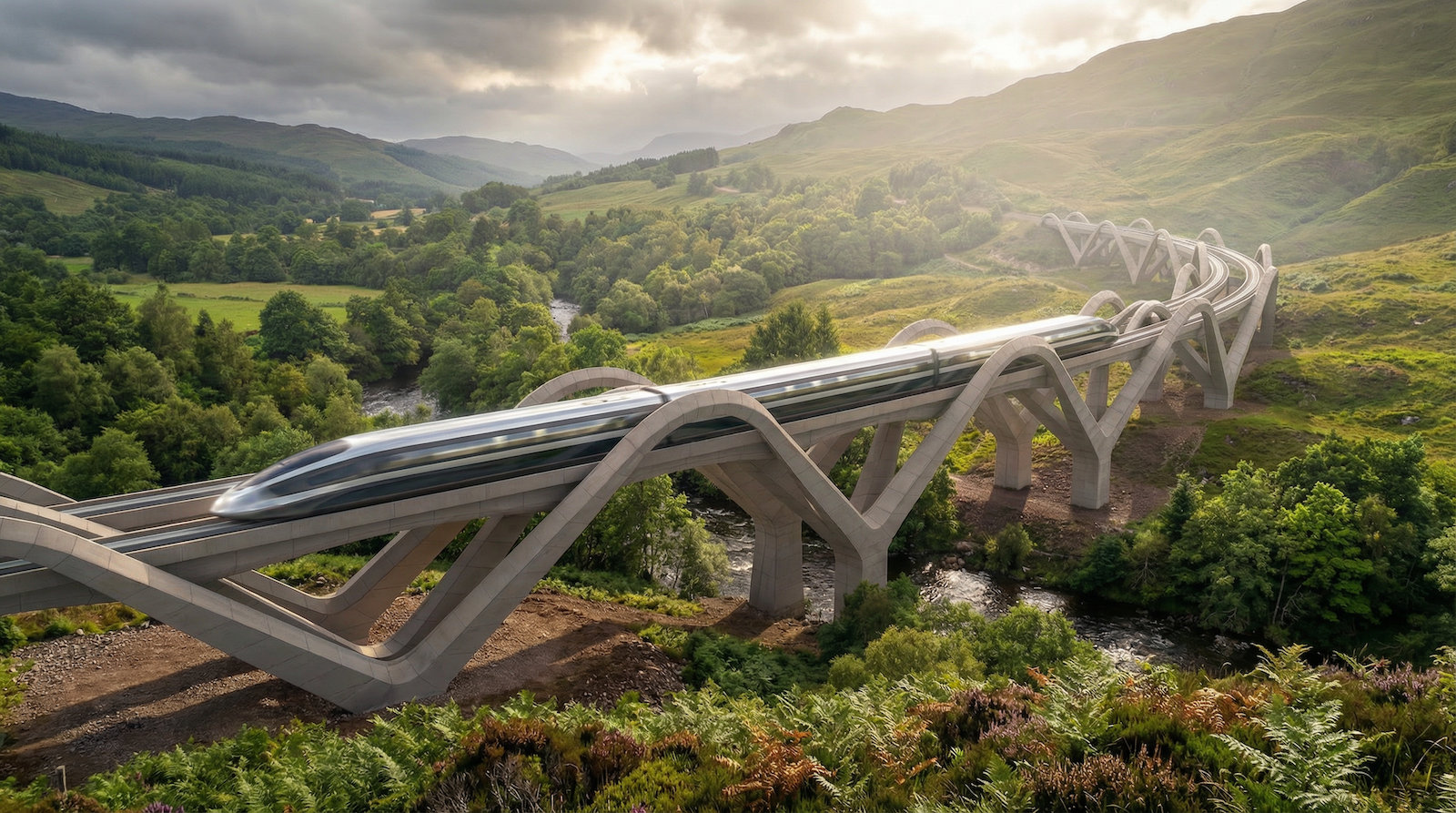
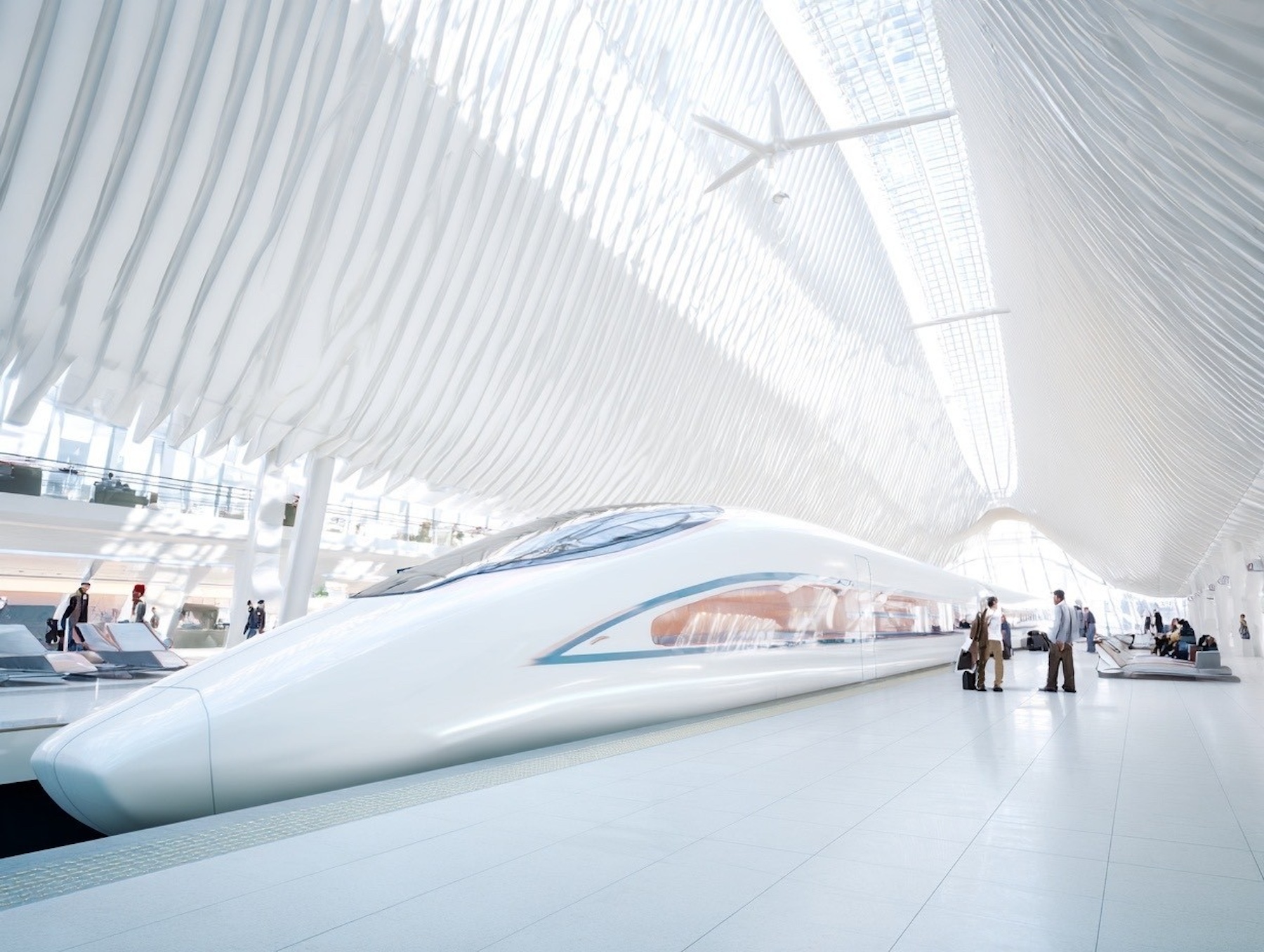
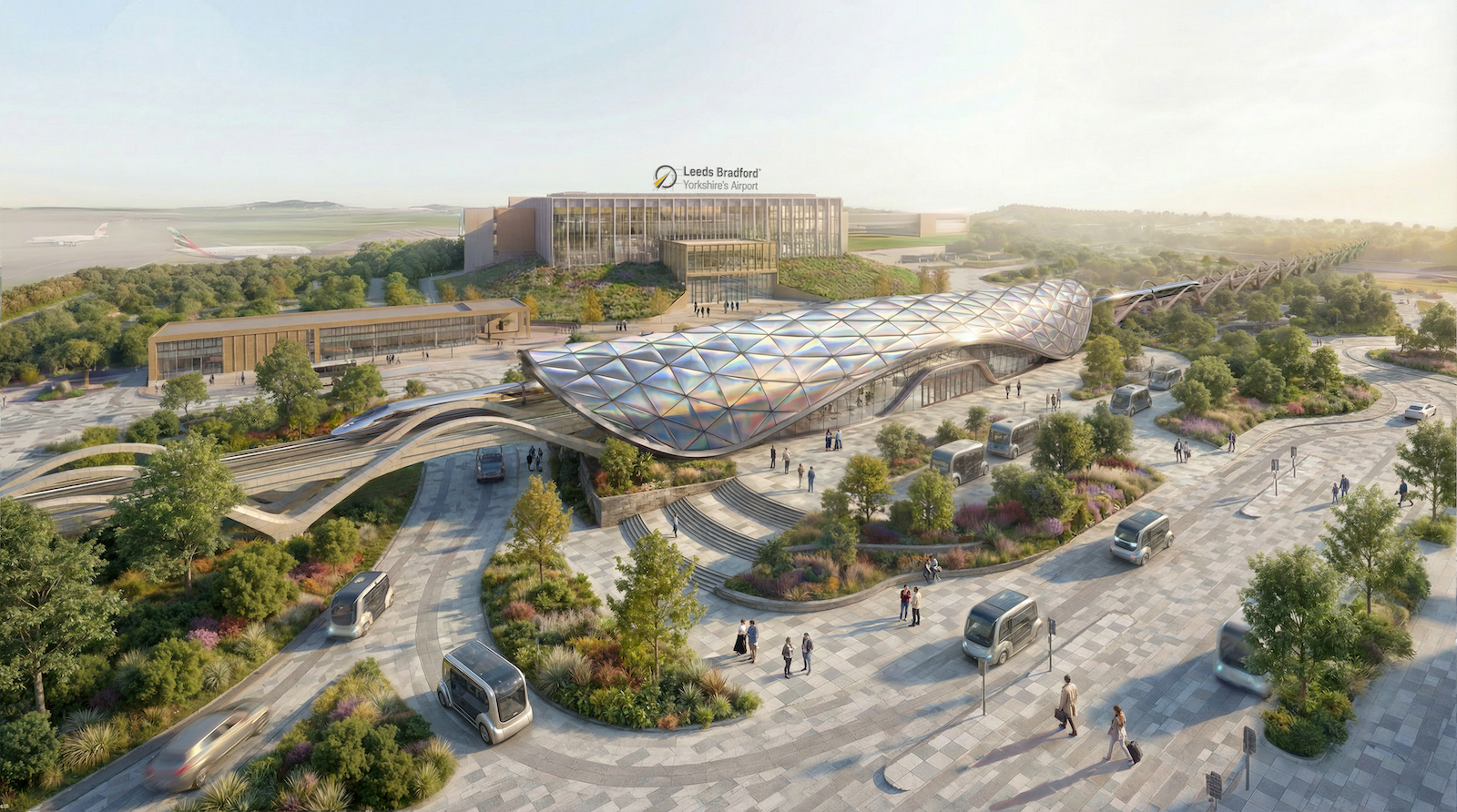
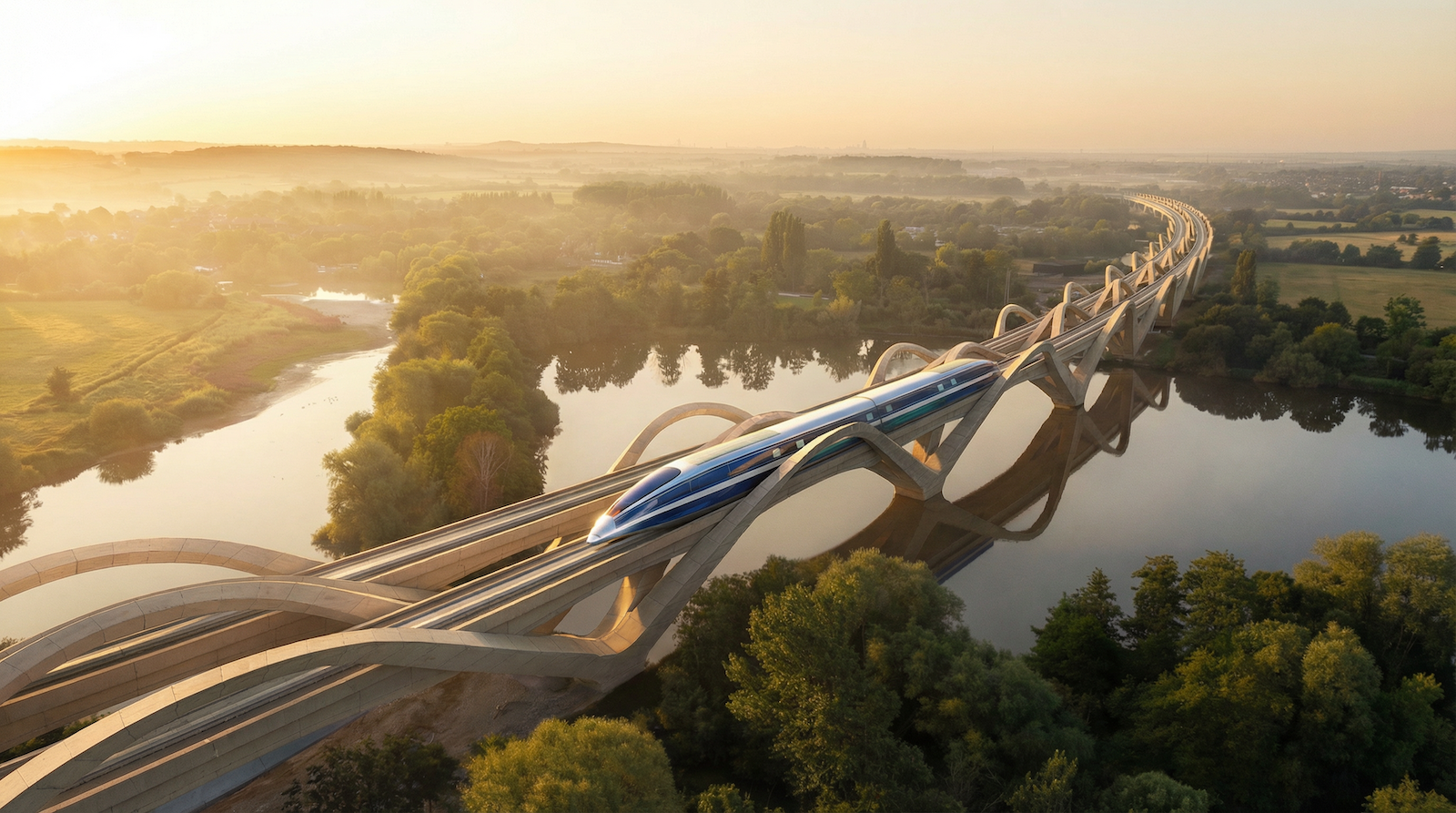
With the intention to enable closer collaboration between cities through faster and more reliable connections, an elevated high-speed rail system would be created, with trains of around 50 metres in length running every five minutes at speeds of up to 300 miles per hour. Services would operate on a point-to-point basis, with trains travelling directly between origin and destination without intermediate stops. Trains serving other destinations would pass through stations while passengers board and alight, allowing high service frequency without disrupting through journeys. Williamson suggests that, under this model, travel times between cities such as Edinburgh and Manchester would be significantly shorter than existing intercity journeys within many large global cities.
Beyond passenger transport, The Loop is conceived as a linear infrastructure system capable of distributing energy as well as people. Running alongside the rail network would be a continuous “ring main” designed to collect and redistribute power from onshore and offshore wind, supplemented by small modular reactors located at key nodes. Williamson positions this combination of energy capacity and connectivity as a foundation for new forms of employment, including data centres, advanced manufacturing and other energy-intensive industries. Waste heat generated by these activities could be captured and reused, supporting food production and other productive uses.
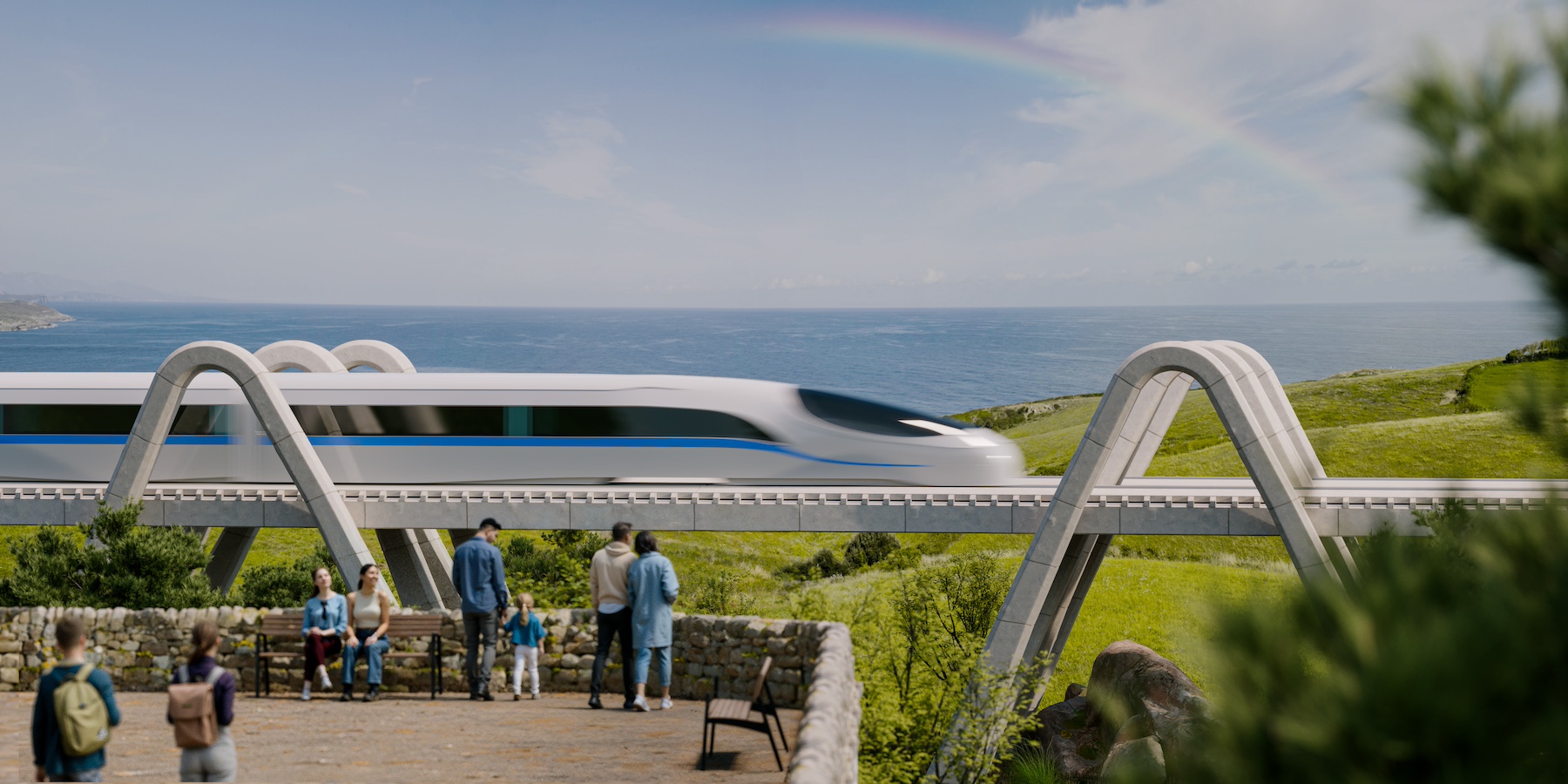
Williamson argues that this approach would allow housing and services to follow employment, rather than speculative development driving growth in advance of infrastructure. In his view, existing policy frameworks have encouraged cities and regions to compete for limited investment, whereas the proposal seeks to prioritise collaboration and shared capacity across a wider geography.
With such a proposal, it’s no surprise that the financial scale of it is substantial. Construction costs are estimated at approximately £130 billion, with projected economic benefits of around £12 billion per year. The inclusion of Dublin and Belfast would require political cooperation and progress on cross-border arrangements, but Williamson suggests that the wider benefits would include releasing capacity on existing surface transport networks, reducing road freight and supporting carbon reduction objectives. From the main stations, automated vehicles would provide onward connections, extending the reach of the system beyond the core network.
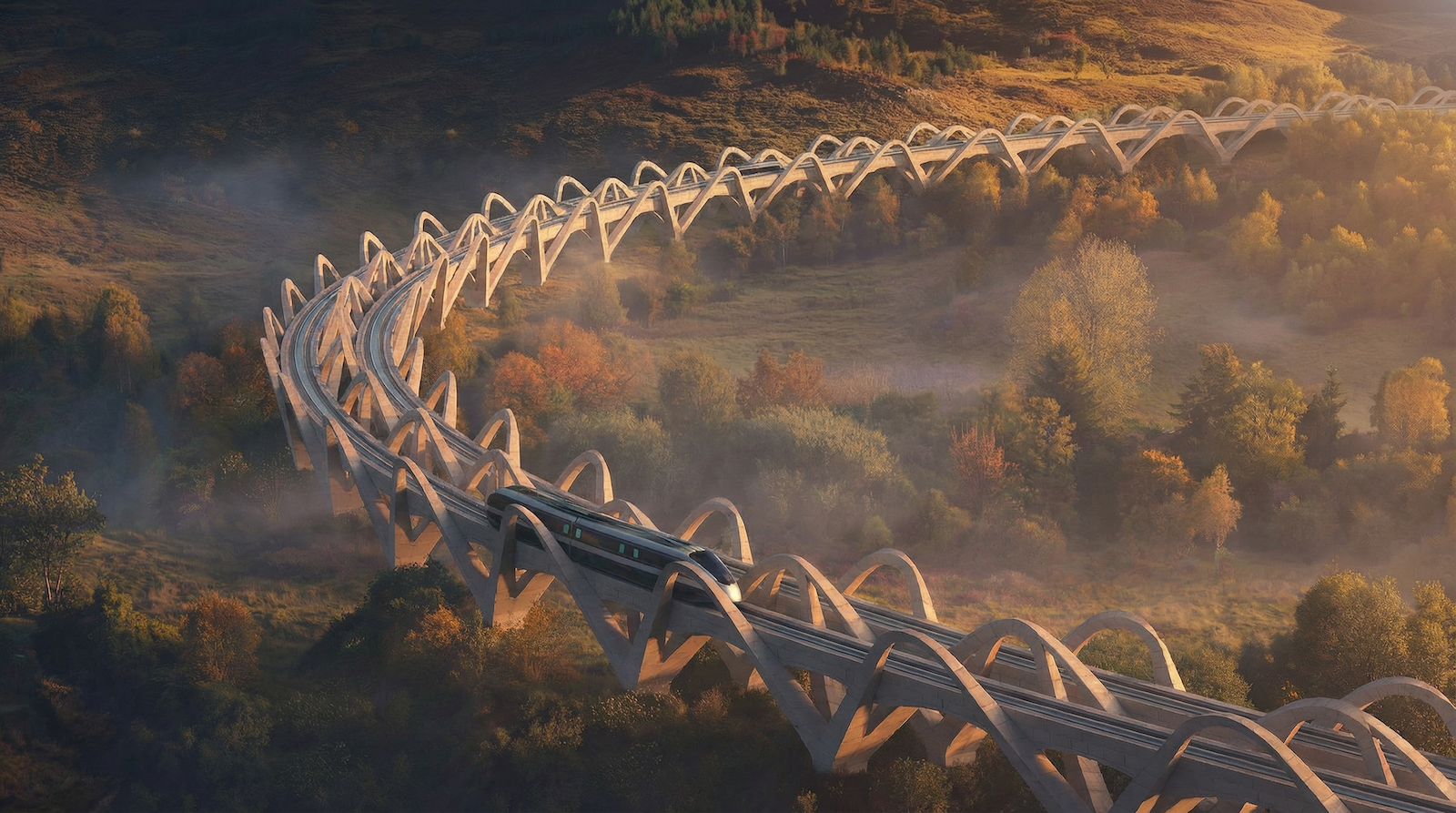
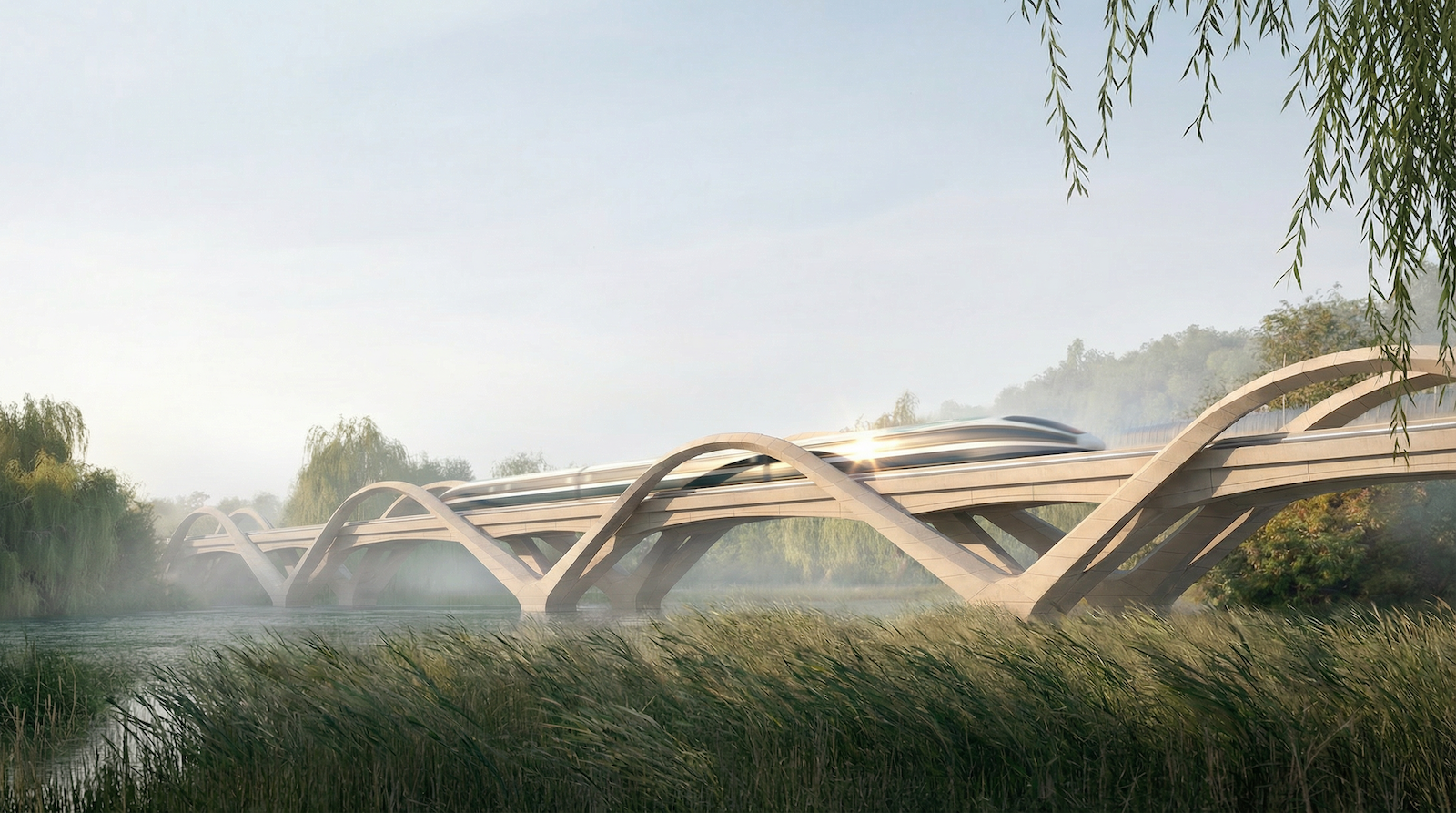
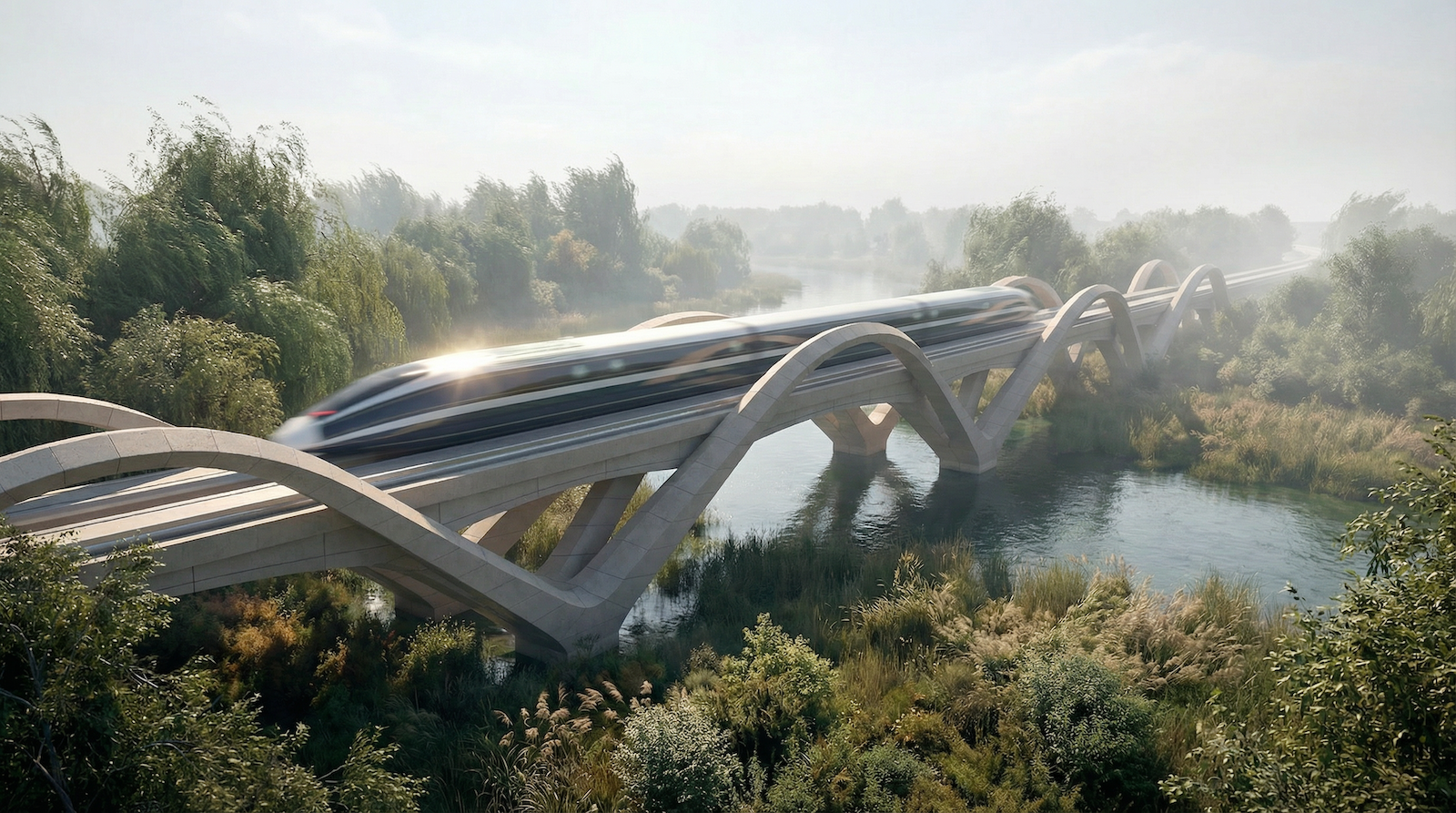
Engineering studio Elliott Wood has contributed to the project as well, with emphasis on the use of stone arches to elevate the tracks, with pre-tensioned stone beams supporting the rails. Stone would be locally sourced, with the intention of creating a construction language that responds to regional landscapes while supporting local supply chains. Williamson highlighted the role of the project in developing local skills centres, with a focus on long-term maintenance as well as initial construction, to provide sustained skilled and semi-skilled employment.
While acknowledging the scale of the project, for Williamson, The Loop is a response to structural economic and environmental challenges rather than a visitor attraction, akin to the late Will Alsop’s 2005 proposals for a coast-to-coast northern SuperCity (see below). The stated aim, rather, is to create the conditions for cities and regions to work more closely together, using shared infrastructure as a basis for long-term collaboration and renewal.
Additional images