TECHNAL explores how circular thinking is reshaping façade design, enabling architects to specify low-carbon aluminium systems that retain value, minimise waste and support long-term environmental performance.
In association with
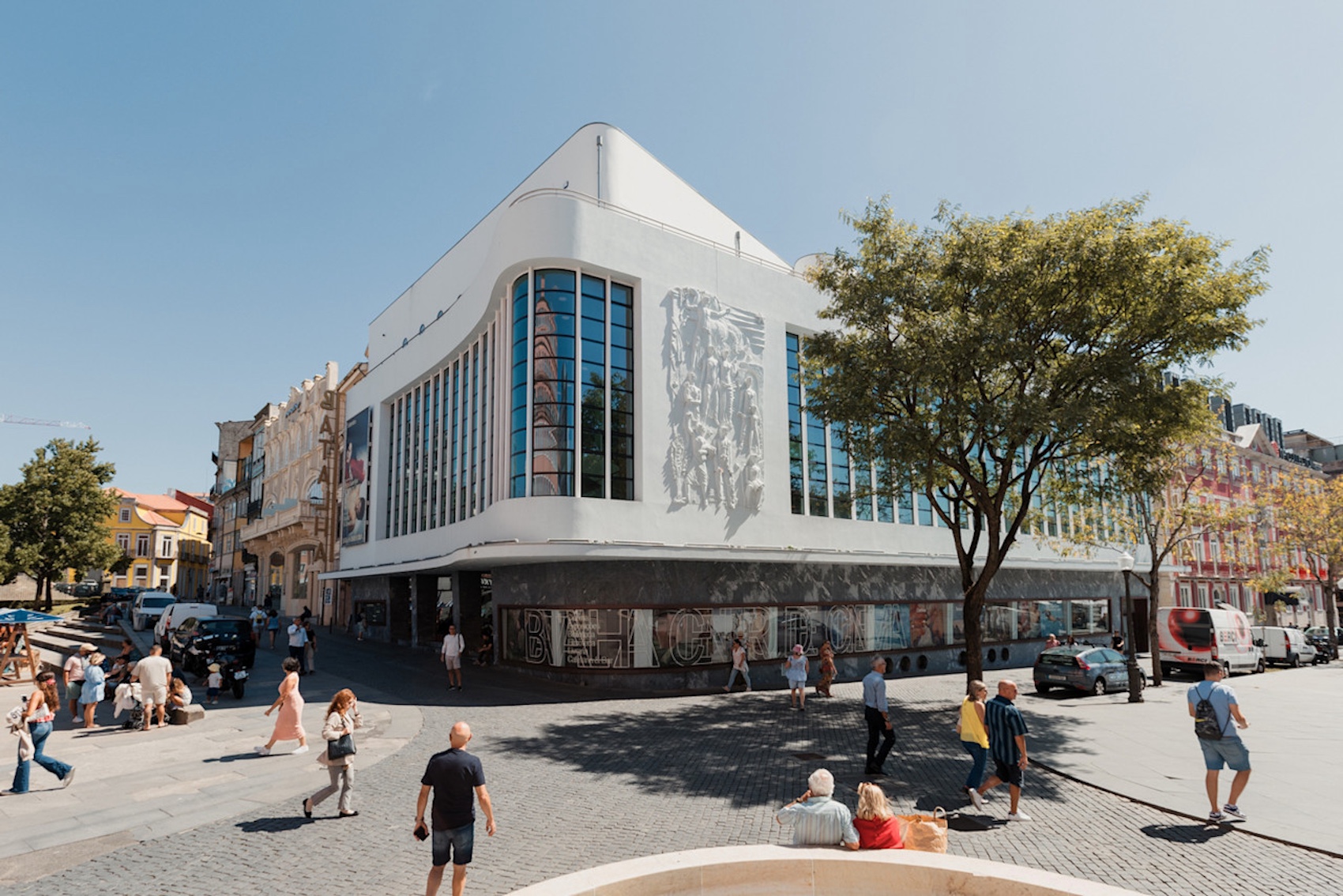
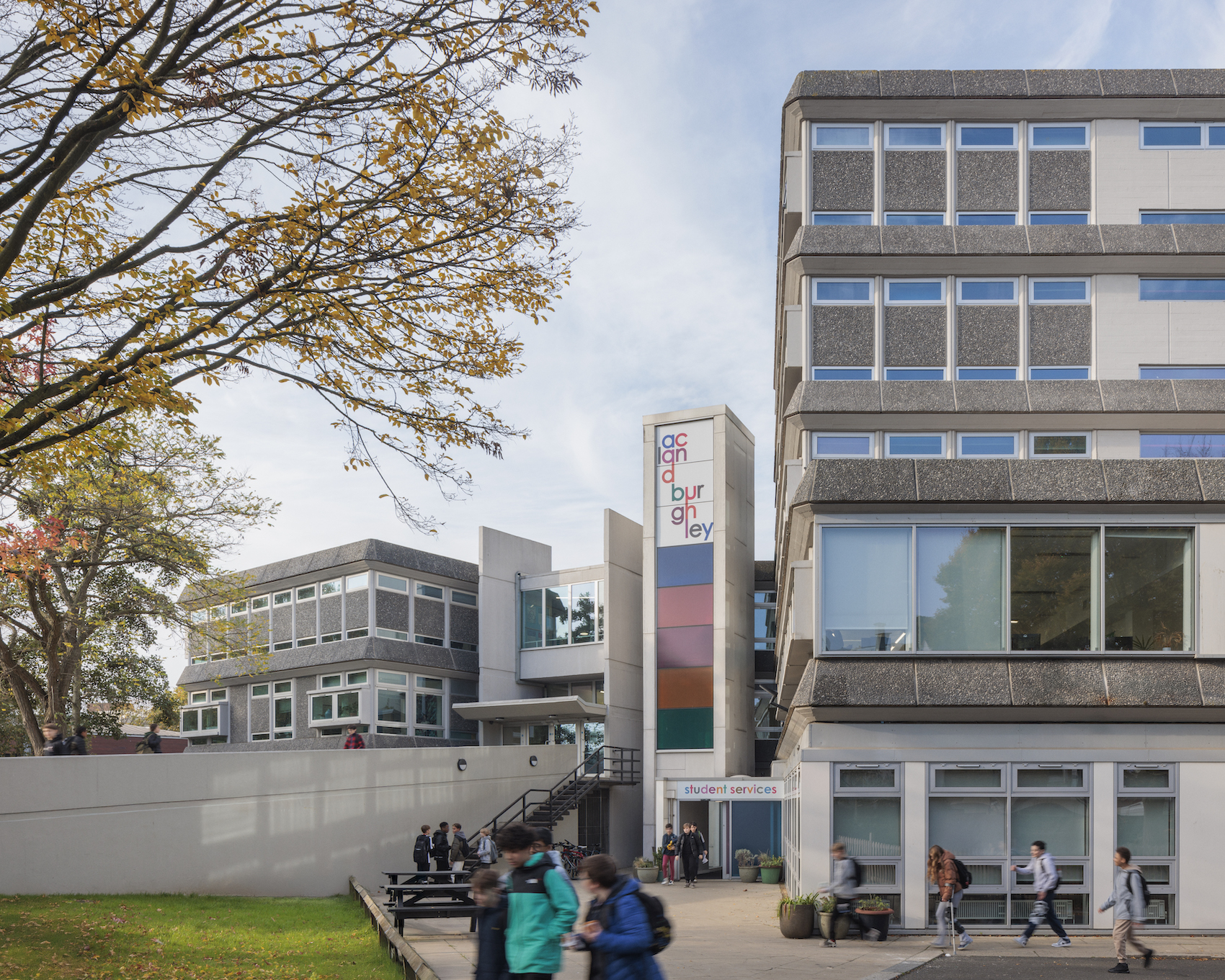
As the UK built environment accelerates towards net zero, renovation is increasingly recognised as a critical strategy for reducing whole-life carbon. Retaining and upgrading existing buildings preserves embodied carbon, while responding to tightening regulations and evolving performance standards.
At the heart of this shift is circular design – an approach that prioritises reuse, resource efficiency and long-term adaptability. For architects, this means moving beyond traditional specification to consider how materials are sourced, used and ultimately recovered at end of life.
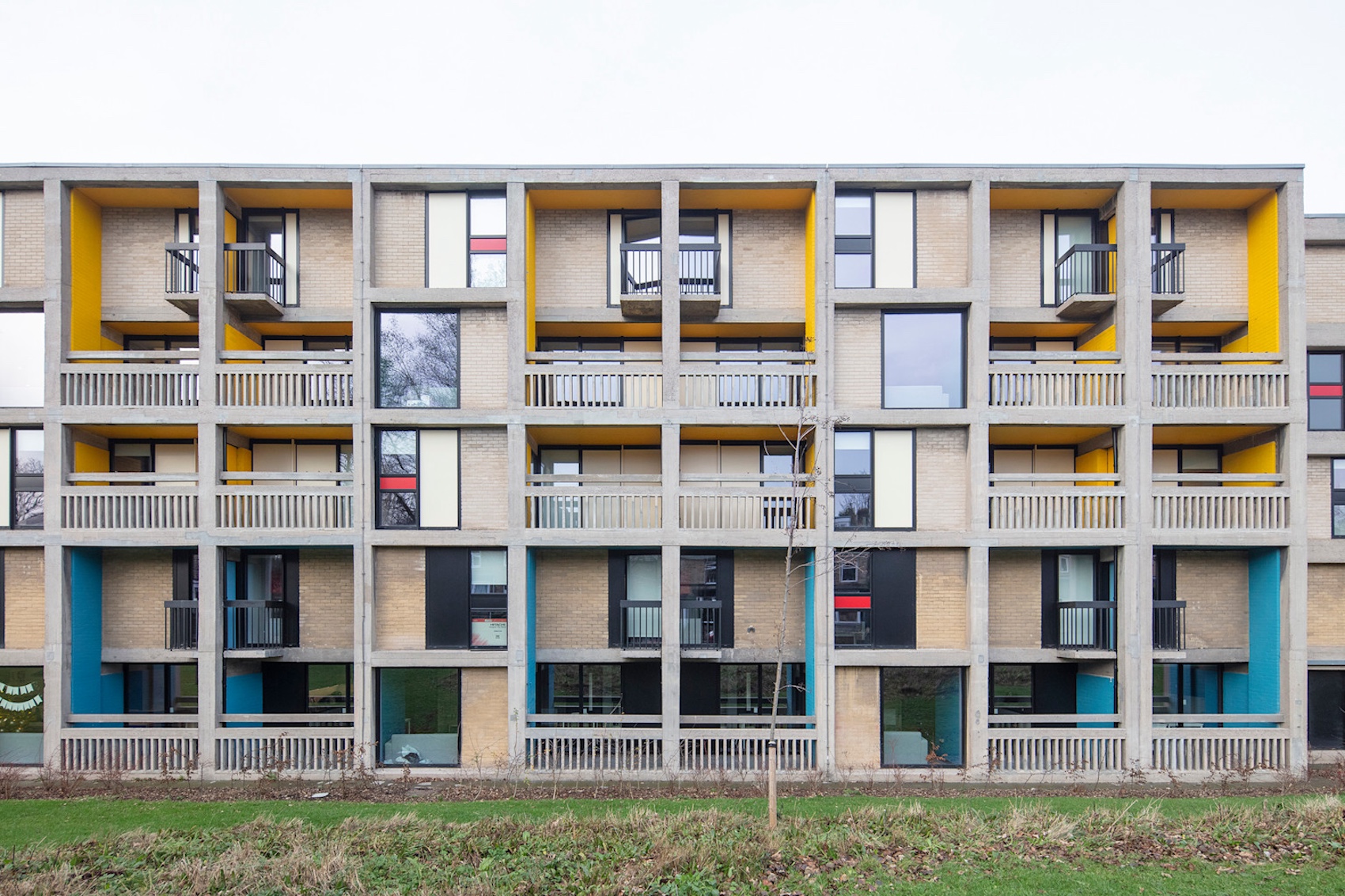
Aluminium offers a unique opportunity in this context. Infinitely recyclable without loss of quality, it can be repeatedly remelted while maintaining its original properties. This makes it a key material in delivering circular renovation strategies that balance environmental performance with architectural ambition.
TECHNAL’s systems are developed with this principle in mind. Manufactured using Hydro CIRCAL® 75R aluminium as standard – made with a minimum of 75% recycled post-consumer material – these solutions are also designed to be 95% recyclable at end of life. This standardised approach means there is no additional cost to specify low-carbon circular materials and products. The result is an 81% reduction in embodied carbon (when compared to the average impact of primary aluminium consumed in Europe), without compromising durability, thermal performance or design flexibility.
However, circularity extends beyond the specification of low-carbon materials. It requires a systemic approach to how building materials are dismantled, processed, and reintroduced into the value chain. Through a closed-loop model, end-of-life aluminium windows, doors and facades can be recovered, sorted and remelted before being reintegrated into the Hydro supply chain and recast into new building products. Crucially, this process is fully traceable and avoids downcycling – ensuring that aluminium remains within the construction sector and retains its full material value.
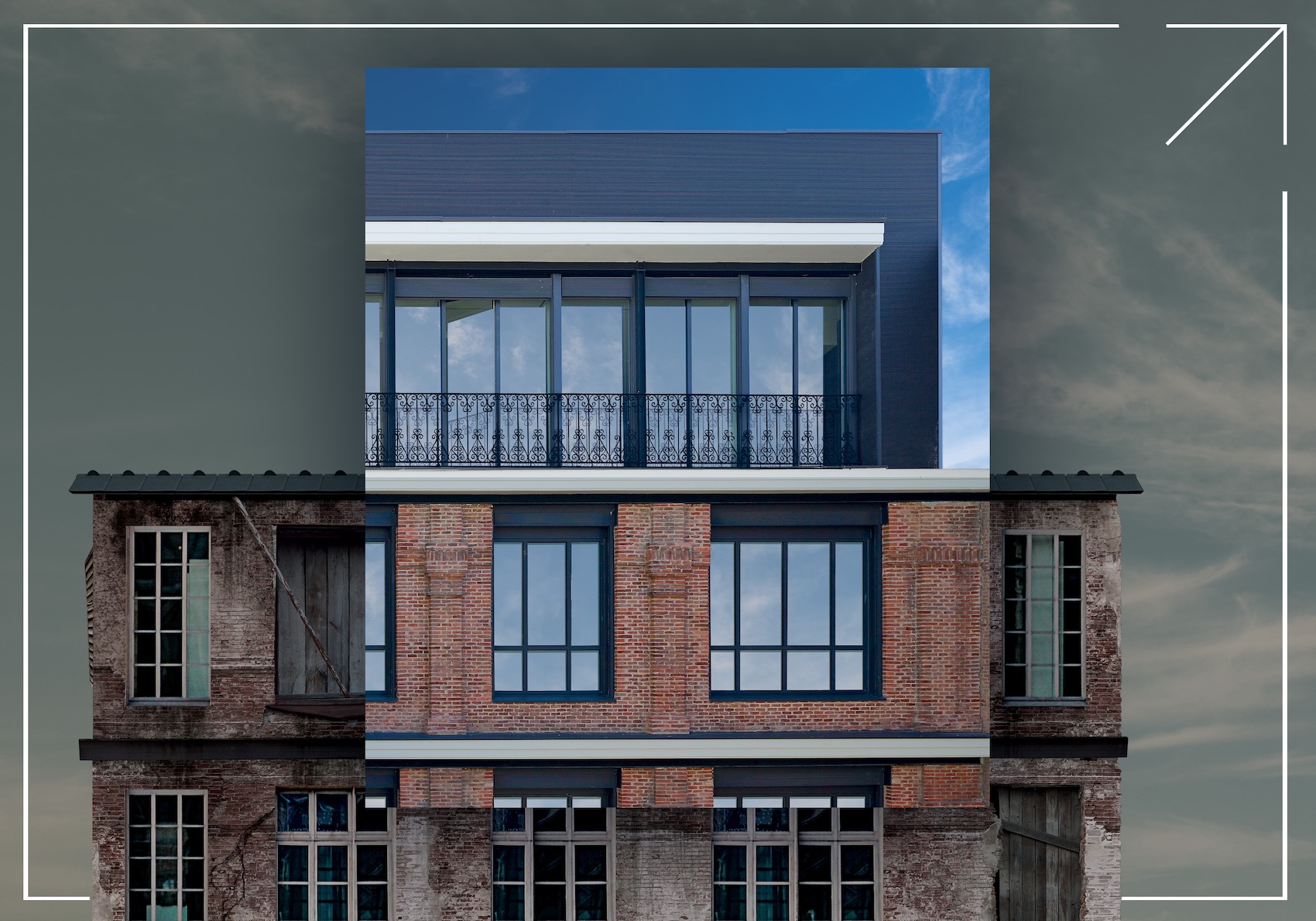
This ability to “close the loop” represents a step change for façade design. It enables architects and developers to think beyond individual projects, considering how today’s buildings become tomorrow’s building resources. In doing so, circular renovation doesn’t just reduce waste and carbon emissions, but also supports long-term asset value, regulatory compliance and environmental certification.
Importantly, these sustainability gains do not require compromise. Advances in aluminium façade systems mean that TECHNAL’s circular solutions can still deliver the slim sightlines, precision detailing and high-performance envelopes expected in contemporary architecture. The result is a new generation of buildings that combine design integrity with measurable environmental impact.
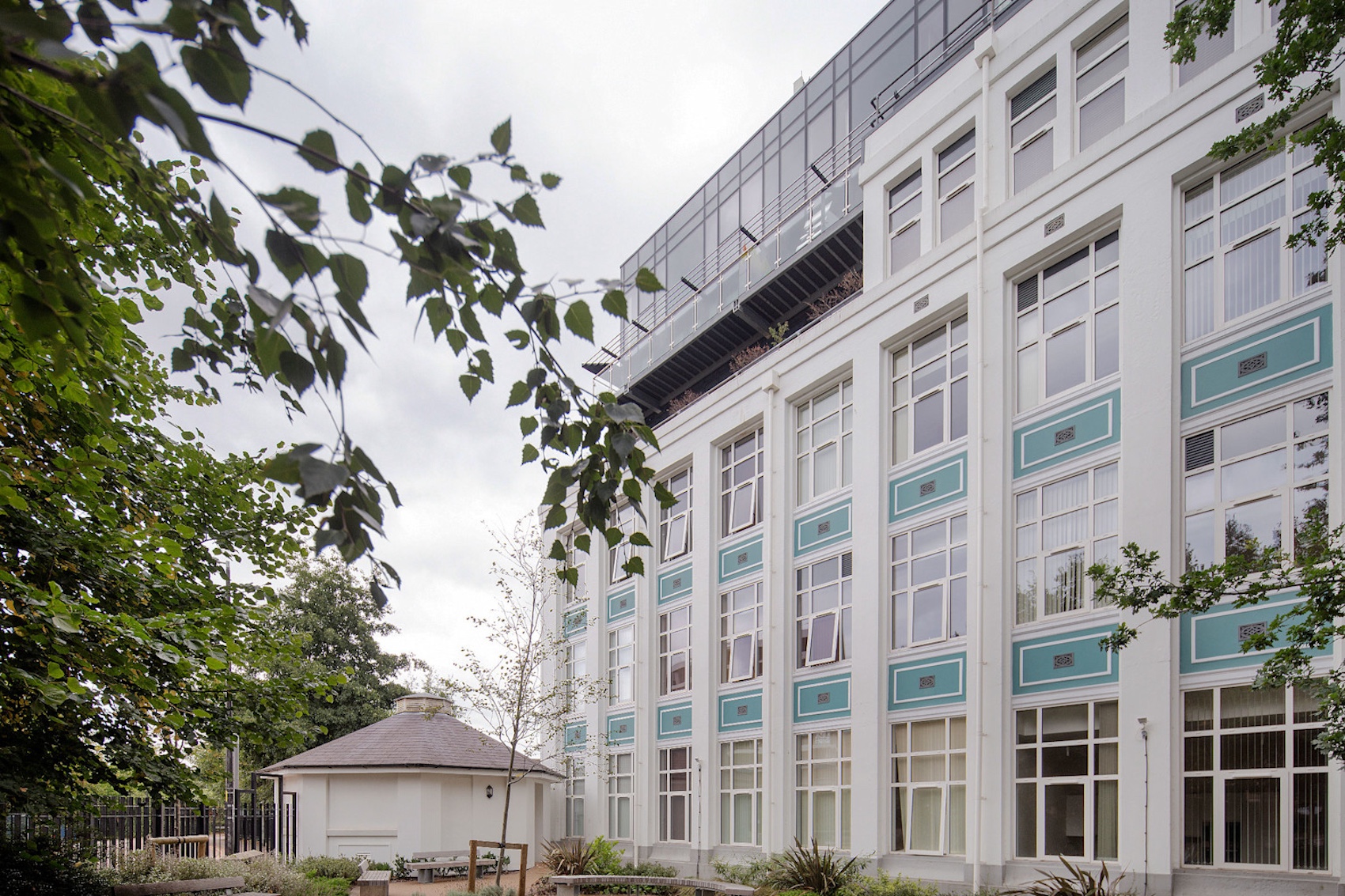
As the industry continues to evolve, circular renovation offers a clear and actionable pathway to net zero. By integrating low-carbon and recycled materials, closed-loop processes and lifecycle thinking, architects can play a central role in shaping a more sustainable and resilient built environment.
Contact Details
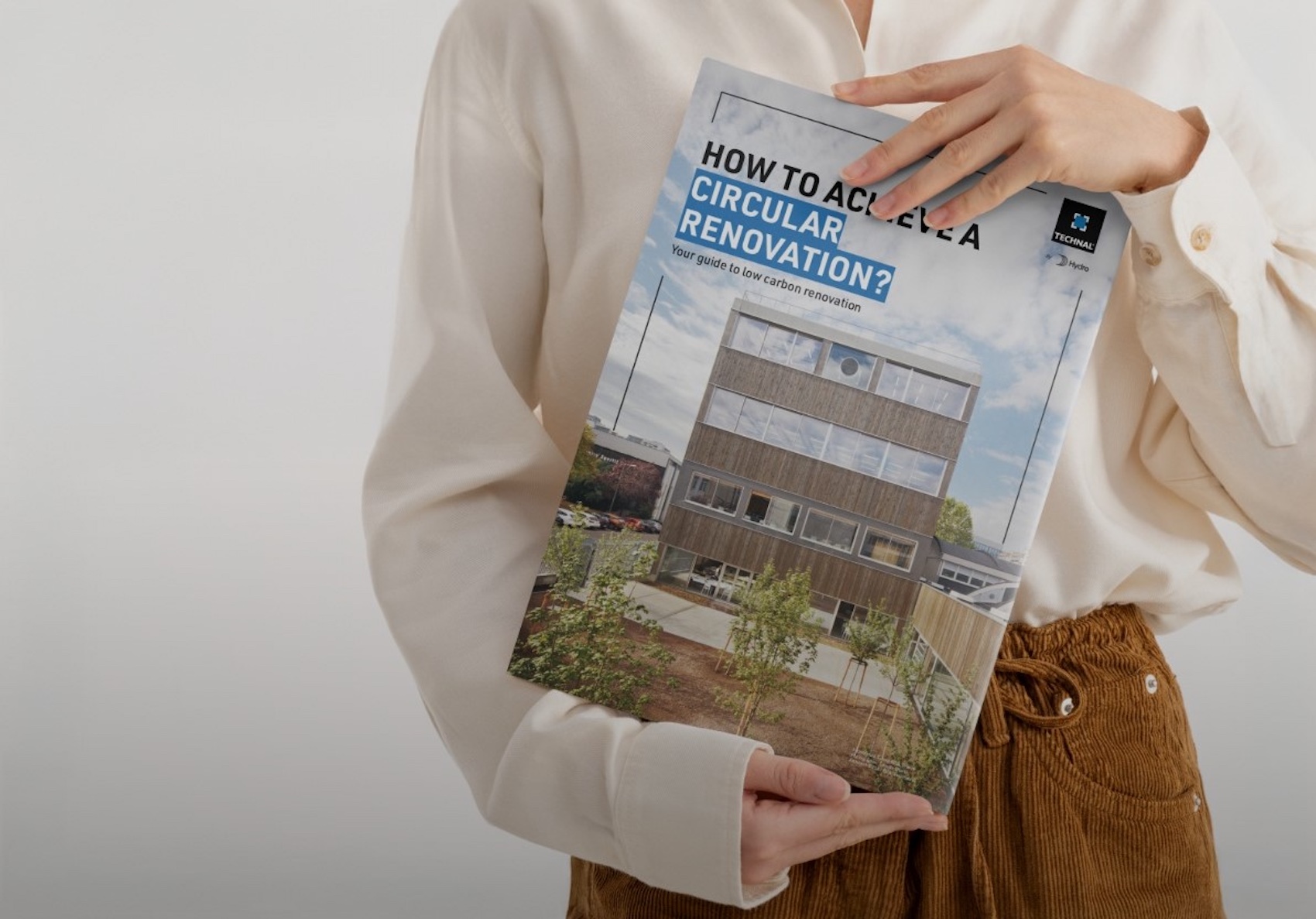
To explore how circular renovation can support your next project, download the circular renovation whitepaper or contact the TECHNAL team for specification support.