High-performance glass from Şişecam delivers energy efficiency, acoustic comfort and safety, across one of the world’s largest transport hubs.
In association with
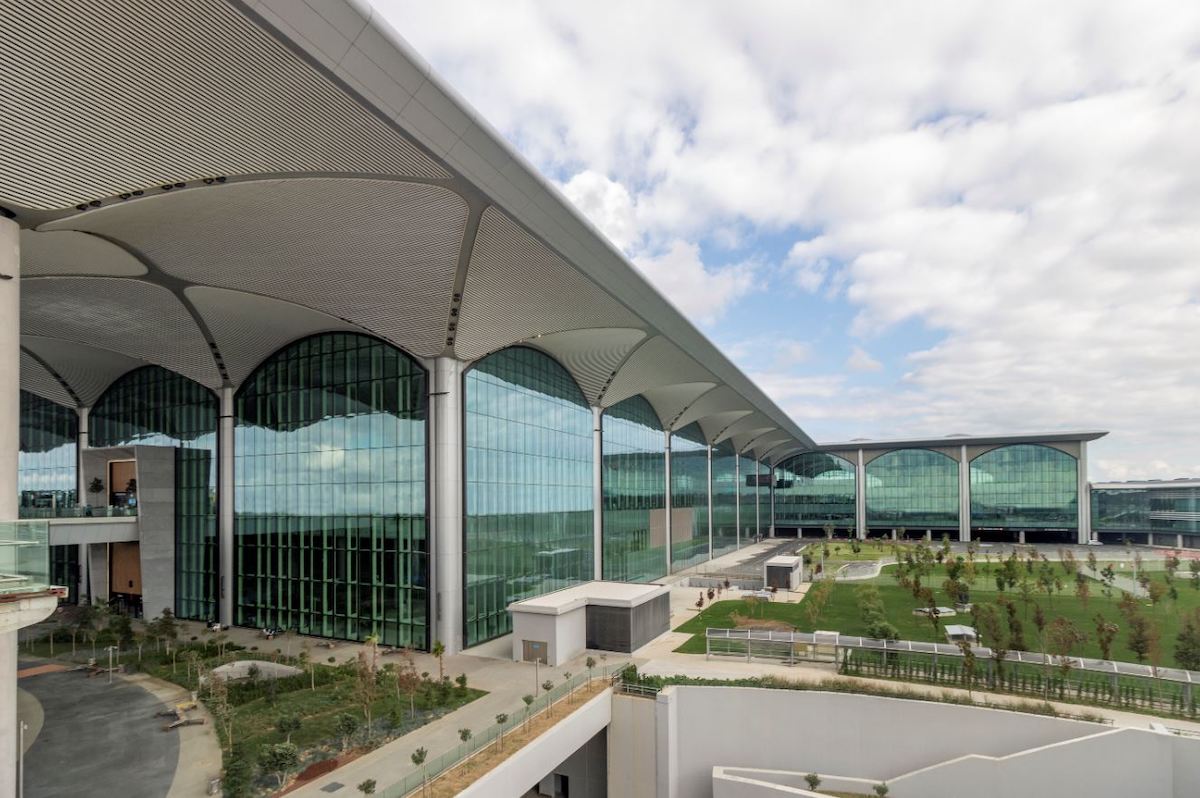
The glass façades employed at Istanbul Airport, Turkey – one of the world’s largest aviation hubs – play a pivotal role in shaping both the architectural identity and the functionality of the terminal. Beyond their visual appeal, these advanced glazing solutions are key to achieving energy efficiency, acoustic comfort, safety, and sustainability in a complex building that operates 24/7.
The extensive use of glass gives the terminal a spacious, modern and refined aesthetic. It also allows daylight to penetrate deep into the building, enhancing passenger comfort and reinforcing the airport’s landmark status. Special coatings applied to the glass help to control glare and solar gain, as well as support visual comfort and passengers’ biorhythms – reducing fatigue and jet lag during long-haul travel.
As a major aviation project with continuous heating, cooling, and lighting demands, Istanbul Airport required a façade solution that could meet diverse performance criteria, including mechanical efficiency, sustainability, safety, security, noise control, solar and thermal regulation, glare management, and indoor comfort. These needs were met through the use of two high-performance glass products: Şişecam Duosol T (Special Production) for the façades, and Şişecam Ecosol T 41 for the skylights. Şişecam Duosol T (Special Production), used in the façade glazing, was specially developed to meet the project’s mechanical requirements.
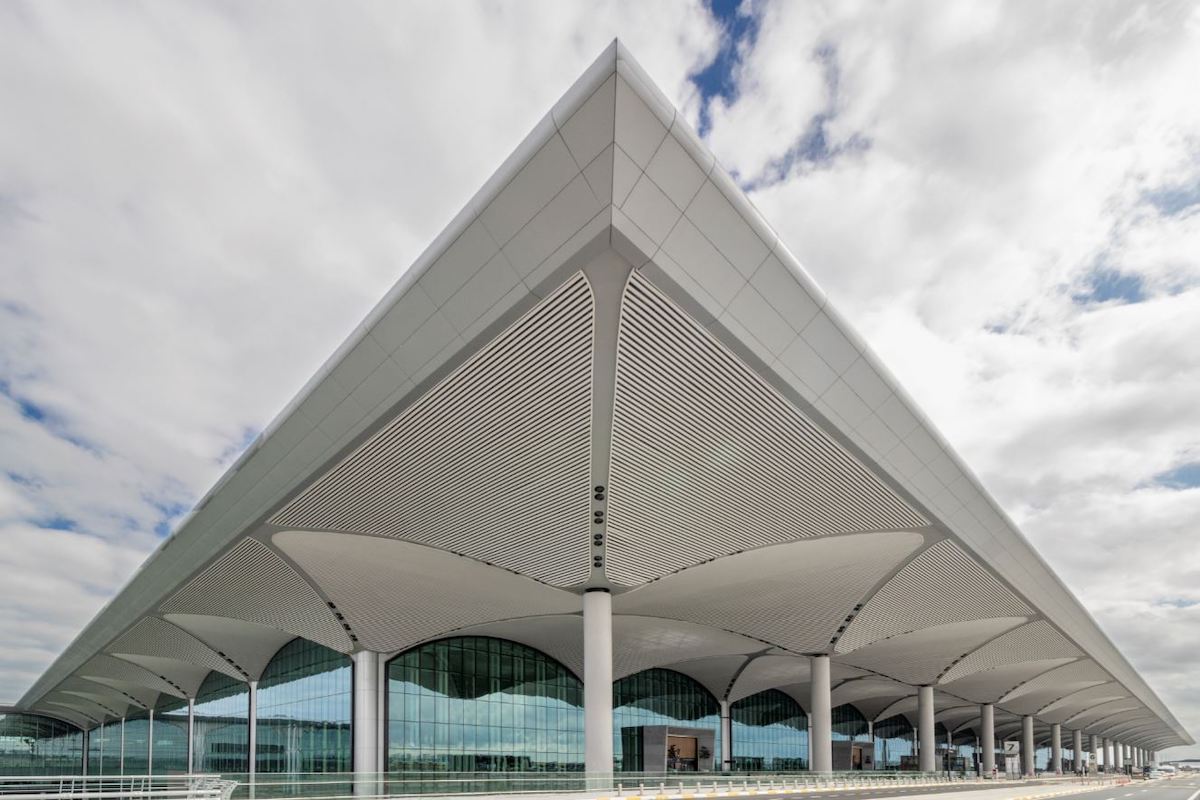
Şişecam Temperable, Solar Low-E coated glass products provide both solar control and thermal insulation in a single layer. They can significantly reduce HVAC loads by minimising heat loss in the winter and solar heat gain in the summer. Their optimal light transmittance reduces the need for artificial lighting, supporting the airport’s energy-efficiency goals. Meanwhile, the temperability of the glass ensures safety without compromising transparency.
In addition to energy performance, the glass systems were designed to meet high standards of safety and acoustic insulation. Partially tempered laminated glass was used in both the outer and inner panes of the insulating glass units, providing impact resistance, noise reduction, and enhanced security. Through project-specific glass consultancy and static analysis conducted by Şişecam’s technical experts, the glass thickness and combinations were optimised to withstand heavy wind loading and pressure, ensuring structural integrity and safety under varying weather conditions.
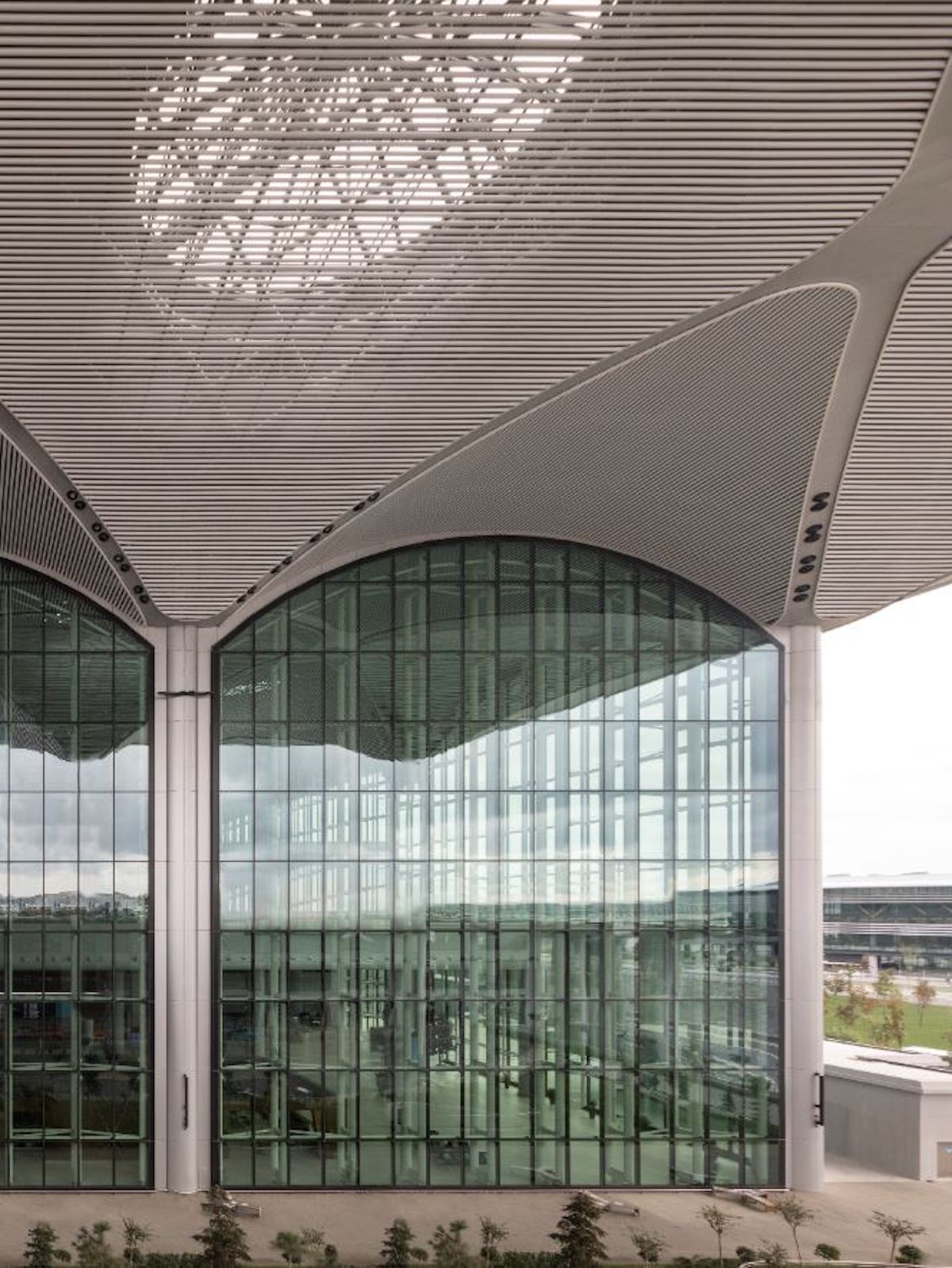
The façade glass also contributes significantly to the airport’s sustainability credentials. By reducing energy consumption for heating, cooling and lighting, the terminal achieved LEED BD+C Gold certification, making it the largest LEED-certified building in the world under this category. The use of recyclable materials and energy-efficient glazing aligns with global green building standards, reflecting Istanbul Airport’s commitment to sustainable development.
Project: Istanbul Airport
Location: İstanbul, Turkey
Architects: Grimshaw Architects, Haptic Architects, Nordic Office of Architecture, AECOM, and Pininfarina (air traffic control tower)
Façade consultant: WINTECH Façade Engineering Consultancy
Clients: DHMI (General Directorate of State Airports Authority of Turkey), Kalyon – Cengiz – Mapa – Limak Joint Venture (IGA)
Contact Details
For further information, please visit the by Şişecam website.