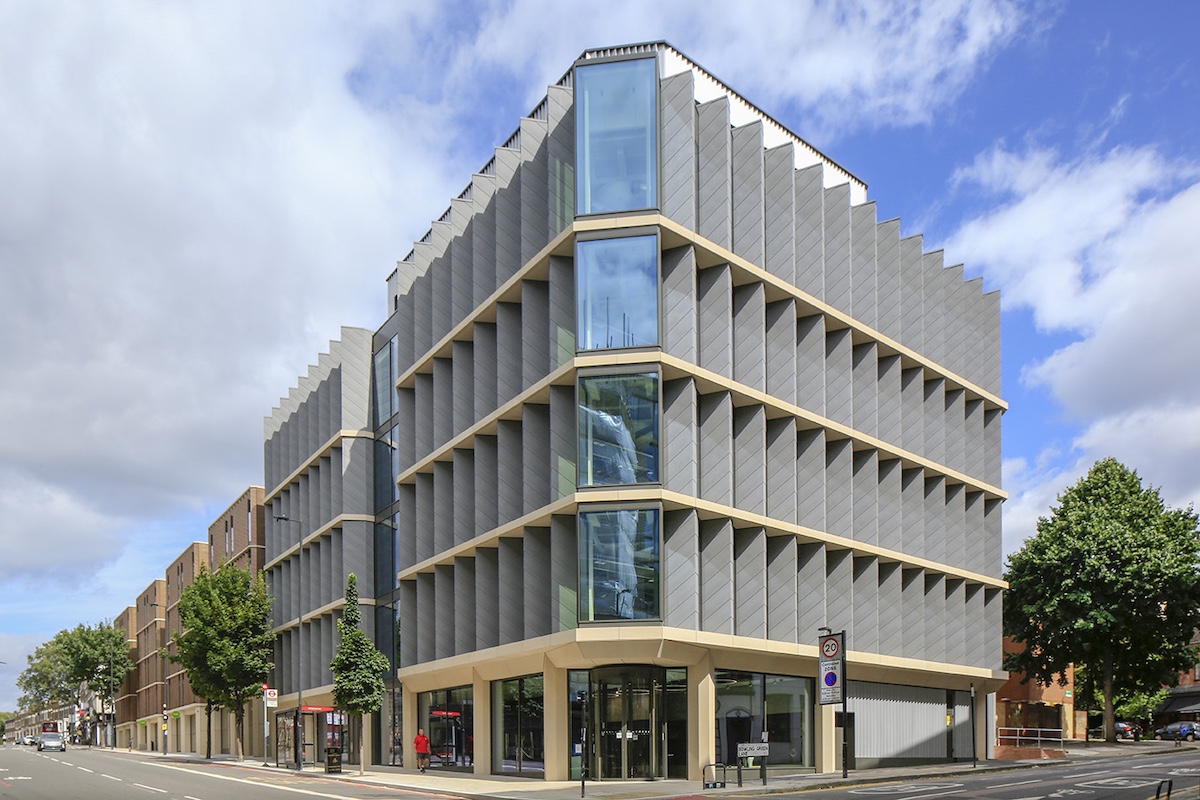
AccuRoof Trading Director Robert Edwards discusses how a more rigorous, evidence-led approach to flat roof design can strengthen specification, reduce risk and support accountable practice.
In association with
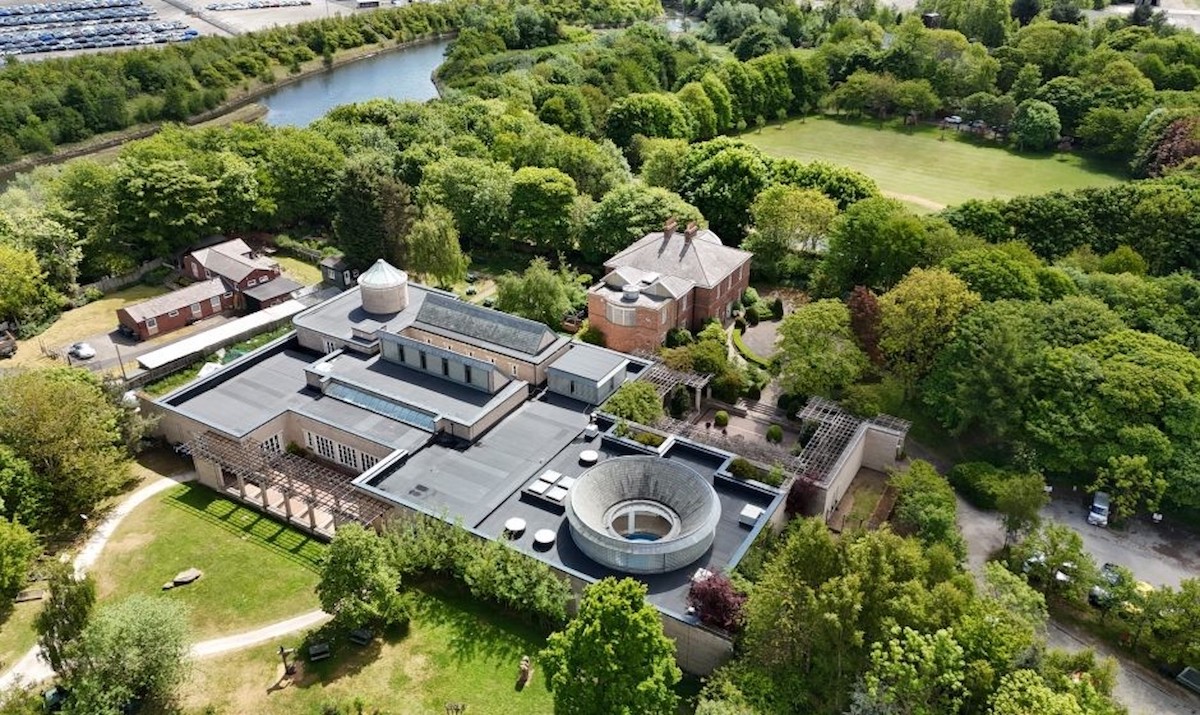
A SIGnature 25 Torch On reinforced bitumen warm roof system was installed at Jarrow Hall Bede Museum in South Shields after the previous flat roof failed (photo: John Flowers Flat & Industrial Roofing).
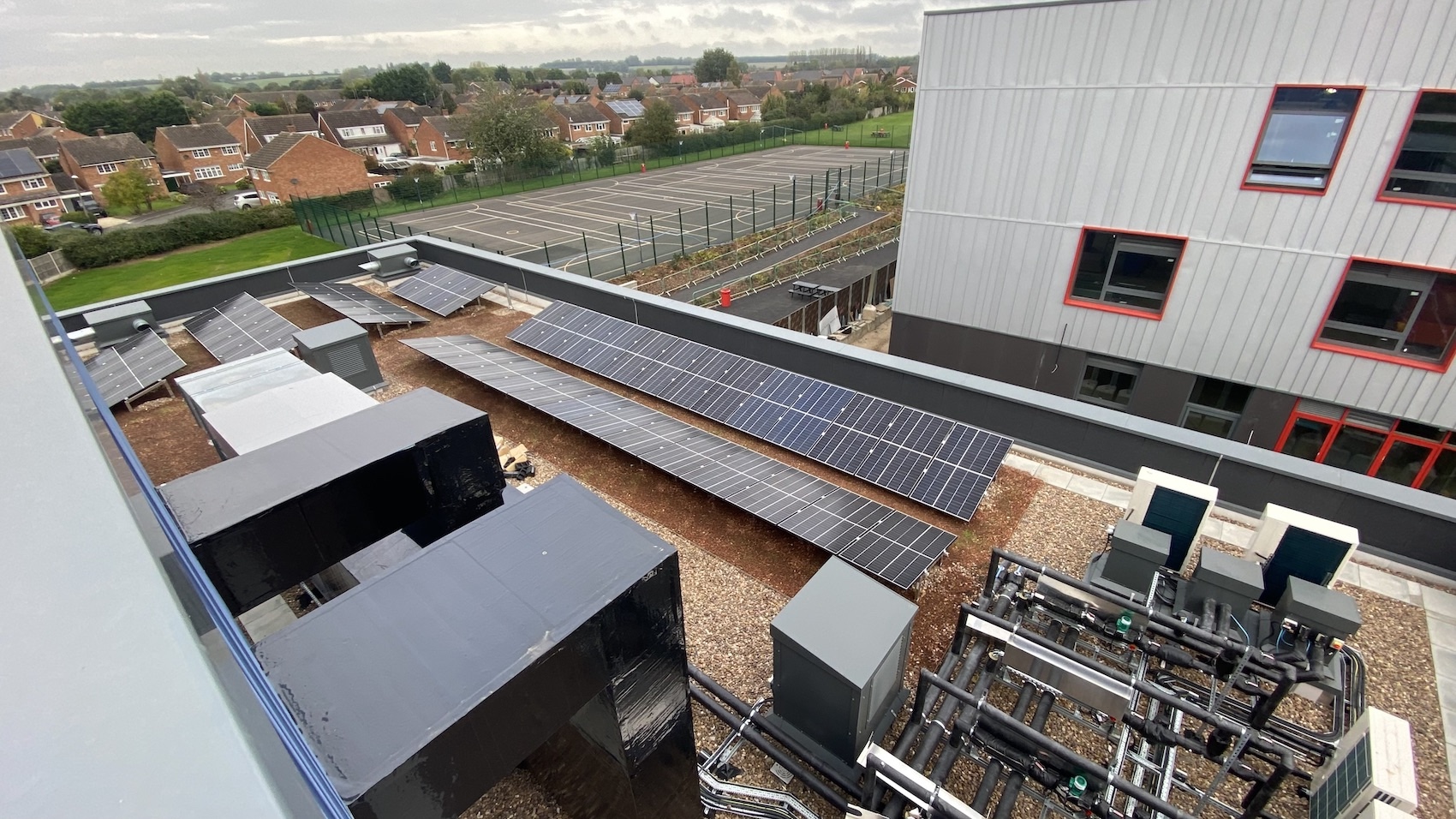
The flat roof has long been treated as a utilitarian plane – a pragmatic solution for plant, drainage and waterproofing. Yet in contemporary practice it has become one of the most technically demanding elements of a building. Routinely accommodating insulation strategies driven by Part L, fire compliance under Part B, blue roof attenuation systems, photovoltaic (PV) arrays, and biodiverse or brown roof build-ups, the flat roof is no longer simple, it is layered infrastructure.
As regulatory expectations tighten and scrutiny of envelope performance intensifies, specifiers are under increasing pressure to demonstrate that flat roof design is not only coherent and coordinated, but demonstrably compliant. The issue is no longer confined to whether the roof keeps water out; it is whether the entire assembly satisfies thermal, fire and moisture regulations in combination. AccuRoof Trading Director Robert Edwards examines the key compliance and performance considerations architects should embed in flat roof design.
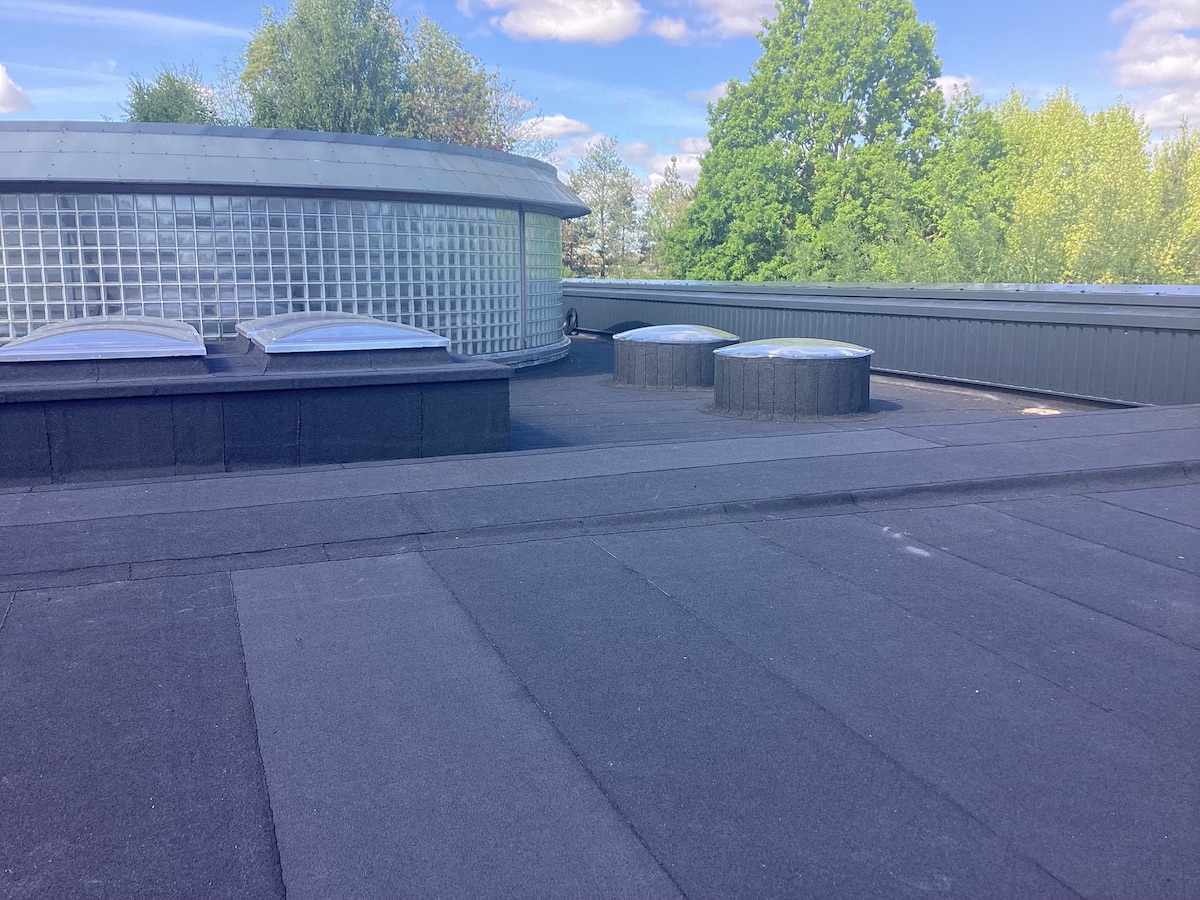
Close-up view of the Jarrow Hall Bede Museum roof showing the impluvium and rooflights (photo: Accuroof).
A convergence of regulatory demands
Flat roofs sit at the intersection of multiple compliance regimes. Achieving target U-values frequently requires significant insulation thickness, raising implications for upstand heights, threshold levels and parapet detailing. Fire performance requirements must account for the combined behaviour of membrane, insulation and substrate. Condensation risk analysis demands careful placement of Air & Vapour Control Layers (AVCL) and assessment of internal humidity assumptions.
Where blue roof systems are introduced to manage surface water attenuation, the depth of retained water and structural tolerances must be reconciled with waterproofing performance and insulation continuity. Add a green roof or PV installation, and loading, fixing strategies, and fire spread considerations further complicate the picture.
These are not isolated technical checks; they are interdependent decisions. A change in insulation type may alter fire characteristics. Increasing insulation thickness may require revised edge details to maintain compliance with minimum upstand heights. Drainage falls influence not only waterproofing longevity but also thermal bridging at outlets and perimeters.
Yet flat roof detailing is often resolved under programme pressure, with compliance confirmation occurring reactively. In this environment, risk is not simply non-conformance, but fragmented information and unclear accountability.
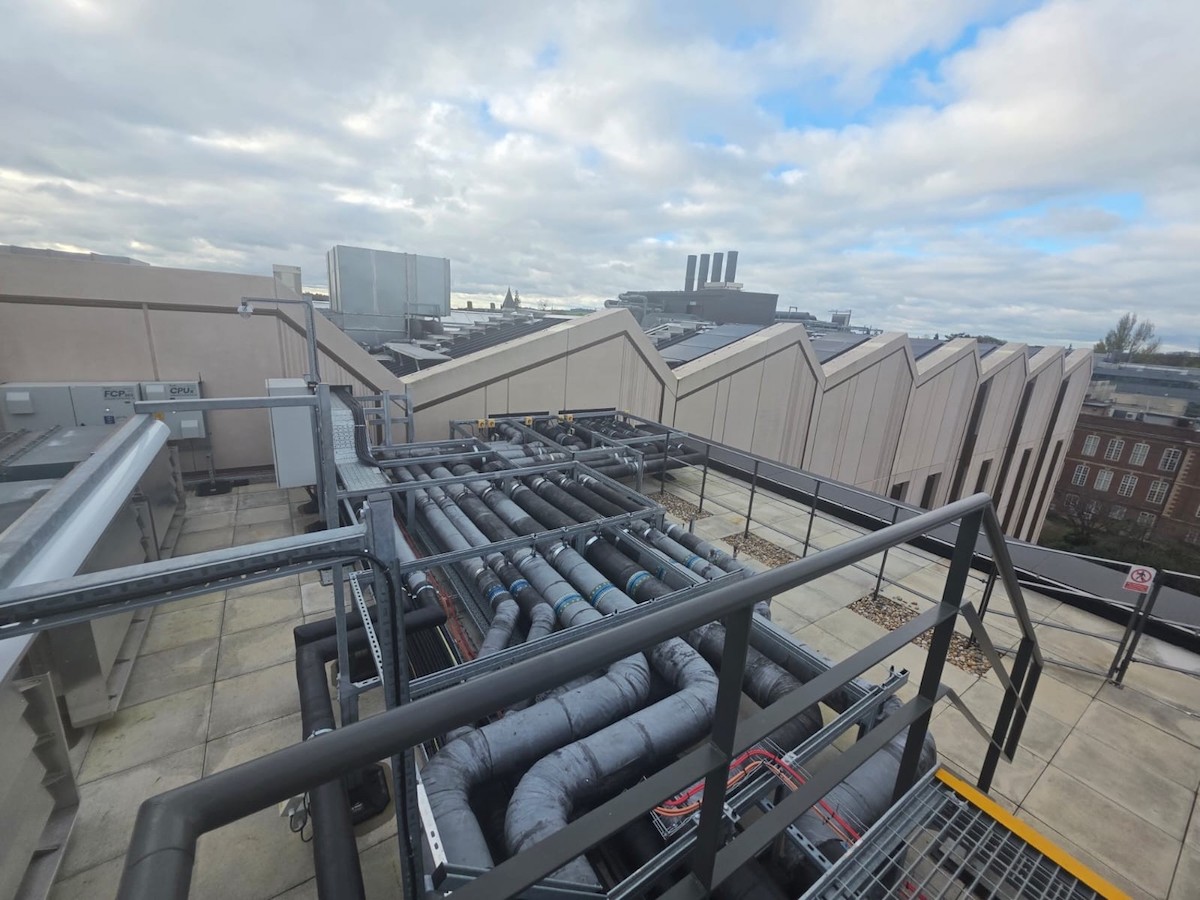
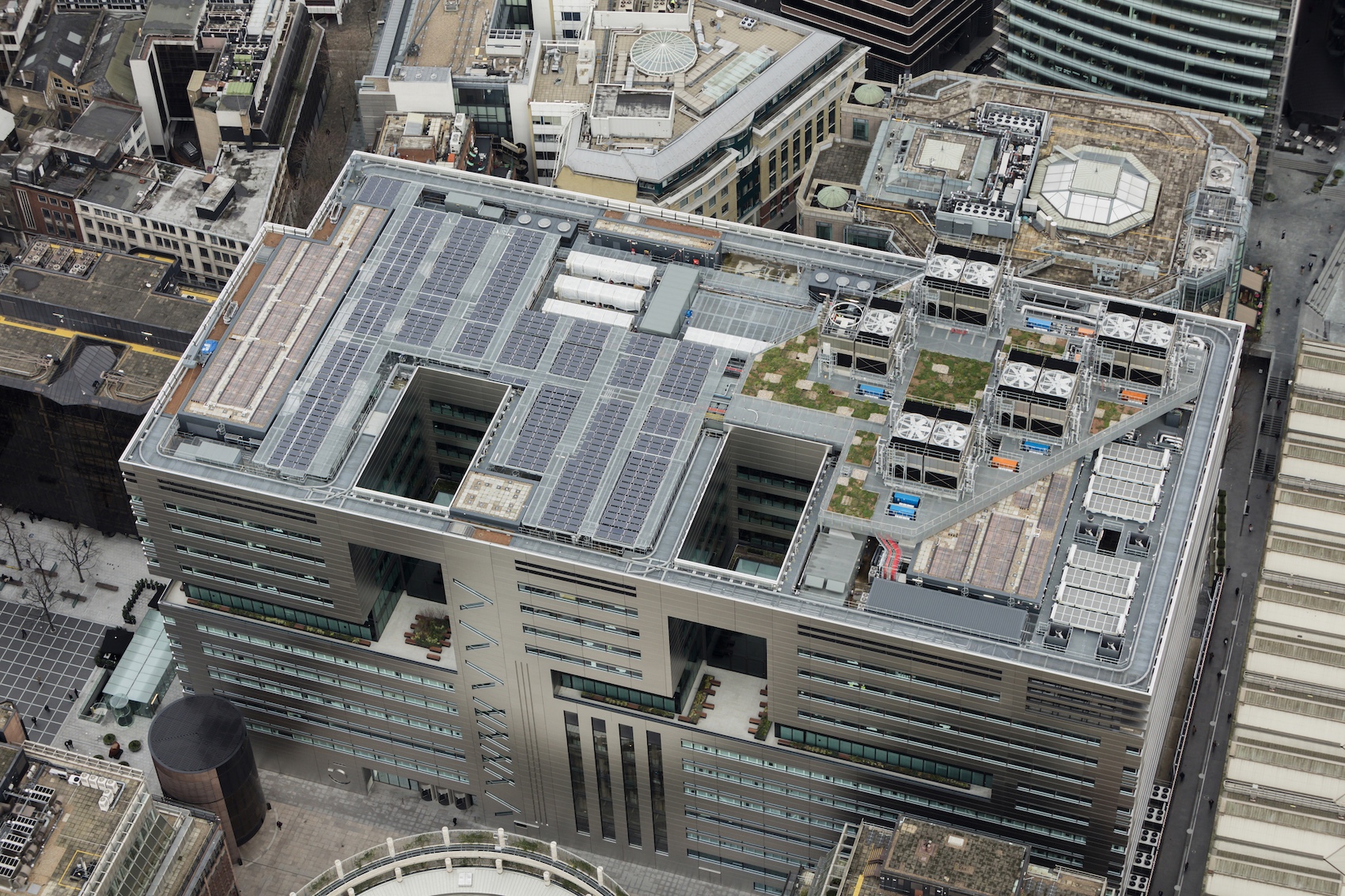
Plant and ducting atop the Life and Mind Building at the University of Oxford. The roof utilises an IKO Permatec Ecowrap membrane (photo: Briggs Amasco).
From specification to substantiation
The post-reform regulatory culture demands demonstrable evidence. Architects must be able to show that specified flat roof systems meet the relevant standards, and that they are appropriate for the specific building context. This requires more than referencing generic product literature. Fire performance, for example, depends on tested system build-ups rather than individual components in isolation. Similarly, condensation risk cannot be assumed compliant based on precedent; it must be assessed against the actual proposed construction and anticipated environmental conditions.
AccuRoof supports architectural practices by interrogating proposed flat roof build-ups against current regulatory frameworks and manufacturer performance data. This assistance strengthens confidence that membrane and insulation combinations achieve the necessary external fire ratings, that vapour control strategies align with condensation risk guidance, and that thermal performance targets are realistically achieved in the proposed configuration.
Rather than relying solely on inherited details or standard specifications, architects should gain project-specific technical validation. This approach embeds compliance within the design process rather than treating it as an afterthought.
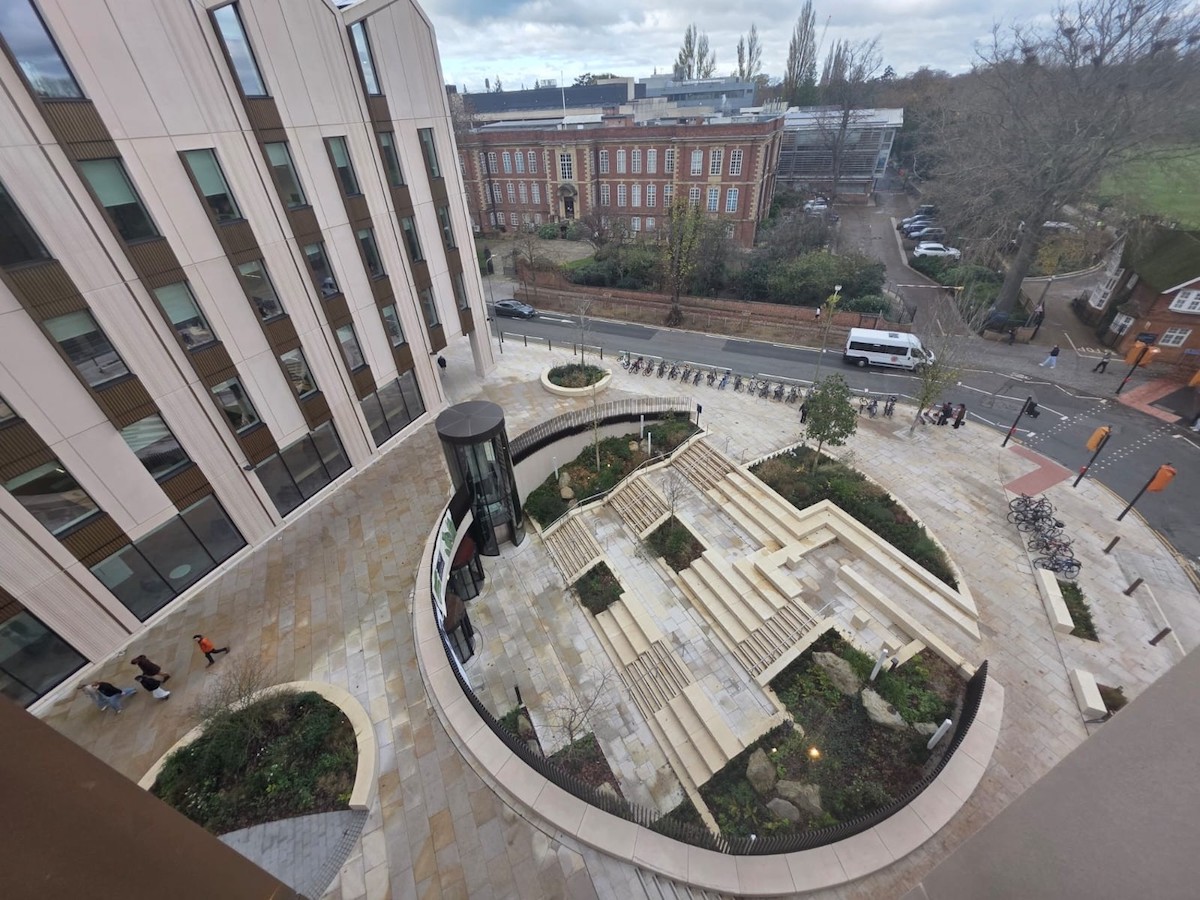
Aerial view of podium roof at the Life and Mind Building, University of Oxford (photo: Briggs Amasco).
Managing layered roofscapes
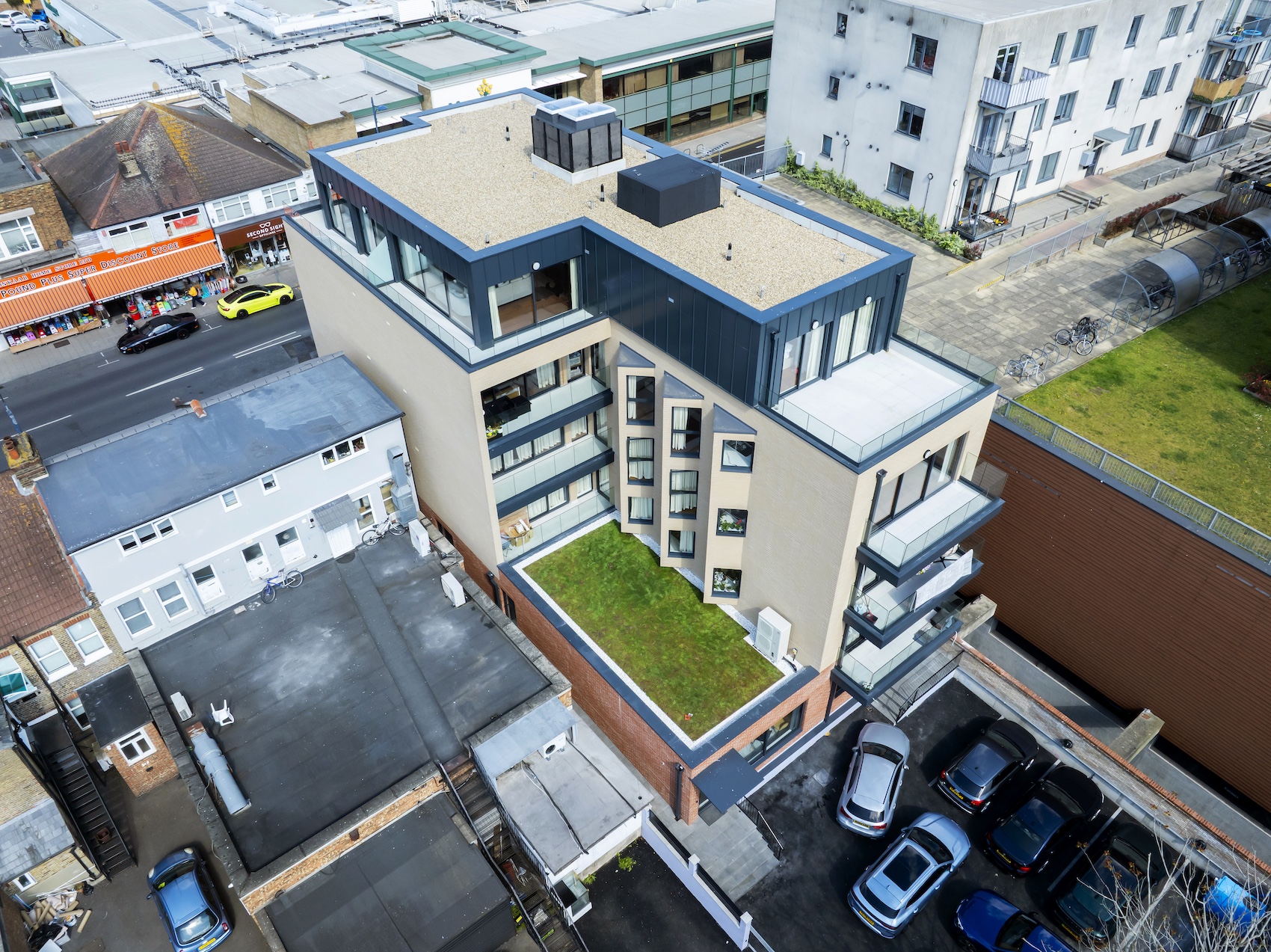
A typical urban residential block may combine warm roof insulation, blue roof attenuation, ballast or paving zones, plant plinths and PV arrays, all within a constrained depth dictated by planning and structural limits. In such conditions, compliance must be considered holistically. A green or biodiverse overlay can influence fire strategy. Ballast zones may affect membrane selection. Service penetrations introduce potential weaknesses in air and vapour control continuity. Each interface presents an opportunity for performance failure if insufficiently coordinated.
AccuRoof’s technical expertise assists practices in reviewing flat roof proposals as integrated systems rather than discrete layers. By identifying potential conflicts between regulatory requirements at design stage for example, where a proposed build-up may compromise fire performance once combined with additional rooftop elements, adjustments can be made before procurement and construction. This proactive engagement reduces the likelihood of contractor queries, late-stage redesign or building control challenges, all of which carry cost and reputational implications.
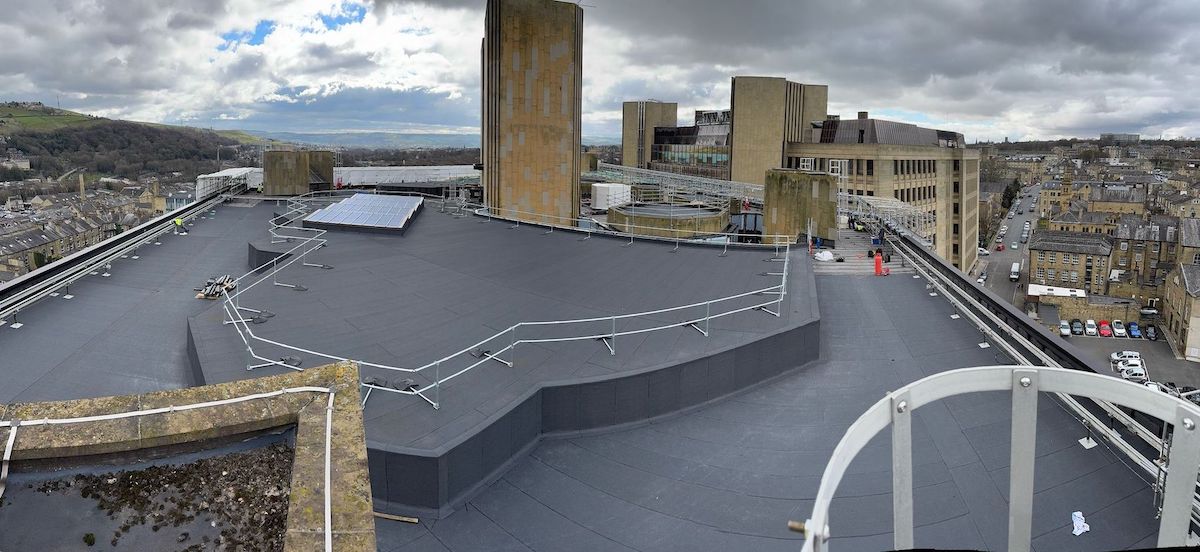
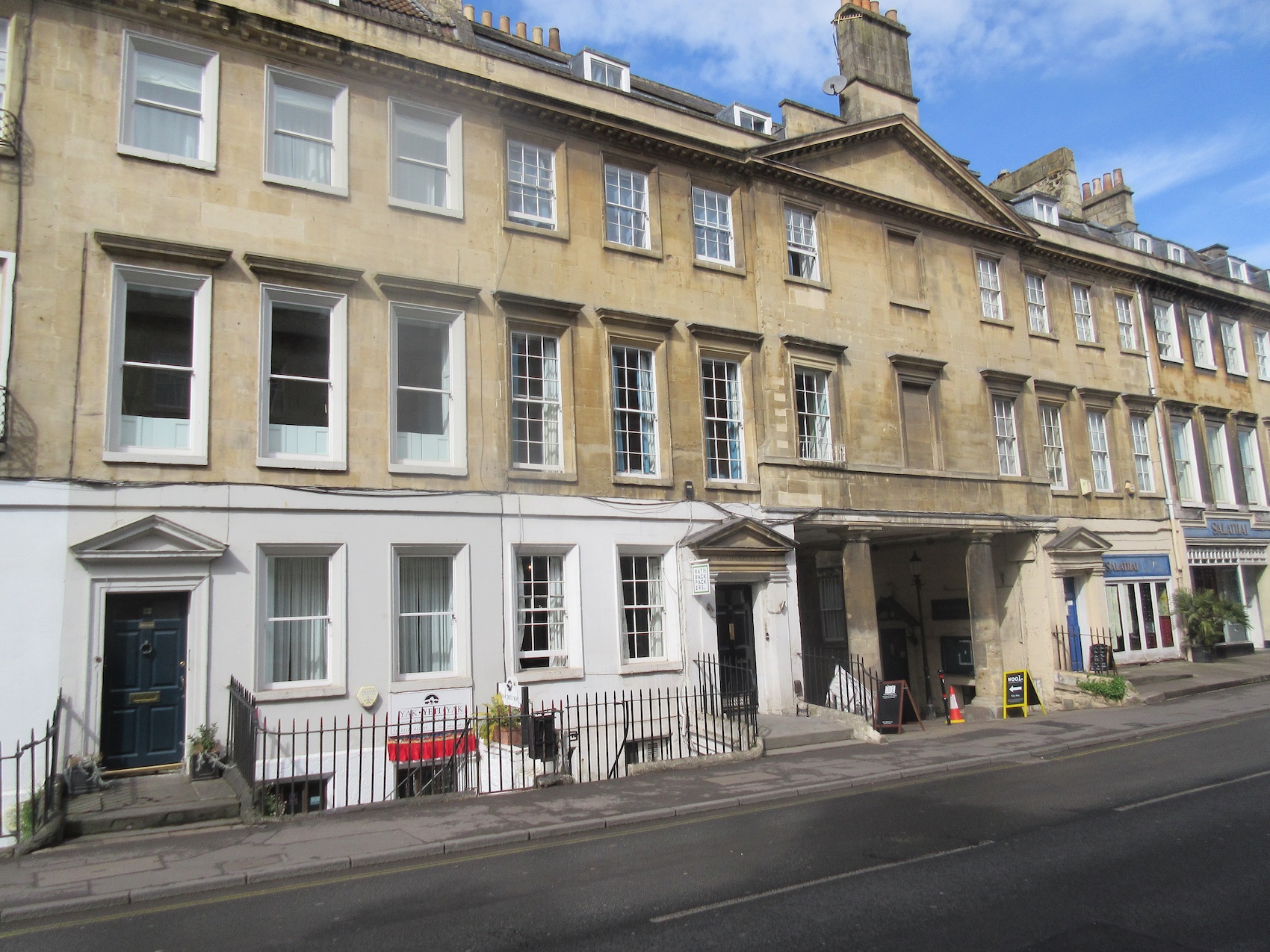
SIGnature Torch On and IKO Permatec roof coverings were specified as part of the refurbishment of the Grade II-listed Halifax Building in West Yorkshire (photo: Apex Asphalt).
Supporting the golden thread
The concept of the ‘golden thread’ of information places emphasis on clear, traceable documentation. For flat roofs, this means transparent articulation of materials, performance classifications and installation parameters. AccuRoof contributes to this clarity by aligning flat roof design proposals with current standards and manufacturer data, helping practices assemble coherent and defensible technical records.
In higher-risk residential and public buildings, where scrutiny around fire performance and material suitability is particularly acute, such rigour is essential. Strengthened documentation not only supports regulatory approval but also reinforces professional accountability. Architects are better positioned to demonstrate due diligence when flat roof systems have been interrogated and validated against current guidance.
Design integrity through technical confidence
Importantly, compliance support should not diminish architectural intent. Flat roofs are often central to massing strategies, urban responses and spatial planning, accommodating terraces, amenity spaces and plant zones within tightly controlled heights. Technical confidence enables design ambition. When architects are assured that complex flat roof assemblies have been rigorously assessed against fire, thermal and moisture criteria, they can refine details and coordinate interfaces without the lingering uncertainty of any unresolved compliance risk.
Engaging specialist expertise, such as AccuRoof, early in the development of flat roof strategy embeds regulatory thinking within design evolution. It allows options to be tested, build-ups refined and documentation strengthened while intent remains fluid.

Aerial view of the completed Halifax Building roof (photo: Craig Auckland, fotohaus).
Towards a more accountable flat roof
Accountability begins with clarity. Flat roof assemblies must be assessed as tested systems rather than assumed combinations of compatible parts. Insulation strategy influences fire performance. Drainage design affects thermal continuity. Rooftop additions, such as PV arrays or biodiverse layers, can alter classification outcomes. Each decision carries implications that extend beyond its immediate function.
By supporting project-specific regulatory validation, technical interrogation of build-ups and strengthened documentation, AccuRoof assists practices in navigating flat roof complexity with greater assurance. It reinforces architectural judgement with targeted expertise. In an era defined by scrutiny and responsibility, the flat roof demands more than resolution. It demands evidence.
Contact Details
For more information, please call 01509 505 714, email, or visit the AccuRoof website.