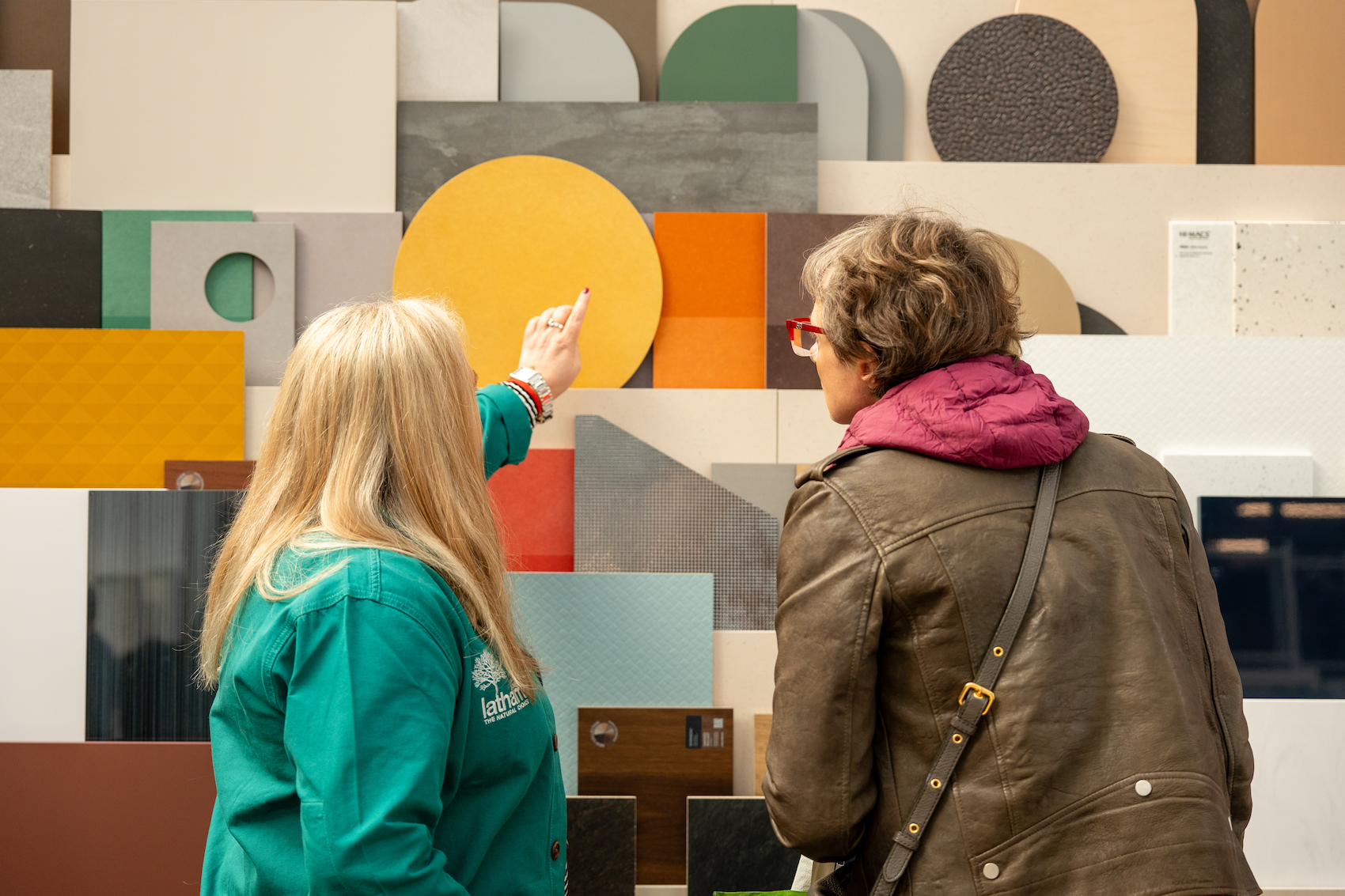
Steve Johnson, Advanced Technical Panels Product Manager at James Latham, speaks to Architecture Today’s Technical Editor John Ramshaw about KYDEX thermoplastic laminate, exploring its design potential, construction, performance and use in demanding architectural environments.
In association with
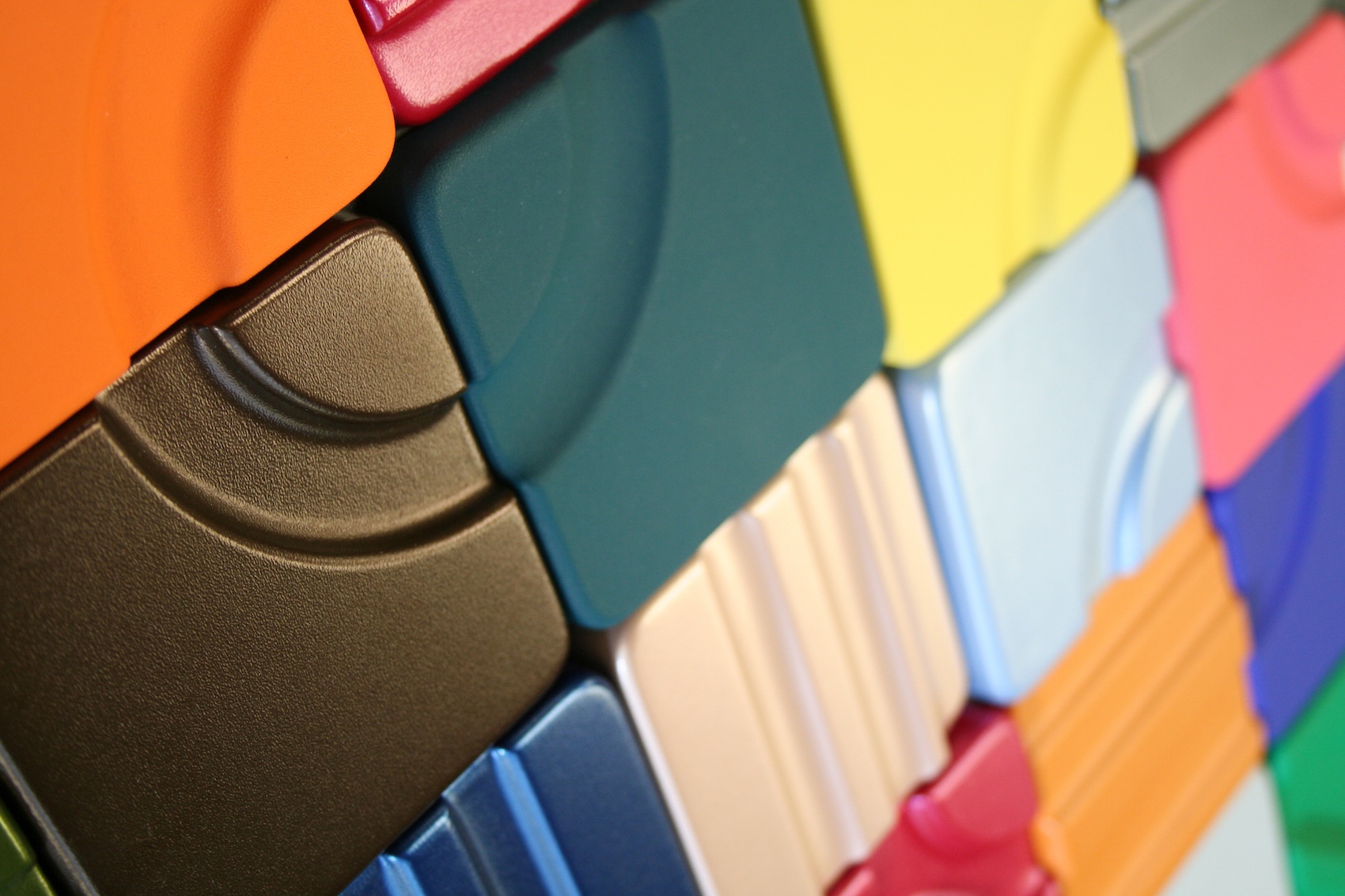
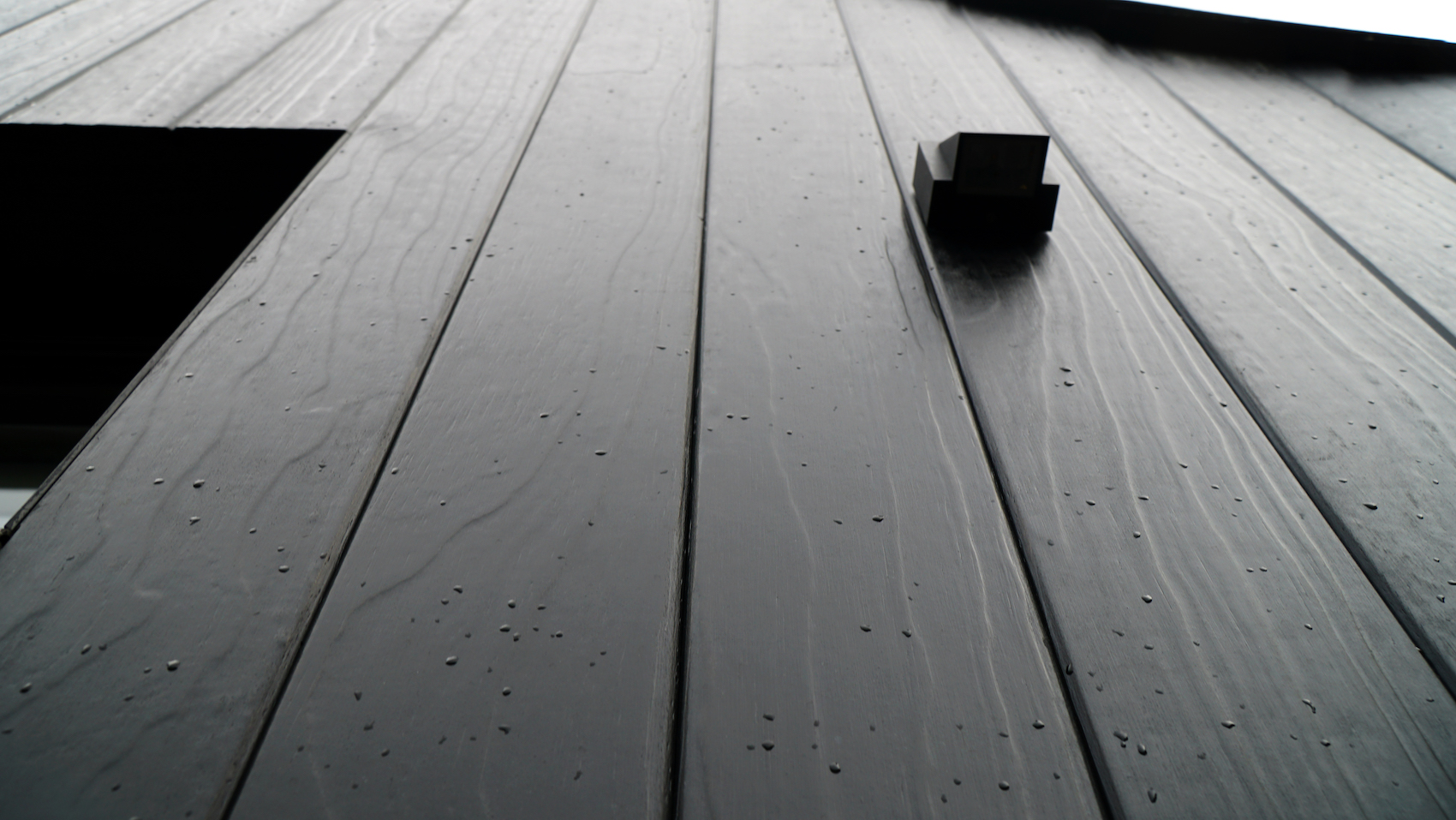
KYDEX colour options are almost endless, with a low MoQ for custom colours (photo: courtesy of Sekisui KYDEX).
KYDEX occupies an unusual position among architectural surface materials. Combining the durability of a thermoplastic with the aesthetic possibilities of a decorative surface, it can be used flat, thermoformed around complex shapes, or wrapped seamlessly over substrates. Its through-colour construction, range of finishes and resistance to impact, moisture and intensive cleaning make it particularly relevant where appearance and resilience need to go hand-in-hand.
Distributed by James Latham through its Advanced Technical Panels (ATP) division, KYDEX is already widely used in healthcare, where doors, furniture and other high-use elements need to withstand repeated impact and rigorous cleaning. Its versatility also opens up applications across hospitality, retail and other demanding interiors. Steve Johnson, Advanced Technical Panels Product Manager at James Latham, in conversation with Architecture Today’s Technical Editor John Ramshaw, explains what architects need to know when specifying this high-performance material.
For architects unfamiliar with KYDEX, what is it, how is it made, and how does it differ from conventional laminates?
At its simplest, KYDEX is an extruded thermoplastic sheet, although the manufacturer describes it as a PVC alloy because additional ingredients are incorporated to give different material grades particular characteristics, including thermoformability and fire performance. That makes it quite different from a conventional paper-based decorative laminate. It can be used as a flat surface material, but it can also be heated and formed into complex shapes. It effectively sits somewhere between a traditional laminate and the PVC products architects may be more familiar with, while offering a much broader range of performance and fabrication possibilities.
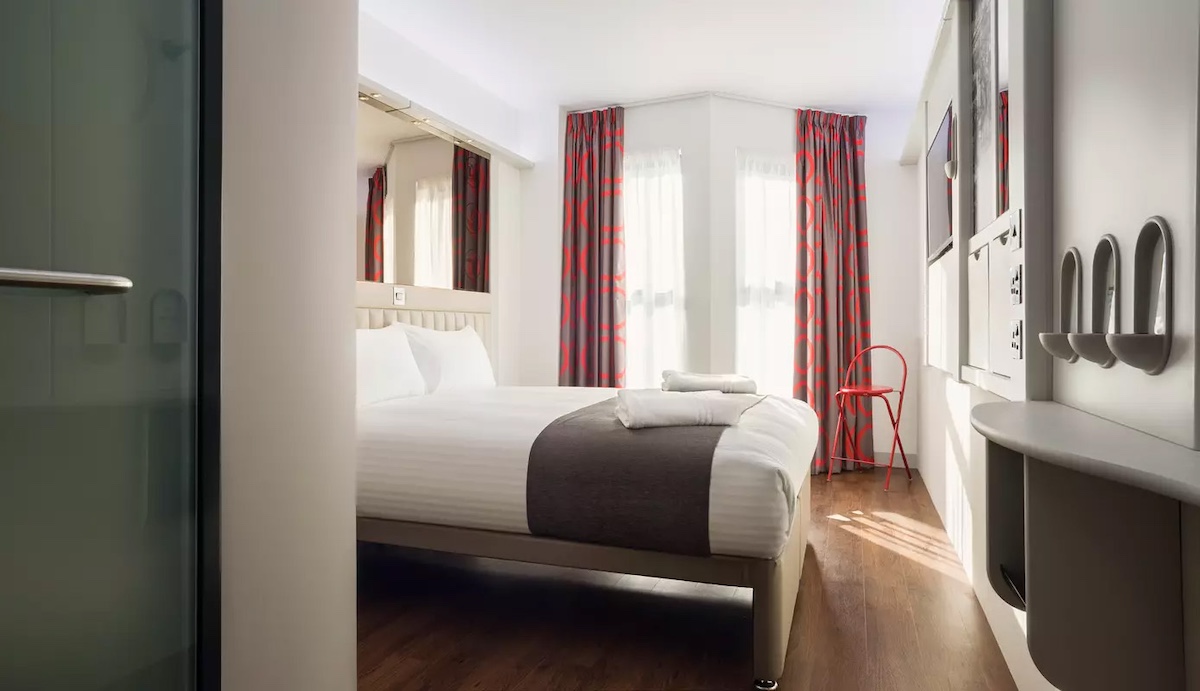
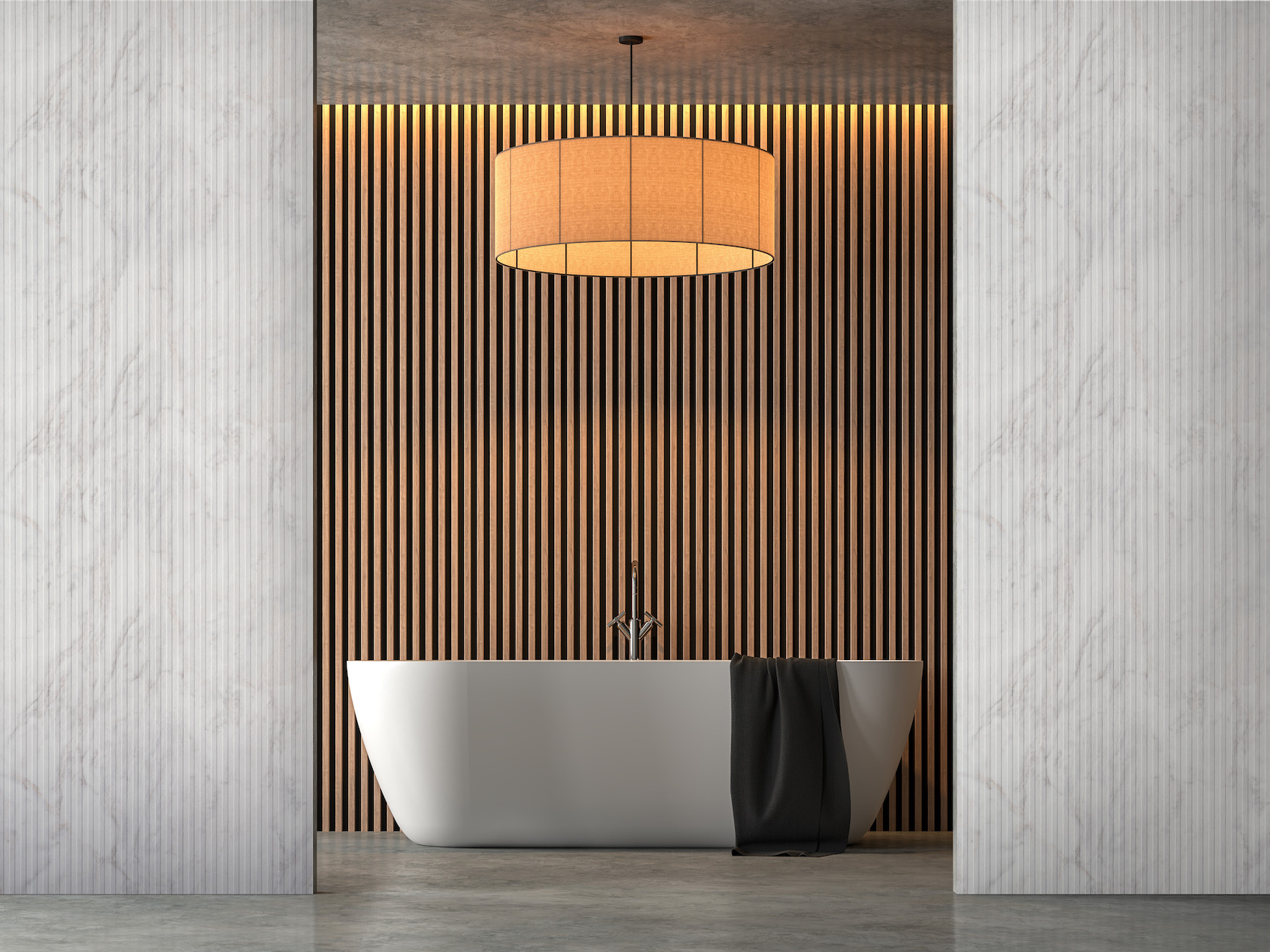
KYDEX helps create soft flowing lines in a hotel furniture concept (photo: courtesy of Tune Hotels).
Where is KYDEX most commonly specified?
KYDEX was originally developed for aviation, which remains a major market, but within the UK construction sector healthcare is particularly important. It is used for fire doors, overbed tables and other furniture, as well as secure mental health facilities and other specialist environments. These applications demonstrate where the material comes into its own. It can withstand impact and intensive cleaning, while thermoforming and welded joints can create surfaces with very few vulnerable edges or junctions. Those characteristics also make it relevant to high-traffic interiors, such as hotels, retail environments and public buildings, where durability and cleanability are priorities.
What are the main KYDEX grades available, and how should architects choose between them?
Two of the principal grades architects are likely to encounter are KYDEX XD and KYDEX T. The former is commonly supplied at 0.76mm and is particularly flexible and well suited to thermoforming, although other thicknesses are available. The latter provides greater scope in terms of thickness and incorporates additional ingredients for fire performance. For many healthcare applications, 2mm material is a common choice because it provides the robustness needed for impact protection. The appropriate grade and thickness ultimately depend on the application, required performance and degree of forming involved.
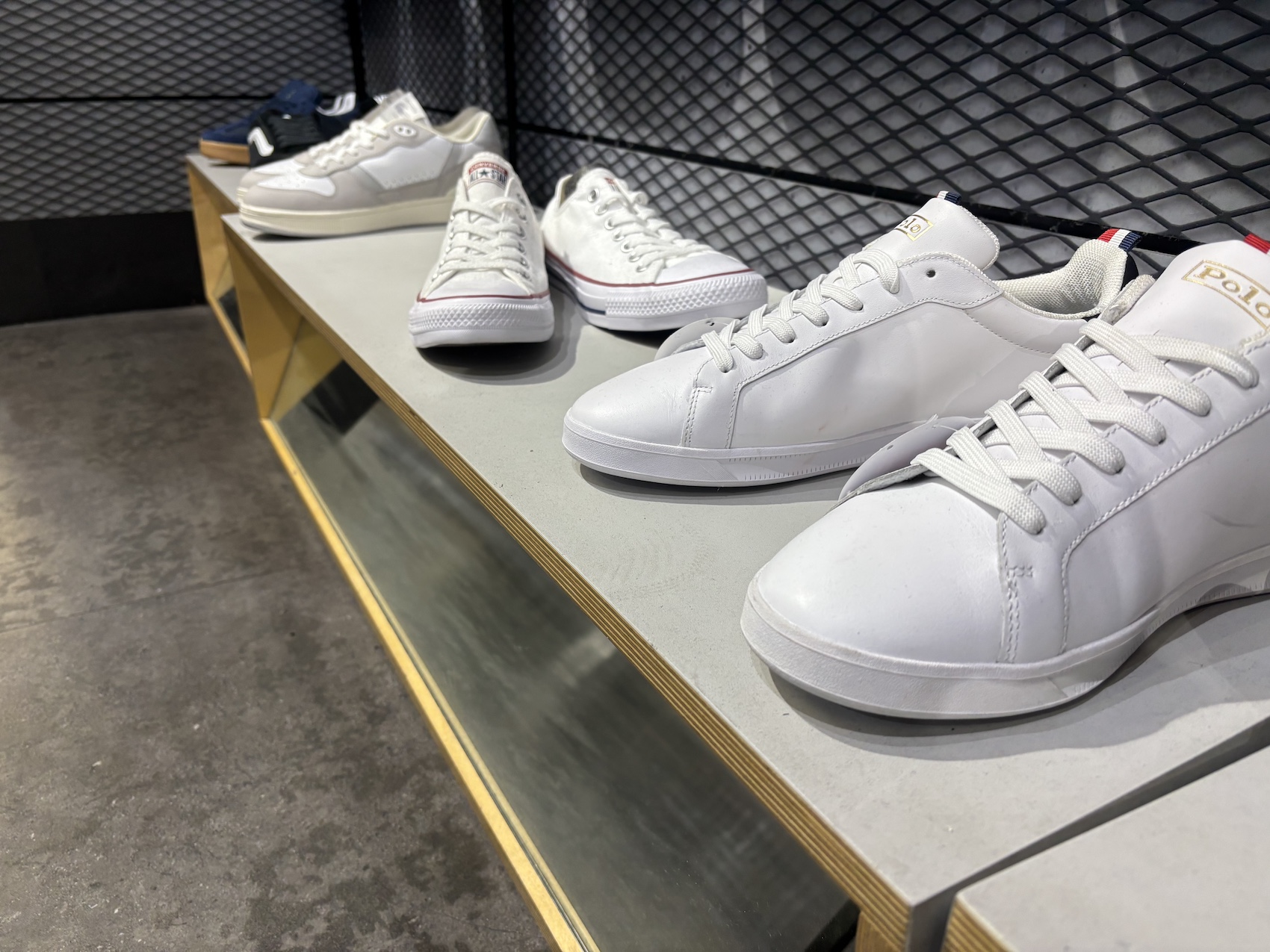
Where retail surfaces have a tough life, KYDEX can be used to improve the longevity of furniture use (photo: Steve Johnson).
What aesthetic possibilities does KYDEX offer?
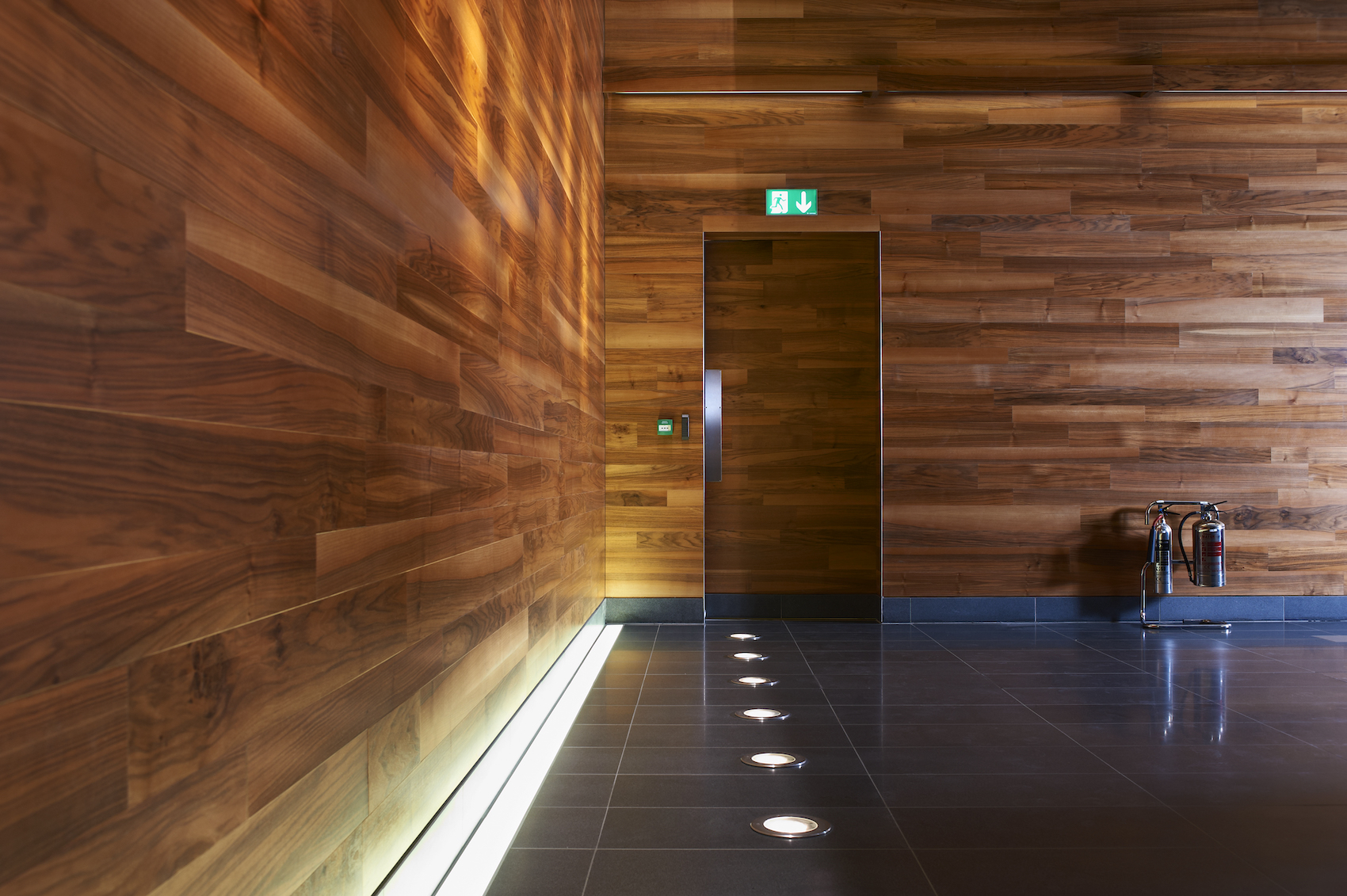
One of the key differences is that standard KYDEX is through-coloured, so if an edge is machined or the surface experiences wear, you don’t expose the dark line associated with the backing of many conventional laminates. That is particularly useful on heavily used surfaces such as counters. There is a broad choice of colours and finishes, including woodgrains and pearlescent effects. Bespoke colour matching is also possible from relatively modest quantities: provide a RAL or Pantone reference, or a physical sample, and the factory can develop a match. The surface texture and gloss can also be influenced during thermoforming, creating further opportunities for designers.
How does KYDEX’s thermoformability expand its design possibilities?
The possibilities are extensive, and the principal limitation is generally the tooling rather than the material itself. KYDEX is heated and drawn over or into a former, then retains that shape as it cools. You do need to understand how much the material will be stretched. A component might start with a 4mm sheet, for example, but a deep draw could reduce parts of it to around 1.5mm. With appropriate tooling, however, you can create complex contours, rounded edges and three-dimensional components while retaining a high-quality surface finish.
How is KYDEX typically incorporated into a constructional build-up?
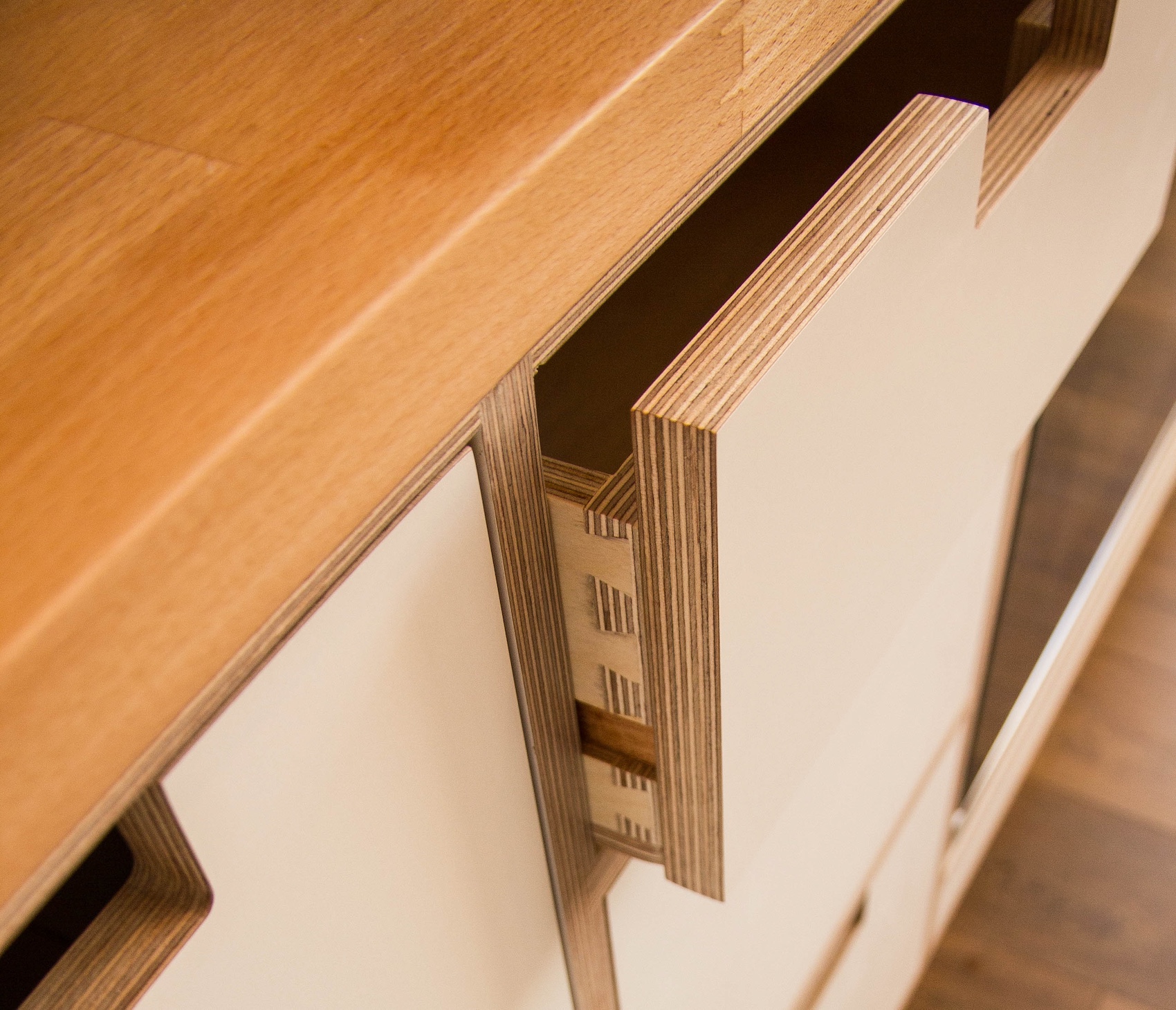
The most important point is that you cannot bond it with PVA because KYDEX is non-porous. Instead, you generally use a contact adhesive. It can be bonded to a wide variety of substrates, including MDF, plywood, steel and concrete, provided the appropriate adhesive and preparation are used. Edges can be thermoformed around a substrate to eliminate conventional edge banding, or separate pieces can be welded together using a matching strip of KYDEX. It is also available in rolls, which can be useful for producing very long surfaces without intermediate joints.
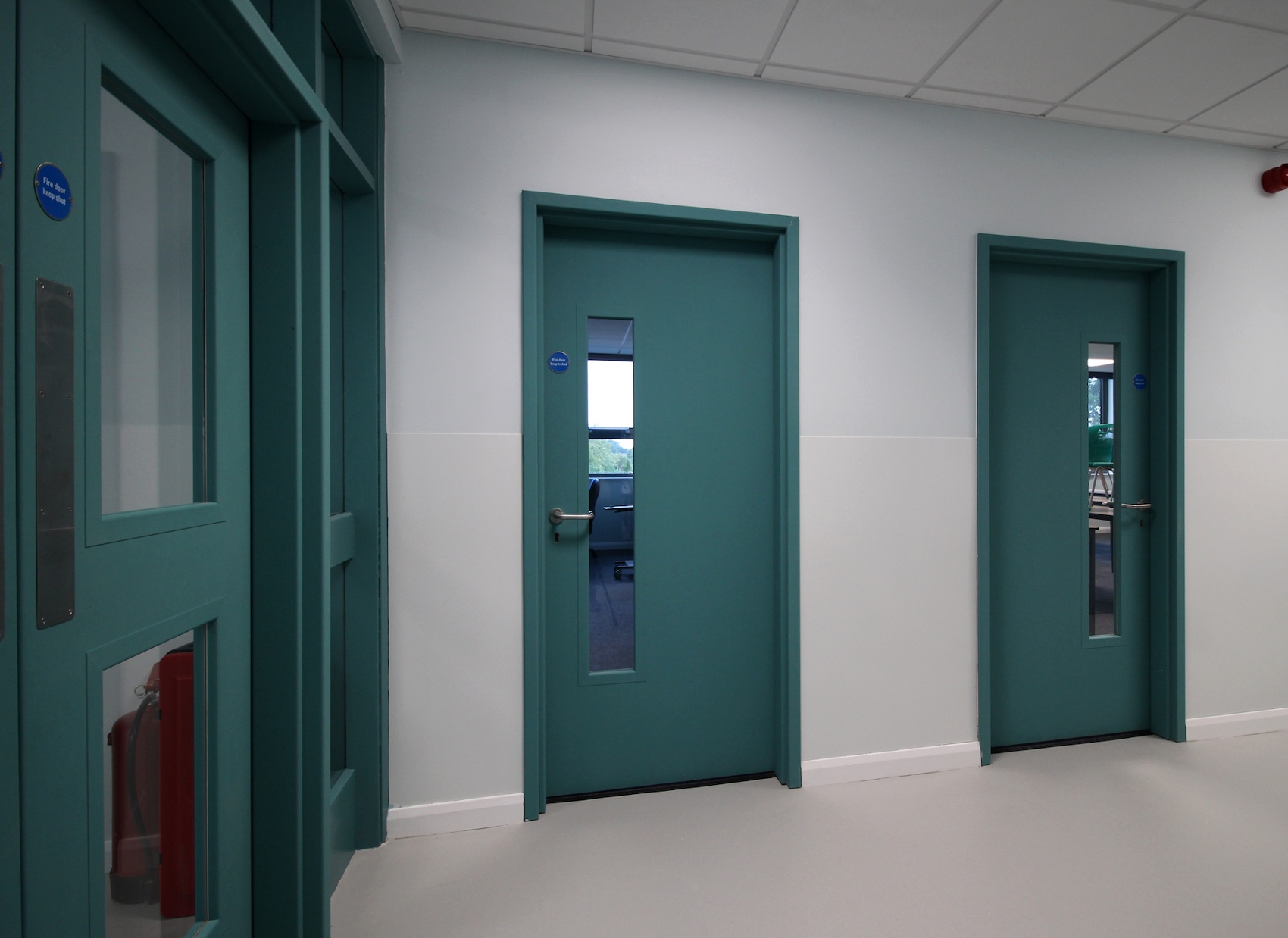
Doors and door frames clad in KYDEX can be a design feature as well as highly robust (photo: courtesy of Advanced Timber Systems).
How does KYDEX perform in terms of durability?
Impact resistance is one of its major strengths, which is why KYDEX works so well on doors, furniture and other surfaces subjected to repeated knocks. The material’s light surface texture also helps disguise scratching: contact occurs primarily with the peaks of the texture rather than across the whole surface. That texture is designed with rounded valleys that make the surface easier to clean rather than creating recesses in which dirt can collect. KYDEX also tolerates demanding cleaning regimes and chemicals, such as bleach and acetone.
What fire-retardant options are available?
Fire performance depends on the particular KYDEX grade and thickness, so it is important to specify against the evidence for the actual product being used. We have products tested to EN 13501 with a B-s2,d0 classification at applicable thicknesses, while thicker material can have a different classification. Architects should therefore avoid treating KYDEX as one uniform material from a fire perspective. Check the grade, thickness, application and supporting certification, just as you would with any other architectural surface material.
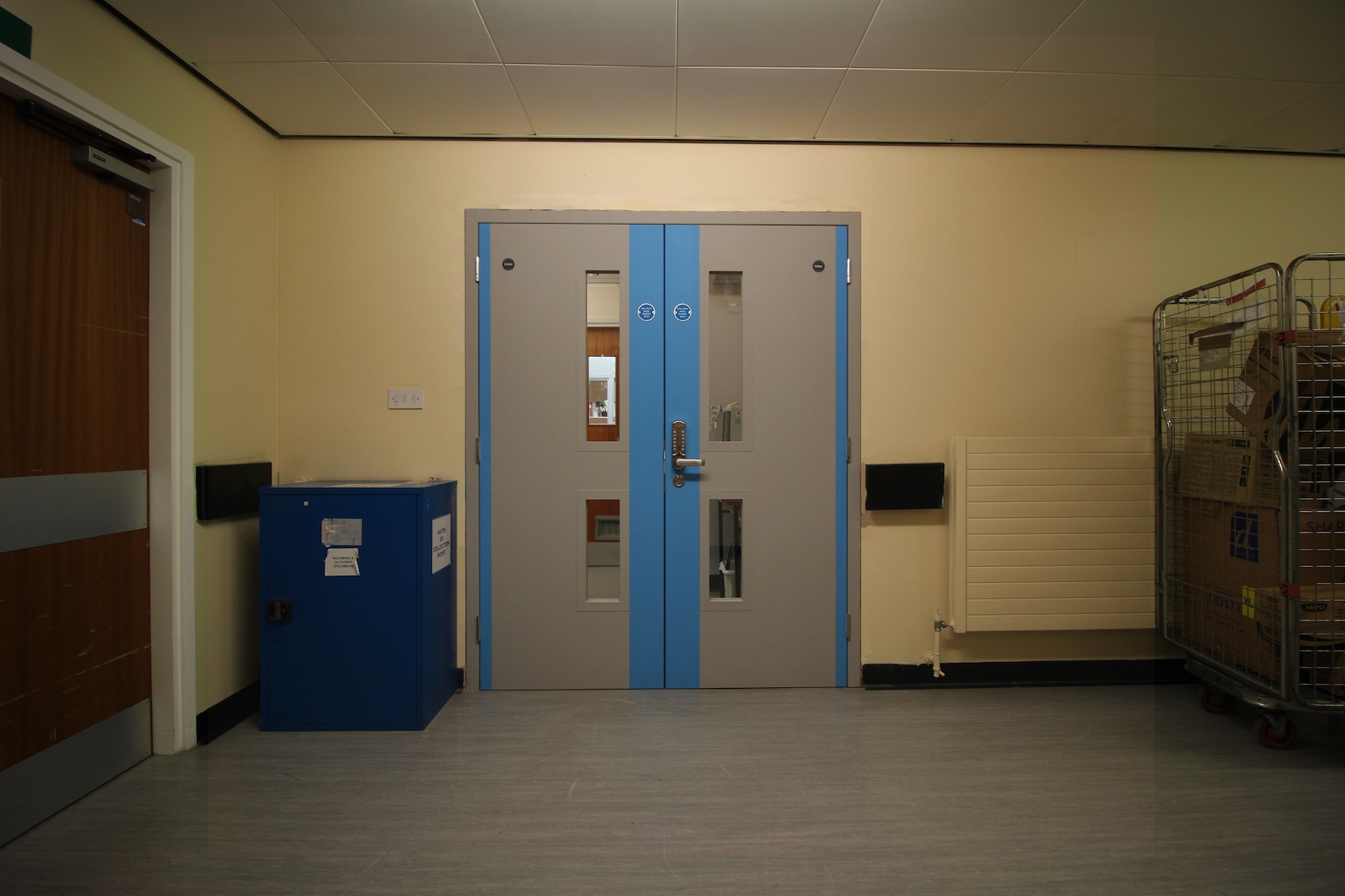
KYDEX wrapped doors can also be designed to assist wayfinding and provide contrast for the visually impaired (photo: courtesy of Orca Building Products).
How are KYDEX-encapsulated fire-rated door blanks constructed, and what advantages do they offer?
The underlying door construction is broadly conventional, but instead of finishing at a square edge, the door has a timber lipping with a radius, typically around 6–8mm. KYDEX is bonded to the face, heated at the edge and formed around that radius to create a protective shell around the door. That detail is particularly valuable in healthcare. Trolleys, beds and equipment regularly strike door edges, and once a conventional finish is damaged the underlying core can become exposed. A radiused, encapsulated edge helps deflect impacts, protects the core and creates a robust surface that can be repeatedly cleaned. The same approach can also be applied to door frames and stops.
Can KYDEX be recycled at the end of its life?
KYDEX itself can be recycled. Clean material and fabrication offcuts can be ground down and used to manufacture new thermoplastic products, and the manufacturer already operates closed-loop processes for production waste in other markets. For construction applications, the challenge is what happens once KYDEX has been bonded to another material. As with laminates and other composite build-ups, recycling then depends on being able to separate the different components.
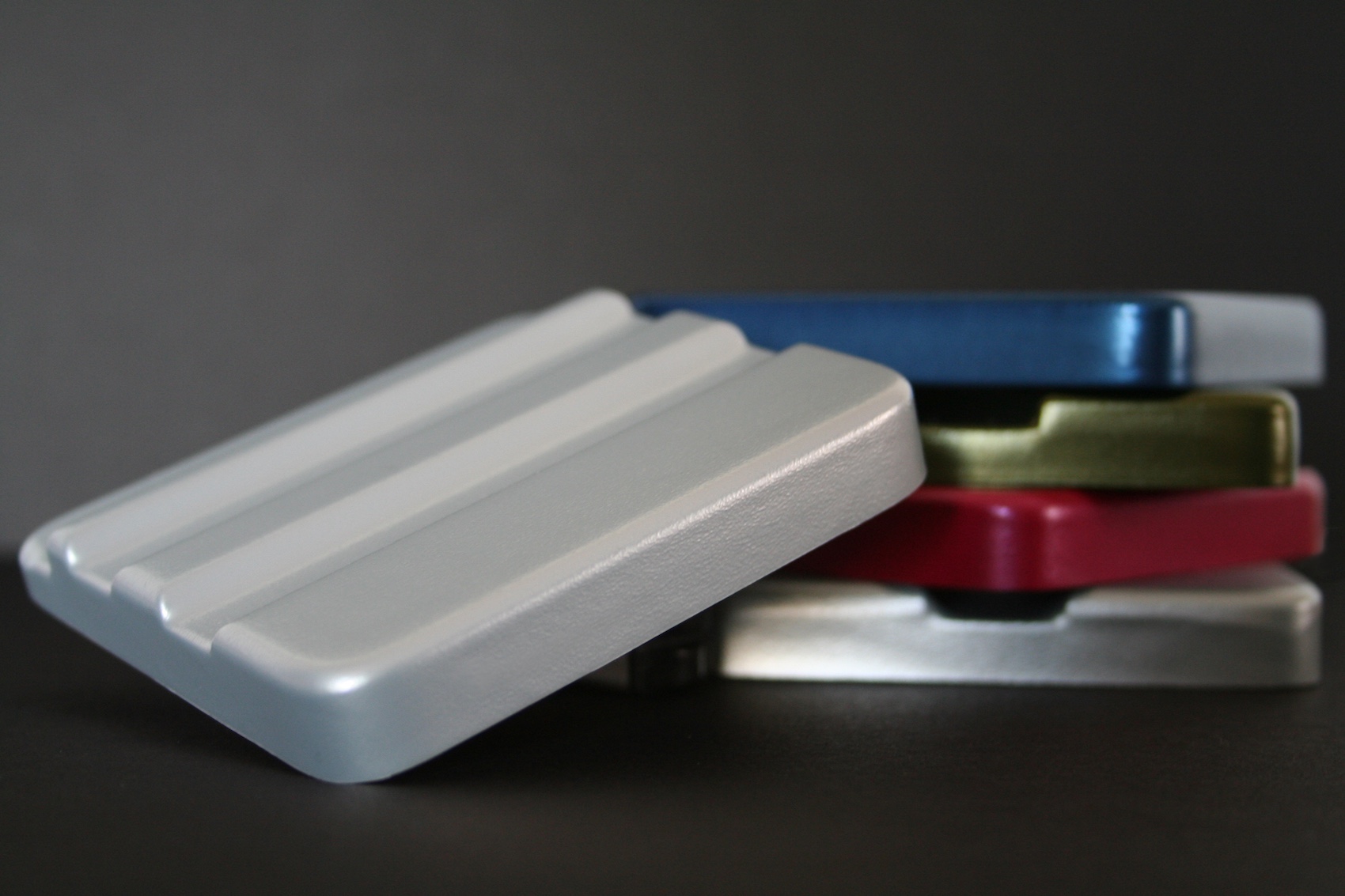
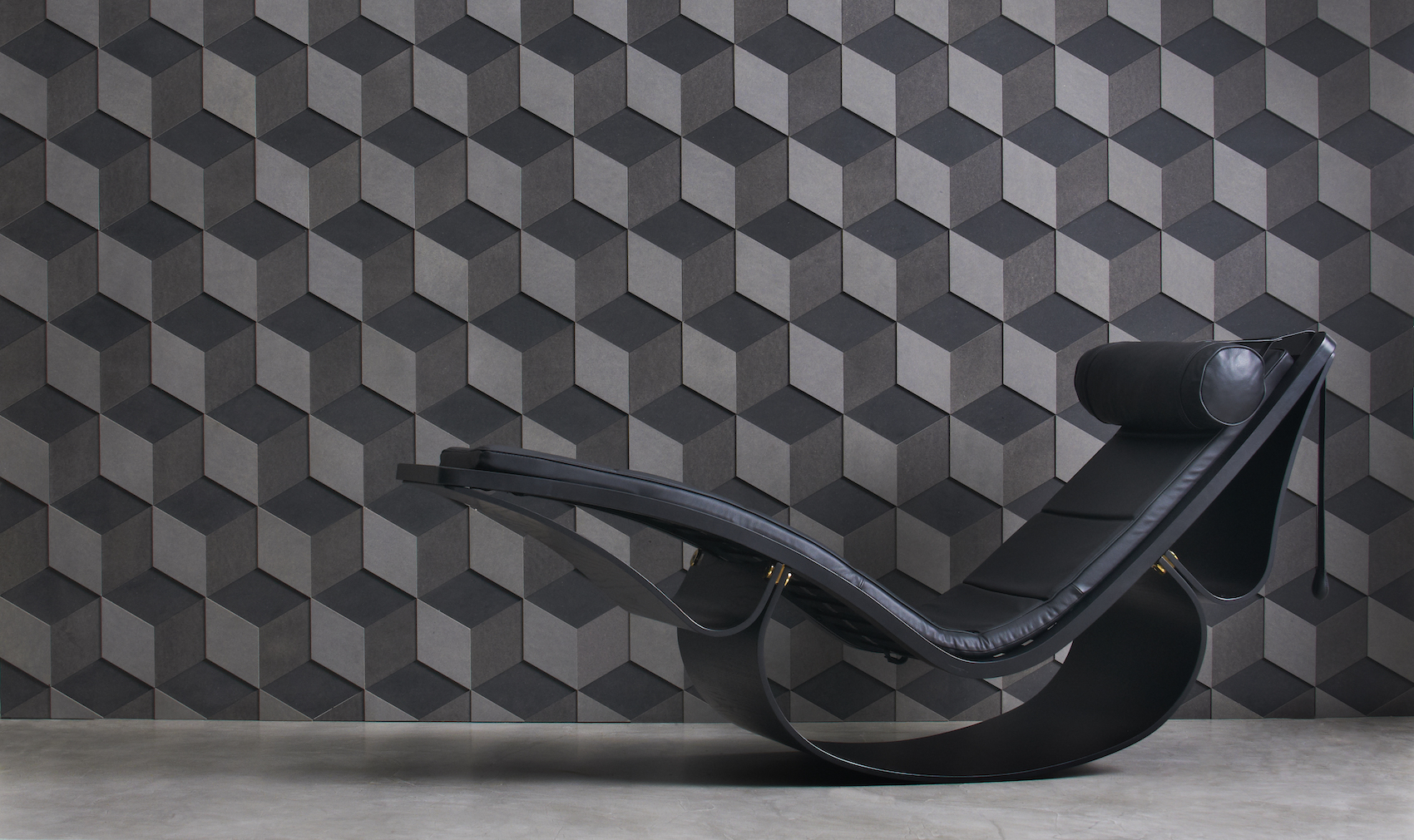
KYDEX can be flat bonded or formed, providing multiple design options (photo: courtesy of Sekisui KYDEX).
What should architects consider when specifying KYDEX, and what technical support is available from James Latham?
The biggest recommendation is to involve us early, particularly if you’re considering complex thermoformed elements. We can advise on grades, colours, fabrication and what can realistically be achieved, as well as provide technical guides covering forming, cutting, edging, bonding and adhesives. We can also introduce architects to specialist fabricators. Different companies have different equipment and expertise, so if we see a design involving a particularly demanding pull or complex form, we can identify fabricators with the right capabilities and relevant experience. That helps ensure the design intent is achievable before it gets too far into the specification process.
Contact Details
To find out more about KYDEX please email or visit the James Latham website.