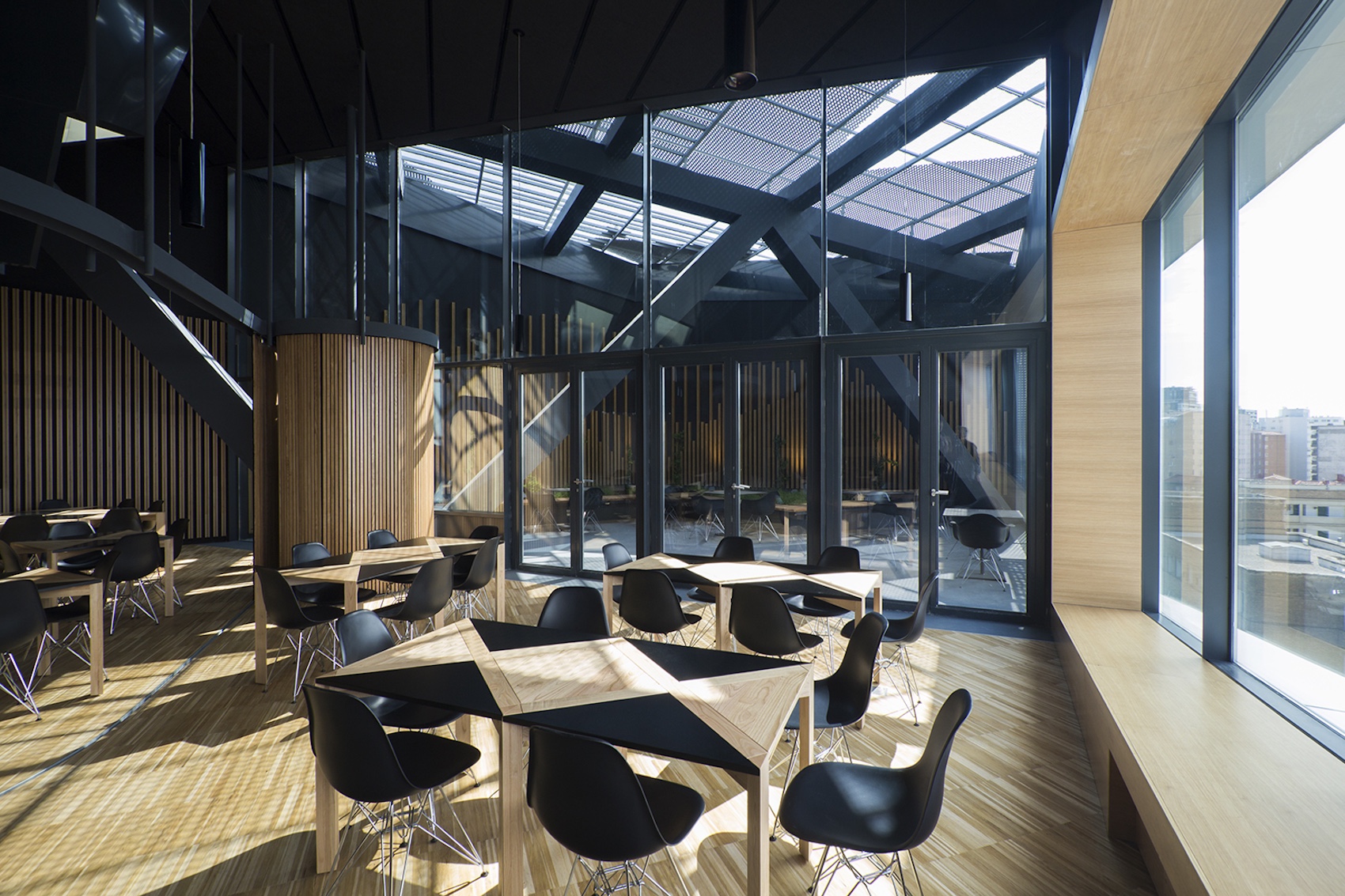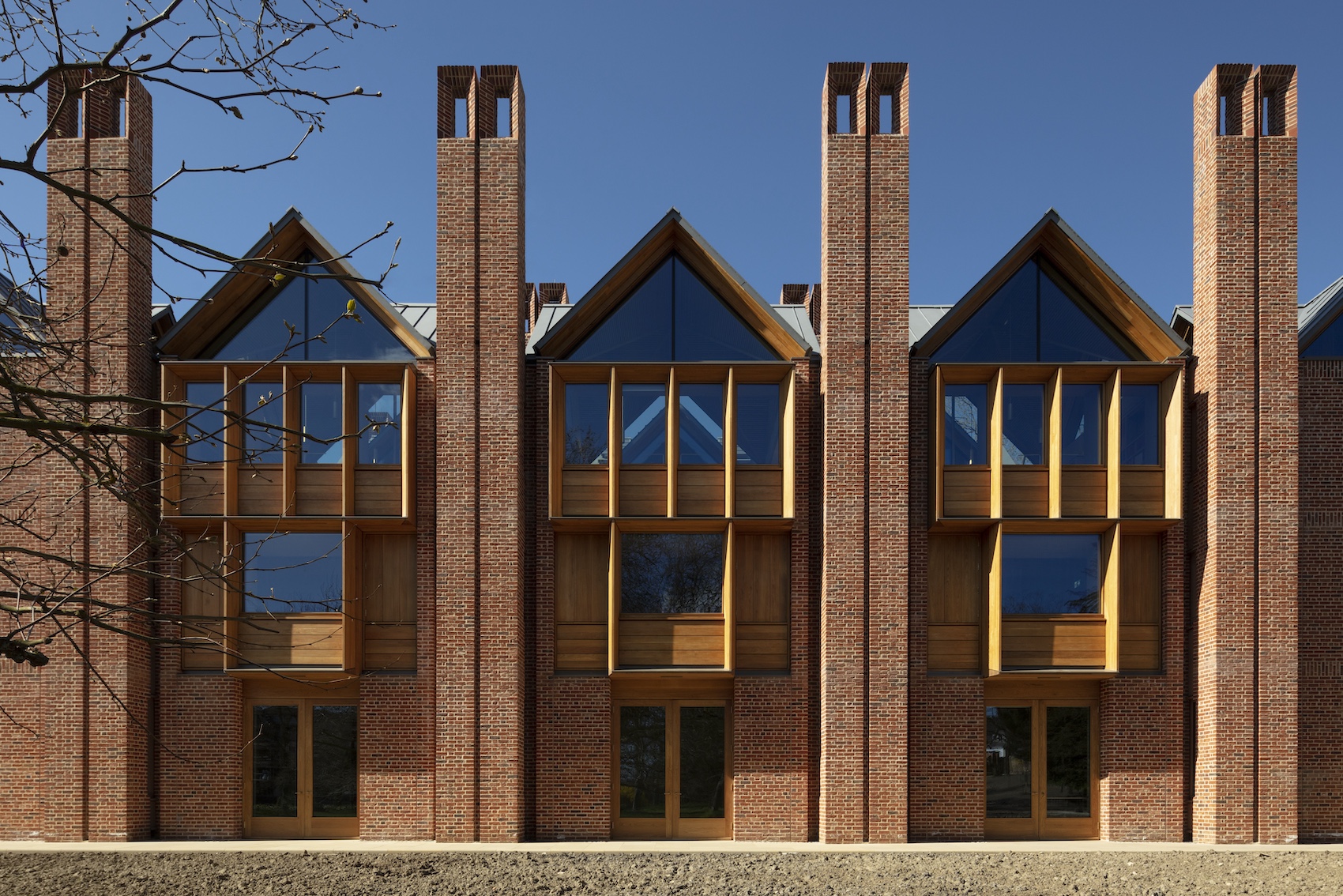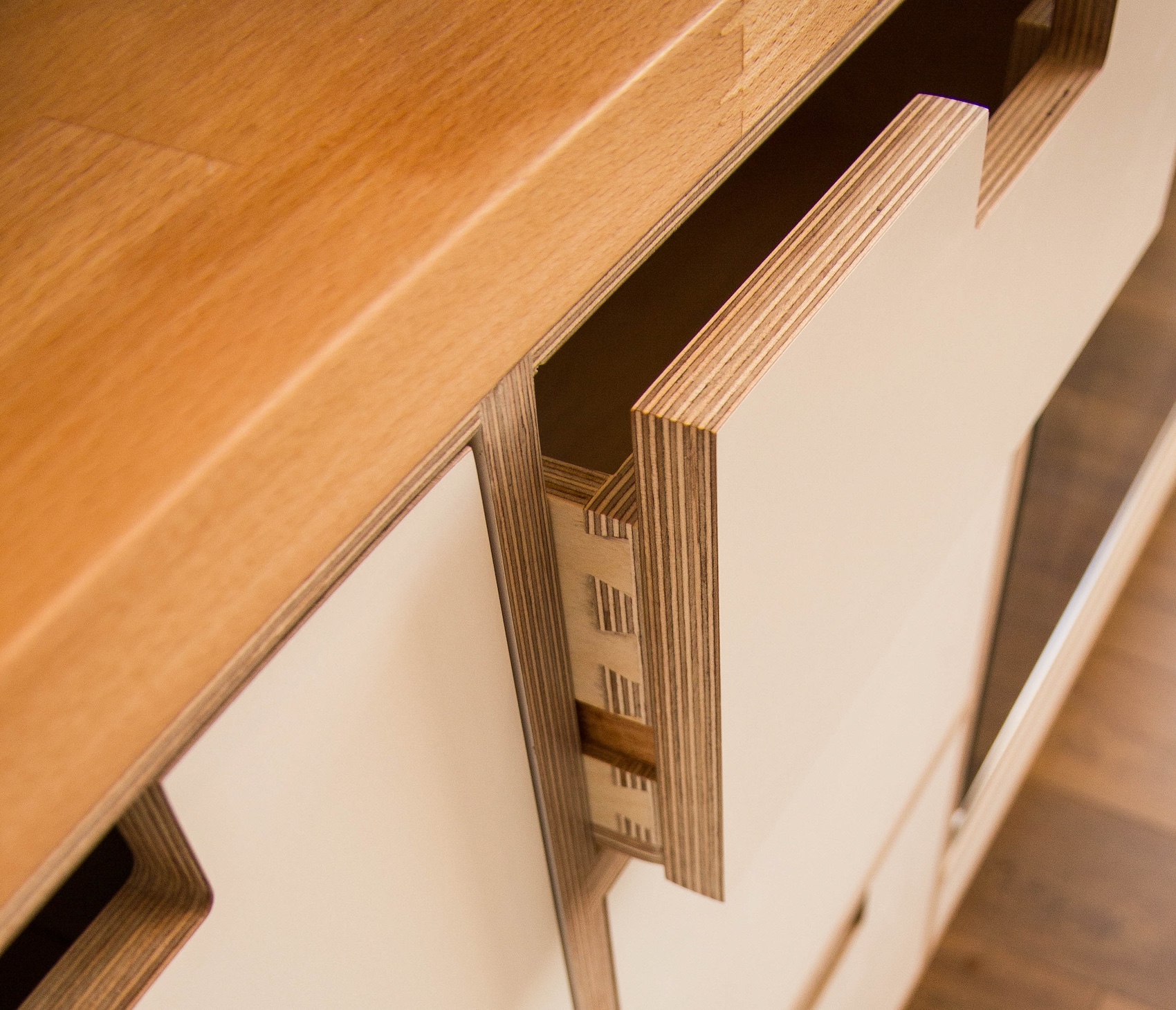
Stuart Devoil, Group Head of Marketing at James Latham, speaks to Architecture Today’s Technical Editor John Ramshaw about timber’s role in low-carbon construction, the evidence behind embodied carbon data, and how James Latham’s Carbon Calculator helps architects make more informed specification decisions.
In association with
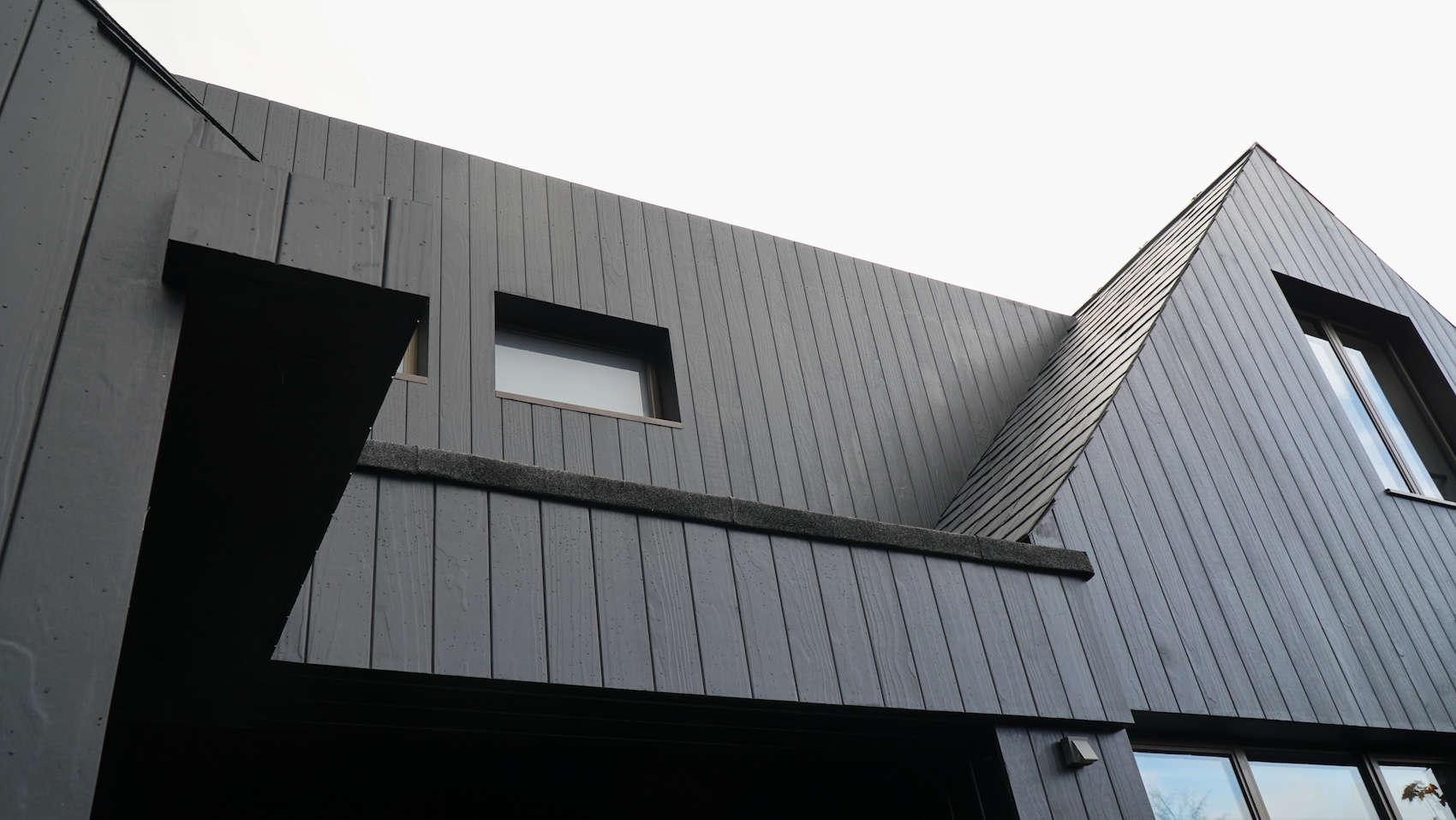
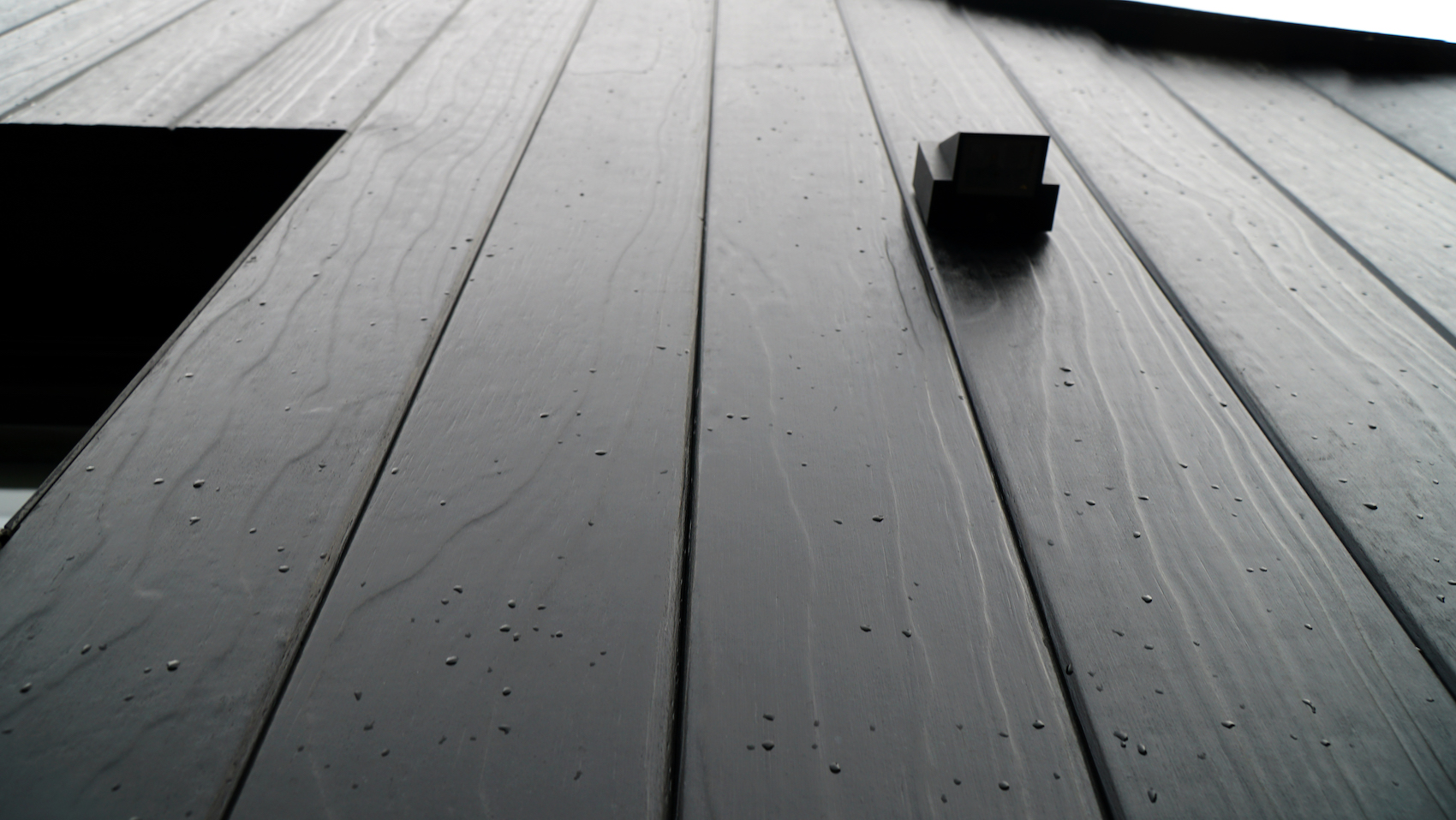
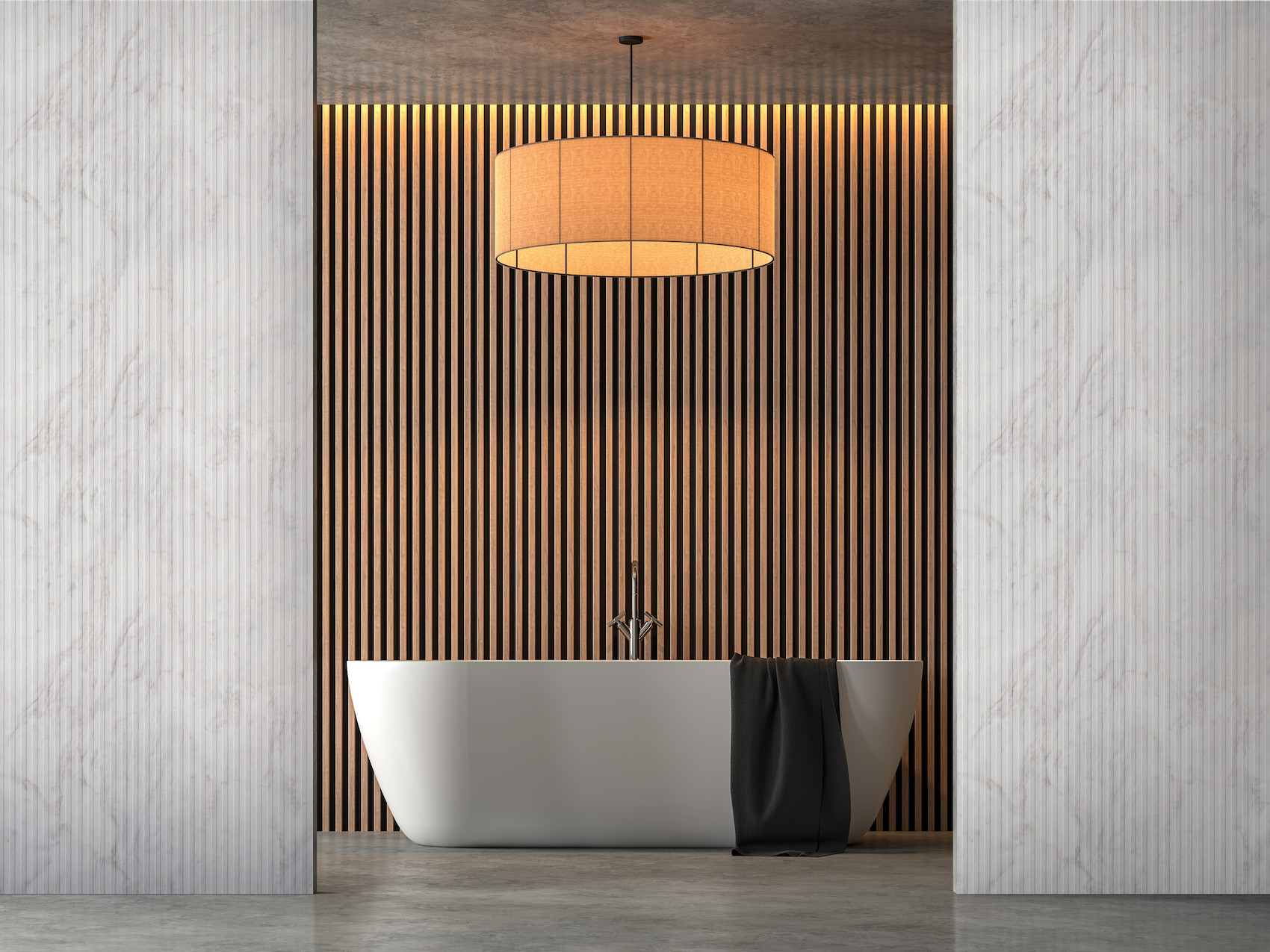
Timber cladding proves an excellent method of sequestering carbon (photo: KHL).
Reducing embodied carbon has become one of the defining challenges facing the built environment. As clients, planning authorities and certification schemes place increasing emphasis on whole-life carbon, architects are being asked not only to design lower-carbon buildings, but also to justify the material choices they make. Timber is widely recognised as one of the construction industry’s most sustainable materials, yet understanding why – and comparing its environmental impact with alternative products – requires robust verifiable data rather than assumptions.
To help architects make more informed specification decisions, James Latham has developed a carbon calculator that provides embodied carbon data across its extensive timber and panel product range. Drawing on independently verified information, it enables specifiers to compare products, explore lower-carbon alternatives and better understand the environmental implications of different material choices at design stage. Stuart Devoil, Group Head of Marketing at James Latham, in conversation with Architecture Today’s Technical Editor John Ramshaw, explains how the Carbon Calculator works, where the underlying data comes from, and why greater transparency is becoming essential to responsible material specification.
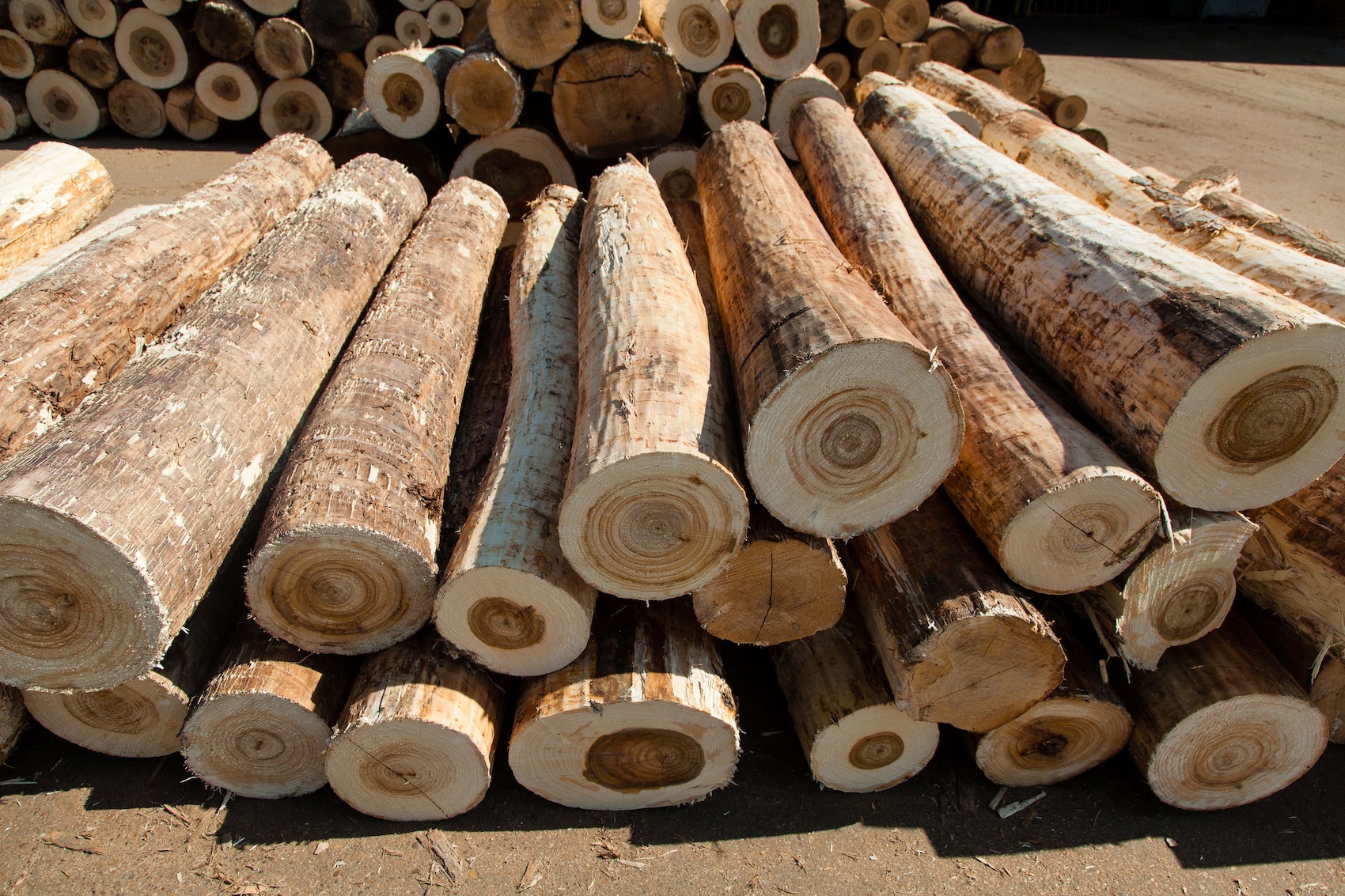
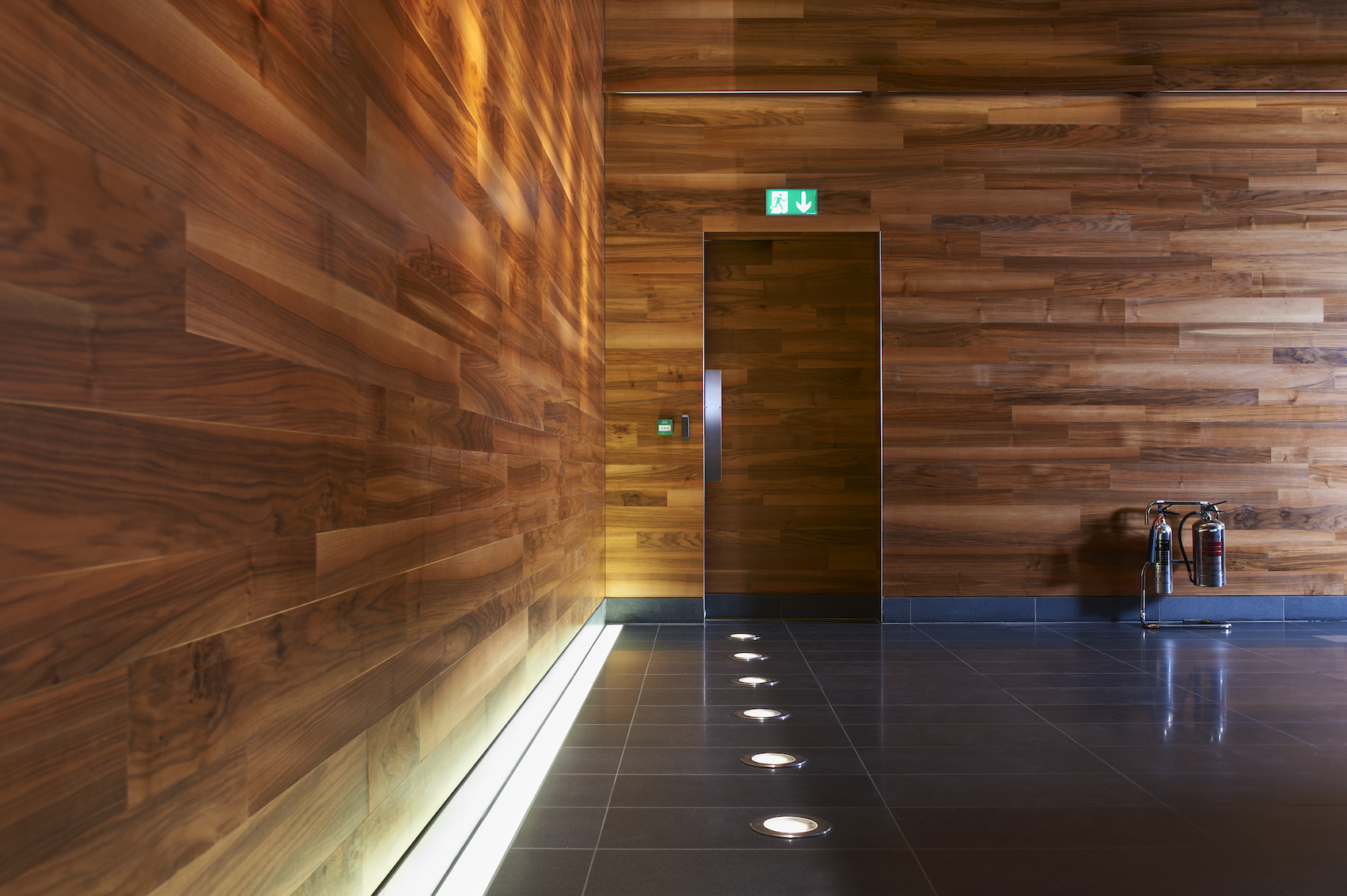
One tonne of timber products removes around 1.85 tonnes of carbon dioxide from the atmosphere (photo: James Latham).
Timber is often described as one of the most sustainable construction materials available. Why is that?
Timber is one of the oldest construction materials, but crucially it is also a natural and renewable resource. Provided it is sourced and managed responsibly, trees can be replanted and forests regenerated. That fundamentally distinguishes timber from many finite construction materials. What is also important to remember is the breadth of what timber can now achieve. It shouldn’t simply be regarded as a decorative material for floors, windows and doors. Engineered products and technologies, such as modified timber and cross-laminated timber, have greatly expanded its capabilities, to the point where entire multi-storey structures can be constructed from it.
How does timber compare with materials such as steel, concrete and aluminium from an embodied carbon perspective?
The construction sector is responsible for a significant proportion of global carbon emissions, so the materials we choose clearly matter. One of the key differences with timber is carbon sequestration. Trees absorb carbon dioxide while they grow and that biogenic carbon remains stored within the timber product. The figures we work with illustrate the scale of the difference. Producing one tonne of steel creates around 1.85 tonnes of carbon dioxide, while one tonne of concrete creates around 0.6 tonnes. By contrast our figures indicate that producing one tonne of timber products removes around 1.85 tonnes of carbon dioxide from the atmosphere through sequestration. That makes a powerful case for investigating where timber can replace more carbon-intensive materials.
Carbon data is becoming increasingly important for architects. What information are specifiers actually looking for today?
Architects need credible information that allows them to assess environmental impact alongside technical performance. While awareness of embodied carbon is growing, there is still a knowledge gap around timber, particularly engineered and modified products. Carbon data is most useful when considered alongside factors such as structure, fire performance, durability, aesthetics and cost, helping specifiers understand both a product’s environmental impact and what it can actually deliver.
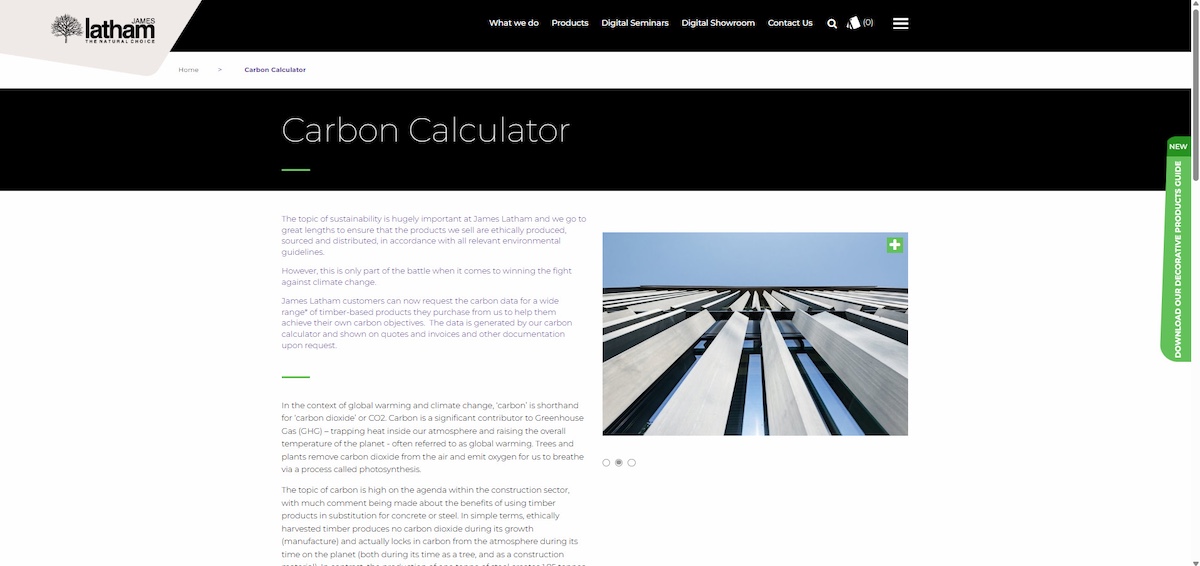
James Latham’s Carbon Calculator covers around 70 per cent of the company’s timber-based products (photo: James Latham).
James Latham has developed its own Carbon Calculator. What is it, and why did you decide to create it?
We had talked for some time about how useful it would be to understand the carbon content of the timber products we sell. That’s quite an undertaking because James Latham distributes around 3,000 products from more than 300 manufacturers around the world. The project really gained momentum during Covid, when we suddenly had an opportunity to pursue something we’d wanted to do for some time. We quickly realised that achieving the level of detail and credibility we wanted required external expertise, so we worked with the BioComposites Centre at Bangor University. The result was a Carbon Calculator that now covers somewhere in the region of 70 per cent of our timber-based products.
How does the Carbon Calculator work, and where does the underlying data come from?
Bangor University researched the available environmental data for our products, ranging from manufacturer information to third-party verified EPDs. We then developed a four-level system indicating the reliability of the source data, with independently verified EPDs representing the highest level. The calculator considers manufacturing, production, transport and our distribution operations to provide a cradle-to-warehouse-gate figure, which can be extended to site where a delivery address is known. Crucially, it shows both the product’s carbon footprint and the biogenic carbon stored within the timber.
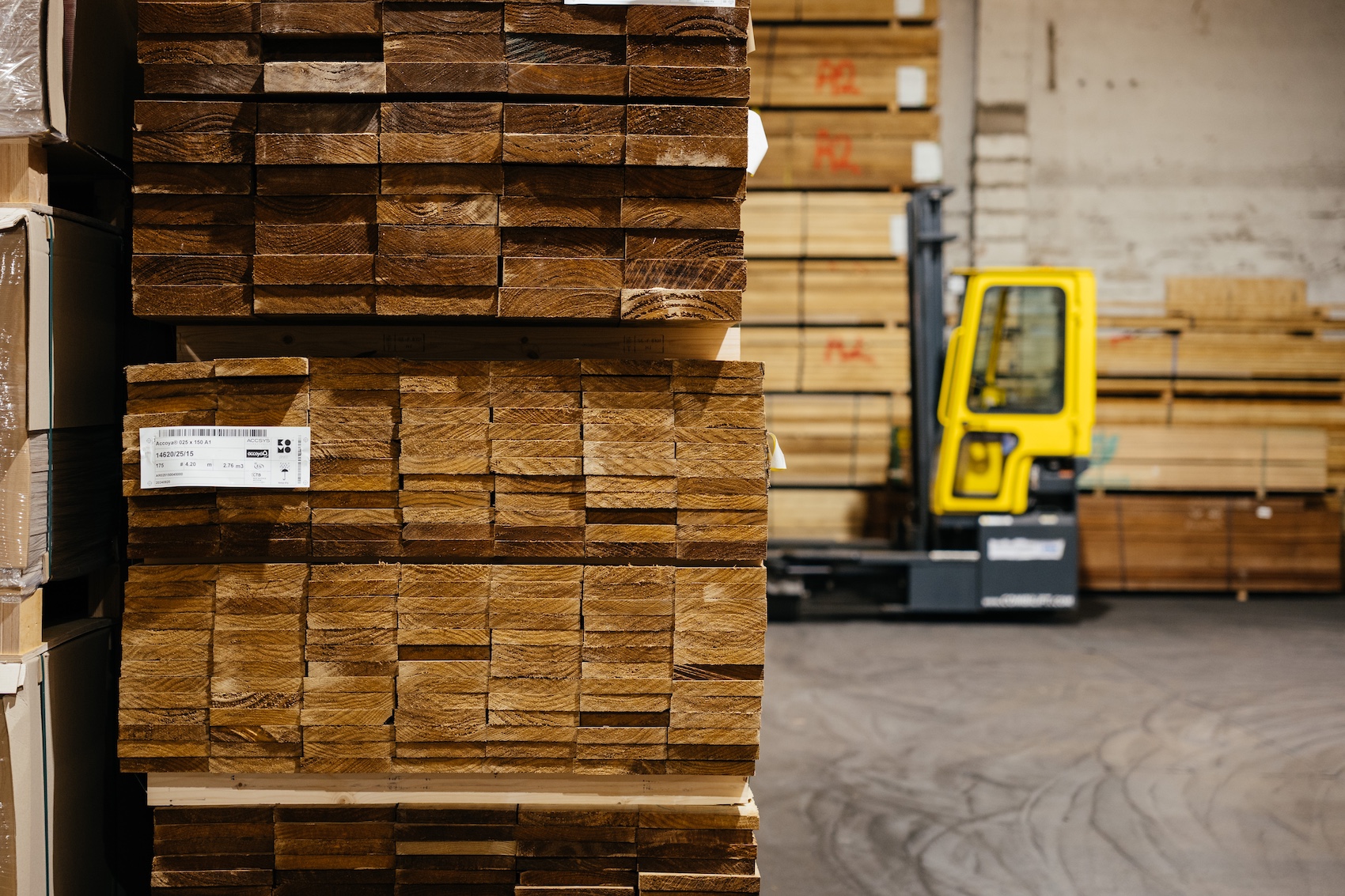
Many products feature third-party verified Environmental Product Declarations (photo: FMC).
How can architects use the Carbon Calculator during the specification process?
Initially, the carbon information was primarily available on transactional documentation, such as delivery notes, which is useful for customers needing to demonstrate the carbon content of materials they have purchased. But by that point the specification has already been made. We realised the information could be more useful if architects had access to it earlier. A specifier can now contact us with the products they are considering and we can provide carbon information per cubic metre. That allows the data to inform decisions during specification rather than simply recording them afterwards.
Can the Carbon Calculator influence material choices rather than simply measuring them?
Absolutely. If an architect is choosing between Western Red Cedar and European Redwood, for example, we can provide carbon data for both, making embodied carbon another factor in the selection process. Crucially, that data needs to be considered alongside performance and end use, allowing specifiers to compare the environmental impact of products that are technically appropriate for the application.
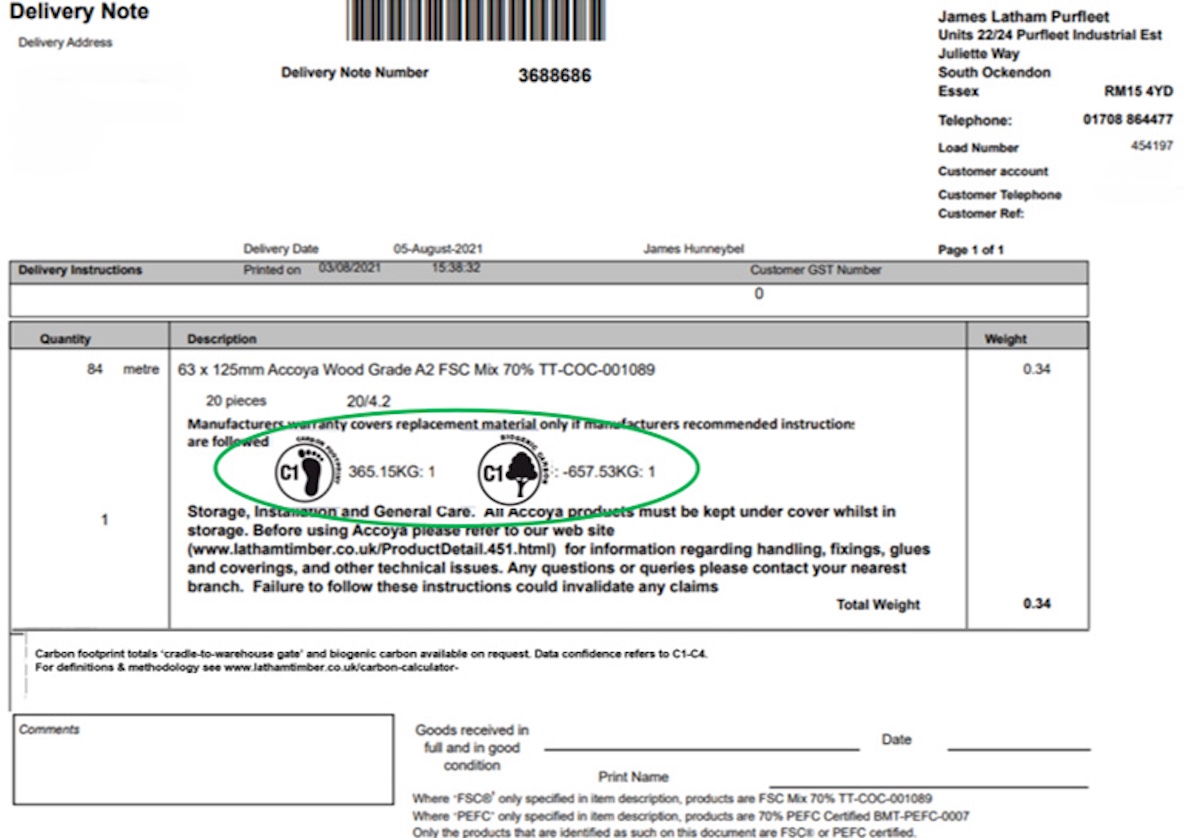
Example loading document featuring carbon information (photo: James Latham).
Carbon is only one part of sustainable specification. What other environmental factors should architects consider?
Responsible sourcing and certification are fundamental. FSC (Forest Stewardship Council) and PEFC (Programme for the Endorsement of Forest Certification) certification provide assurance around where timber has come from and how it has been harvested and procured. That information works alongside the carbon calculation rather than being replaced by it.
What have you learned since launching the Carbon Calculator?
One of the biggest surprises has been how little detailed knowledge there sometimes is around timber and carbon. Architects may already understand that timber can be a lower-carbon choice, but having figures that allow them to substantiate and compare that performance changes the conversation. Another significant finding emerged when we looked across the products included in the calculator: none had a carbon footprint greater than the carbon sequestered within the timber. Every timber-based product we examined was storing more carbon than its calculated carbon footprint.
How do you see carbon data influencing product specification over the next five to ten years?
It’s only going to become more important. As understanding of engineered and modified timber grows, architects are pushing the material into increasingly ambitious applications. Carbon data will sit alongside strength, durability, longevity and other performance criteria as another fundamental part of that decision-making process. Products such as modified timbers demonstrate why whole-life thinking is important. If a timber combines carbon benefits with dimensional stability, durability and reduced maintenance requirements, those characteristics collectively become very compelling when compared with alternative materials.
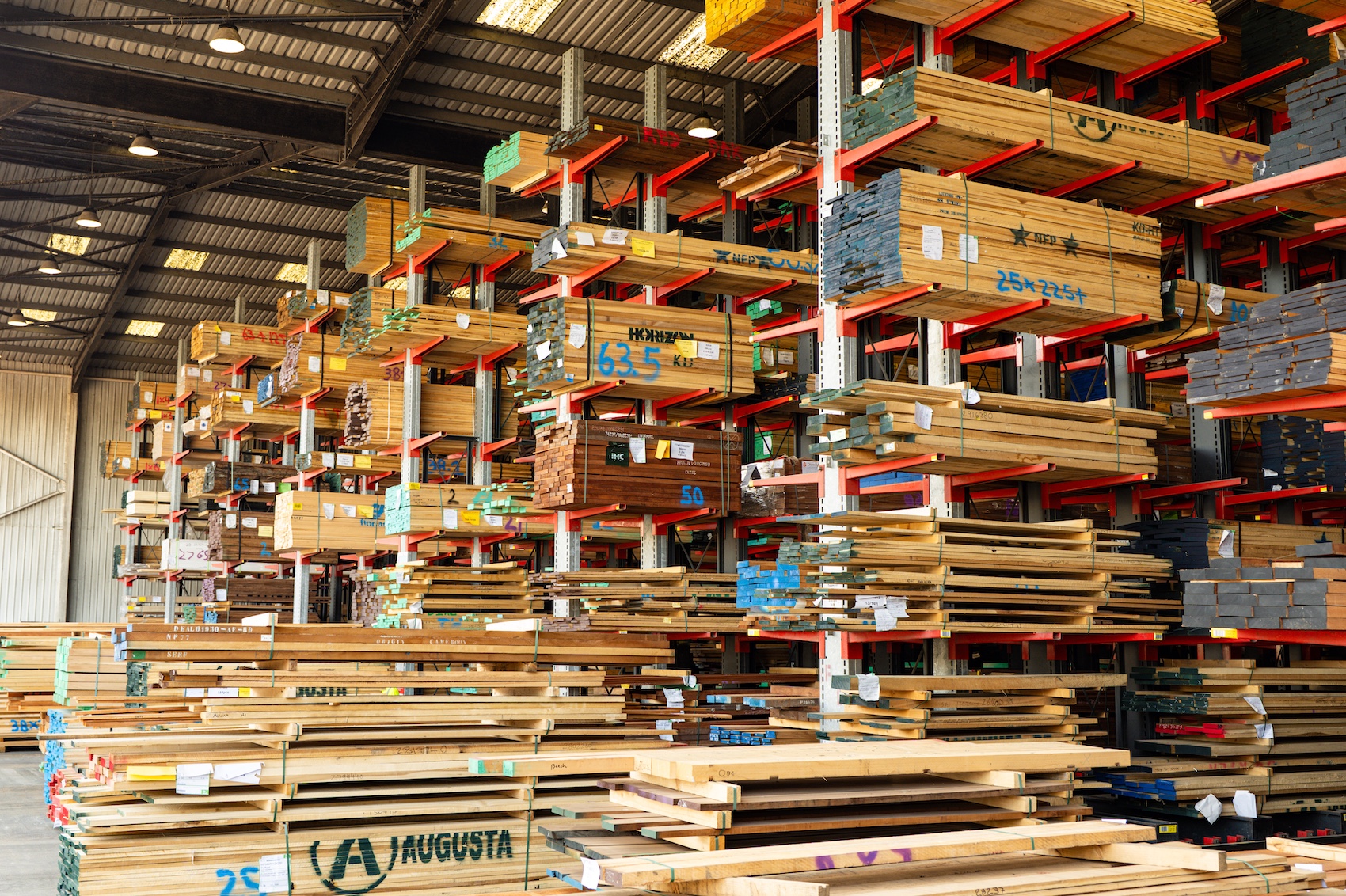
Environmental compliance is key at James Latham (photo: James Latham).
What support does James Latham provide to architects wanting to make lower-carbon specification decisions?
We have a five-person specification team working nationally and each of our depots has a carbon champion. When we introduced the calculator, we wanted the people within our depots to understand both the tool and the wider principles behind it, so they were involved in training and communications around the project. That means architects can draw on the Carbon Calculator alongside our specification team, depot specialists and compliance expertise, rather than simply being presented with a set of numbers.
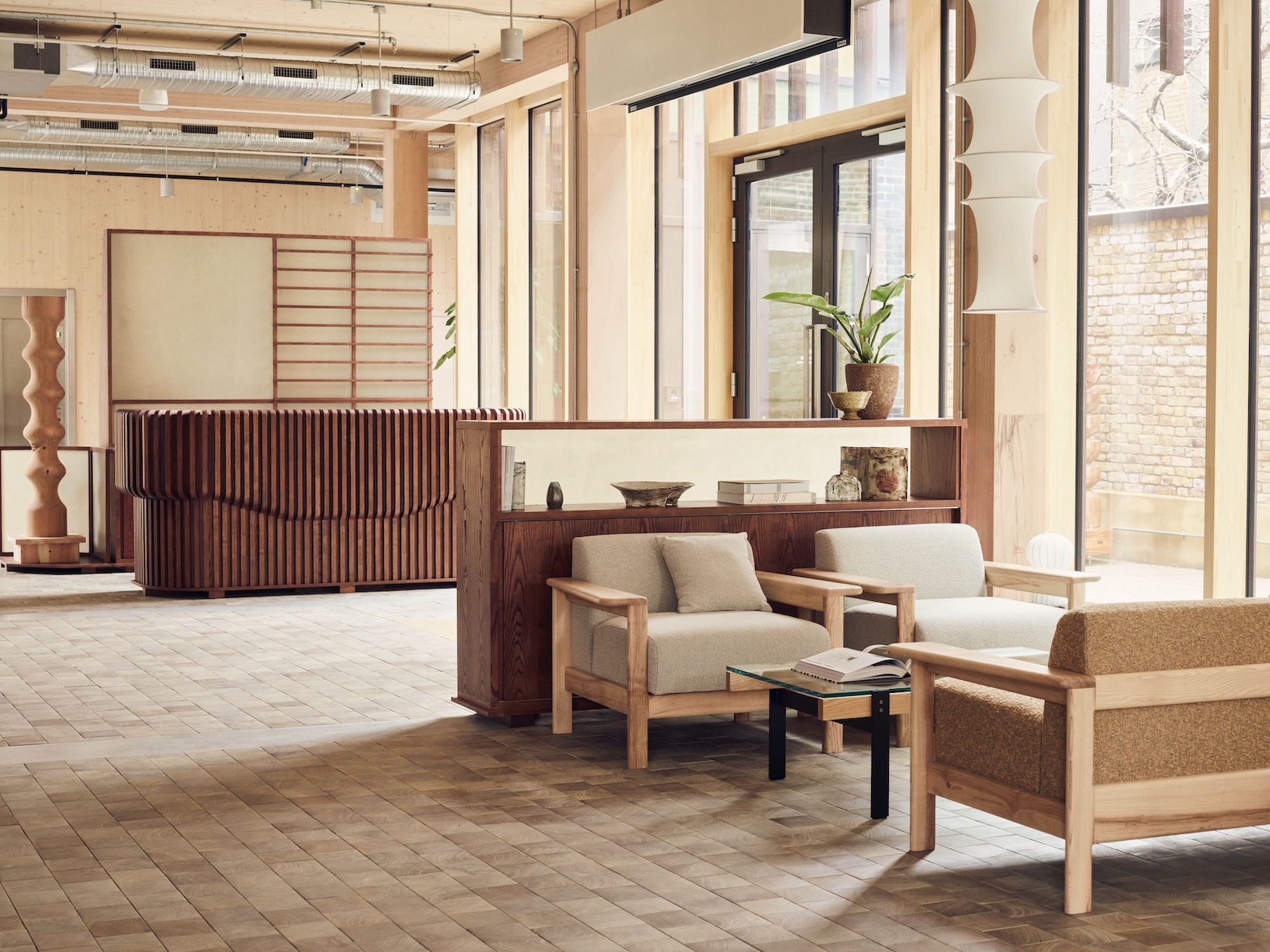
The Black & White Building in London utilises timber in every area of its construction (photo: Jake Curtis at One Represents).
What advice would you give architects trying to reduce embodied carbon without compromising performance, aesthetics or cost?
Explore what timber can do and don’t restrict your thinking to traditional applications. Modified and engineered products now offer levels of stability, durability and longevity that allow timber to replace more conventional materials in a growing range of applications. Start with the performance requirement, consider the carbon data alongside it, and ask whether timber can deliver what the project needs.
Contact Details
To find out more about James Latham’s Carbon Calculator and product range, please email or visit the website.