Paul Morson, Group Melamines Manager at James Latham, speaks to Architecture Today’s Technical Editor John Ramshaw about the evolution of melamine-faced panels, exploring advances in colours, textures and finishes, alongside constructional build-ups, technical performance and key specification considerations.
In association with
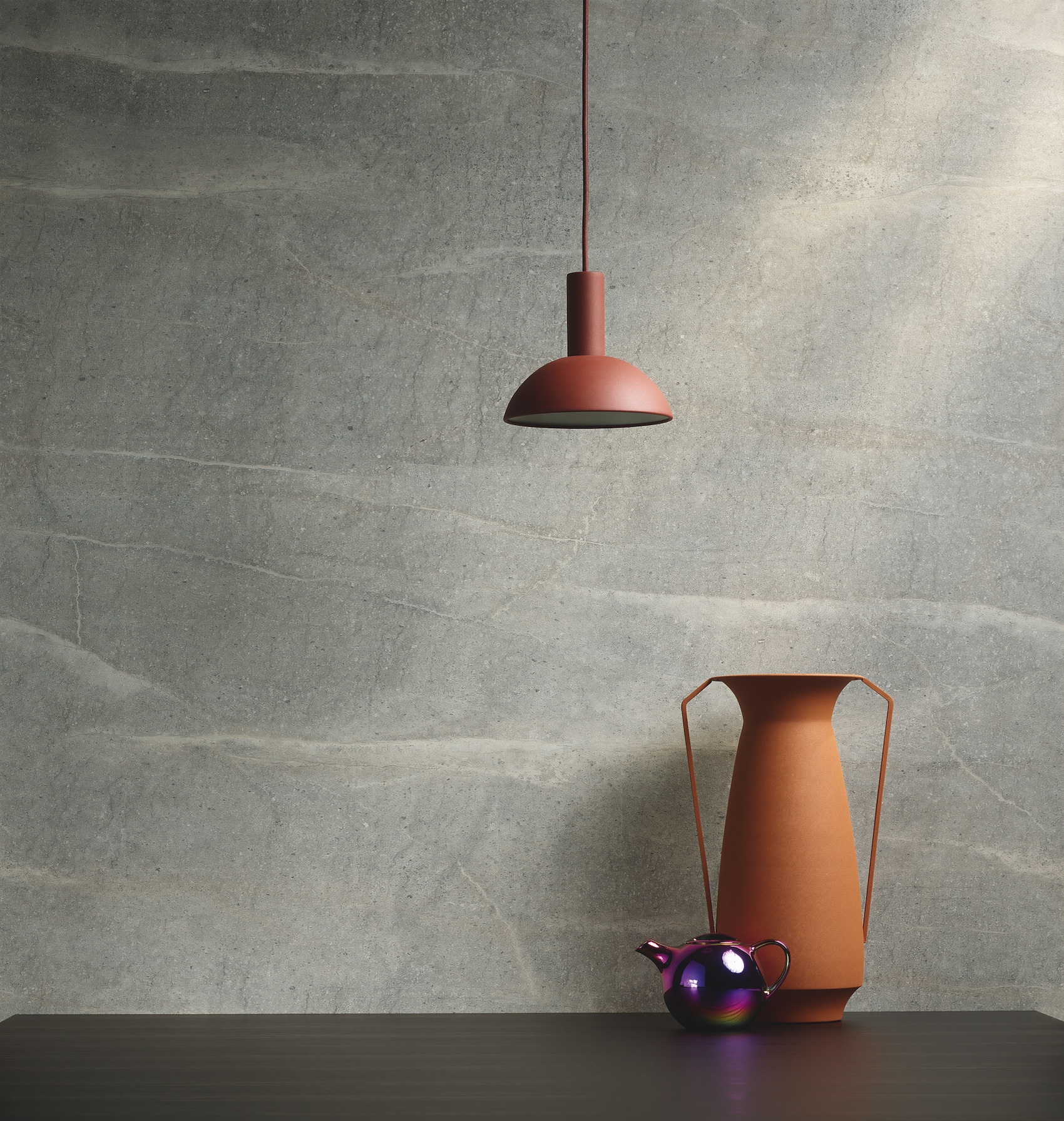
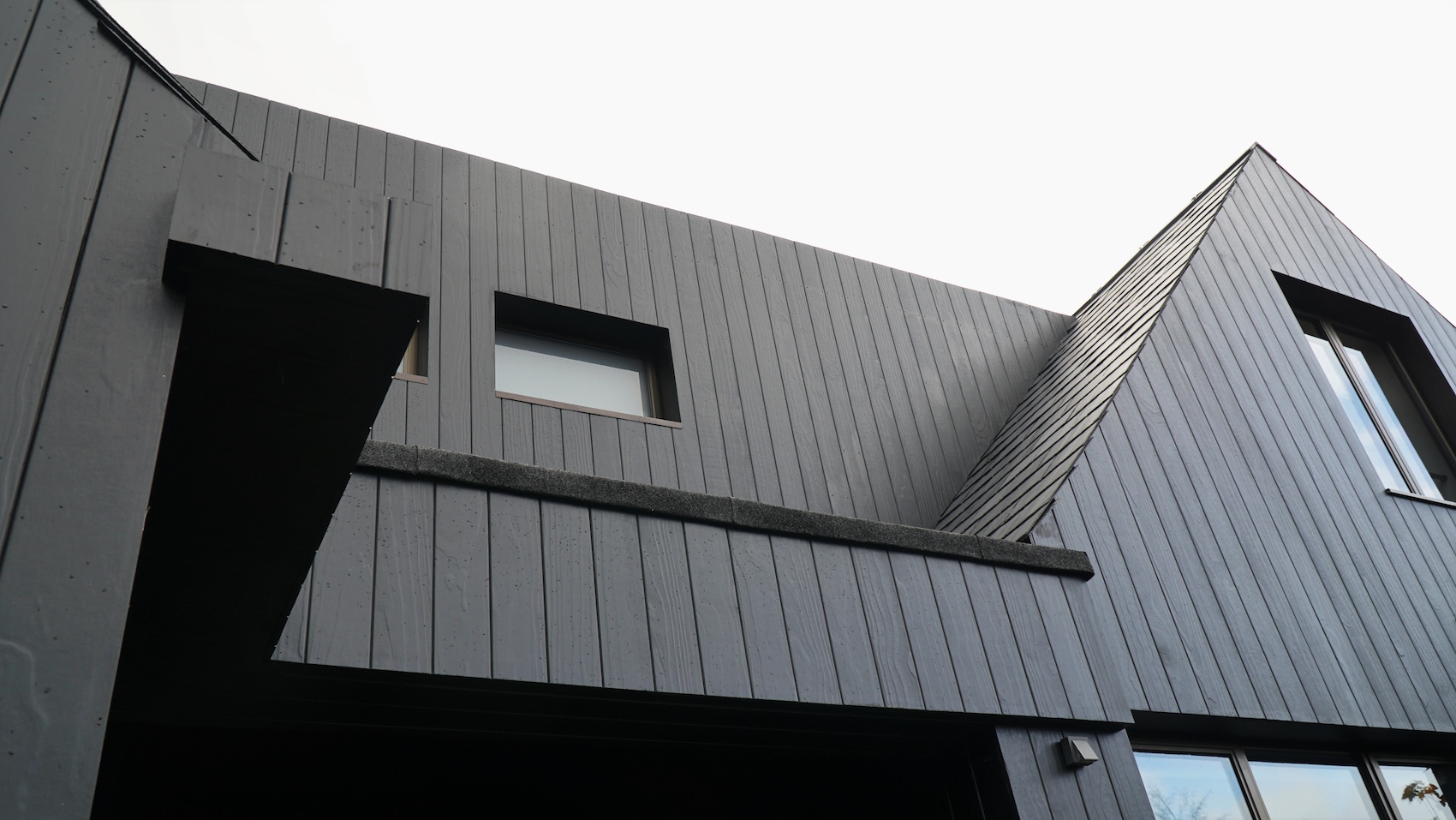
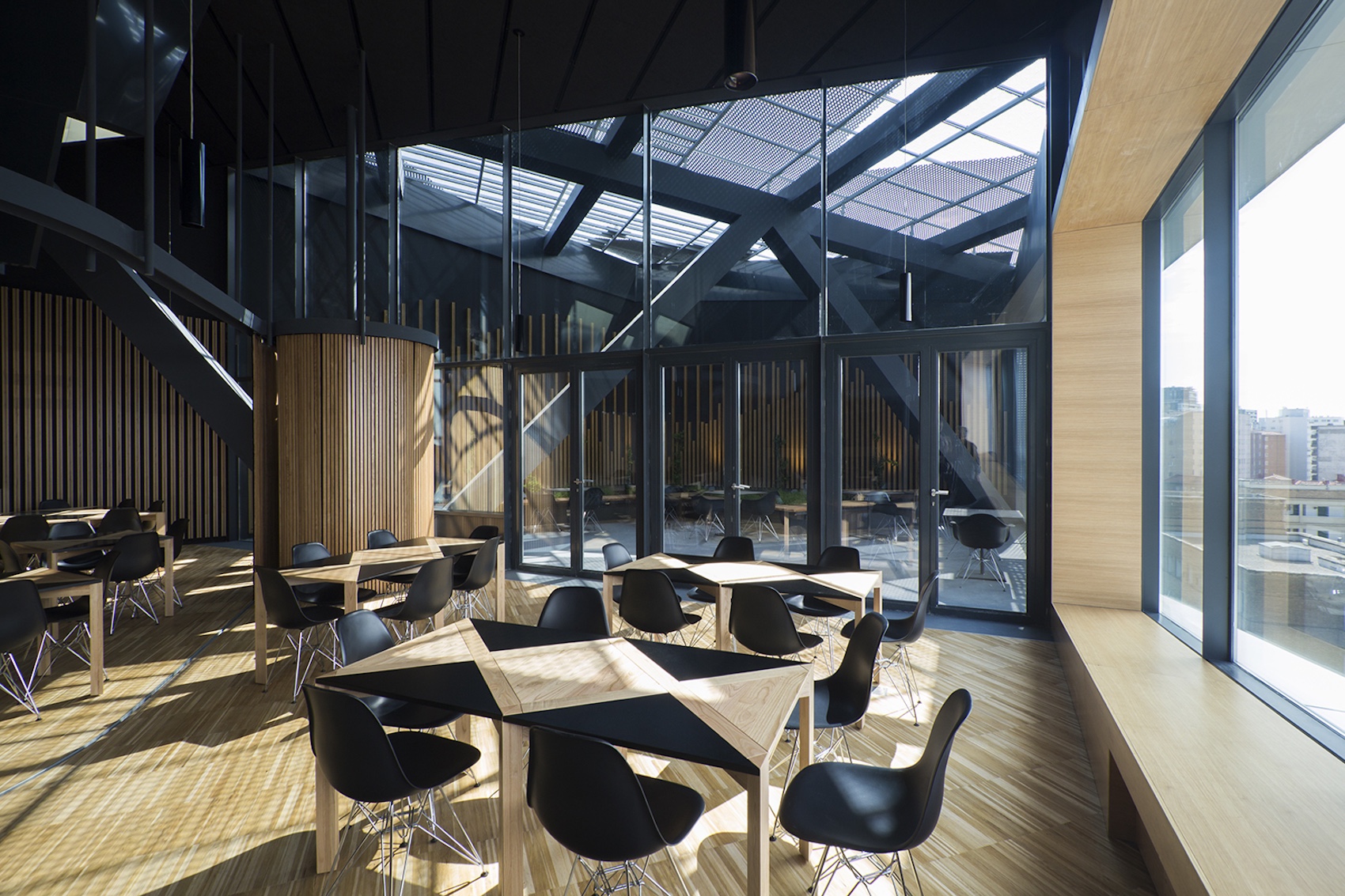
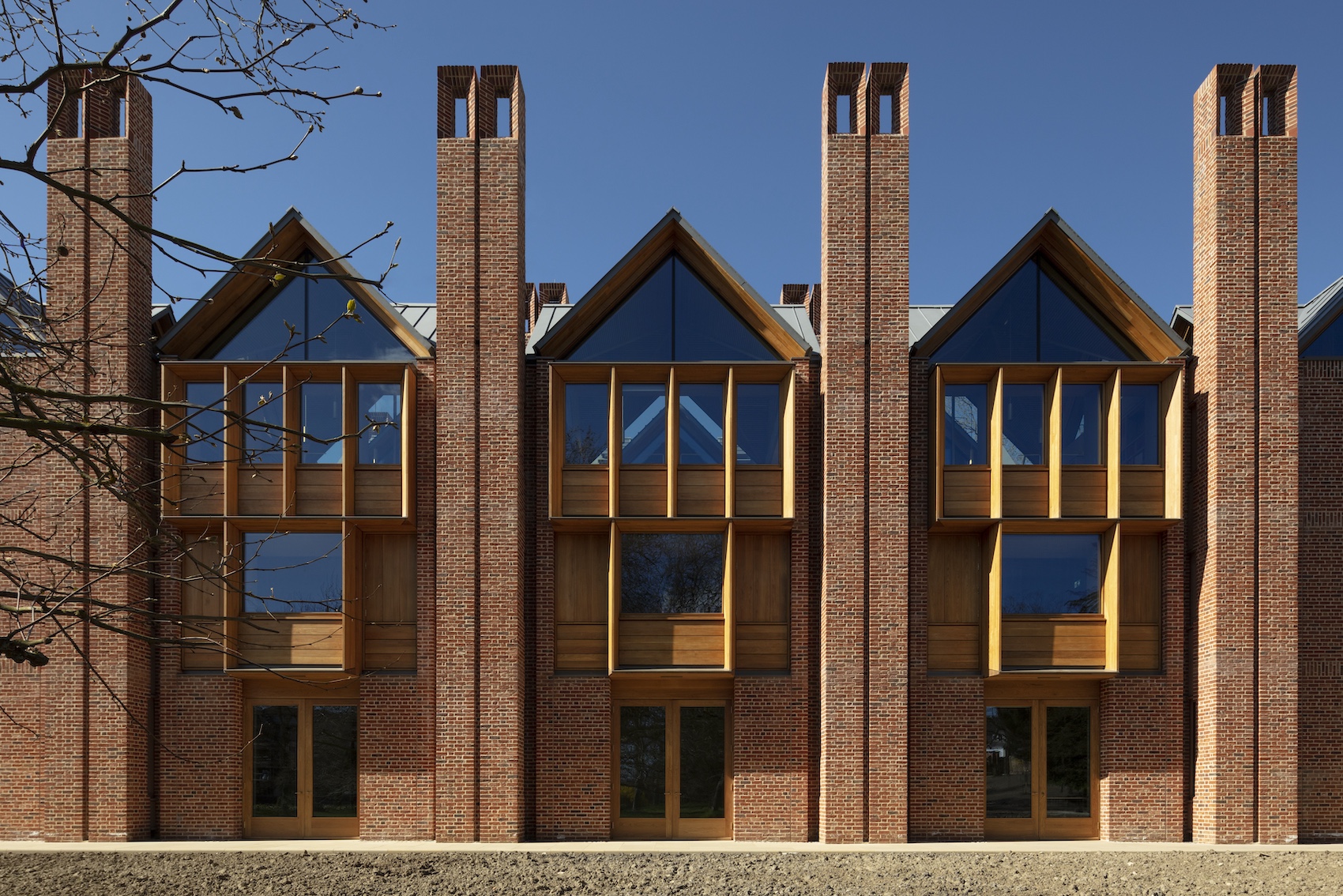
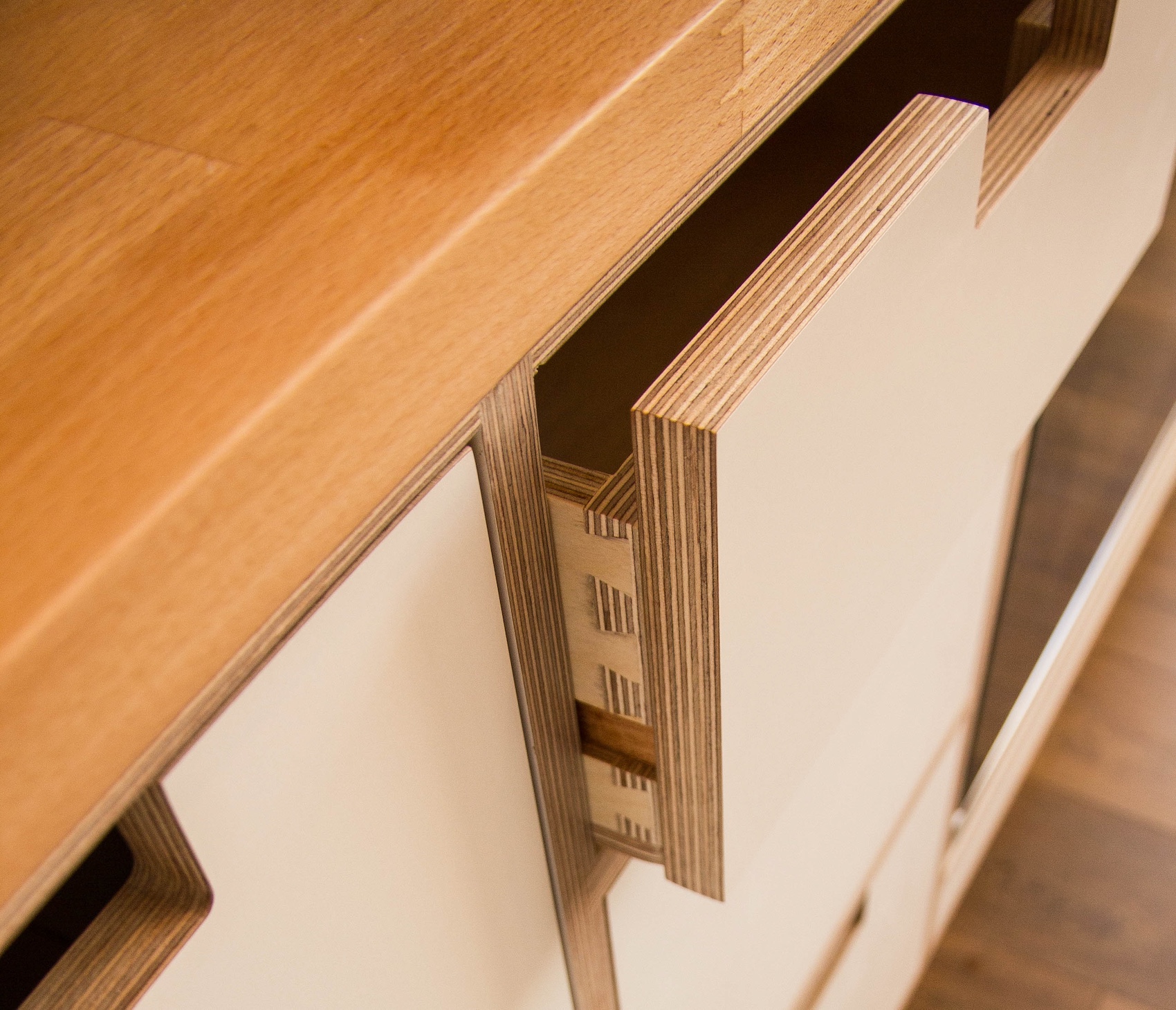
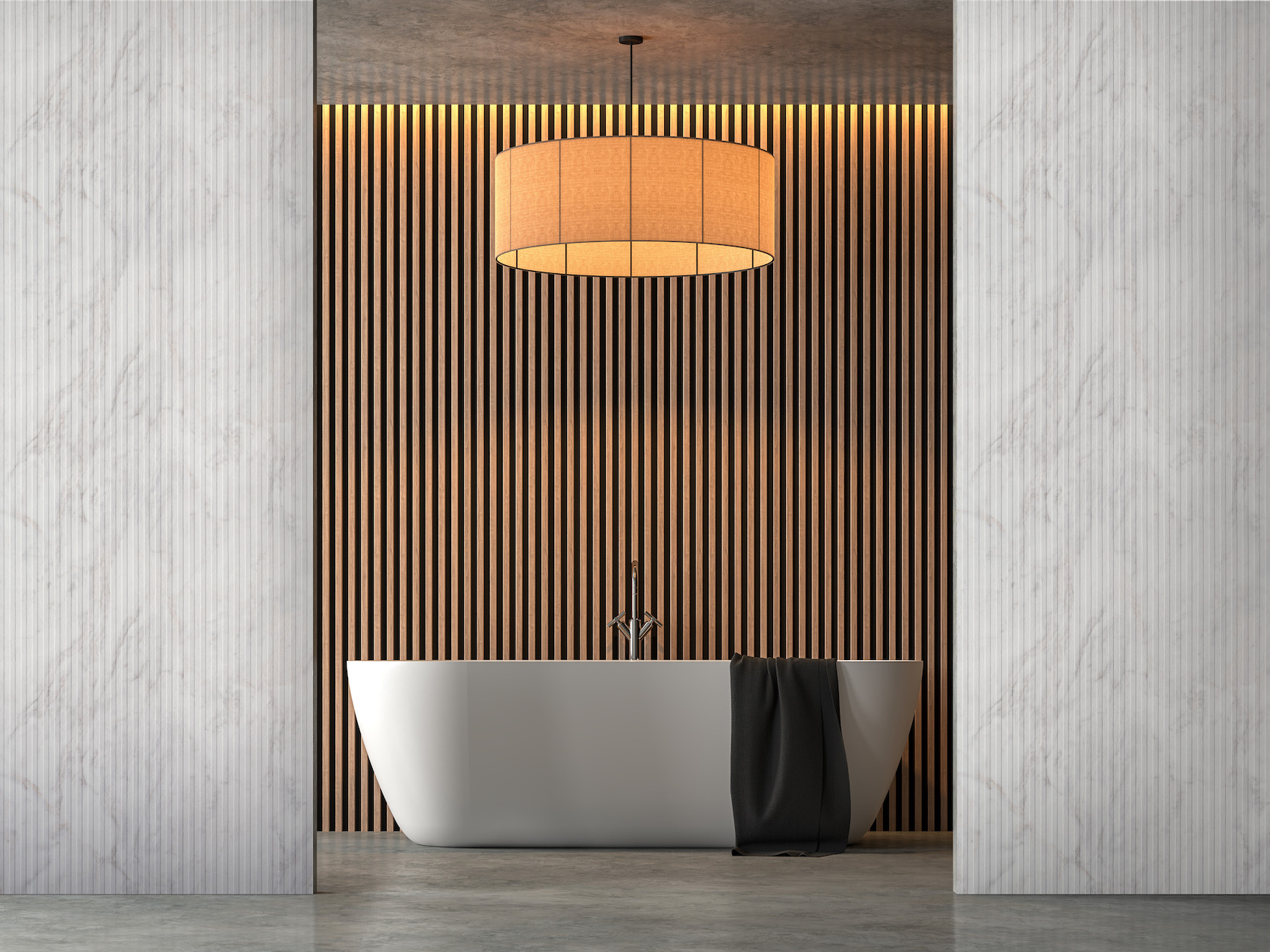
Far from just being for furniture, melamine panels can be used in numerous interior applications (photo: EGGER).
Once regarded primarily as a cost-effective alternative to more premium decorative surfaces, melamine-faced panels have undergone a remarkable transformation. Advances in manufacturing, surface textures and printing technologies have made it increasingly difficult to distinguish contemporary melamines from the natural materials they replicate. At the same time, improvements in edging, substrate options and technical performance have expanded their potential across architectural interiors.
With an extensive portfolio spanning leading manufacturers, including EGGER, Kronospan, Cleaf, Swiss Krono and Finsa, James Latham provides architects with a range of high-quality decorative and technical solutions. Stuart Devoil, Group Head of Marketing at James Latham, discusses how melamine-faced panels are challenging longstanding perceptions, and what architects need to consider when specifying them for contemporary projects.
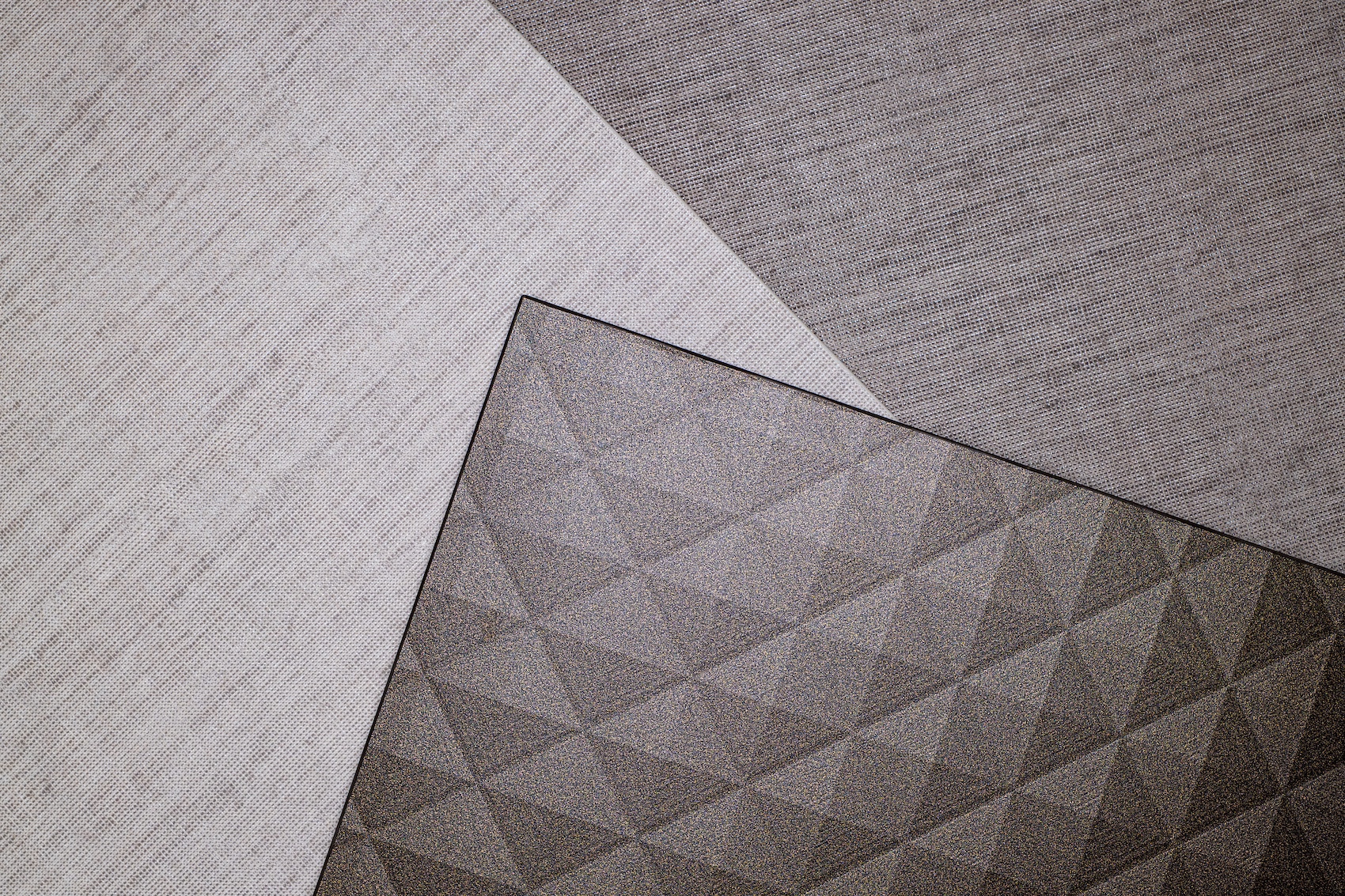
From textiles to geometric designs, modern melamines aren’t what they used to be (photo: James Latham).
For architects unfamiliar with melamine-faced panels, how are they manufactured, and how do they differ from conventional high-pressure laminates and other decorative surfaces?
In essence, melamine-faced panels are manufactured by pressing wood particle boards and resin sheets together to form a solid core panel. The high-quality decorative papers are soaked in liquid melamine resin and then dried to create the outer layers. These paper sheets are then fused onto both sides of the wood core using intense heat and pressure, which permanently cures the resin into a hard, scratch-resistant surface. The whole panel becomes one. Conversely high-pressure laminates and veneers are literally just that – a thicker, robust decorative surface that must be glued to a supporting panel. The main difference is that MFC is a single amalgamated board with a thin decorative face, whereas laminates and veneers are a separate sheet that must be glued onto a supporting wood panel.
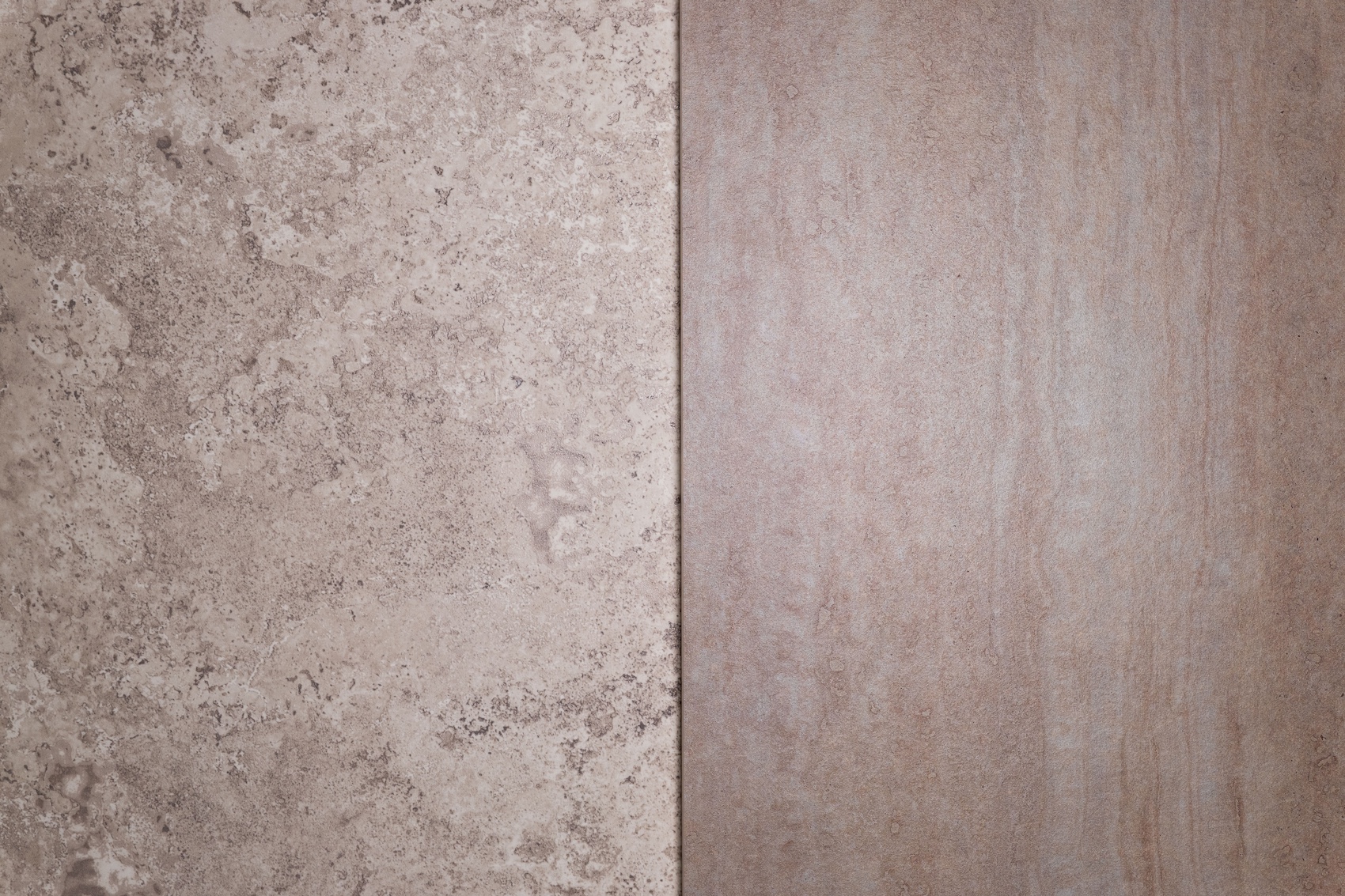
Material reproductions in stone and porcelain (photo: James Latham).
How have melamine-faced panels evolved in recent years, and what has changed their reputation from a budget option to a design-led architectural material?
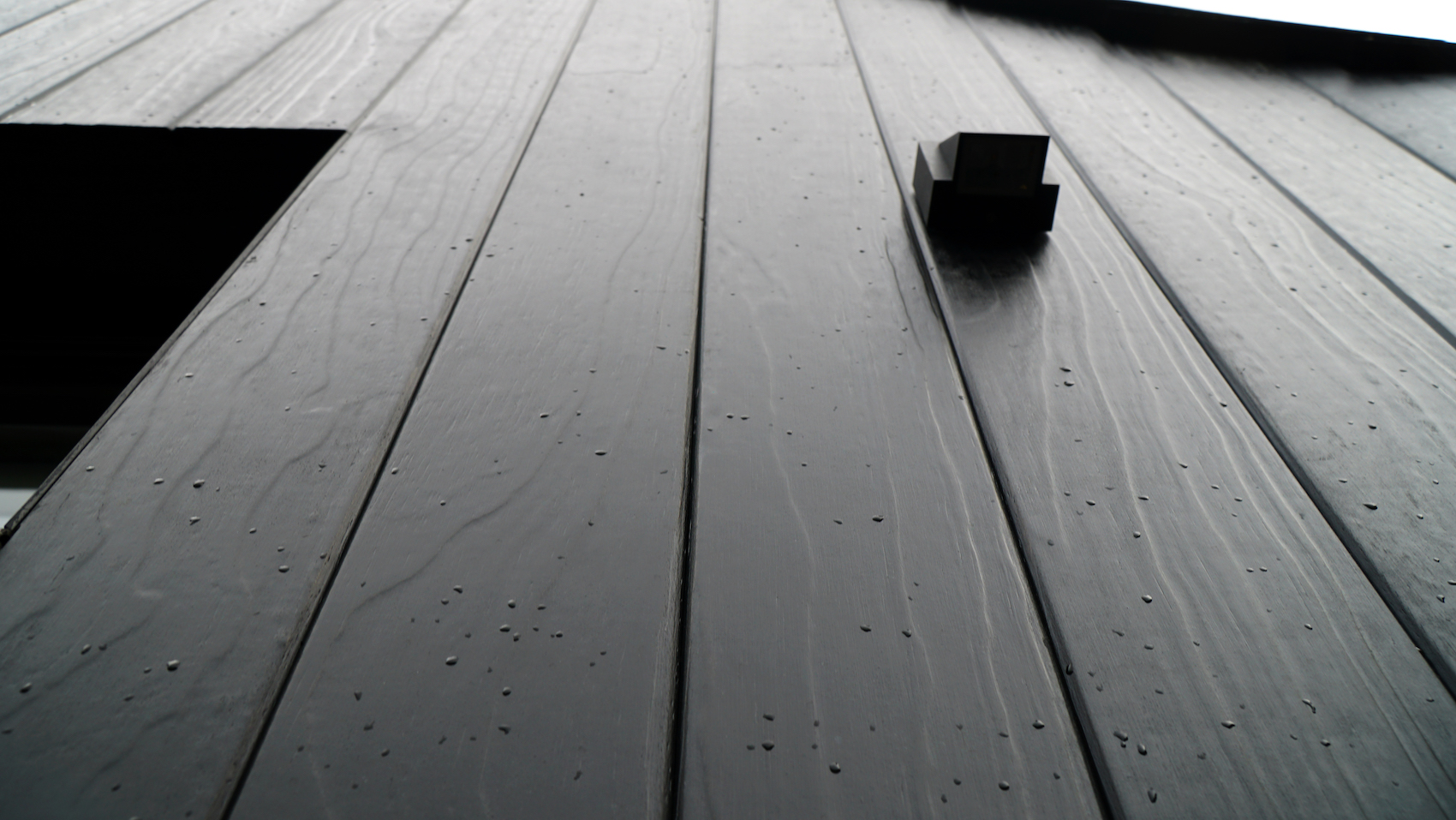
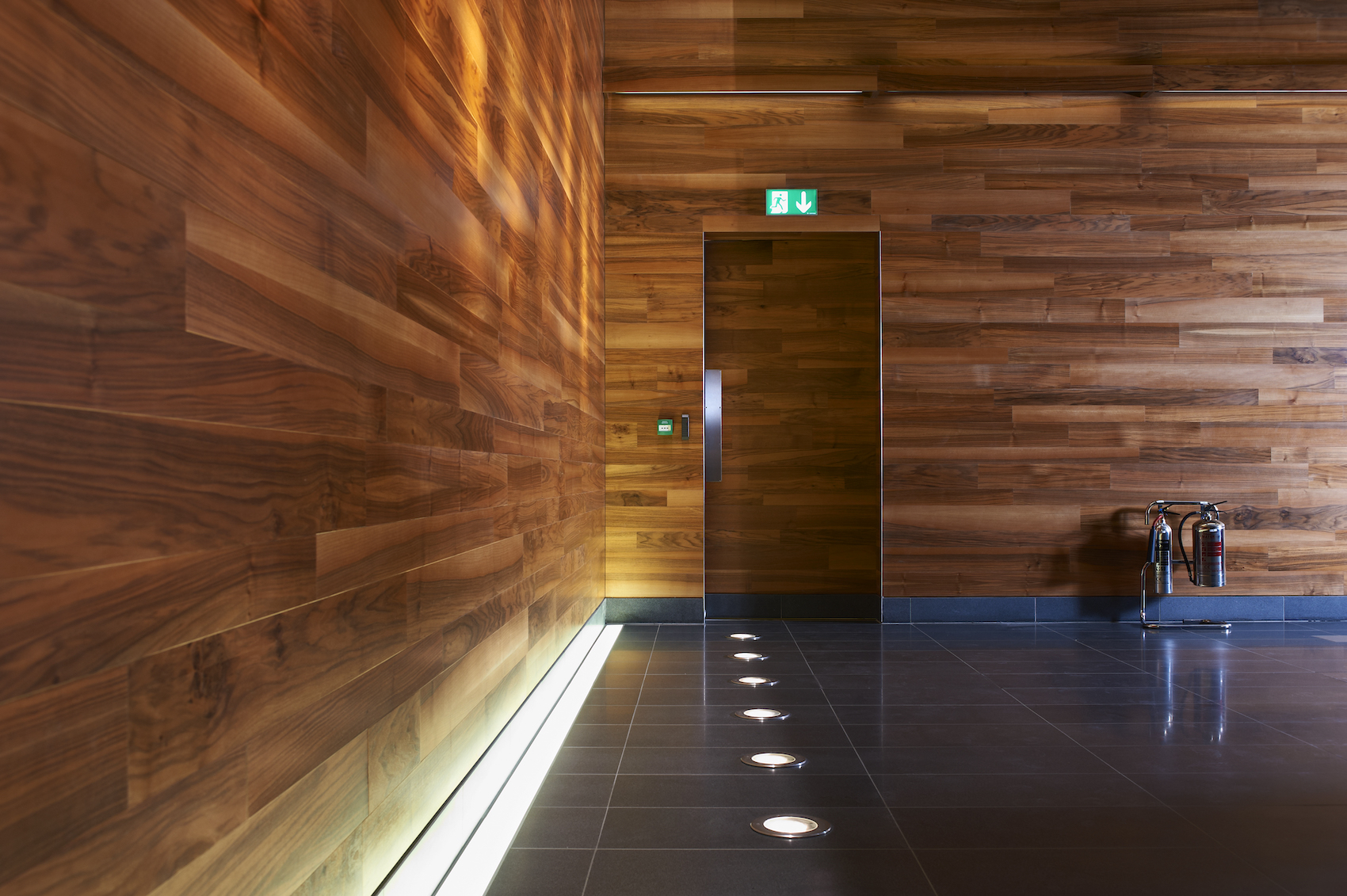
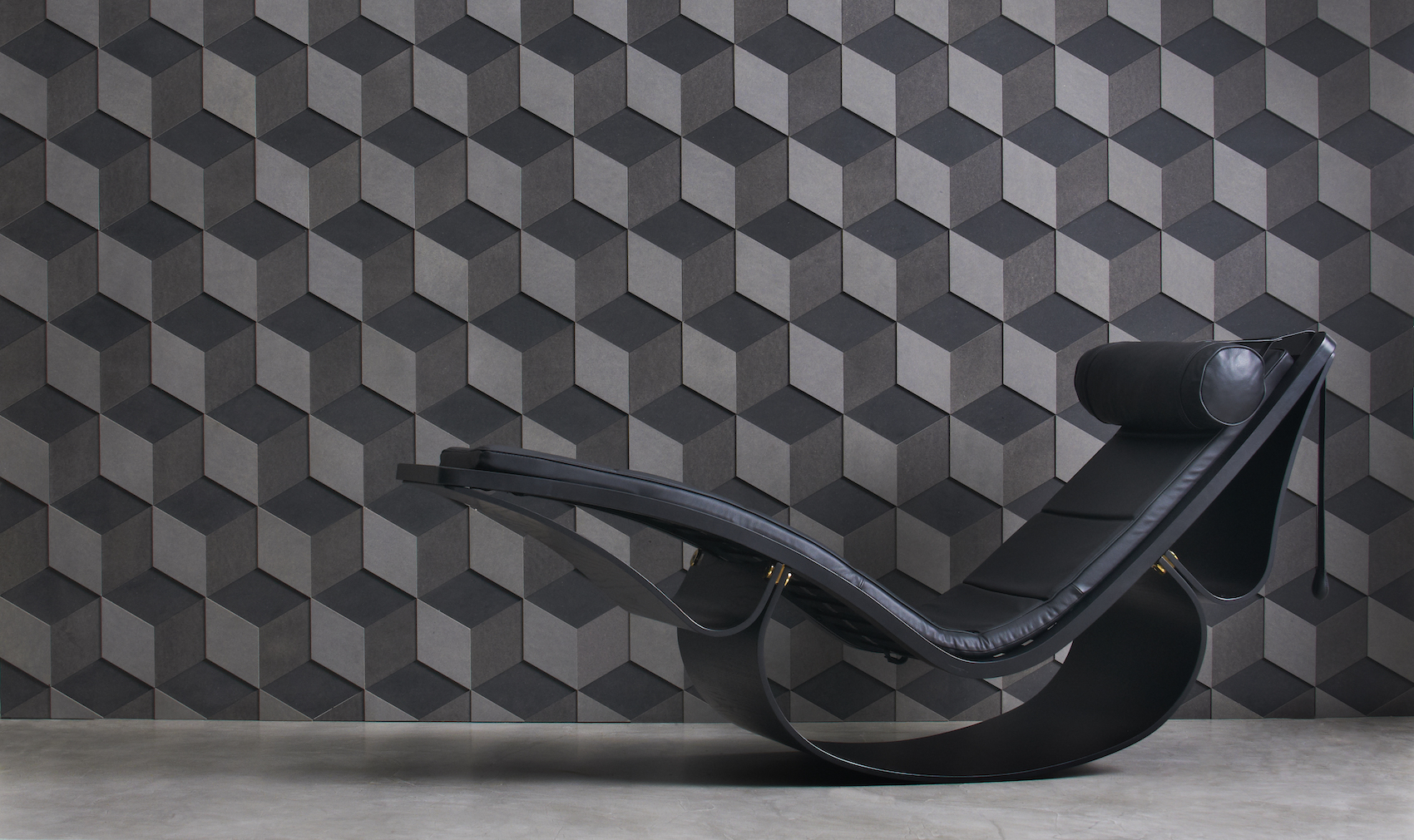
Often when people hear the word melamine, they conjure up images of chintzy 1950s cookware and tabletops, but today’s melamine based products are far removed from that. Technology has advanced to such an extent that often the surface can’t be distinguished from organic materials, such as timber, leather, stone, even textiles. Not only are they visually convincing, but the development of deep textures and embossed-in-register or synchronised grain technologies mean that even to the touch they feel realistic. They are no longer the cheap ‘fake’ alternative, but instead provide very high quality, creative finish options in their own right.
Edgings are also critical. Once upon a time there were a few standard edging colours and you had to accept that your project would clearly not look like a solid panel as the edging wouldn’t match, Nowadays edgings are so advanced that they will generally match the exact colour and texture of the face of the panel. This delivers an entirely different look for that fully-finished aesthetic.
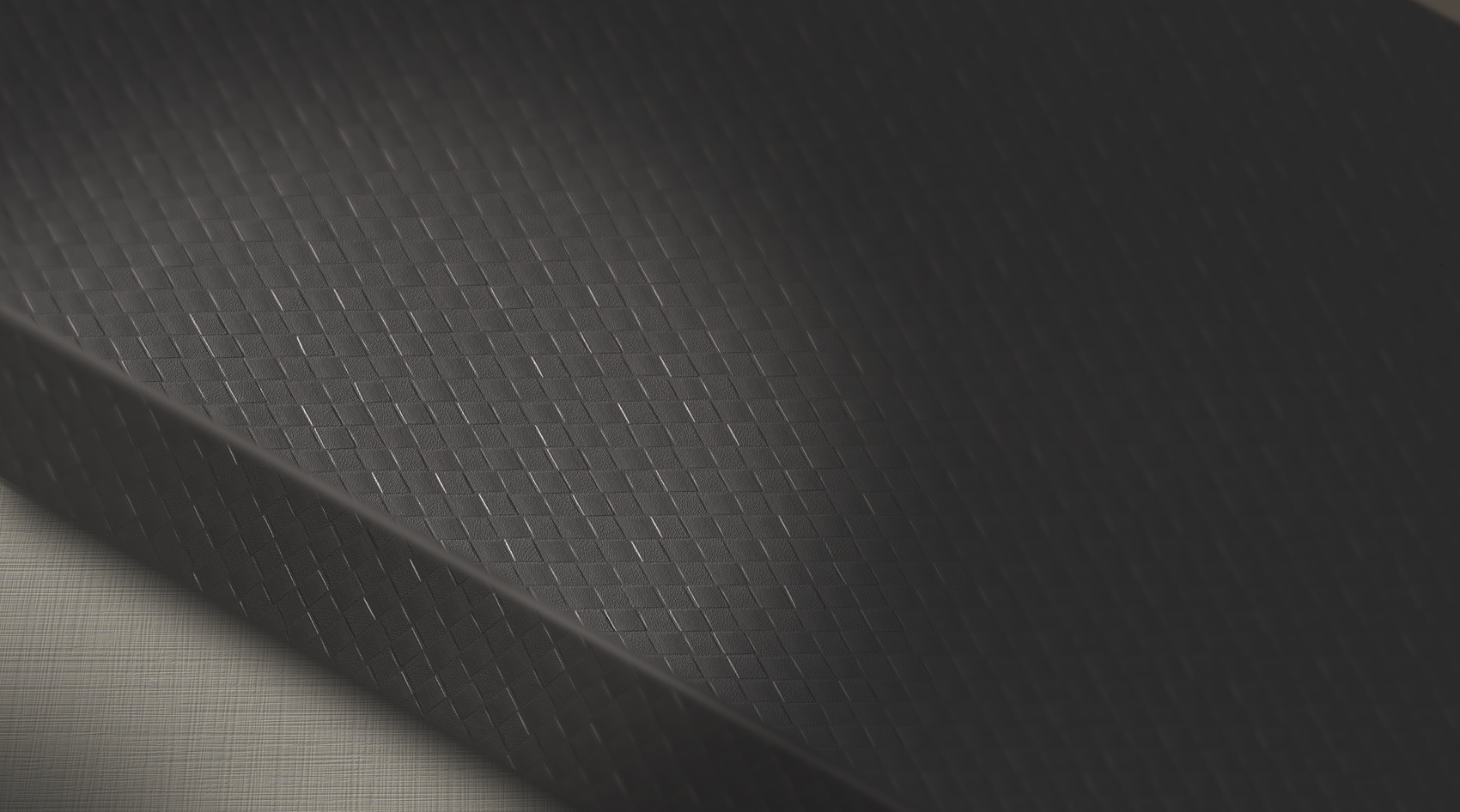
Textures and edgings are now highly authentic (photo: James Latham).
What aesthetic possibilities do contemporary melamines provide in terms of colours, textures, finishes and realistic reproductions of natural materials?
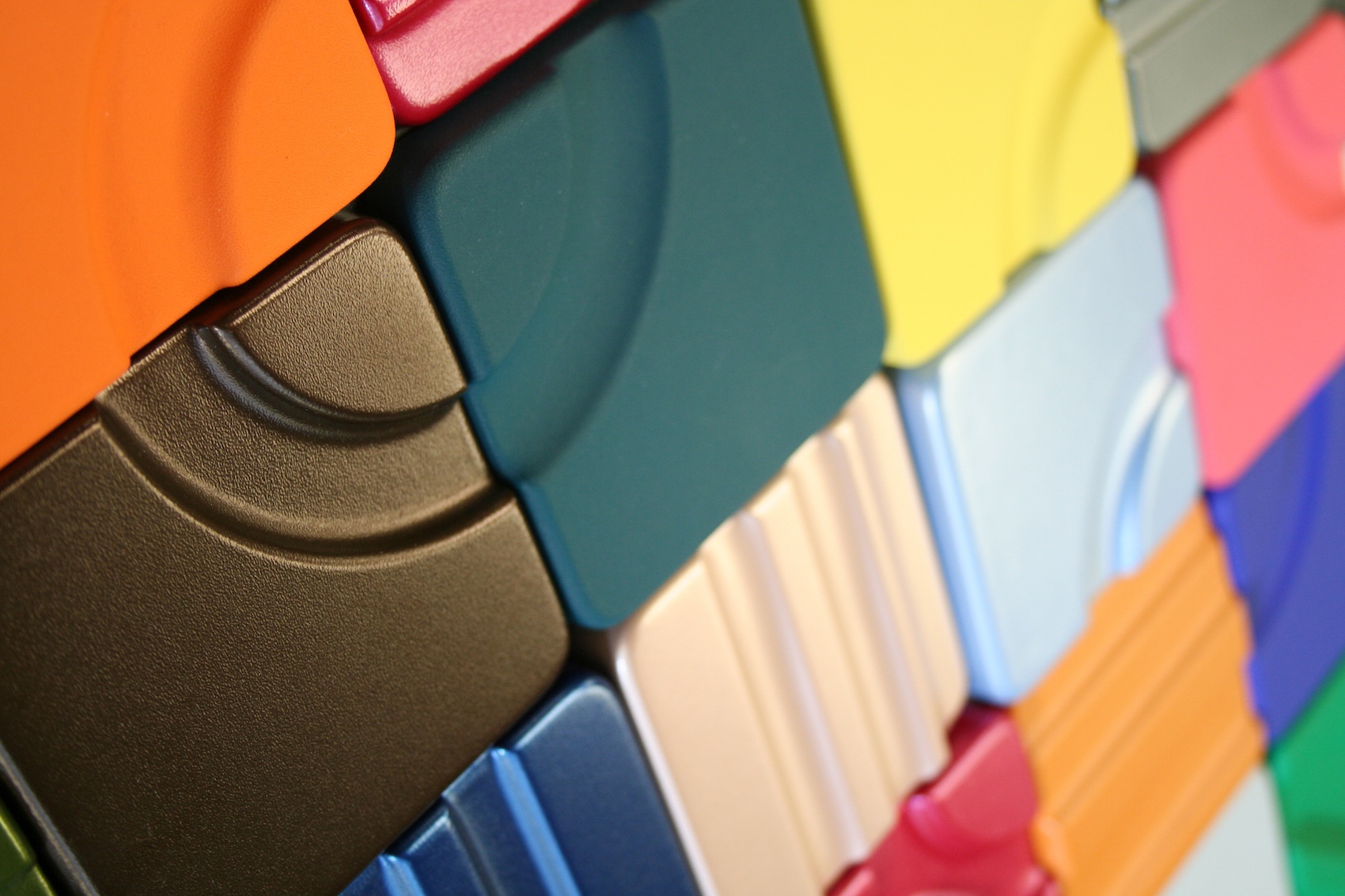
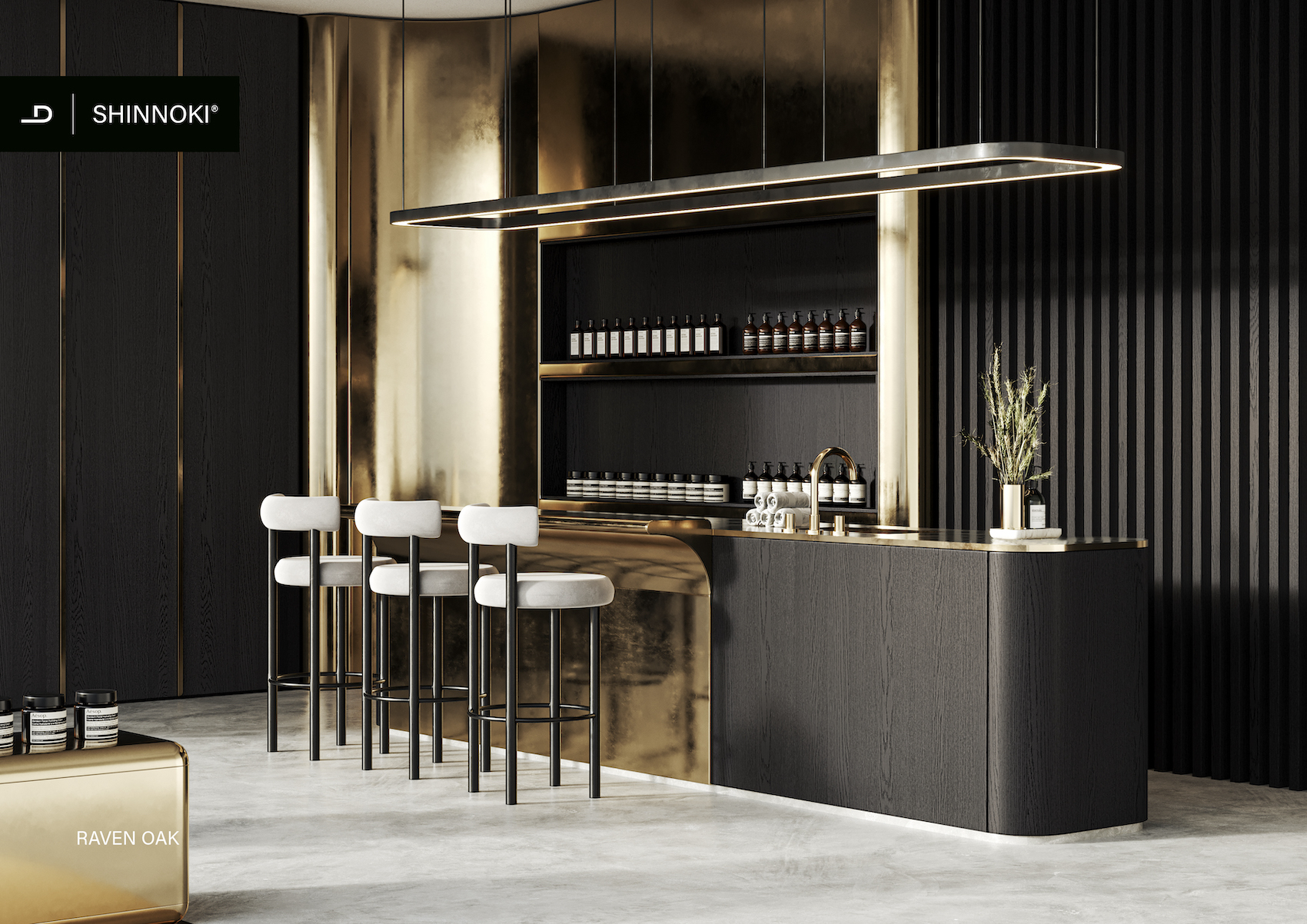
Today’s melamine panels offer pretty much any surface you can imagine. From a wide array of hugely convincing woodgrains, deeply textured textiles, full-grain leathers, stone and marble, metallics, mirror gloss to ultra mat, anti-fingerprint to anti-bacterial, every colour in the rainbow, the options are endless. To put it into context, we hold around 2,000 different choices in stock, with an option of nearly 40,000 combinations of colour, pattern and texture available to order. In fact when we were in Italy selecting products for our new Cleaf collection recently, we commented how nice a specific pattern would look in a certain colour and within 30 minutes a guy emerged from the factory holding a sample that was literally hot off the press!
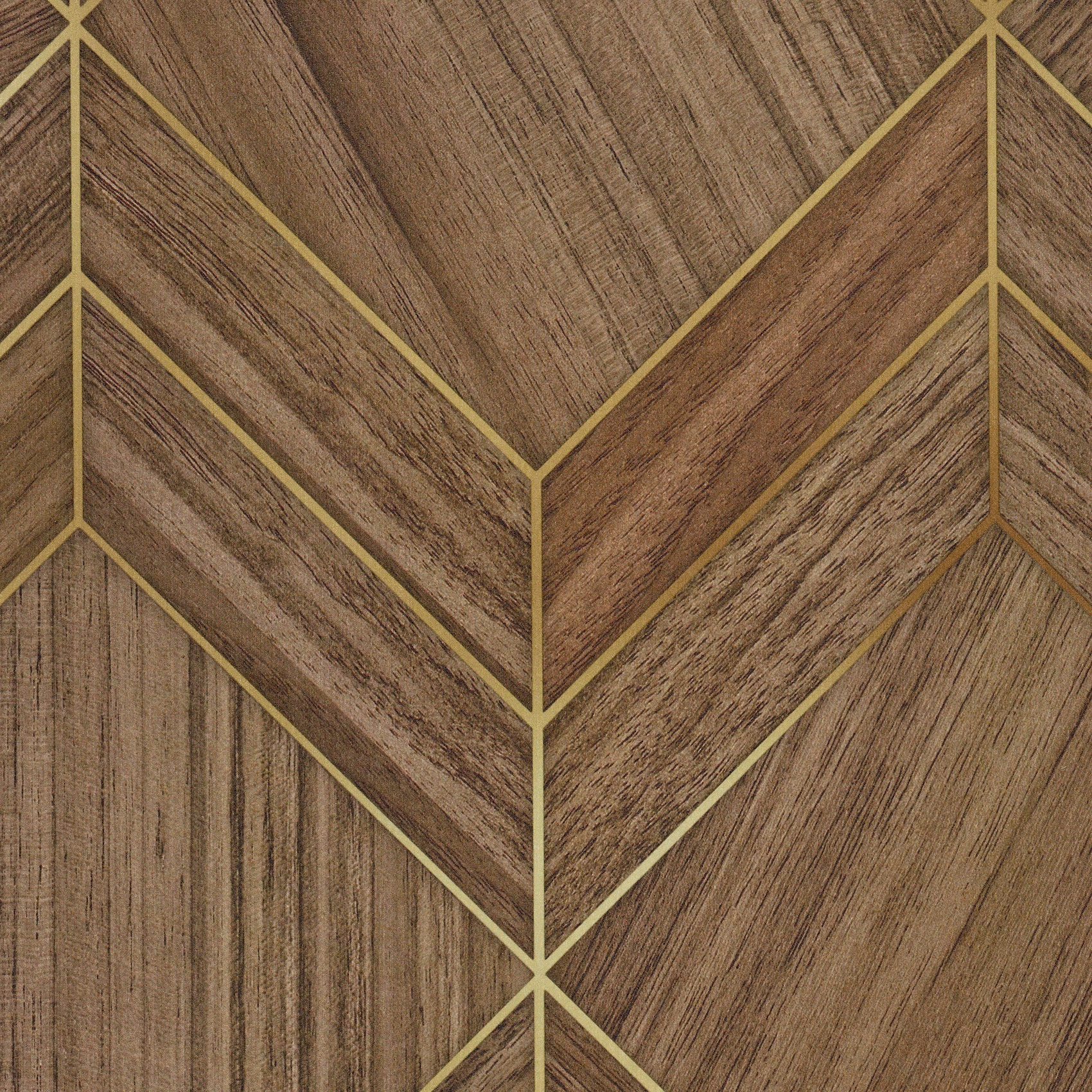
Mixing metallic and wood finishes in the same product sets new standards (photo: James Latham).
James Latham’s melamine offering includes EGGER, Kronospan, Cleaf, Swiss Krono and Finsa. What distinguishes these collections, and how should architects choose between them?
Without doubt there is some crossover in the basic colours and textures, but each generally has something to differentiate it, whether it’s the type of sheen or gloss, the panel size, the certification body of the timber core or other small details that matter. It’s when it gets into the creative finishes that each brand really comes into its own. With so many competing technologies available, everybody has something different to offer.
Cost will always be a factor, so we have that covered by well-known global brands with more cost-effective options right through to boutique brands designed and manufactured in Milan that offer finishes and super deep textures like nothing else on the market. Often contractors will mix brands and use more cost-effective finishes for carcasses and out of view areas, then a more luxurious one for the frontals.
Finally, performance and compliance will also impact specification decisions. Some manufacturers offer higher performance in fire while others will provide marine certification or advanced compliance documentation; some use higher quantities of recycled content in the core, it all depends on which factors are key to the particular specification.
Where are melamine-faced panels most commonly specified, and which applications particularly benefit from their combination of aesthetics, durability and cost-effectiveness?
They are a very versatile product. Furniture is obviously a key application, both free-standing and built in. We’re seeing growth in commercial fit-outs, from shops to hotels, offices, bars and restaurants to high-traffic fast food outlets and coffee shops. The new textures and finishes mean they are finding homes in all kinds of designs that previously wouldn’t have been considered.
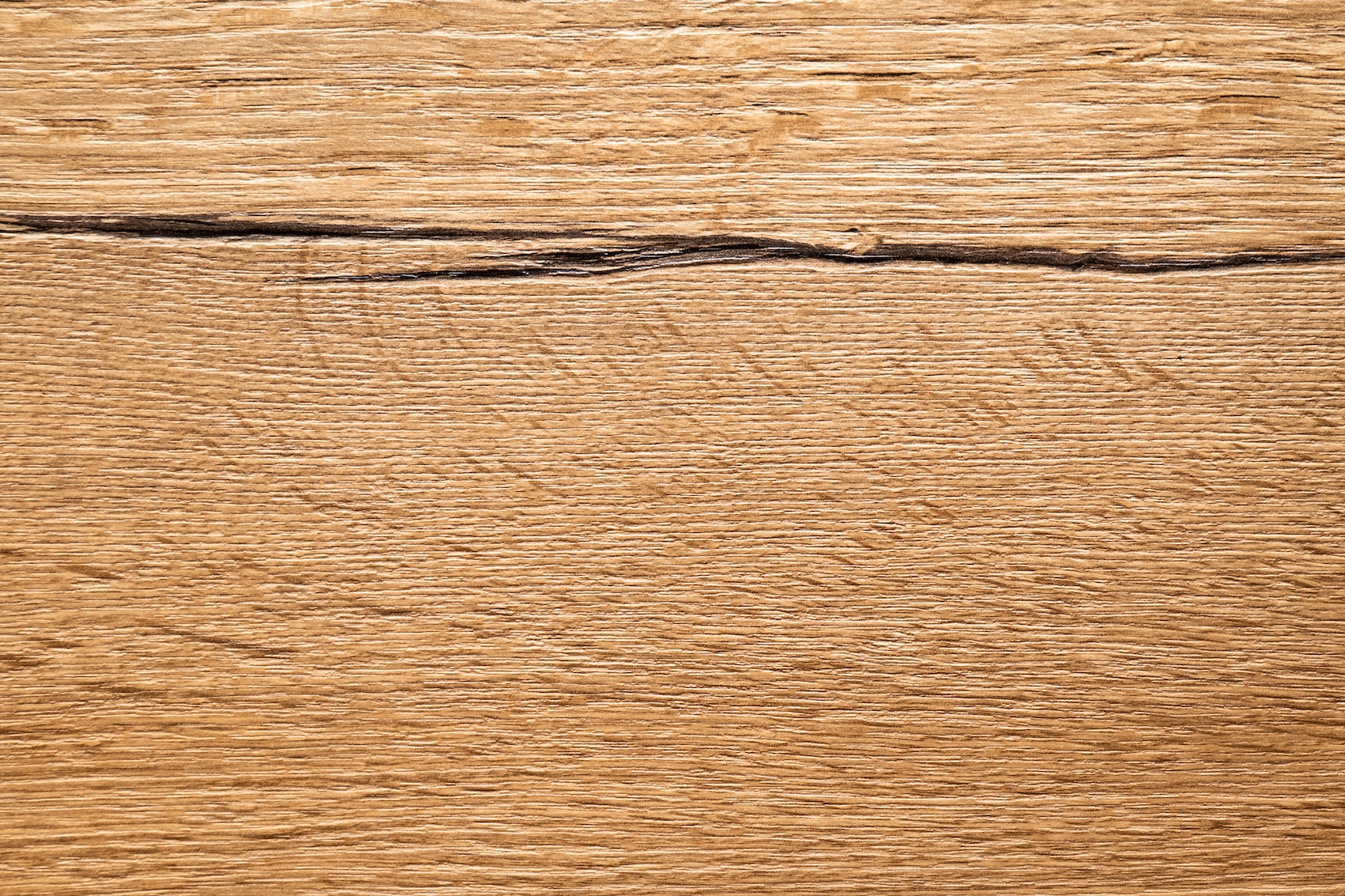
Synchronised textures allow melamines to look and feel realistic (photo: James Latham).
What do architects need to know about constructional build-ups, including MDF and particleboard substrates, board thicknesses, edging, joints and fixing methods?
Architects must understand the structural and aesthetic differences between MFC and MF MDF substrates to specify them correctly in architectural joinery, wall panelling, and cabinetry. Melamine-faced MDF has a smooth, dense core, is better suited to machining, routing and detailed joinery, produces cleaner exposed edges, and is commonly used for cabinet doors, reception desks, feature joinery and wall panelling.
Melamine-faced chipboard (MFC) is more cost-effective and more widely available than melamine-faced MDF, offers excellent dimensional stability and is widely used in furniture manufacture, particularly for kitchen units, wardrobes, office furniture and storage systems. However, it requires edge protection because exposed chipboard is susceptible to moisture and impact damage.
An 18mm board is standard for carcasses and light-duty shelving, while boards 25mm or thicker should be considered for heavily loaded shelves, desktops and feature joinery to reduce deflection. 0.8mm ABS edging is suitable for general commercial use, while 2mm ABS edging is recommended for high-traffic environments, such as schools, healthcare and hospitality due to its superior durability.
There are a number of other considerations to make, including moisture resistance (MR MDF, P3/P5 boards), fire performance (FR MDF), loadings, shelf spans, fixing method and installation tolerances, so we are always at hand to answer these questions.
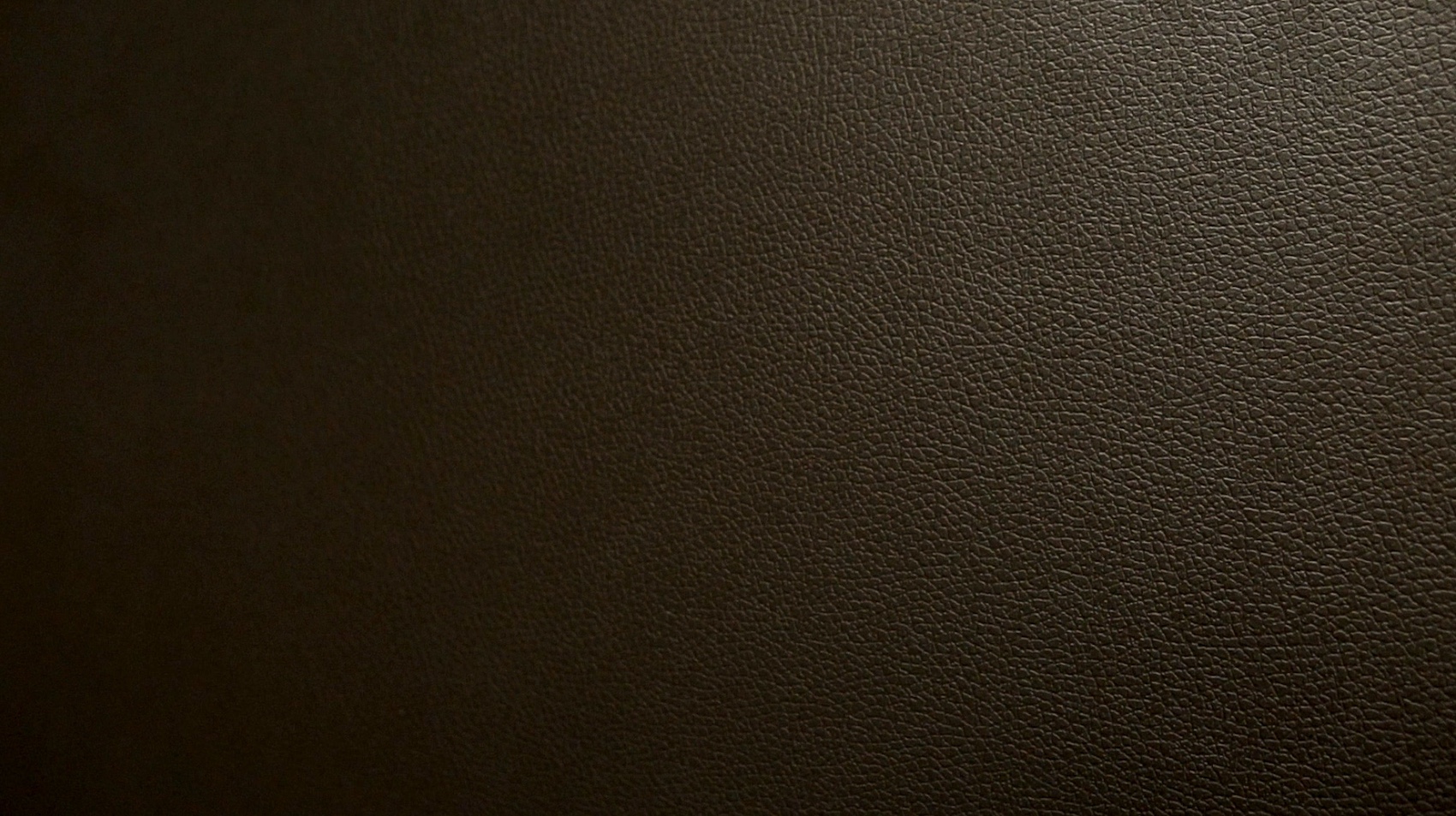
Full grain leather reproduction (photo: James Latham).
How do modern melamine-faced panels perform in terms of long-term durability and cleaning?
Modern melamine-faced panels (MFC and melamine-faced MDF) perform extremely well in most commercial and residential interiors and are one of the reasons they have become the dominant specification for kitchens, offices, hotel furniture, education projects, and fitted joinery. The melamine surface is designed to provide a hard, low-maintenance finish that resists everyday wear and routine cleaning. Modern melamine surfaces generally offer good scratch resistance in day-to-day use and cope well with normal contact. One of melamine’s strongest advantages is that it is a closed, non-porous surface that does not require waxing, polishing, sealing or refinishing.
What fire-retardant options are available, and what certification and test evidence should architects look for?
For projects where a standard MFC panel will not achieve the required fire performance, architects typically specify fire-retardant particleboard (FR chipboard) with a melamine decorative face. These products are widely available from manufacturers, such as EGGER and CLEAF, and are known as Flammex. For most commercial fit-outs, specifying an FR melamine-faced particleboard with a minimum Euroclass B-s1,d0 rating, backed by the appropriate certification and test evidence, will satisfy architects, fire consultants and building control requirements.
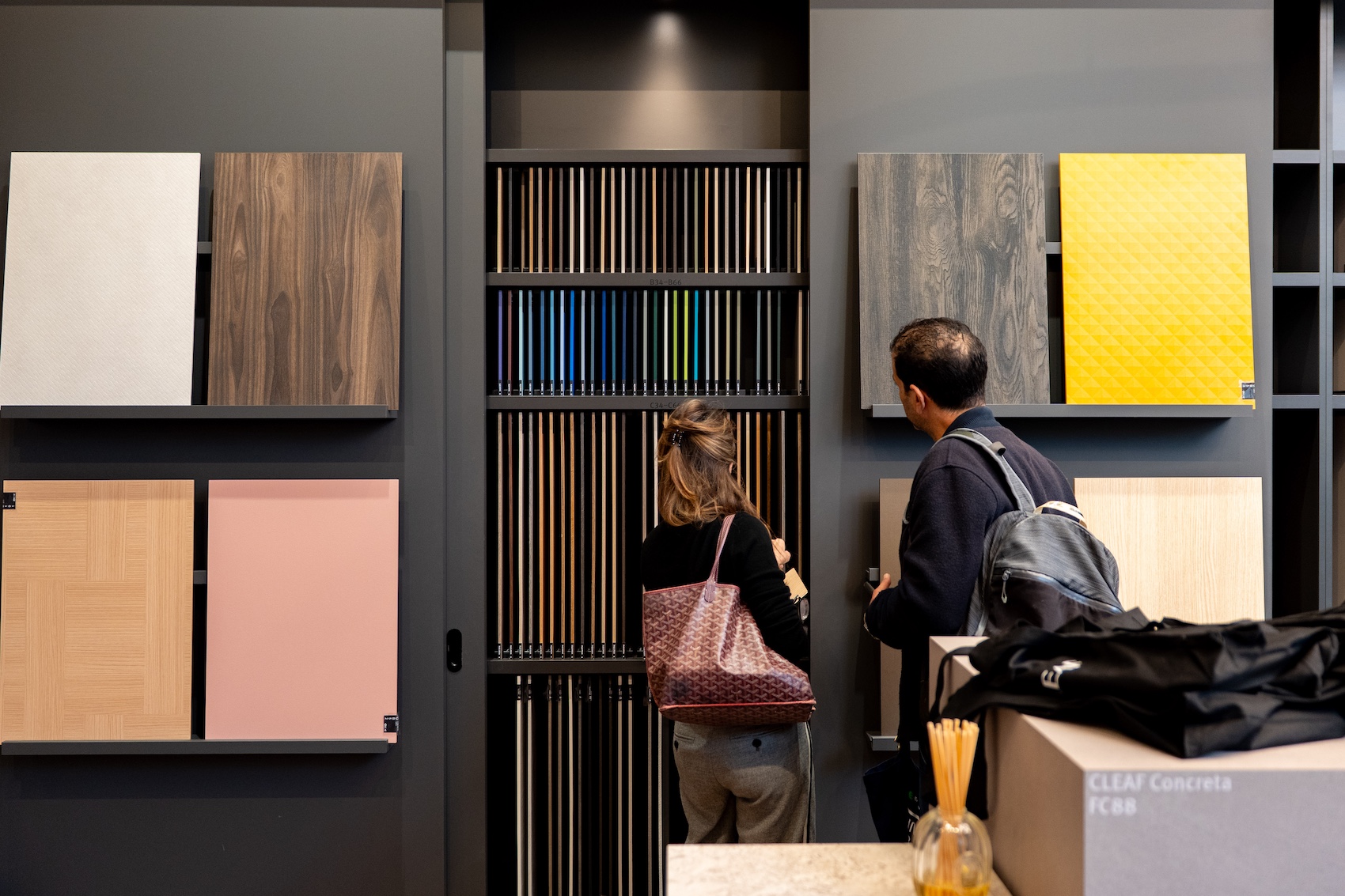
The range of melamine finishes available is huge (photo: James Latham).
What environmental considerations should architects take into account, particularly regarding responsible sourcing, emissions, recycled content and end-of-life options?
Architects are increasingly expected to consider the whole-life environmental impact of the materials they specify, not just cost, aesthetics, or performance. A robust sustainability assessment typically focuses on four key areas. Responsible sourcing, ie FSC or PEFC certified, carbon emissions and embodied carbon. Architects can request Environmental Product Declarations (EPDs), recycled and renewable content, but most MFC now has recycled content in it and end-of-life and circular economy considerations.
What are the key specification considerations and common pitfalls when working with melamine-faced panels, and what technical support is available from James Latham?
Key specification considerations include selecting the correct substrate – MFC, MF MDF, or melamine-faced plywood – based on the application, not just the appearance. Architects should consider environmental conditions, such as moisture, humidity, and usage levels to ensure the board grade is suitable. They should also assess required surface durability, including scratch, abrasion, impact, chemical, and UV resistance, and specify edge detailing carefully, including edge tape thickness, matching, and bonding methods.
Common pitfalls include choosing products based solely on décor or appearance – ignoring edge performance; failing to check décor availability across different substrates and fire-rated options; mixing manufacturers without verifying colour and texture consistency; and overlooking machining requirements. Another pitfall is relying only on digital images instead of reviewing physical samples.
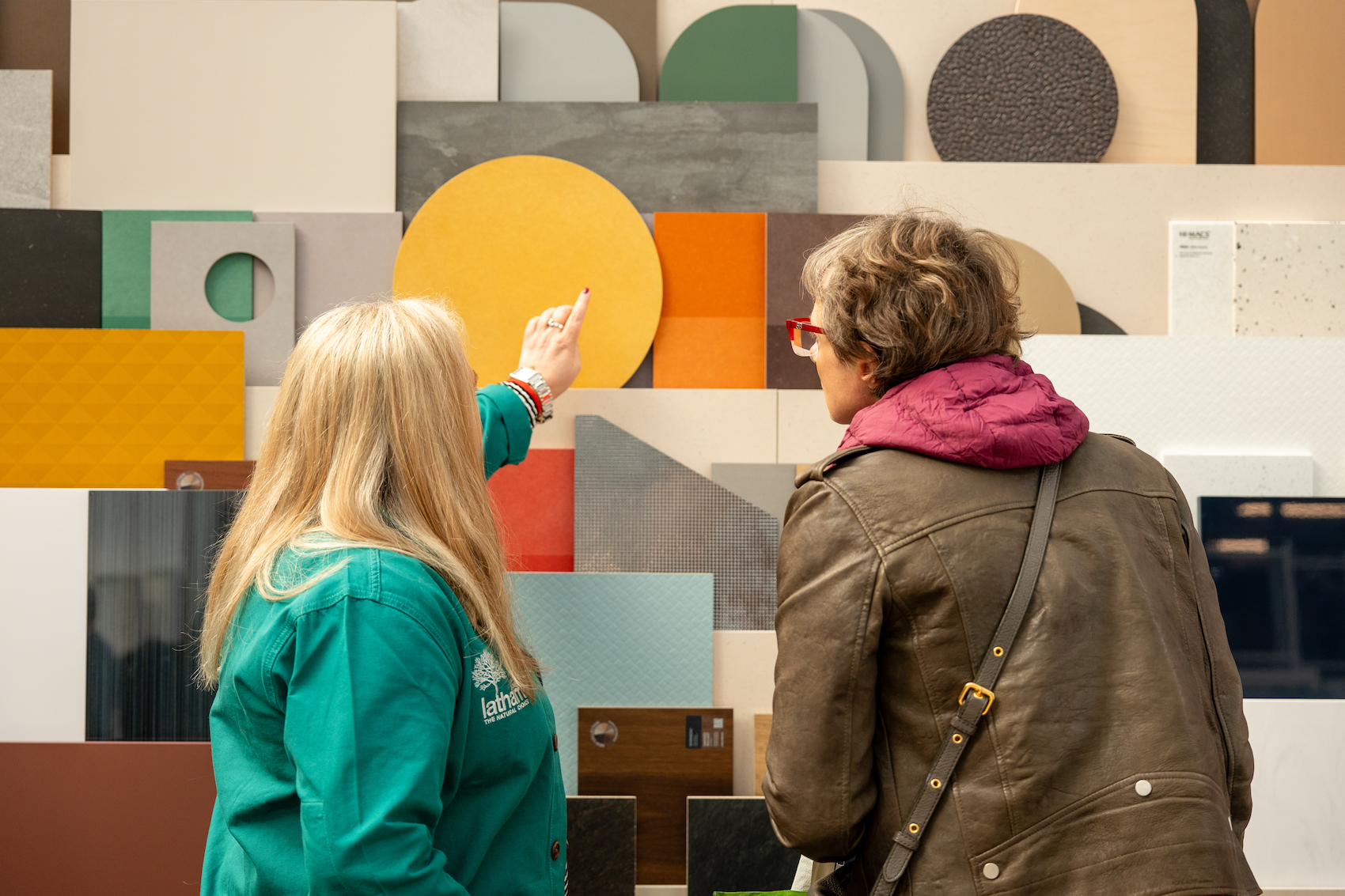
James Latham’s Staff can assist with Product and décor selection, Texture and application guidance, samples, mock-ups, and colour matching, specification data and technical information and all Fire Retardant and Environmental Certification.
Contact Details
To find out more about melamine-faced panels please email or visit the James Latham website.