Jonathan Falkingham, co-founder and creative director of Urban Splash and Jackie Gillespie of Gillespie Yunnie Architects discuss the challenges and joys of working with, rather than against, the 200-year-old Mills Bakery in Plymouth – winner of the Mixed Use Award at the Test of Time Awards 2025.
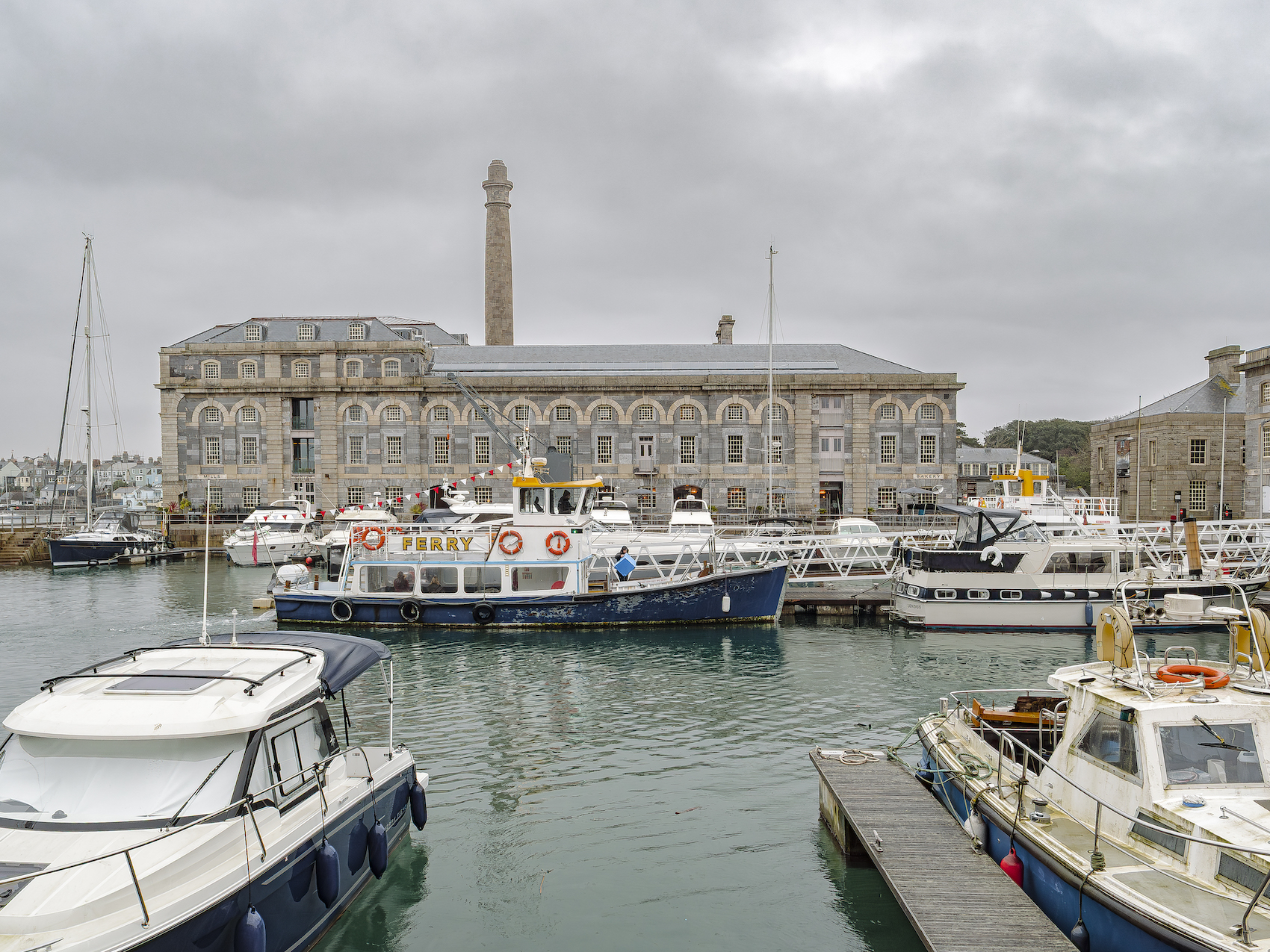
Mills Bakery is a Grade I-listed building redeveloped by Urban Splash and Gillespie Yunnie Architects as part of the regeneration of Plymouth’s Royal William Yard (RWY), a naval victualling yard built between 1825 and 1831. Delivered in collaboration with the South West Regional Development Agency and Plymouth City Council, the scheme celebrates the Yard’s heritage value, while creating a mixed-use waterfront destination with 87 apartments, more than 1,700 square metres of retail, and 2,500 square metres of office space.
The project incorporated as much of the original building fabric as possible, including timber floors, cast iron columns, and the original chimney and oven rooms, which have been repurposed to create a centralised heating system connected to Plymouth’s District Heating Network. The regeneration also had to contend with limited natural light, fire safety risks, and past fire damage, requiring careful spatial planning and innovative solutions to ensure comfort, safety, and sustainability.
Accessibility and wellbeing were key drivers in the design, leading to the creation of two open atriums – one residential and one commercial – that encourage social connection and provide fully accessible circulation. The interiors combine modern materials like glass and walnut with retained historic elements. The flexible commercial spaces are designed to support a range of businesses, contributing to the building’s adaptability over time.
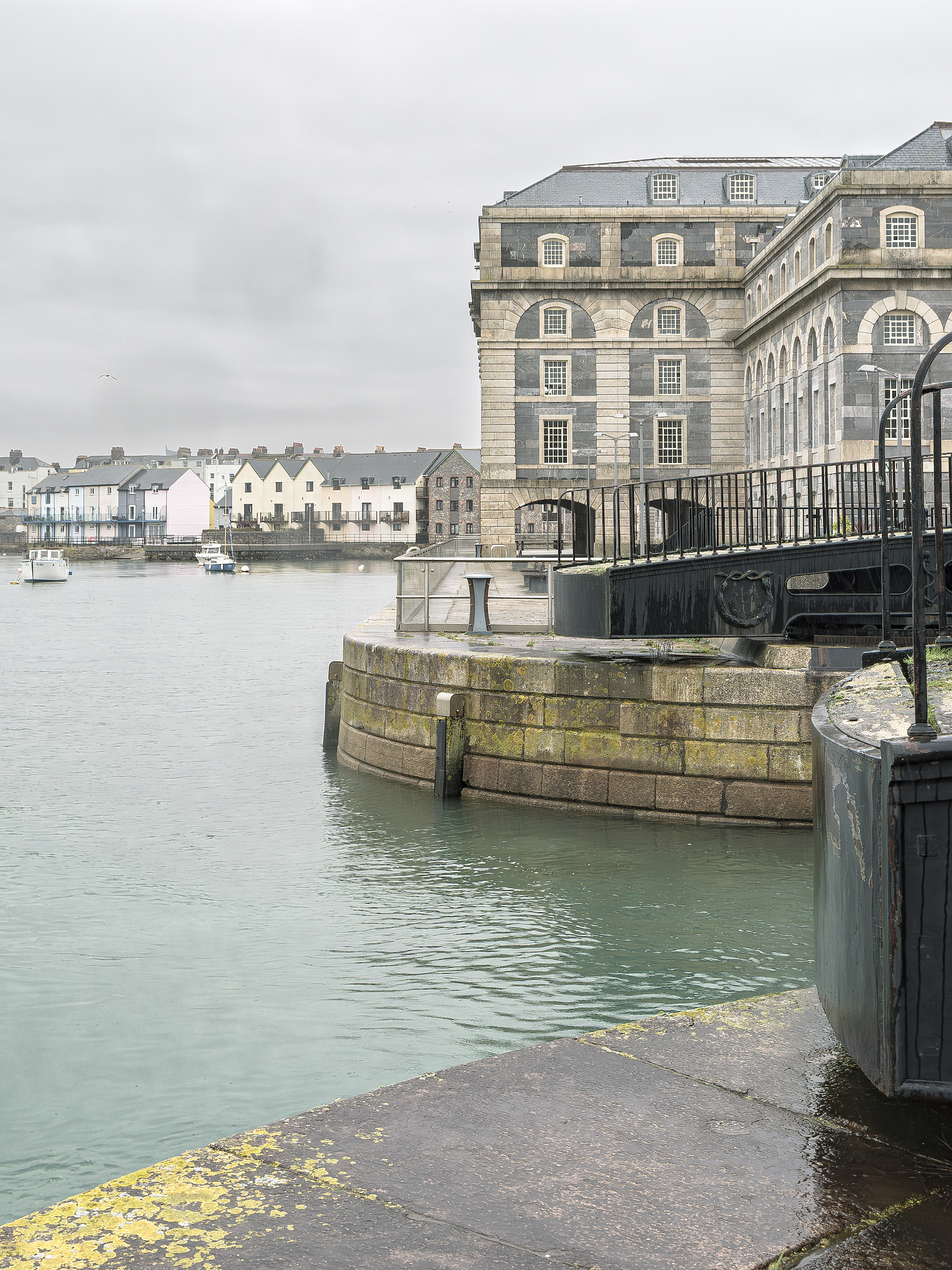
Forming part of Plymouth’s Royal William Yard, Mills Bakery is a multi-use regeneration project comprising retail, residential and office space.
Jonathan Falkingham Urban Splash is a purpose-led regeneration business rather than a property company. The distinction for us is about going into neighbourhoods that have been neglected; where there’s been a market failure, and where you need to have a transformative impact to encourage new people to come and live, work and play in these locations. We do housing, commercial space and creative art space, and we work with a lot of partners to deliver our places – so we’re not fixated on any particular types of use. It’s about thinking about what’s right for the location. We’ve done this across the country many times, but Royal William Yard was interesting because, up until this point, most of our projects had been in the north of England, dealing with the mills of Manchester, Leeds and Bradford, or the docks and warehouses of Liverpool. All of these buildings had gone into decline and disuse, and we found new, creative ways of doing it, and we’d started to get a bit of a reputation for being able to make significant transformative effects and get new communities using these buildings.
Jackie Gillespie The work Urban Splash had been doing in regenerating historic buildings was well ahead of their time, and they were prepared to make some decisions that were really quite brave.
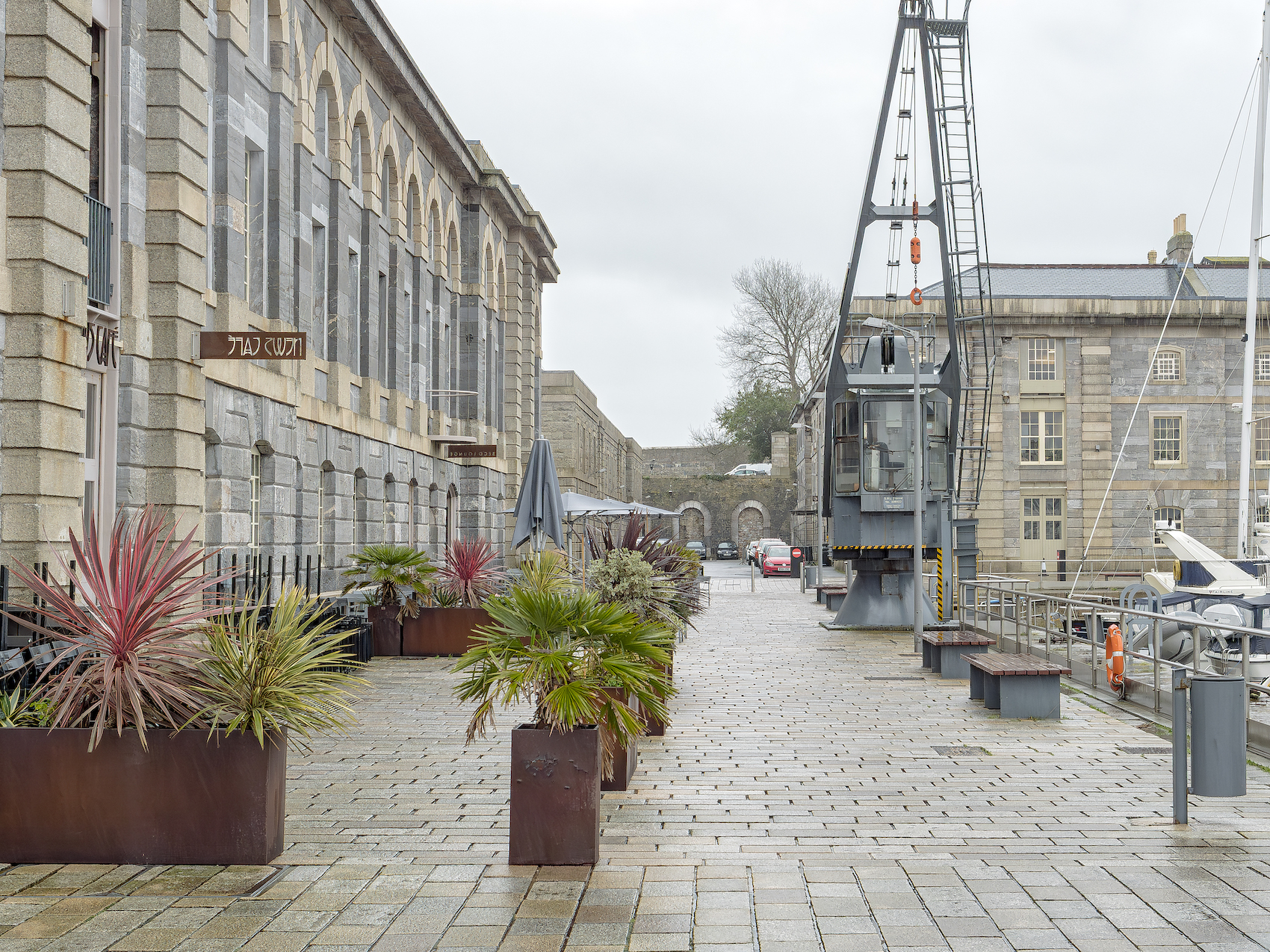
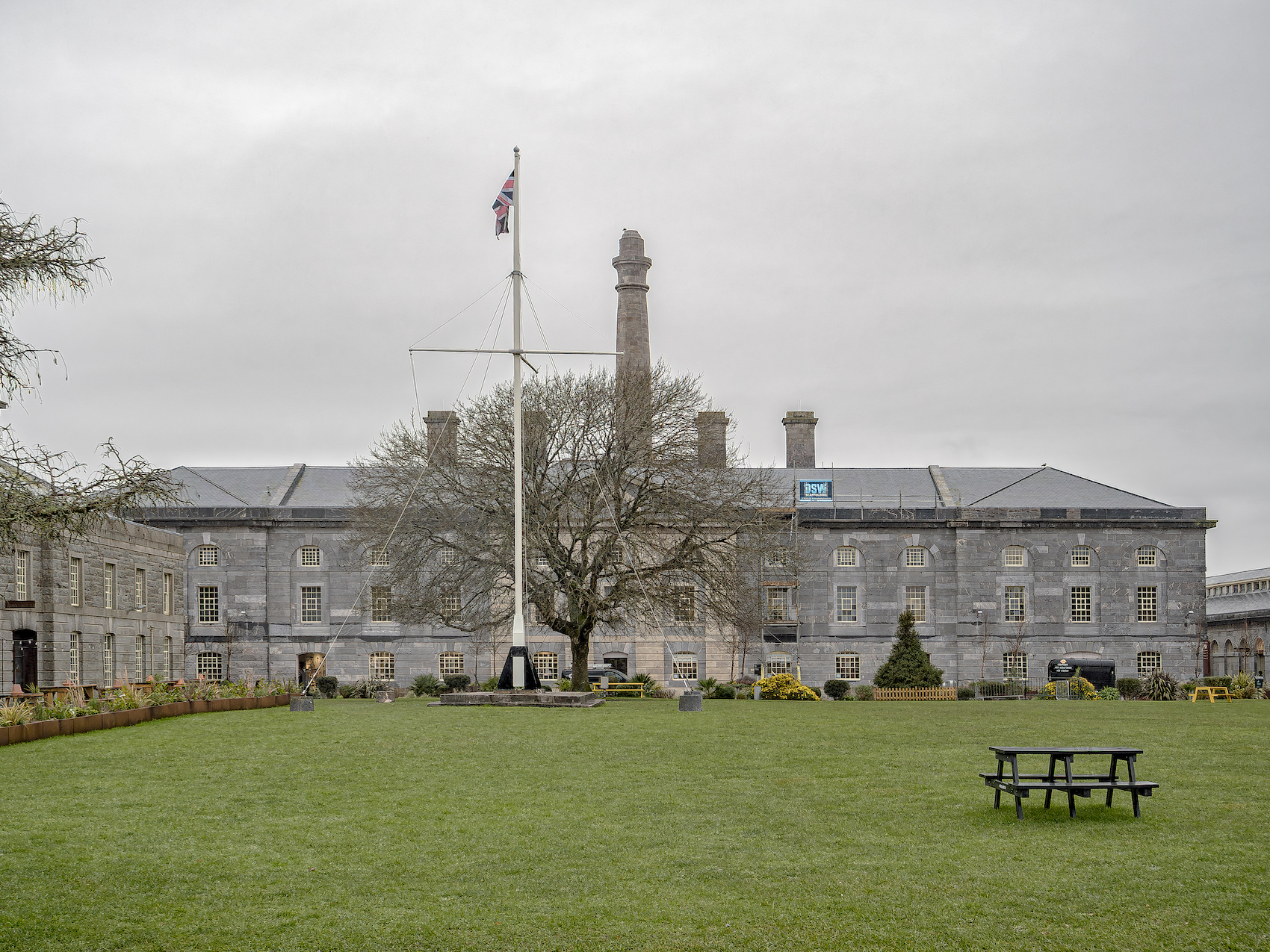
The grade 1-listed building measures approximately 60 meters square and is characterised by deep-plan spaces and thick stone walls.
Jonathan Falkingham It’s a peninsula site with dock buildings, and it’s about two miles from Plymouth City Centre. That’s quite typical of the projects we do – they’re not in the city centre; they’re just on the periphery. But whereas usually we’re looking at a collection of historic buildings that are nice but in tough locations where there’s a really negative perception; here we have an amazing collection of Grade I-listed buildings that are in an amazing setting as well. They’re right on the waterfront, looking out over the River Tamar and Plymouth Sound. They were built during the Napoleonic wars, to provision ships for the long term. Ships would come in here, stock up, and be out at sea for two to three years provisioned with this stuff. That’s an incredible history. It was designed and built by Sir John Rennie, and Napoleonic prisoners of war were used in its construction. The victualling side of the yard was fairly short-lived with the advent of canning. So when this was first constructed, everything was put into barrels: salted meats, dry biscuits – and all that kind of stuff. But at around the same time, canning had been invented, so it never fulfilled its original function. And from probably the mid 19th century right through to when it was finally vacated by the Ministry of Defence in about 1880, the yard was really just used for storing munitions and ships’ provisions.
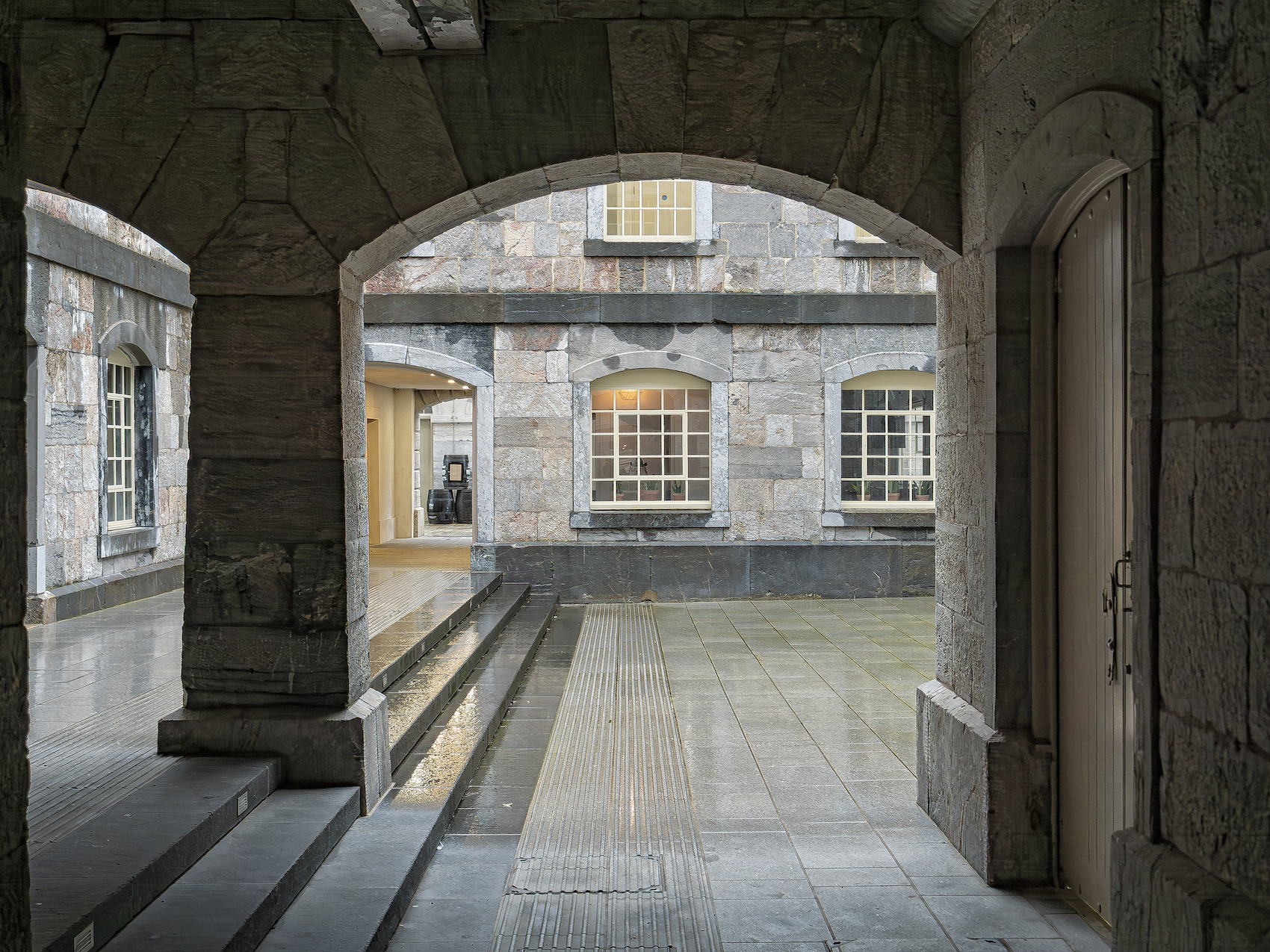
View looking into hard-landscaped courtyard space.
Jackie Gillespie I’ve been very fortunate to work on Royal William Yard for the last 25 years, and Mills Bakery was one of the most important projects. It was a microcosm of everything that we wanted the Yard to be: a multi-use regeneration project that had everything from live/work to retail, restaurants and offices. It was a challenging building, which already had a £10m deficit, and it was offered to Urban Splash on the basis that they could make it stack up.
Jonathan Falkingham Most developers look through a lens of what they ordinarily provide. A residential developer might take the view that it’s one- and two-bed apartments. A retail developer will say it’s a retail project. A commercial developer will look at an office scheme. We don’t start there at all. We actually go and look at the buildings and the location, and first of all decide whether we really like the site or not and, and are we excited about it. And if we are, then we take it a further step and say, “What’s the art of the possible here? What kind of things could we do?” And through that process, we start to imagine a broad range of users. It’s a really complicated building; about 60 meters square and deep plan everywhere, with two small lightwells in the centre of the plan. So how do you get a program of uses into this deep-plan building that really knit well together? The easy thing is to get active ground floor uses – the restaurants and the cafés. It’s great to get apartments on the upper floors, and that’s fine when you’ve got windows and views out to the Tamar, but there’s all this deep-plan space as well. The two central lightwells are helpful in introducing lighting to certain areas, but there are very few windows.
Jackie Gillespie We had these single-aspect apartments. We grouped all the kitchens, shower rooms, bathrooms and utility spaces right in the centre of the plan with high levels of extract, and we let the historic building fabric be read as part of the living spaces and bedrooms. So whichever apartment you walk into, whether it’s a micro-apartment or a penthouse, it has the same set of components and the same historic features. We used sliding screens to allow light to filter back through the spaces, but we still ended up with a one-bed apartment with only one window, and two-bedroom apartments with a bedroom without a window. It was quite challenging, both to design it, and then to expect people to buy the apartments – particularly in Plymouth at that time.
Jonathan Falkingham The buildings themselves are very strong, and the architecture really needs to be respected. And that basically means that if you are saying, “Well, what we do is a 50-square-metere, one-bed flat, or a 75-square-metre, two-bed flat” – it doesn’t work unless you really butcher the buildings. What we had to do is work with the buildings; really understand them and work with the grain of them. We had a whole range of structural issues and grids to work with, and we had to make sure every apartment and office and retail space made the most of the existing buildings. The fact that none of the spaces are standard actually works for us as a developer, because what we’re selling to our customers is the quality and the heritage and the charm of the buildings. All over the site, we’ve retained existing structure, be it the stone walls, the cast iron columns, the timber beams – that’s all part of what we’re selling to our customers.
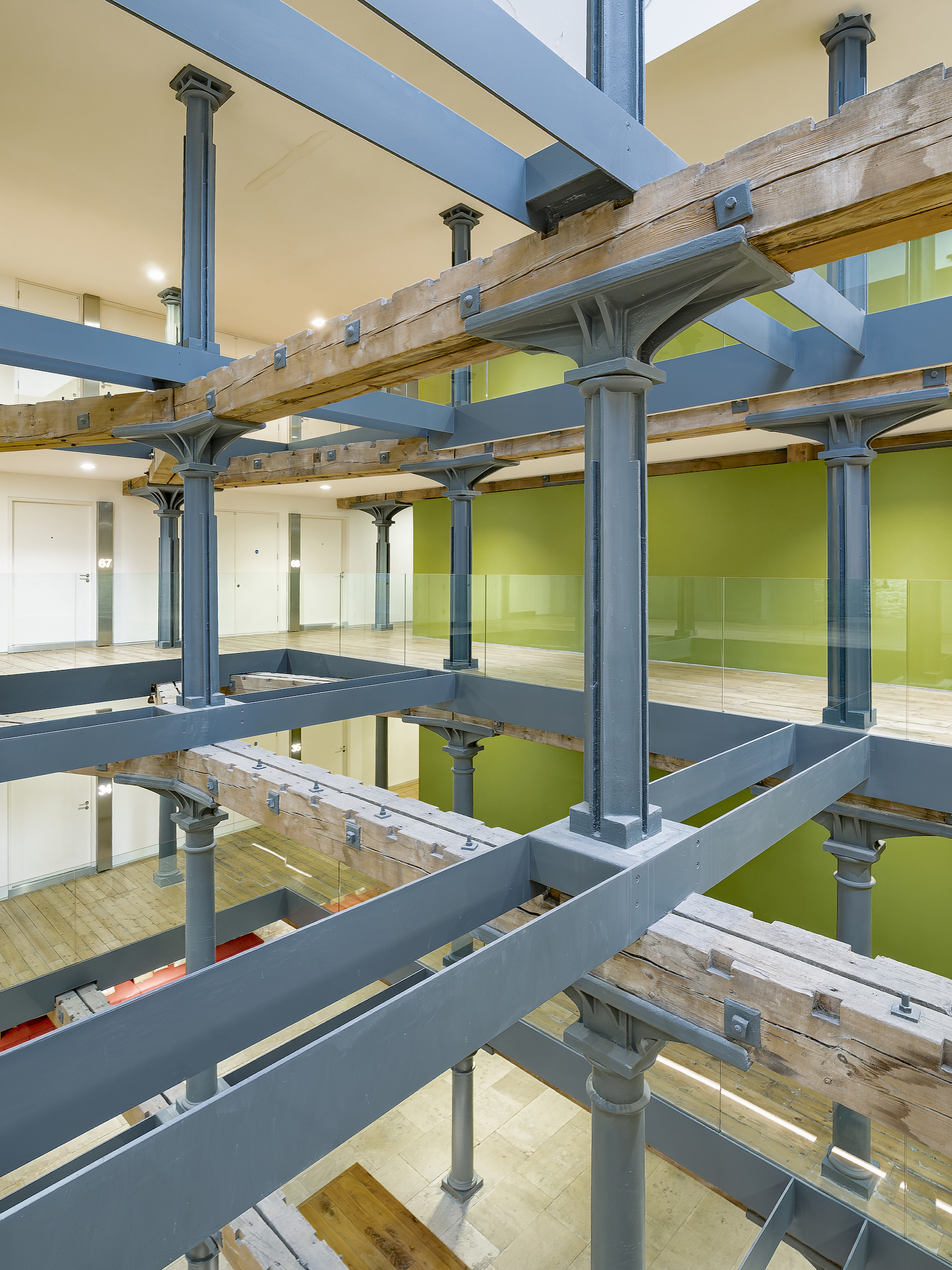
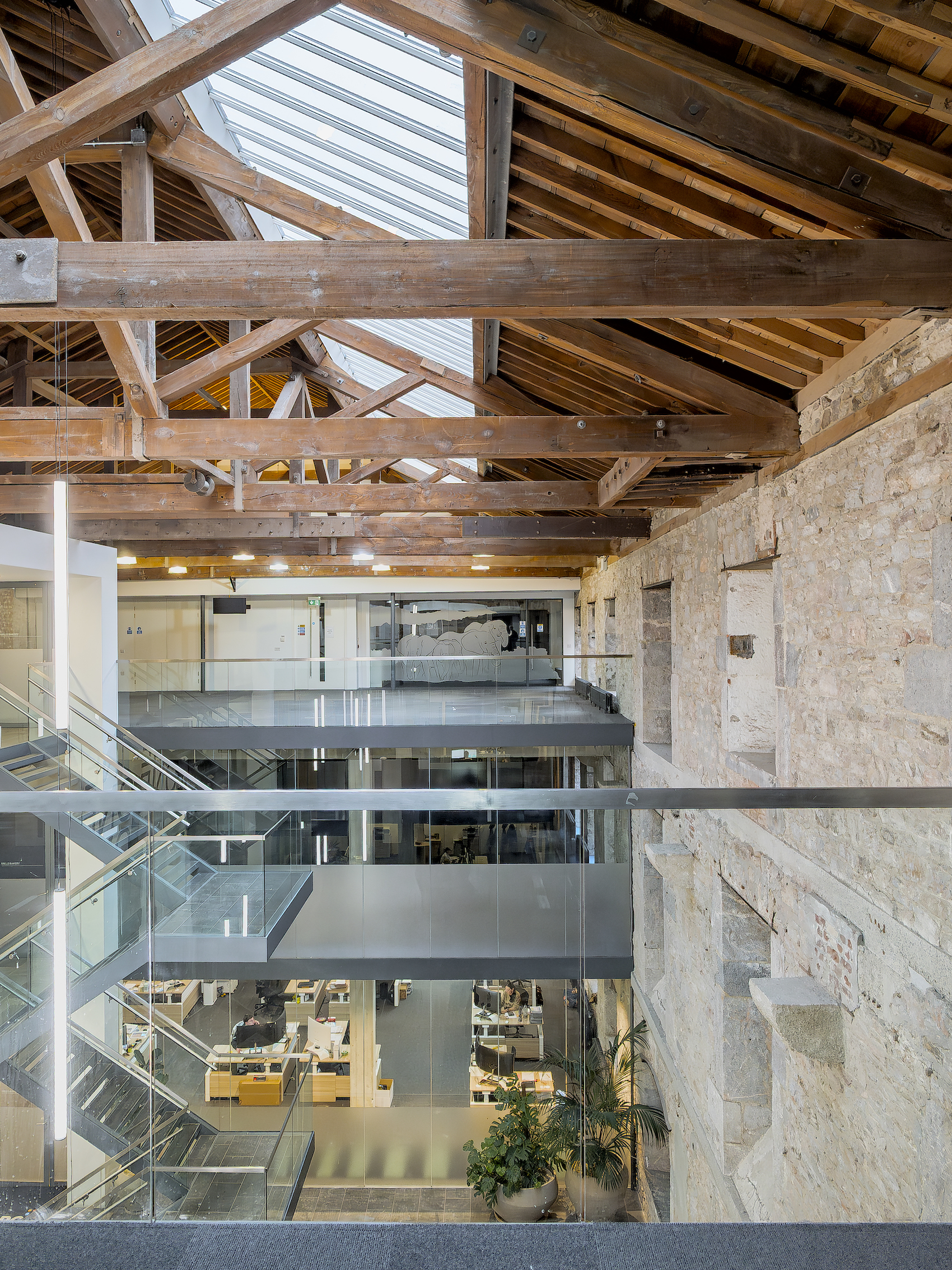
Left: The atrium serving the residential units showcases the existing grid of cast iron columns and timber beams.
Right: Lightweight steel floors and stairs, together with glass balustrades, articulate the office atrium and contrast with the surrounding masonry and timber structure.
Jackie Gillespie It was really important for us to work with the existing fabric in a positive way. The huge opportunity was to retain all the fabric – the timber and the iron and massive stone walls – and not to try and cover it up, but instead actually look at how those stone walls performed. There wasn’t money to upgrade it, and in any case Historic England wouldn’t let us. But actually what we found was that the stone had huge thermal mass and heat retention, and if you heated the buildings to a certain level, with radiators under the cast iron lintels and the single glazing, it worked really well. The stone walls are obviously getting wet and dry, but they’re always dry on the inside, because you’re creating a kind of air curtain there, and I’m proud to say that the apartments are all naturally ventilated.
Jonathan Falkingham There were a lot of challenges around heritage. When we took the site on, all the buildings were scheduled monuments, so we had to have a conversation to get them downgraded to Grade I. We worked closely with Historic England to make sure we had a clear strategy that really respected the existing building, while introducing residential, commercial, retail and food and beverage uses in an engaging and interesting way.
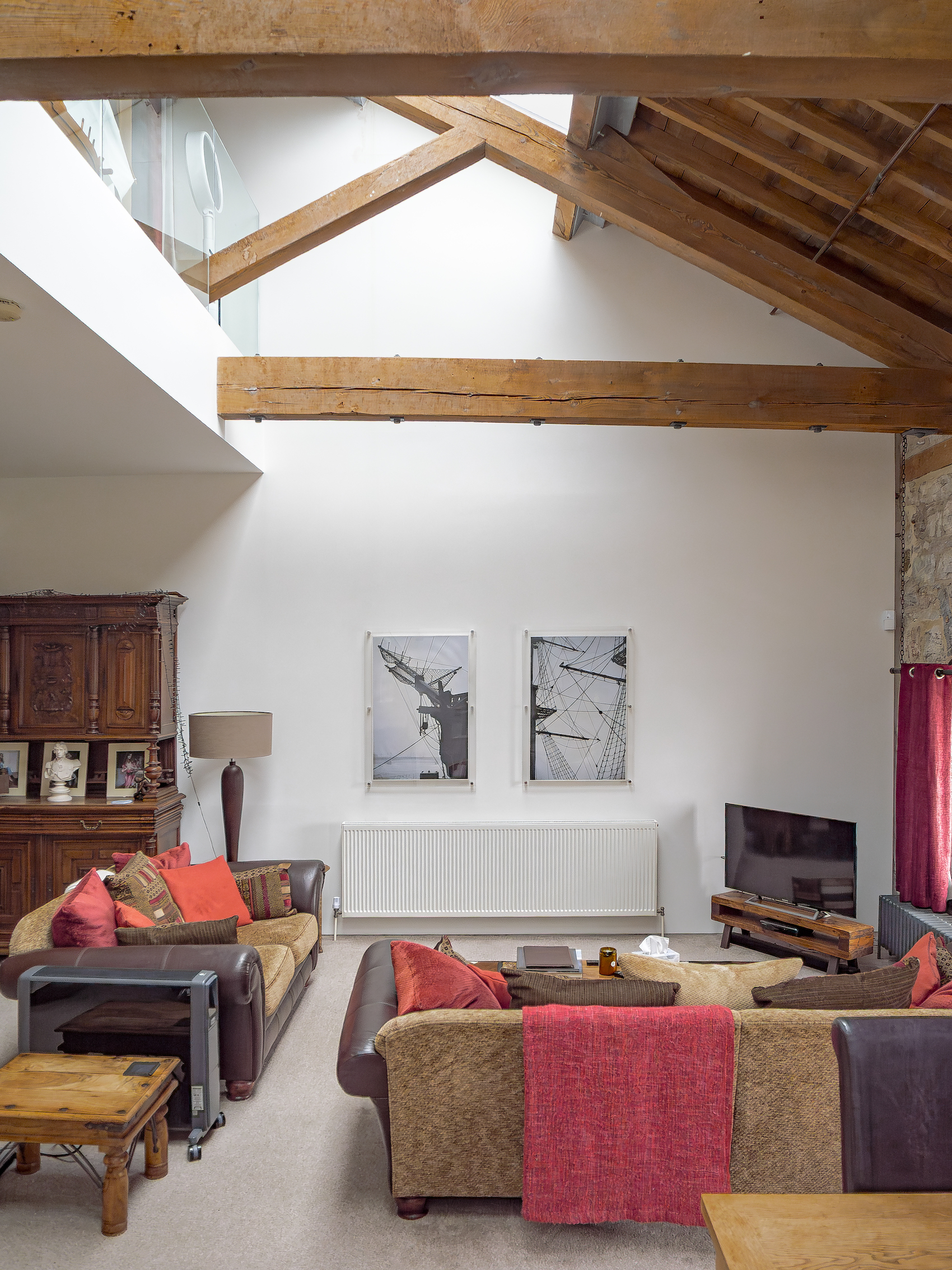
Left: Living space with mezzanine bedroom above. All the apartments utilise the same set of components and historic features, irrespective of their type and size.
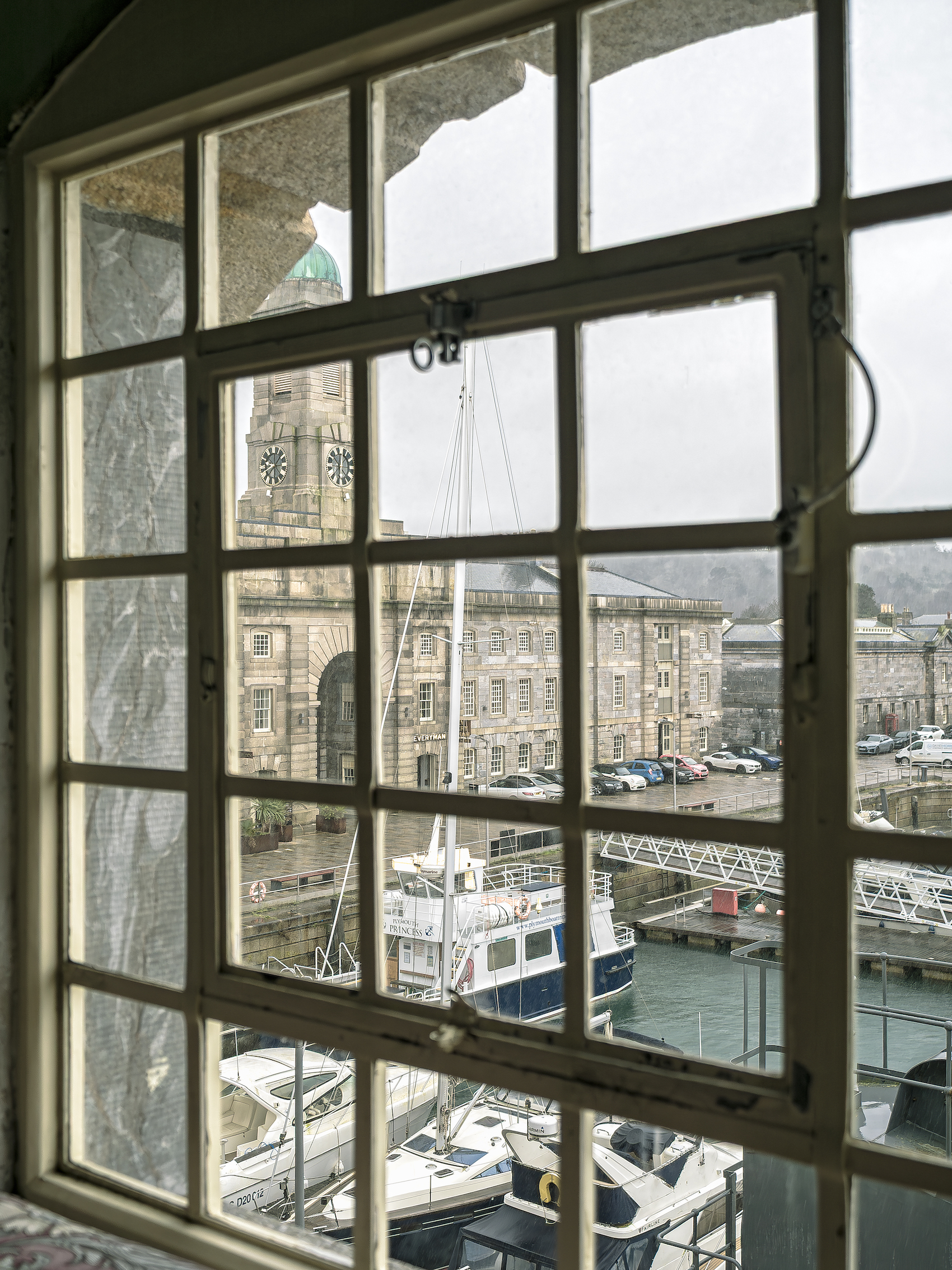
Right: View looking out over the historic dockyard. All the apartments are naturally ventilated, and the thick stone walls provide excellent thermal mass.
Jackie Gillespie There were challenges in terms of servicing. We weren’t allowed to put any penetrations through the external walls, so anything we did had to go through the roof space above the offices or through the chimney. So we installed a district heating system. The idea was that there was going to be a combined heat and power system, so everything runs off this district heating system, which, hopefully, will link up with the Plymouth Heat Network soon. Sir John Rennie, who designed the original buildings, was obsessed with fire, and rightfully so; Mills Bakery had about five fires prior to us getting involved in it, which burnt out huge holes and lost a lot of the structure. We worked with really good fire engineers who came up with solutions that saved money, but also allowed us to have fully open-plan office spaces, atriums and work spaces. Both the residential and the commercial office spaces have these large atriums that bring light down from above to illuminate the surrounding darker spaces. We made an atrium in the area where the bakery used to be. It had lost all its original timber and cast iron structures, and had these massive concrete slabs that had been installed. We cut them out and made a great big hole through it, bringing huge amounts of daylight from the rooflights down into the area. It’s an amazing space.
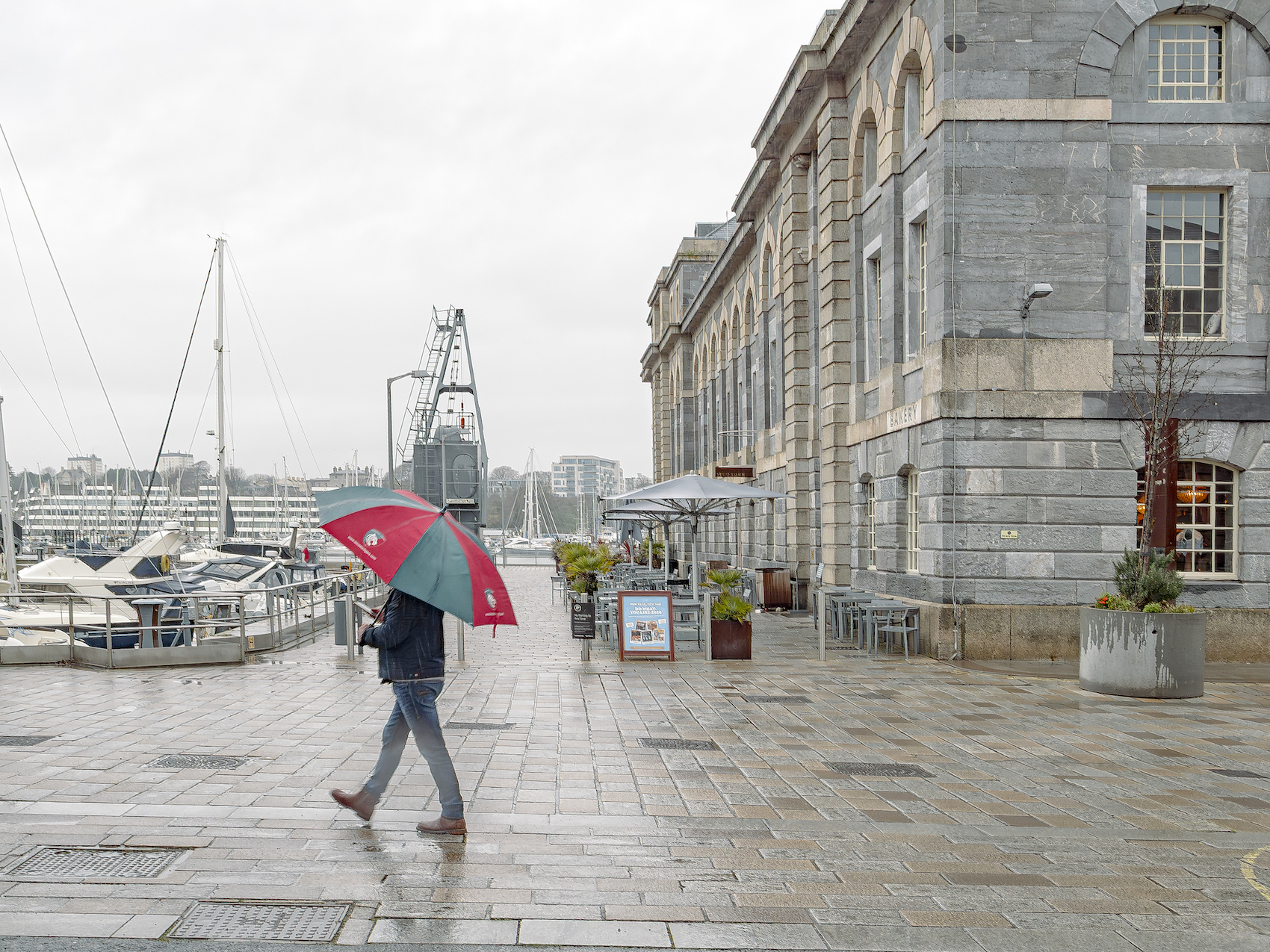
Dockside view looking towards a corner restaurant and outside seating area. Events are programmed throughout the year to encourage building occupants and visitors to engage with the wider site.
Jonathan Falkingham It would’ve been very easy just to say this was a residential enclave, do lots of apartments, and make it fairly private. But it’s such a significant bit of history for the city, for the region, and for the nation that the long-term objective was to make sure that it was properly on the map and a really important destination for Plymouth and for people to visit. We spend a lot of time and effort programming events and outdoor uses. There are things going on all year round: a carnival, markets, outdoor theatre. The site’s on the river – on The Sound – so we engage with the water as much as possible. We’ve got paddle boarding clubs. We’ve got an amazing basin that we encourage people to come and use. Five or ten years ago Lonely Planet had Royal William Yard as one of the top ten places to visit in the UK, because of the wide range of things going on there.
Jackie Gillespie Working with Historic England was extraordinary. Working with Urban Splash was extraordinary. We felt we were right at the cutting edge of regenerating an important Grade I historic building, both in terms of the conservation works that had to be done, and also being really creative about the mix of uses. It’s full of interesting businesses now. And we’ve got a really strong live work community. I go back into the apartments occasionally and you see that people are proud of them and really look after them. We’ve got people living in penthouses and people living in micro apartments and working in the office spaces. We’ve got really quirky, interesting, retail. We’ve got a brewery. The building seems to be able to adapt to any use, which I think gives it its longevity. It’s great to be able to celebrate its history as it turns 200 years old.
Test of Time Awards 2026
Do you have a project that’s continued to perform well after completion? If so, the AT Test of Time Awards are for you. Start your entry here.
Other finalists in this category:
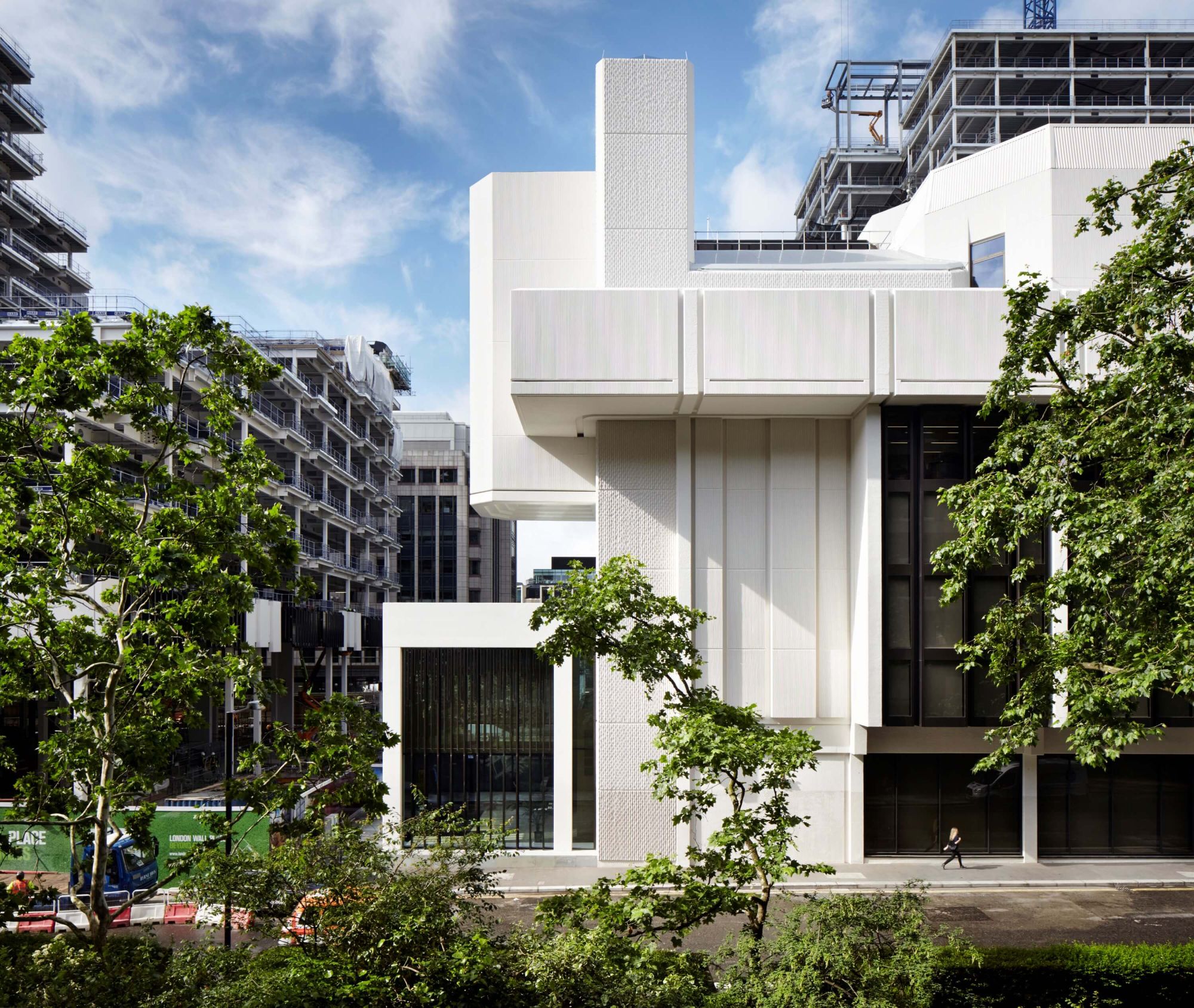
Salters’ Hall by dMFK