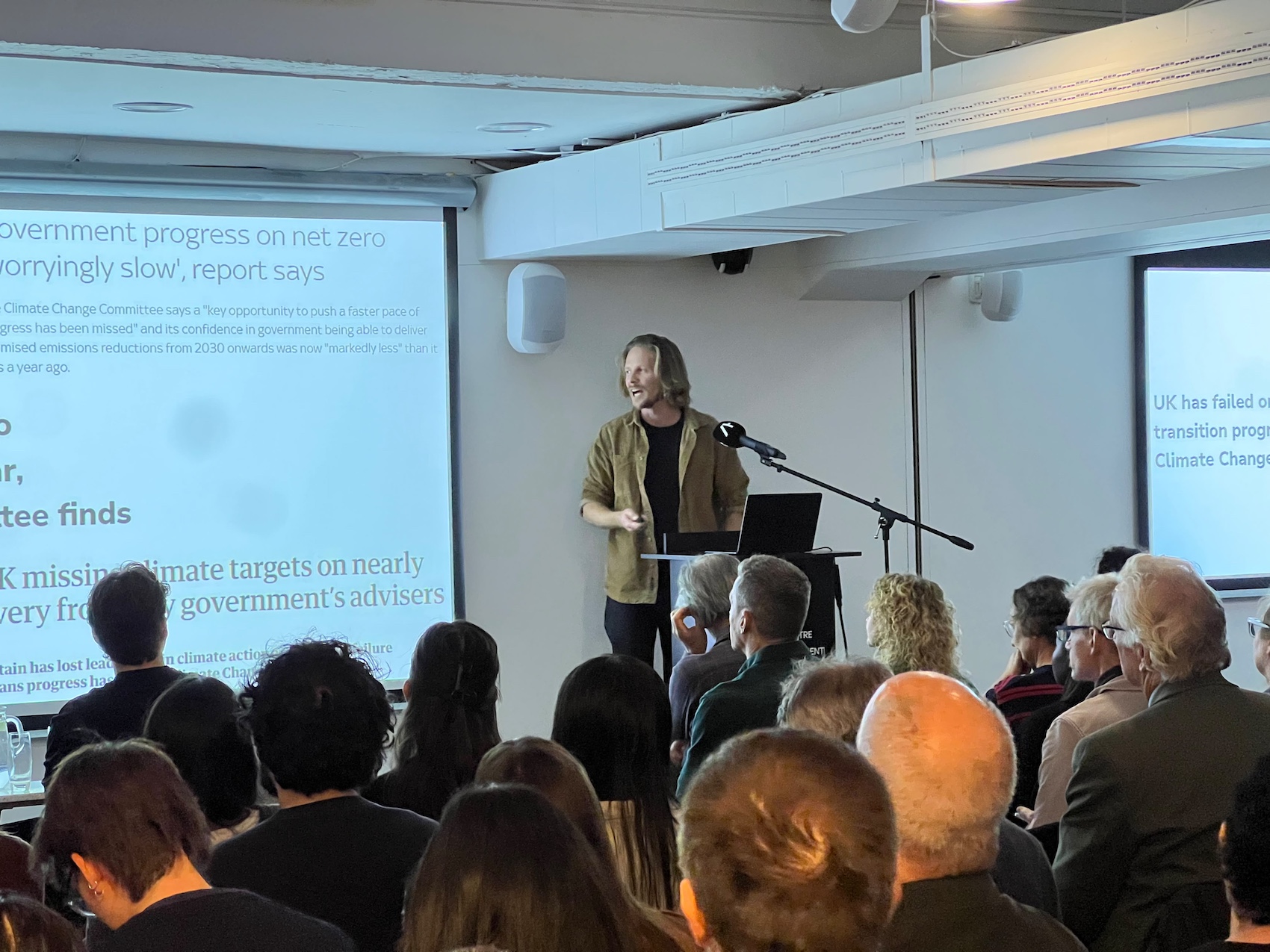
Opening Regenerative Design 2026, Elora Hardy, founder of IBUKU, argues that regenerative practice begins by leaning to unlearn, and question the assumptions designers have inherited.
Regenerative design demands more than better-performing buildings. It asks architects, engineers, manufacturers and clients to reconsider the systems that shape the built environment, the assumptions embedded in those systems, and the relationship between human activity and the natural world.
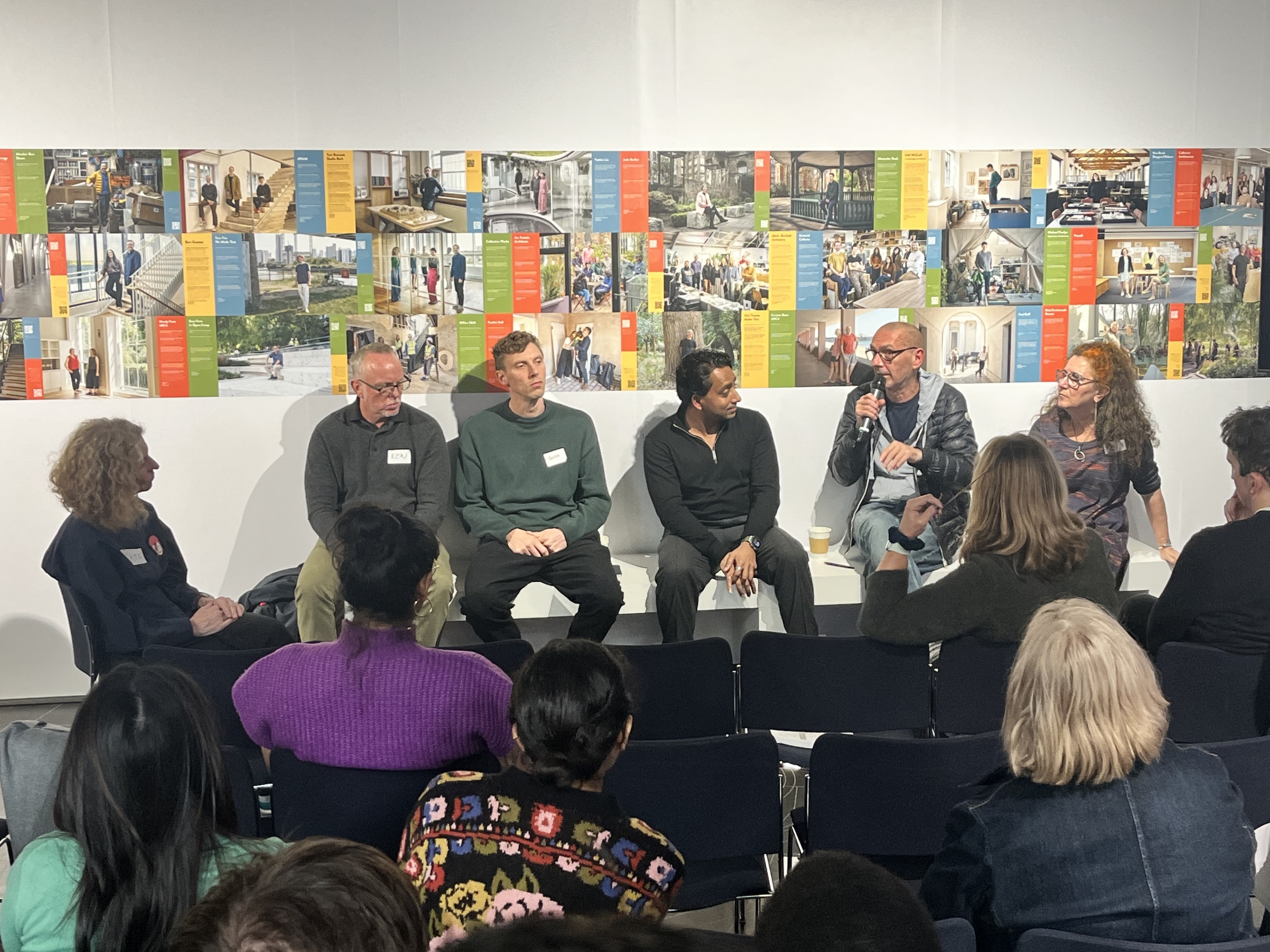
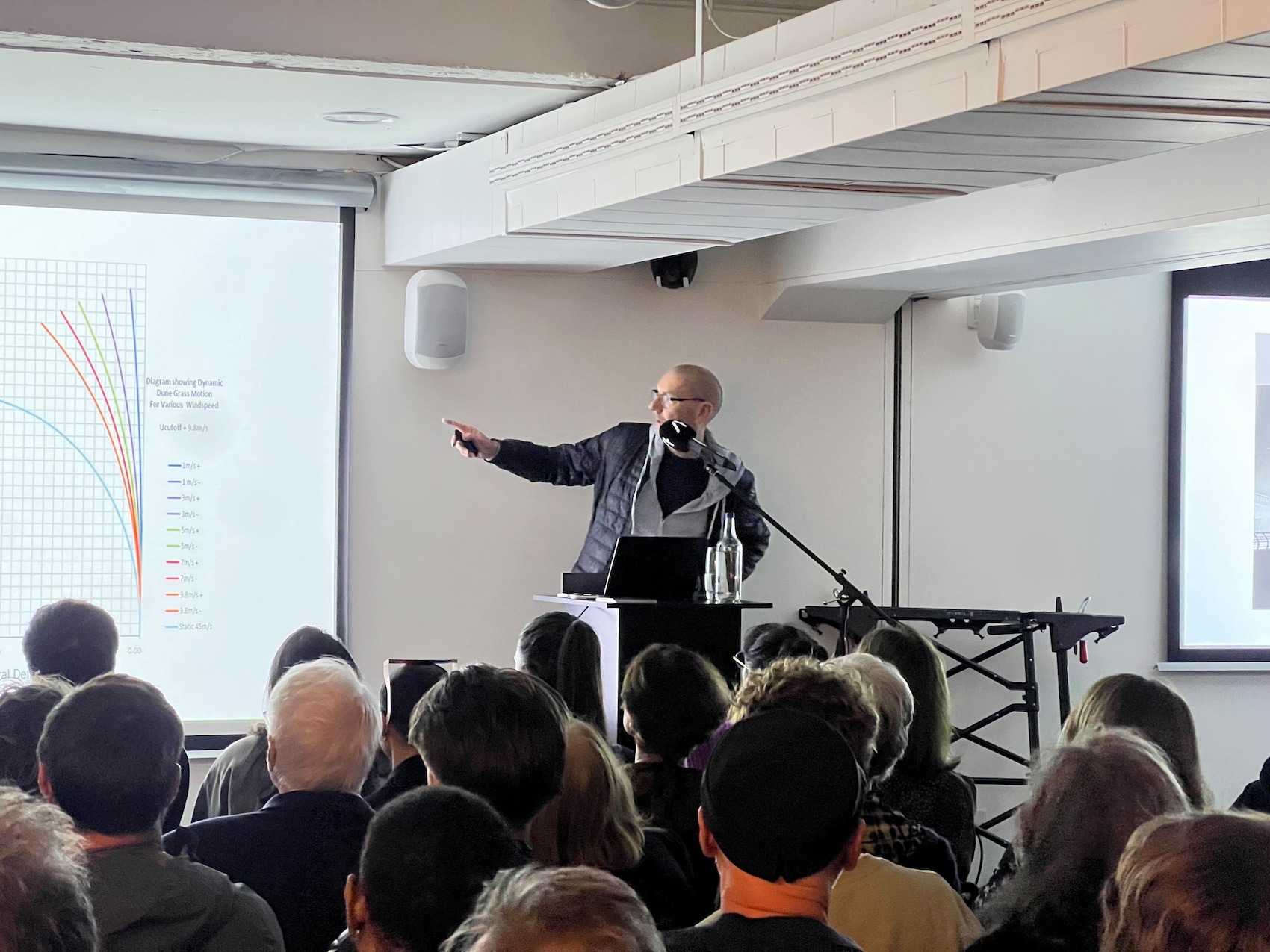
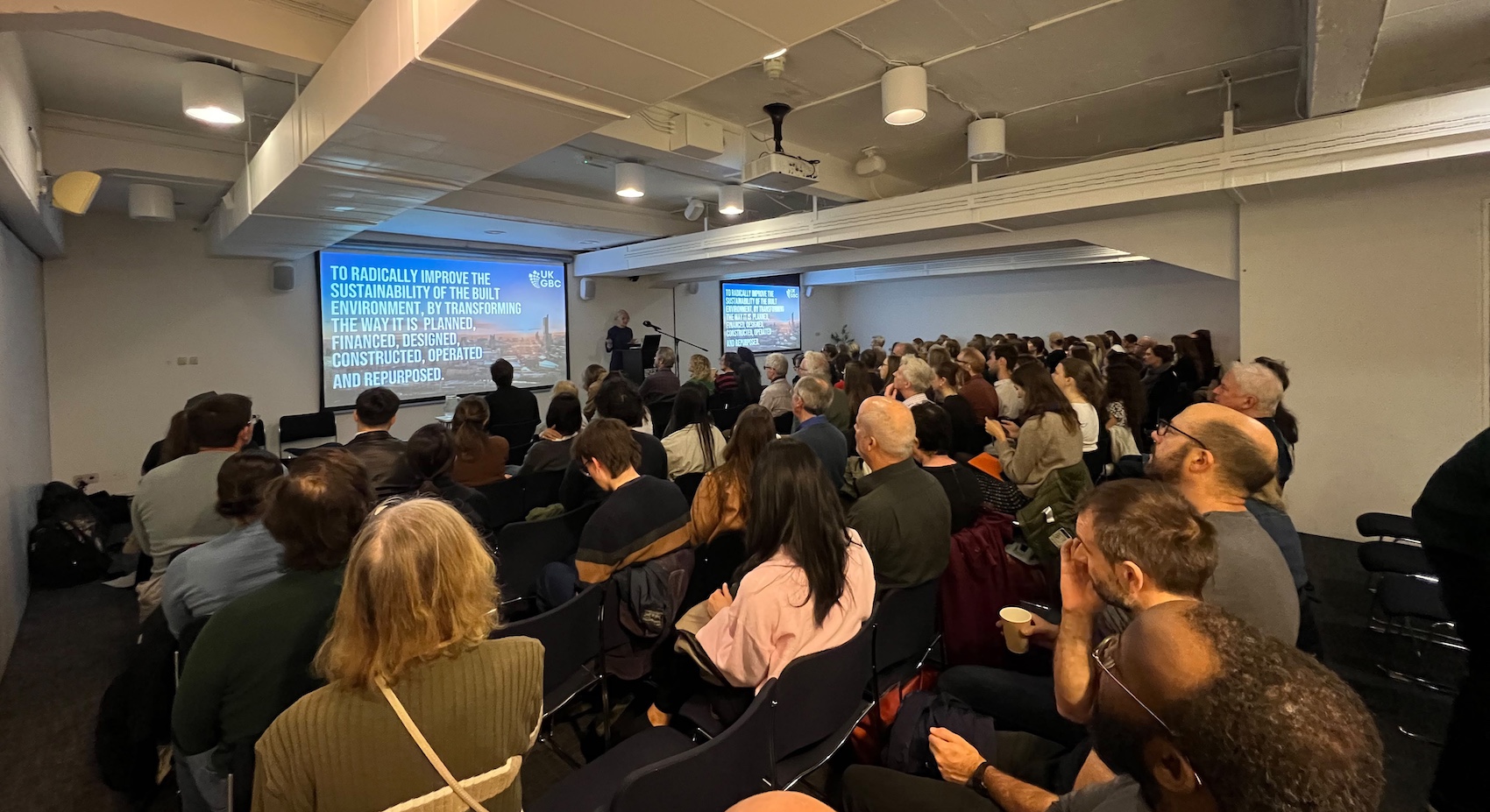
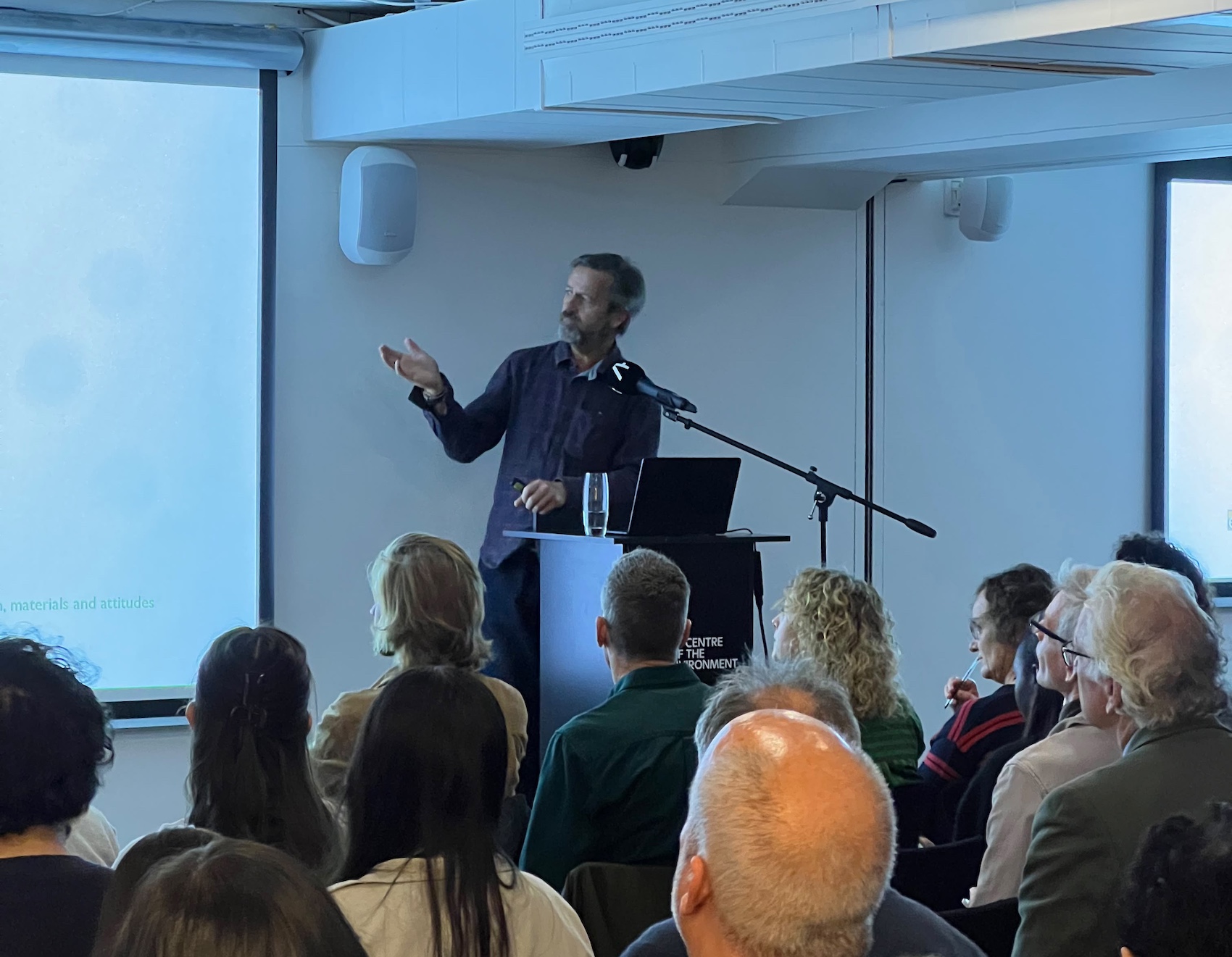
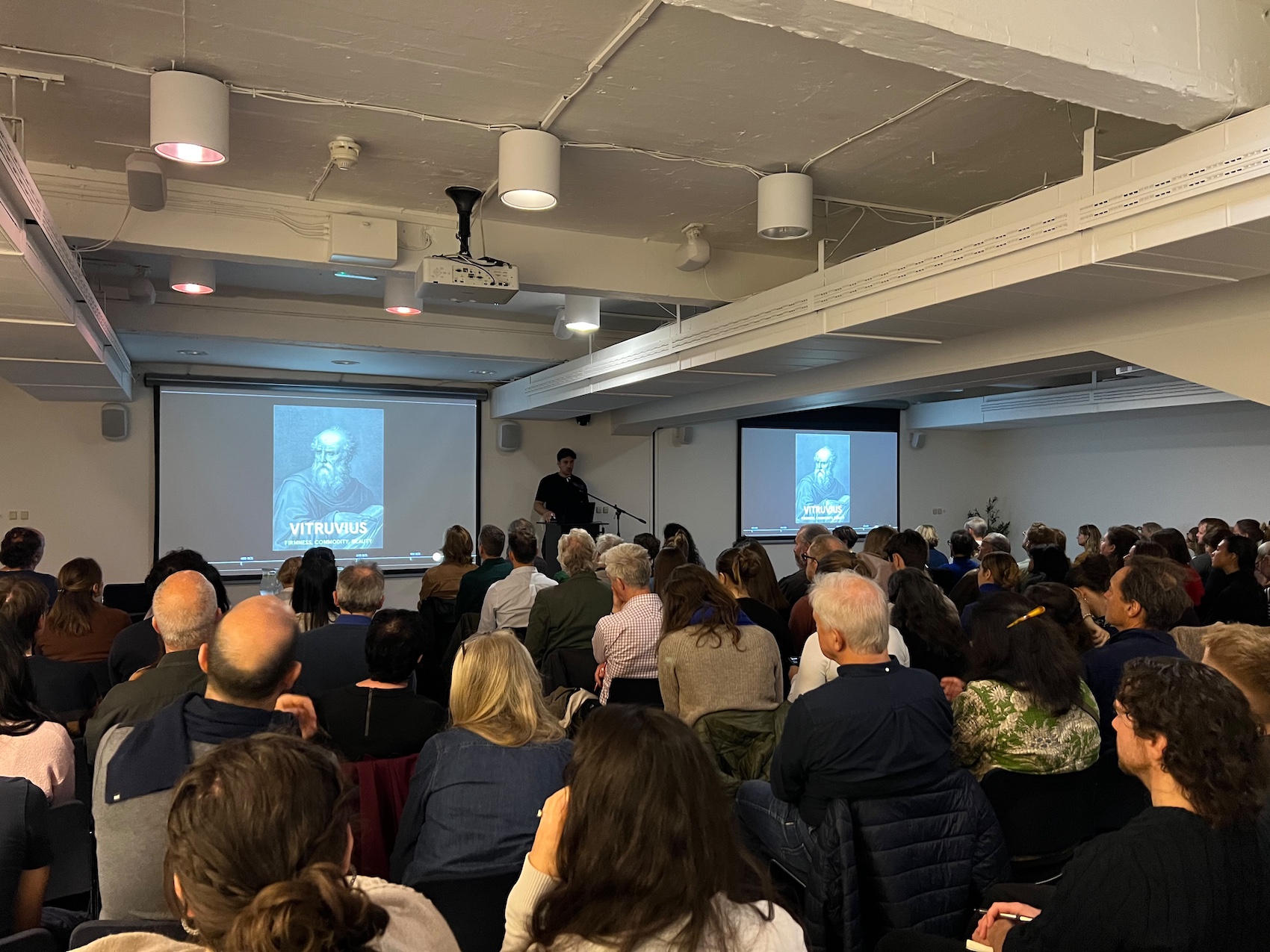
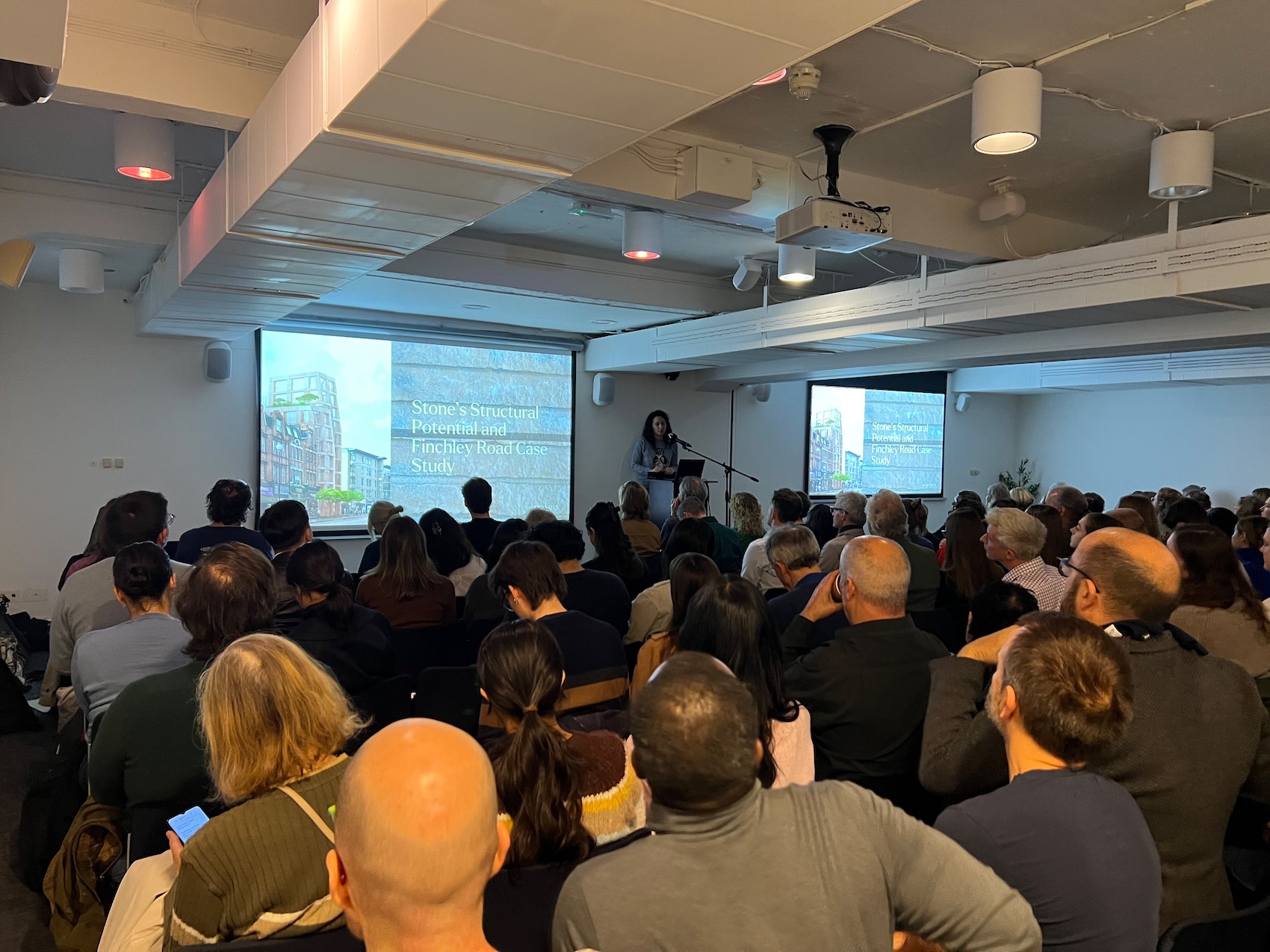
That was the starting point for Paradigm shift: a new mindset for a regenerative world, the opening event of Regenerative Design 2026 at the Building Centre. Across a keynote from Elora Hardy, and a series of talks, six speakers approached the question from different directions: materials, engineering, policy, supply chains, biodiversity, regulation and the culture of design itself.
Learning to unlearn
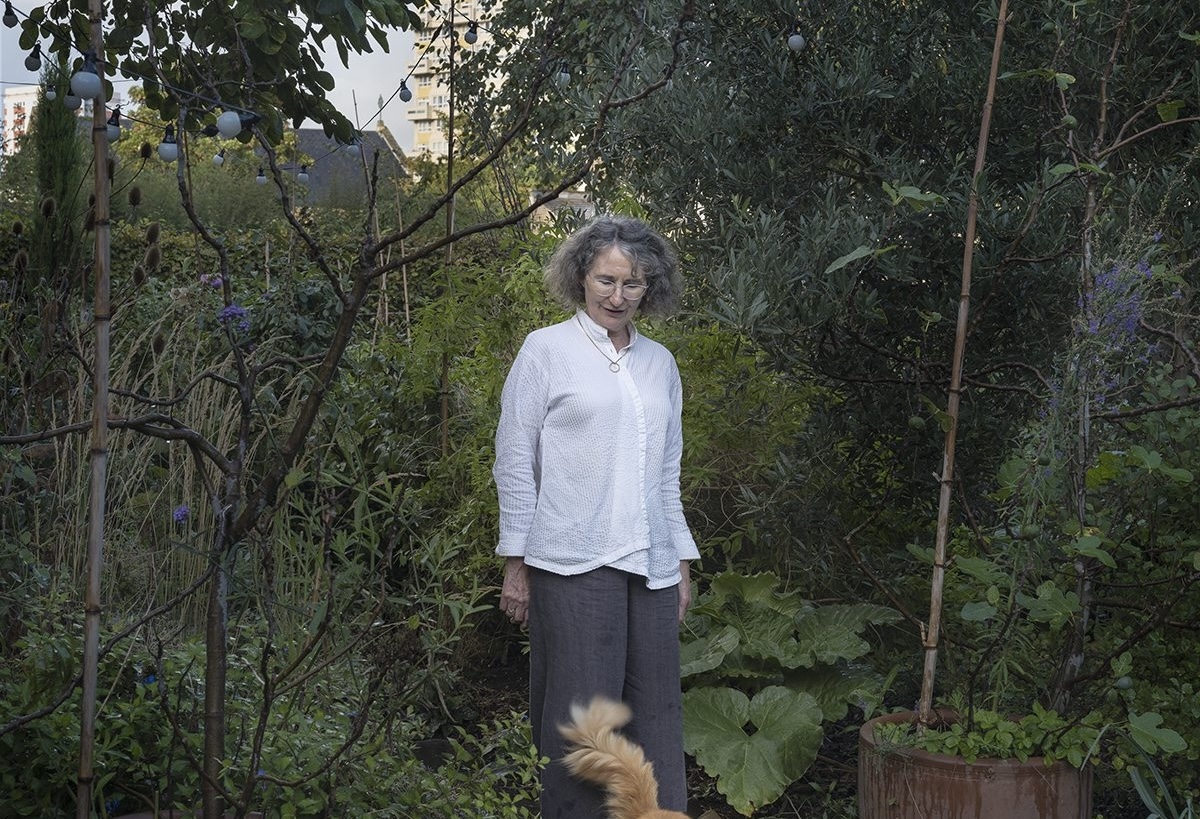
Opening the morning, IBUKU founder Elora Hardy argued that regenerative practice begins by questioning the assumptions that designers have inherited.
“We inherited a way of building that treats land as a canvas to paint on. How do we unlearn that?” she asked.
Hardy described her own work with bamboo as a long process of learning from a material and from the ecological and cultural systems around it. “I have been a bamboo student and a bamboo servant. It’s really about the roots of humans and nature, and what we need and how we want to interact.”
The deeper challenge, she suggested, is a worldview that positions people outside the natural systems on which they depend. “We have built an entire material culture on the assumption that humans are separate from nature. We manage it, we design on top of it, protect ourselves from it.”

Launched by Architecture Today, Regenerative Design 2026 is a month-long programme of exhibitions and events that takes place at the Building Centre throughout October 2026.
Paradigm shift: A new mindset for a regenerative world was delivered in partnership with Heidelberg Materials UK.