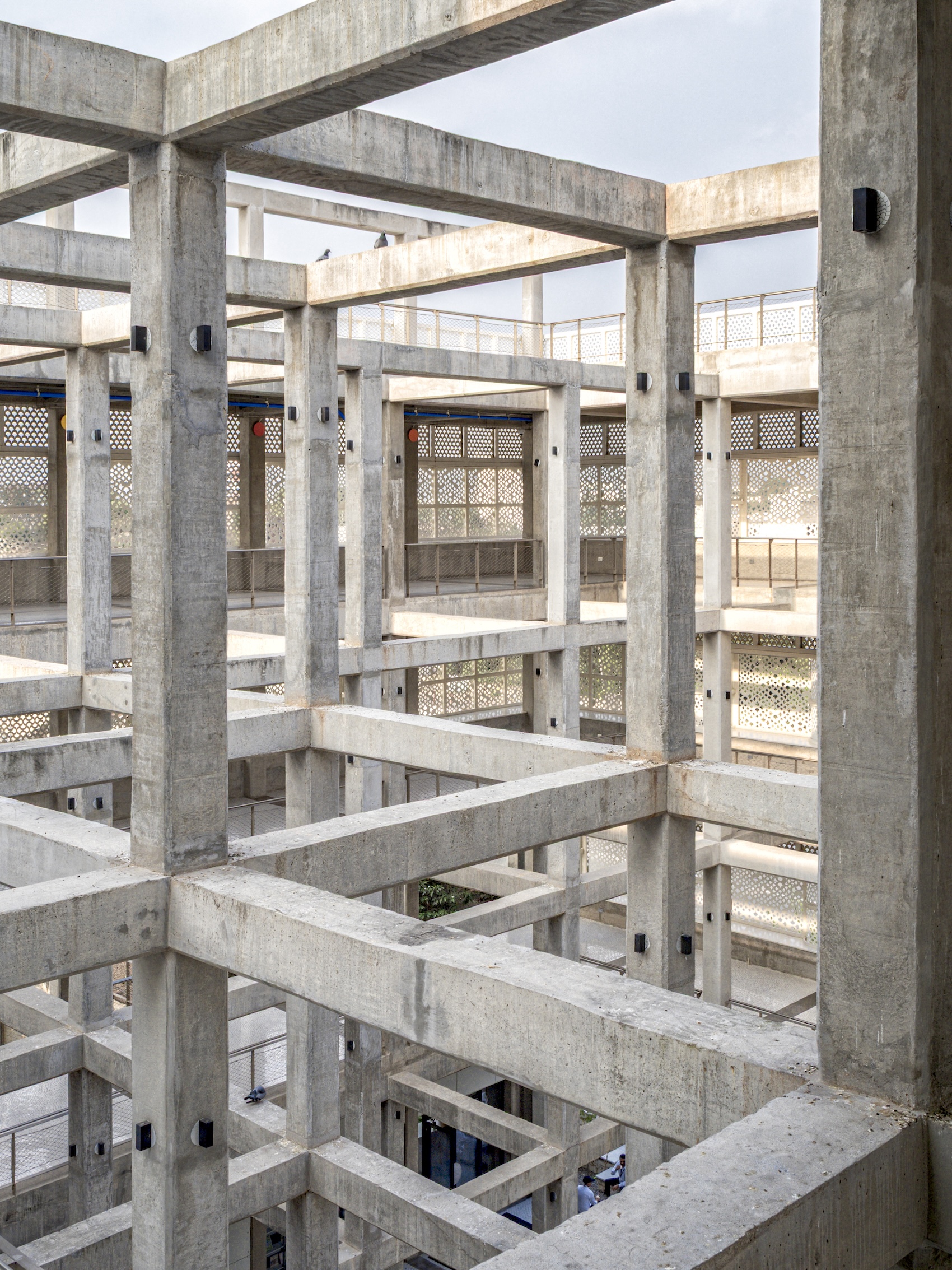
Photographer Timothy Soar shares his photographs – and his impressions – of Third Space in Udaipur by Studio SAAR, a vibrant cultural and educational hub born from the belief that communities deserve places of aspiration, not as a luxury, but as a birthright.
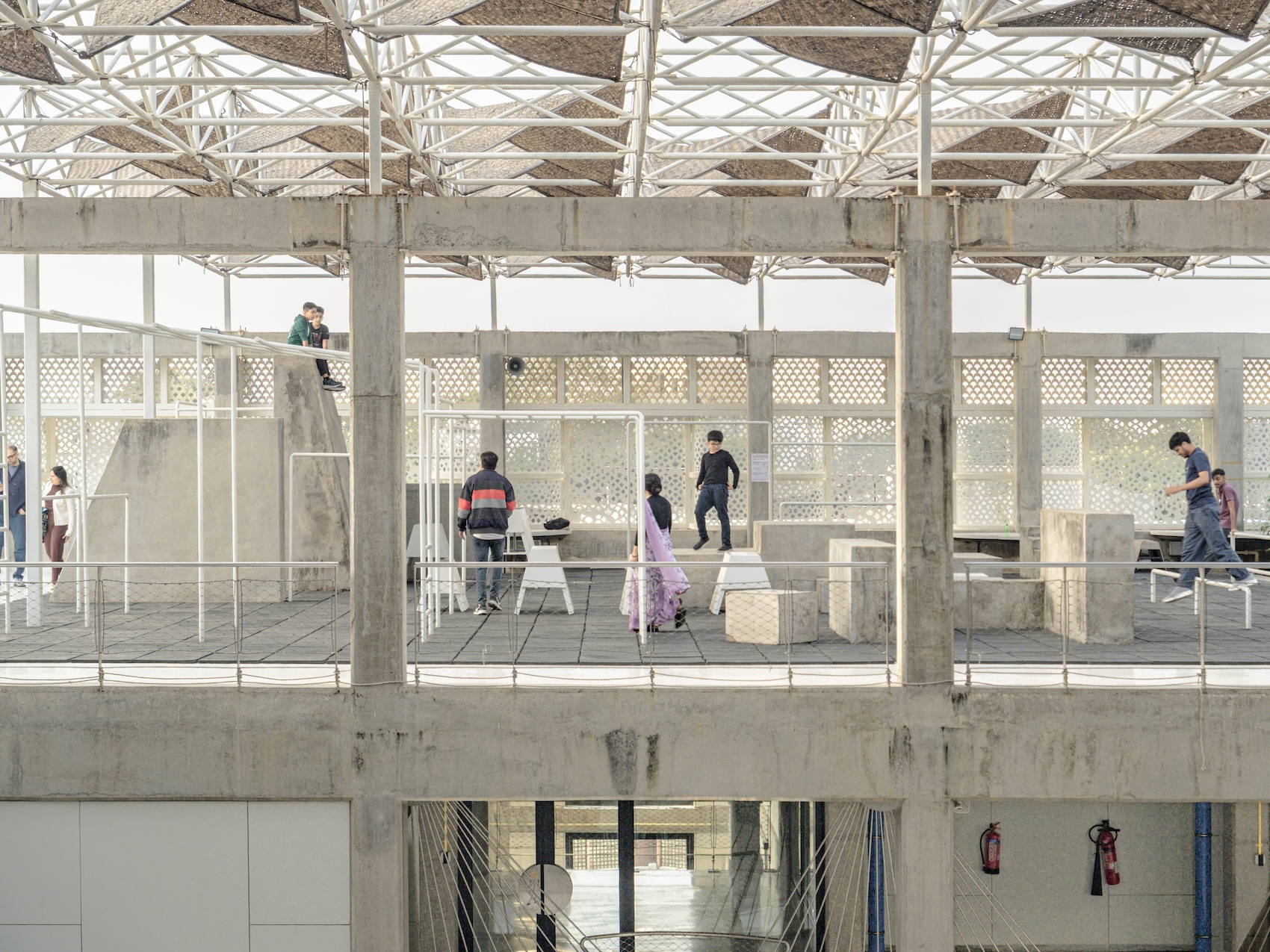
There are buildings that stand in the world, and there are buildings that change the way the world stands. Third Space in Udaipur belongs firmly to the latter: a work of transformative architecture, born from the quiet, stubborn belief that communities deserve places of aspiration, not as luxury, but as birthright.
I arrived under that unmistakable Indian light: soft, rinsed, diffused through dust and sky, a kind of luminous generosity that grants every surface its own interior life. It is a light that forgives nothing and reveals everything. A gift for the camera, a challenge for the photographer. You can frame a façade, but you cannot fake comprehension; photography in this context demands rigour, patience, and an honest reckoning with what stands before you. The lens becomes a form of inquiry, not about buildings alone, but about intent, consequence, and courage.
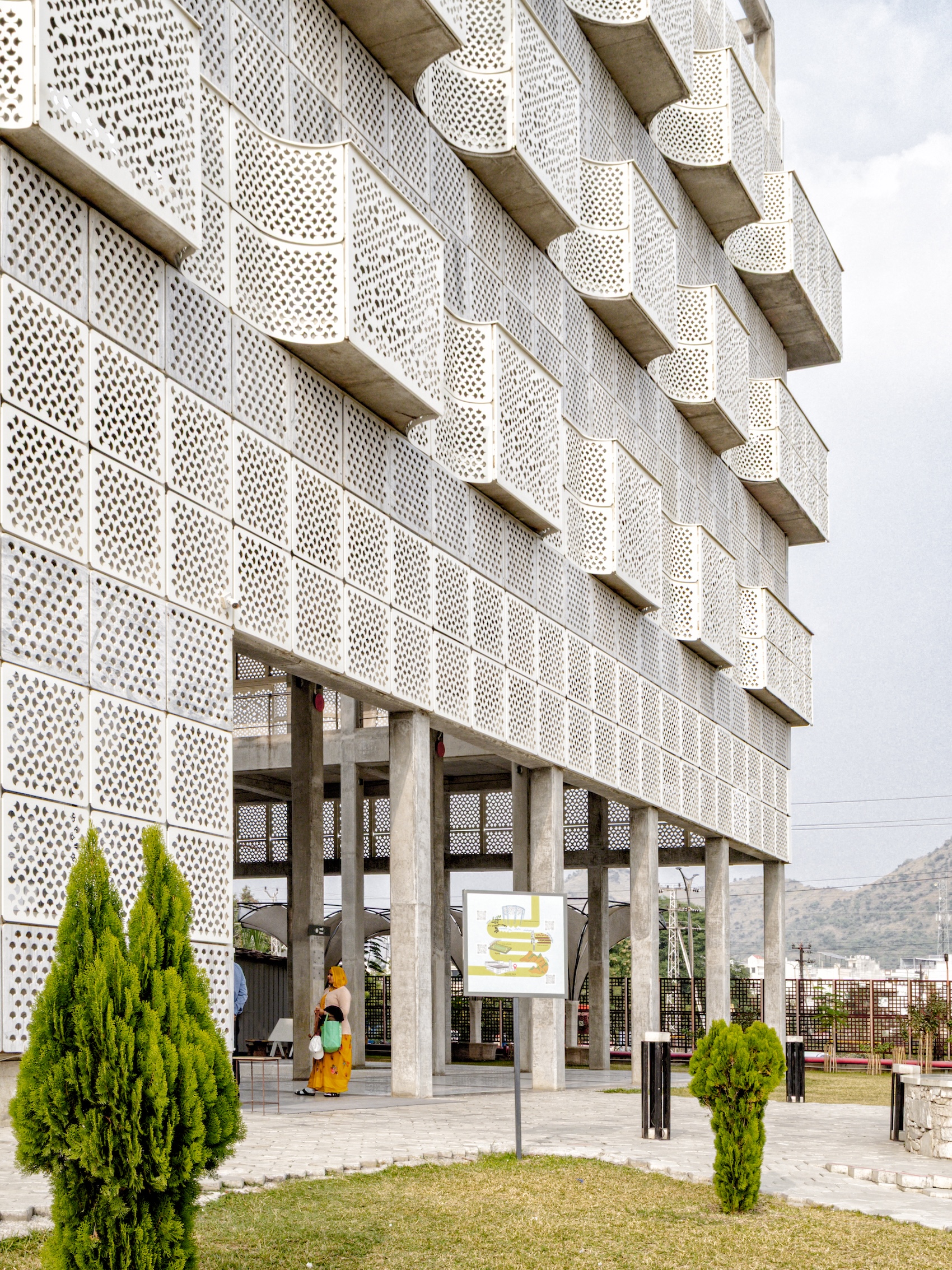
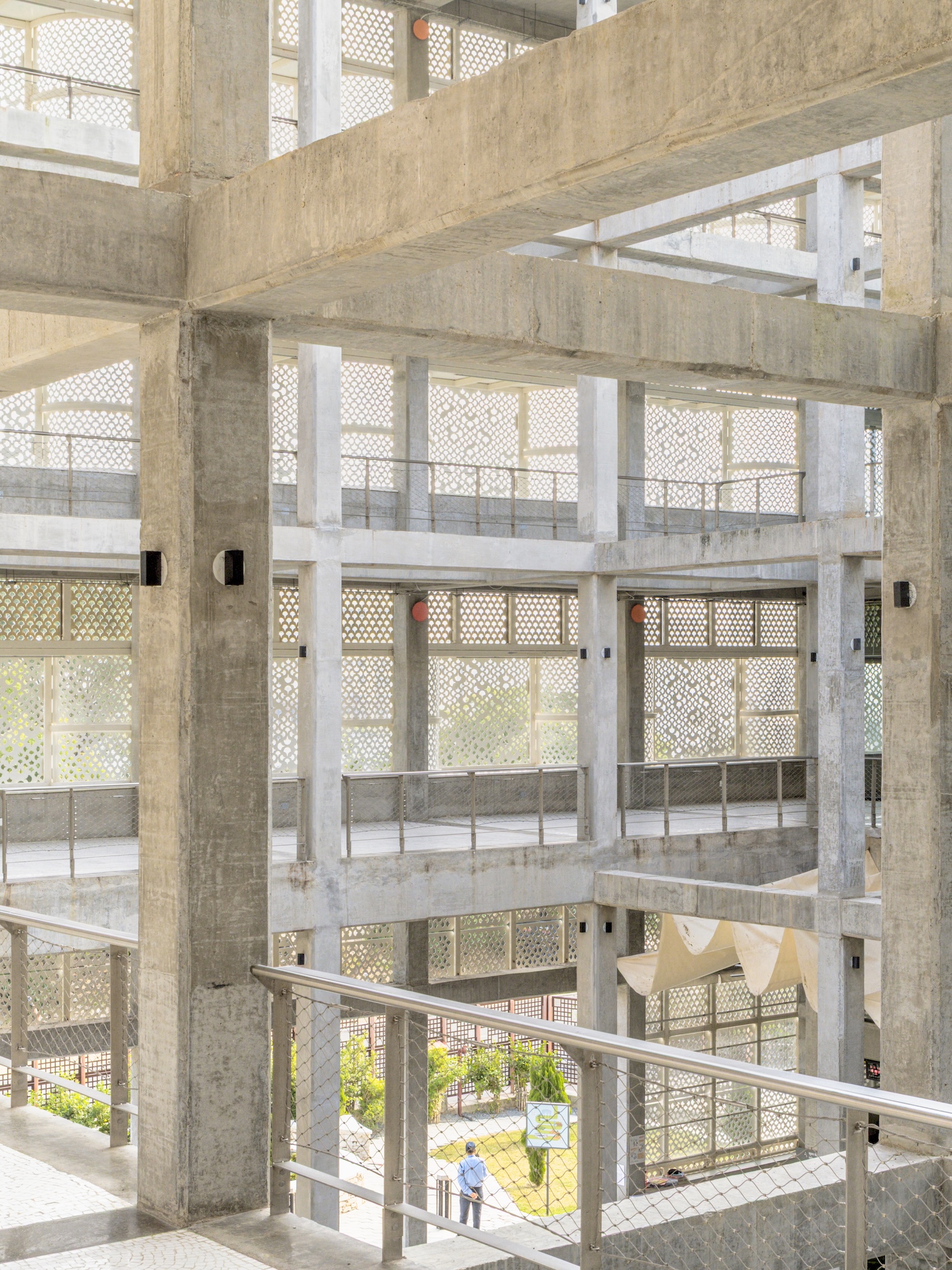
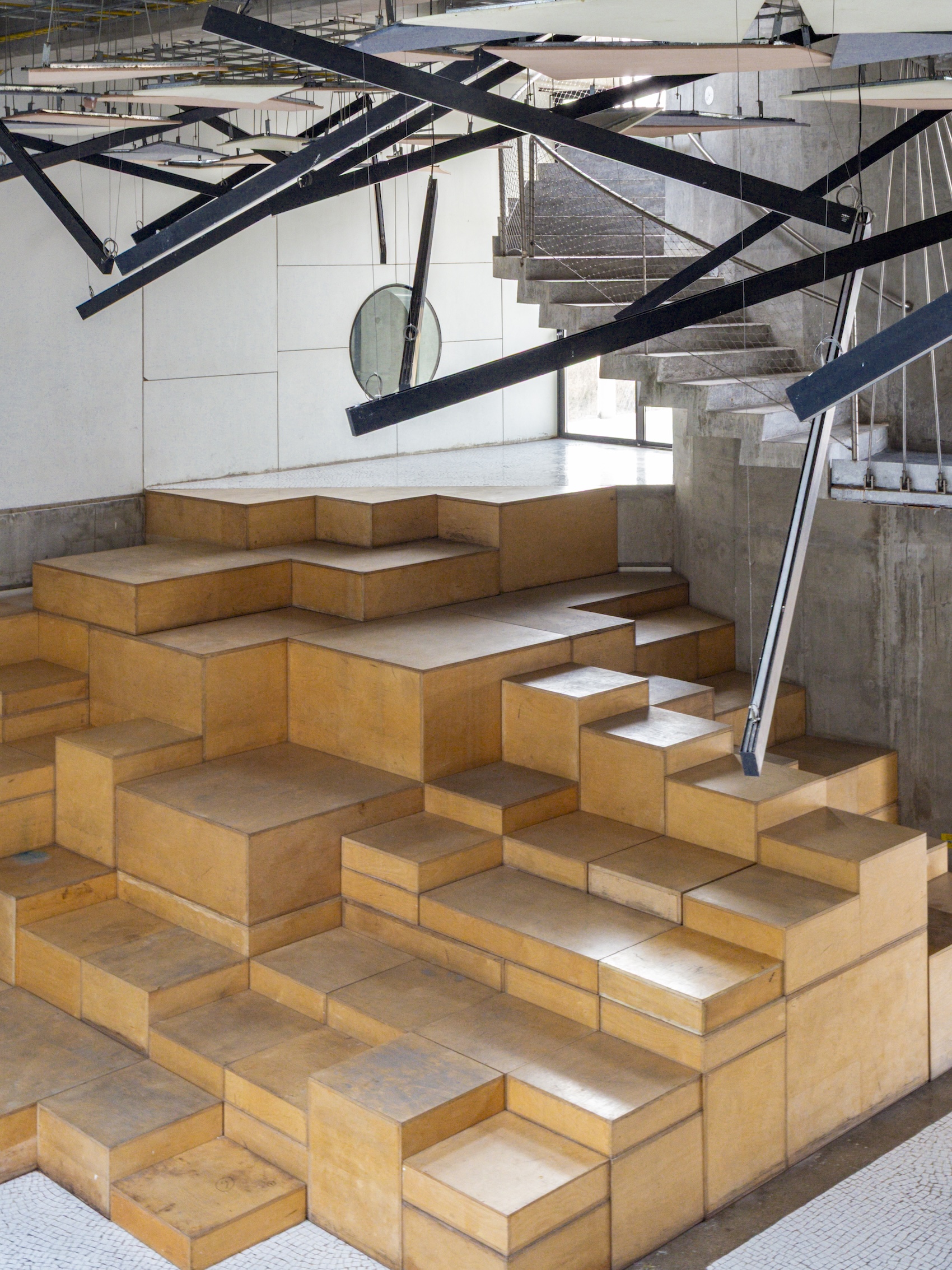
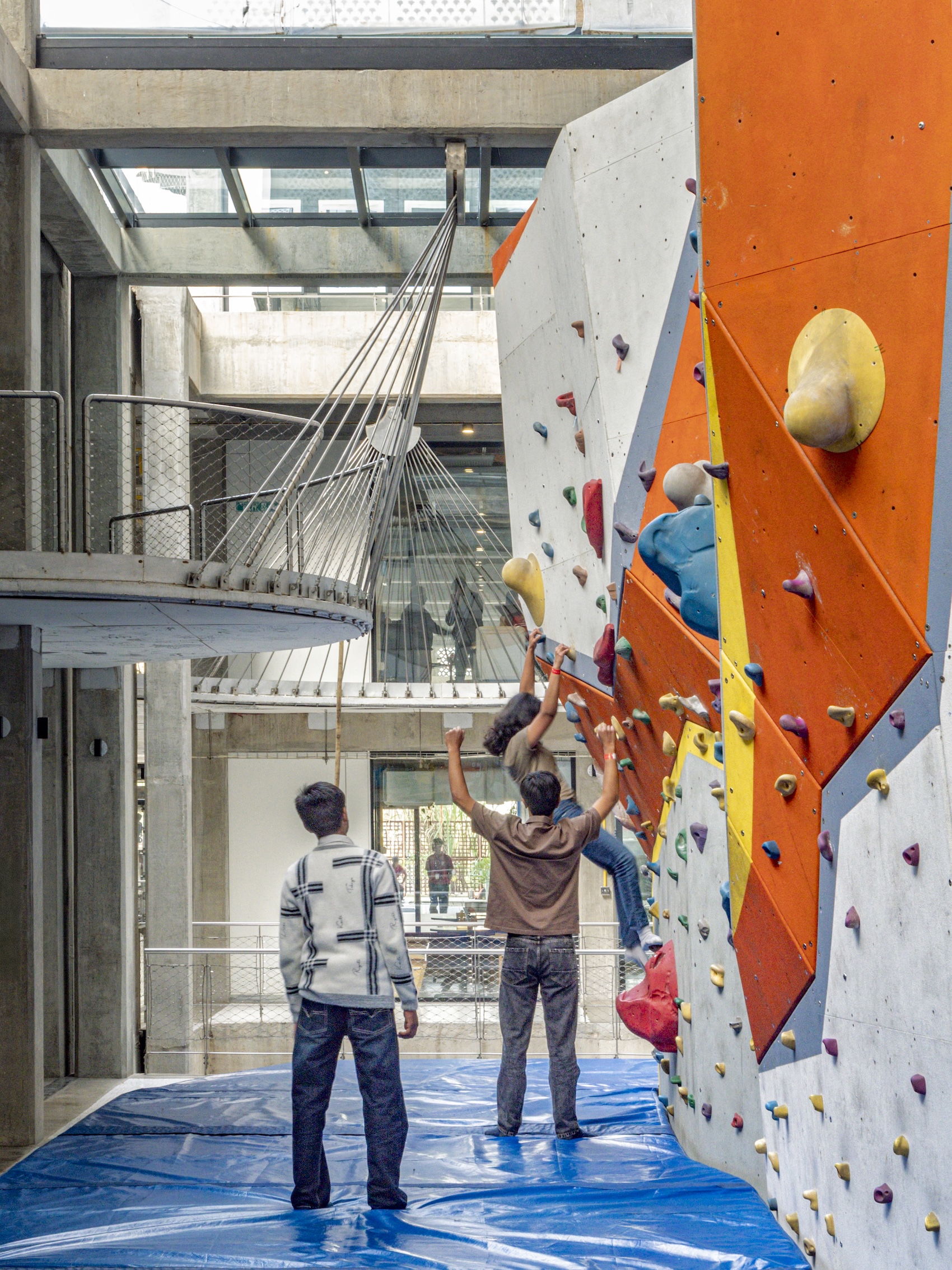
Third Space asked for that kind of attention. It isn’t simply a cultural centre or a learning hub or a civic condenser. It is an act of hope made architectural. A place where a community can test ideas, build skills, make mistakes, and discover itself anew. In the cloistered circuits around the courtyard, in the climbing wall, the tinkering labs, the improvised performances in the in-between spaces, you feel an aspirational program at work. Not aspiration as ambition, but as invitation: “You belong here. You matter here. Try something. See what happens.”
These are the architectures I travel for. The ones carved from belief.
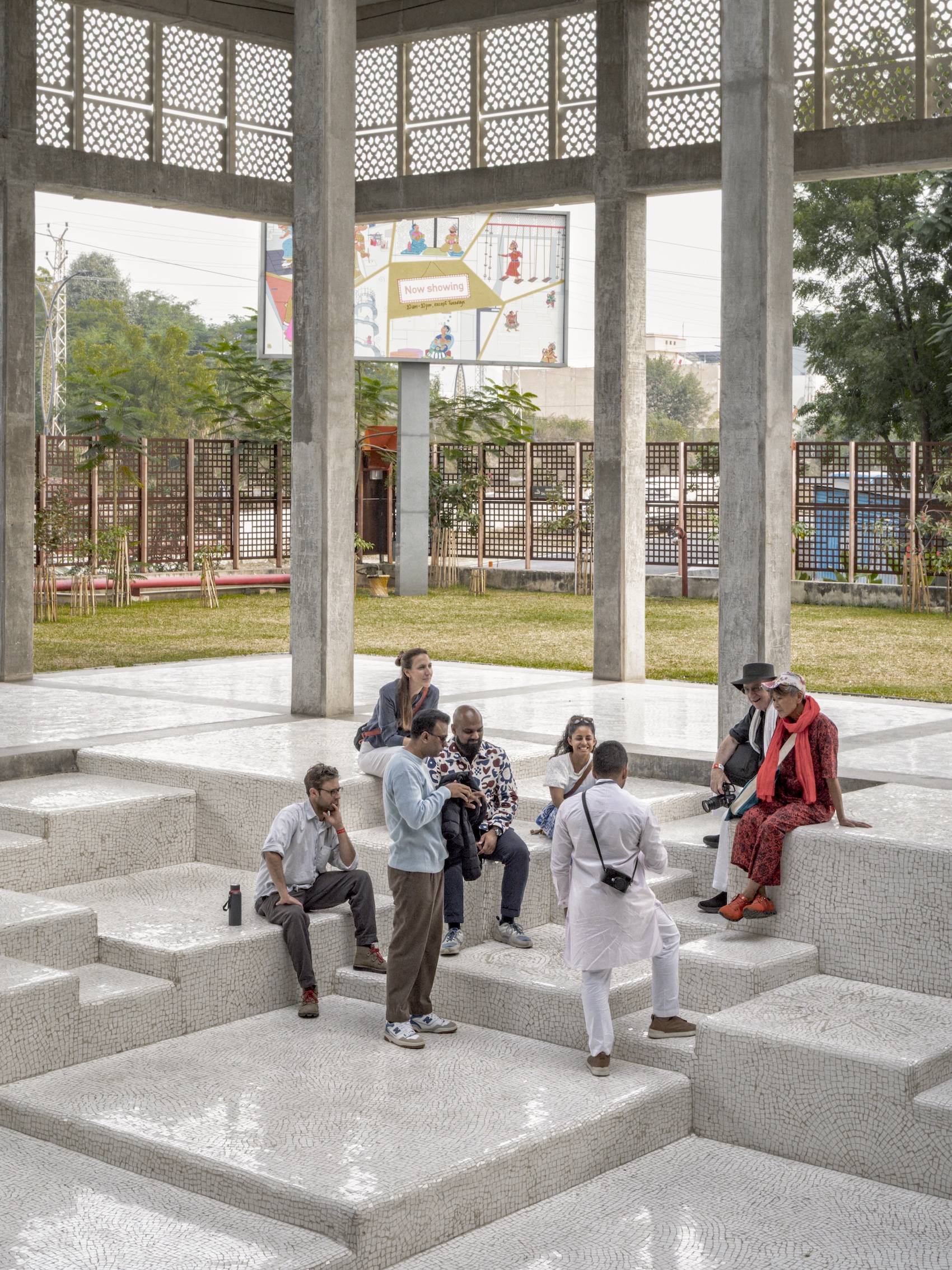
The miles accumulate. The airports blur. But certain places leave marks that do not fade, not because they are beautiful, but because they are brave.
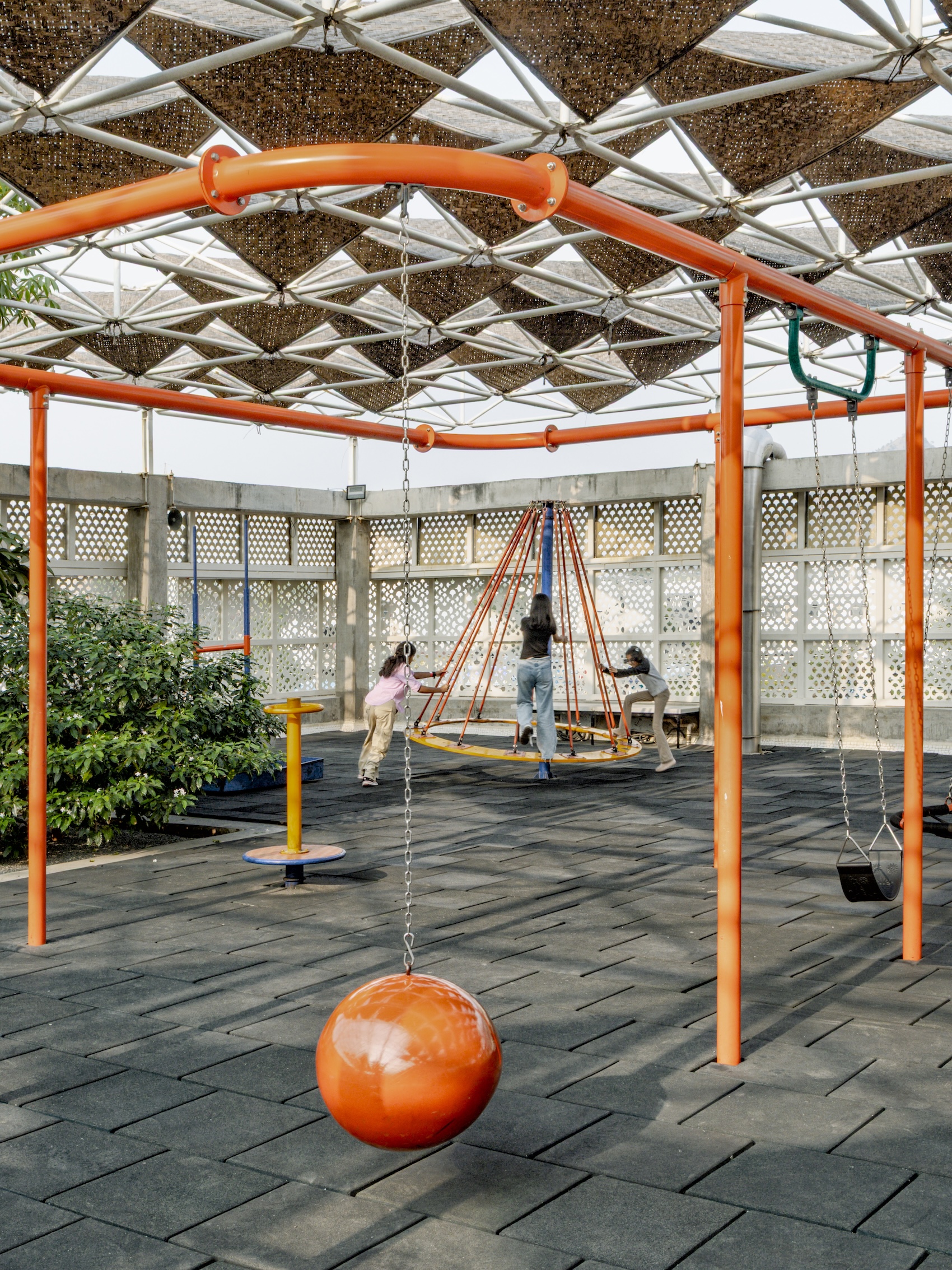
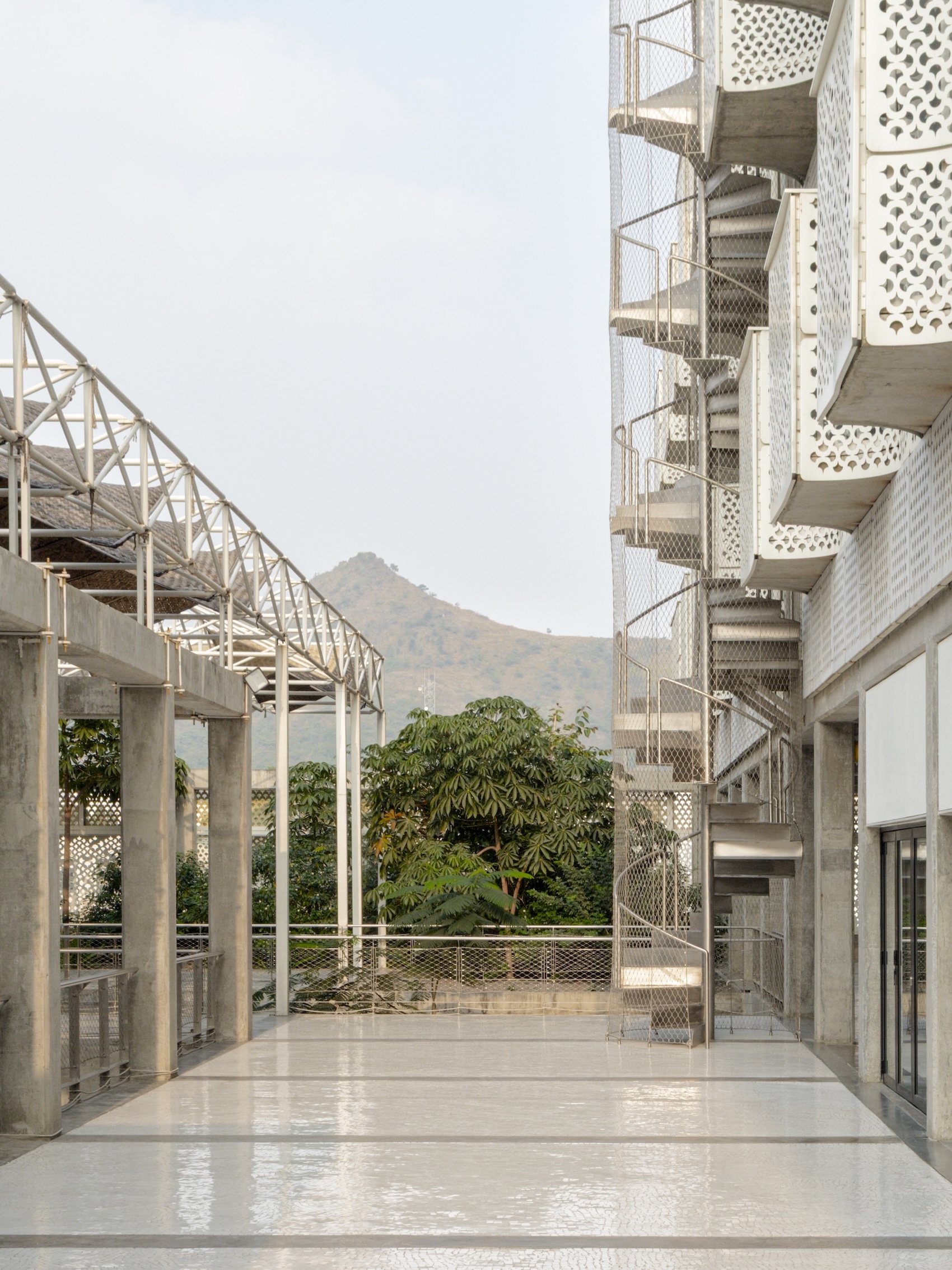
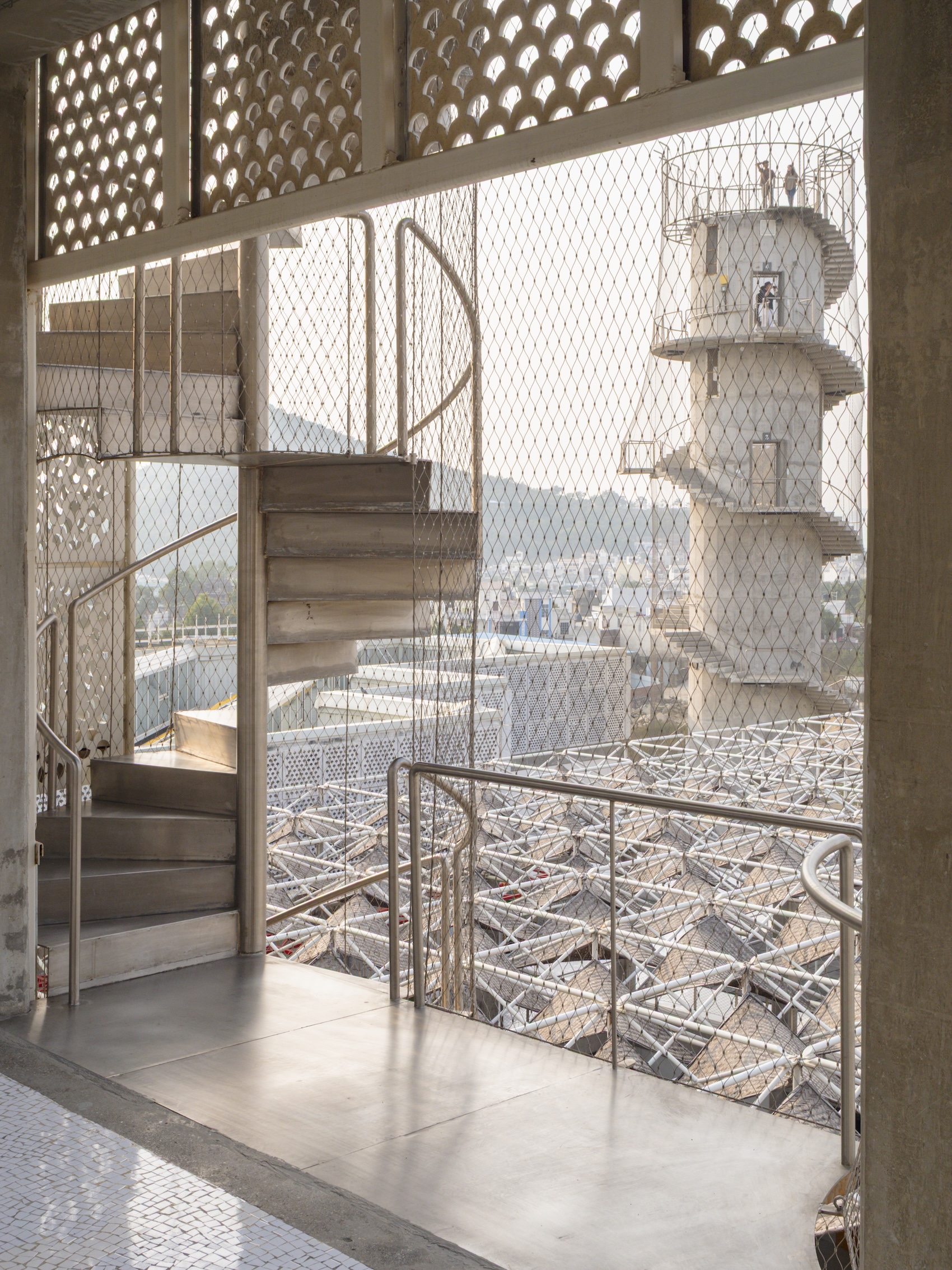
Third Space carries that quality. It stands with one foot in the vernacular lineage of Rajasthan , the haveli, the baori, the jali, and the other in the forward-leaning urgency of contemporary India, where the future is being assembled one hard-earned gesture at a time. Marble rubble becomes wall. Waste becomes poché. Bamboo shades the roof in a canopy that breathes. This is architecture as process, not performance.
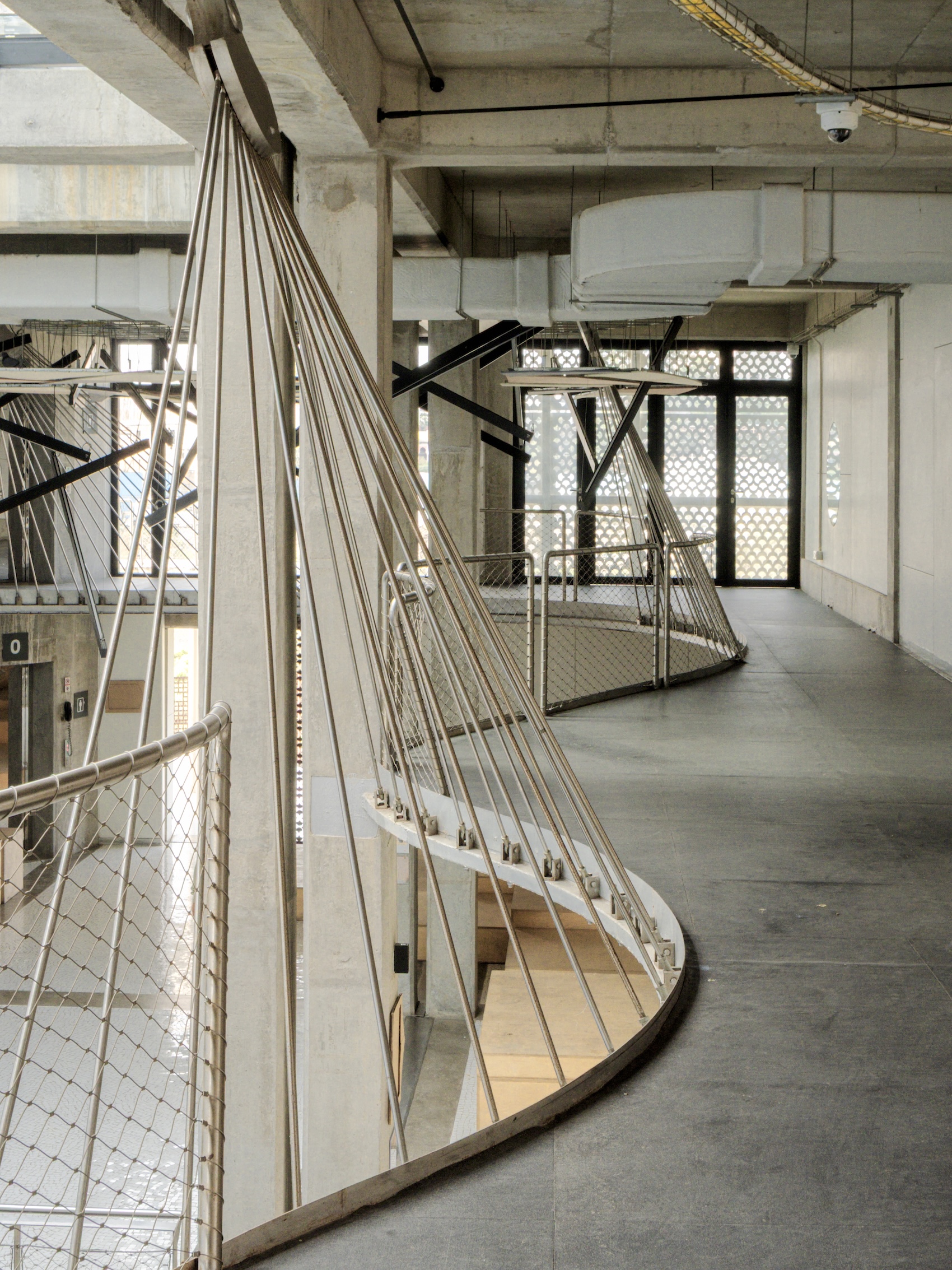
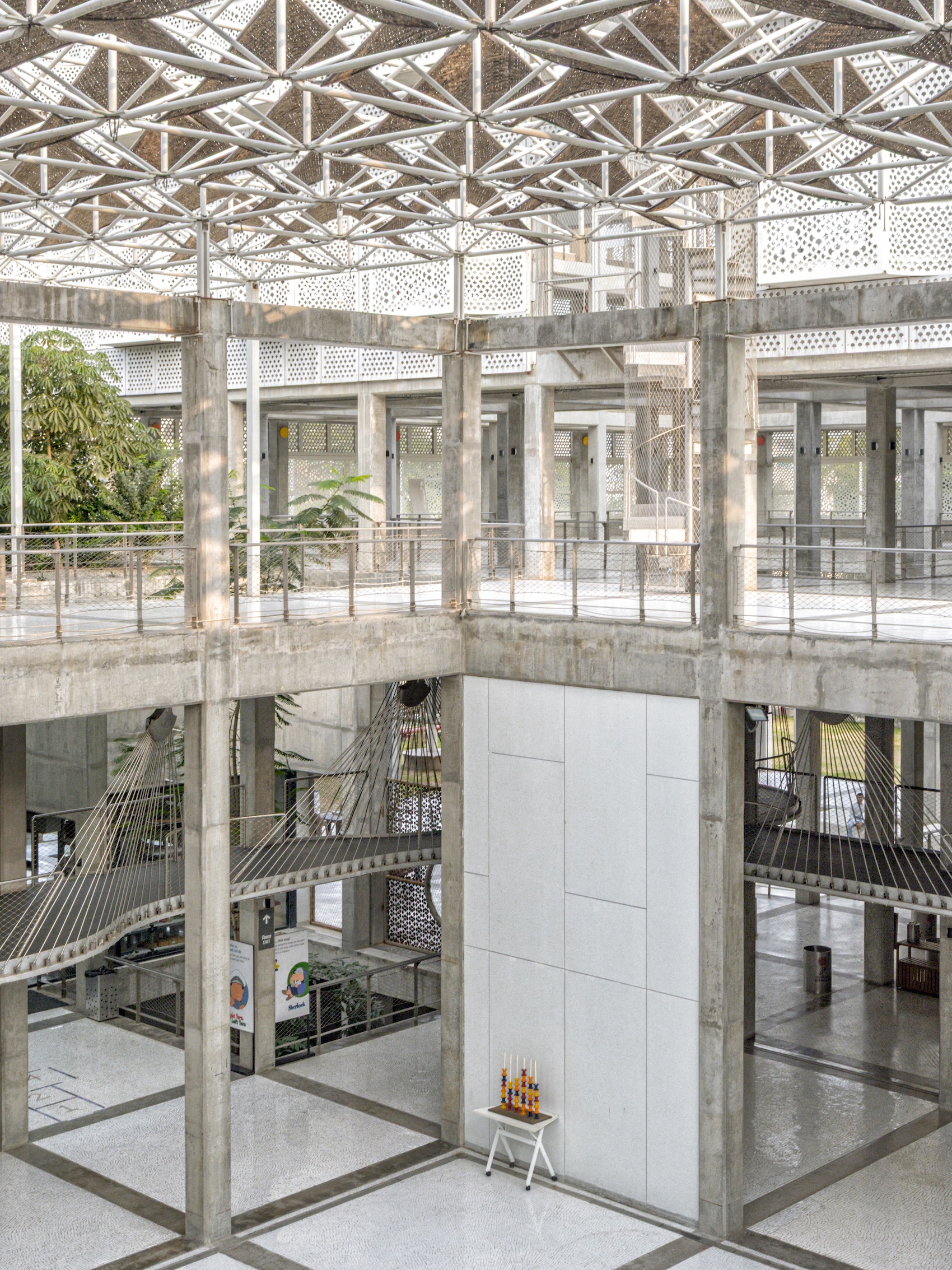
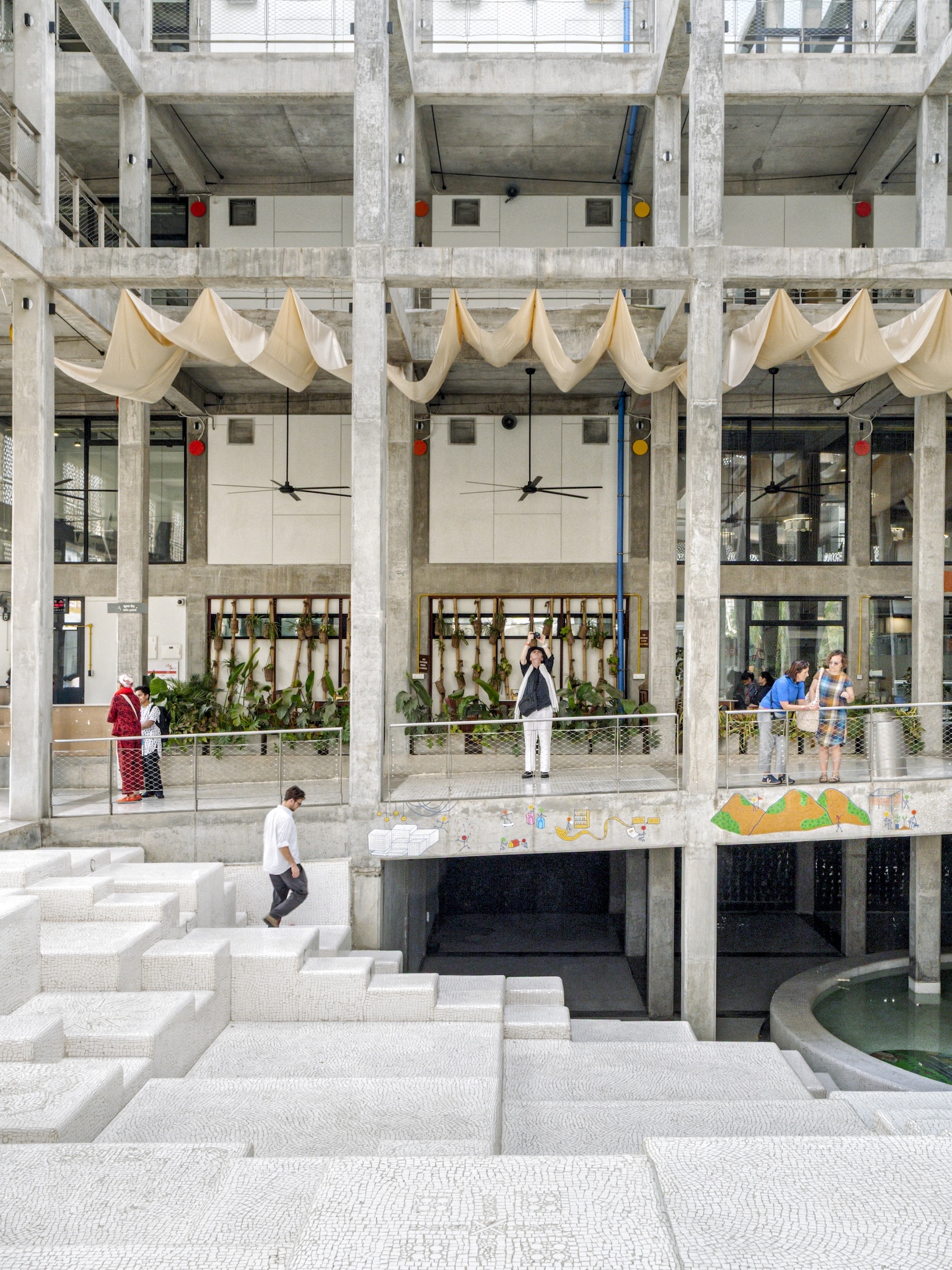
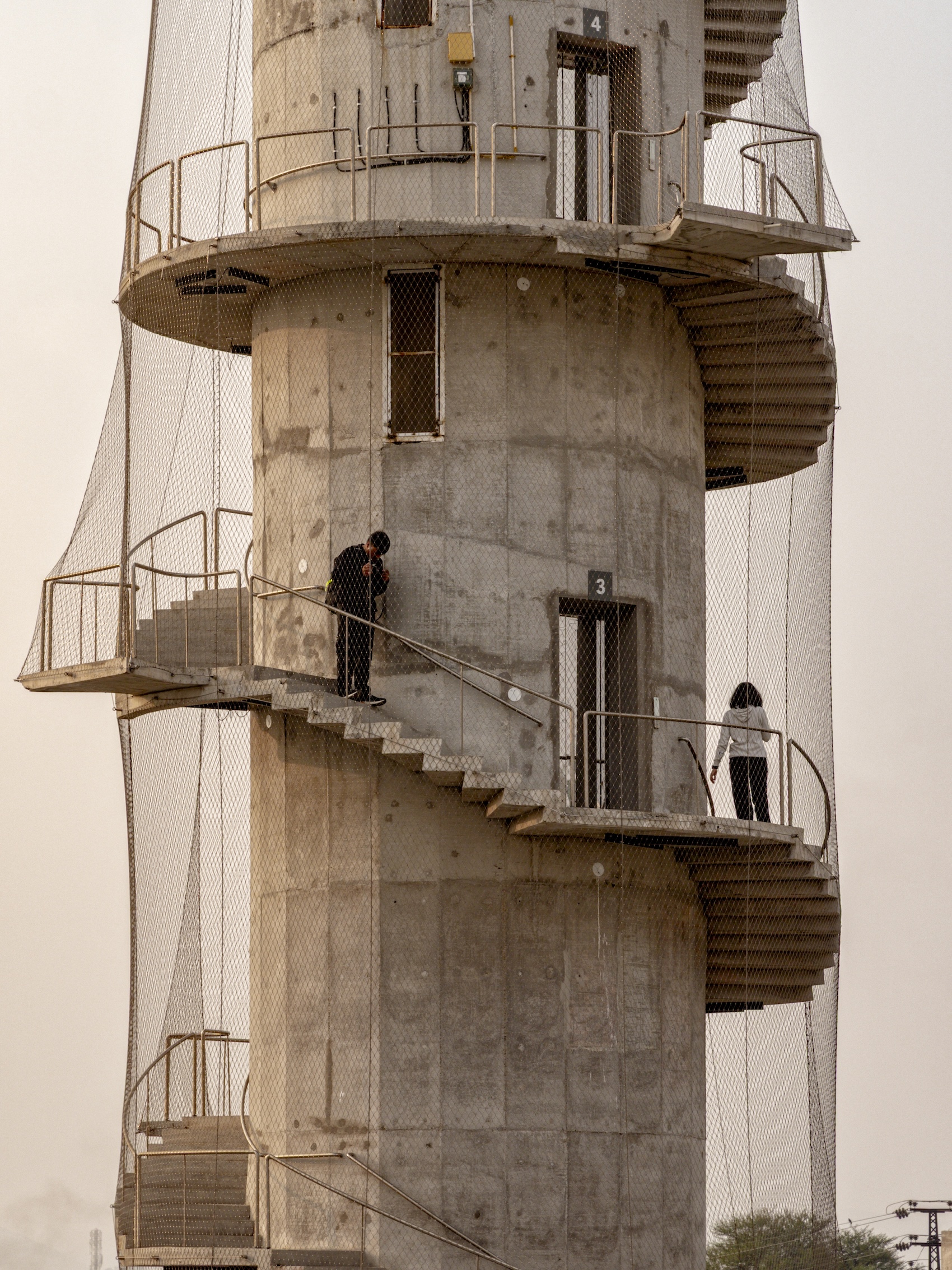
What stays with me is not only the building, but the people who inhabit it. Children chasing knowledge through courtyards of white stone. Elders finding shade and conversation in the cool geometric void of the stepwell. Makers, dancers, teachers, wanderers, a community sketching itself into being.
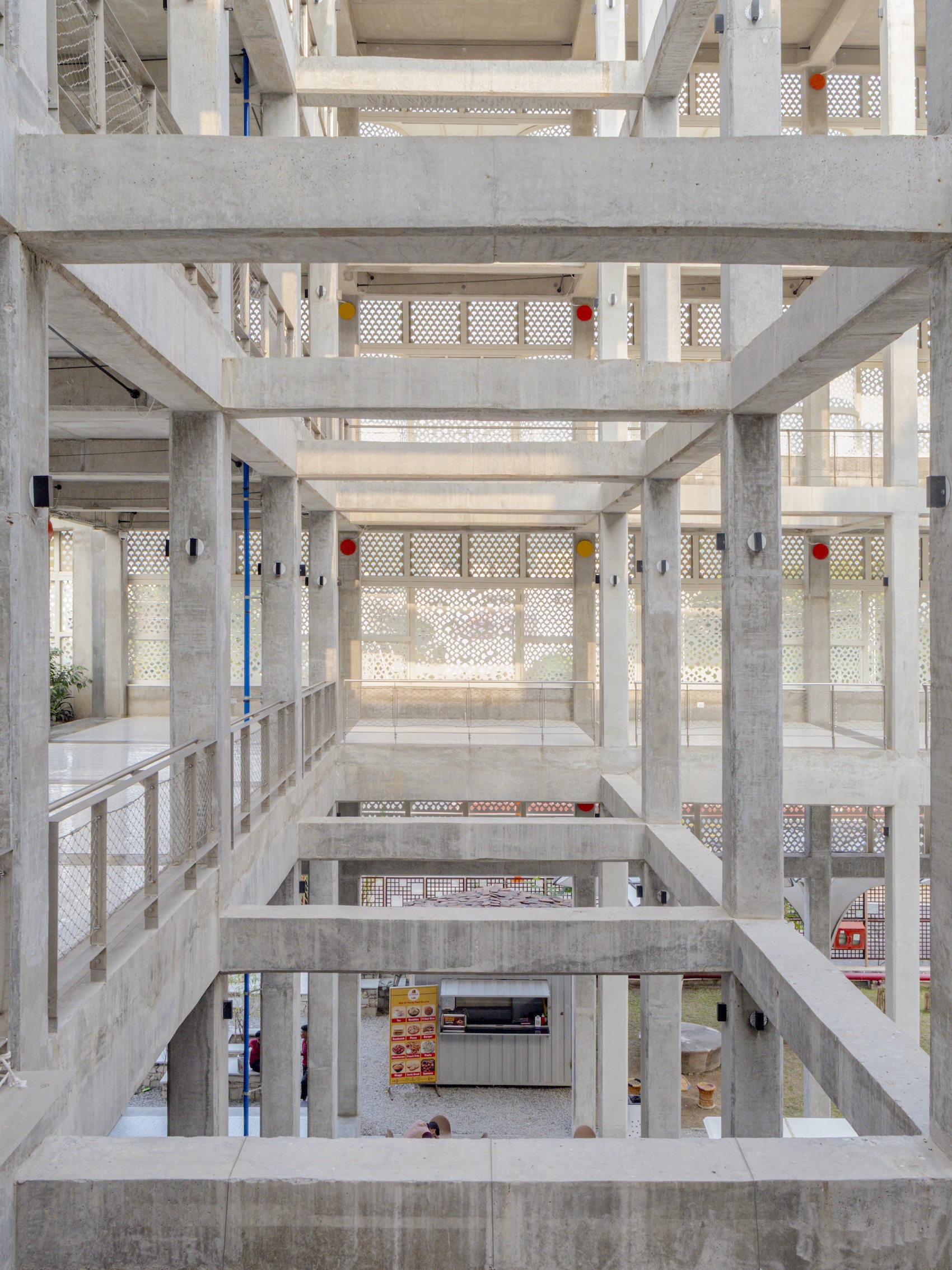
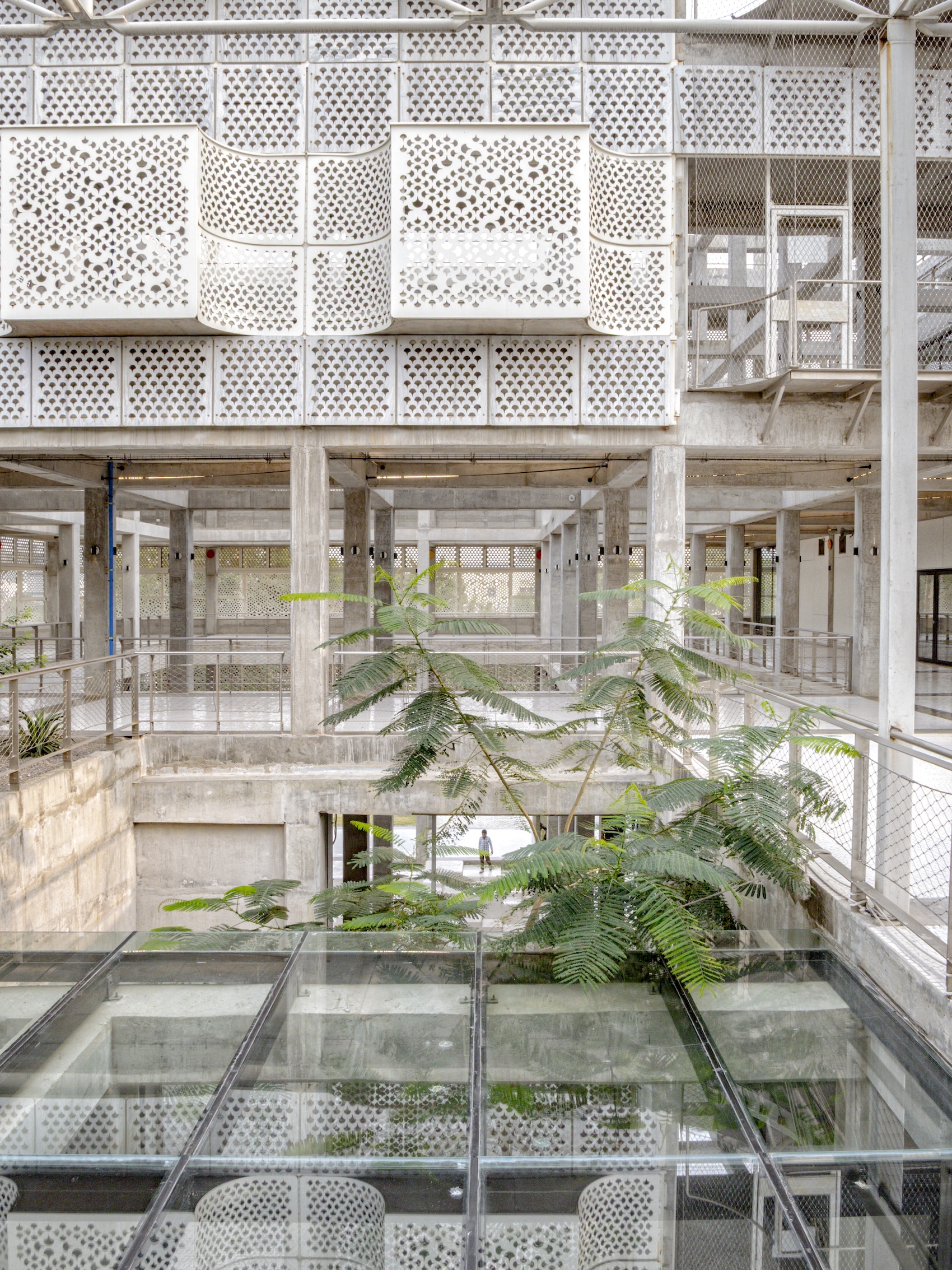
Photography, at its best, is an act of witness. You stand behind the camera and try to make sense of a complex world through a rectangle of light. You wait for alignment, of form, of meaning, of life moving across a threshold.
In that soft Rajasthani air, among those pale, reflective walls, I felt again what first sent me onto the road decades ago: the belief that architecture, made with hope, with conviction, with generosity, can change lives.
Additional images