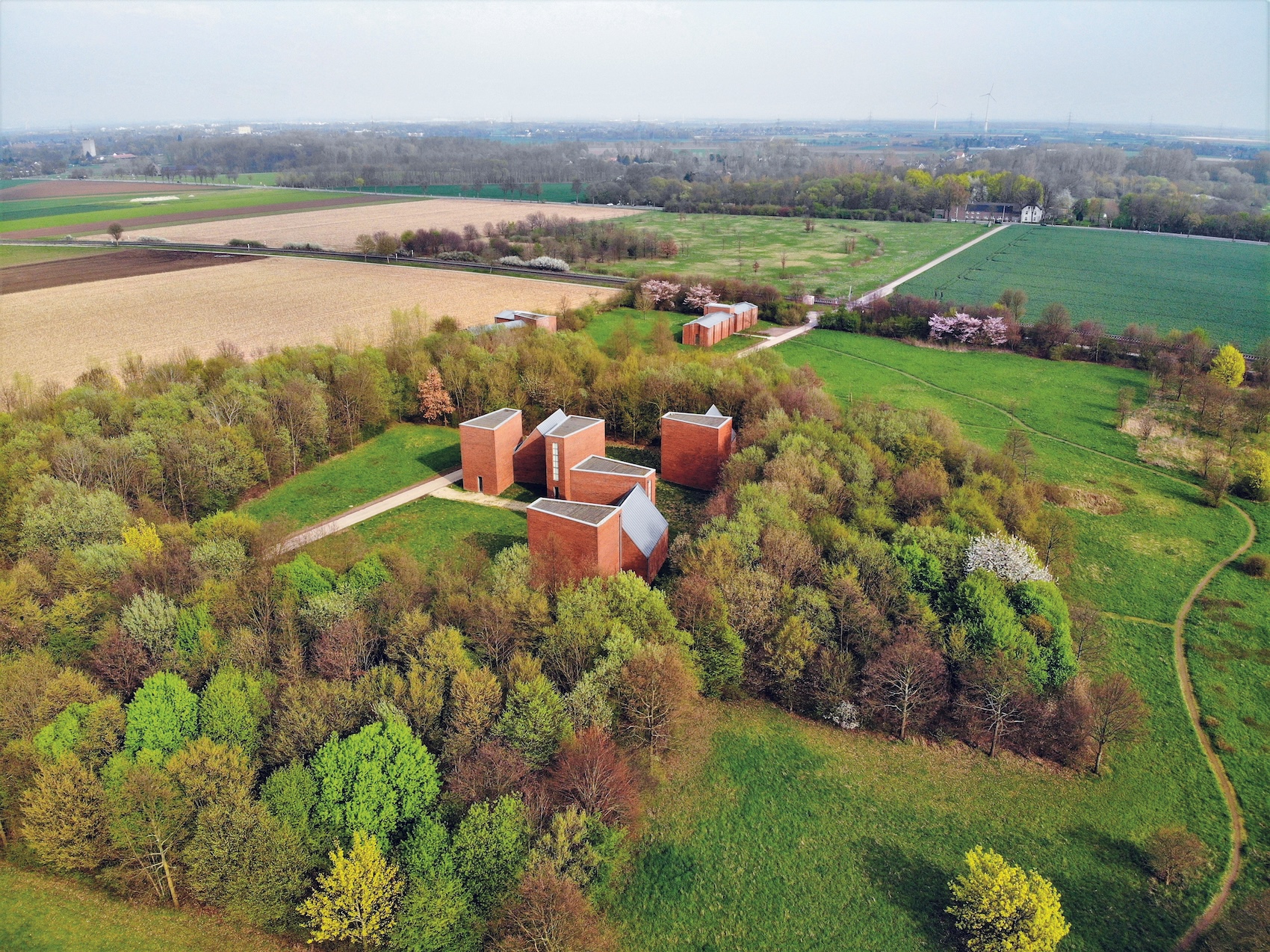
As pressures around climate, biodiversity, viability and governance intensify, a roundtable convened by Architecture Today and Max Fordham explored how early masterplanning choices can enable – or quietly foreclose – regenerative outcomes over decades.
In association with
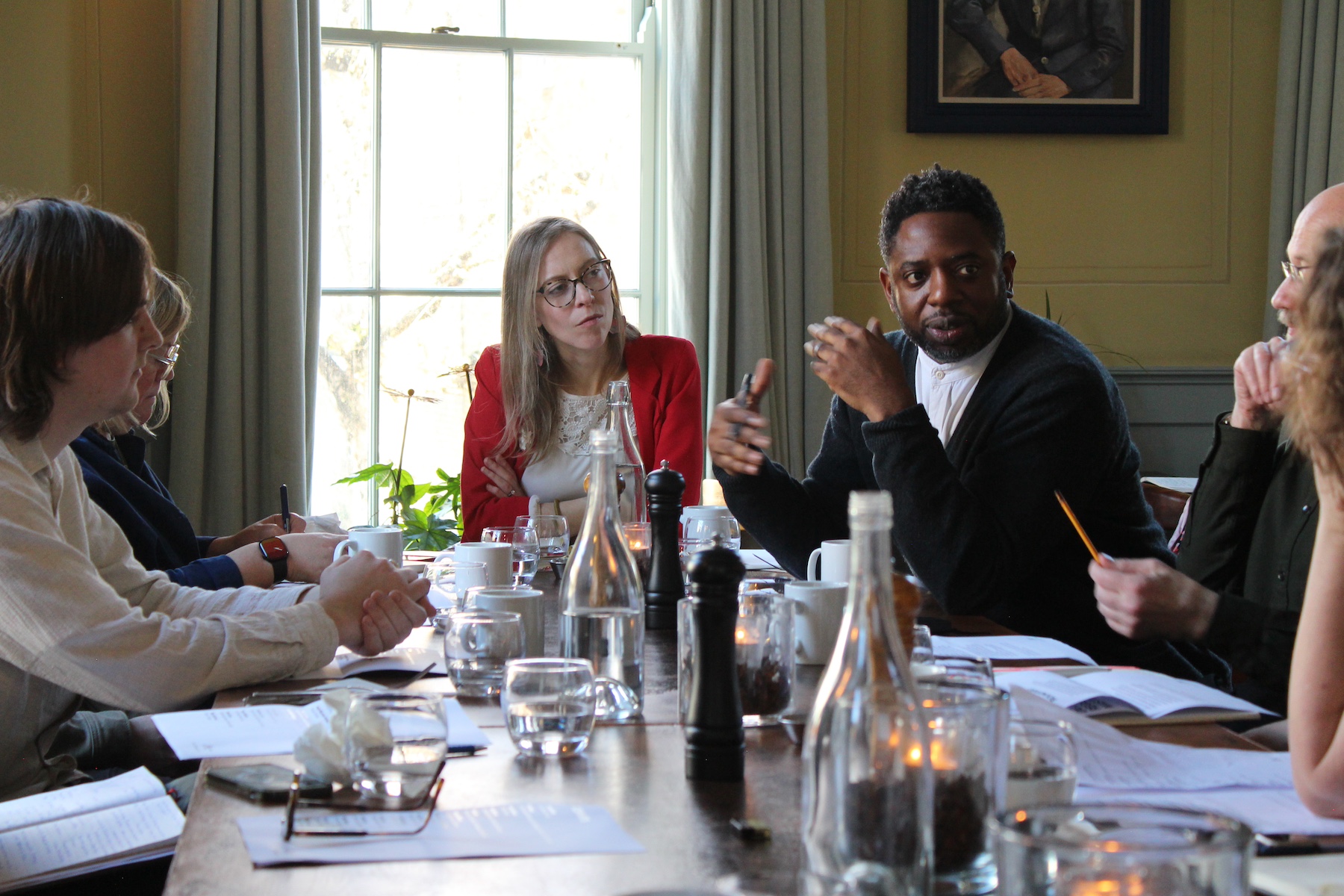
Roundtable participants
Isabel Allen
Editor, Architecture Today (Chair)
Tom Badger
Area Regeneration Manager, London Borough of Newham / Public Practice
Peter Barbalov
Partner, Farrells
Hero Bennett
Sustainability Director & Partner, Max Fordham
Soham De
Director and Co-founder, Eco Responsive Environments
Johanna Gibbons
Founding Partner, J&L Gibbons
Anagha Mujumdar-Potbhare
Principal, Grimshaw
Ken Okonkwo
Associate Director, Haworth Tompkins
Liz Liddell-Grainger
Associate Director, JTP
Andrew Leiper
Partner & Director, Max Fordham
Jonathan Lynch
Senior Ecologist, BioDiverse Consulting
Roger Madelin
Joint Head, British Land
Jamie Quinn
Sustainability Director, Related Argent
Hilary Satchwell
Director, Tibbalds
Successful masterplans are rarely the product of a single vision or discipline. Instead, they emerge from sustained negotiation between economic and regulatory viability, environmental responsibility, and social value – all unfolding across timescales that far exceed electoral cycles, funding windows or individual design appointments. Unlike individual buildings, masterplans must absorb uncertainty, accommodate change and remain legible long after the teams that conceived them have moved on.
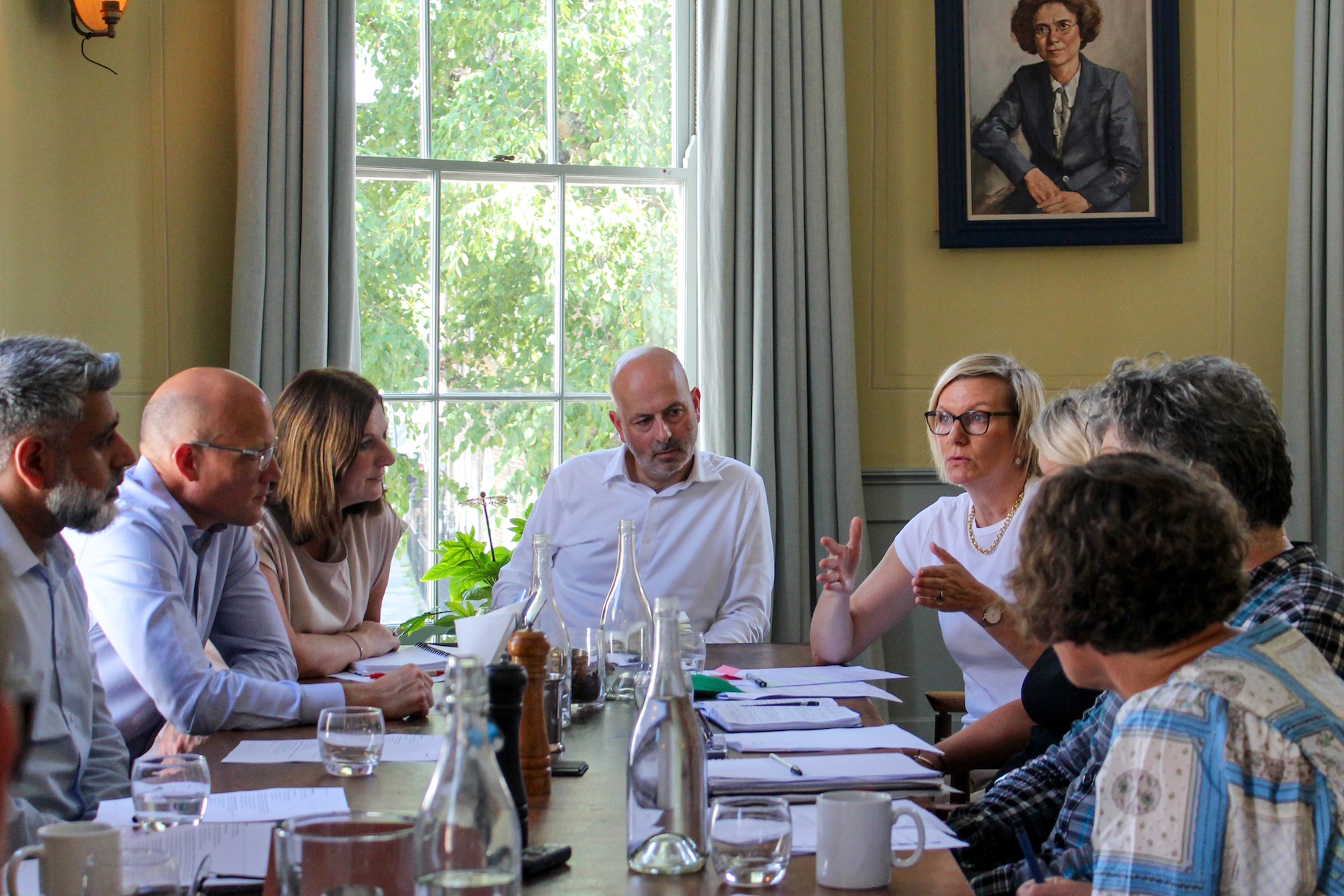
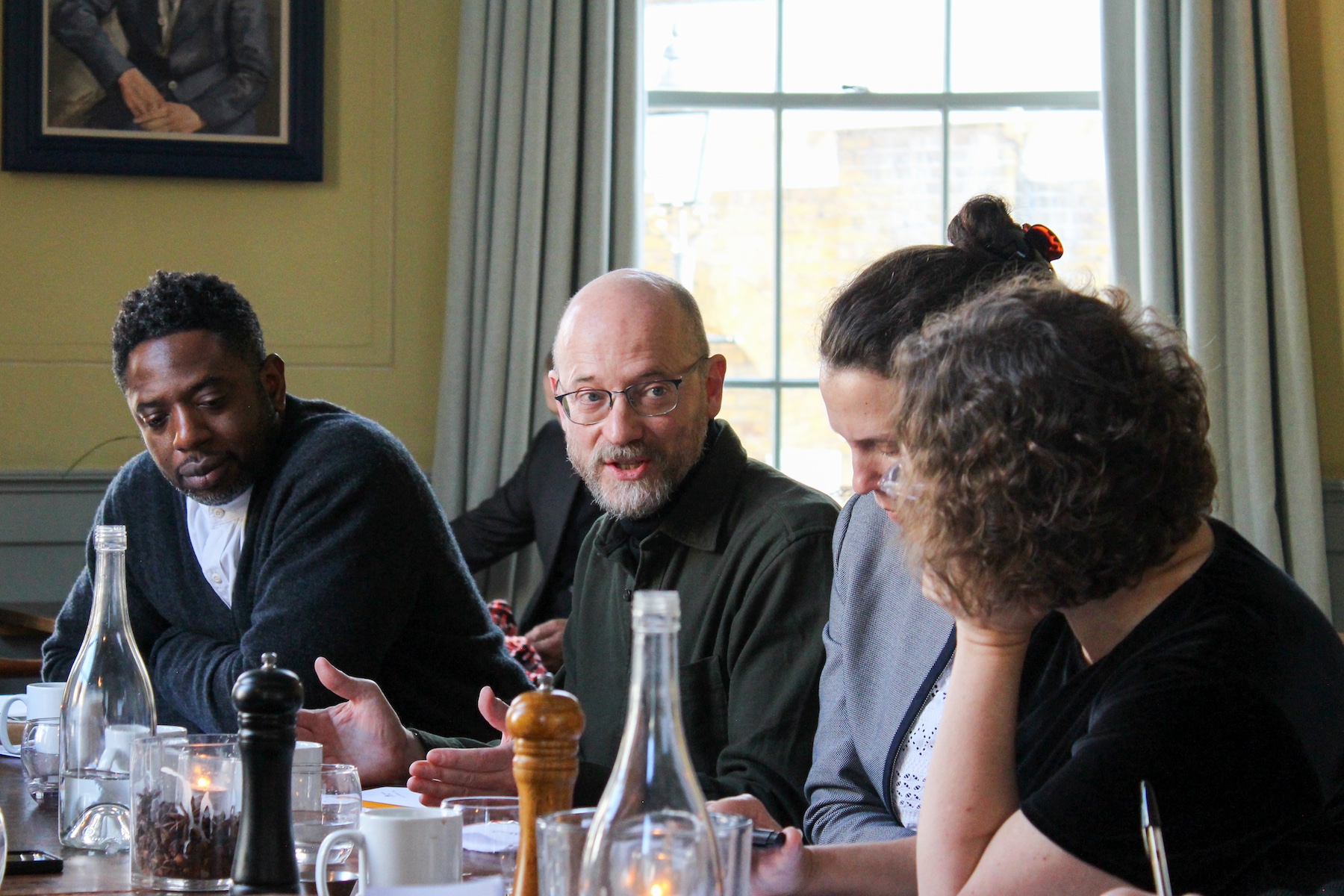
These tensions were explored at a roundtable hosted by Architecture Today in partnership with Max Fordham, held at The Sekforde Arms in London as part of the engineering practice’s celebrations of their 60th anniversary. Bringing together clients, engineers, architects, landscape architects, ecologists and public-sector representatives, the discussion focused on a deceptively simple question: how can early-stage masterplanning decisions enable genuinely regenerative outcomes over the long term?
Early leverage and locked-in decisions
For Hero Bennett, sustainability director and partner at Max Fordham, masterplanning represents the moment at which ambition is either embedded or quietly foreclosed. “So many of the things we spend years optimising at building level are effectively baked in at masterplanning stage,” she said. “Questions around embodied carbon, wellbeing and environmental performance are shaped long before a single product is specified.”
Those early decisions, she argued, determine not only environmental performance but also the degree of agency available later in the process. Once massing, density and infrastructure are fixed, teams often find themselves compensating for missed opportunities rather than shaping outcomes.
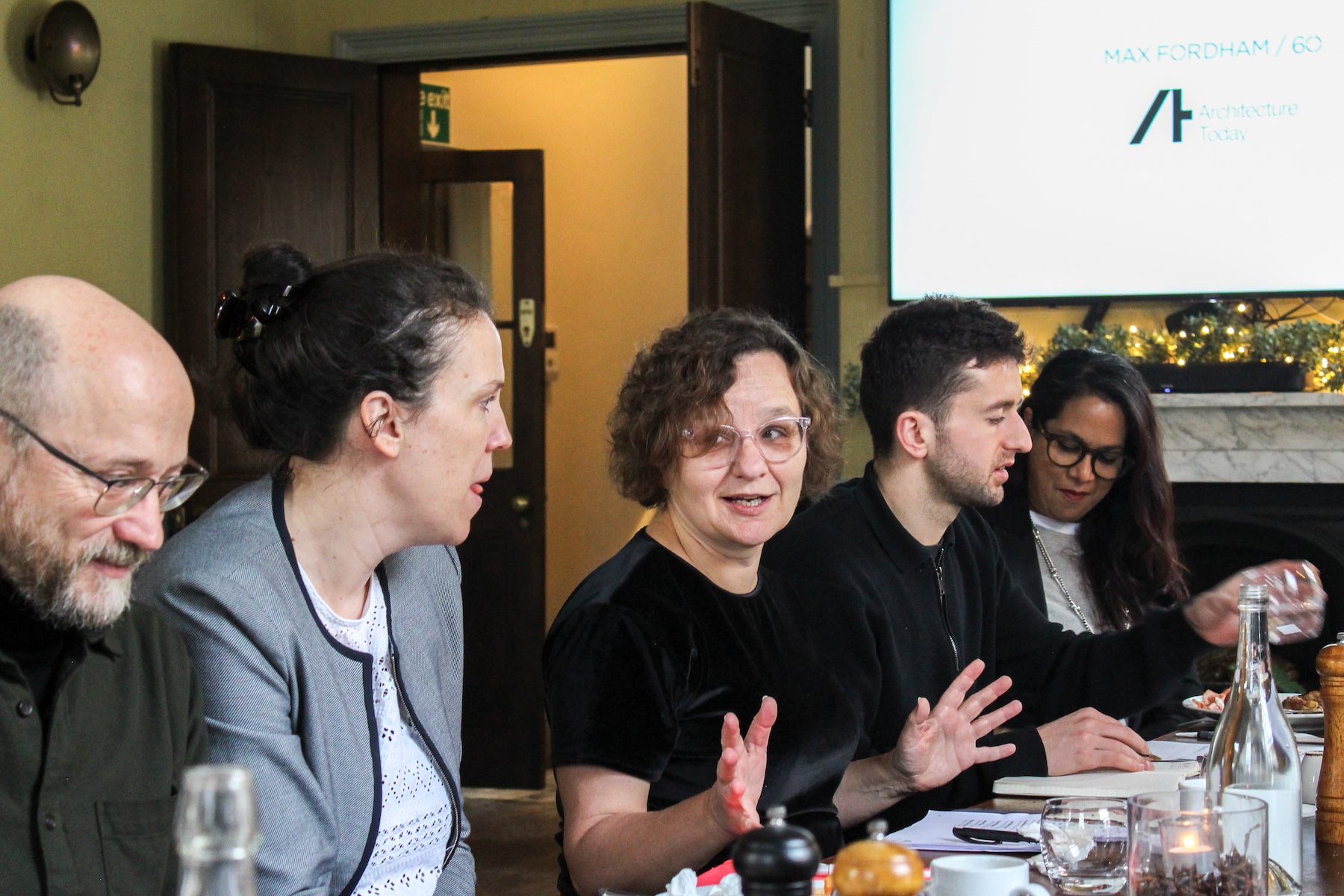
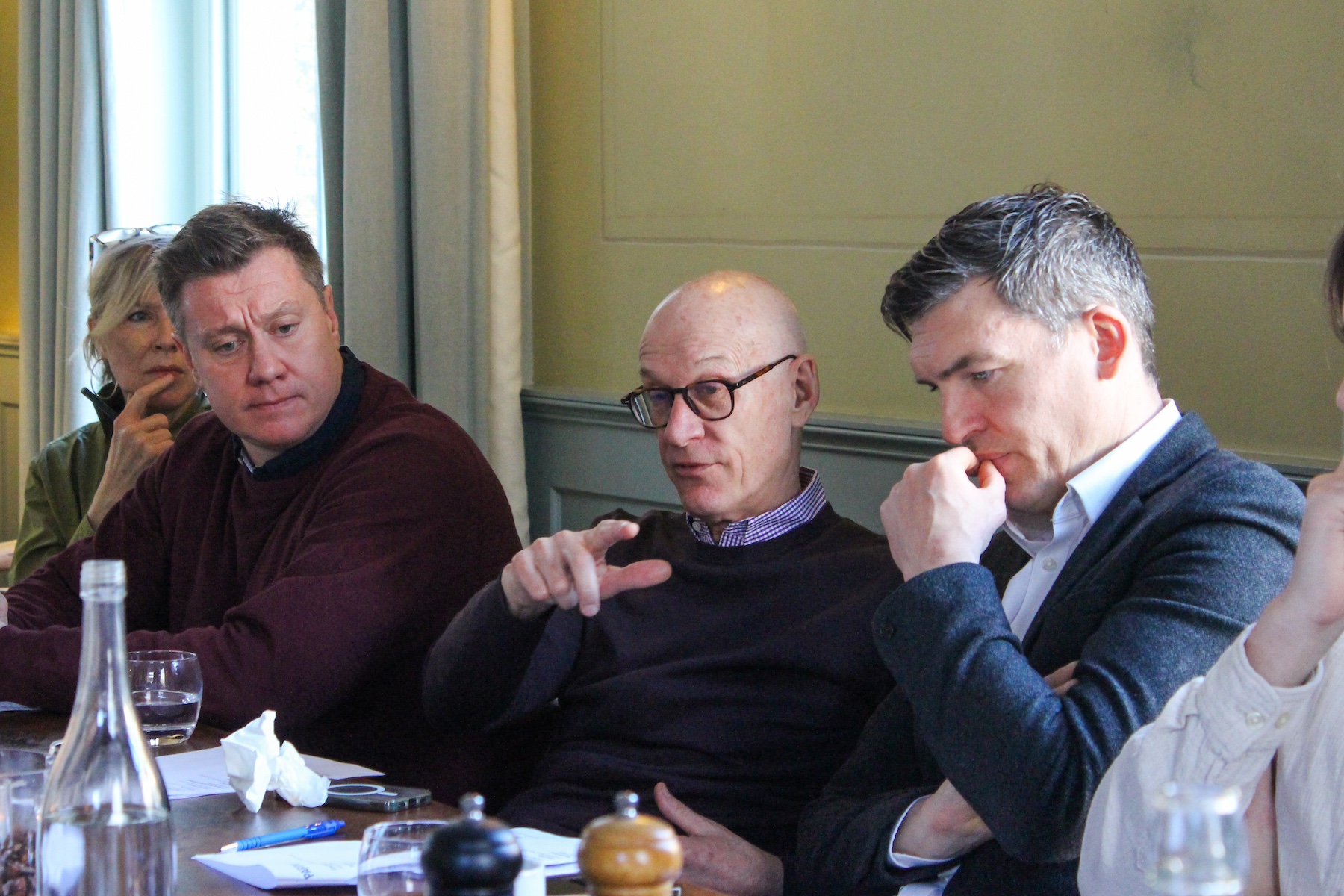
That view was reinforced by Andrew Leiper, partner and director at Max Fordham, who noted that engineers frequently inherit the consequences of spatial decisions made well before they are appointed. “Buildings aren’t isolated objects,” he said. “They’re part of a wider ecological infrastructure. They influence microclimate, energy demand and water systems. If those relationships aren’t considered early on, we spend the rest of the project managing consequences rather than shaping performance.”
The group broadly agreed that later-stage optimisation, while important, rarely changes the fundamentals. By the time products, systems and technologies are discussed, the biggest decisions have already been made.
Flexibility, hindsight and long horizons
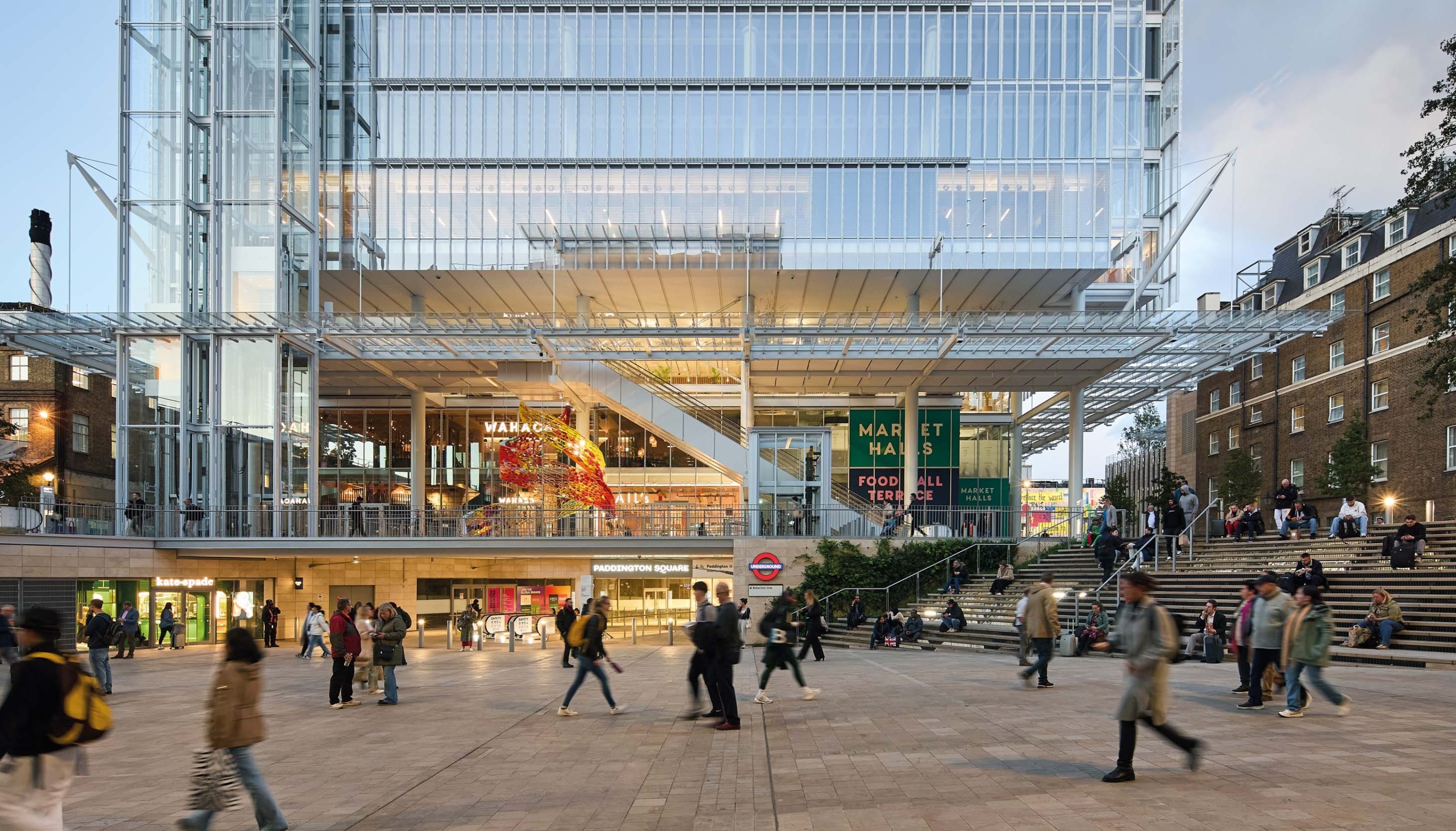
Few contributors were better placed to reflect on long-term consequences than Roger Madelin, joint head at British Land. Drawing on his experience at King’s Cross, London, he was candid about the limits of foresight. “We made decisions that were considered best practice at the time, and some of them now look wrong,” he said. “That’s not a failure of ambition. It’s a reminder that masterplans have to anticipate change.”
At King’s Cross, early energy strategies that once appeared progressive are now being reassessed in light of electrification and grid decarbonisation. For Madelin, the lesson is not to retreat from ambition, but to prioritise adaptability. Energy systems, infrastructure and land uses must be capable of evolution, rather than locking sites into single trajectories that may age poorly.
“Flexibility and adaptability matter as much as getting the answer ‘right’ at the start,” he added.
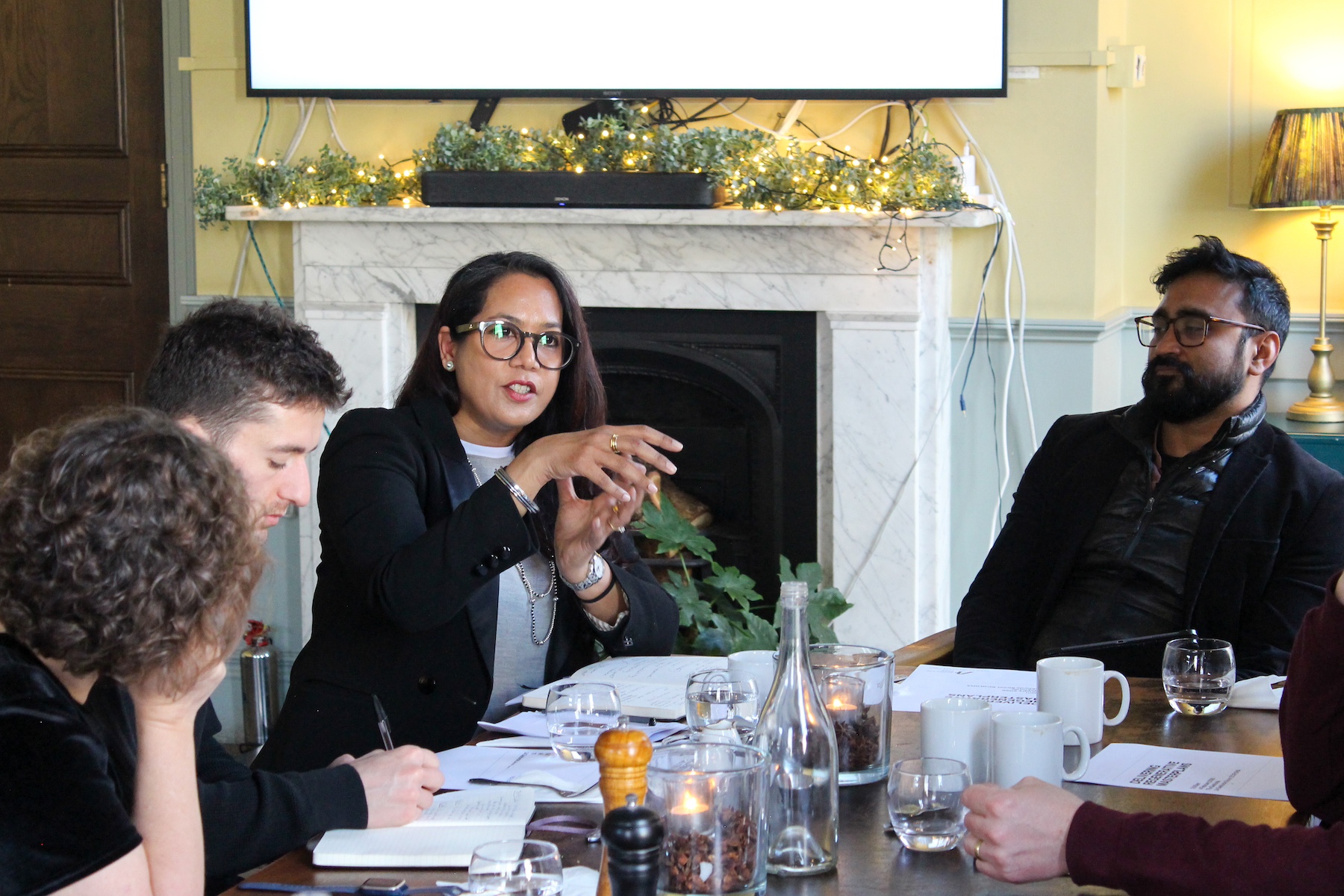
That emphasis on flexibility was echoed by Jamie Quinn, sustainability director at Related Argent, who stressed the importance of principles over prediction. “You can’t pretend you know what 2040 will look like,” he said. “But you can design frameworks that allow uses, energy strategies and delivery models to evolve over time.” Planning policy, he noted, has become more accommodating of mixed and flexible uses, but only when adaptability is designed in from the outset.
Who can think long-term?
If long-term thinking is essential to regenerative masterplanning, the discussion quickly turned to who is actually able to deliver it. Several participants questioned whether contemporary economic and governance models are structurally capable of supporting projects that unfold over multiple decades.
Private investment, it was argued, is increasingly risk-averse, while public-sector delivery is constrained by political cycles and funding uncertainty.
“King’s Cross could not be delivered today. The economic model, the planning environment and the political context just wouldn’t allow it,” noted Madelin. “Quoted companies simply can’t take the kind of long-term decisions that projects like King’s Cross required. The pressure from shareholders makes that almost impossible.”
Development corporations were cited as one possible mechanism for continuity, but concerns were raised about what happens when land is sold off too early, fragmenting long-term stewardship.
From a public-sector perspective, Tom Badger, area regeneration manager at the London Borough of Newham (and also from Public Practice), warned against reducing stewardship to questions of ownership alone. “We can talk about stewardship at a huge ownership level – whether that’s national government, local government or a private developer,” he said, “but if existing communities aren’t brought along on the journey, it just creates fraught neighbourhoods.”
For Badger, community involvement is not a soft social aspiration but a practical necessity. “Fundamentally, they’re the people who will look after the plants and the natural assets,” he added. “They’re the ones who care for them and make sure they flourish.” Without that bottom-up commitment, even the most carefully designed strategies risk failing over time.
Regenerative thinking beyond buildings
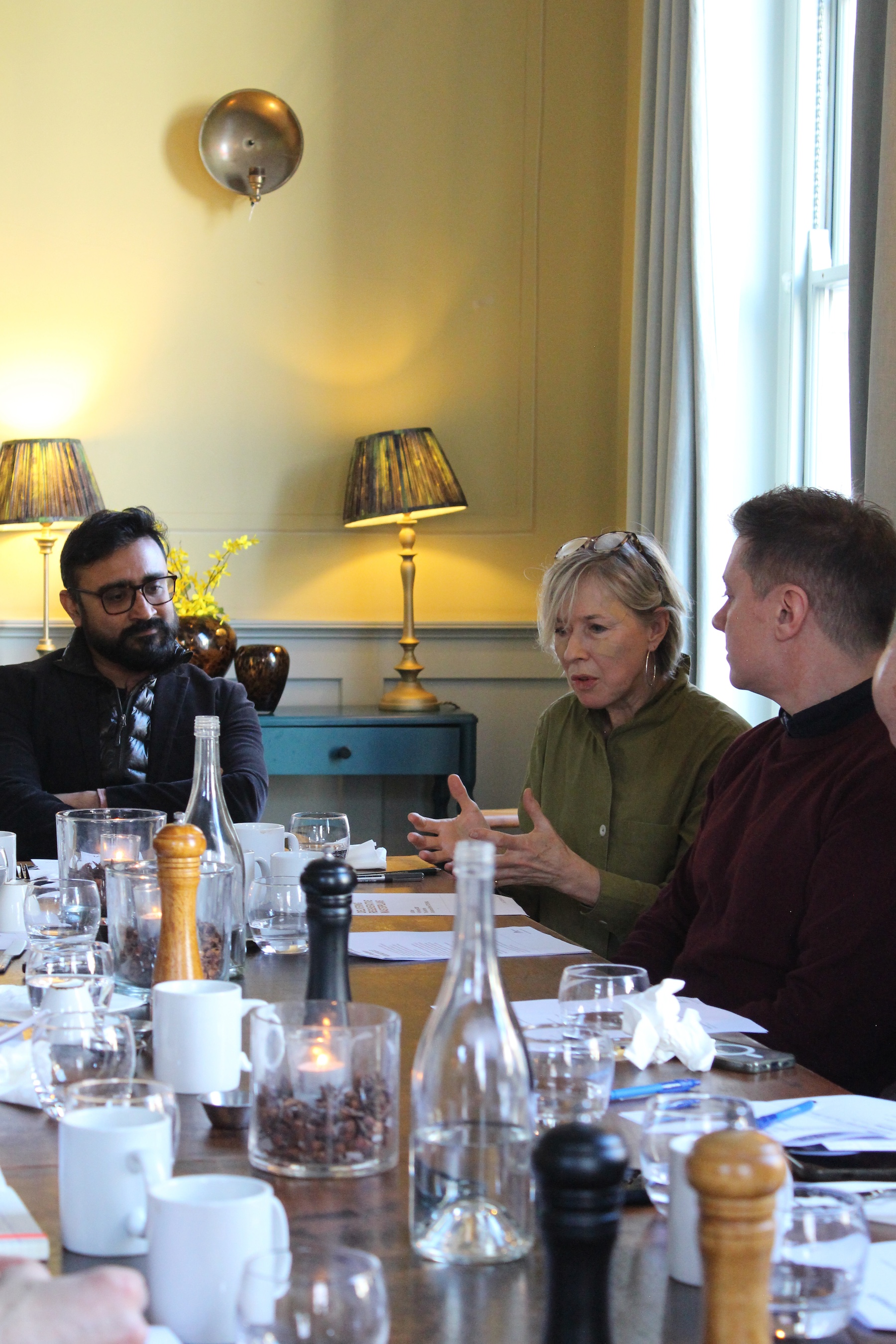
Several contributors argued that regenerative masterplanning requires a deeper shift in worldview, moving beyond buildings as the primary unit of design. Johanna Gibbons, founding partner at J&L Gibbons, was forthright on this point. “If we don’t start from the premise that the economy is embedded within the biosphere, rather than the other way round, then we’re never going to achieve genuine transformation,” she said.
For Gibbons, landscape, water and ecology are not amenities to be layered onto a development, but the systems that should structure it. Starting with catchments, soils and habitats – and only then carving out areas for building – represents a fundamental inversion of conventional practice, but one she argued is essential if urban growth is to respond meaningfully to climate, biodiversity and public health crises.
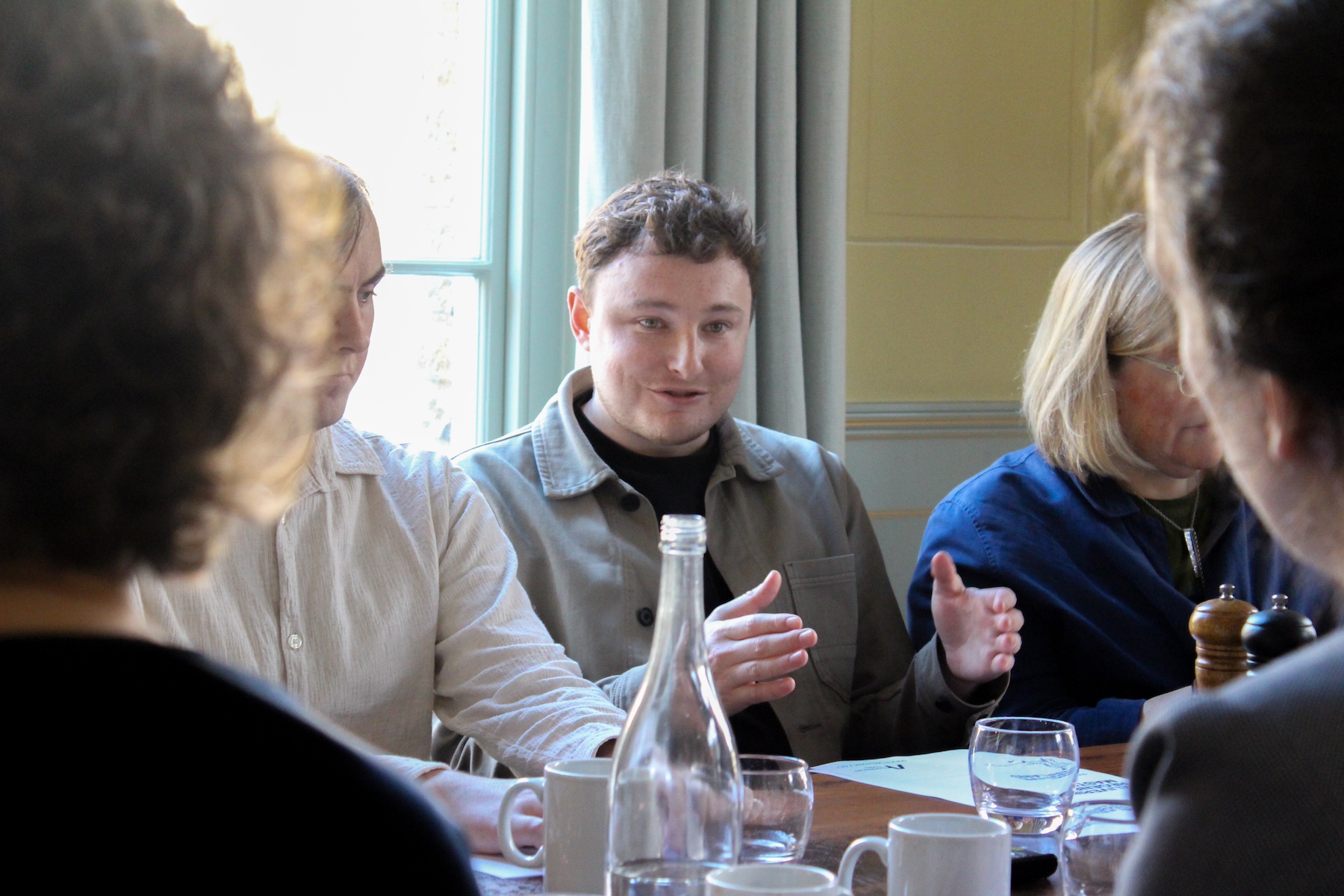
That position resonated with Ken Okonkwo, associate director at Haworth Tompkins, who described how regenerative ambition can be embedded through early vision-setting. “Agency usually comes from the client,” he said, “but it’s the role of the design team to turn aspiration into something deliverable, and to embed that thinking into the DNA of a masterplan.” Where clients buy into a strong vision early, he suggested, regenerative principles are far more likely to survive later commercial and technical pressures.
Vision, value and advocacy
For Anagha Mujumdar-Potbhare, principal at Grimshaw, the moment of greatest opportunity comes before design hardens into form. “At vision stage, you haven’t designed anything yet,” she said, “which is exactly why it’s the moment to align commercial, environmental and social values.”
If regenerative ideas are to become normal rather than exceptional, we need new narratives that reconnect settlement patterns with ecological systems.”
Embedding those values early, she argued, allows them to guide decisions over decades rather than being negotiated away later. On large and long-running projects, she added, guardianship of that original vision becomes critical: not to prevent change, but to ensure that adaptation does not erode the core principles that give a place its identity.
Yet confidence to challenge briefs and advocate for regenerative approaches is not evenly distributed across the profession. Soham De, director and co-founder of Eco Responsive Environments, reflected on the difficulty of advancing such ideas within existing procurement structures. “We still behave as if humans are separate from nature,” he observed. “If regenerative ideas are to become normal rather than exceptional, we need new narratives that reconnect settlement patterns with ecological systems.”
For smaller practices in particular, he noted, influence often comes through incremental shifts: building alliances, reframing briefs and accumulating impact across multiple projects rather than transforming systems in one move.
Custodianship, ecology and continuity
The question of long-term care surfaced repeatedly, particularly in relation to biodiversity. Jonathan Lynch, senior ecologist at BioDiverse Consulting, noted that ecological expertise is still too often introduced after key decisions have already been made. “Too often we’re asked to assess what’s already proposed, and by that point, you’re managing impact rather than shaping opportunity,” he said. “When ecology shapes site selection and structure from the start, outcomes are stronger and far easier to manage over the long term.”
Statutory biodiversity net gain has improved baseline understanding of sites, Lynch argued, but without clear long-term custodianship it risks becoming a contractual exercise rather than a lived reality. The effectiveness of ecological interventions depends as much on management and care as on initial design.
“Ecology doesn’t stop at handover. In many ways, that’s when the real work begins,” he added. “You can design an ecologically-rich landscape, but if no one is clearly responsible for managing it in 20 years’ time, its value will steadily erode.”
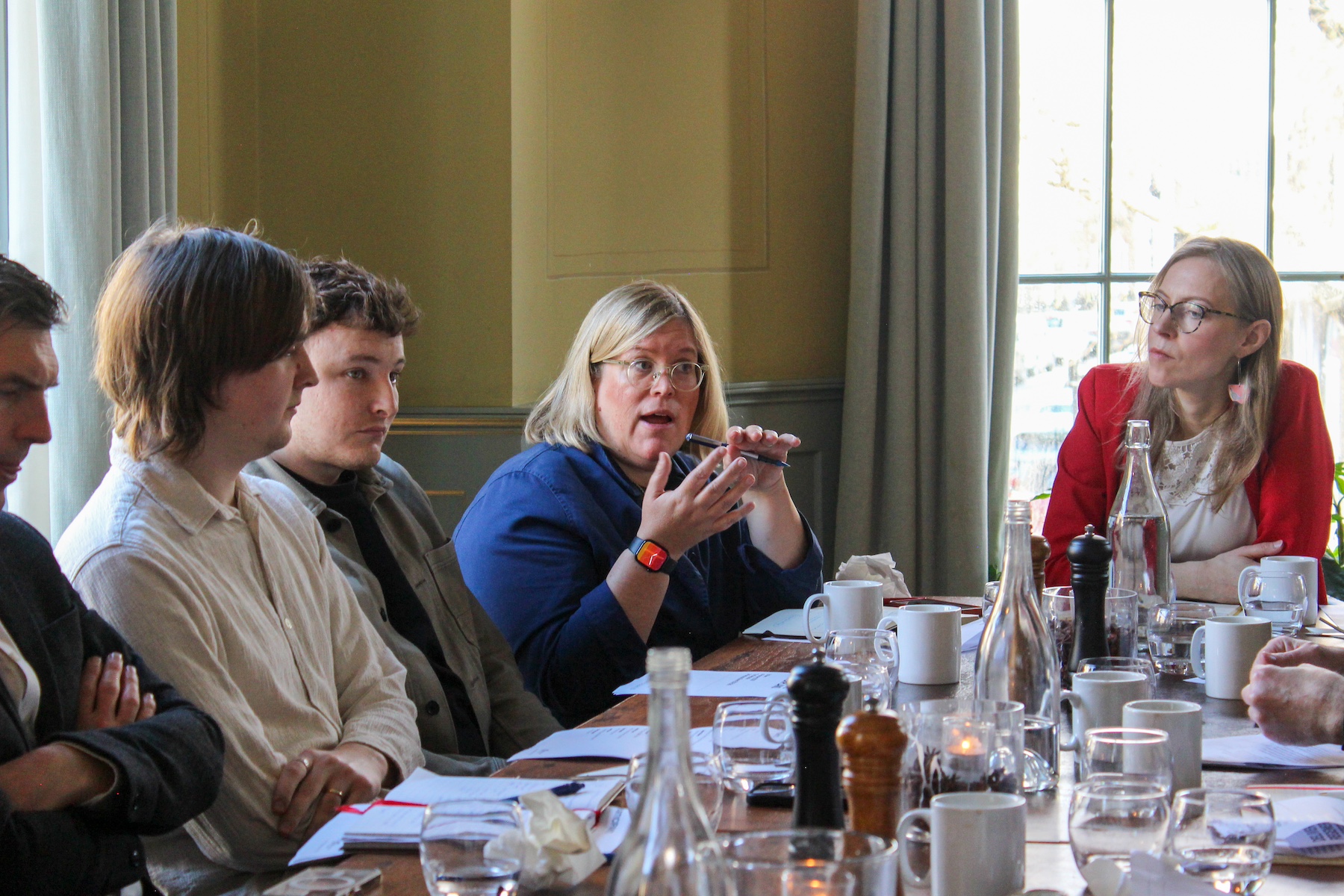
Landscape stewardship was also picked up by Hilary Satchwell, director at Tibbalds, who described long-term management planning as a design tool rather than an administrative afterthought. “Stewardship only works if it’s planned for from the beginning,” she said. “You don’t bolt it on at the end, you use it to test whether a place will actually function and be cared for over 25 or 30 years.”
Running design proposals through long-term management scenarios, she argued, forces teams to confront whether spaces are genuinely sustainable – environmentally, socially and economically – rather than merely compliant at the point of delivery.
Ownership, place and long-term value
Drawing the threads together, Peter Barbalov, partner at Farrells, returned to the importance of custodianship and continuity. “Long-term ownership changes what’s possible,” he argued. “When land is held with a commitment to place rather than short-term return, you can invest in quality, resilience and public realm in a way fragmented ownership simply can’t support.”
Where ownership is transient, he suggested, value is often “extracted rather than cultivated.” Where it is stable, there is greater incentive to invest in landscape, social infrastructure and long-term performance – qualities that underpin genuinely regenerative places.
“Long-term custodianship is everything,” Madelin added. “If you sell all the plots and walk away, you lose the ability to curate the place over time, and the place will suffer for it.”
Towards a regenerative common ground
What emerged from the discussion was not a single model for delivering regenerative masterplans, but a shared recognition that early decisions, long-term stewardship and collective responsibility are inseparable. The economic and political pressures shaping development remain formidable, but regenerative thinking is no longer marginal. It is increasingly part of mainstream professional discourse, even if practice has yet to fully catch up with aspiration.
If regeneration is a long game, then so too is masterplanning. Progress, as this roundtable demonstrated, lies less in definitive answers than in sustained alignment: between ambition and delivery, between people and place, and between the needs of today and the responsibilities owed to future generations.
Participant responses