Catch all the conversations from Cannes with Architecture Today editor Isabel Allen.
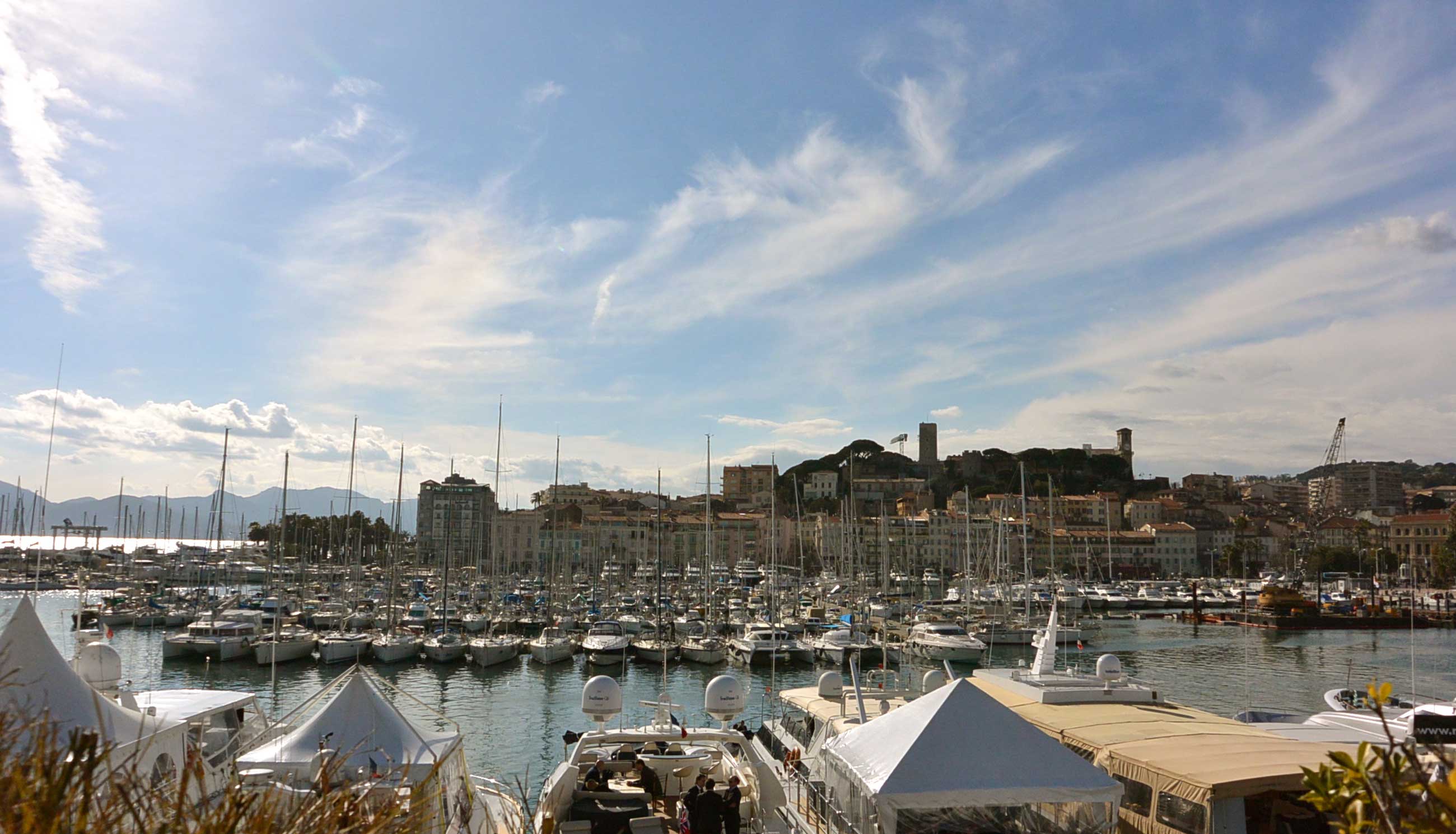
Credit: EG Focus / Flickr.
Every March, the global property industry descends on the French Riviera for MIPIM, a gathering that brings together developers, investors, architects, policymakers and city leaders to discuss the future of the built environment. Amid the pavilions, conference stages and waterfront networking terraces, Architecture Today editor Isabel Allen has been meeting figures from across the industry to explore the ideas shaping contemporary placemaking.
This year’s conversations reveal a shared concern that the built environment must deliver more than investment returns and development pipelines. From the cultural identity of neighbourhoods to the long-term performance of landscapes and buildings, the discussions repeatedly return to a central question: what does it mean to create places that endure?
I think it is probably a result of my campaigning and trying to be a political voice in the profession. We shall see. Who would vote for me?”
Political mover and shaker and Bell Phillips Director Jay Morton discusses podcasting, campaigning and placemaking – and responds to rumours that she could be in the running to be President of the RIBA.
I have recently exited the practice that I founded so this year feels like the start of a new chapter.”
JJ Lorraine on coming to MIPIM as a free agent having left the practice that he founded, planning the second act of his career, and being named after Jean-Jacques Rousseau.
Great landscapes remain socially relevant. People continue to use them, communities adopt them as shared space, and ecological systems mature rather than decline.”
Landscape evangelist and Test of Time awards judge Kimberly Tryba of LILA Studio extols the transformational power of landscape projects that get stronger over time.
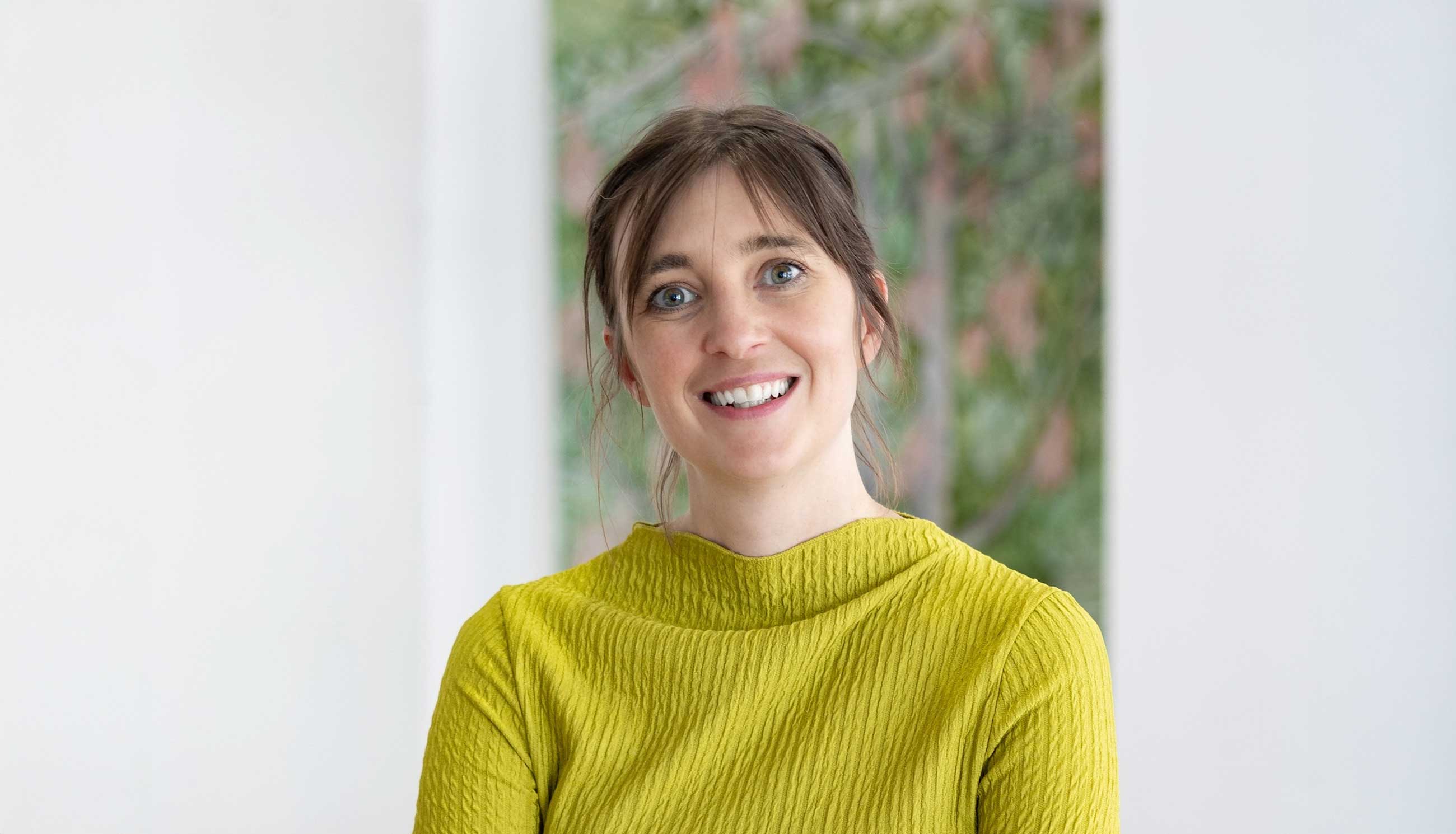
Every project should be able to say that it improved people’s lives in a meaningful way and did not take away more than it gave.”
Heather Macey discusses the challenges involved in taking on the role of Principal at Makower Architects and shares her ambitions for the practice as it embarks on a new chapter of its life.
I think that MPs and Lords may not have understood the sheer scale of what is needed, and understandably want to stay in the prestigious and historic Palace of Westminster.”
Chair of the RIBA Board of Trustees, Jack Pringle of Studio Pringle, calls on MPs and Lords to save £25 billion of taxpayers’ money by vacating the Palace of Westminster while it’s being refurbished and upgraded, and finding alternative premises in Vauxhall, the City or Canary Wharf.
A city’s character and cultural identity are its greatest assets. It’s what attracts talent, investment, visitors, and most importantly, pride from the people who live there. If we strip that away, we end up with efficient developments but forgettable places.”
Podcaster and branding & communications guru Tanisha Raffiuddin of Concept Culture explains why she’s on the hunt for anybody ready for the challenge of building neighbourhoods with a heartbeat.

Between 2023 and 2026, the city is investing €1.2 billion to accelerate progress in clean energy, sustainable transport and green infrastructure, positioning Turku to become the only major carbon‑neutral city in Finland by 2029, with ambitions to progress further and achieve carbon negativity in the 2030s.”
Piia Elo, Mayor of Turku, Finland discusses the city’s plans to become neutral by 2029 and its competition for feasible ideas to strengthen the appeal of the Aura River waterfront.